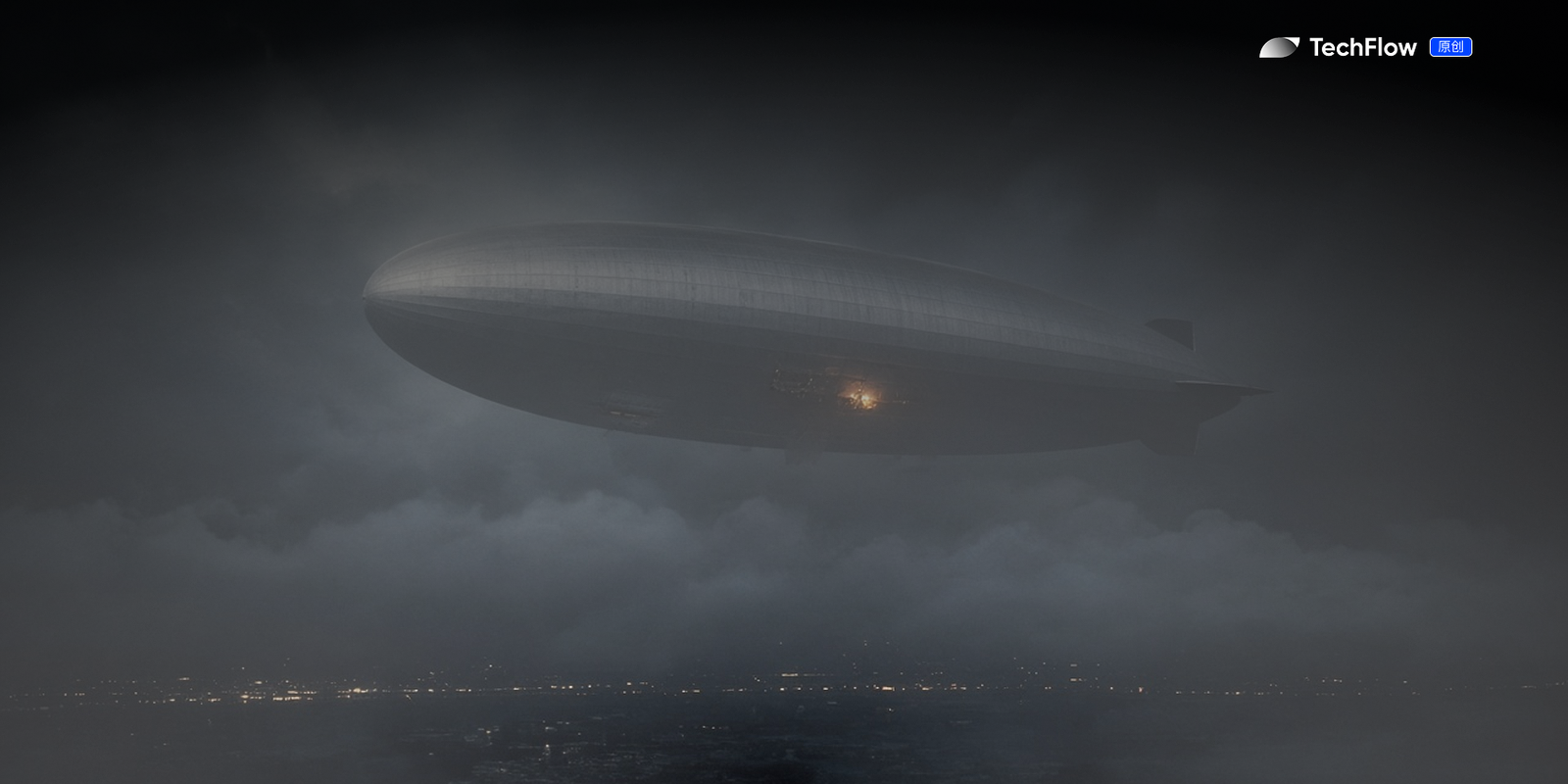
In May 1937, the largest airship in human history, the "Hindenburg," caught fire in front of a crowd and turned into a pile of char within just thirty-four seconds. It had the most prestigious endorsement of its time and an impressive size, but it was filled with highly flammable hydrogen gas, and just a tiny spark of static electricity could cause the whole myth to collapse instantly.
On November 28, 2026, the crypto market witnessed its own "Hindenburg moment" on-chain. The decentralized finance project World Liberty Financial (WLFI), endorsed by the Trump family, plummeted nearly forty percent in a single day, ignited not by external hackers or regulatory subpoenas, but by the project's own strategic reserve wallet.
The official treasury cut all Ethereum holdings in just four hours, resulting in a book loss of nearly twenty million dollars.
When a star project carrying top political aura itself sold off at a floor price, this crash became more than just an isolated trading accident; it was a precise X-ray showing the colossal airships in the current crypto market that appear shiny on the outside but are filled with flammable hydrogen on the inside.
A nearly halved liquidation order breached the harbor of political concept coins
Laid bare under the sunlight, the on-chain transactions of November 28 revealed a strong irony in WLFI's maneuver. Monitoring data showed that the WLFI strategic reserve wallet concentratedly sold 12,121 Ethereum in just four hours, with an average transaction price of only $1,655, exchanging for approximately $20.06 million in stablecoin assets, while the average cost basis for these holdings was as high as $3,244, resulting in a direct net loss of $19.26 million per trade.
Just at the beginning of November, the team had announced plans to use the income from its stablecoin USD1 to repurchase WLFI tokens to boost market confidence. But in less than a month, the proprietary treasury led the sell-off at a position nearly halved in the secondary market.
Even more intriguing were the subsequent on-chain actions after the sale of the tokens. On the morning of November 28 (Tokyo time), the WLFI treasury transferred about $19.09 million in stablecoins (including $16.588 million USDC and $2.5 million USD1) to the Ethereum lending protocol Dolomite, then, just before the flash crash at 13:00, the multisig address associated with the treasury lowered the liquidation price of a $3.99 billion WLFI borrowing position from about $0.021 to approximately $0.0118 by repaying $10.66 million of USDC debt and adding 990 million WLFI as collateral, narrowly avoiding the subsequent liquidation line at a mid-day low of $0.0158; however, this lifeline came from the treasury's existing cash reserves, while the $16.59 million in USDC obtained by selling Ethereum was redirected to another stablecoin revolving loan account.
The on-chain actions revealed not only tight leverage but also an imbalanced position structure.
As the haze of on-chain operations has yet to clear, market sentiment has plunged to freezing point.
More hidden signals lie in the derivative and capital flow data on the order book. In the nearly week leading up to the crash, WLFI was already showing a clear divergence of "spot hemorrhaging and contract accumulation": Over the past seven days, there was a cumulative net outflow of about $4.8 million on the spot end, with nearly thirty days of net outflow reaching $18.4 million, yet the total open interest in contracts maintained a high range of $258 million to $308 million, accounting for over twenty percent of circulating market value, and the newly added positions were predominantly short.
The immense contract leverage was like a cabin filled with hydrogen, waiting for a spark to ignite.
When the news of the treasury's liquidation sale broke on November 28, the fragile balance collapsed instantly: WLFI's price plummeted by 28% within one hour at 13:00, with the total liquidation amount rising to $10.91 million in that hour, triggering a serial trigger pull of long leverage, dragging down tokens associated with the Trump family like TRUMP and MELANIA.
What other "flammable airships" are hidden in the dark corners of the crypto market?
The fall of WLFI is by no means an isolated case. If we trace its balance sheet and order book structure throughout the crypto market, those projects that appear large but are actually frail often repeat the same dangerous moves.
The most typical issue lies in the financial model of "holding operating funds heavily concentrated in high-volatility assets at bull market highs." Over the past two years, many crypto protocols and stablecoin issuers found short-term Treasury yields unimpressive, and during the market frenzy, they deployed massive reserves into Ethereum, Bitcoin, or even commodities, calling it a "diversified strategic reserve." However, once macro winds reversed and asset prices dropped below the cost line, the reserves that were meant to act as cushions would instead consume the primary credit, forcing institutions to cut losses at the bottom where liquidity was most exhausted.
More subtle than treasury losses are those pseudo-blue-chip protocols that maintain a facade of stability through "buybacks and burns," yet are already operating at a deficit. Many star projects invoke buybacks to soothe holders when the prices fall, but once real on-chain trading volumes shrink and protocol fee incomes decline, the inadequate buyback promises turn into ticking time bombs over their heads; any reverse cash-out transaction on-chain would instantly trigger a trust crisis.
Shifting focus to the secondary market order book reveals another group of dangerous players swimming naked with paper valuations in the billions. They have a shallow pool on the spot end, averaging only a few million dollars in daily transaction volume, yet the total open contracts can reach several hundred million dollars, coupled with some medium-sized market makers gradually withdrawing quotes from long-tail trading pairs; the spot buy pressure simply cannot support the massive derivative leverage. With just a significant unlock or concentrated sell pressure, the market could directly experience a vertical flash crash and serial liquidations.
Why do crypto giants suddenly break down under public scrutiny?
Looking back at history, the Hindenburg had just completed ten transatlantic commercial flights before it crashed; everyone was mesmerized by its massive body and luxurious cabins while deliberately ignoring the fatal structural flaw between the flammable hydrogen and the static electricity of its metal skin.
Today’s crypto market is similarly constituted. Whether it's a celebrity DeFi protocol raising hundreds of millions or a themed token backed by top political and business figures, the industry is too accustomed to using grand narratives, locked data, and celebrity endorsements to mask underlying weaknesses in business models. Ordinary token holders nominally possess governance tokens, but in reality, they have no knowledge of when the project treasury will bottom out or cut losses, only passively bearing the downturn when the on-chain alarm sounds.
The market has never given a pass simply because a name is loud enough.
When the tide recedes and external incremental funds stop flowing in, those "colossal airships" sustained by leverage, high valuation bubbles, or political and celebrity attention will ultimately have to accept the harsh test of physical laws—whether their insides are filled with robust cash flows or hydrogen that can ignite at any moment; the market will soon provide an answer.
免责声明:本文章仅代表作者个人观点,不代表本平台的立场和观点。本文章仅供信息分享,不构成对任何人的任何投资建议。用户与作者之间的任何争议,与本平台无关。如网页中刊载的文章或图片涉及侵权,请提供相关的权利证明和身份证明发送邮件到[email protected],本平台相关工作人员将会进行核查。