
Compilation: PANews Big Pliers
There is no single correct answer to AI entrepreneurship, paper-style scientists, academic commercialization teams, quantitative engineering factions, cross-industry entrepreneurs, and operational organizers may all find their place in this competition.
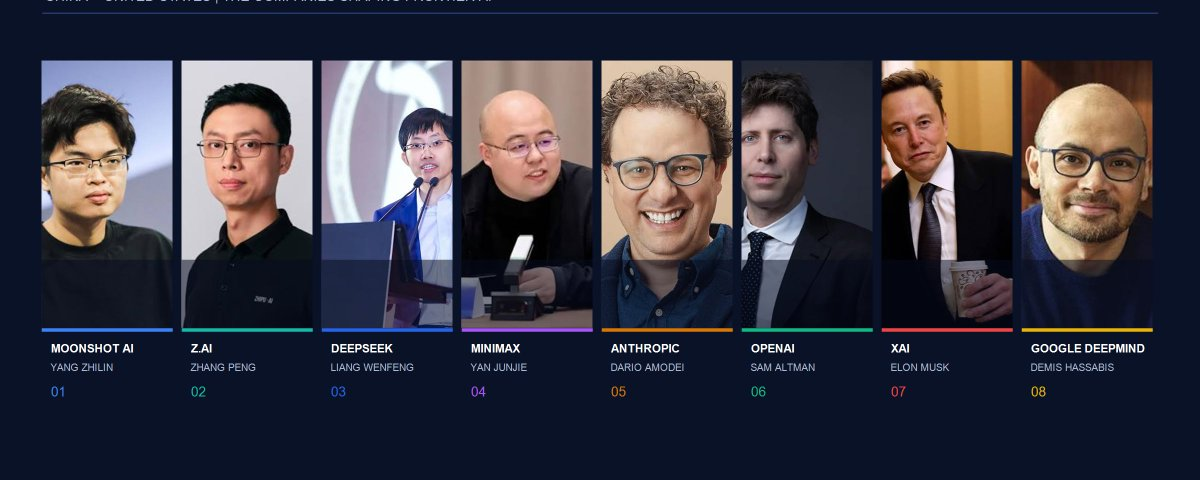
Over the past decade, artificial intelligence has transformed from cutting-edge research in laboratories to the core force determining the landscape of the technology industry. Today, the most attention-grabbing AI companies globally include OpenAI, Google DeepMind, Anthropic, xAI, as well as DeepSeek, the Dark Side of the Moon, Zhipu AI, and MiniMax.
On the surface, they are all developing large models, but behind the scenes, they represent completely different entrepreneurial paths: some come from top papers and academic research, some push university research results to industry, some first accumulate computing power and capital in quantitative finance, and some excel in financing, product, operations, and organization, turning technical teams into world-class companies.
🇨🇳 China: From Research Papers, Academic Laboratories to Quantitative Engineering
The Dark Side of the Moon: Turning a Groundbreaking Paper into a Product for Everyone
The Dark Side of the Moon was established in 2023, and its product Kimi is one of the most recognizable products in China's large model applications, representing the Kimi K3 model that focuses on multimodal, long-context, programming, and deep reasoning.
Founder Yang Zhiling was born in 1992 in Shantou, Guangdong, and graduated with a bachelor's degree from Tsinghua University, later obtaining a Ph.D. in Computer Science from Carnegie Mellon University, studying under researchers in the field of natural language processing. During his PhD, he participated in Transformer-XL, XLNet, and other widely cited works, and has also engaged in AI research at Google Brain and Meta.
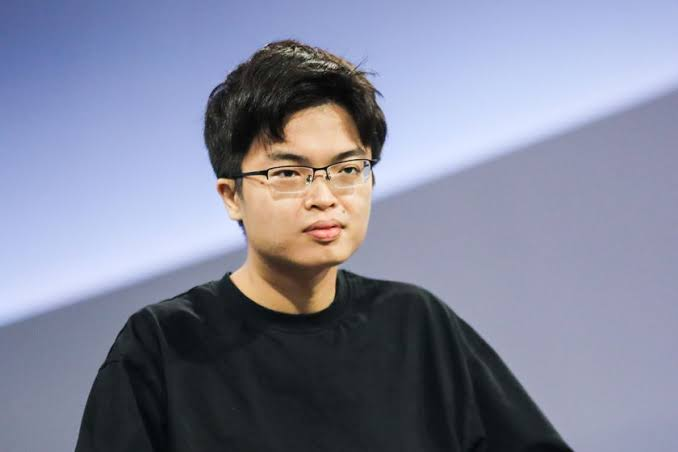 Among this batch of entrepreneurs in China, Yang Zhiling follows the most typical path—first proving his judgment in the academic circle, then transforming that judgment into a product that ordinary people can easily access. Compared to Zhipu's more enterprise service-oriented approach, The Dark Side of the Moon aimed at the consumer end from the very start.
Zhipu AI: A Sample of Commercialization Emerging from Tsinghua Laboratory
Zhipu AI was established in 2019, originating from Tsinghua University’s Knowledge Engineering Laboratory system, representing the GLM series as its technical route, with a long-term layout in foundational models, enterprise services, and model platforms.
 Co-founder and CEO Zhang Peng studied bachelor's and master's degrees at Tsinghua University and has focused on deepening the Knowledge Engineering Laboratory and AMiner academic platform construction from 2005 to 2020, without any experience in traditional internet giants.
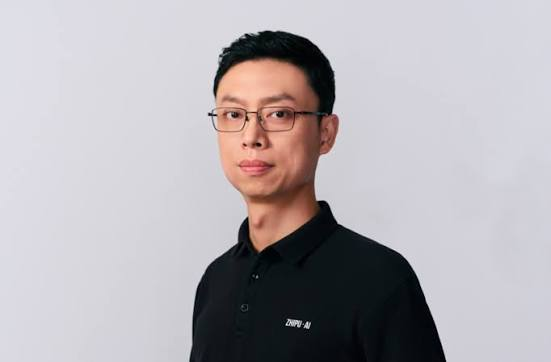 What makes Zhipu AI special is its starting point—it did not start from scratch with a breakout product but directly transformed a decade of accumulated knowledge graphs and academic networks from a university laboratory into a foundational model platform that can provide services externally. This is also its biggest divergence from The Dark Side of the Moon: one first creates a platform, while the other first creates a product.
DeepSeek: Investing Money Earned from Quantitative Trading into Large Models
DeepSeek was established in 2023, focusing on foundational models, training efficiency, and open weights, with representative models including DeepSeek-V3, R1, and the subsequent V4 series.
 Founder Liang Wenfeng was born in 1985 in Wuchuan, Zhanjiang, Guangdong, and studied Electronic Information Engineering at Zhejiang University for his bachelor's degree, later earning a master's degree in Information and Communication Engineering, researching machine vision. He does not have a traditional big company background like Huawei, Tencent, or Baidu, instead, during graduate school, he immersed himself in machine learning quantitative trading and later co-founded Huanshan Quantitative.
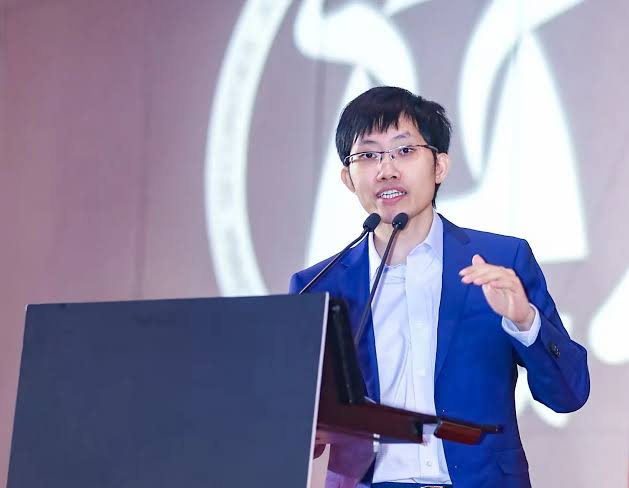 Liang Wenfeng’s path among these companies is the most unique: he did not start as a researcher and then seek funding, but first accumulated capital and computational power through quantitative investment, and then reinvested these resources into large model research. DeepSeek is, in a sense, a product of "computing power earned from finance fed into AI."
MiniMax: From Senior Technical Executive at Major Firms to Multimodal Entrepreneur
MiniMax was established in 2022 and is a multimodal foundational model company that covers text, speech, images, and video, with products including Conch AI and Starry.
 Founder Yan Junjie holds a bachelor's degree in mathematics from Southeast University and a Ph.D. in artificial intelligence from the Institute of Automation, Chinese Academy of Sciences, completing a postdoctoral study at Tsinghua University. Before starting his own business, he worked at SenseTime for over six years, eventually becoming vice president and deputy director of the research institute.
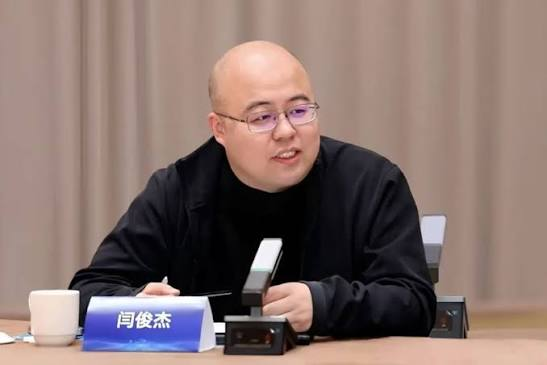 Yan Junjie embodies two types of experience—solid academic training and practical experience in managing products and leading teams within a large AI company like SenseTime. MiniMax’s choice to pursue the more challenging multimodal path is, in a way, a natural result of the interplay between these two experiences.
🇺🇸 USA: From Fundamental Research, Safety Governance to Cross-Industry Resource Integration
Anthropic: A Pair of Siblings, Half Physicist, Half Governor
Anthropic was founded in 2021 by a group of researchers who left OpenAI, based on the core idea that "AI safety should advance in tandem with capability development," with the Claude series as its flagship product.
 Co-founder and CEO Dario Amodei studied physics at Stanford University for his bachelor's degree and shifted to biophysics at Princeton University for his Ph.D. This interdisciplinary background later reflected in his research path—he initially joined Google Brain as a senior research scientist and later transitioned to OpenAI as vice president of research, where he participated in training GPT-2 and GPT-3 and was one of the key contributors to the early RLHF (reinforcement learning based on human feedback) research. In 2021, he left with several OpenAI colleagues, including his sister Daniela, to establish Anthropic.
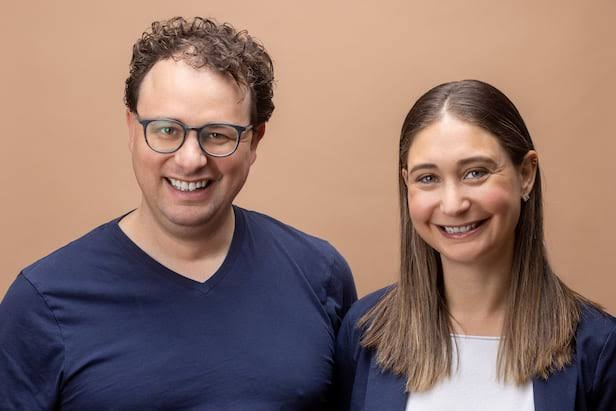 Daniela’s path is entirely different. She studied English literature for her bachelor's degree and did not directly enter the tech industry post-graduation, instead working in operations at Stripe and OpenAI. At Anthropic, her role is not about training models but building the foundational systems that enable the company to operate safely and steadily—covering recruitment, corporate governance, and implementing safety policies.
This sibling combination, in many ways, symbolizes Anthropic as a company: it needs researchers like Dario, who can judge technology paths and understand model capability boundaries, as well as people like Daniela who grasp organization, processes, and risk management.
OpenAI: A Storyteller and a Technical Expert
OpenAI was founded in 2015, launching flagship products like ChatGPT, GPT, and Sora, becoming a core company that brought generative AI into the public eye.
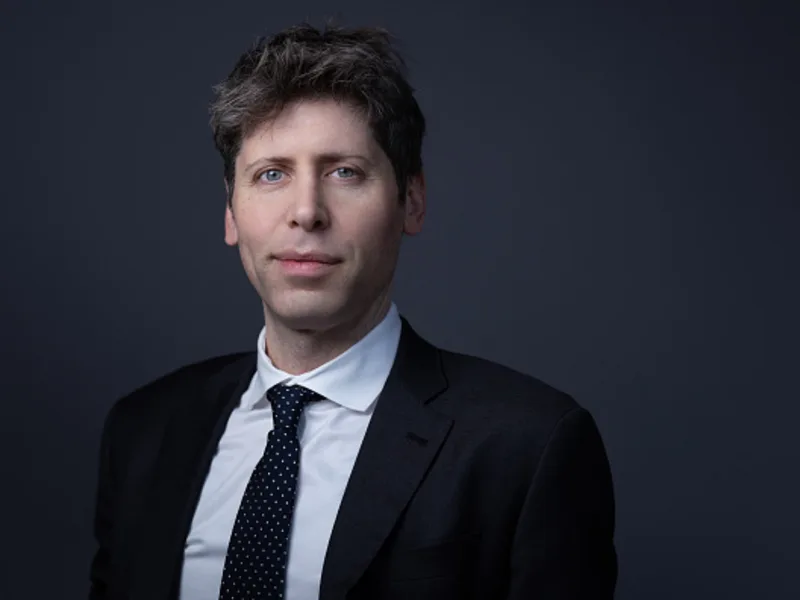
 Sam Altman dropped out of Stanford University after two years of studying computer science, founded the location-based social networking company Loopt, and then became the president of Y Combinator. His strength has never been in publishing top papers but rather in fundraising, product judgment, organizational mobilization, and crafting compelling technical narratives.
 Ilya Sutskever is a different type. He holds a Ph.D. in Mathematics and Computer Science from the University of Toronto, studying under deep learning pioneer Geoffrey Hinton. He participated in significant projects at Google Brain like AlexNet and Seq2Seq and led OpenAI’s early scaling training path.
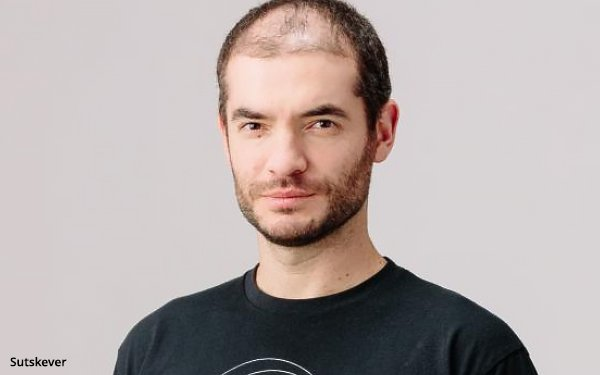 If Ilya determined what kind of models OpenAI could create, then Sam determined whether the company could survive, acquire funding, market technology, and withstand regulatory pressures. The combination of the two represents perhaps the most successful implementation of the "scientist+organizer" model in Silicon Valley.
xAI: Musk Adapts His Car and Rocket Skills to AI
xAI was founded in 2023, with Grok as a representative product, emphasizing real-time information, reasoning, and generative media, and is deeply integrated with the X platform.
 Founder Elon Musk was born in Pretoria, South Africa, and studied physics and economics in university before briefly entering a Stanford graduate program and then dropping out. Unlike other AI founders, he lacks traditional big company experience, instead participating in the founding of companies like Zip2, PayPal, SpaceX, Neuralink, and has long led Tesla.
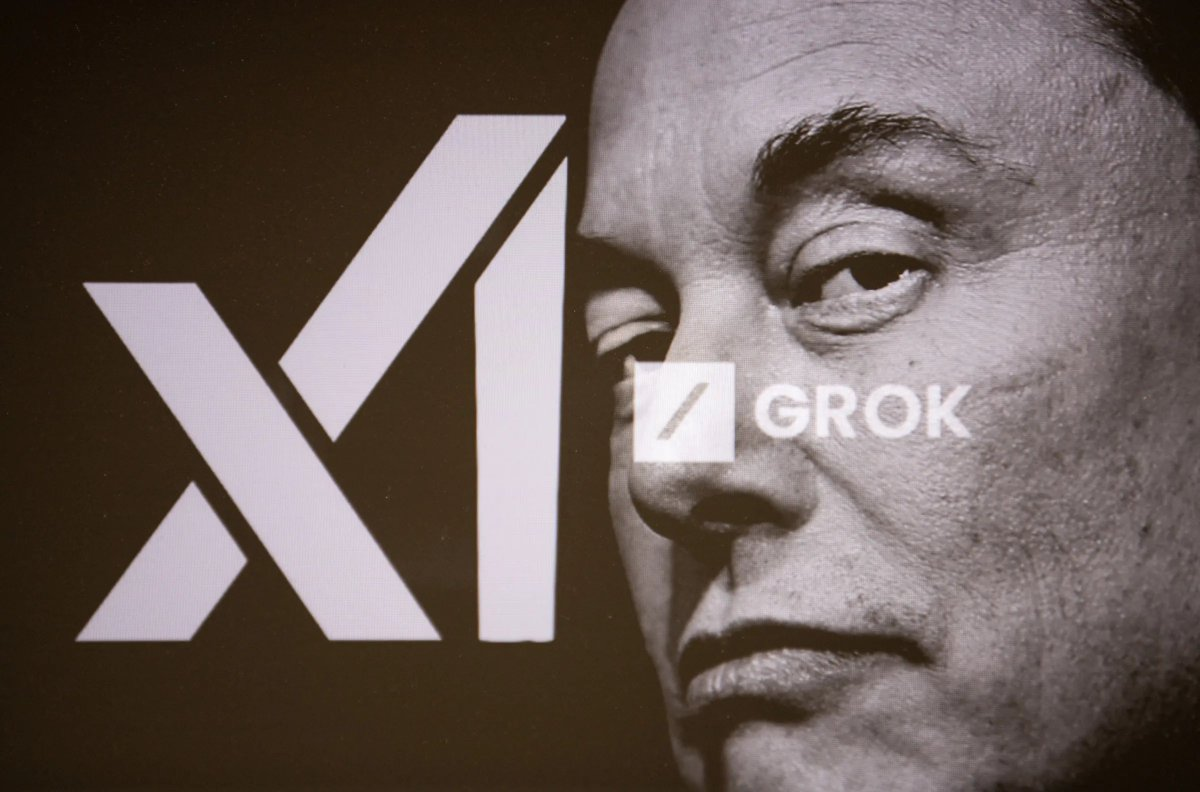 Musk’s approach to entering AI isn’t driven by papers or laboratory work, but by integrating resources accumulated across multiple industries such as payment, electric vehicles, aerospace, satellite communications, and social platforms, directly funneling them into the computing power and data required for large model training.
Google DeepMind: A Chess Prodigy Who Moved from Games to Proteins
Google DeepMind was founded in 2010 and was acquired by Google in 2014, now serving as Google’s core AI R&D institution, successively launching AlphaGo, AlphaFold, and Gemini.
 Co-founder and CEO Demis Hassabis was born in London, UK, holding a first-class degree in computer science from Cambridge University and a Ph.D. in cognitive neuroscience from University College London. As a youth, he was a chess master, contributing to the game "Theme Park" at the age of 17 and later founded the game company Elixir Studios.
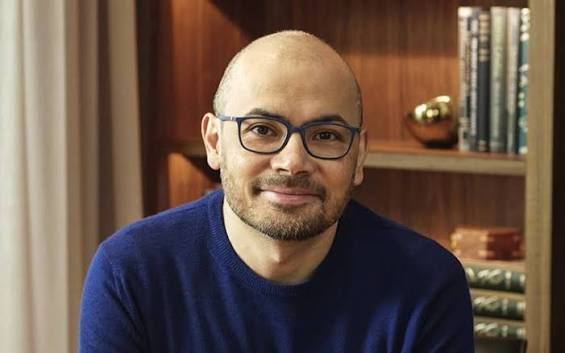 Gaming honed his intuition for complex systems and decision-making, neuroscience gave him a biological perspective for understanding "intelligence," while computer science provided the engineering capability to actualize these ideas. The success of AlphaGo and AlphaFold is almost a result of these three experiences coming together— with the latter earning him a Nobel Prize in Chemistry in 2024.
Four Founder Paths: There Is No Single Template for AI Entrepreneurship
Reviewing these eight companies, the founders can be broadly categorized into four types.
The first type: pure technical paper-type founders. Yang Zhiling, Yan Junjie, Dario Amodei, Ilya Sutskever, and Demis Hassabis all possess systematic research training, sharing the commonality of being able to judge technology paths, lead research teams, and create genuine barriers in model capabilities or training methods. Among them, Yang Zhiling and Ilya are closer to the model of "first writing impactful industry papers, then moving towards entrepreneurship," while Hassabis is a product of the intersection between computer science, gaming, and neuroscience.
The second type: commercialization of university research results. Zhipu AI is the most typical example, its core capability directly derived from years of accumulation in Tsinghua’s Knowledge Engineering Laboratory. The Dark Side of the Moon also has strong Tsinghua and overseas research genes but follows a more market-oriented path—it has not remained within the confines of packaging academic achievements into enterprise services but has directly created a public-facing product.
The third type: the combination of mathematics, engineering, and capital. Liang Wenfeng and Musk belong to this category, but their sources of resources are entirely different—Liang Wenfeng accumulated capital and computing power through quantitative investment, while Musk mobilized resources through cross-industry businesses such as payment, automotive, aerospace, and social platforms. The commonality is that their entry into AI has never solely relied on algorithms themselves.
The fourth type: non-technical organizers paired with technical founders. Sam Altman and Daniela Amodei are representatives of this path. They may not be the top model researchers, but they determine whether the company can attract talent, secure funding, build products, withstand regulatory pressure, and not fall apart during rapid expansion.
Frontline AI competition has never just been about "who has a PhD in computer science," nor solely "who can train larger models."
What truly determines whether a company can remain at the forefront is whether the capabilities of research, engineering, product, capital, and organization can form a closed loop: scientists determine technological limits, engineering teams decide on model implementation, product teams influence user willingness to adopt, capital dictates resource investment for computing power and talent, and organization and governance determine whether a company can operate long-term.
From this perspective, there is no single correct answer to AI entrepreneurship.
Paper-style scientists, academic commercialization teams, quantitative engineering factions, cross-industry entrepreneurs, and operational organizers can all find their places in this competition.
Whoever can integrate different capabilities into a system will be more likely to become a long-term winner in the next wave of artificial intelligence.
免责声明:本文章仅代表作者个人观点,不代表本平台的立场和观点。本文章仅供信息分享,不构成对任何人的任何投资建议。用户与作者之间的任何争议,与本平台无关。如网页中刊载的文章或图片涉及侵权,请提供相关的权利证明和身份证明发送邮件到support@aicoin.com,本平台相关工作人员将会进行核查。


