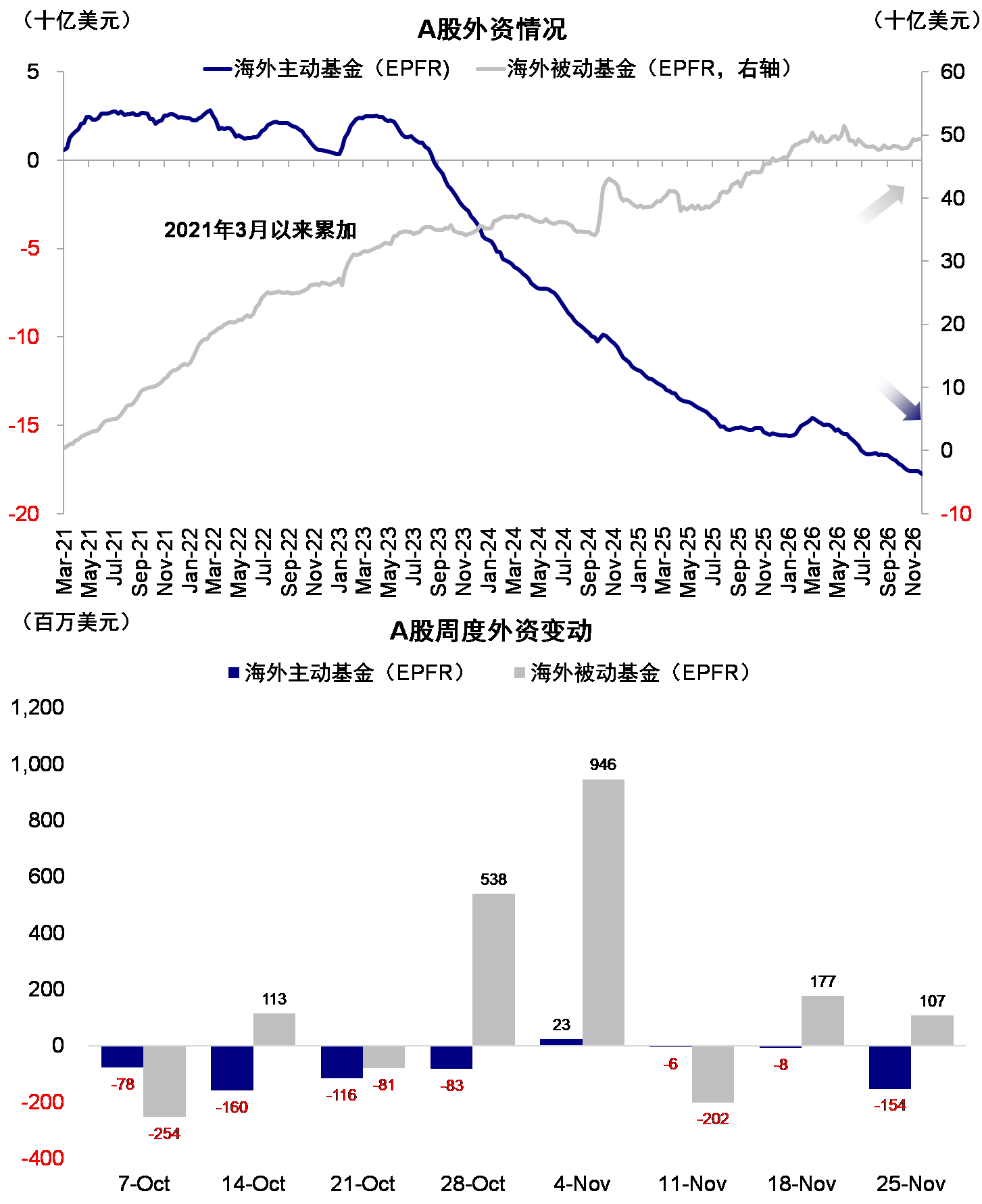
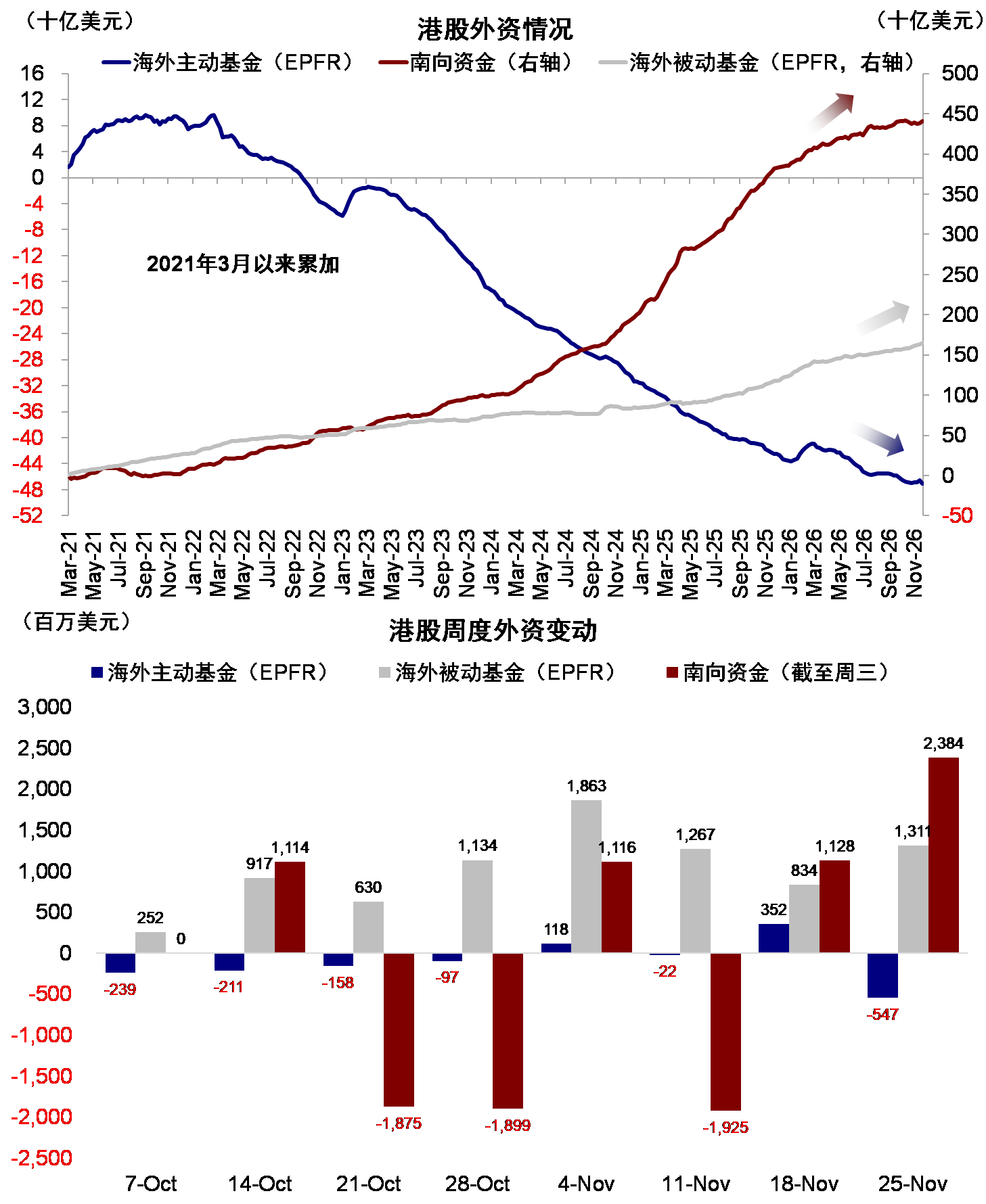
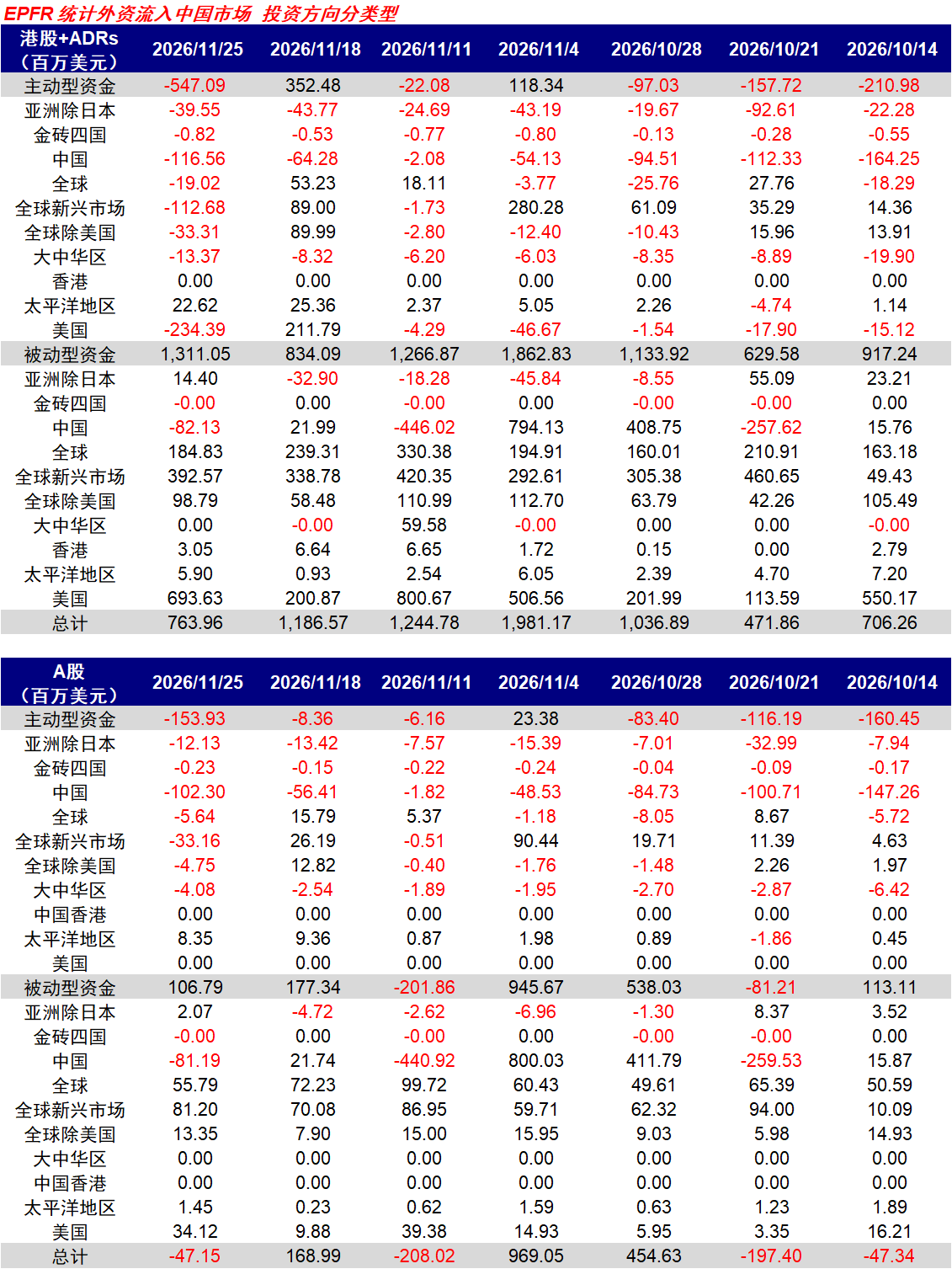
1️⃣ Foreign Capital: Active foreign capital outflow from Hong Kong stocks of $550 million (inflow of $350 million last week), outflow from A-shares of $150 million (inflow of $10 million last week). Passive foreign capital inflow to Hong Kong stocks of $1.31 billion (inflow of $830 million last week), inflow to A-shares of $110 million (inflow of $180 million last week) images 2, 3, 4.
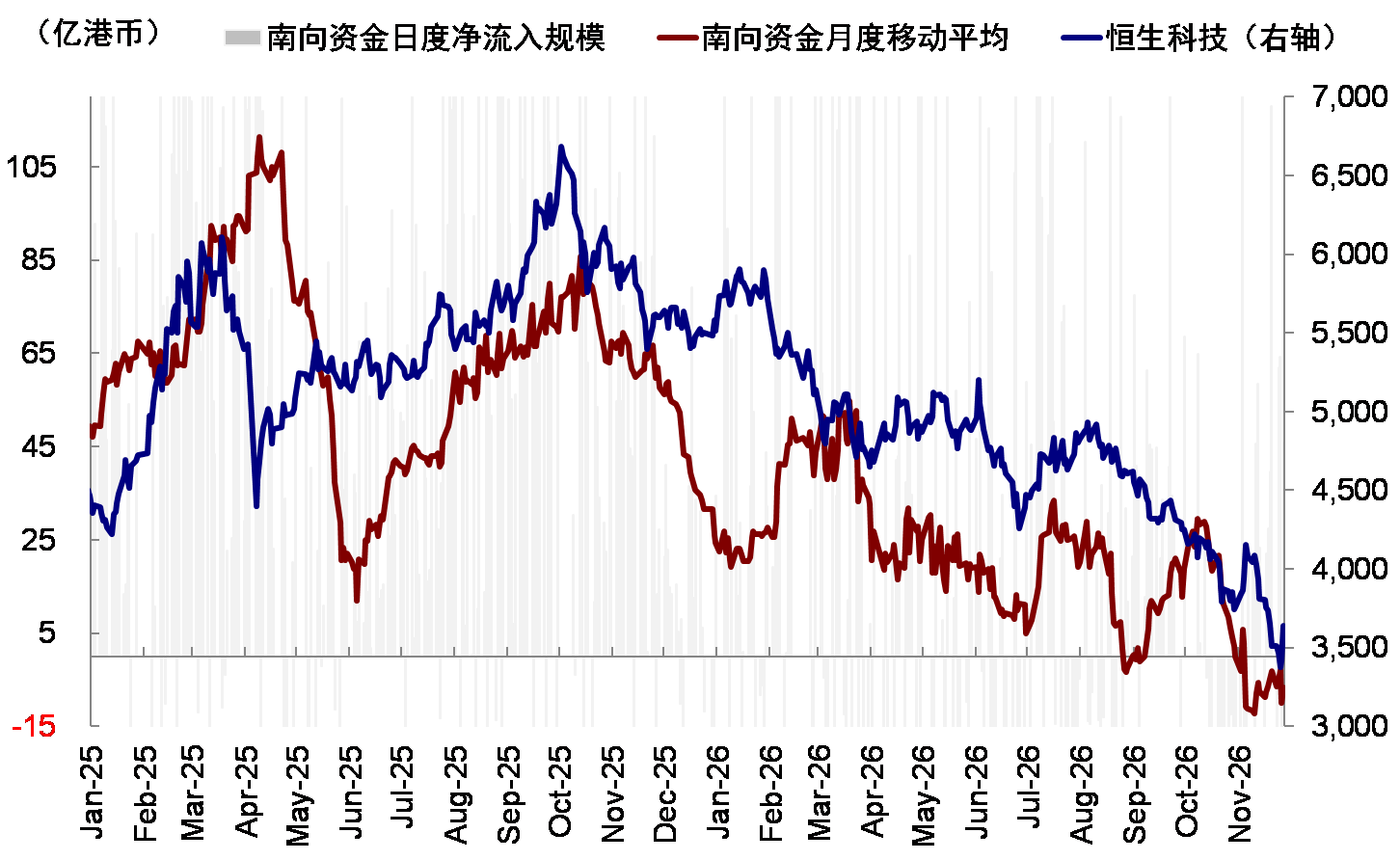
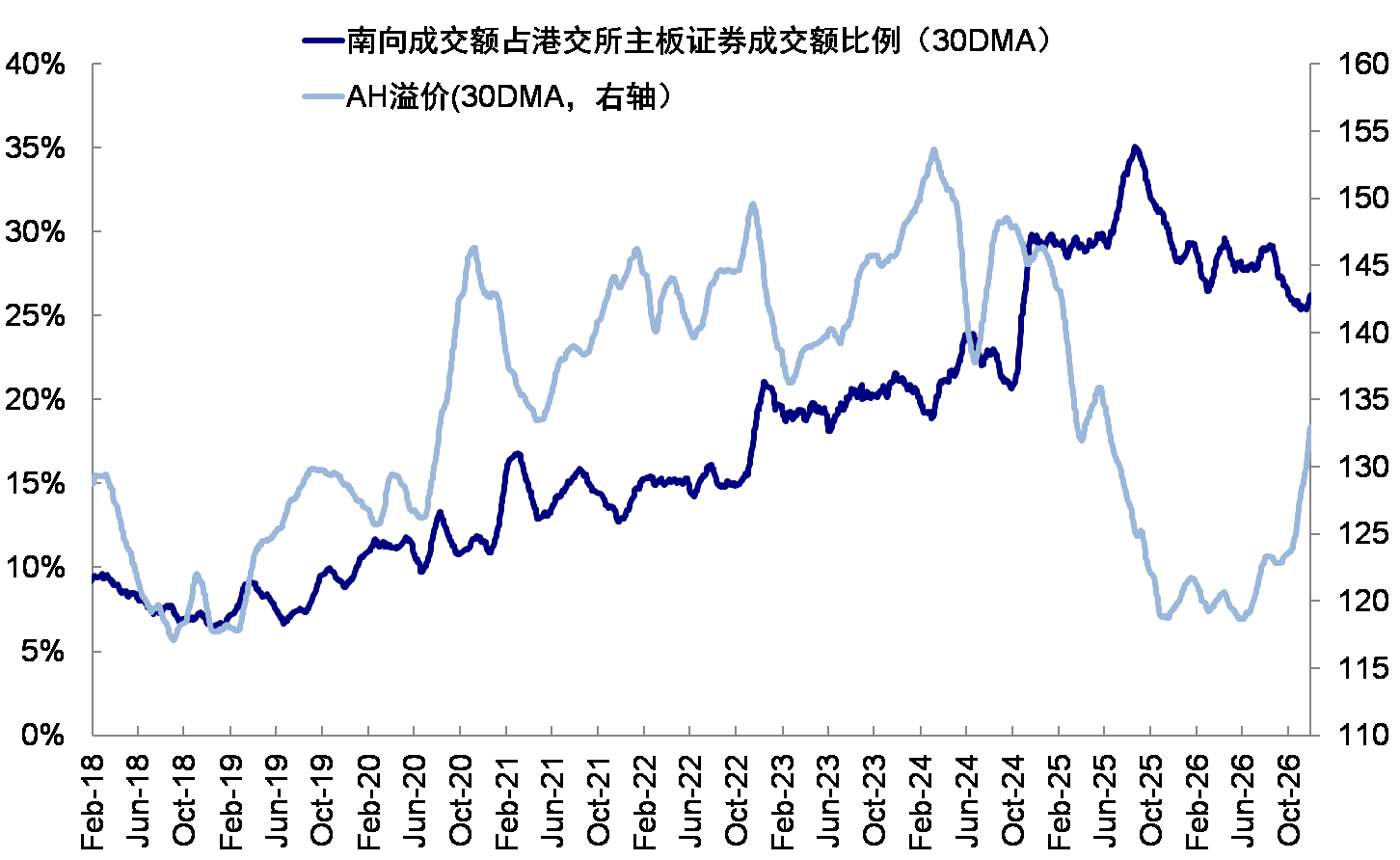
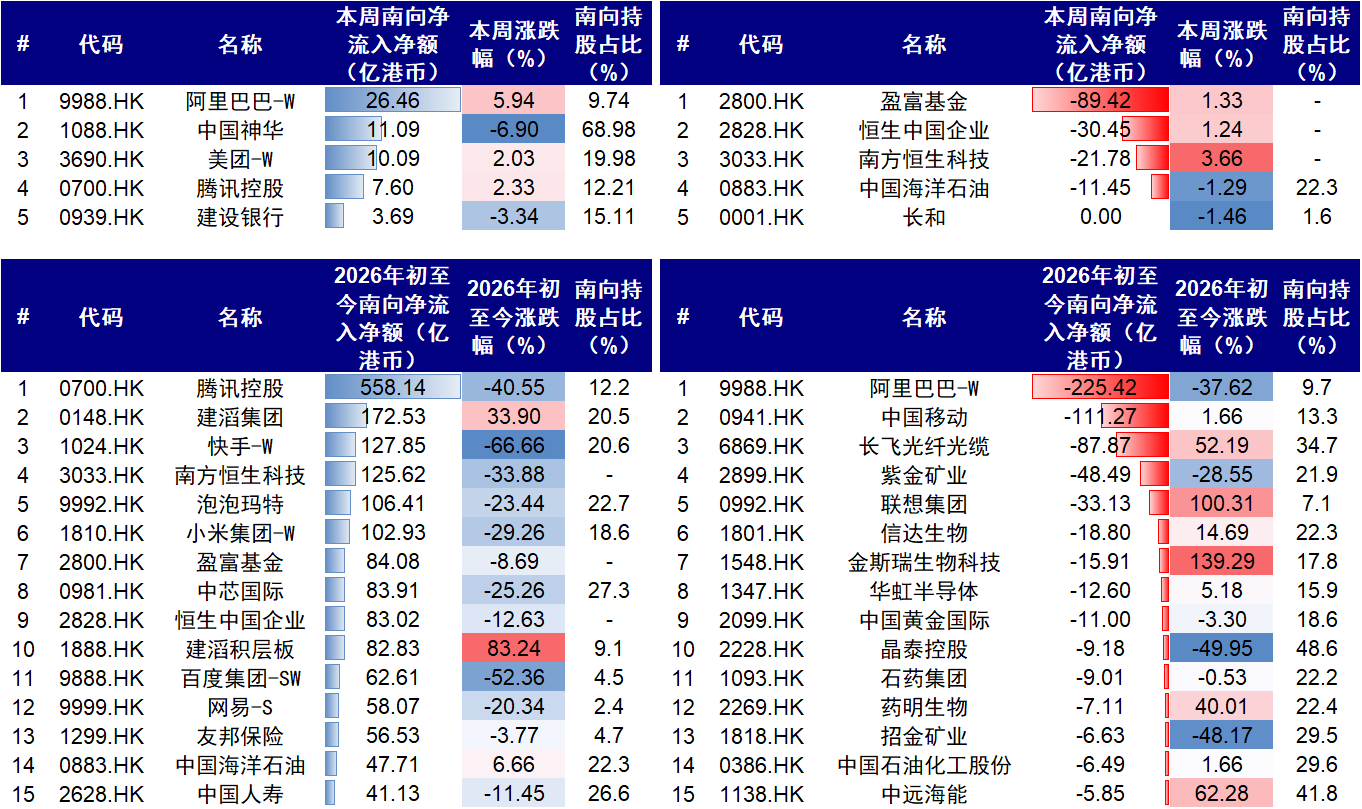
2️⃣ Southbound: Outflow of HKD 13.8 billion (inflow of HKD 16.5 billion last week) image 5. Purchased Alibaba, Shenhua and Meituan but sold ETFs like Hang Seng Index Fund image 7.
Following Jensen Huang's return on Monday which brought a "miracle day" to US stocks, the Chinese market also welcomed its own "big miracle day" on Friday, with ChiNext surging nearly 15%, and even Hengke, which has little direct relation, also soaring by 6%, marking a much-anticipated relief after a long drought.
The market cannot help but ask, is this September 24th? If not, what is missing, and what time does it feel like now?
🏵️ First, the biggest significance of this market stabilization in the short term lies in avoiding a liquidity crunch. This is similar to the importance of Jensen Huang's return to US stocks; if US stocks fall disorderly, CTAs and leveraged ETFs may experience similar crunches, and even those with no issues might face problems Jensen Huang’s return and the surge in US stocks. Recently, there are also similar indications in the Chinese market, with bond market volatility, negative wealth management net values, and a "four kills" phenomenon in stock-bond-foreign exchange trading, making timely intervention necessary to stabilize emotions.
🏵️ However, if we look further at the strength of the policy, the external environment, and market conditions, there are still differences compared to September 24th.
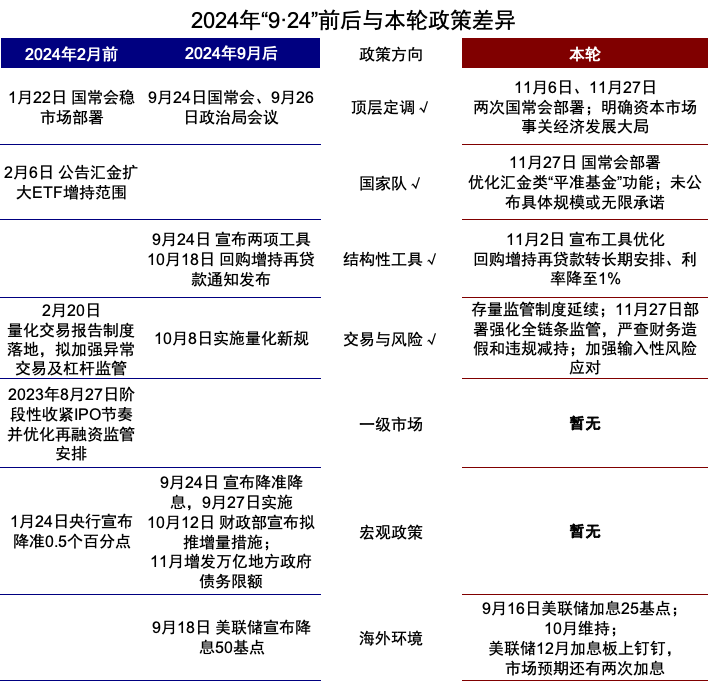
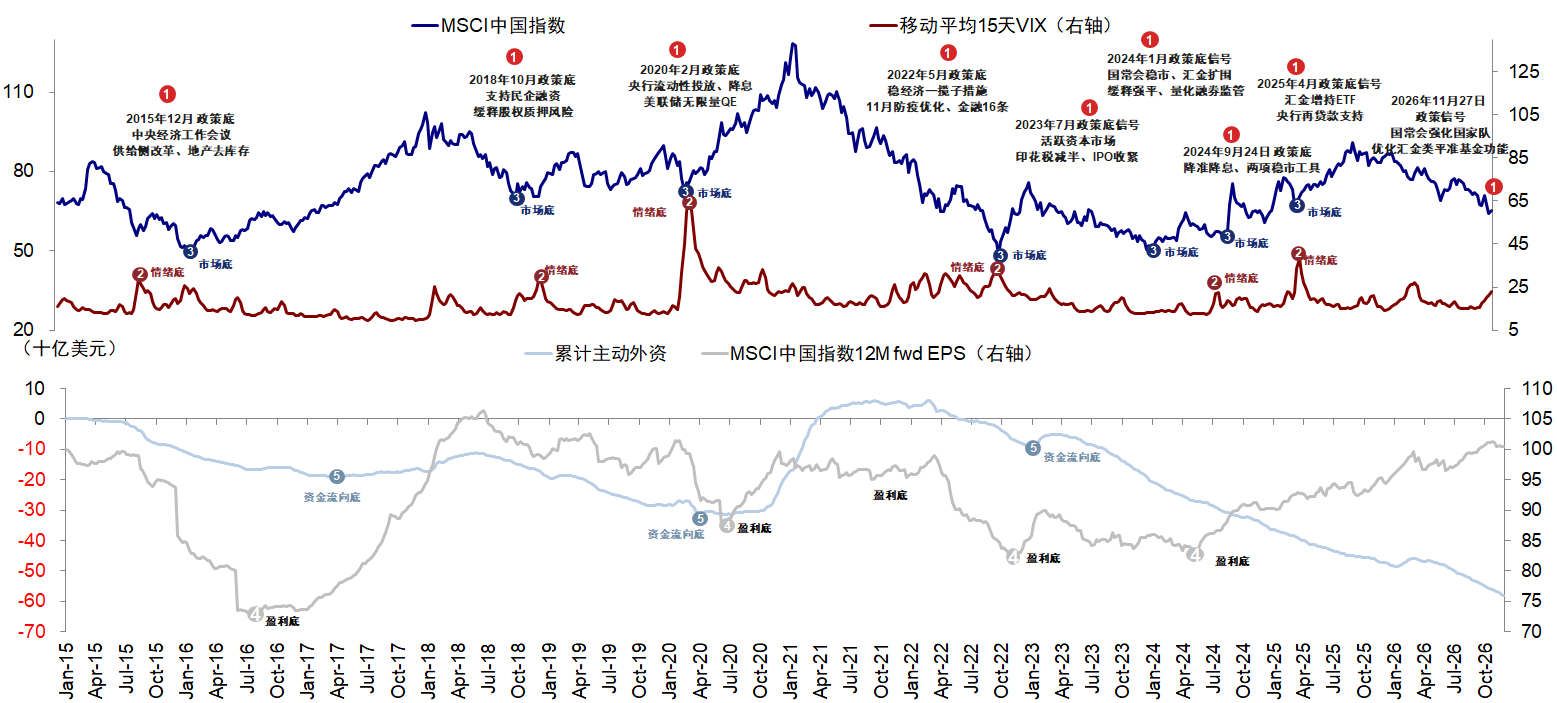
1) Besides market policies on September 24th, there were also central bank liquidity commitments akin to "unlimited bullets," monetary easing through rate cuts and reserve requirement ratio reductions, as well as more important fiscal measures. The current situation is more similar to the market stabilization policies post-quantitative shock in January 2024; the central bank then lowered the reserve requirement ratio by 0.5% in February, releasing around 1 trillion yuan, and the State Administration of Foreign Exchange expanded ETF coverage on February 6. Therefore, we can observe if there are further policy implementations image 8.
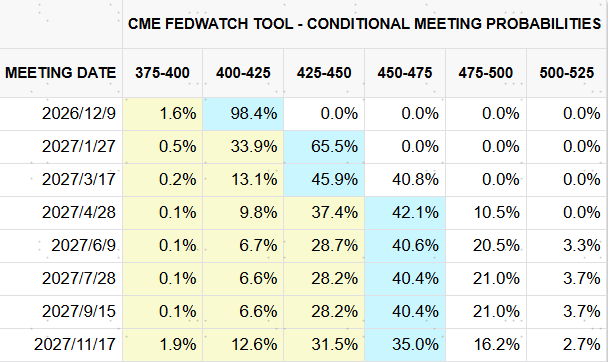
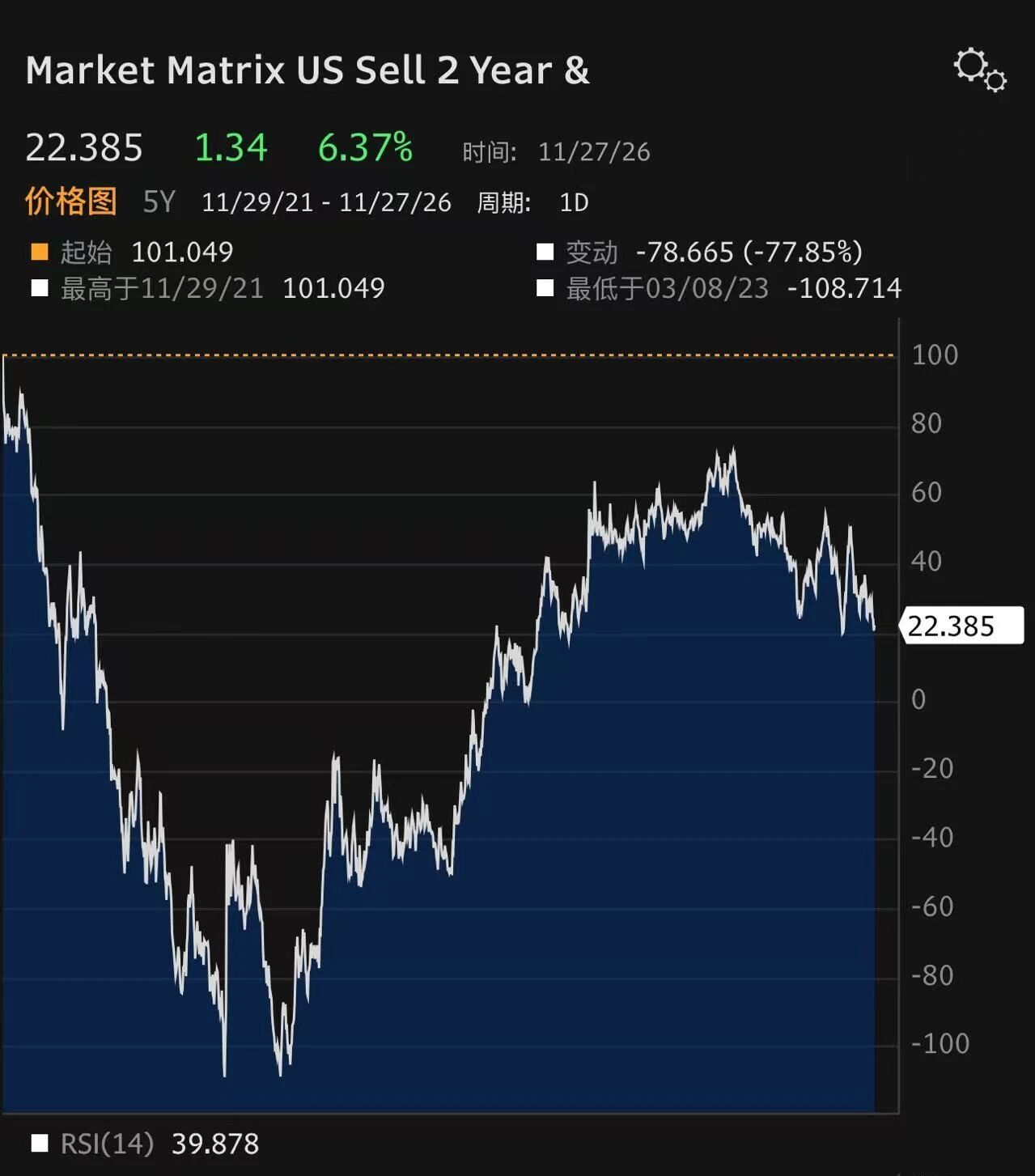
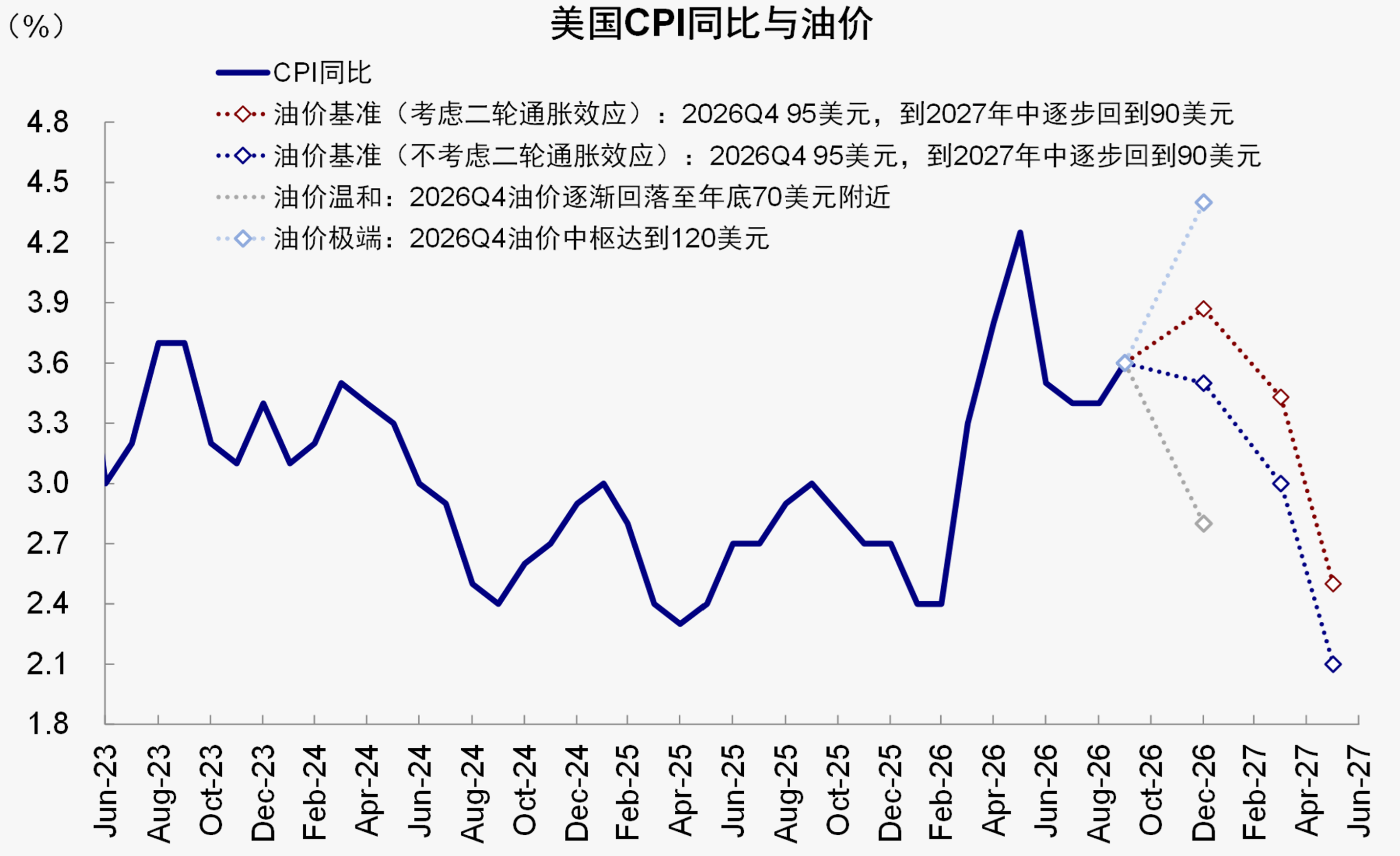
2) The Federal Reserve began cutting rates before September 24th, but this round of rate hikes has not yet ended. A 25bp rate hike in December is almost certain, and the market expects two more hikes in the future image 9. Although we believe the Federal Reserve lacks the basis for sustained and significant rate hikes, with the 2s10s just one hike away from inversion image 10. However, the current Federal Reserve is "different" and has not yet signaled any easing. We expect a turning point might come in the first quarter of next year, awaiting US stock earnings and inflation to decline after February image 11.
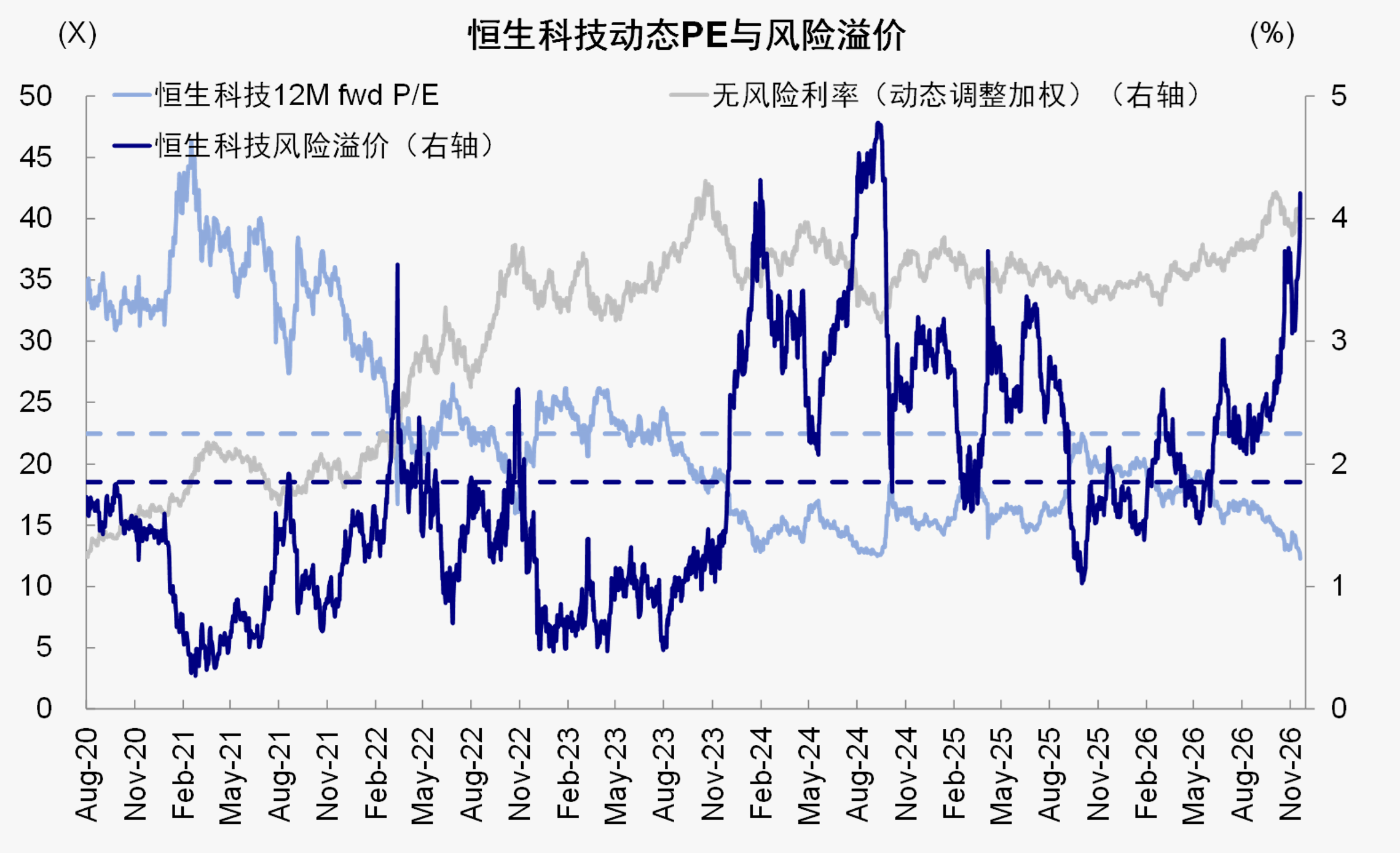
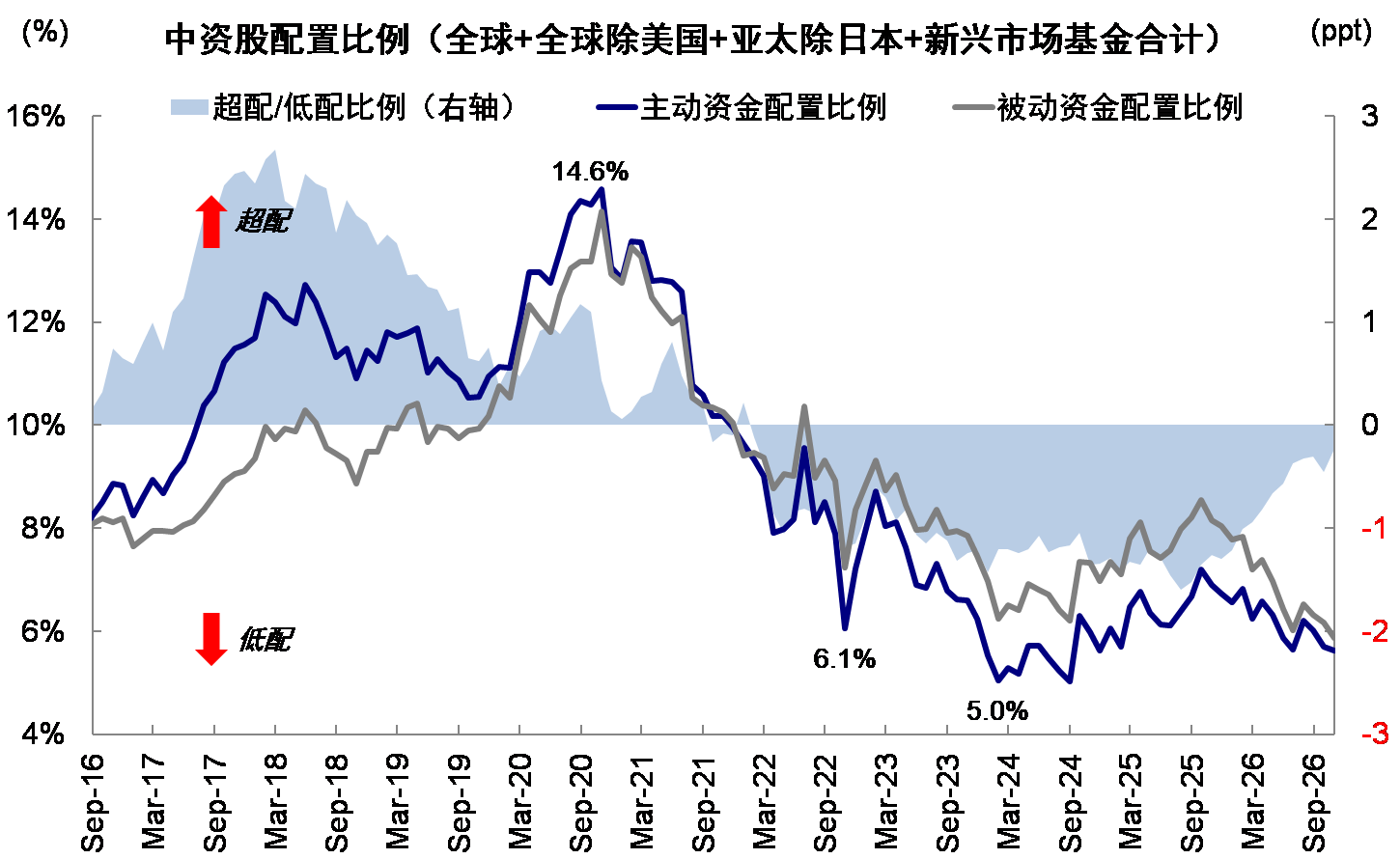
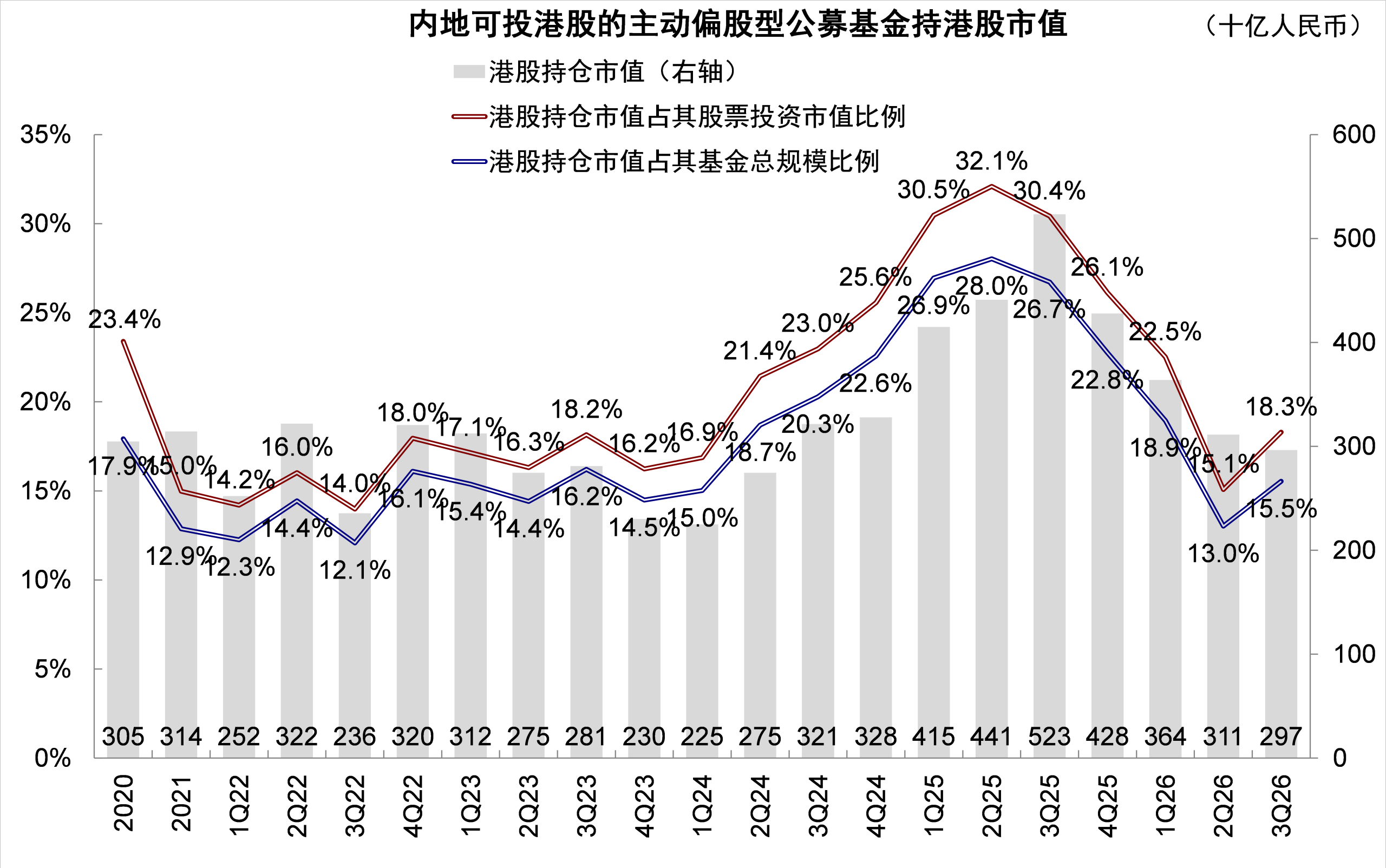
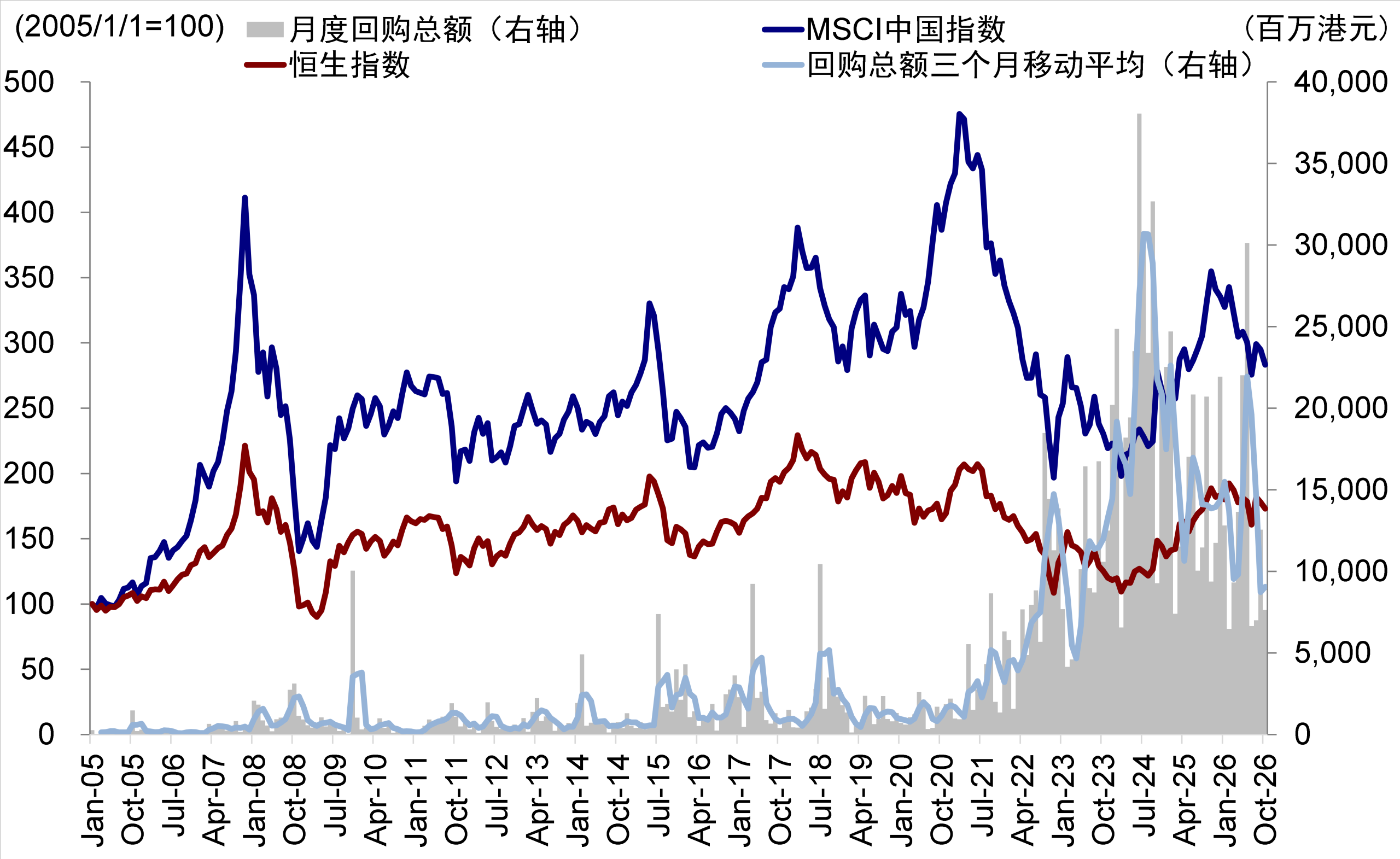
3) The market environment is also different. Taking Hong Kong stocks as an example, the current issue lies not in the secondary market but in the primary market, where the risk premium image 12 and positions image 13, 14 are lower than at the beginning of 2024, but repurchases and IPO lockups are not as good as then image 15; A-shares are mainly in tech positioning.
Generally speaking, the market goes through the policy bottom → emotional bottom → market bottom → profit bottom → foreign capital bottom image 16.
Overall, Hong Kong stocks currently resemble the period from the second half of 2023 to the beginning of 2024. The completion of the Federal Reserve's rate hikes and the peak of lockup expirations in January next year remain sources of short-term disturbances. If one wants to participate in this round of rebound speculation, they must act quickly; otherwise, they will have to wait for more clarity on internal policies and external environments Hong Kong Stock Outlook 2027: Difficult to Rise Without Breaking Global Market Outlook 2027: At a Turning Point.
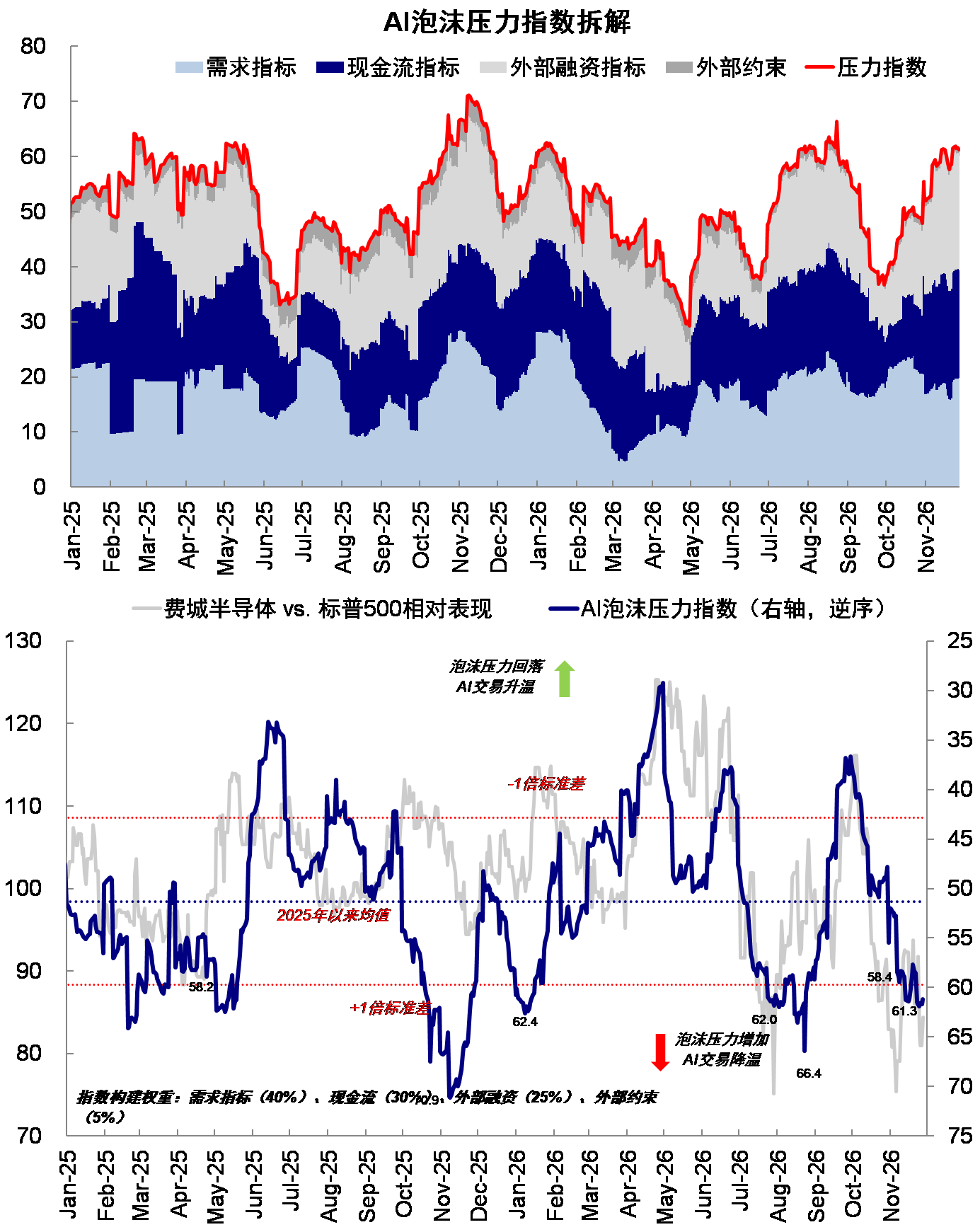
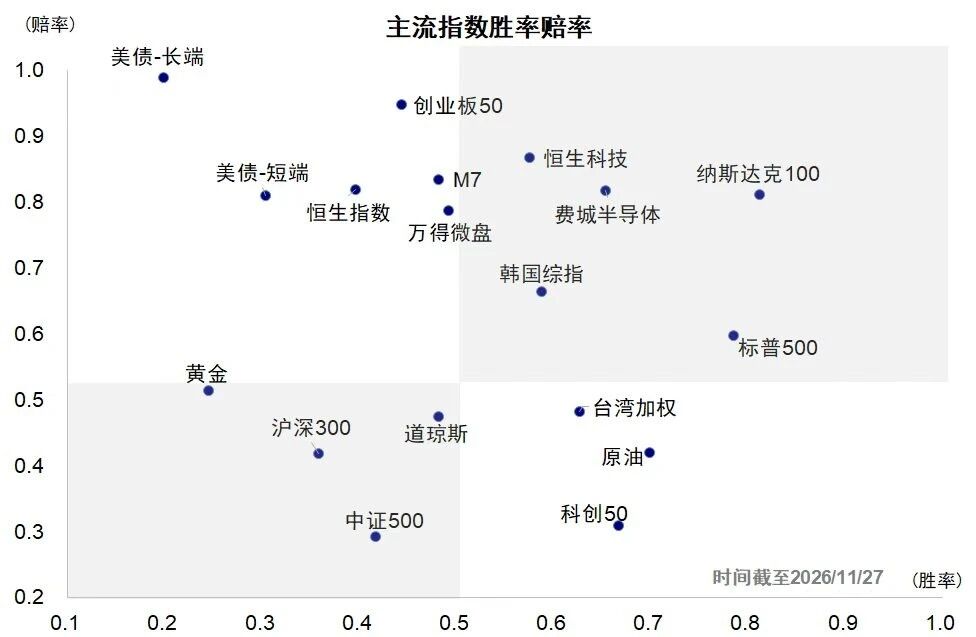
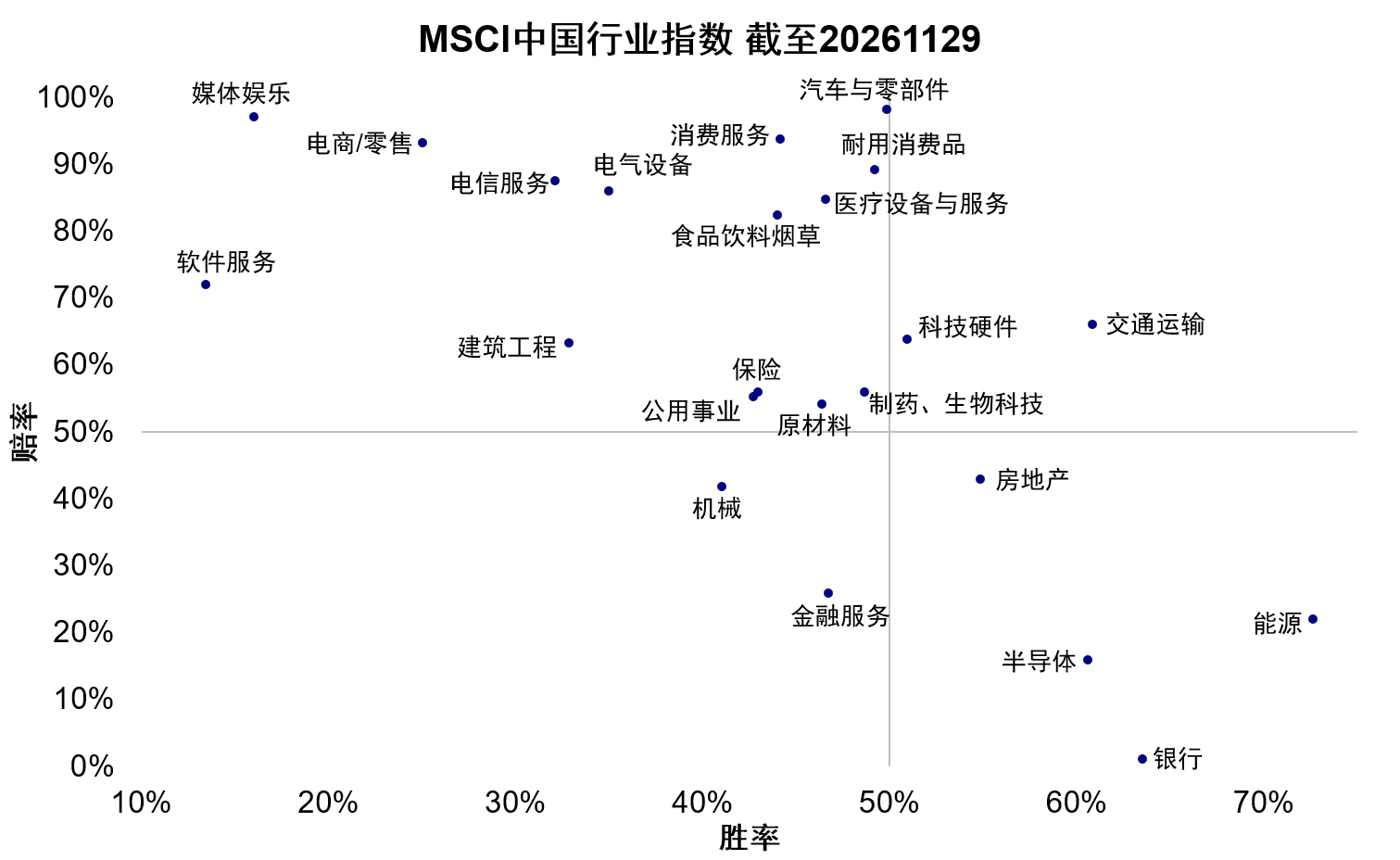
🏵️ The AI pressure index continues to rise, approaching previous extreme levels, with the demand side being the main drag image 1. Win rate odds update: 1) Hang Seng Tech, Nasdaq 100, M7, ChiNext 50, and S&P 500 among the top image 17; 2) Energy, transportation, automotive, durable goods, medical equipment and services rank high, while tech hardware has been removed image 18.
免责声明:本文章仅代表作者个人观点,不代表本平台的立场和观点。本文章仅供信息分享,不构成对任何人的任何投资建议。用户与作者之间的任何争议,与本平台无关。如网页中刊载的文章或图片涉及侵权,请提供相关的权利证明和身份证明发送邮件到[email protected],本平台相关工作人员将会进行核查。