The development of digital technology and artificial intelligence is advancing rapidly, bringing numerous conveniences to life. To bridge the digital divide and master technology applications, the elderly must continue to learn and grow throughout their lives.
The Ageing and Family Research Centre at The Hong Kong Polytechnic University is funded by the Office of Digital Policy's "Smart Elderly" Advanced Digital Training Program, providing free information and communication technology courses for the elderly, allowing them to understand applications of smart homes, artificial intelligence, and robotic technology in elderly services and home safety.
Course instructor Wong Chi Keung, who worked in the education sector teaching technology-related subjects before retiring, mentioned that he is of a similar age to the students, making it easier to understand the difficulties they encounter.
He noted that students appreciate opportunities for expression and are very active in class, expressing hope for more similar courses in the future to assist the elderly in bridging the digital divide.
Students participating in the course have given positive feedback; among them, Cheng Ka Fai described the benefits gained from the activities. "I think the entire course content is very fresh. It turns out there are many things I seemingly didn’t know, and I learned a lot this time."
The Office is implementing multiple measures under the "Smart Elderly" digital inclusion program, including establishing support points to help the elderly and those in need use smartphones and digital services, funding the establishment of basic digital service courses and advanced digital technology courses, as well as setting up an online digital technology learning platform for users to learn digital technology autonomously.
Since its launch in December 2024, the program has received enthusiastic responses, benefiting over 250,000 elderly individuals.
In January next year, a larger-scale and optimized "Smart Elderly" Community Digital Inclusion Program will be introduced, funding regional service organizations to set up more community and mobile digital service support points and hold events throughout Hong Kong, providing technical support for digital services and basic courses.
The Chief Management Officer (Digital Inclusion and Digital Accessibility) of the Office, Chan Yi, stated: "The number of community digital service support points will increase from the current 40 to over 90. We will also strengthen mobile digital service support, outreach services, and other community activities, extending the support network to more communities, rural areas, and outlying islands."
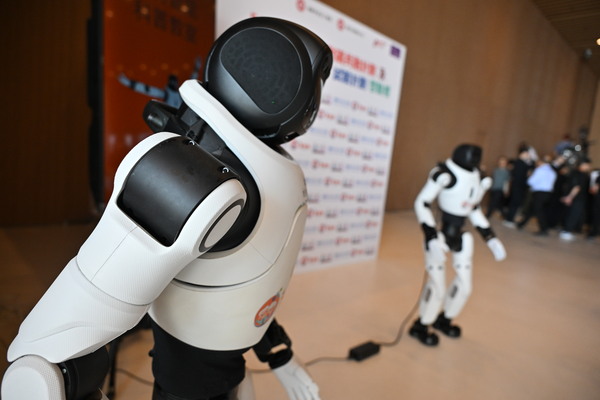
Under the "Smart Elderly" digital inclusion program, a "Robots Entering the Community" pilot program will also be implemented, allowing for free lending of a humanoid robot named "Smart Buddy" to participate in activities organized by community organizations, providing citizens with close contact with "Smart Buddy" to enhance their understanding of embodied intelligence and promote digital inclusion.
"Smart Buddy" can communicate with people, dance, and perform martial arts, and the Office hopes it can take on roles as a performer, science ambassador, and classroom assistant in activities, inspiring more elderly individuals to learn digital technology and helping them better integrate into the digital age.
This article is reproduced from the Hong Kong Government News Network, with copyright belonging to the original author and original media.
免责声明:本文章仅代表作者个人观点,不代表本平台的立场和观点。本文章仅供信息分享,不构成对任何人的任何投资建议。用户与作者之间的任何争议,与本平台无关。如网页中刊载的文章或图片涉及侵权,请提供相关的权利证明和身份证明发送邮件到[email protected],本平台相关工作人员将会进行核查。