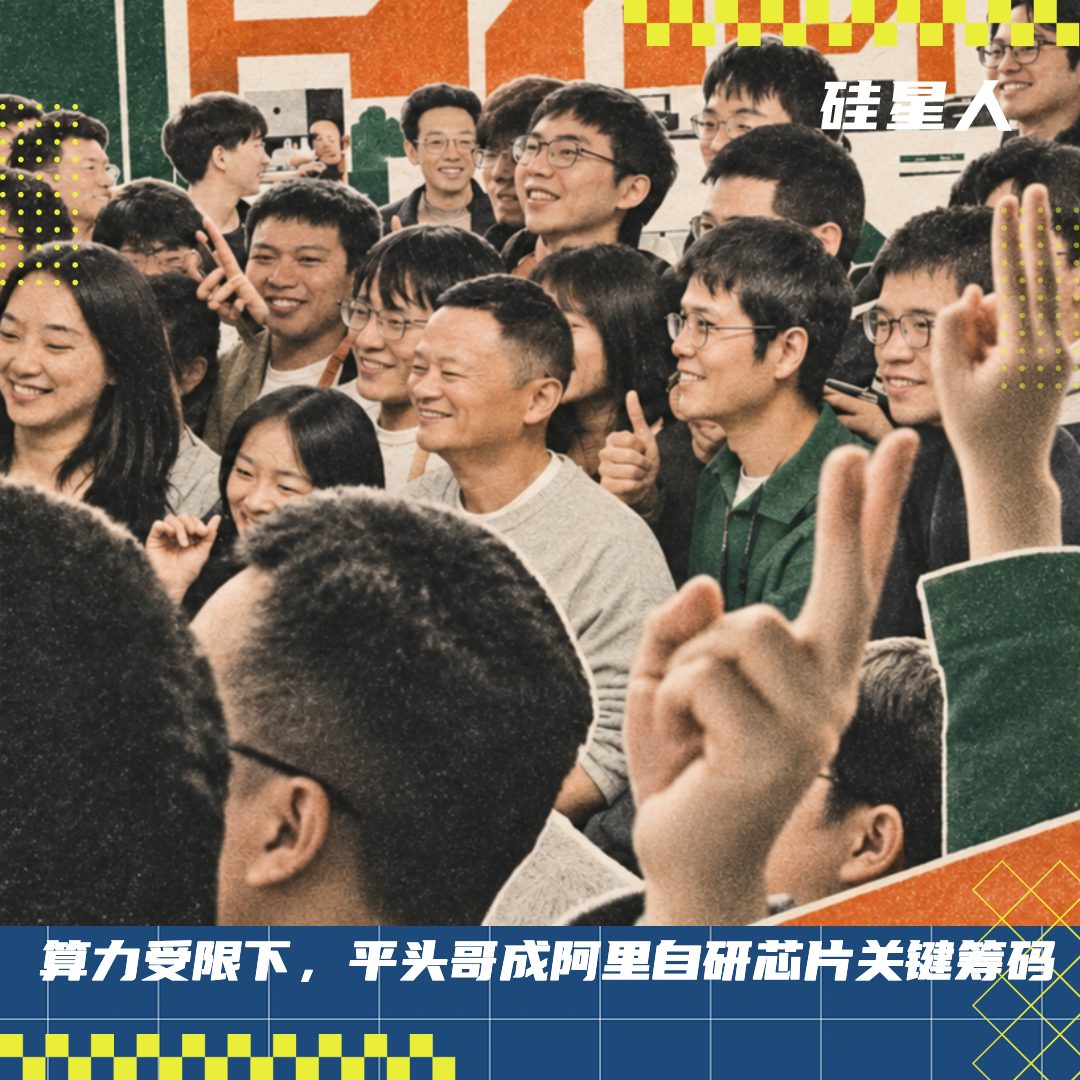
Author|Sun Rui
On November 26, Jack Ma appeared in the office area of Pingtouge. Wearing a gray sweater and giving a thumbs up, he smiled for a photo among a group of young chip engineers. An employee posted on a social platform, expressing, “After seven years at Pingtouge, today I met the real Teacher Ma.”
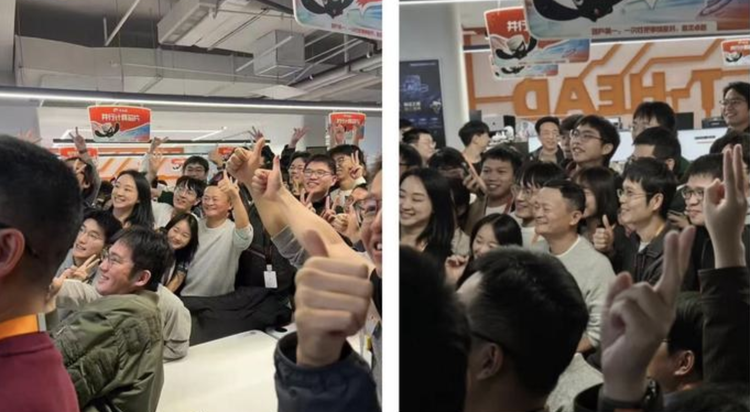
After many years of stepping down, Jack Ma rarely appears in Alibaba's specific business teams, but over the past two years, each of his public appearances has coincided with critical shifts in Alibaba's strategic focus. Last April, he showed up at Alibaba Cloud's Yun Valley to give a speech, just as Alibaba announced a three-year investment of more than 380 billion yuan to build cloud and AI hardware infrastructure, positioning AI and Cloud as the main growth engines of the group; during this year’s Spring Festival, he appeared with the Qianwen project group, corresponding to Qianwen's 3 billion yuan Spring Festival party project, taking the battle to the C-end traffic entry.
This time, it was Pingtouge's turn.
Just two weeks after Alibaba officially announced the spin-off of Pingtouge for independent listing in Hong Kong, and one week after Alibaba CEO Wu Yongming introduced its chip business at a rare length during the earnings call, the founder made an appearance. For both Pingtouge and Alibaba, at a time when external computing power channels are nearly fully locked down, internal large model iterations are eagerly awaiting nurturing, and the capital market urgently needs to reassess Alibaba's value, this “honey badger,” nurtured for eight years, has been pushed to the forefront of the entire group.
1
Chip Shortages and Valuation
On November 10, Alibaba announced the push for Pingtouge’s spin-off to Hong Kong's main board and disclosed that Pingtouge had submitted its confidential listing application to the Hong Kong Stock Exchange on September 11. Market rumors suggest that the IPO fundraising scale is between 2 billion to 3 billion USD, targeting a listing in Hong Kong next year, while remaining a subsidiary controlled by Alibaba.
Interestingly, Wall Street investment banks provided valuation estimates: JPMorgan set a valuation range for Pingtouge at 25 billion to 62 billion USD, while Bank of America widened the range to 30 billion to 75 billion USD. The difference between the highest and lowest values is almost threefold, translating to about 12% to 30% of Alibaba's current total market value.
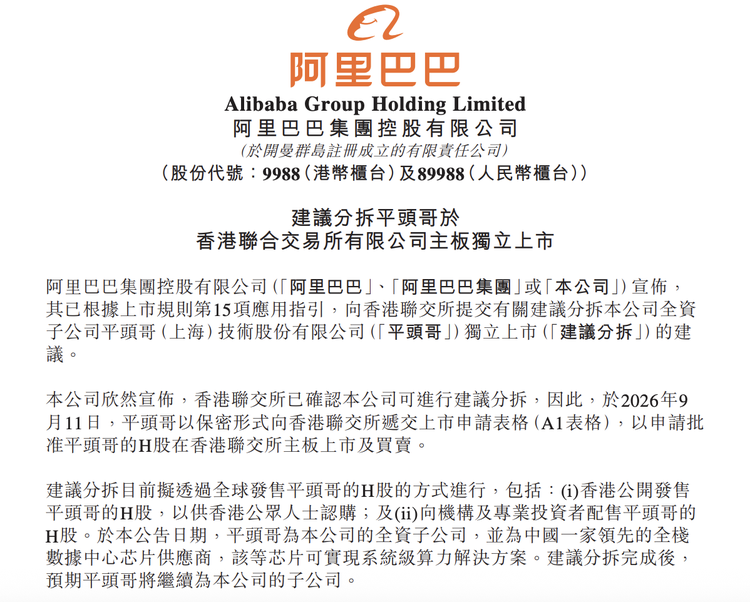
It is rare for a mature tech giant to experience such a drastic valuation split during an asset spin-off. The core of the disagreement lies in how the outside world views Pingtouge, and how it will price Alibaba moving forward.
If Pingtouge is regarded as merely the “hardware department of Alibaba Cloud,” it would only be considered a cost center highly dependent on related-party transactions, deserving only hardware discounts; but if it can prove itself to be the true “second pillar of domestic AI computing power,” referencing the premium given to domestic computing power targets in the secondary market, it would not only sustain a market value of hundreds of billions of Hong Kong dollars by itself, but also directly rewrite the market's assessment of Alibaba Cloud's profit margins and Alibaba's AI autonomy.
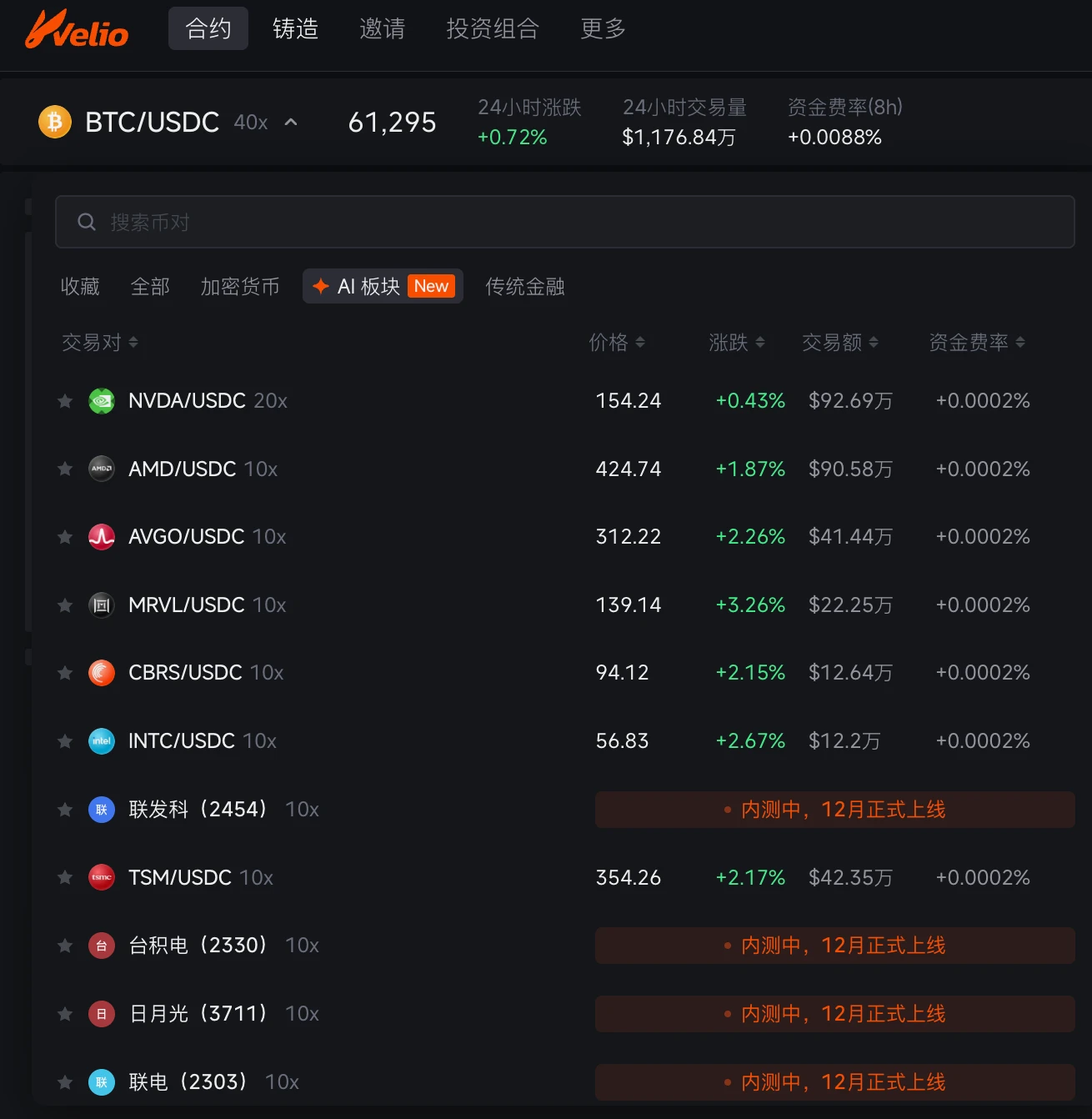
What is truly pushing Pingtouge into becoming an “essential option” for Alibaba right now is the suddenly tightening external chip blockade.
In the past four years, while responding to U.S. chip export controls, large Chinese companies had maintained some buffer paths, whether by procuring compliant downgraded NVIDIA chips or renting advanced computing power through overseas data centers. But recently, with the rapid escalation of the Huang Renxun saga, these two doors have almost simultaneously closed.
The U.S. Department of Commerce has issued new regulations that directly block Chinese enterprises from remotely accessing overseas advanced AI chips—if an overseas data center provides services to Chinese customers exceeding about 750 units of H100 equivalent computing power, it must apply for a license. During NVIDIA's earnings call on November 17, then-interim CEO Colette Kress confirmed that NVIDIA had completely stopped shipments of data center chips, including H200, to mainland China, essentially wiping out expected revenues from the China region.
According to the latest report from The Information on November 25, multiple Chinese model manufacturers stated in recent internal meetings that they would accelerate the adoption of domestic chips, with some model manufacturers specifically naming Huawei and Alibaba’s AI chips for increased usage.
This is precisely the context for Wu Yongming repeatedly mentioning Pingtouge during Alibaba’s earnings call on November 19. Wu Yongming directly stated that he expects 2027 and 2028 to be the two years with the most acute domestic computing shortages; currently, Qianwen has already trained the next generation of models based on Pingtouge chips, while Alibaba Cloud's Bai Lian has started providing inference services based on domestic chips, with plans to prioritize the supply of self-developed flagship chips for large model training.
Pingtouge is very important to Alibaba today; internally, the upcoming model training largely depends on whether Pingtouge's cards can withstand it; externally, Alibaba's market value narrative for the next few years also hinges on whether this chip asset can stand its ground in the Hong Kong stock market.
1
Pingtouge: A Typical Alibaba “Tech Obsession” Story
Looking at the long duration, the birth and evolution of Pingtouge is a very typical Alibaba story. Just like in 2009 when Wang Jian faced internal skepticism as a “fraud” to build Alibaba Cloud, or in 2017 when Jack Ma decided to invest hundreds of billions to establish DAMO Academy, Alibaba has always harbored the obsession of not wanting to be just an e-commerce company, aiming to become a truly hard tech company. This obsession led to many heavy investment decisions in the early days that did not seem financially justifiable or caused significant internal disputes, but eight years later, these decisions have turned into life-saving strategic moves.
In September 2018, during the Yunqi Conference, Alibaba integrated the domestically developed CPU IP company Zhaoxin and DAMO Academy’s chip team to officially establish Pingtouge. Jack Ma personally decided on this name, inspired by the African honey badger’s meaning of “unyielding and willing to chew tough bones.”
The external environment at the time was not as extreme as it is today; the initial intention behind Alibaba's chip development was more to handle the massive search recommendations, peak traffic during Double Eleven, and the computing cost associated with the expansion of Alibaba Cloud. However, doubts from the outside world have never ceased since day one: how can an Internet company that makes money by taking commissions on traffic and transactions really deal with semiconductors, which have cycles of five to six years and cost tens of millions of dollars per tape-out? Are they truly pursuing technology or merely capital concepts?
Pingtouge's first four years got off to a strong start, releasing the Xuantie 910 processor IP and the Hangguang 800 AI inference chip in 2019, with the former becoming a benchmark in China's RISC-V open-source ecosystem, and the latter entering Taobao searches and Pailitao, setting a record for inference performance; in 2021, it launched the Yitian 710 server CPU based on a 5nm process and Arm architecture, massively deploying in Alibaba Cloud data centers, significantly handling cloud-native and video codec loads; in 2023, it released the enterprise-level SSD controller chip Zhenyue 510, beginning to transform the storage backend.
But soon, challenges emerged, as it faced its most difficult low point between 2022 and 2023 after its establishment.
First was the generational challenge of the technology roadmap. The Hangguang 800, although having a high theoretical inference score, was essentially a dedicated inference ASIC chip designed for the CNN (Convolutional Neural Network) visual era. After 2020, when the Transformer architecture became dominant, shifting the computing power demand from “dedicated small model inference” to “large-scale general training of massive clusters,” the Hangguang 800 architecture was completely insufficient. At the same time, with the upgrade of U.S. export controls at the end of 2022 and the limitation of Arm's high-end Neoverse architecture licensing, the Yitian 710 advanced process server CPU also suddenly faced overseas foundry supply issues.
Additionally, Alibaba's internal cost-cutting and organizational turmoil directly impacted Pingtouge. When the high growth of the Internet reached its peak, departments such as chips, which spend money without generating returns, inevitably came under scrutiny. In 2023, Alibaba initiated its largest organizational reform in history, emphasizing that each business would independently face the market and bear profits and losses. Pingtouge subsequently underwent severe adjustments. The Xuantie and RISC-V ecosystem teams were transferred to the DAMO Academy, and Meng Jianyi, the initial vice president from Zhaoxin background, even left the company; rumors of layoffs and downsizing in the chip division circulated, leading to widespread skepticism that Pingtouge might eventually be reduced to an internal hardware group specializing in customizing network cards and controller chips for Alibaba Cloud.
During this period, Pingtouge internally launched the Zhenwu series PPU (Parallel Processing Unit) aimed at general parallel computing, starting to rebuild the large chips needed for big models.
By 2025, changes in the entire external environment made this general-purpose computing chip very valuable. By early 2026, when the Zhenwu 810E was officially introduced on the website, IDC data showed that in 2025, China's AI accelerator card market saw Huawei Ascend leading with 812,000 units shipped, while Pingtouge captured the second position among domestic brands with 265,000 units. According to Alibaba's data, by the first half of this year, cumulative shipments of the Zhenwu series reached 560,000 units, generating annual revenue surpassing 10 billion yuan, servicing over 650 enterprise clients.
It began to be referred to as the “Tongyun Brother” iron triangle along with Tongyi Laboratory and Alibaba Cloud.
1
Under Process Constraints, Betting on System Engineering
So, what is the actual technical level of Pingtouge?
Currently, global AI high-performance computing chips are mainly divided into two schools: one is represented by NVIDIA's GPGPU (General-Purpose Graphics Processing Units), which has strong versatility and deep software ecosystem barriers, but larger hardware costs; the other is represented by Google’s TPU, which is an DSA/ASIC (Domain-Specific Architecture), specifically optimized for matrix multiplication, resulting in high cost-performance ratio for their specific models, but they are less flexible and have high migration thresholds for external clients.
After previously experiencing the inflexibility of a specialized architecture with the Hangguang 800, Pingtouge chose a pragmatic path for the Zhenwu PPU, developing a self-research parallel architecture somewhat akin to GPGPU.
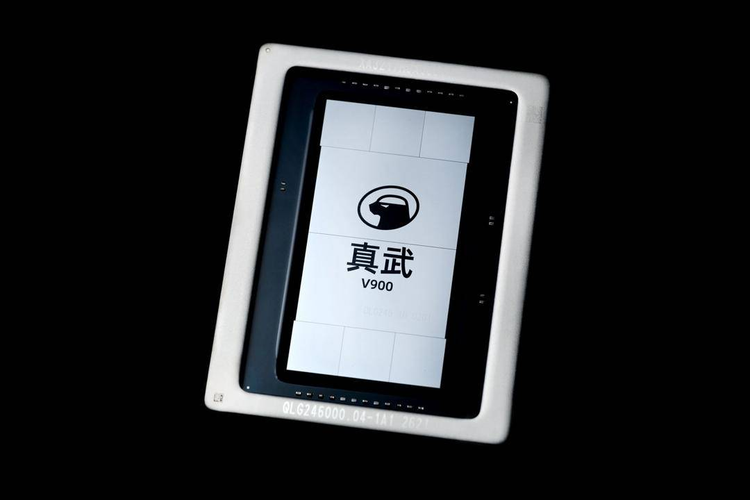
They attempted to fully self-develop the underlying computing cores and inter-chip interconnects, while striving to fully compatible with mainstream AI ecosystems in the upper software stack (PPU SDK and PCCL communication libraries), providing a unified API, emphasizing “zero code modification for business migration.” This means they hope to enable automotive and large model companies to run PyTorch training codes originally written in NVIDIA's CUDA environment on Zhenwu clusters with minimal changes.
In terms of single-card performance, some reports suggest that the overall performance of the Zhenwu 810E is comparable to the special version H20. The Zhenwu M890 has approximately reached the threshold of NVIDIA's H100; the Zhenwu V900 unveiled at the Yunqi Conference in September is expected to be mass-produced in the first quarter of 2027, equipped with 216GB of ultra-large memory and inter-chip interconnect bandwidth of 1200GB/s, claiming single-card performance to be three times that of the M890, with next-generation J900 already starting supply chain promotion.
However, the gap remains significant; NVIDIA has currently entered the large-scale delivery phase of the Blackwell architecture, and the next-generation Vera Rubin is gearing up for launch, while domestic chips still objectively lag one to two generations behind the best international levels. Especially under the premise that advanced external lithography processes are almost frozen, no domestic chip can perform magic based on single wafer transistor densities.
In response, Pingtouge's strategy essentially seeks to cover the disadvantages of single-card processes through system engineering and full-stack collaboration. They began to use ultra-large memory to tackle the “memory wall,” relying on digging deep into inter-chip connections and “computing-storage network” super nodes, to connect a “super large card.” Pingtouge developed an inter-chip interconnect bus protocol and ICN Switch chip similar to NVIDIA's NVLink, supporting unified addressing for memory, achieving full-bandwidth symmetric interconnection within a thousand-card Scale-Up domain; reportedly, this work has attracted close attention from NVIDIA. Additionally, they also have self-developed Zhenyue SSD storage controllers and Panmai intelligent network cards, with plans to launch a fully self-developed microarchitecture Yitian 730 server CPU next year.
In today’s competitive landscape, Pingtouge is one of the few truly capable players in China that has successfully navigated the “open-source models + first-tier public cloud + self-researched full-stack chips” synergy. In the upcoming phase of acute domestic computing shortages in 2027-2028, this will become highly valuable. Moving forward, for Alibaba, Pingtouge will be a very crucial business, and it seems Jack Ma may not be done making appearances at Pingtouge’s office; its employees are likely to see him more often.

Give a“Love” before you go
免责声明:本文章仅代表作者个人观点,不代表本平台的立场和观点。本文章仅供信息分享,不构成对任何人的任何投资建议。用户与作者之间的任何争议,与本平台无关。如网页中刊载的文章或图片涉及侵权,请提供相关的权利证明和身份证明发送邮件到[email protected],本平台相关工作人员将会进行核查。