Author: Crack The Market
Translation: Deep Tide TechFlow
Deep Tide Overview: While the market is fervent for the Blackwell architecture's computing power, the brutal bottleneck of the large model arms race has quietly shifted to the most fundamental physical reality: grid carrying capacity and high-voltage distribution facilities. In this trillion-dollar transformation, a traditional electrical giant with a 115-year history has become the absolute protagonist.
Former hedge fund investment manager Ozeco pointed out in a detailed article that Eaton is monopolizing the core nodes of data center power restructuring through its system-level integration capabilities directly linking high-voltage grids to chip racks. Its backlog of orders spanning dozens of quarters forms an insurmountable engineering moat.
This article systematically dismantles Eaton's "from grid to chip" commercial barriers, the pricing power of microgrids and high-density liquid cooling architectures, as well as the profound restructuring of computing capital expenditure due to data centers' full transition to integrated power procurement, making it an essential hardcore research report for understanding AI's energy physical constraints.

Core Investment Argument: The True Physical Bottleneck of AI Data Centers
In the past twenty-four months, Wall Street's focus has been almost entirely consumed by the advanced process semiconductor and large model parameter race. From NVIDIA's high-performance GPUs to Supermicro's high-density cabinets, capital has been pouring into the computing power clusters' tail end with unprecedented zeal.
However, when the planned capacity of a single mega data center surged from a previously unremarkable tens of megawatts (MW) to jaw-dropping gigawatt (GW) levels, the entire tech industry suddenly hit a cold physical wall: a crisis in grid capacity and severe supply shortages of distribution equipment.
As industry veterans say, “You can spend a fortune to get thousands of cutting-edge chips in three months, but if the utility company tells you that the delivery time for high-voltage transformers is four years, those chips will end up quietly gathering dust in a warehouse.”
It is in this super supply-demand mismatch dominated by power shortages that Eaton Corporation, founded in 1911, has quietly completed its strategic transformation from a traditional industrial blue-chip to an absolute core hub of AI infrastructure.
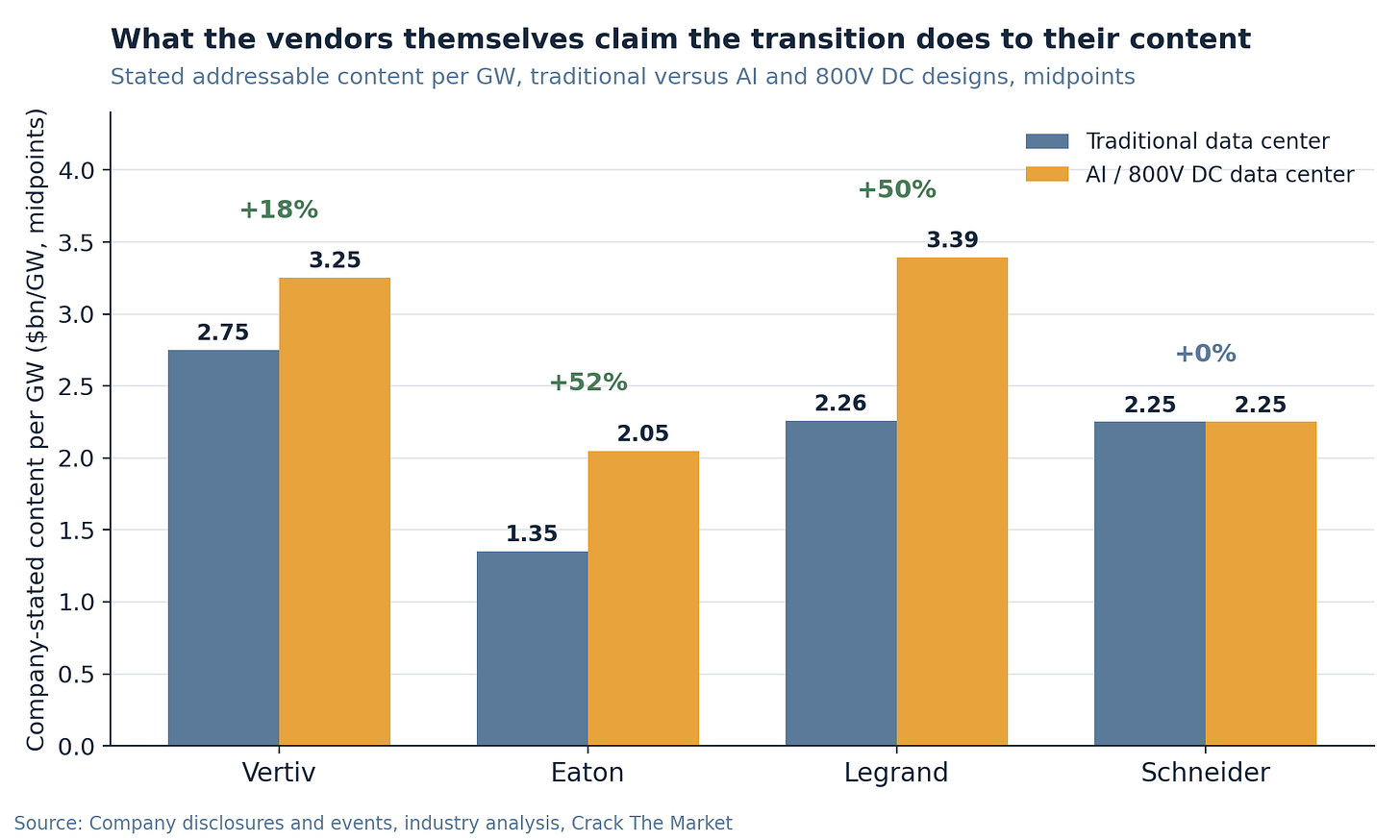
Image: Eaton's global business revenue map in the data center and electrical infrastructure field
From Axles to the Grid: The Evolution Story of a Century-old Electrical Compound Machine
For many traditional investors, Eaton has long been stereotypically categorized as a traditional manufacturing enterprise specializing in automotive axles and conventional mechanical gearboxes. However, over the past twenty years, the company's management has completely restructured its underlying DNA through a series of extremely decisive capital operations.
They gradually divested low-margin and highly cyclical traditional internal combustion engine businesses, channeling almost all reinvestment funds into high-voltage electrical, smart distribution networks, critical power backup (UPS), and aerospace core electrical control systems.
Todays' Eaton has transformed into a pure power system-level solutions leader, with electrification business accounting for over 70%. The company has established deep distribution channels and design certification barriers in major high-value industrial corridors in North America and Europe.
More crucially, this moat in the hardware engineering field cannot be rapidly replicated by capital through short-term investments. It is deeply intertwined with utility companies' stringent entry regulations, the long-established practices of generations of electrical engineers, and extremely exclusive safety certification red lines.
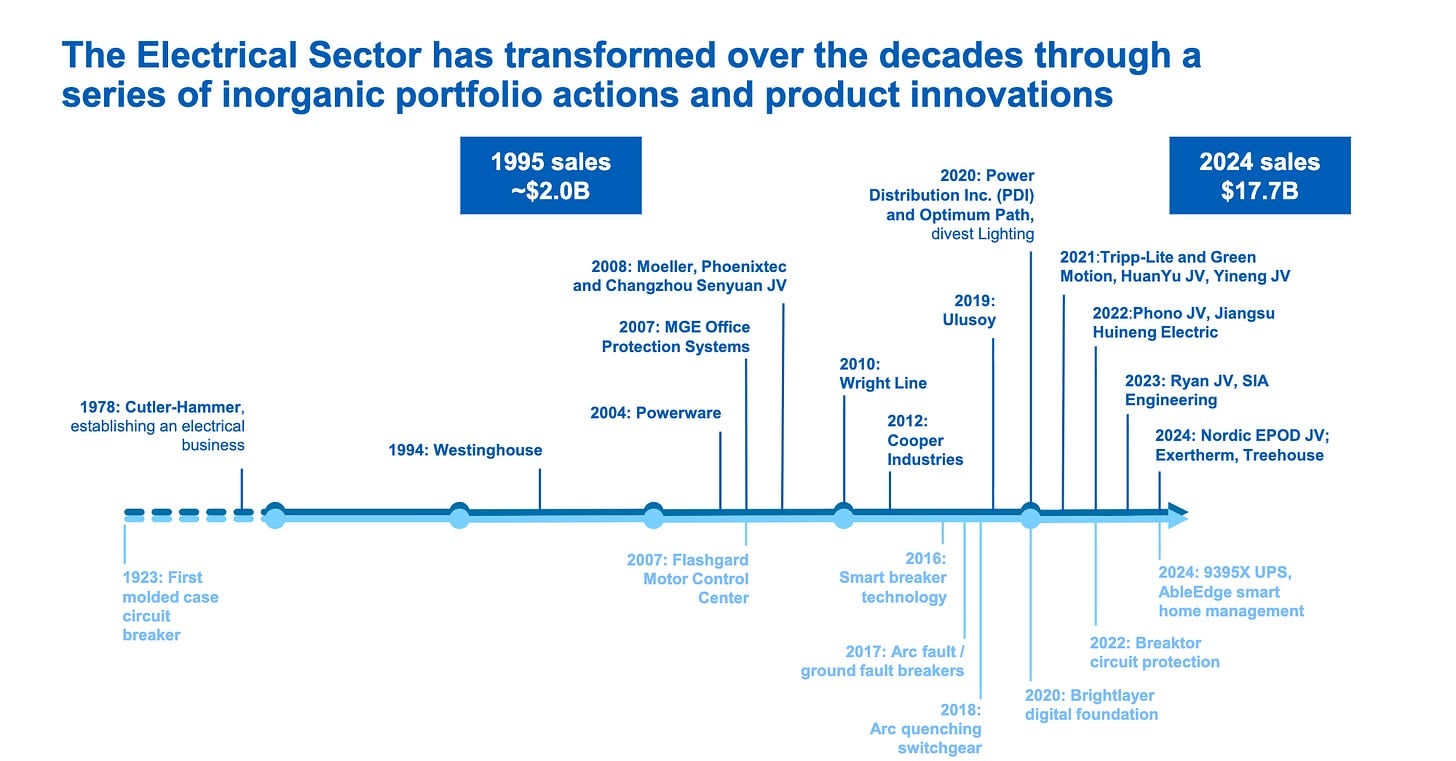
Image: The historical climb curve of power demand in North American data centers and Eaton's critical order backlog
From Grid to Chip: The Monopolistic Moat of Integrated Power Architecture
In traditional construction and industrial design, power supply is usually fragmented into disconnected procurement: applying to utility companies for substations is one thing, while laying electric wires inside buildings is another, and backups in the server rooms (UPS) are yet another matter.
However, facing the hundred-megawatt high-density AI computing centers, this disconnected patchwork model has completely declared failure. The enormous instantaneous current fluctuations, millisecond-level load jumps, and significant heat dissipation require the entire power supply system of the machine room to be precisely designed as a single organic breathing entity.
Eaton's CEO Paulo Ruiz succinctly encapsulates its strategic core in four powerful words: "From Grid to Chip."
From giant substations that step down 115 kV ultra-high-voltage AC electricity to medium voltage, to large-capacity smart circuit breakers and ring cabinets outside the server room, and then to uninterrupted power supplies, bus ducts, and power distribution units (PDU) inside the racks, Eaton can fully deliver every key power conversion node in between.
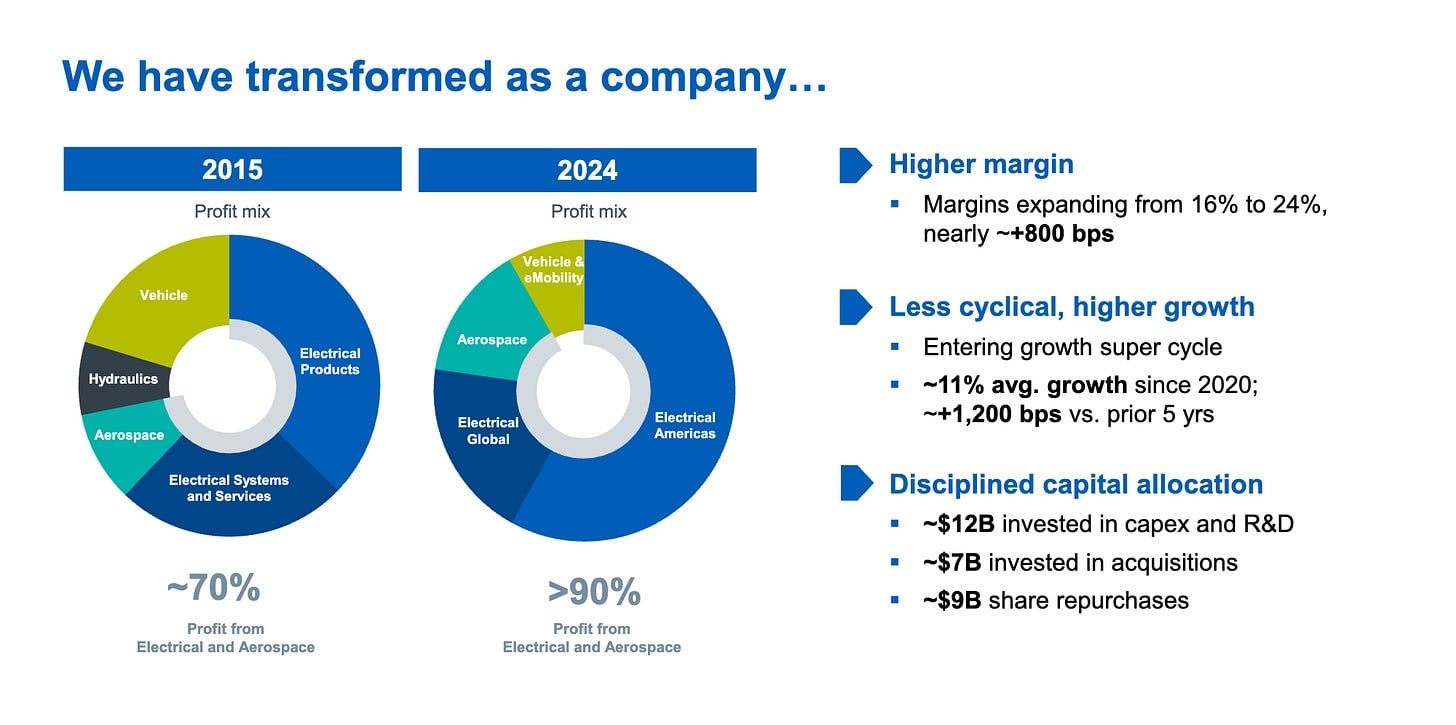
Image: Integrated distribution and cooling closed loop from high-voltage grid substations to individual computing power racks
Queue Times of Several Years: Transformer Shortages and Exclusive Pricing Power
The extent of the shortage in power supply infrastructure far exceeds the comprehension of the vast majority of secondary market technology analysts.
Currently, the average delivery cycle for large high-voltage oil-immersed transformers in North America has lengthened significantly from the pre-pandemic forty weeks to a daunting one hundred sixty weeks or even over two hundred weeks (i.e., up to three to four years).
This extreme supply chain bottleneck is rooted in special physical limitations: the production capacity of special high-permeability oriented silicon steel is extremely rigid, experienced high-voltage coil winding technicians are sorely lacking, coupled with rigorous safety validation processes, making it impossible for global transformer production to expand rapidly like chip foundries.
In such an extreme seller's market environment, Eaton has demonstrated astonishing exclusive pricing power. Not only has the profit margin of newly signed orders significantly expanded for several consecutive quarters, but hyperscale cloud vendors are even willing to pay hefty deposits years in advance to secure their future valuable supply indicators.
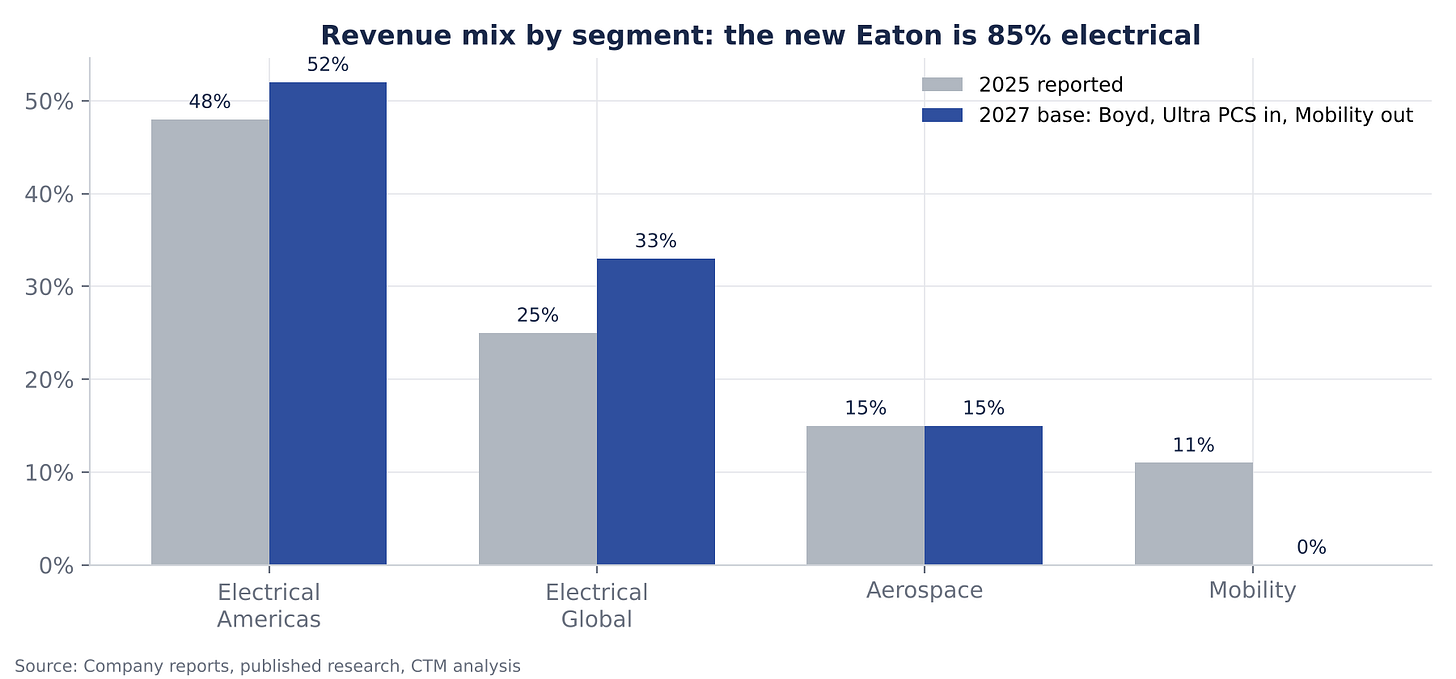
Image: Long-term delivery cycle trends for large high-voltage transformers and key medium-voltage distribution equipment
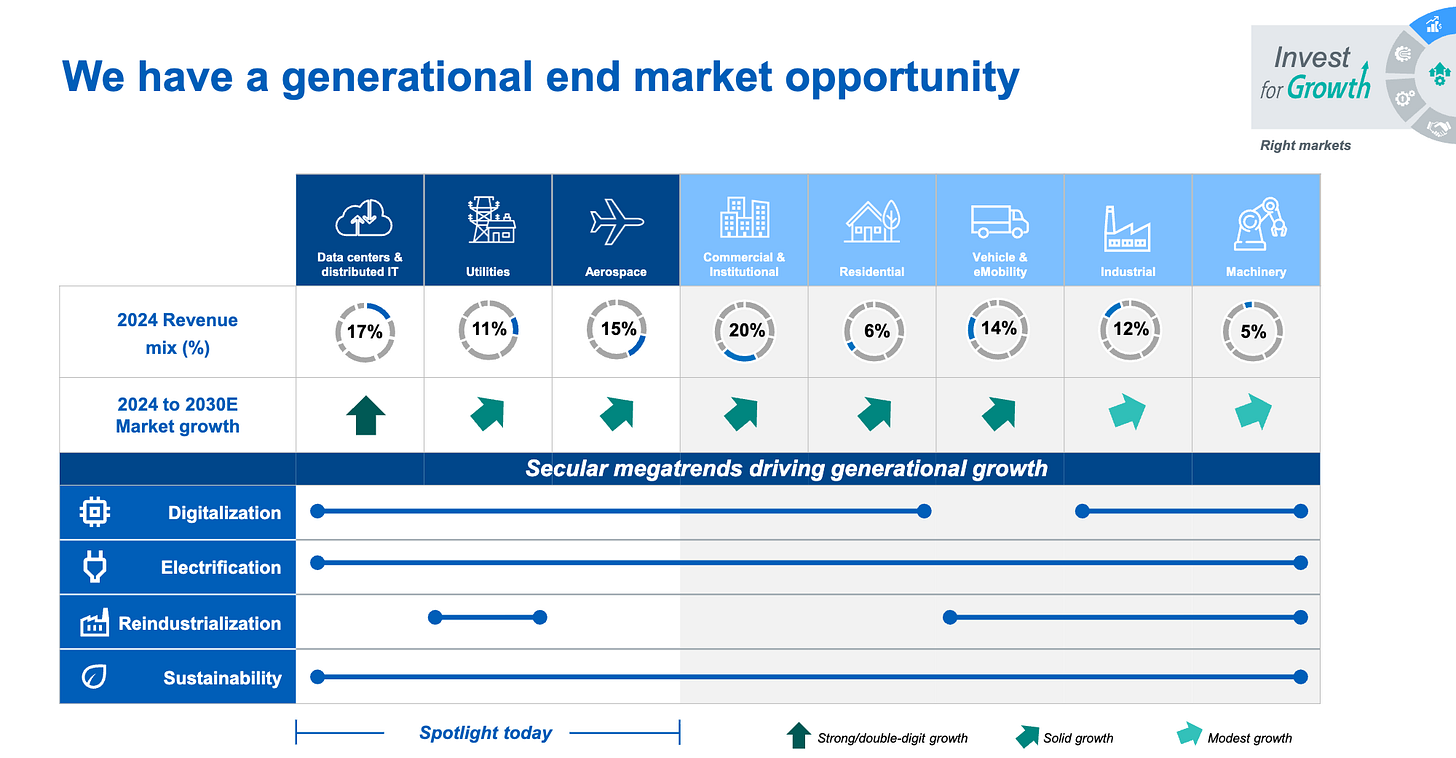
Image: Eaton's order reserve structure and guidance on data center business profit margin expansion
Microgrids and High-Density Liquid Cooling: The Technical High Ground of the Next Generation Data Center
Beyond traditional substation equipment, the deep restructuring of next-generation data centers also occurs at the technical intersection of microgrids and high-density liquid cooling distribution systems.
As resistance to approving new connections to centralized main grids increases, tech giants like Microsoft, Amazon, and Google have been forced to turn to self-built on-site power generation facilities. The mixed deployment of gas turbines, solid oxide fuel cells (SOFC), and large battery storage systems is becoming mainstream.
Eaton can seamlessly schedule the flow of electricity between the grid, self-generation, and storage batteries within milliseconds through its proprietary microgrid intelligent management software and rapid grid connection switching switches, ensuring intelligent computing clusters are safeguarded from any fatal impact of voltage dips and power interruptions.
Within the cabinets, as the thermal design power of leading computing power chips from companies like NVIDIA breaks through one hundred kilowatts, the traditional air-cooling model has been completely phased out, and the close physical integration of distribution and cooling distribution units (CDU) has become an engineering necessity.
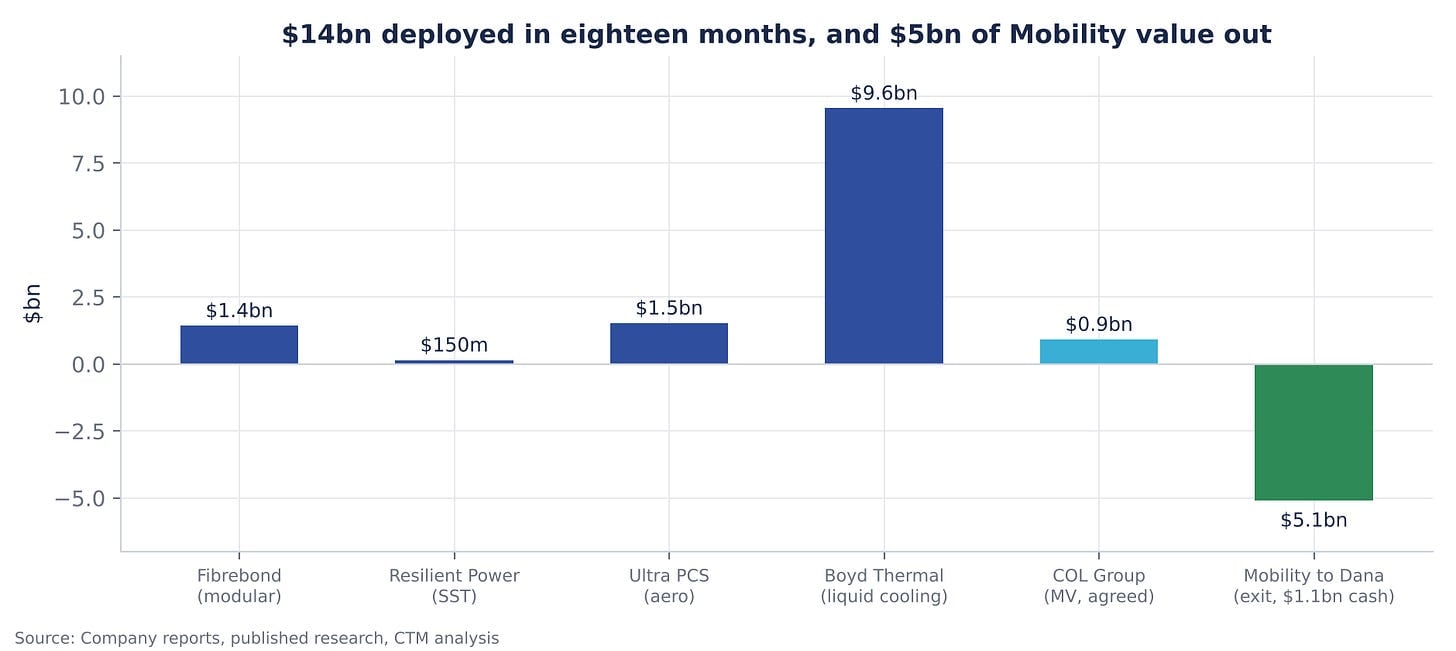
Image: Next-generation hybrid microgrid (grid, storage, self-generation) dispatch control logic
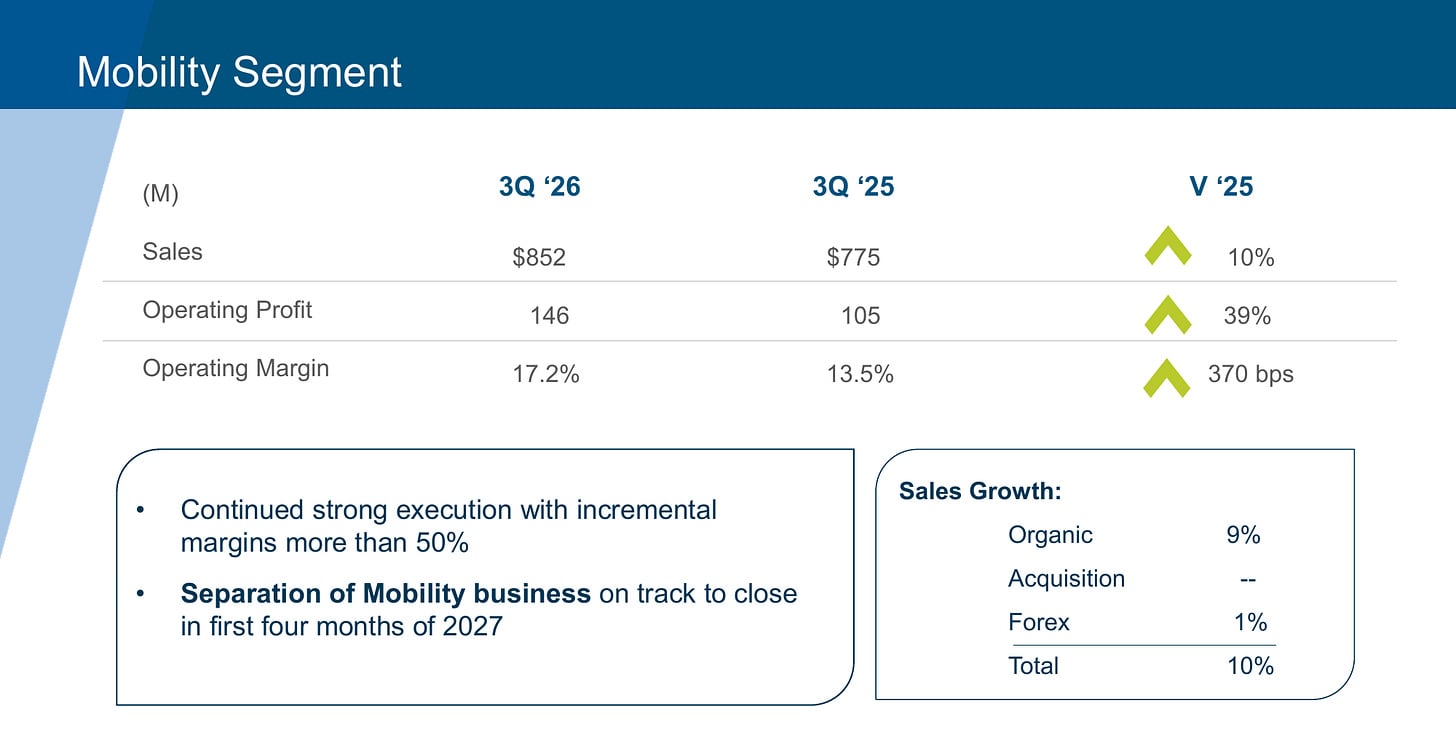
Image: Route of increasing power density in computing racks and the physical integration evolution of the power supply liquid cooling system
Outlook for 2028: When Data Centers Are Procured as Power Generation Equipment
Looking ahead to the next three to five years, the procurement logic of AI infrastructure is undergoing a fundamental reversal.
In the past, data centers were seen purely as electricity consumers, with the logic being to build the machine room first and then find power sources. In the future, data centers will essentially be designed and procured as integrated "power access devices."
As shown in cutting-edge industry projections: by 2028, whoever can provide a one-stop system that connects directly from public transmission corridors to bare chip full-link power supply, installation, and long-term maintenance guarantees, will be able to capture the highest share of excess profits in the trillion-dollar computing infrastructure wave.
Eaton, with its century-long industrial accumulation and forward-looking system-level positioning, has established an insurmountable moat in the face of this grand era proposition of power restructuring. This is not just a victory for an industrial enterprise; it is also the deepest response of physical laws to the capital frenzy.
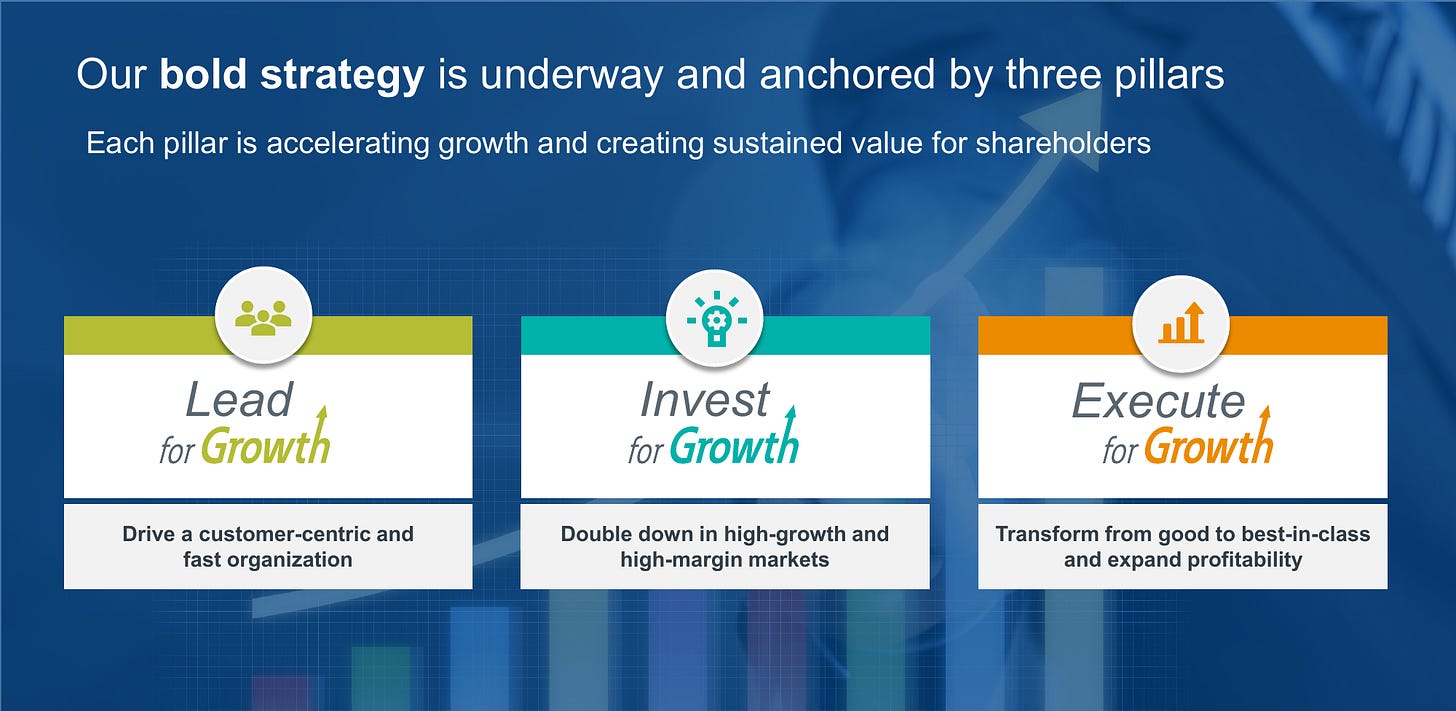
Image: Forecast of the total potential market space for integrated power lifecycle services in future data centers
免责声明:本文章仅代表作者个人观点,不代表本平台的立场和观点。本文章仅供信息分享,不构成对任何人的任何投资建议。用户与作者之间的任何争议,与本平台无关。如网页中刊载的文章或图片涉及侵权,请提供相关的权利证明和身份证明发送邮件到[email protected],本平台相关工作人员将会进行核查。


