Author: hitesh.eth, Crypto KOL
Compiled by: Felix, PANews
Arbitrum paid about $1980/MB in DA fees last month. Meanwhile, Manta used Celestia DA and only had to pay $3.41/MB. Modular DA layers can save a lot of gas fees for Rollups. Celestia, Avail, or EigenDA… who will win the DA battle?
Why do we need modular DA?
In overall blockchains like Ethereum, data availability (DA) is usually part of the design of a single system. When the block space utilization is high, data availability becomes a bottleneck limiting its development. The higher the gas fee, the worse the user experience.
Ethereum has also been aware of the scaling issue for many years and has begun to explore various off-chain scaling solutions. Rollups, especially OP Rollups, have become popular off-chain scaling solutions in recent years, but they still face the problem of high gas fees when there is a high demand for block space.
Another problem that Rollups face is that they spend almost 70-90% of their income on calling data and storing Ethereum DA.
Modular data availability layers, as one of the potential solutions to reduce DA costs, can reduce costs by up to 99%.
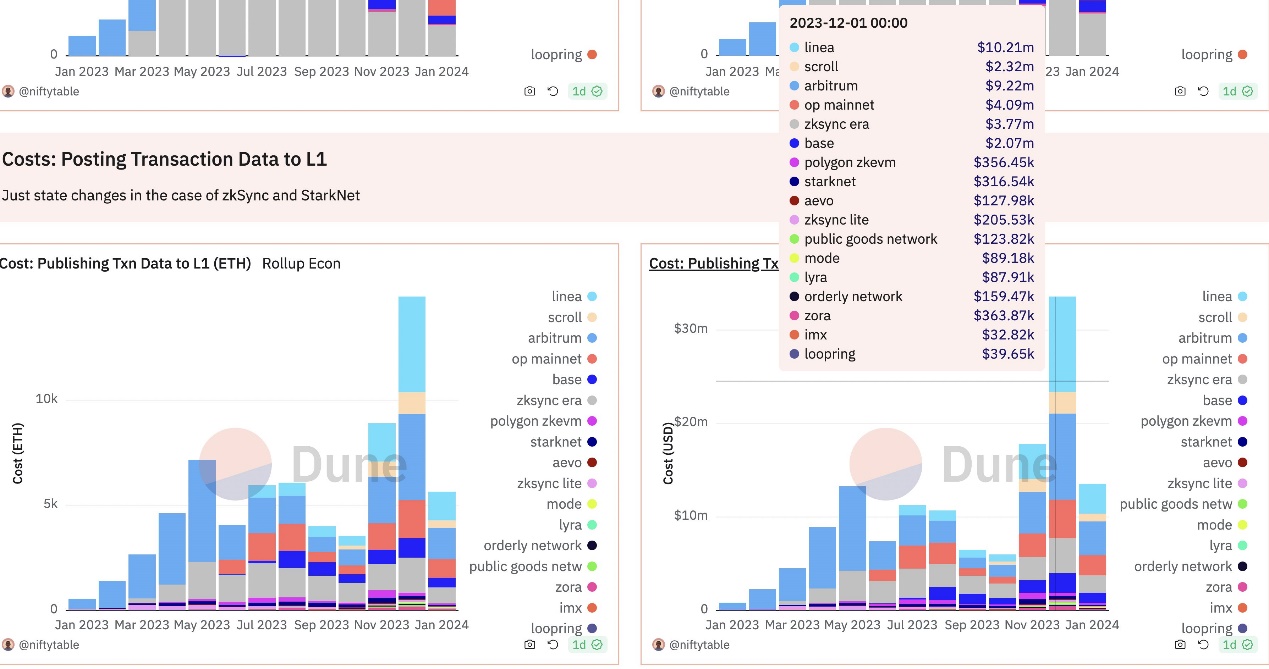
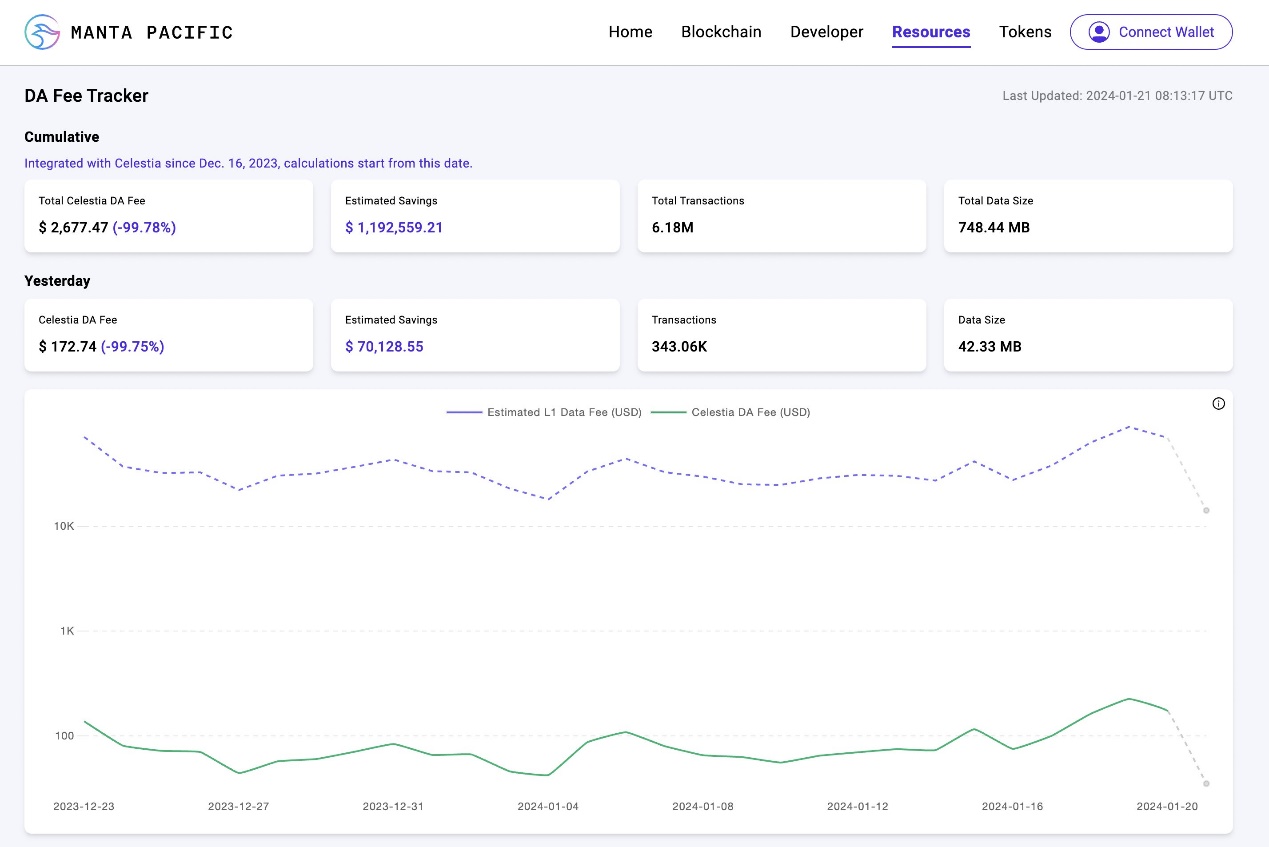
This has been confirmed on Celestia and Manta. By choosing Celestia instead of Ethereum DA, Manta successfully saved nearly 99% of the DA costs. Although Ethereum is also undergoing major upgrades, it will introduce separate block space for L2 calling data.
It is estimated that the cost of calling data can be reduced by 5-10 times. But even when compared with Proto Dank Sharding (EIP-4844), Celestia still has at least a 50x advantage over Blobspace.
The current question is, what factors have been considered in the design of modular DAs like Celestia, Avail, and EigenLayer to reduce the publishing cost of calling data to such a low level?
There are many factors that affect the overall performance and cost of the DA layer, and Crypto KOL hitesh.eth believes the following five are the most important:
- Data Availability Sampling (DAS)
- Consensus + DA Guarantee
- Decentralization
- Scalability
- Cost
Data Availability Sampling
In Ethereum's DA, nodes traverse all the data in the block to check the availability of the data, which not only takes a lot of time but also increases costs. In data availability sampling, light nodes can verify the availability of data without downloading it.
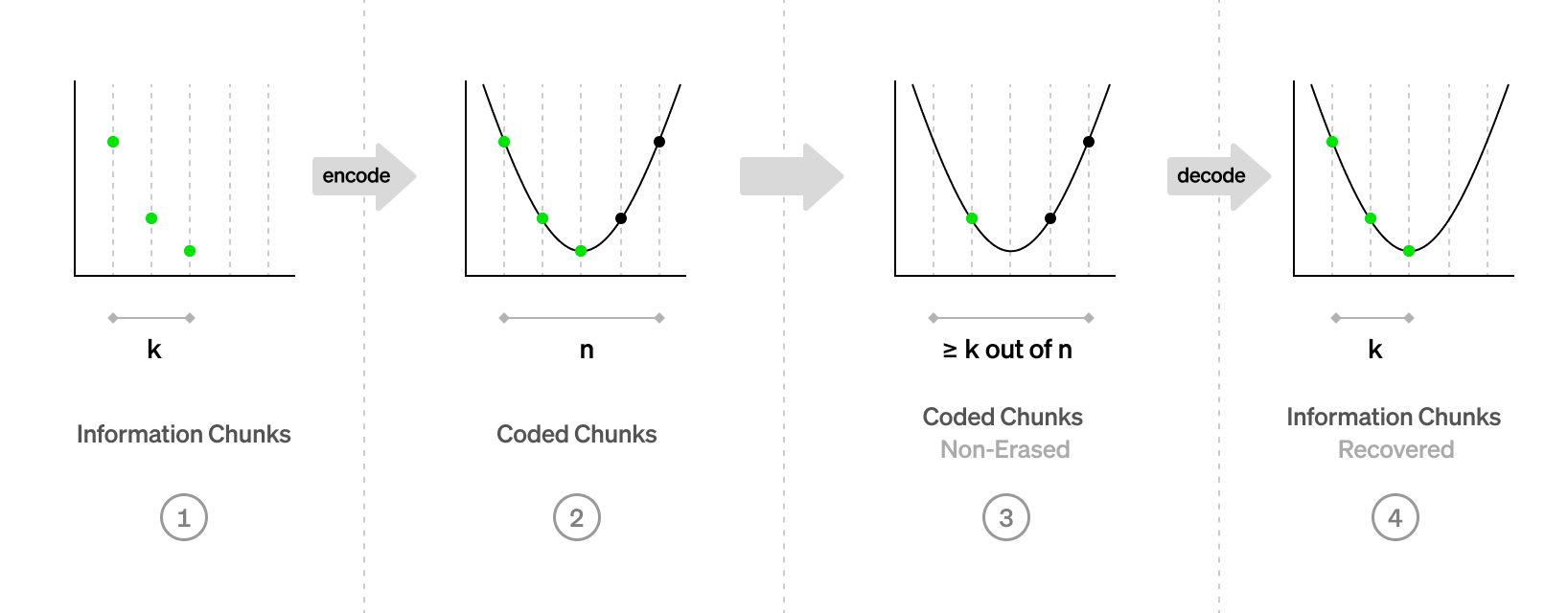
Modular DAs like Celestia and Avail use technologies such as erasure coding to divide data into small shards and allow light nodes to randomly select a subset of shards for download and verification.
Celestia also uses Namespaced Merkle trees (NMT), allowing Rollups to only publish relevant parts of the data to Celestia blocks, helping to reduce the cost of light node storage and verification. EigenDA does not use data availability sampling.
Consensus + Data Guarantee
When discussing the reduction of data availability costs, consensus plays its own role. It consists of two parts: transactions should be added to blocks faster, and the accuracy of transactions should be guaranteed.
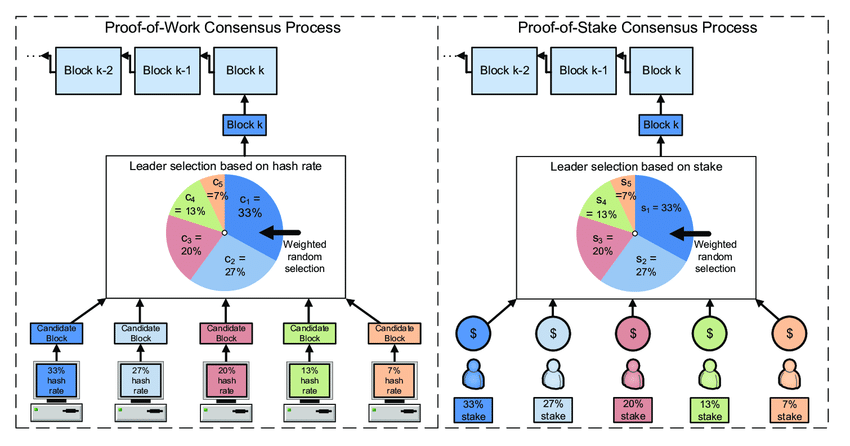
So, the block finalization time plus the data guarantee time will play their respective roles in optimizing the performance of the DA layer. Celestia uses Tendermint, which is faster in block finalization time, and also uses anti-fraud design to determine the accuracy of transactions.
On the other hand, Avail uses a hybrid consensus mechanism inherited from the Polkadot SDK (Grandpa and Babe). Compared to Tendermint, its block finalization time is slower. But because Avail also uses KZG commitments for validity proofs, the speed of verifying transaction accuracy is faster than Celestia.
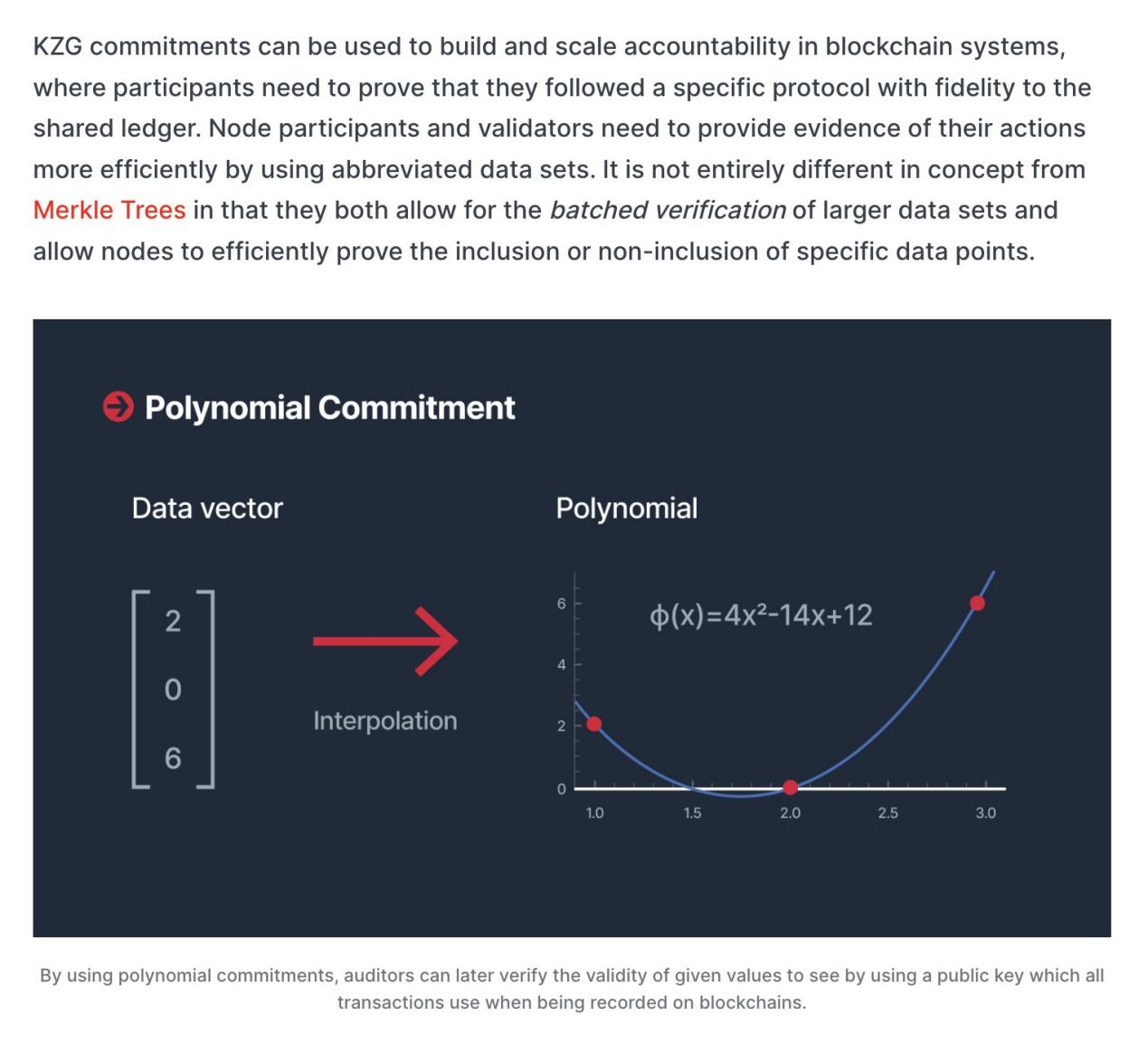
EigenDA uses Ethereum's Casper proof of stake consensus, which is slower than the other consensus mechanisms discussed above. EigenDA uses DAC for the verification process; DAC is a committee of validators responsible for the verification process.
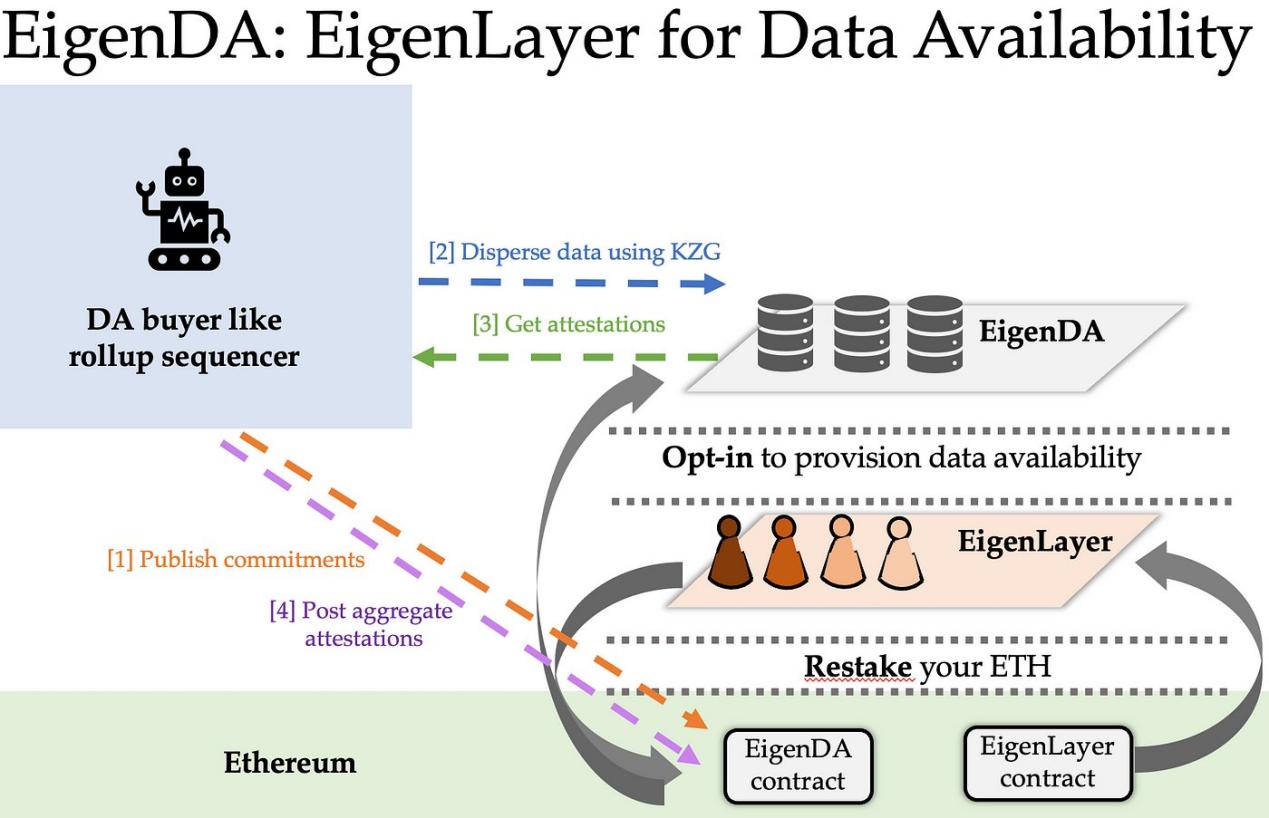
The Data Availability Committee (DAC) saves verification time but also brings centralization risks. Using DAC can also effectively reduce DA costs, as demonstrated by Metis and other validity solutions.
Decentralization
The degree of decentralization is one of the most important aspects of the design factor. The degree of decentralization refers to how many validators are protecting the network and the distribution of stakes across the entire network. Celestia supports up to 100 validators.
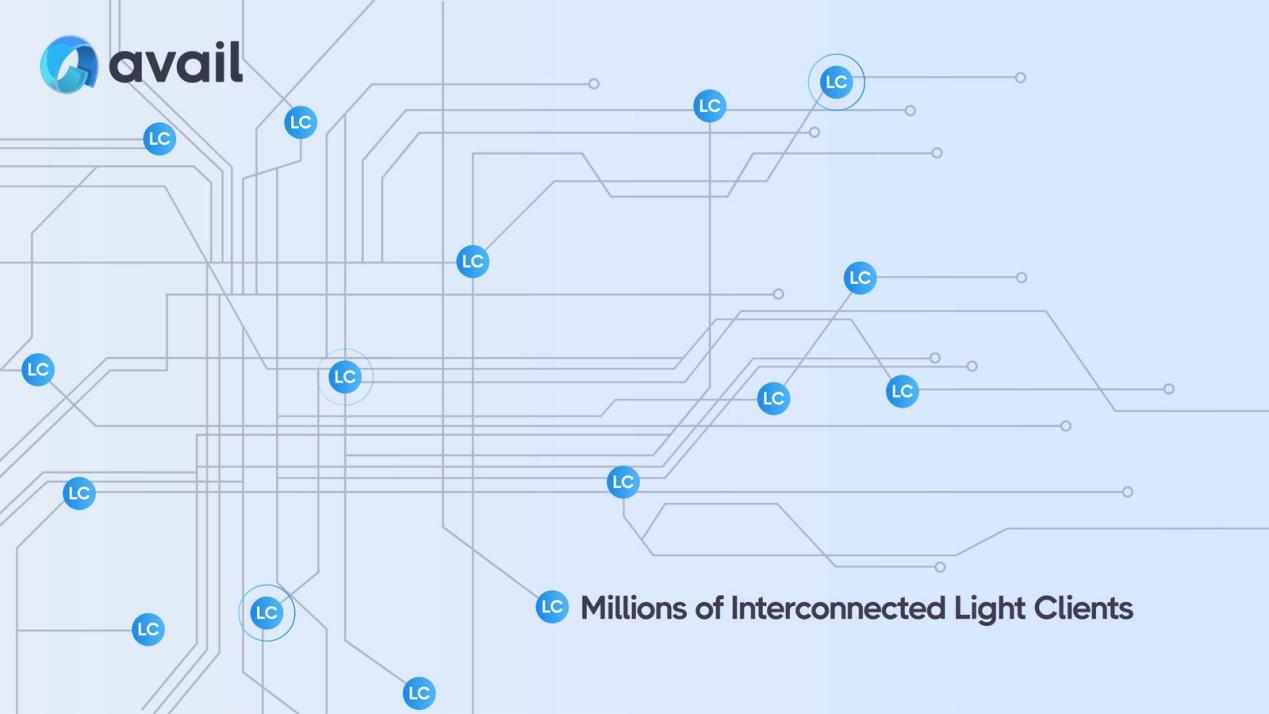
Avail uses designated proof of stake and supports up to 1000 validators. Even if most full nodes go offline, it can still operate because they are sampled from the p2p network of light nodes. Avail is the only DA layer with a strong fault-tolerant mechanism.
EigenDA is an Active Verification Service (AVS), which shares security from Ethereum validators by locking and staking ETH in smart contracts. The security guarantee of EigenDA will depend on the number of validators and the amount of ETH staked.
Scalability
The modular layer should have the ability to dynamically scale block sizes as demand increases. Celestia and Avail use large blocks, data availability sampling, and light nodes to meet the growing demand. The DAC used by EigenDA is also considered scalable.
Cost
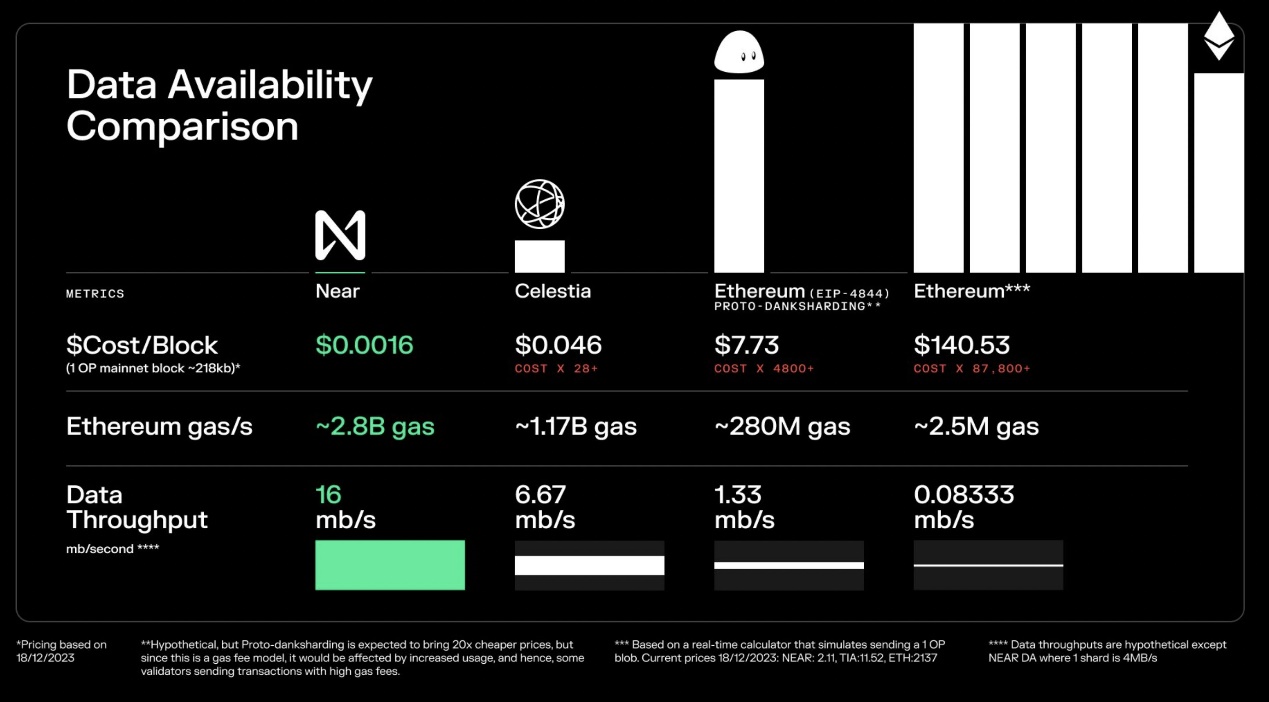
The cost of modular DA depends on the various factors discussed above. Celestia DA is now online and currently charges Manta $3.41/MB; the cost will also vary with the price of TIA. Avail and EigenDA have not yet gone online, and NEAR DA has the lowest cost.
免责声明:本文章仅代表作者个人观点,不代表本平台的立场和观点。本文章仅供信息分享,不构成对任何人的任何投资建议。用户与作者之间的任何争议,与本平台无关。如网页中刊载的文章或图片涉及侵权,请提供相关的权利证明和身份证明发送邮件到support@aicoin.com,本平台相关工作人员将会进行核查。


