Both CFTC candidates have participated in the CLARITY Act, while among the two SEC candidates, one has publicly supported enforcement against DeFi operators, and the other is set to fill the commissioner seat left by "Crypto Mom" Hester Peirce.
Written by: angelilu, Foresight News
On November 12, Trump submitted nominations for four financial regulatory agency commissioners to the Senate: one Republican and one Democrat candidate for both the SEC and CFTC. Both CFTC candidates Nathan Anonick and Matthew Rowland have been involved in legislative work related to cryptocurrency market structure. SEC candidate Kristin Johnson has publicly supported the enforcement actions taken by the CFTC against three DeFi operators. The experiences of these individuals create a concrete link between this round of appointments and cryptocurrency regulation.

The intended agency and party affiliation of the four candidates are pending Senate confirmation
SEC and CFTC are the two most important regulatory agencies for the U.S. cryptocurrency market. When token issuance and trading involve securities regulation, it is the SEC's responsibility; for cryptocurrency derivatives and event contracts related to prediction markets, the CFTC primarily oversees those. How digital assets are classified and how trading platforms are registered often concern the boundaries of responsibilities between the two agencies. Both agencies are structured with five commissioners, with a maximum of three from the same party; commissioners participate in rulemaking, regulatory, and enforcement decisions.
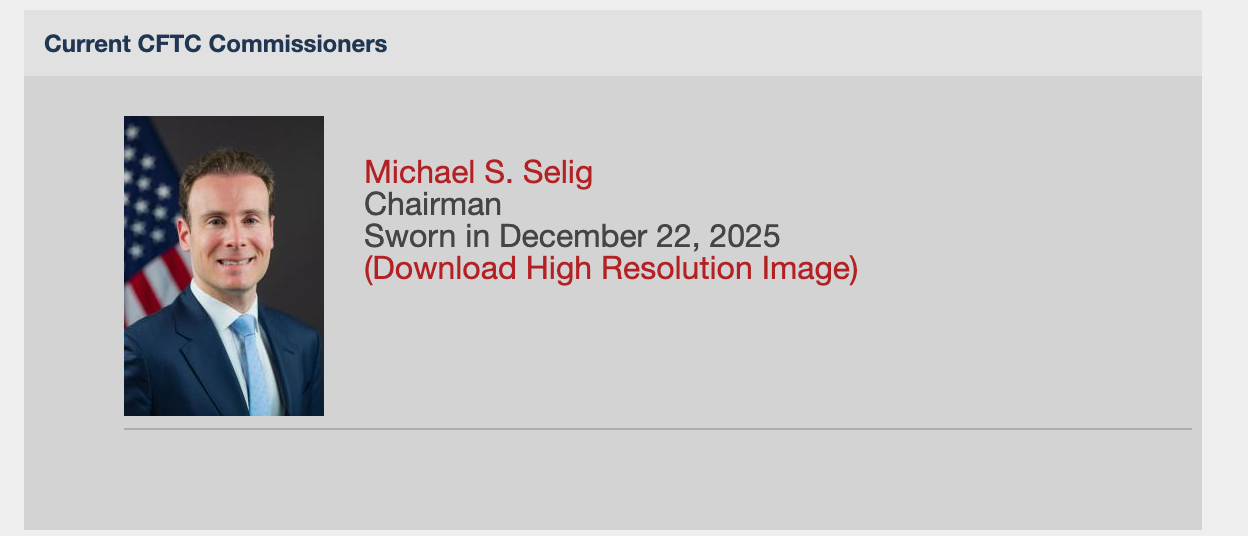
This nomination has a direct reason: the seat has been vacant for a long time. After Hester Peirce left the SEC in October this year, the agency was left with only Chairman Paul Atkins and Commissioner Mark Uyeda; the CFTC currently has only Chairman Michael Selig as a commissioner. SEC and CFTC commissioners are nominated by the president and confirmed by the Senate; Trump's submission of this list is just the first step to fill the vacancies. Even if all four are confirmed, the SEC will only increase from two to four members, and the CFTC from one to three, still not fully staffed. Therefore, the significance of this personnel change lies in increasing the number of commissioners participating in discussions and votes, rather than announcing a new set of policies.
Both CFTC candidates have participated in the CLARITY Act

Anonick is a legislative advisor to Senate Agriculture Committee Chairman John Boozman, and has long been responsible for cryptocurrency, futures, and derivatives issues. According to The Block report, he is one of the main negotiators for the provisions related to the CLARITY Act within the Agriculture Committee. The legislative text promoted by the committee this January aims to authorize the CFTC to oversee digital commodity spot intermediaries and establish requirements for exchange registration, customer fund segregation, and conflict of interest management. In September, the CLARITY Act failed to pass the procedural vote needed for Senate deliberation.
Another CFTC candidate Rowland also has experience in cryptocurrency legislation. He is a CFTC attorney detailed to the Senate Agriculture Committee and has been involved in the agency's enforcement work. According to The Block, he has been involved in work related to the CLARITY Act and also participated in the Agriculture Committee's cryptocurrency legislation for 2024. If both are confirmed, the CFTC will welcome two commissioners familiar with digital commodity regulatory legislation.
Within its current authority, the CFTC proposed a draft rule for event contracts in June this year, discussing how to review contracts related to sports events and other activities. If the two new commissioners take office, they will review and vote on this type of rule together with the currently sole serving commissioner, Chairman Michael Selig.
Both SEC candidates, one has supported DeFi enforcement, the other is set to replace Peirce
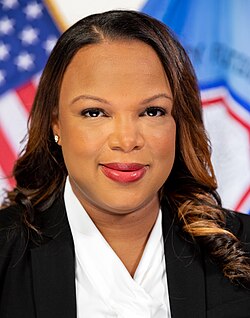
Johnson previously served as a commissioner at the CFTC and is currently a professor at George Washington University Law School. In 2023, after the CFTC took enforcement action against Opyn, Deridex, and ZeroEx, she publicly supported these cases and proposed a standard: if a platform centralizes key clearing or settlement processes off-chain, regulators should examine whether the operators actually bear intermediary functions.
In the same statement, she discussed customer identity verification, customer asset segregation, conflict of interest management, and liquidity reserves, and also called for clearer rules. If she enters the SEC, the questions she raised at the CFTC will have a securities regulation version: when trading involves securities law, who actually controls the platform and who should bear registration and investor protection obligations?
If she enters the SEC, Johnson will face similar but not identical issues: what registration obligations do cryptocurrency trading platforms need to fulfill, which participants in DeFi projects are responsible to investors, and how should exemptions be applied? Her statements at the CFTC can provide directions for observation; the specific choices under SEC authority will depend on her responses to new issues.
Another SEC candidate, Levine, served as a senior staffer during the initial phase of adjusting the agency's cryptocurrency regulatory framework. In January 2025, then-acting chairman Mark Uyeda established a cryptocurrency working group led by Crypto Mom Hester Peirce. The following month, the SEC announced Levine as Uyeda's deputy chief of staff. He later became the General Counsel and senior advisor of the White House Council of Economic Advisers, and this nomination fills the commissioner seat left by Peirce.
Two-party nominations under the countdown to turnover
The four must still be confirmed by the Senate, and the Republican Party will lose its Senate majority in January next year, leaving Trump with little time to have his nominees confirmed by the current Senate. Submitting candidates from both the Republican and Democratic parties at this moment responds to the demand for a bipartisan commissioner configuration in the two agencies, and aims to garner broader support for advancing the nominations by the end of the year. Democratic senators had publicly urged the White House to nominate Democrats as early as June this year; now, Johnson joins Rowland, Levine, and Anonick in the confirmation process.
This is a bipartisan list that holds political weight, but whether a real deal exists will depend on how the Senate arranges hearings and votes next. If all four are confirmed, the SEC will increase from two commissioners to four, and the CFTC will increase from one to three.
The crypto PAC can fund candidates for Congress who support its policies; however, SEC and CFTC commissioners are nominated by the president and confirmed by the Senate. They also have voting rights and participate in determining specific regulatory rules for trading platforms, DeFi, and prediction markets. This is also the reason why the backgrounds of the four are worth examining: party affiliation can only indicate where they come from; past work and public statements can suggest how they might approach the emerging issues in the industry.
The upcoming Senate hearings will be the first important window to observe the regulatory intentions of the four.
免责声明:本文章仅代表作者个人观点,不代表本平台的立场和观点。本文章仅供信息分享,不构成对任何人的任何投资建议。用户与作者之间的任何争议,与本平台无关。如网页中刊载的文章或图片涉及侵权,请提供相关的权利证明和身份证明发送邮件到[email protected],本平台相关工作人员将会进行核查。


