Tokenization of computing power, a policy experiment in Alaska.
Written by: Emma Haidar, Bloomberg
Translated by: Chopper, Foresight News
For a long time, Alaska has shared oil revenues with local residents. Now, the state's governor hopes to expand this model to the growing data center sector, utilizing blockchain technology to provide economic benefits to residents. However, due to the immense energy demand from data centers, the industry is facing increasing opposition.
The state government will build a platform to arrange and track investments in data centers and energy projects, planning to open direct investment channels to ordinary Alaskans. This plan is expected to allow residents to share in the profits generated by data center development, although the specific investment structure and terms have not yet been finalized. Such securities offerings typically require registration with the U.S. Securities and Exchange Commission (SEC) or obtaining an exemption.
Alaska is collaborating with the infrastructure financing platform Plural to put investment contracts on-chain, which is also known as tokenization, allowing transaction records to be digitally retained and tracked. The long-term goal is to enable ordinary Alaskans to invest directly in the state’s data centers and energy projects.
Governor Mike Dunleavy stated, “I want to find a completely new way for ordinary people to participate in resource development. What we in Alaska want to do is to let everyone become a small capitalist, and have the opportunity to share in the dividends.”
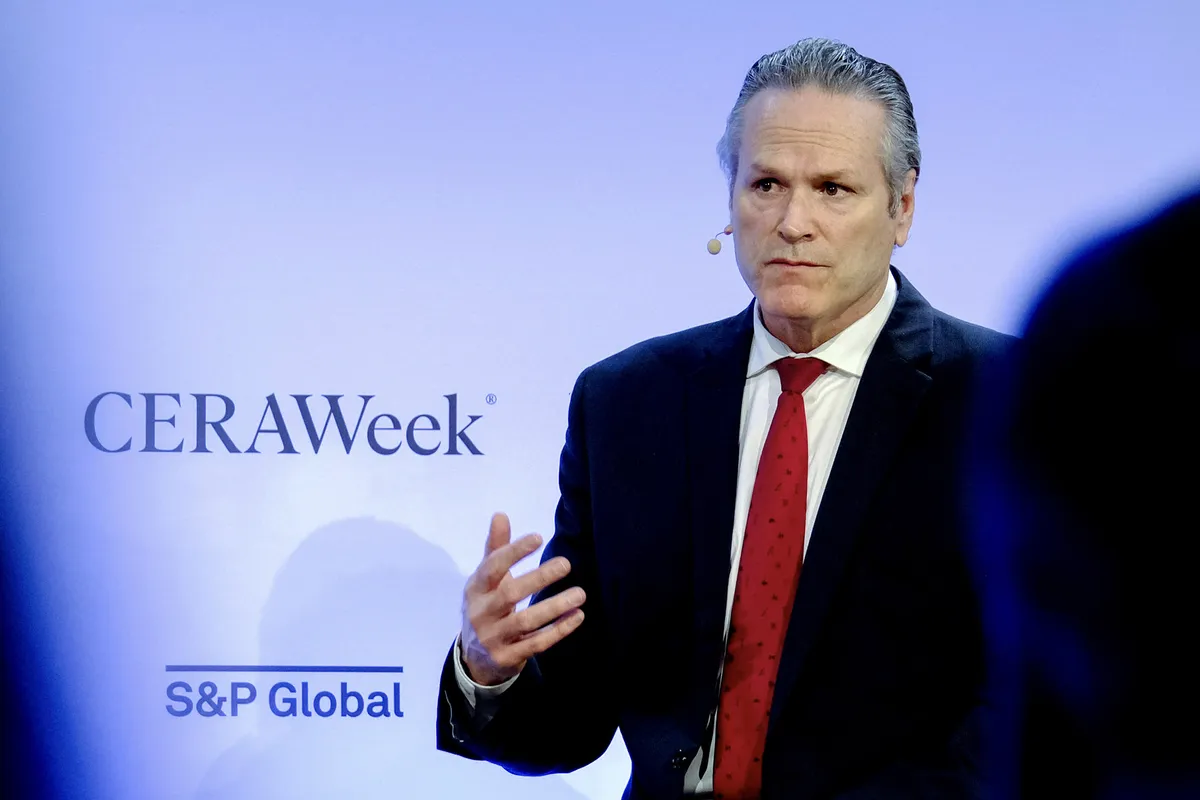
Mike Dunleavy, Governor of Alaska
This model has been operating in Alaska’s oil industry for over forty years. For years, Alaskan residents have been able to receive dividends from the Permanent Fund Dividend program each year, which is also why most residents continue to support oil exploration in the state. This year, each eligible Alaskan resident can receive a dividend of $1,200.
Alaska officials have long touted the availability of local land, a cool climate, and natural resources such as natural gas and hydropower as being very suitable for building data centers; the downside is that the power grid is relatively decentralized. However, data center projects in the state are still a nascent area, and related proposals have already faced considerable opposition from residents, mirroring resistance seen across the U.S.
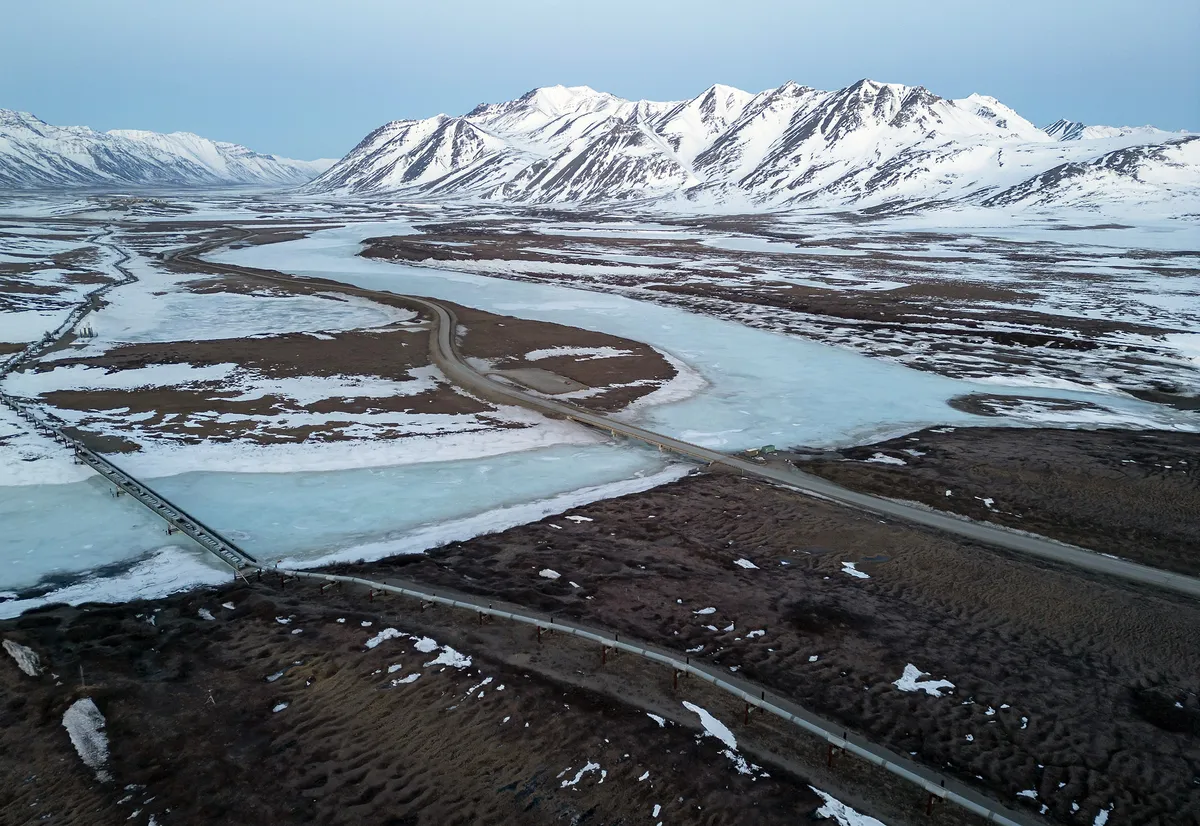
The Trans-Alaska Pipeline System and a portion of the Dalton Highway in Alaska's North Slope
A data center of 3 gigawatts, consuming electricity equivalent to that of 2.4 million households, was planned for Alaska's North Slope, but this proposal received a large amount of public opposition.
Democratic candidate Mary Peltola is leading in the federal senate election, and she has set up a website to criticize incumbent Republican senator Dan Sullivan for supporting data center projects. The website claims that large-scale construction of such infrastructure would drive up electricity prices, take up public recreational land, and pose threats to fish and caribou populations.
Similar opposition voices have emerged in many parts of the U.S.; during this election cycle, dozens of local proposals have been introduced to restrict or halt data center construction. Texas, Georgia, and Ohio, originally key investment areas for AI infrastructure, now have newly elected Democratic governors who proposed during their campaigns to give local communities greater say.

Mary Peltola
Alaska is likely to follow a similar path. Democratic candidate Jonathan Kreiss-Tomkins is leading significantly in the gubernatorial race and will succeed the term-limited Dunleavy. Kreiss-Tomkins has proposed to pause approvals for new data center projects until corresponding regulatory rules are established in the state legislature and local approval powers are implemented.

Jonathan Kreiss-Tomkins
A spokesperson for Kreiss-Tomkins' campaign did not respond to interview requests regarding data center construction. Alaska plans to complete its ballot counting by November 25, with the new governor being sworn in on December 7.
Tokenization is a way to open data center projects to a broader range of investors. Several Wall Street firms have adopted this approach, registering stocks, bonds, and other assets on distributed ledgers. Proponents believe that tokenization offers greater transparency, faster settlement, and supports around-the-clock trading; currently, the asset management scale of on-chain real assets has also seen significant growth.
The Dunleavy administration has also announced the establishment of Alaska Data, a subsidiary of the state’s economic development agency, specifically to attract private development funding for this plan. The state government plans to sell investment products to ordinary investors through a new entity called InvestNorth.
Although the plan aims to provide ordinary people with the opportunity to invest in AI-related infrastructure, it also comes with new risks. The plan has yet to be implemented, and many issues related to liquidity and investor protection remain unresolved. Critics argue that this is fundamentally a speculative product aimed at high-risk AI infrastructure projects. Alaska finds itself in a dual role: promoting data center projects while issuing related investment products, putting the state government in an awkward position if projects ultimately result in losses.
However, Dunleavy believes that resident ownership of project shares can alleviate community resistance to data centers. “If locals can become shareholders in the data centers and receive benefits, the interests of the community and the project can be aligned.”
Plural's CEO Adam Silver candidly admitted that while Wall Street is optimistic about the AI boom, ordinary people are apprehensive about data centers, and the conflict between the two is real. “Our plan directly addresses this contradiction. You can be a resident expressing concerns at the dinner table, but you can also be an investor in projects, profiting from them.”
Brandon Brefczynski, president of Alaska Data and deputy director of the state economic development agency, believes that Alaska's push for tokenization is an advanced version of the oil Permanent Fund Dividend model. “It’s a step forward, enabling Alaskan residents to directly invest in these projects.”
Silver indicated that a major advantage of tokenization is that Alaskan residents can clearly see the flow of funds within the state. “You can view project compliance in real time, whether there are defaults, underperformance, or overachievement; all of this is on-chain and publicly visible.”
Silver mentioned that about a year ago, the governor began to pay attention to the data center boom, and the two sides established contact. Developers are moving out of traditional concentrated areas like Northern Virginia’s “data center corridor,” and Alaska hopes to attract some of that investment.
Although his term is about to end, Dunleavy remains optimistic about this model. “This model will flourish throughout the U.S. in the future.”
免责声明:本文章仅代表作者个人观点,不代表本平台的立场和观点。本文章仅供信息分享,不构成对任何人的任何投资建议。用户与作者之间的任何争议,与本平台无关。如网页中刊载的文章或图片涉及侵权,请提供相关的权利证明和身份证明发送邮件到[email protected],本平台相关工作人员将会进行核查。


