Author: David, Shenchao TechFlow
On November 5, U.S. tech stocks experienced a significant and brutal decline.
The Nasdaq fell about 5.5%, entering correction territory; the Philadelphia Semiconductor Index dropped over 12%. Chip companies such as Nvidia, AMD, and Micron saw significant declines. The market's direct reaction came from the midterm election results. After the Democrats took both the Senate and the House, investors began to consider local-level resistance to AI data center construction.
During the same time frame, Asian markets also responded.
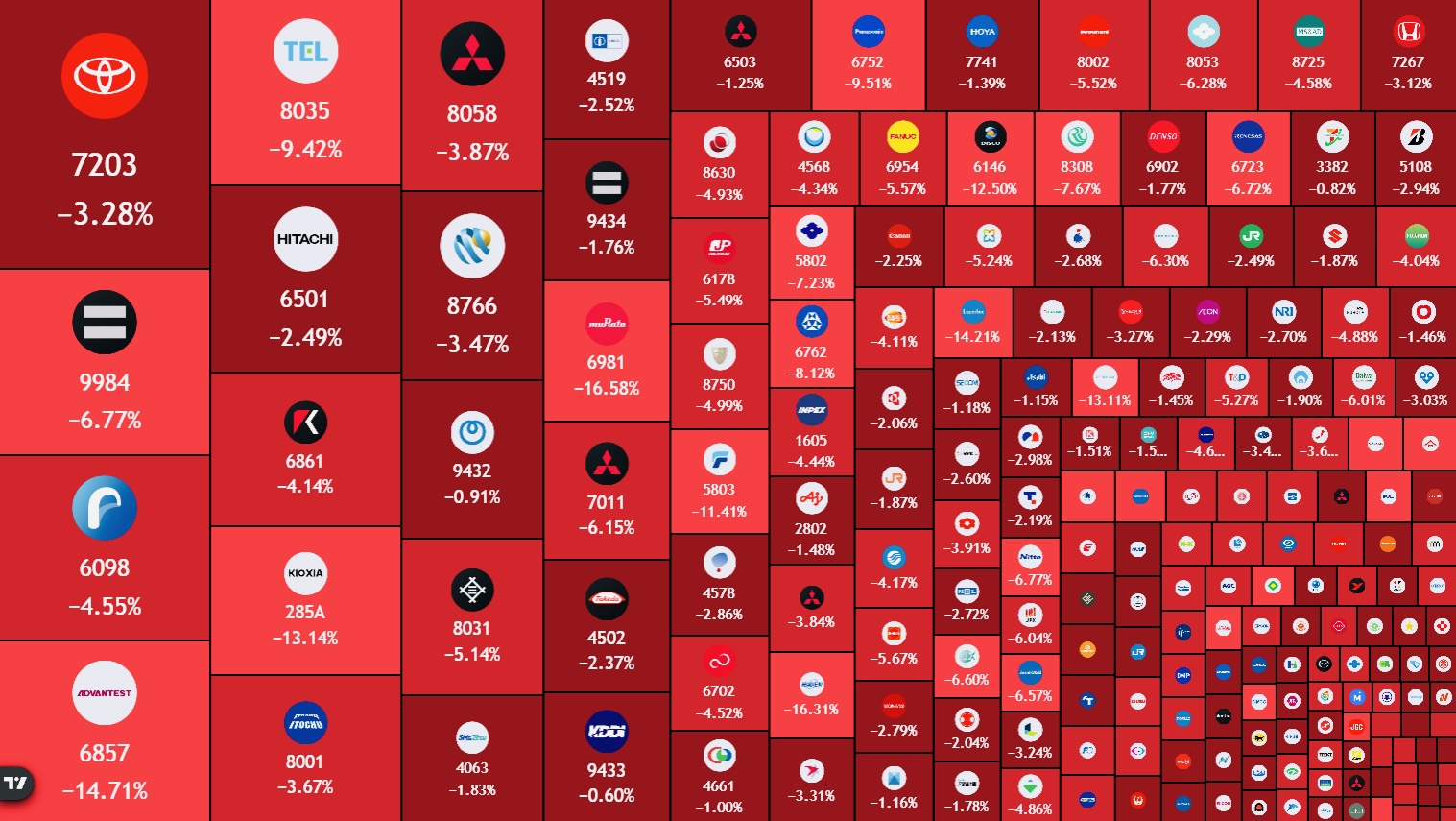
On November 6, the Japanese Nikkei index fell over 6%, with semiconductor equipment and storage-related companies like Advantest, Tokyo Electron, and Kioxia leading the decline; the South Korean market reacted even more intensely:
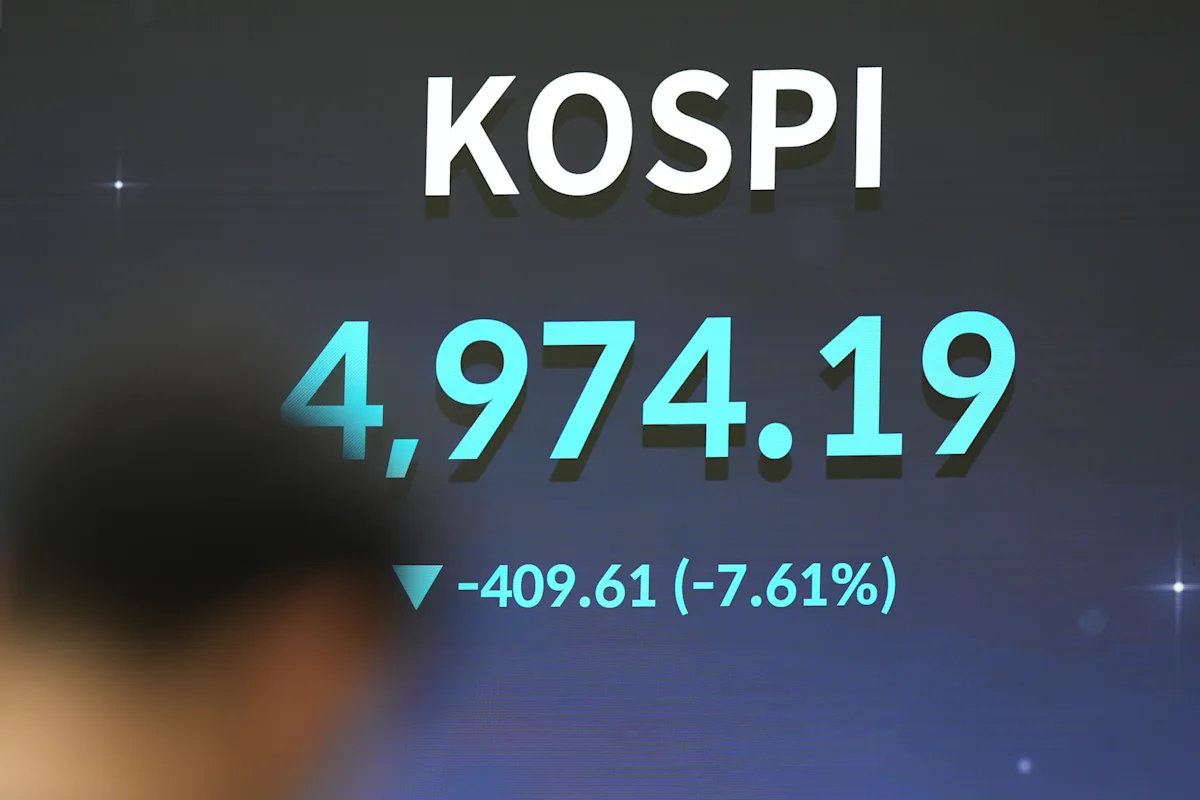
The Kospi quickly dropped over 8% after opening, triggering a circuit breaker; Samsung Electronics and SK Hynix fell nearly 10% and 12% respectively in early trading. The day before (November 5), the Kospi had already closed down 5.28%, with the combined market value of the two companies evaporating over 140 billion dollars.
When AI Computing Power Expansion Faces "Policy Red Light"
The declines in different global markets are certainly not isolated events. First, the most direct is the U.S. market; on November 5, the speed of data center construction being re-evaluated was in actual trading. After the midterm elections, this change had very concrete evidence.
According to Ballotpedia and several media outlets, there are 41 local referendums related to data centers across the United States, distributed in 10 states.
With the exception of a small town in North Dakota, all others have passed measures to restrict, suspend, or prohibit the construction of new data centers. Ohio alone has 21, making it the most concentrated area. The city of Defiance passed a charter amendment to restrict data center construction with about a 65% support rate; nearly 80% of voters in Joliet, Illinois support restrictions.
Changes at the state level are even more direct.
Texas's newly elected governor, Gina Hinojosa, explicitly proposed a suspension of data centers until the state legislature passes relevant regulations; Ohio's new governor, Amy Acton, supports a conditional suspension; Georgia's new governor, Keisha Lance Bottoms, has also pledged to pause new construction. These states are currently important components of planned data center capacities in the U.S.
Bloomberg reported that about 40% of the planned data center capacity in the U.S. is located in those states where the newly elected governors have promised to slow down.
Previously, over 140 data center projects had been postponed or canceled due to local opposition. The midterm election results turned this scattered opposition into a signal that state-level policies might shift.
Cross-Time Zone Carnage, Panic in the Asian AI Supply Chain
The expectation of hindrance in U.S. AI data center construction reached Japan, impacting the equipment side.
Japan has a high weight in semiconductor equipment and testing processes; companies like Advantest and Tokyo Electron directly benefit from capital expenditures of downstream wafer fabs and packaging companies. A slowdown in data center construction will not immediately decrease existing orders but will change manufacturers' assumptions regarding demand for new equipment in the next two to three quarters.
The drop in the Japanese stock market on the morning of November 6 was concentrated in these equipment and materials companies, indicating that the market is anticipating a contraction in capital expenditure cycles, rather than trading based on Japan's own economic data.
However, there is still no direct evidence that orders from the Japanese equipment sector have significantly declined. Advantest just released record second-quarter results at the end of October and raised its full-year sales and operating profit guidance, citing strong demand for AI-related testing equipment. The market sold it off, trading on the expectation that future orders may be compressed, rather than that current backlogged orders have worsened.
When the bearish news reached South Korea, combined with the recent volatility characteristics of the South Korean stock market, the sensitivity was even higher.
Samsung Electronics and SK Hynix account for the majority of global high-bandwidth memory (HBM) and advanced DRAM supply; the demand for memory capacity and bandwidth from AI servers has been the core support for the valuation increases of these two companies over the past two years.
A downward adjustment in expectations for data center capital expenditures will directly affect the price trends and utilization rate assumptions for memory. The response of the South Korean market is also more direct: it had already dropped significantly on November 5 and continued to expand its declines, triggering a circuit breaker after opening on November 6. Compared to Japanese equipment stocks, South Korean memory stocks' pricing on the "slowed order pace" is steeper because the price elasticity of memory is higher, and adjustments in inventory and utilization rates are more rapid.
Similarly, there has been no public information indicating they have lowered capital expenditure guidance or reported a significant decline in orders; the market is still trading on the possibility of "slowed pace," rather than an already confirmed drop in demand.
When looking at these three lines together, the essence of this short-term decline is the supply chain re-pricing the "pace of data center construction in the United States."
The difference in declines between Japan and South Korea reflects the differing sensitivities of equipment cycles and memory cycles to the same signal. The order cycle on the equipment side is longer, with relatively lower price elasticity; on the memory side, it is closer to end-demand, with adjustments in price and utilization rates happening more quickly.
On a positive note, there is currently no evidence showing that the actual deployment of AI servers is declining, but the market is beginning to demand higher certainty to maintain previous capital expenditure assumptions.
免责声明:本文章仅代表作者个人观点,不代表本平台的立场和观点。本文章仅供信息分享,不构成对任何人的任何投资建议。用户与作者之间的任何争议,与本平台无关。如网页中刊载的文章或图片涉及侵权,请提供相关的权利证明和身份证明发送邮件到[email protected],本平台相关工作人员将会进行核查。


