Author: Little Golden Tooth, Letter Ranking

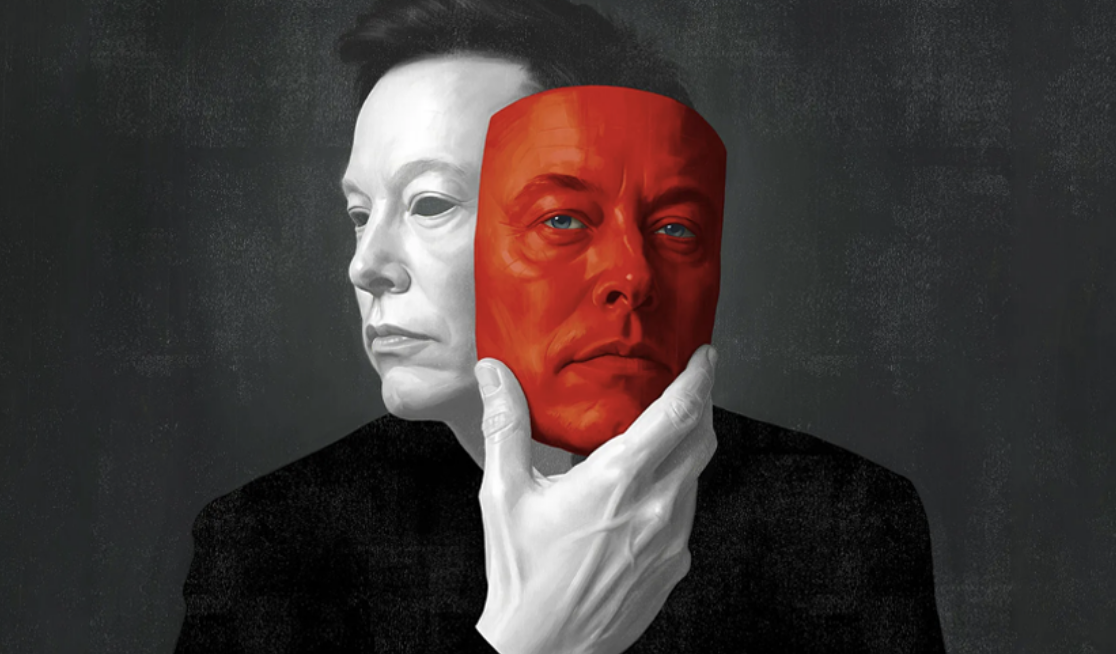
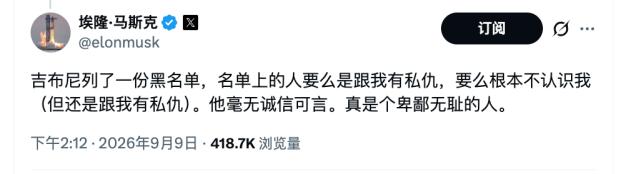
Musk has recently been insulting people on X again. This time the target of his insults is documentary director Alex Gibney: he is "totally lacking in integrity," a "despicable and shameless person," who made a movie that was "boring for a full four hours."
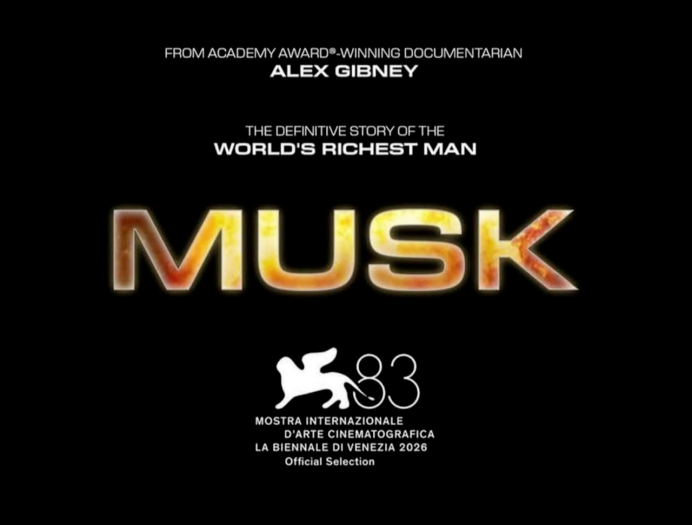
The film is called “Musk,” and it was in production for nearly four years, having premiered at the Venice Film Festival on September 8. Musk's lawyers acted before the audience: five days before the premiere, a legal letter was already sent to the film's production team, warning of a potential lawsuit.
Gibney is no stranger to such a setup. This Oscar-winning director has investigated Enron's financial fraud and has looked into how Elizabeth Holmes, dubbed the "female Steve Jobs," attracted investments with the promise of testing diseases through a drop of blood.
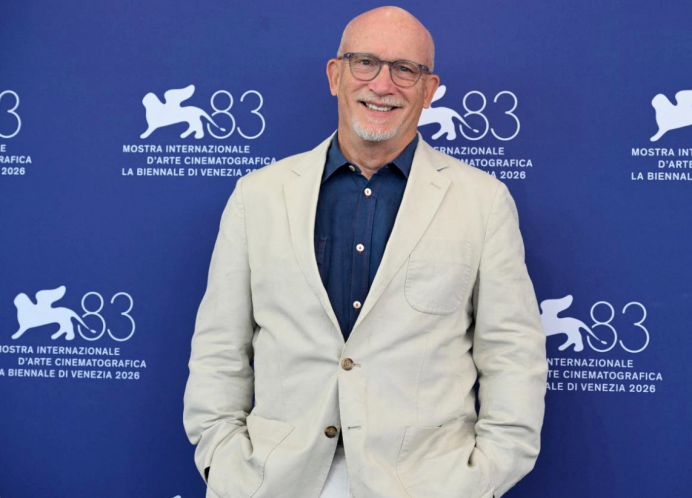
He is known for interviewing former employees, partners, and people close to the subjects to uncover what lies behind the glamorous stories. This time, the camera is focused on Musk.
The premiere went ahead as scheduled. After the screening, the audience stood up and applauded for about four minutes, with some even shouting "Thank you" to the director.
Moreover, the angrier Musk gets, the more excited and expectant the public becomes. Ironically, on September 15, the distributor Bleecker Street announced that the release dates for New York and Los Angeles had been moved up from October 16 to the 9th, citing strong audience demand.
In fact, as soon as the project was announced in 2023, Musk deemed it an "attack piece." Now, his ex-wife, former partners, and past business associates are gradually speaking out, exposing family life, business commitments, and political power in the same film. Revelations and controversies are flooding in, yet many film critics are giving it positive reviews.
What exactly is in this documentary that Musk has been attacking for several years, which he describes as "boring for four hours"?

“Musk” has not yet been officially released, and ordinary viewers currently do not have access to the full film, but the dense coverage following the premiere, along with Gibney's participation in film festivals, press conferences, and media interviews, has already brought some major revelations to light.
1. The Influencer Ex-Girlfriend: After having a child, Musk offered $40 million to silence me
One of the most talked-about interviewees in “Musk” is conservative influencer Ashley St. Clair. She has a child with Musk.
St. Clair claims that Musk's side had proposed to pay her $15 million upfront, followed by monthly payments of $100,000 for 21 years, on the condition that she signed a non-disclosure agreement. The total would be about $40 million. She refused the offer because she speculated that if the price was that high to silence her, her right to speak must be extremely valuable.
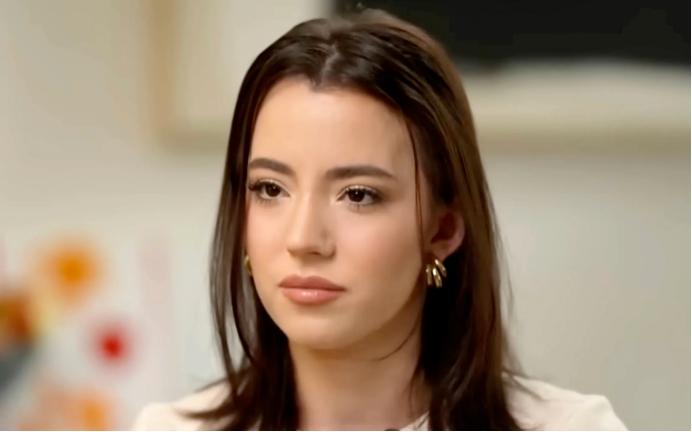
Musk later directly denied it: "I have never made her such an offer." He also accused St. Clair of having a history of making false allegations. This arrangement is still a matter of dispute between both parties.
More notable than the amount is St. Clair's description of Musk's views on parenthood. She shared that during their relationship, Musk would listen to podcasts about Kublai Khan before bed and message her expressing a desire to have a "legion of children" before a “civil war.” In her account, giving birth has been incorporated into a broader plan concerning population, war, and the future of humanity.
2. Ex-Wife: Musk always glorifies himself when talking about the children
Musk's first wife, writer Justine, provides more family details.
The couple's first child, Nevada, died young. In 2022, Musk publicly stated that the child died in his arms and that he felt his last heartbeat. Justine corrects this in the documentary: she was the last person to hold the child. She had detailed her experience of saying goodbye to the child in an article she published in 2010.
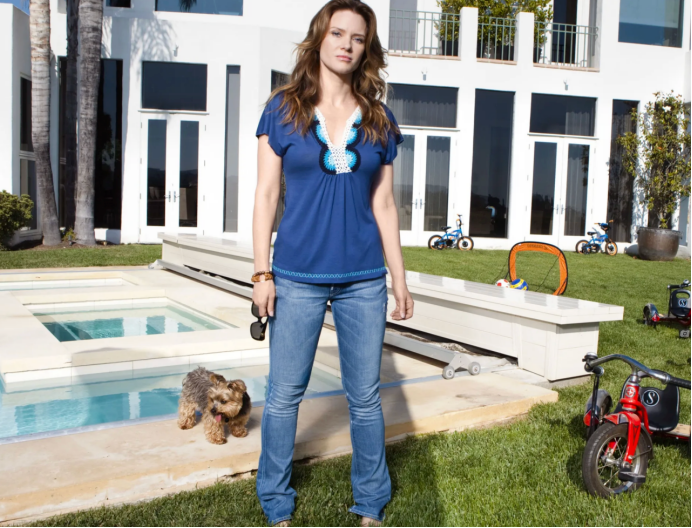
Another incident occurred after Musk's relationship with his daughter Vivian (who is transgender and was born male) soured. Justine claims that Musk asked her to tell their daughter that he would always love her. But the next day, he removed Vivian from his health insurance.
3. On Election Night, why was he so certain?
Another segment of St. Clair's interview brings the controversy from family matters to the American elections.
She recalls that on the night of the 2024 election, Musk left the gathering at Mar-a-Lago early and later told her that he had known Trump would win all along. The certainty of the result was something she had never seen before.
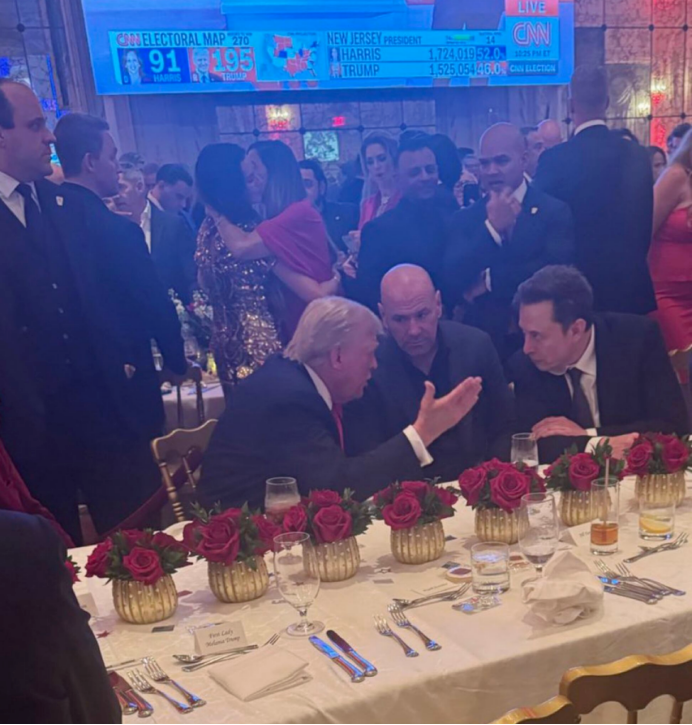
She also mentioned that before the election, Musk had said he wanted to "release anomalies in the matrix" and told her: "I have ten thousand laser beams in space." St. Clair said she did not press further because she did not want to be asked to testify about it later. Musk's response was: "Wise."
This has become a key point attacked by the legal letter. Musk's lawyers believe the film implies that Musk used Starlink to influence the election, which allowed him to know the outcome in advance. Musk’s side denies this implication and requests the production team to preserve interviewing materials, research, and internal communications to prepare for a potential lawsuit.
4. “Godfather of AI” Hinton: DOGE is concerning
Another interviewee, computer scientist Geoffrey Hinton, raised concerns for the future.
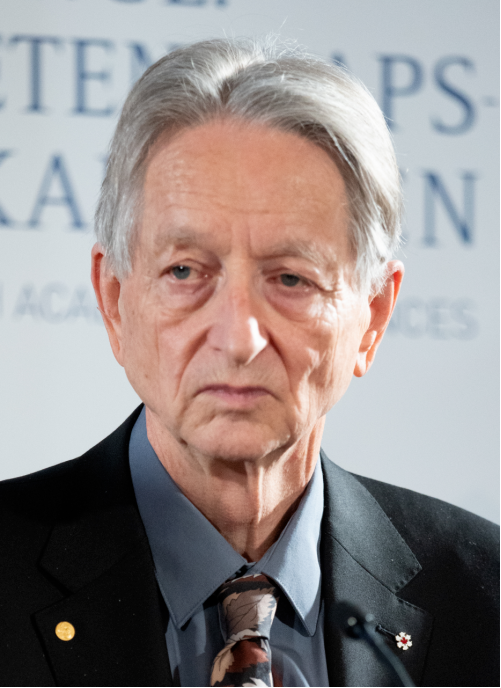
In the film, he discusses how if someone wants to use AI to influence political outcomes, detailed citizen information would be a key resource, and the approach of DOGE accessing government data makes him wary.
His remarks belong to risk assessment but undoubtedly deepen the film's critical perspective. The question remains, when a businessman has control over social media platforms, AI companies, and has even entered the White House, how should the public understand the relationship between these capabilities?
5. Tesla co-founder personally airing old grievances: If I had to do it over, I wouldn’t give up so much control
Tesla co-founder Martin Eberhard also participated in the interview. His main concern is that many people now believe that Tesla was founded by Musk.
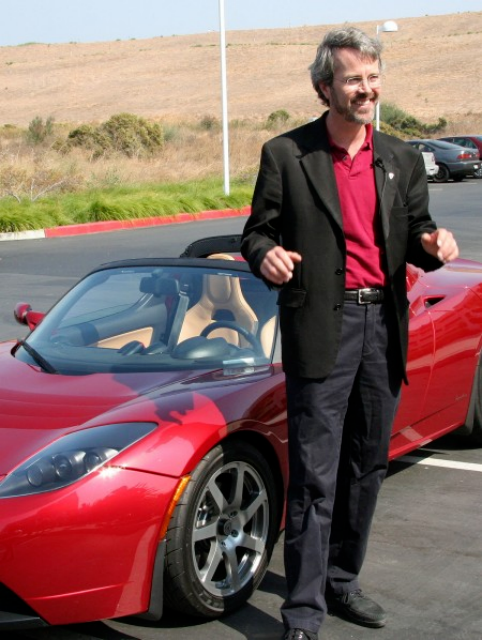
Eberhard believes Musk is overly self-centered and stated in the film that if he could start over, he would not hand over such a large share of control to Musk.
6. Musk’s greatest ability: Creating value for unrealized futures
Gibney's explanation of Musk's business ability is that he is particularly skilled at making the outside world believe: the future has arrived. This belief can then bring investment, orders, and valuation to the company.
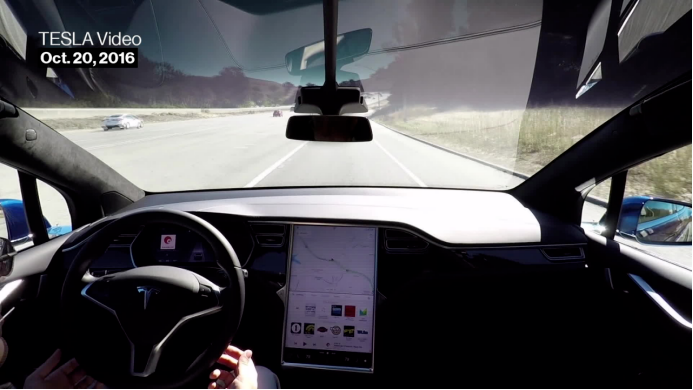
Autopilot is a key case that the film dissects. Gibney juxtaposes Tesla's autopilot demonstration video released in 2016 with footage of a fatal accident in 2019: a car using Autopilot struck and killed one person and severely injured another in Florida. The promises made during the technology showcase stand in stark contrast to the consequences in actual use.
Tesla's vehicles and SpaceX’s rockets have tangible results, which have also earned Musk long-lasting trust. The film questions: when this trust is applied to the next promise, can the public distinguish which technologies have been realized and which are still just his goals?
Gibney, who has previously covered Enron and “female Steve Jobs” Elizabeth Holmes, sees familiar patterns in Musk. At the Venice press conference, he directly referred to Musk as a "confidence man," believing that this is not a brand-new tech story: amassing wealth and power by inflating stock prices is an old story he has already told. (Note: Confidence man is a fixed expression referring to someone who gains others’ trust and then uses it to deceive, essentially a "fraudster.")
However, he also admits that there is a key difference. Holmes’s machine was incapable of delivering on its promises, while Tesla has been producing cars for years that people do genuinely like. In an interview with Vanity Fair, he summarized the similarities between Musk and Enron executives and Holmes as creating a fantasy that compels people to invest. What he questions is not whether Musk's companies achieved nothing, but rather how many unfulfilled promises beyond those tangible results have been sold to investors as reality.
Incidentally, a core criticism from Musk’s supporters regarding this documentary is Gibney equating Musk with Enron or Holmes, as Musk really has made electric cars ubiquitous, rockets that launch and land, and has established a massive AI cluster.

Musk's power is not only reflected in the stories told in the documentary; the filming process outside the documentary has been quite exciting.
Gibney mentioned that many people familiar with Musk were afraid to speak publicly during the shooting, particularly unwilling to appear on camera.
These people included both critics and insiders, even Musk's supporters. Some who could have spoken well of him responded: “Without Elon’s permission, I can’t talk to you.”
Musk himself labeled the project early on. In 2023, as soon as the film was announced, he called it an "attack piece." Gibney questioned him back: "How do you know?" After all, to this day, the public still does not know whether Musk has watched the documentary in full.
Three years later, the two have still not sat down for an interview, and their conflict has extended from social platforms to legal letters.
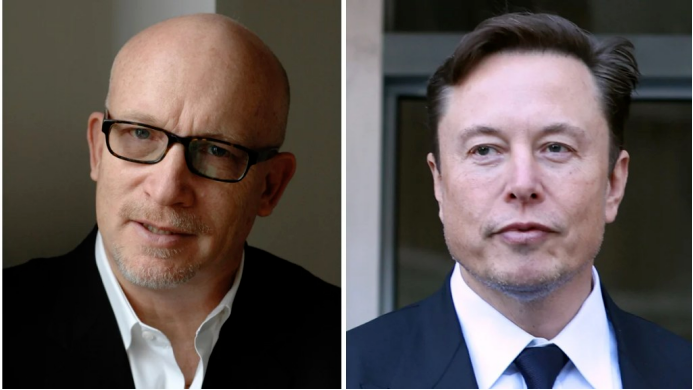
The two sides even disagree on whether there was an opportunity for a response.
Musk's lawyers claim the team attempted to contact the production team for a response but were refused.
Gibney, on the other hand, stated at an event in Toronto that they had repeatedly formally invited Musk, and aside from online comments, they did not receive a response. He also emphasized that the film underwent legal review and independent fact-checking.
Moreover, this documentary was not originally this long.
Gibney stated that before Musk shifted to Trump, he had intended to make it a two-hour documentary, which was nearing completion. However, the election changed the plan; Musk was no longer just an entrepreneur running cars, rockets, and social media but had entered the White House. To explain all this, the original length was insufficient.
HBO supported additional filming, and the film once had a six-hour version before being compressed to four hours.
There is also a rather controversial point—Musk consistently refused to be interviewed, so Gibney finally arranged for a “stand-in” Musk to appear.
That was a stand-in created with CG, combined with AI voice synchronization technology.
The words spoken are not fabricated lines but actual things Musk has said in past interviews and other occasions, simply rearranged into simulated interviews.
Gibney explained that this was a deliberate satire corresponding to Musk's view that humanity might live in a simulated world. The production team consulted with lawyers before adopting this approach.
However, while the words are real, it does not mean that this presentation method is without controversy. NPR reporter Bobby Allyn, after watching, felt that the virtual Musk broke the immersion, thereby weakening the impact of a serious investigative work. The gamified visuals in the film also faced similar issues, such as depicting Musk with a chainsaw attacking federal agencies, which he thought was overly direct satire.
Widespread acclaim for the documentary does not mean it is accepted without question. Allyn, who has long reported on Musk, believes that the film does not offer much in the way of genuinely new information; its value lies more in aggregating materials that have been scattered over the years. When addressing "space lasers" and the use of DOGE data to interfere in elections, the film also exceeds the current evidence that can support such claims.
Of course, overall, the public evaluation is still quite high. “Time Out” gave it four stars, stating that while it nears four hours, it remains captivating, particularly praising the breadth of the material covered in the film. The subtitle of the review bluntly stated: "Musk hates this documentary. You won’t."

Musk is not the first tech mogul to dislike his on-screen image. Sixteen years ago, “The Social Network” made Zuckerberg very uncomfortable.
In 2010, directed by David Fincher and written by Aaron Sorkin, this film portrays the founding story of Facebook as one interwoven with friendship betrayals, equity disputes, and lawsuits. It certainly is not an inspirational startup film, but the conflicts primarily occur between the founders and the people around them, focusing on the startup itself.
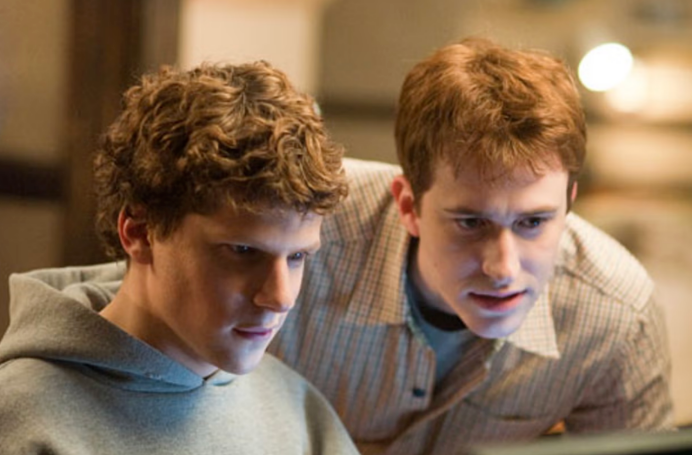
Zuckerberg's biggest grievance is that the film explained his motivation for starting up. In 2014, he stated in a public Q&A that the filmmakers fabricated a plot that he created Facebook to attract girls, which he felt was hurtful.
In his view, the actual startup process doesn’t involve such dramatic conflicts; it would be about him sitting there writing code for two hours straight.
Gibney himself has long encountered similar controversies. In 2015, he made "Steve Jobs: The Man in the Machine", interviewing Jobs's former colleagues and ex-girlfriends, examining the controlling nature behind product achievements and the price paid by those around him.
By 2022, the ups and downs of tech startups have consecutively been turned into television series.
“The Dropout” tells the story of the aforementioned “female Steve Jobs,” Holmes. She claimed that by collecting a small amount of blood, multiple disease tests could be accomplished, winning enormous investments based on this promise. However, the company completely failed to realize the advertised technology, turning the story of the entrepreneurial star into a fraud scandal.
“Super Pumped” focuses on Uber co-founder Kalanick: he pushed a startup into an industry giant through reckless expansion, yet fell into crisis due to this management style, ultimately being ousted from the company he founded.
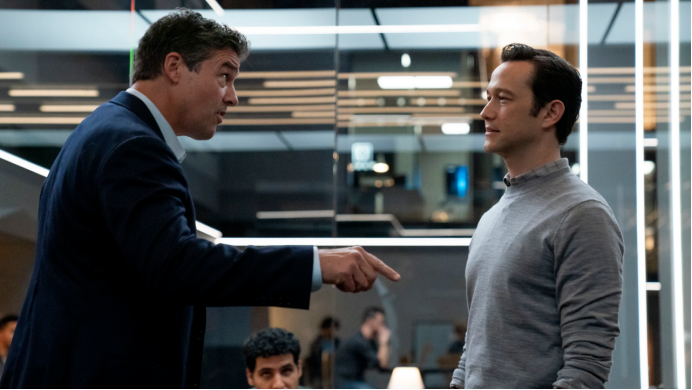
In “WeCrashed,” the Neumann couple narrates their shared office business as an initiative to change work and life styles. Their company, WeWork, was once valued at $47 billion, only to evaporate about $40 billion in less than a year. The series depicts how the couple inspires each other while also showing how they lose judgment amid their ever-expanding ambitions.
From the plot summaries, it’s evident that compared to tech startup narrative films represented by “The Social Network” a decade ago, the recent focus on tech moguls has shifted deeper into "after the startup," exploring themes of ambition and deception, dreams and humanity.
The upcoming film “The Social Reckoning,” set to be released in the U.S. on October 9, is penned and directed by Sorkin, with Jeremy Strong portraying Zuckerberg.
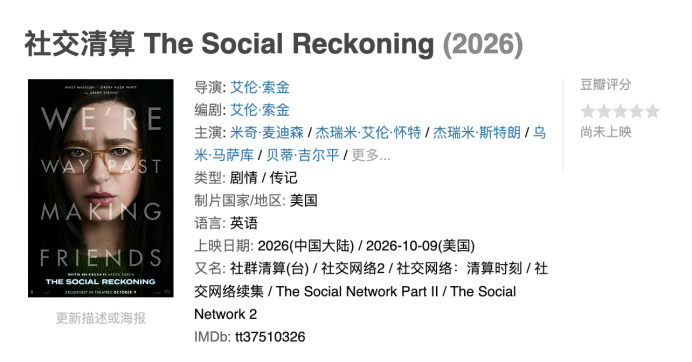
Sony refers to it as a “sister piece” to “The Social Network,” and from the official synopsis, the focus of the story has shifted to two other individuals: Frances Haugen, the whistleblower from Facebook portrayed by Michaela Jaé Rodriguez, and Jeff Horwitz, a reporter from The Wall Street Journal played by Jeremy Allen White.
Together, they unveil the internal secrets that the platform is unwilling to disclose.
Another new film, “Artificial,” is set to premiere on October 5 at the New York Film Festival, covering the controversy of Altman being fired and subsequently reinstated by the OpenAI board in 2023.
However, it doesn’t just depict the chaotic scenes of those few days; the introduction released by the New York Film Festival shows that the film will also trace Ilya Sutskever’s following Geoffrey Hinton to study neural networks and later meeting Altman, placing the story within the context of the past twenty years of AI development.
The changes over the past decade do not indicate that films have ceased to praise tech geniuses—“The Social Network” was never gentle. A more apparent shift is that the costs needing to be calculated in these stories are increasingly high; initially, it was about friends being betrayed and partners being pushed out, then it became employees, investors, and consumers being harmed, and now it even involves those who have never invested in these companies or used their products.
Tech moguls always claim they want to change the world. Now, the lens is becoming increasingly concerned with what kind of world they are creating, and whether others have the space to say "no."
免责声明:本文章仅代表作者个人观点,不代表本平台的立场和观点。本文章仅供信息分享,不构成对任何人的任何投资建议。用户与作者之间的任何争议,与本平台无关。如网页中刊载的文章或图片涉及侵权,请提供相关的权利证明和身份证明发送邮件到support@aicoin.com,本平台相关工作人员将会进行核查。