Author: Mike Dolan
Translation: TechFlow
TechFlow Overview: Last Friday, positive U.S. employment data for August led Trump to suddenly turn and criticize the Federal Reserve, demanding "rate cuts, or else stop trading with countries with trade deficits." Reuters columnist Mike Dolan pointed out that this statement is fundamentally illogical, and the market hardly reacted; however, it precisely provided Federal Reserve Chairman Kevin Walsh, who took office in May this year, an opportunity to push for a rate hike this month, reaffirming the Fed's commitment to its inflation target and proving that he is not a "puppet" of the White House, thereby distancing himself from the President and establishing personal credibility.
Trump's inexplicable linkage of U.S. interest rate policy with trade relations with America's largest trading partners has caused more confusion than market volatility. However, this absurd statement from the President has given Federal Reserve Chairman Kevin Walsh the opportunity to push for a rate hike this month, convincingly distancing himself from the White House and boosting his credibility.
Last Friday should have been a good day for the President in terms of the economy. After all, the U.S. employment growth in August reached three times the expected increase, and a considerable portion of the summer's weak employment situation was revised upward. Earlier that day, diesel prices indeed hit an all-time high, potentially putting upward pressure on inflation. However, the moderate wage growth in the employment report can also be interpreted as yet another reason for the Fed to hold off before waiting for inflation data this Friday, just days before the Fed's next meeting.
Trump needs some good economic news. With only two months left until the midterm elections, his overall approval rating remains at a two-term low, with 71% of Americans (including 40% of Republicans) disapproving of his handling of the cost of living issue.
However, instead of continuing to focus on the positive August employment data, Trump quickly and somewhat inexplicably turned his attention to the Federal Reserve, telling the central bank what to do and threatening what he would do if they did not comply.
"High interest rates put America at a very unfair disadvantage, and I will not allow this to happen!" Trump wrote on his Truth Social platform, while praising Walsh as "great." "We should have the lowest interest rates in the world... If there is no rate cut, I will stop trading with those countries that have trade deficits with us," Trump added.
The main problem with this argument is that it is utterly nonsensical. Even commentators who have generally supported the President either abandoned their scrutiny or simply ignored it. Given the market's ongoing concerns over the President's consistent political pressure on the central bank over the past 18 months (including his willingness to force the Fed's hand through political appointments), this apparent disregard is quite noteworthy.
During his second term, Trump repeatedly called for significant rate cuts and threatened to fire Walsh's predecessor, Jerome Powell, multiple times, claiming he did not comply. He often questioned why America's economic strength could not allow it to have the lowest interest rates in the world, although most economists would find the assertion that "strongly growing economies should have lower borrowing costs" difficult to accept, considering the inflationary impacts of an overheated economy which typically suggest the opposite.
More importantly, core inflation has remained above the Fed's 2% target for 65 consecutive months, accelerating in growth, the financial environment is loose, full employment has essentially been achieved, and almost no one believes the Fed should cut rates now. Even those who think a rate hike in September (with the current futures market pricing probability exceeding 50%) may seem a bit hasty, feel the same way.
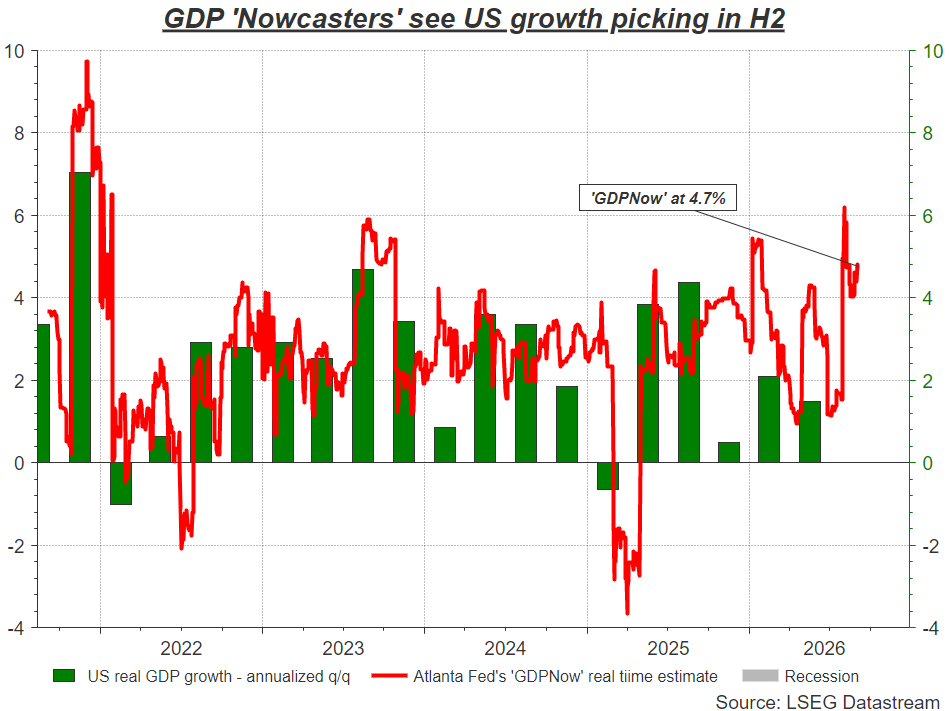
Even if you agree with calls for a rate cut now, despite the cost of living issue, linking the Fed's hesitation to the threat of "stopping trade with foreign countries" has led most commentators and investors to question whether the President has grasped basic common sense.
"Clueless" or "Puppet"?
Perhaps Friday's post was just a hurried effort to revitalize his latest round of attacks in the trade tariff war. But even so, deliberately weakening foreign economies by cutting imports through tariffs or executive orders could prompt these countries to lower their interest rates, potentially raising domestic import prices in the U.S. And that would not help America achieve the lowest interest rates in the world.
The market's lack of reaction to Trump's latest comments about the Fed may indicate that investors are becoming more skeptical and cautious regarding the President's increasingly absurd statements. For example, Trump's recent claim that he "blew up" Iran's oil hub on Khark Island turned out to be completely false.
So what about Kevin Walsh's situation? The Chairman, appointed by Trump, has struggled to establish his credibility since taking office in May, with ongoing concerns about political pressure from the White House hampering him.
However, Walsh seemingly leaned hawkish in his recent keynote speech at Jackson Hole.
Raising rates now not only highlights the Fed's commitment to its inflation target (regardless of how small any fluctuations in consumer price inflation might be this week), but it can also confirm Walsh's control over the central bank and help distance him from the President.
"A 25 basis point rate hike is excellent public relations. It ends the credibility narrative and puts to rest months of speculation about whether Walsh is a puppet," TS Lombard economist Dario Perkins wrote. He noted that only Janet Yellen had not raised rates within two months after becoming Fed Chair in the past 50 years.
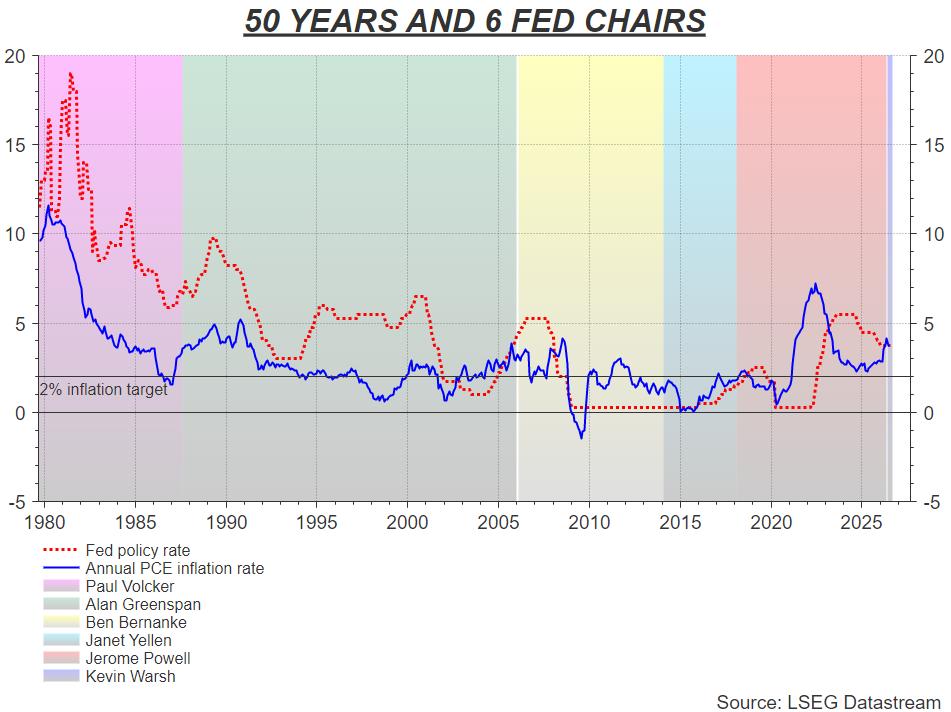
If the public believes that the Fed and its current head are being intimidated by a "difficult to explain" White House perspective, the cost of that perception outweighs any negative impacts of a quarter-point rate hike. In fact, raising rates now could even help lower long-term borrowing rates, as it would reaffirm the Fed's credibility in combating inflation and relieve some pressure on Treasury Secretary Scott Bessenet; while it's arguable that the impact of long-term rates on the economy is greater than that of policy rates.
"Walsh will only truly gain credibility when Trump starts calling him an idiot!" Perkins added.
Currently, in the President's eyes, Walsh still seems to be "great." But Trump went from praising Powell as "brilliant" to labeling him "clueless" in just a year amidst rising rates. Walsh faces major decisions, even if those decisions may anger those who appointed him.
(This article's views represent the author Mike Dolan's own, who is a Reuters columnist.)
免责声明:本文章仅代表作者个人观点,不代表本平台的立场和观点。本文章仅供信息分享,不构成对任何人的任何投资建议。用户与作者之间的任何争议,与本平台无关。如网页中刊载的文章或图片涉及侵权,请提供相关的权利证明和身份证明发送邮件到support@aicoin.com,本平台相关工作人员将会进行核查。


