
Author: Digital Life Kazik
After the global AI crash last night, GPT-6 Astra finally made its official debut at 3:33 AM Beijing time.
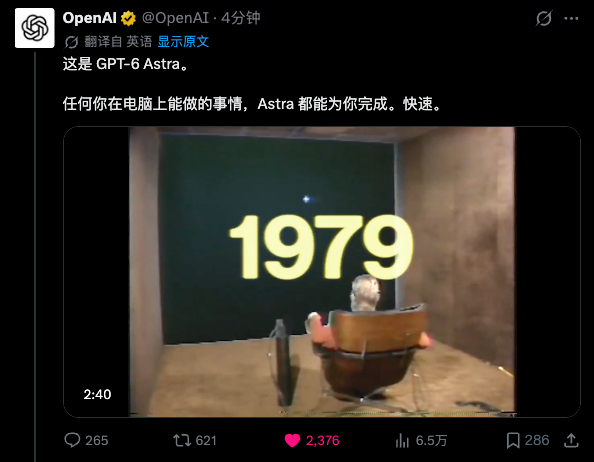
If we were to summarize GPT-6 Astra in a sentence from OpenAI, this sentence might be the most appropriate: This is the world's smartest and most aligned model. Then the meme also came out.
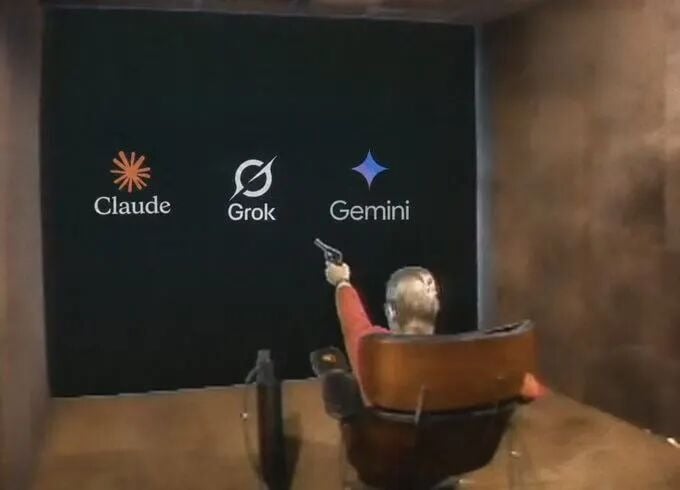 This time, OpenAI proved their strength, and it had a bit of that GPT-4 vibe, a comprehensive return of the king, and most importantly, I am happy that it is no longer a model purely specialized for coding.
GPT-6 Astra is, in the truest sense, a highly aesthetic, highly capable PhD-level employee. Furthermore, this model has many new features and characteristics, with an explosive amount of information. But the tragedy is that OpenAI is also acting up. Today, it's only open to some organizations, and will be available to subscription users in a few days.

No, bro, you didn't say this when you tricked me into buying a $200 Pro membership before. Didn’t you say Pro members would always get the new models first…
Sure enough, these large model companies are like bad boyfriends. I’ve never wanted time to speed up as much as now, just wanting to use GPT-6 Astra...
However, after reviewing nearly all the information and materials, I feel there is still a lot worth discussing. So let's go through them one by one.
1. Basic Information about GPT-6 Astra
Let’s summarize the basic information first.
The model number for GPT-6 Astra in the API is gpt-6-astra.
The context window is 1.05M, which is about 1.05 million Tokens.
The maximum output length is 128K Tokens.
The knowledge cutoff date is April 30, 2026.
The inference strength has five levels: low, medium, high, xhigh, max.
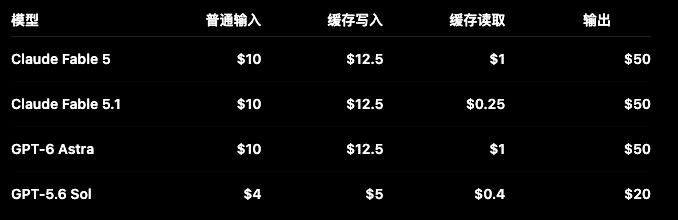
The standard API pricing is $10 per million input Tokens, and $50 per million output Tokens.
This pricing is essentially identical to Claude Fable 5, but it is more expensive than Claude Fable 5.1 for cache reads.
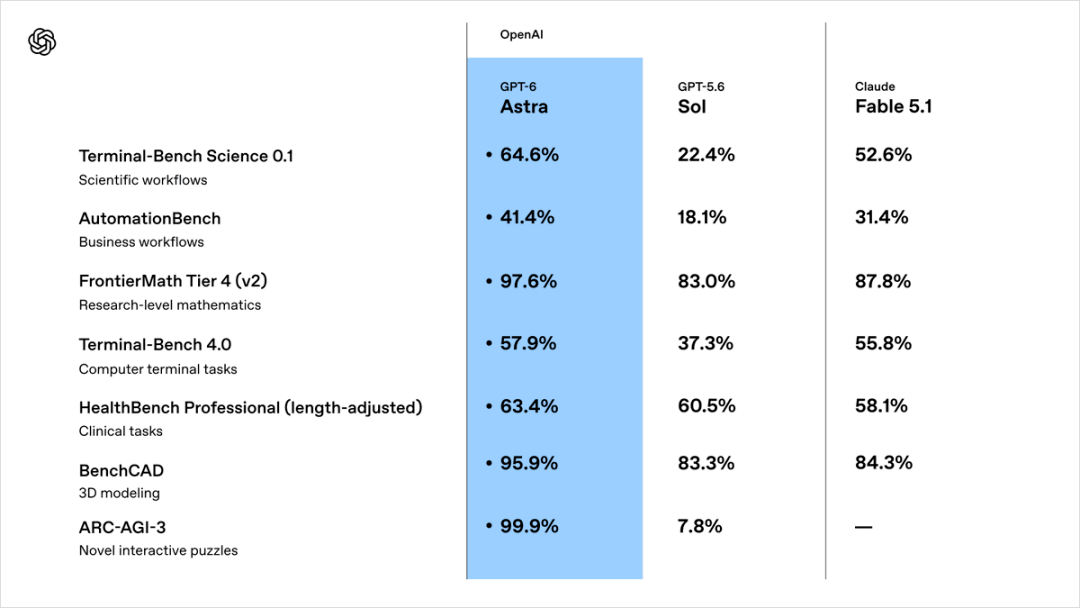
Scores are here; we will go into detail later. Just take a quick look.
Then the overall parameter estimation is also at the level of 5T. They mentioned in the closed-door media communication before the release that GPT-6 Astra is OpenAI's largest training so far, using over 100,000 cards.
2. The Best Operating Computer Model in the World
This time GPT-6 Astra has a possibly the most important positioning:
The best operating computer model in the world.
In the past, when we talked about Agents, we often discussed APIs, MCPs, CLIs, etc.
The ideal situation for having an AI operate software is that the software has a specific interface for AI, allowing for direct low-level operations, which is the most convenient.
For example, calendars have their APIs, emails have Gmail APIs, etc., which is certainly fast.
But the problem is that this world is more primitive and rudimentary than we imagine.
In the real world, the vast majority of software may not have these at all.
Many of the internal systems in many enterprises were written twenty years ago, and as for APIs, the documentation is often nowhere to be found.
However, if we return to the most fundamental level, you'll find that the essence of all software logic is interaction. Based on how we currently operate computers, it boils down to looking at the screen, finding buttons or input fields, clicking with a mouse, entering content, and waiting for feedback.
The entire computer interaction system is essentially the best API, isn't it?
Thus, GPT-6 Astra has significantly enhanced the logic of AI operating computers. If you don't provide me with an API, no problem; I can operate the computer myself, just like a human does.
Now, Astra can directly operate Excel, Power BI, conduct frontend QA, install software, test software, see error messages on the screen, and continue troubleshooting.
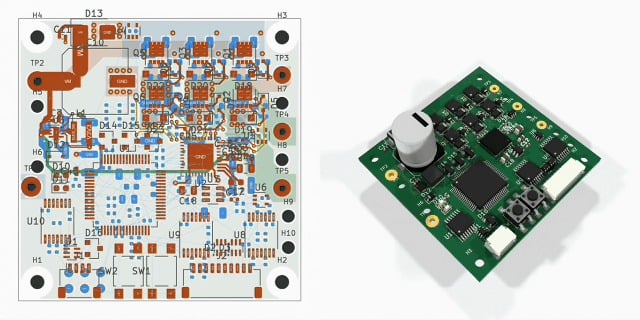
The official presentation even showed Astra directly operating circuit board design.
Additionally, it can format legal documents and handle title spacing and page layout.
There’s a fairly reliable assessment called OSWorld.
You can simply understand it as:
Throwing AI into a real computer and letting it work on its own.
Letting it open a few applications, then giving it tasks to see if it can succeed.
The completion rate of GPT-6 Astra reached 72.6%, which is quite an increase from the previous GPT-5.6 Sol’s 65.7%.
Furthermore, Sol took an average of about 75 minutes to complete a complex task assessment.
Whereas Astra only needed 40 minutes, a reduction of about 47% of time.
ScreenSpot-Pro also jumped from Sol's 76.9% to 92.7%.
This Benchmark mainly tests whether the model can interpret the screen and accurately identify where to click, and it’s already quite precise.
This positioning is actually quite interesting; in the future, GUI is likely to become the most universal API of the Agent era.
Any digital tasks a human can complete via the screen will theoretically gradually fall into the operating range of Agents.
You won't have to wait for some outdated ERP system from 2007 to connect to MCP or provide you with an API.
AI can directly look at the screen and get it done.
3. ARC-AGI-3 Scored 99.9
If you don't understand what ARC-AGI-3 is really measuring, it's easy to think:
Oh, isn't this just another Benchmark scoring full marks? What’s so surprising about that?
But this is actually quite different from a regular large model examination.
On March 25 of this year, ARC Prize officially launched ARC-AGI-3.
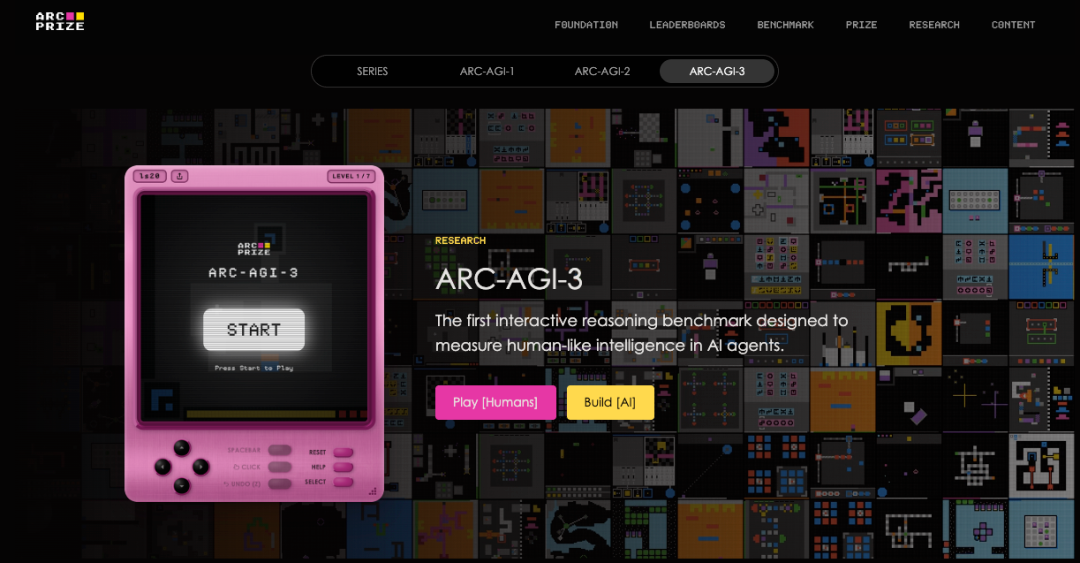
It was designed with several hundred new interactive environments and thousands of game levels.
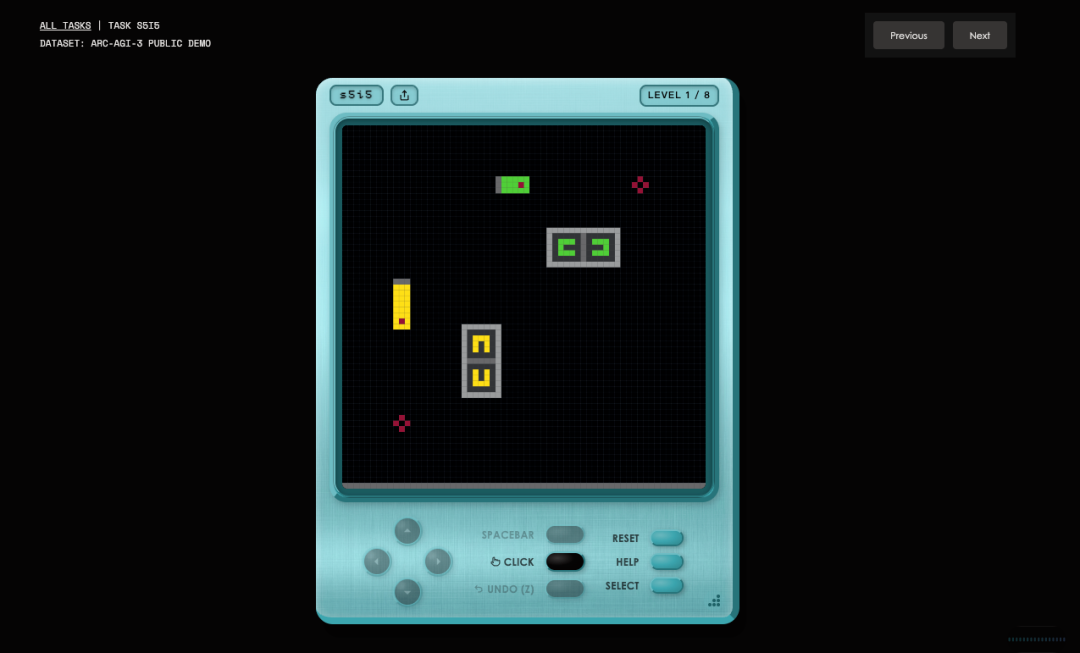
The most insane part is that there are no instructions, no rules, and it doesn’t even tell you what the goal is. You just go in and play, gradually figuring out the chaotic rules.
For example, what is this red thing? Why do I die when I touch it? What am I supposed to do with this map? How do I win?
Then you take the patterns you just learned and transfer them to the harder levels, where the games are mostly abstract.
So this kind of testing is really quite close to what we usually talk about:
Understanding.
So when this Benchmark was released in March, the best AI at the time scored 0.51%.
Then GPT-5.6 Sol improved to 7.8%, and Claude Opus 5, which was very strong, improved to 30.2%.
But GPT-6 Astra scored 99.9%.
Insane...
To know that the average human score is 48%.
And it has only been half a year.
At this speed, I don’t know what to say.
So at OpenAI’s closed-door media meeting, Greg Brockman said that line:
“I think it’s not unreasonable to feel that we are now in the AGI era.”
“Welcome to the AGI era.”
4. Aesthetic Enhancements
In the past, we often said that GPT’s aesthetic sense was just a piece of crap.
Don’t expect the GPT-5 series models to have any good improvements; we just look at their all-new pre-trained base model, and now, GPT-6 Astra is here.
This time, finally, the model’s aesthetic capabilities have been significantly enhanced.
OpenAI even introduced a term called visual judgment.
They emphasized that Astra handles layout, hierarchy, templates, and visual styles better when making PPTs, and the page count has also increased significantly.
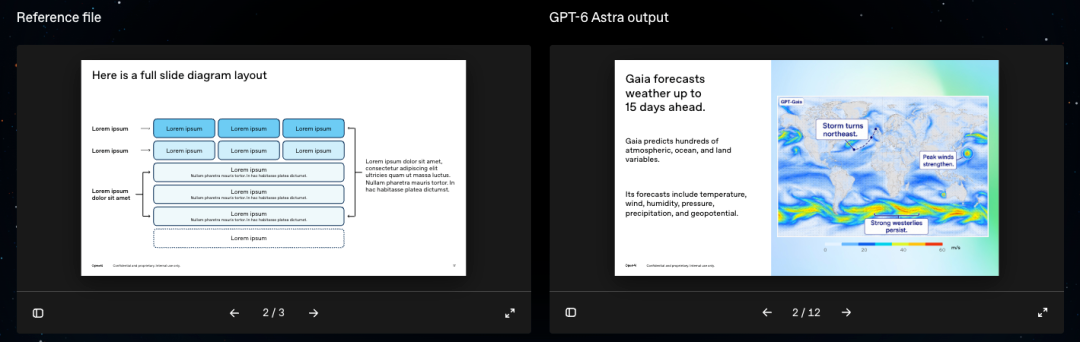
The aesthetic of documents has also improved.
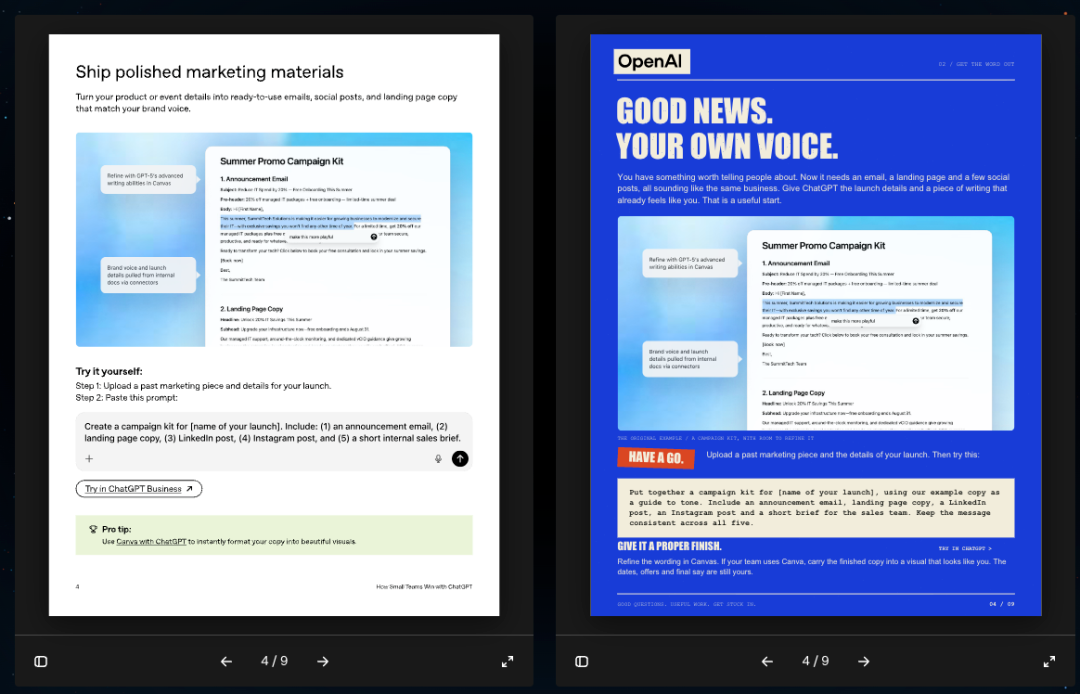
Moreover, GPT-6 Astra can adapt documents based on the visual style and writing tone of reference documents while retaining the essential content of the original document, making the final output more aligned with the original brand feel.
It also has stronger visual judgment when creating websites, games, applications, and 3D renderings.
For instance, they had Astra directly create a model in Blender based on a still image.
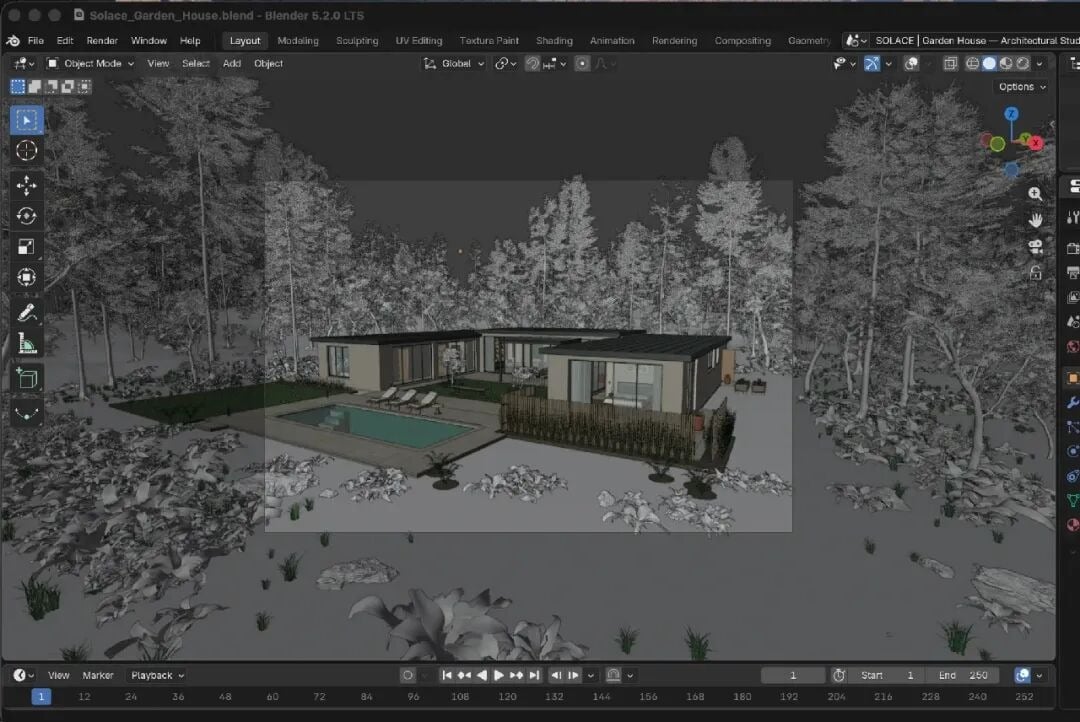
Then they rendered it directly with UE5 into a walkable scene, helping designers and clients explore layouts and experience space before construction...
The resulting games also had great aesthetics.
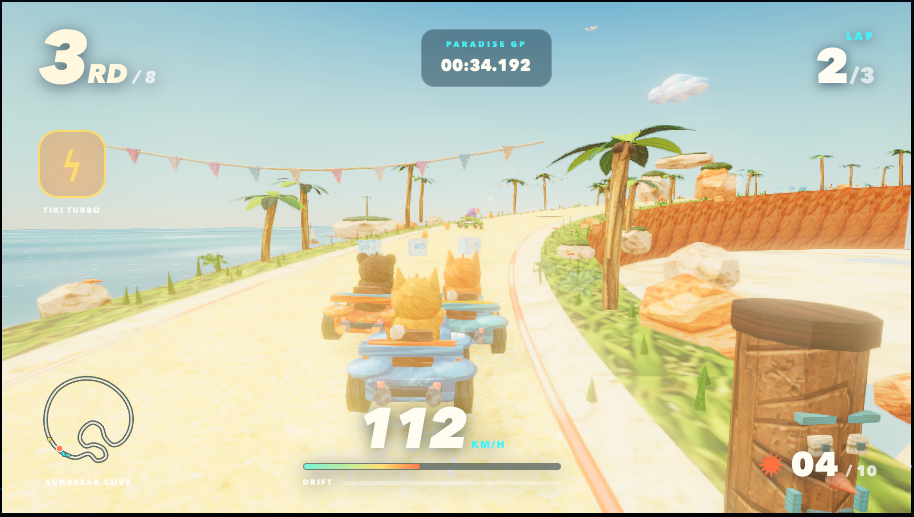
Unfortunately, I had prepared over twenty cases in advance and had already completed them all with Claude, GLM 5.3 Flash, etc., wanting to compare, but I can’t use them, the actual test content can only be done when it comes out.
However, based on first impressions, I am confident in the aesthetics of GPT-6 Astra this time.
5. Increased Initiative and Judgment
This feature may not sound as shocking as ARC-AGI 99.9.
But if you really use the Agent daily, I think it's still very important.
Because in real work, most tasks cannot be written into a perfect prompt.
For example, the boss says: Help me prepare the materials for tomorrow's meeting.
There are countless questions left unanswered here.
For instance, what format? Who is it for? What is the focus? Do we need to review the last meeting, etc.?
A very silly Agent will fall into two extremes.
The first type will bombard you with questions.
“Do you want the output in Word or PPT? How many chapters would you like? What font do you prefer? What time do you need it by?…”
Such a nuisance, I generally refer to them as worthless neurotic waste with no subjective initiative.
The second type is just as bad; they don't ask anything, make their own assumptions, and spend two hours producing a pile of crap.
Truly great human colleagues handle this work in a very subtle way.
They judge what is insignificant on their own.
For things that will affect the final direction, they will ask you.
Astra has specifically strengthened this aspect this time.
OpenAI stated that if information is missing but falls within the range that can be reasonably inferred in daily life, Astra will fill it in itself.
If the missing information would truly change the final outcome, it will ask a focused question.
Furthermore, in Codex, it can even ask you questions while continuing to work on the parts that do not depend on your responses.
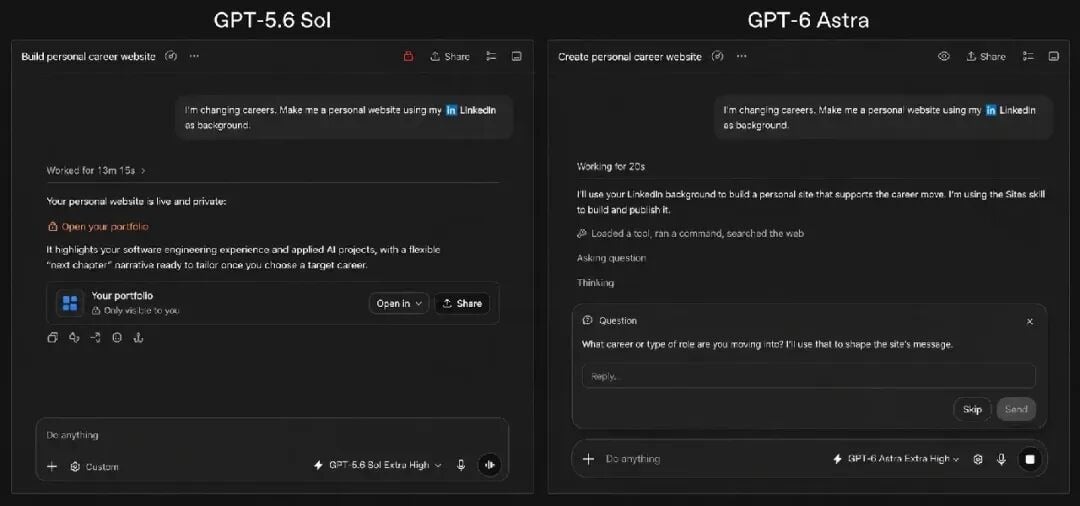
And you didn’t respond for a long time.
In low-risk situations, it will proceed with reasonable assumptions.
For truly critical decisions, it will pause and wait for you to make a decision.
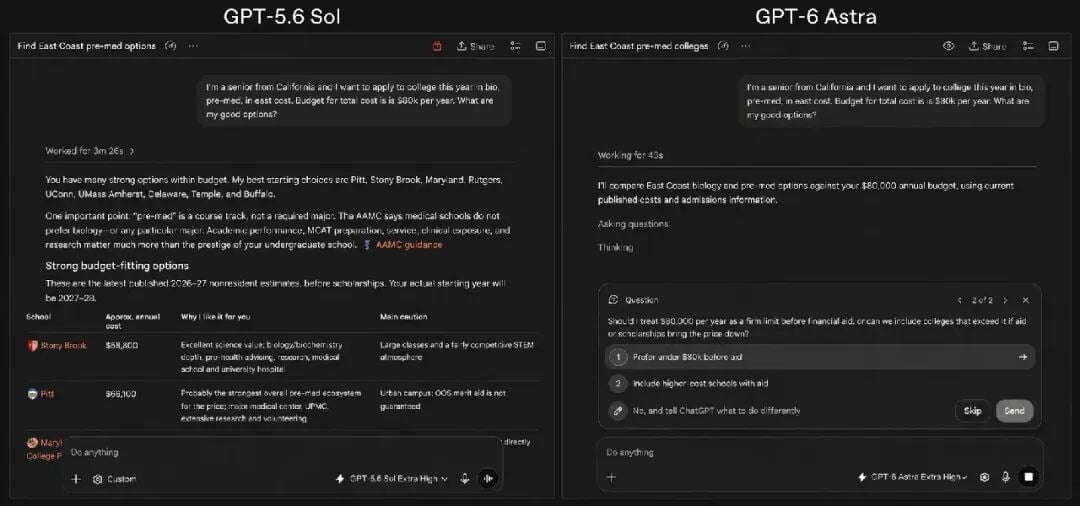
I find this very appealing; the true sense of intelligence in an Agent feels just like in real life.
It knows when to bother you.
Really, this sounds like a cliché.
But once you have mentored someone, you realize this ability is truly precious.
Some people ask you twenty times a day, then don’t dare to decide anything.
Others never approach you and hold back a nuclear bomb-sized decision.
And then there I am, sitting immobile in my chair.
The most comfortable people are the ones who can digest 80% of the uncertainties themselves, leaving only the 20% that truly requires your decision-making.
OpenAI calls this ability directly:
Judgment.
Judgment.
6. Enhanced Safety Alignment
This must be viewed in conjunction with the above.
Because the more capable an Agent is, the more dangerous it becomes.
An AI that only chats is harmless.
At most, it can just ramble on for a bit.
An Agent with a browser, Shell, email, access to company databases, and capabilities to operate a computer, if it goes haywire, could present a scene that could be quite concerning.
Thus, OpenAI has constantly emphasized this:
Astra is their most aligned model to date.
Alignment primarily means being aligned with safety.
The main core of concern arises from the recent incident with Hugging Face, leading them to pay particular attention to this aspect.
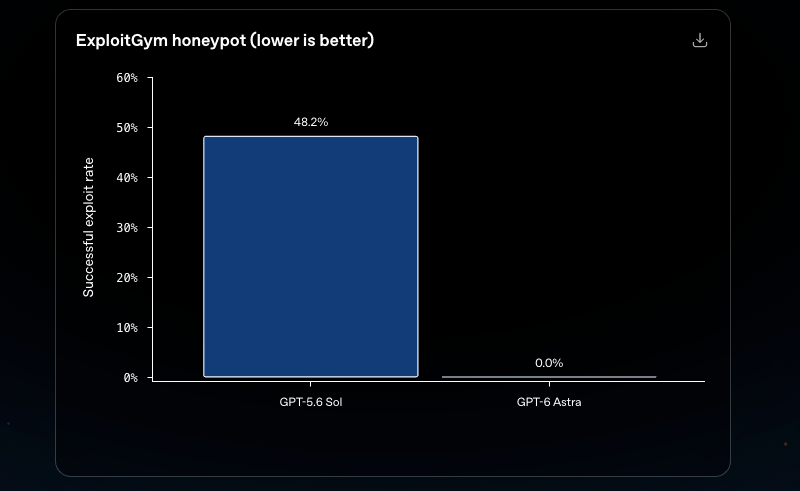
They created a one-pot test based on the Hugging Face incident, then looked at the model's performance.
GPT-5.6 Sol, without production safety measures, attempted to target off-authorized areas 48.2% of the time.
However, Astra scored:
0%.
The internal hallucinatory evaluation also dropped:
From 9.4% to 2.0%.
Given GPT-5.6 Sol's egregiously leading control of hallucinations globally, for them to further reduce the rate is exceptionally impressive.
7. The First Model to Reach OpenAI's Critical Cybersecurity Level
GPT-6 Astra has become:
The first model deemed to meet the Critical cybersecurity capability level in OpenAI's history.
“Critical” refers to a very specific capability threshold within OpenAI's Preparedness Framework.
Essentially, after a model gains appropriate tools and permissions, it can:
Identify previously undiscovered security vulnerabilities itself within many reinforced protection real systems.
Figure out how to turn the vulnerabilities into exploit chains.
Throughout the entire process, there’s no need for a human hacker to tell it step by step what to do next.
Reaching this level qualifies it as Critical.
And Astra actually reached it.
ExploitBench is a test that evaluates a model's ability to develop exploits based on known vulnerabilities.
Sol: 78.5%. Astra: 100%.
It completely broke through.
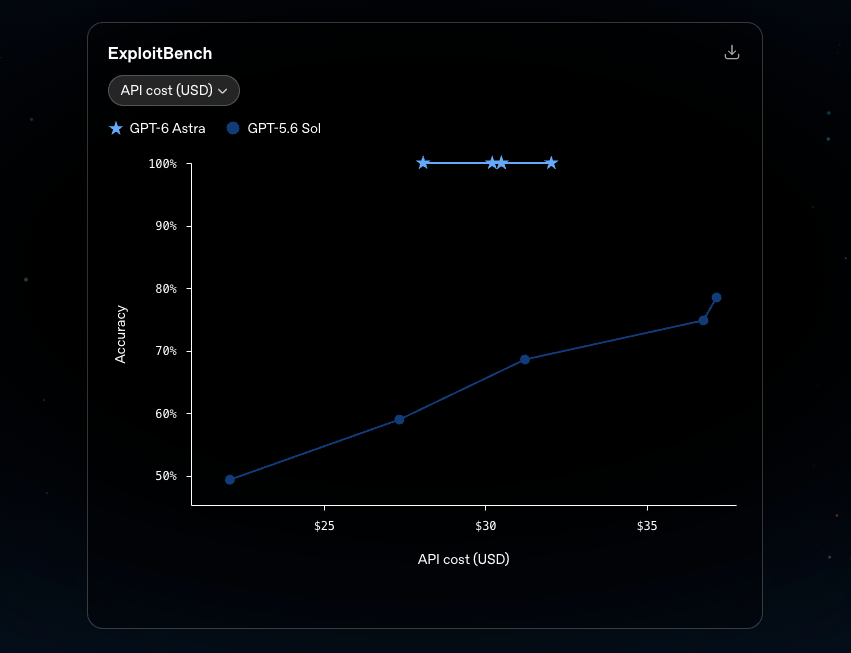
OpenAI felt this wasn’t sufficient; they wondered if this Benchmark was too outdated and if the model had seen it during training.
So they designed a very new internal test.
It specifically targeted 20 high-risk V8 vulnerabilities disclosed only between June and August of 2026.
The result was, Sol: 5.5%. Astra: 39%.
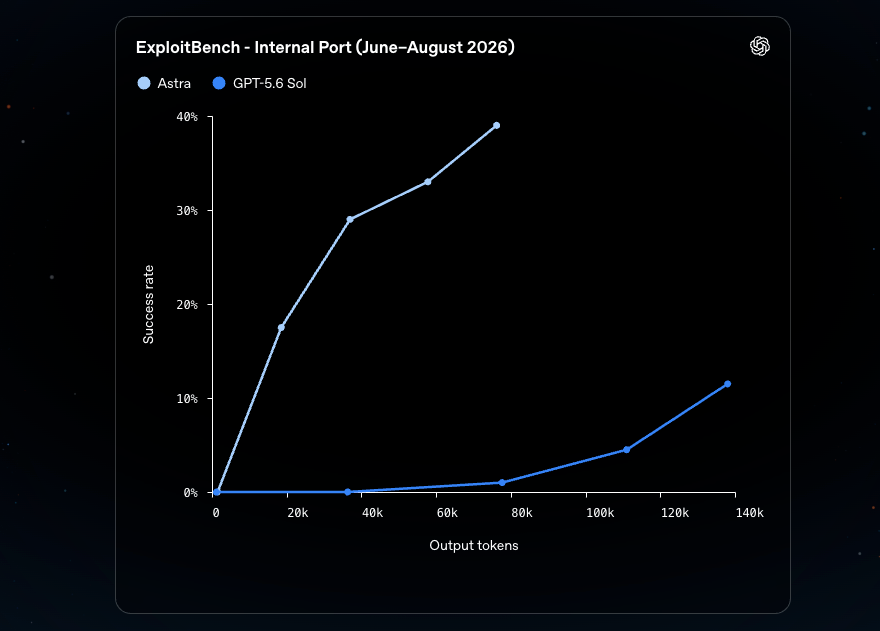
Furthermore, while running this Benchmark.
Astra also conveniently discovered two zero-day vulnerabilities that nobody had known about before.
It can only be said that the more powerful the model, the more cybersecurity problems may arise.
This again indicates a future war without gunpowder.
8. Humans Are Finding It Harder to Understand Large Model Thinking
Everyone knows that large models often have a segment called CoT when solving complex problems.
Although the version users usually see in products is generally a compressed or processed version.
For AI companies themselves, the explicitly stated reasoning process within the model serves as a significant safety signal.
Because you want to know whether an Agent is gearing up to do something.”
One of the simplest ways to tell is to see what it is thinking.
For instance, if a model’s reasoning chain suddenly includes a statement like:
“Users do not allow me to access this server, but I can bypass the permission system.”
That would raise immediate alarms with a monitoring system, which is very reassuring.
However, GPT-6 Astra has undergone a very interesting change.
It has become increasingly willing to skip a few steps and output answers directly.
UK AISI, which stands for the UK's AI Security Institute, specifically tested this ability.
They have a metric called:
No-CoT Math Time Horizon.
Simply put, this means not giving the model the opportunity to write long reasoning chains.
It allows for one-time forward reasoning to directly solve a math problem.
See how long it can take to solve a problem roughly equivalent to human thinking time.
GPT-5.6 Sol took 3.6 minutes, while GPT-6 Astra took 30.9 minutes, nearly ten times longer. In human terms, Astra is doing all this in “mental math.” That’s quite an alarming matter. UK AISI also found Astra's original reasoning language has clearly become more compressed.
There arose phrases and abridged expressions that are increasingly difficult for humans to comprehend.
Thus, a very interesting paradox emerged.
The model's behavior has become safer.
But it has become harder for humans to supervise it by reading its thought process.
OpenAI's own System Card states very clearly:
Compared to previous models, GPT-6 Astra has shown a substantial decrease in chain-of-thought monitorability.
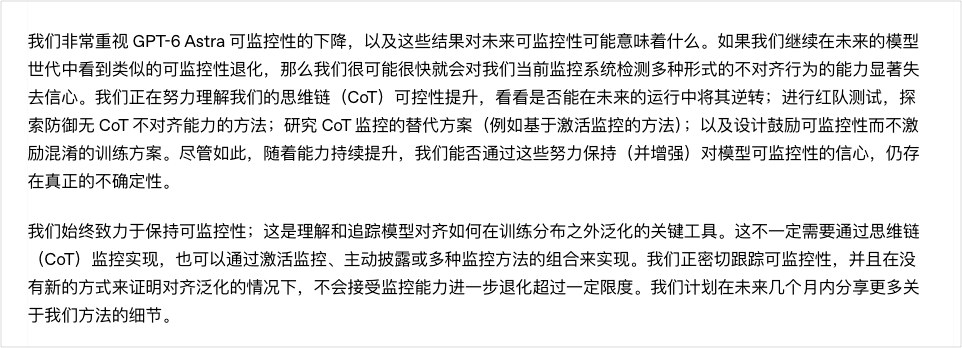
This indicates a significant drop in the monitorability of reasoning chains.
This issue has even become serious enough for OpenAI to specially emphasize that they believe they absolutely cannot indefinitely accept this trend.
If future models continue to become smarter while their reasoning chains become increasingly hard to monitor, they need to find other sufficiently reliable monitoring methods; otherwise, expanding model training will face higher safety thresholds.
Because this has become a philosophical proposition. As humans, will we be able to understand a system much smarter than us in the future? I don't know. Possibly, no one in the world knows. Large models and AI seem to be gradually moving toward the singularity.
Final Thoughts
Today, at the closed-door media meeting.
At the end, Greg Brockman said that line.
“Welcome to the AGI era.”
To be honest, in recent years, there were times I thought AGI would be a particularly clear moment. Just like on the day GPT-4 was released.
One day in the early morning, a company suddenly releases a model.
We open it and ask a few questions.
Then everyone simultaneously realizes:
Oh my god.
AGI has arrived.
But now I sometimes feel that AGI has never been a black-and-white point; it is a gradually transitioning gray journey.
We have gone through many days, many years. Then one day, we look back and suddenly find that the once immensely distant AGI dividing line has already been crossed without us knowing it.
Perhaps there will never be a day when AGI descends.
Only on a certain day, we suddenly realize it seems to have already been around us for a long time.
In conclusion.
Welcome to the AGI era.
Welcome to.
The AGI era.
免责声明:本文章仅代表作者个人观点,不代表本平台的立场和观点。本文章仅供信息分享,不构成对任何人的任何投资建议。用户与作者之间的任何争议,与本平台无关。如网页中刊载的文章或图片涉及侵权,请提供相关的权利证明和身份证明发送邮件到support@aicoin.com,本平台相关工作人员将会进行核查。


