Author: Liang Karl, Huxiu Technology Group
Editor | Miao Zhengqing
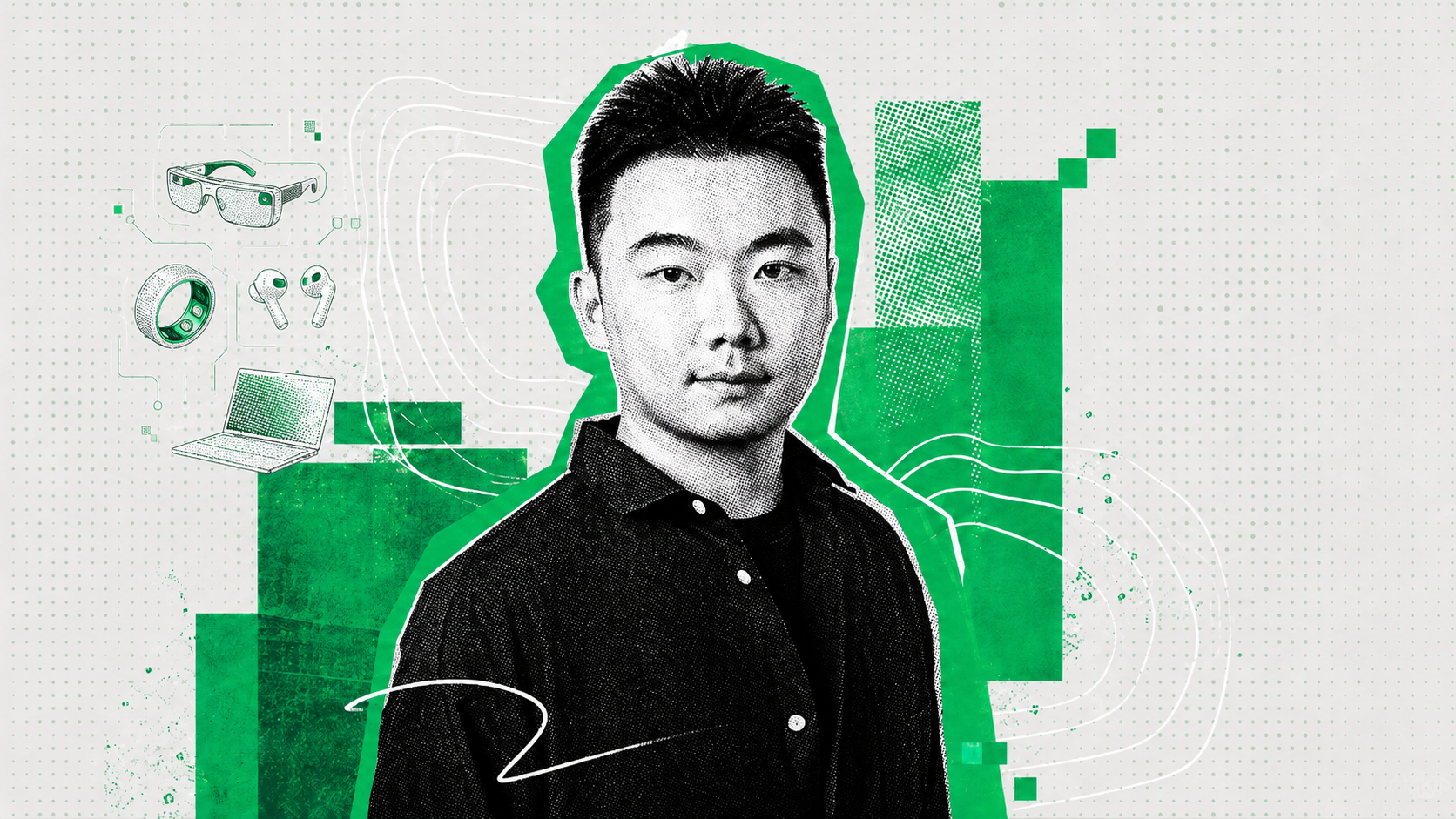
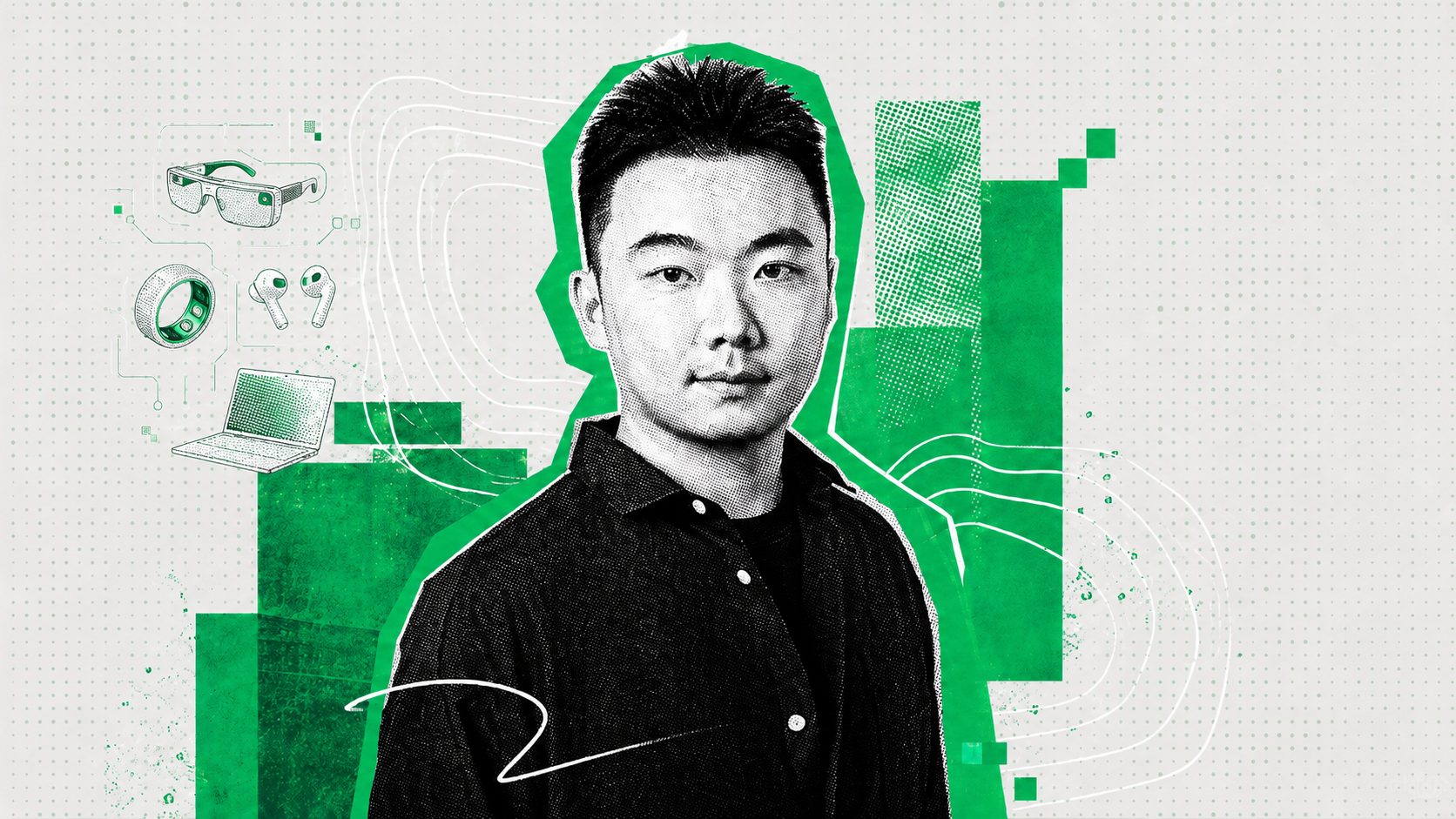
Header image |Provided by Sequoia China, processed by AI
Recently, "the first humanoid robot stock" Yushu Technology began to ask for quotes and launched its subscription. This star company, which set a record of 73 days for "passing the meeting" (IPO review), could see multiple early investors achieving hundreds of times returns based on issuance valuations.
As Yushu faces a shortage of shares, the investment institutions behind Yushu are starting to receive attention, especially those early investors who bet on Yushu.
Huxiu learned that Sequoia China became the first institutional shareholder to hold 10% of Yushu Technology and continued to increase its investment in subsequent funding rounds. Yushu Technology's prospectus shows that after multiple rounds of dilution, before going public, Sequoia China held over 7%, making it the second-largest institutional investor.
Li Yannan, managing director of Sequoia China, led the series of investments in Yushu and was one of the earliest investors to show trust in Yushu Technology.
Huxiu learned that beyond embodied intelligence, Li Yannan is also interested in AI hardware—another current super trend.
Currently, AI hardware is undergoing an explosive phase.
Glasses, rings, headphones, AI PCs, and companion devices are all trying to compete for the title of "next-generation terminal." For investors, product category prosperity does not necessarily mean that investment opportunities become clearer.
More realistically than product forms is the capital cycle. Internet companies can rely on network effects to rapidly enlarge DAU and revenue within three to five years; however, AI hardware, especially robots, must simultaneously cross technology, supply chains, mass production, and market education. The time they need does not necessarily align with a VC fund's exit cycle.
Recently, Huxiu engaged in a conversation with Li Yannan.
In this conversation, Li Yannan made several clear judgments:
True AI native hardware does not focus on "integrating AI," but on possessing proactivity that past electronic products lacked;
Mobile phones will not disappear, but they will transition from being the sole entry point to becoming a core node within a multi-terminal system;
Good AI hardware must first calculate the hardware costs and cannot assume that losses on hardware will be offset by software subscriptions;
Data itself may not constitute a monopoly barrier, but the true barrier lies in who is more motivated to turn data into a continually improving experience;
To determine whether the market has entered a dangerous phase, the most worthy observation is whether model capabilities have ceased to improve rapidly;
Early investments still focus on judging people, but there is a clear boundary between confidence and "hubris without self-awareness."
The following is the content of the dialogue between Huxiu and Li Yannan, edited for brevity:
01、Investing in Yushu is first seeing the person, then seeing the wave
Huxiu: How did you discover Yushu Technology and decide to invest back then?
Li Yannan: A senior from my university who majored in mechanical engineering recommended it to me. He knew I had just started investing at Sequoia and told me there was a geek in Hangzhou working on quadruped robots, who was somewhat famous within the circle. I directly found Wang Xinxing's QQ email on their official website and contacted him through WeChat right away. During our first conversation, Wang Xinxing shared his vision of "using robots to make robots," which left a strong impression on me. Of course, after investing, Yushu itself experienced its ups and downs, but the early judgments received positive feedback.
Huxiu: After investing in Yushu, how did your understanding of investment change?
Li Yannan: Because I had given a high recognition to Wang Xinxing in my first round of judgments, this project itself did not cause a 180-degree shift in my methods.
On the contrary, there are some failed early projects that provide more significant feedback value for investors. You often encounter projects that are "standard answers," which everyone thinks are good in every aspect, have a bright background, and the founders seem impressive upon conversation, yet ultimately do not succeed.
This indicates that success is actually a low-probability event. An imperfect analogy is that finding projects for investors is like finding partners or dating; even at Sequoia, as an individual, there is no investor who can invest in all the projects on the market, so as a limited subset, you can only amplify your investment success rate within that subset. Naturally, just like in everyday life, you are willing to spend more time and investment on someone you like. The same applies to entrepreneurial projects.
Having gone through these past projects, I feel that people like Wang Xinxing are indeed quite rare, as they have very unique features that impress you at first sight.
Huxiu: How should investors continually refresh their understanding?
Li Yannan: Refreshing can be divided into two levels. The minor refresh means that even if a project is not recommended at the time, you should continue to track its progress. After a month or two, revisit it to see if new opportunities arise. Many good companies are rediscovered this way. The major refresh is related to cycles; the financial market must have peaks and troughs, and technological iterations also experience peaks and troughs. Even in the best timing, there will be corrections and bottoms, which requires investors to be aware of bubble risks at the peaks, while maintaining attention and refreshing their understanding at the troughs to find good entrepreneurs.
Huxiu: When looking at a project now, how far out can you see?
Li Yannan: I will try to consider within a range of 10 to 15 years. When actually investing in a company, I pay more attention to the first milestone event. Taking consumer electronic products as an example, it must achieve PMF (Product-Market Fit) and have a group of people who recognize and use it frequently. This process can take a company 1 to 3 years, and afterwards, the company still needs to break out of its niche, iterate, compete, and reach the second and third growth curves, which again requires several years.
Huxiu: Have there been projects you've regretted missing out on?
Li Yannan: Yes, but I won't mention specific names; some of these were later invested by Sequoia as well. There are certain projects that feel very promising during the first discussion; you can't quite explain why, but the people involved seem very strong, yet you lack confidence and certainty about the project itself. Looking back, if you have a "hard to explain strength" feeling during the first meeting, it's usually worth spending more time to figure it out.
02、We care more about whether it is truly "AI Native"
Huxiu: Let’s talk about another trend: AI hardware. Facing the myriad forms of AI hardware, what is the core criterion for Sequoia to determine if a terminal project is worth investing in?
Li Yannan: We do not strictly categorize AI hardware because true hardware innovation often occurs outside existing categories.
For instance, today everyone may categorize some imaging devices into "handheld" scenarios, but this scene wasn’t clearly defined until products like Insta360 and DJI emerged. New categories typically do not stem from existing directories; market definitions only arise after products appear.
Rather than whether it belongs to glasses, rings, or other forms, we care more about whether it is sufficiently "AI Native." A direct assessment is whether the core function of the product can still stand without AI. Another important criterion is proactivity—can the device remain online for extended periods, actively record and understand the environment, and provide feedback, rather than wait for a user to click before starting work?
Huxiu: Why is "proactivity" central to AI native hardware?
Li Yannan: Many past electronic products lacked true proactivity. They can identify information but typically require human initiation to operate. AI gives terminals the opportunity to remain online continuously, actively observing the world, understanding context, and taking action when necessary. Devices are no longer just tools waiting for commands; they begin to participate actively in tasks.
Of course, "Always On" does not necessarily mean running continuously for 24 hours in the strictest sense. The key is whether the device can continuously perceive and process information for a prolonged period and perform tasks that previously required human initiation.
Huxiu: When investing in AI hardware, do you prefer the "hardware as a service" model, or the model that can generate revenue solely from hardware?
Li Yannan: The ideal situation is for both software and hardware to be profitable, or even for hardware to generate significant profits. However, compromises will indeed occur. There may be certain products where software can keep users paying for high-quality products, which is the most appealing aspect commercially—this is a great business model.
Theoretically, hardware's gross profit margins might be lower, but we can see many hardware companies also achieving decent net profits and thriving.
I think with early-stage startups, you shouldn't assume that hardware must be unprofitable from the start. Ideally, the product can earn a little revenue upfront, but the user acceptance threshold is relatively low, leading to lower educational costs, and then the software and AI are excellently done, allowing users to keep paying at this level.
For example, many people are currently working on smart rings. The rings themselves can make money. Moreover, if the software experience is enhanced beyond health functions and can offer more capabilities, that's great.
Huxiu: Which type of AI terminal do you see better investment returns from?
Li Yannan: This cannot be quantified. In early-stage investments, many successful companies started small, while many seemingly grand narratives ultimately didn’t yield profits. I like this uncertainty and am excited by the uncertainties that arise every day; this is also the charm of early-stage investments.
Huxiu: Will there be "pseudo AI native hardware" in the market?
Li Yannan: Such products usually share a common feature: grand visions, even somewhat sci-fi, but current physical conditions do not support them.
For instance, people can imagine a highly immersive, 360-degree display, portable VR device that has all-day battery life. This form appears quite reasonable in sci-fi films, but in reality, it faces a series of constraints, such as computing power, heat dissipation, battery life, and weight.
Such products exist in sci-fi films, but currently, humanity still faces many technical bottlenecks regarding computing power, heat dissipation, and batteries which haven't been overcome. So, while these types of hardware sound appealing, making them is quite challenging.
03、Retain uncertainty, embrace new categories
Huxiu: Will there emerge another new terminal giant like Xiaomi in the AI era?
Li Yannan: Xiaomi's success certainly benefited from timing, location, and talent, all of which are needed. I think we are not yet at the "smartphone moment" of AI terminals, which corresponds to a truly native new form of AI. Currently, the form of AI terminals is still quite vague, similar to the mobile phone market before the release of the iPhone; devices had been sold for many years, but the product forms were constantly evolving, and users needed time to adapt to new intelligent interactions. The AI era should be a bit better as users may find it easier to accept new electronic products, and some products have lower purchasing thresholds.
Huxiu: You mentioned that in the AI era, mobile phones will shift from being "the only entry point" to "core nodes." What’s the distinction between these two concepts?
Li Yannan: Mobile phones are currently the most comprehensive personal electronic products for integrated experiences. They feature mature screens, processing power, cameras, operating systems, software ecosystems, and have accumulated numerous accounts, social relationships, and identity verification systems over the years. Other devices might outperform phones in certain capabilities, but their overall capacity is typically hard to exceed, making mobile phones difficult to replace in the short term.
However, in some scenarios, certain devices may take over some functions of mobile phones, such as monitoring sleep, heart rates, etc.; a wristband can continuously gather data beyond what a phone might manage. Some devices can actively record and explore the environment over extended periods, while mobile phones cease many interactions when the screen is off, requiring users to actively pick up, unlock, and operate them.
Huxiu: Is Sequoia China currently more inclined towards smartphone-centric hardware or decentralized independent device projects?
Li Yannan: It really depends on the specific case. Some devices, like rings and wristbands, ultimately need to interact and display activities via smartphones; theoretically, glasses have the opportunity to exist independently, but currently, they are limited by battery and processing power, requiring smartphone cooperation. From an investment perspective, we won't categorize strictly this way; early-stage investments should retain uncertainty and embrace the potential of new categories, rather than being confined by pre-defined classifications.
Huxiu: Are there opportunities for startups in established categories like AI PCs?
Li Yannan: PCs are a highly mature industry. A good AI PC must first be an excellent PC. Established large companies have accumulated significant experience over years; it’s a high barrier for startups to excel at this level. However, some companies tell even more extreme stories, like redoing from the OS level, where opening the screen immediately leads to AI interaction, without needing to install any software—the interface itself is AI. If computing power becomes cheap enough and intelligence is sufficient, the future may require only screens and input devices, with everything else managed by AI.
However, I can't make judgment calls far in advance, as many challenging things also hold notable investment potential. Just like when Pinduoduo emerged, many thought e-commerce opportunities were exhausted, yet some still found new possibilities.
Huxiu: In the AI era, can data accumulation still create a moat for hardware companies?
Li Yannan:I have always maintained that without AI, data itself doesn’t quite exist in terms of "ownership." The situation with mobile phones in the internet era, software companies, and even input method companies all hold a vast amount of user data. Data certainly serves as a barrier, and once the data flywheel starts turning, it can drive other products. However, it's relatively challenging in the digital world to create a scenario where one has what others do not.
In the AI era, whether it is model vendors, system vendors, or terminal vendors, I think it comes down to who is more willing to utilize data effectively to offer users better experiences. At least currently, we can see traditional internet platforms, like WeChat, are much more inclined to create greater compound effects from user data because their business models depend on user retention and stickiness. Model vendors are also eager to have users become increasingly reliant on them. But, for pure hardware vendors, as an extreme example, if their business model is solely selling hardware, data may not significantly influence users’ hardware replacement decisions, as data can often be migrated with one click during hardware swaps.
Huxiu: If an AI hardware company fully entrusts data to model vendors, does it still have investment value?
Li Yannan: Pure hardware likely will face significant consolidation. Even with a first-mover advantage, they may be smoothed out easily. If a similar company suddenly starts a price war, survival pressure greatly increases. In fact, among current AI hardware companies, even strong ones like DJI and Tuozhu are undertaking many initiatives beyond hardware. For instance, Tuozhu's community is part of its competitive moat. Some of the currently thriving mobile and PC manufacturers demonstrate that their software revenues are also quite high. Increasing the percentage of software revenue is an inevitable trend.
Huxiu: What’s your stance on large model or AI application companies developing hardware?
Li Yannan: Some companies aim to manage the agents you usually use. Initially, they might just develop some software for the OS, then consider creating an OS themselves. Even after developing the OS, they might realize they need to create hardware to achieve specific functions that rely on proactive triggered recording, which phones and computers cannot accomplish; they need alternative forms of hardware.
Most entrepreneurs I interact with may not initially envision a specific form but focus instead on the problems they want to solve, then see if phones or computers can meet those needs. If they cannot, then they pursue building hardware themselves.
Currently, it appears that companies focusing on large models prioritize achieving top intelligence limits, with relatively few hardware products. However, if you can produce something, someone will definitely buy it; this is driven by business. Mobile internet has transformed many industries, but the business models available have not been particularly rich, usually revolving around advertisements and gaming. I think there may be opportunities in the AI era for users to pay directly for "intelligence," which is also why model companies prioritize enhancing their intelligence capabilities.
04、This year many projects are already deemed vastly overvalued
Huxiu: Will the AI bubble burst next year?
Li Yannan: Predicting market sentiment is extremely difficult. However, you can sense some things about the present, especially over the past couple of months and the next couple of months.
This year's market has seen many projects perceived as vastly overvalued. For instance, some startups with teams that are not even ready but have valuations in the hundreds of millions is rare in the history of Chinese VC. This might be due to the emergence of many comparable cases in the US; when market sentiment is high, people become somewhat "used to" such occurrences domestically. In addition, some fields have experienced instances of inverted valuations between primary and secondary markets, where the market cap of similar companies in the secondary market still hasn't reached the primary market's valuations, or there's a trend of novelty-seeking where investors want to invest in new companies.
Huxiu: Haven't second-quarter reports already reminded everyone?
Li Yannan: I think this could just be one observation perspective and is highly subject to short-term emotional influences. The focus should still be on the models themselves, as they reflect more fundamental essence. If the intelligence of future models halts or slows significantly, such as when new released models show little difference from those six months prior, which demonstrates a clear ceiling on intelligence breakthroughs, then I think it’s definitely worth being cautious.
Huxiu: So what has large models changed?
Li Yannan: My impression is that large models certainly represent a tremendous opportunity of the era, even greater than the mobile internet era. The currently popular companies embody a degree of survivor bias, having encountered AI at the best timing, faced global competition, and capital expansion, particularly in the secondary market. But I continually ask a question, especially this year: what if the market declines? When the market falls, can this spiral still ascend? The financial market undoubtedly has peaks and valleys; it can't always be prosperous, and discovering genuinely great companies that can survive through cycles is continually on our minds.
Huxiu: But does this prevent investors from taking a long-term view on company development?
Li Yannan: With the pace quickening, there are only two possibilities: the world will forever maintain this rhythm, or there may be a bubble since everyone’s expectations are very high, anticipating that the next six months will outperform the previous ones, ramping up continuously, with targets poised to be higher and higher. I don't think all companies can achieve success in 3 to 4 years the way some large language model companies have; many companies need to go through multiple cycles. I am relatively conservative in my understanding on this matter, and as mentioned above, great companies must possess the ability to cross through lows, and they must go through that process to grow.
Huxiu: In this wave of AI enthusiasm, why are more professors and scholars venturing into entrepreneurship?
Li Yannan: This year, such projects have noticeably increased for three primary reasons.
First, cases like DeepSeek have bolstered market confidence in professors starting businesses; second, universities are starting to encourage results transformation by introducing incentive policies; third, AI's combination with vertical fields, such as AI in pharmaceuticals and materials, falls within the narrative framework of models.
However, professor-led entrepreneurship tends to focus more on research-oriented or vertical models, with fewer applications aimed at the consumer end.
Huxiu: How should one evaluate investments in such projects, and how do valuation methods differ?
Li Yannan: The early valuation of these projects primarily looks at market sentiment and influences from the secondary market. The core method involves assessing how much money the team will require over the next 12-18 months and how much equity they are willing to give up, retroactively deriving the valuation. However, it's inherently challenging to quantitatively measure people with money; unlike mature companies which have methods to calculate that, it’s relatively subjective.
Huxiu: Are you currently more willing to invest in models, hardware, or applications?
Li Yannan: Case by case.
Huxiu: Do you prefer independent entrepreneurs or teams spun off from major firms?
Li Yannan: From the investment perspective, especially in early-stage investing, it's certainly about the person, whether they come from a large enterprise, are independent entrepreneurs, or are unknown individuals. However, many strong companies have indeed been founded by people coming from large firms; these individuals typically possess strong skills, lead great teams, and might have a significant stake retained by the large company that spun them off, with the spun-off company not necessarily being inferior to the original parent company. Many such cases exist.
Huxiu: What type of entrepreneur makes you particularly vigilant?
Li Yannan: They can be described as "delusional." The core characteristic of such entrepreneurs is "arrogance without self-awareness." They often aspire to challenge extremely grand ambitions, yet they are oblivious to their limitations; the probability of success for these "delusional" individuals is quite low.
05: Conclusion: The opportunity in AI hardware is not to recreate a device
Currently, the easiest thing to manufacture within AI hardware is a new form; the hardest thing to establish is a long-term closed-loop business system.
AI Native is definitely not simply about integrating models into devices; more importantly, it involves allowing terminals to acquire proactive perception and action capabilities previously unavailable. While mobile phones won't be immediately replaced, some functions will be siphoned off by devices that are better suited for prolonged online usage. Hardware can serve as an entry point but is less likely to solely dictate the final outcome. When supply chains level product disparities and peers initiate price wars, software, community, data loops, and user relationships ultimately determine what a company can retain.
Capital is willing to invest early on possibilities, but capital also has its timeline; this necessitates the entrepreneur's charisma and the achievement of the first milestone.
To evaluate whether an AI hardware is worth investing in, Li Yannan summarizes his methodology into the following four questions:
If AI is removed, can the core function still stand?
Has it genuinely acquired the ability for continuous perception and proactive action?
Do factors like computing power, heat dissipation, batteries, and costs allow it to move from demo to mass production?
When hardware can be replicated and prices start to drop, what can the company retain?
The next Xiaomi may emerge, but it won't just be an "old device with AI added."
免责声明:本文章仅代表作者个人观点,不代表本平台的立场和观点。本文章仅供信息分享,不构成对任何人的任何投资建议。用户与作者之间的任何争议,与本平台无关。如网页中刊载的文章或图片涉及侵权,请提供相关的权利证明和身份证明发送邮件到support@aicoin.com,本平台相关工作人员将会进行核查。


