Author: Zen, PANews
Russia has finally opened a door for domestic cryptocurrency trading, but behind the door is not a free market, but a compliance pathway with many hurdles.
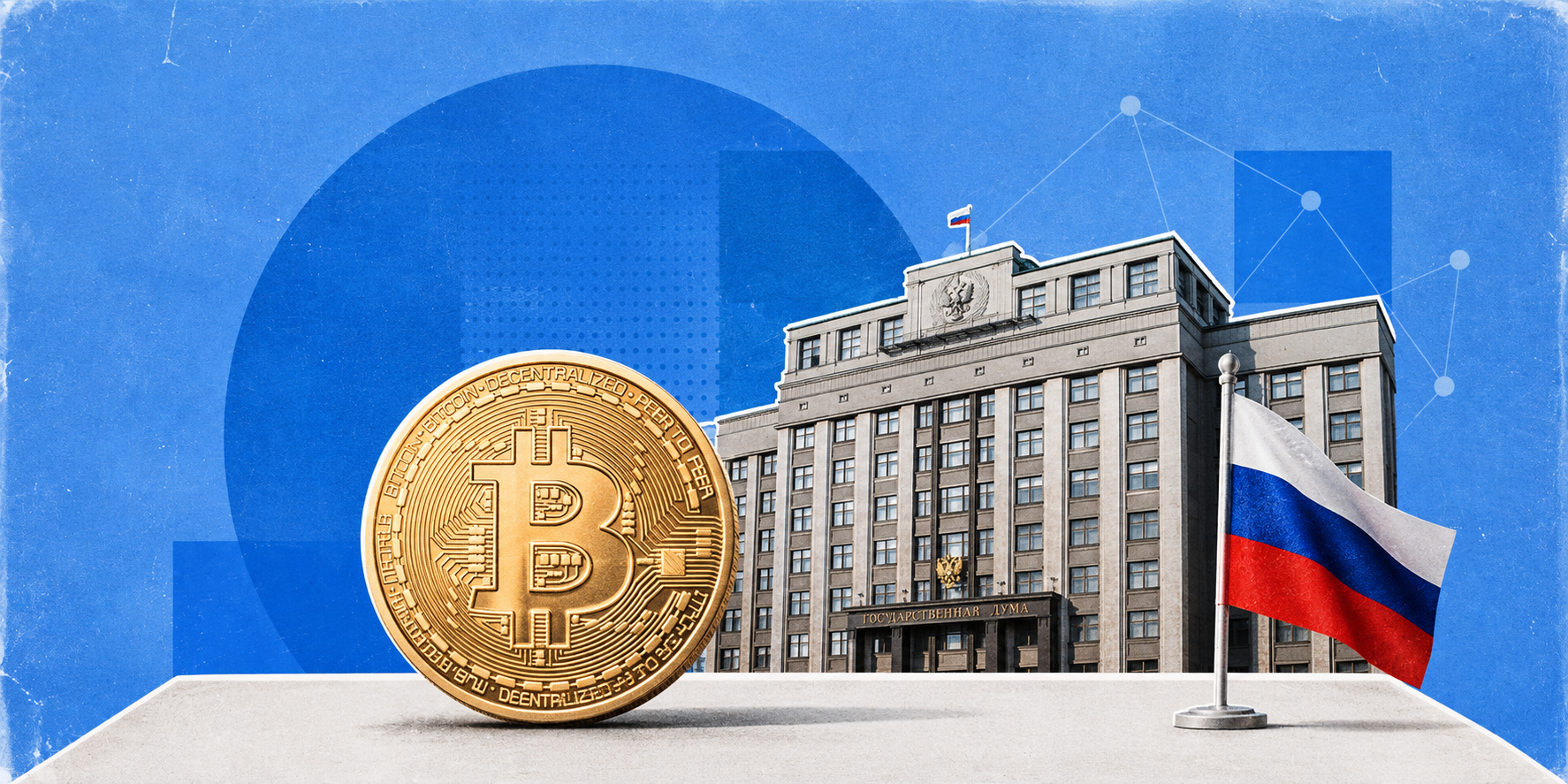
On July 21, the State Duma of Russia passed the bill "Digital Currency and Digital Rights" on the same day in its second and third readings, establishing a basic framework for creating a legal domestic crypto trading market.
Before the bill went through its second and third readings, multiple proposals aimed at relaxing restrictions were dismissed one after another, especially regarding the trading quotas and the range of assets available for ordinary investors, with the threshold not only remaining unchanged but being further tightened.
Meanwhile, stablecoins have been placed under another set of usage logic, forming a more strategic "dual standard": strict limitations on the investment purposes of offshore stablecoins like USDT and USDC, while reserving a flexible window for foreign trade settlement.
The changes in regulatory legislation present a clear policy trajectory. From blockade, to conditional acceptance, to finely-tuned layered regulation.
The opening is not of a freely circulatory crypto economy, but of a controlled market serving the needs of investment management and cross-border settlement.
To understand why Russia is opening the market while building high walls for ordinary investors, it is essential to look back at the changes driven by geopolitical pressures and domestic regulatory policies in recent years.
Policy Shift: From Limited Release to Establishing a Compliant Market
The real shift in Russia's attitude towards cryptocurrency began with the pragmatic pressures under geopolitical strain.
In 2024, as traditional cross-border payment channels were impacted by sanctions, Russia's attitude towards cryptocurrency began to turn noticeably pragmatic. In addition to promoting legislation to regulate crypto mining, Russia also began to allow companies to use Bitcoin and other digital currencies for foreign trade settlement under a central bank-led experimental legal system.
However, this "dual-track policy" is very distant from ordinary investors. It was not until March 2025 that a new proposal from the Russian government began to attempt to create a formal access channel for domestic crypto investors, shifting the policy focus from prevention and restriction to gradually establishing a compliant trading market under strict regulation.
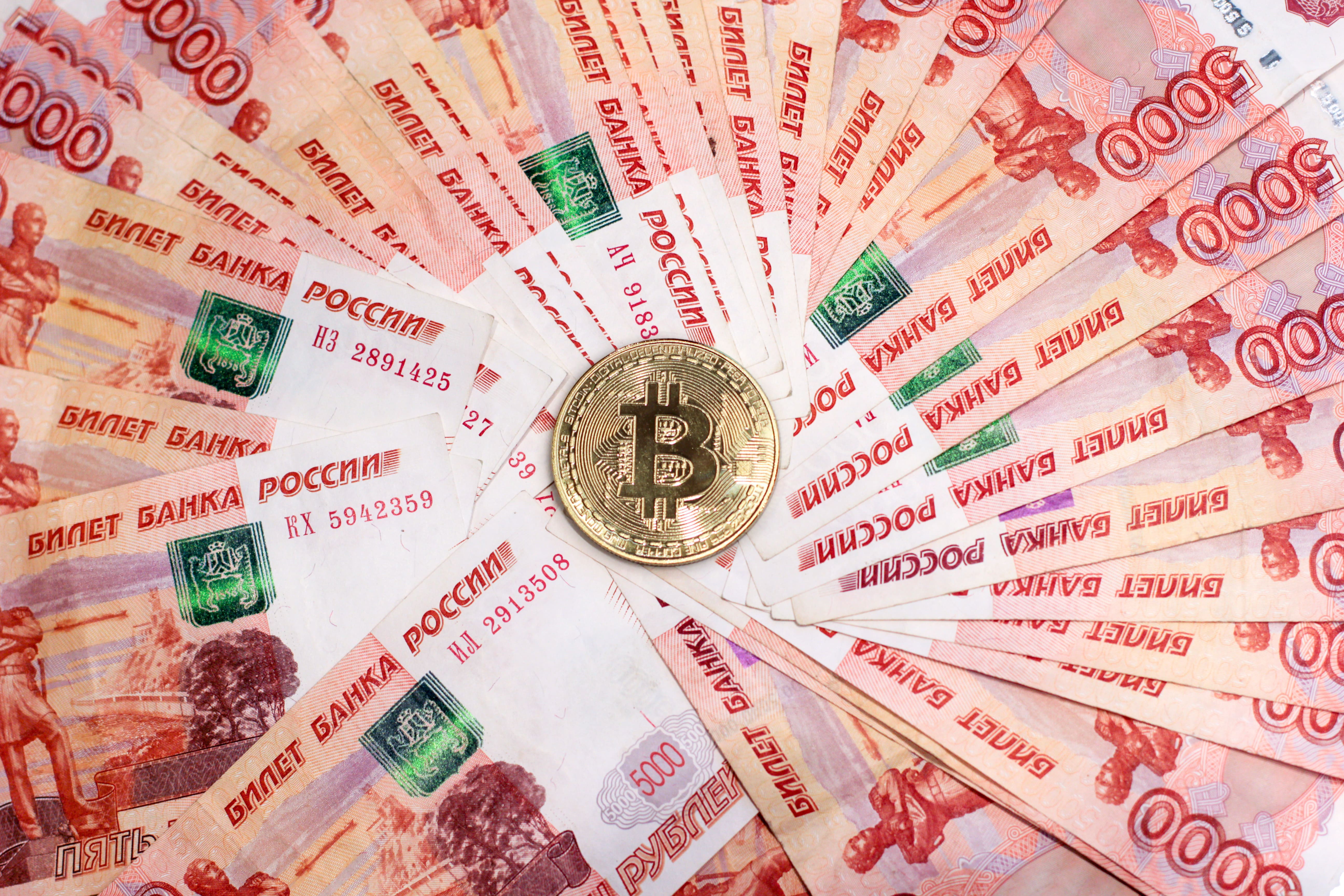
At that time, the Central Bank of Russia proposed to the government to establish a three-year experimental legal system, allowing "specially qualified investors" to buy and sell cryptocurrencies. This identity is limited to a very small number of high-net-worth investors—individuals must hold over 100 million rubles (about 1.28 million USD) in securities and deposits, or have an income exceeding 50 million rubles (about 64,000 USD) in the previous year.
By December 2025, the Central Bank of Russia expanded its regulatory targets from a small experimental scope to a normalized market. It abandoned the initial idea of allowing only "specially qualified investors" to participate, making it clear for the first time that ordinary investors would also be included, categorizing investors into two types. Ordinary "non-qualified investors" must pass risk tests, can only purchase a limited number of crypto assets that meet liquidity standards, and are subject to annual quota limitations. Those "qualified investors" can purchase any cryptocurrencies except privacy coins, without additional annual monetary limits. According to the Central Bank's estimation, the number of compliant investors in Russia is about 1 million.
Furthermore, the Central Bank of Russia also abandoned the arrangement of running years of experiments before establishing permanent rules and instead promoted direct legislation.
In April 2026, the Russian government submitted the "Digital Currency and Digital Rights" bill, which was passed in the first reading on April 21. The bill attempts to establish a domestic infrastructure licensed or registered by the Central Bank, including crypto exchange operators, brokerage firms, trust management institutions, and digital asset custodians. In foreign trade contracts, businesses and individual entrepreneurs are also allowed to use cryptocurrencies for settlement.
The bill also stipulates that some cryptocurrencies may enter the public trading market, although it sets extremely high entry requirements for crypto assets: they must meet conditions such as an average market value of over 5 trillion rubles (about 638 billion USD) over the past two years, an average daily trading volume exceeding 1 trillion rubles (about 128 billion USD), and having at least five years of price records on overseas licensed exchanges. Basically, only Bitcoin and Ethereum can meet these standards.
It is evident that Russia's "legalization" of cryptocurrency, while always accompanied by strict conditions, is still overall moving toward a direction of regulatory easing. However, as the bill is set to be submitted to the State Duma on July 21 and enters a critical second reading, this trend of easing has come to a halt.
Currently, the bill only needs to go through consideration by the Federation Council and be signed by the President to take effect officially. According to the provisions of the bill, the main clauses are planned to be implemented starting September 1, 2026; cryptocurrency trading service providers will have about a year of transition period, allowing them to continue operations until July 1, 2027, without being registered in the Central Bank’s registry.
Final Version Retains "High Wall": Single Platform Trading Limit Approximately 3,800 USD
Before the second and third readings, the Duma Financial Market Committee had concentrated on reviewing a set of amendments aimed at relaxing cryptocurrency trading restrictions. However, the version that was ultimately approved largely continued the committee's cautious stance, with no significant relaxation of the purchase limits for ordinary investors or thresholds for publicly traded assets.
Among the proposals dismissed by the Financial Committee, the most notable was to raise the annual limit for non-qualified investors to purchase cryptocurrency through a single intermediary from 300,000 rubles (about 3,800 USD) to 600,000 rubles (about 7,700 USD). The committee had no intention of expanding the investment scale for ordinary residents, recommending to maintain the original standards. The committee chairman Anatoly Aksakov stated that this would protect inexperienced investors from the substantial risk of losses from a highly volatile market.
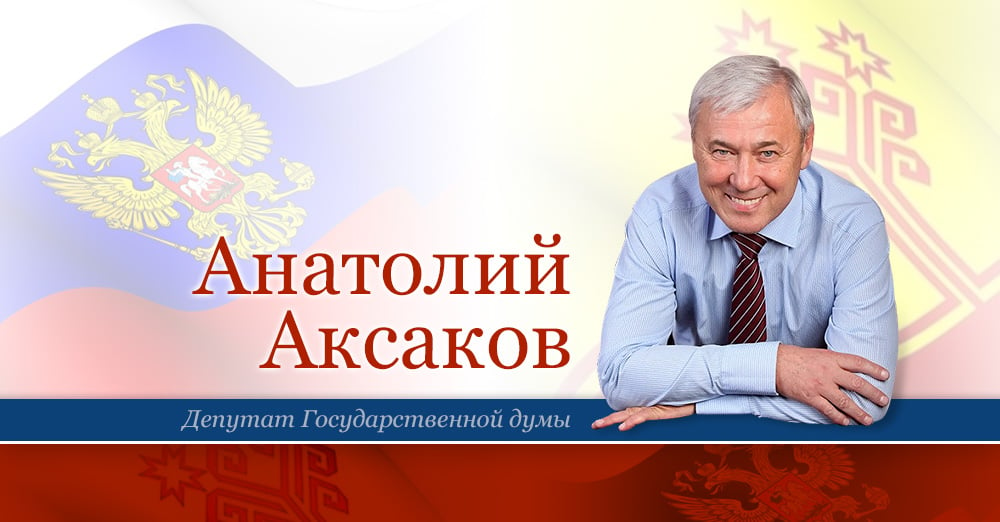
It is noteworthy that the bill adopts the wording "no more than 300,000 rubles per year through each intermediary" rather than merging the purchasing amounts across all platforms for investors within Russia. Therefore, from the wording of the currently published terms, the limits are calculated separately for different intermediaries. Chairman Aksakov states that the limits are set to reduce the risk of significant losses for inexperienced investors in a highly volatile market.
Meanwhile, the threshold for accessing the public trading market for cryptocurrencies has also not been lowered. The original version had very stringent criteria for the market value, daily trading volume, etc., of "legal" cryptocurrencies, with only a very few major cryptocurrencies like Bitcoin and Ethereum permitted to enter the Russian market. Some lawmakers had proposed lowering the market value threshold to 1 trillion rubles (about 128 billion USD) and the average daily trading volume to 100 billion rubles (about 12.8 billion USD), but this was not supported. This means that the vast majority of altcoins continue to be excluded from the compliant trading market in Russia.
However, the final version has made some concessions regarding non-custodial wallets. Investors can transfer cryptocurrencies to external wallets that are not managed by Russian digital custodians and for which they hold the private keys. But for external transfers exceeding 100,000 rubles (about 1,277 USD), digital custodians are required to set a 48-hour cooling-off period, executing the transaction only two days after receiving the client’s instructions.
This arrangement significantly differs from the first reading version. According to the first reading's idea, crypto assets are generally required to remain within Russian or compliant foreign custody systems, with limited space for personal wallet usage. The final bill does not completely close non-custodial paths but uses a cooling-off period, identity verification, and transaction monitoring to maintain strong anti-fraud controls over fund transfers.
In terms of user asset protection, the bill remains controversial. Previous amendments proposed that digital custodians should purchase mandatory liability insurance for losses caused by hacking, technical failures, or illegal use of keys, but this requirement did not make it into the final version. Under the current system design, liability insurance is not a common mandatory obligation for digital custodians, and protecting clients' losses still mainly relies on institutional capital, information security systems, and specific contractual arrangements.
Therefore, the current version grants digital custodians strong trading control but does not require them to assume corresponding obligations and does not need to fully bear the associated technical and custody risks, revealing significant shortcomings in user fund protection.
Defining Stablecoin Boundaries: Tighter Investment, Flexible Foreign Trade Usage
Compared to the continuity arrangements in investor access and protection mechanisms, the second reading draft of the "Digital Currency and Digital Rights" bill separately categorizes offshore stablecoins and supplements corresponding entry rules, representing one of the more substantive changes in this revision.
The first reading bill emphasized that "digital currency" is defined such that there are no entities under obligation to the holders behind the assets. This definition applies to decentralized assets like Bitcoin but excludes stablecoins like USDT and USDC. This is because centralized entities like Tether and Circle bear the responsibilities of reserve management, value maintenance, and redemption.
Consequently, the second reading amendment introduces concepts such as “foreign digital tools” and “non-deliverable foreign digital tools,” attempting to separate offshore fiat-collateralized stablecoins from general cryptocurrencies.
According to the final version passed, qualified investors can purchase foreign digital tools through Russia’s licensed infrastructure, including offshore stablecoins that meet the relevant definitions. Non-qualified investors, in principle, cannot freely purchase stablecoins and may only do so when the Central Bank of Russia includes a certain foreign stablecoin in the list of allowed publicly traded assets, subject to the 300,000 rubles quota limitation.

In foreign trade contract settlement scenarios, the restrictions on using stablecoins have been significantly relaxed, no longer subject to the aforementioned investor access requirements. Russian enterprises and individual entrepreneurs participating in foreign economic activities can use various cryptocurrencies, stablecoins, and different types of wallets for settlement with overseas trading counterparts.
In other words, Russia does not completely prohibit USDT and USDC, but prepares to mainly restrict their investment use to qualified investors while reserving a more lenient entry point for cross-border trade.
This arrangement reflects Russia's complex mindset regarding stablecoins.
On one hand, the Central Bank of Russia acknowledges that stablecoins can shorten cross-border settlement times and reduce intermediary costs; but on the other hand, offshore issuers can also freeze or seize tokens, and Russian enterprises and users still face sanctions, reserve asset, and issuer credit risks.
Severe Penalties for Unlicensed Crypto Operations, P2P Trading Gray Areas Remain Ambiguous
To force trading activities to shift towards licensed systems, Russia is also preparing to introduce criminal liability for the circulation of cryptocurrency by illegal organizations.
Accompanying legislation intends to add Article 171.7 to the Criminal Code: providing crypto asset custody, buying, selling, exchanging, or transferring services without the permission of the Central Bank of Russia, if it generates income exceeding 3.5 million rubles (about 45,000 USD) or causes equivalent significant losses, may face fines of 100,000 to 300,000 rubles (about 1,300 to 3,800 USD), up to four years of forced labor, or up to four years of imprisonment, and may face additional fines of up to 80,000 rubles (about 1,000 USD).
If the act is carried out by an organized group or if the income and losses exceed 13.5 million rubles (about 172,000 USD), the maximum sentence can be increased to seven years, with fines of up to 1 million rubles (about 12,800 USD). The bill was originally planned to take effect from July 1, 2027.
However, this criminal liability belongs to another accompanying bill and was not passed together with the "Digital Currency and Digital Rights" bill. Chairman Aksakov of the Duma Financial Market Committee previously stated that the second and third readings of the accompanying criminal liability bill are expected to be handled by the newly elected State Duma after the elections, and specific punitive provisions still require further consideration.
His statement indicates that there is little dispute in Russia about the direction of cracking down on unlicensed business intermediaries, the truly challenging issue is how to distinguish between ongoing illegal exchange operations, sporadic trades between individuals, and normal holding and transferring of crypto assets.
According to the current system concept, residents will generally need to complete cryptocurrency buying and selling through organizations registered or licensed by the Central Bank in the future, and direct P2P trading may conflict with this requirement. However, Aksakov simultaneously denies that ordinary P2P users will naturally fall into the scope of criminal punishment and states that the provisions concerning natural persons are still under discussion.
Setting up licensed exchanges and custodians is relatively easy, but Russia has long had a large-scale over-the-counter exchange, Telegram trading, and personal P2P networks. If the range of assets through compliant channels is too narrow, costs too high, or quotas too low, ordinary users may not be willing to migrate into the compliant system; if the scope of criminal liability is drawn too broadly, sporadic cryptocurrency transactions between individuals may also fall within the crackdown on unlicensed operations.
This seemingly contradictory statement suggests that the final criminal liability is likely to mainly target unlicensed exchangers who operate continuously, charge fees, and meet the standard of "significant income," but the boundaries for transactions between individuals have not formed sufficiently clear legal text. This is also the last and most challenging issue in Russia's cryptocurrency regulatory system.
The main bill passed on July 21 has basically determined the institutional outline of Russia's crypto market, and the main suspense of the country's crypto regulation has shifted to how the system will be implemented. Which assets the Central Bank will include in the list for ordinary investors, how transfers from non-custodial wallets will be executed, whether licensed institutions can establish sufficiently convenient services, and how accompanying criminal liabilities will ultimately delineate the boundary between personal P2P transactions and illegal operations are the truly important issues to watch in the next stage.
免责声明:本文章仅代表作者个人观点,不代表本平台的立场和观点。本文章仅供信息分享,不构成对任何人的任何投资建议。用户与作者之间的任何争议,与本平台无关。如网页中刊载的文章或图片涉及侵权,请提供相关的权利证明和身份证明发送邮件到support@aicoin.com,本平台相关工作人员将会进行核查。


