
Written by: Maher, Foresight News
On June 29, the associated address of BitMEX co-founder Arthur Hayes purchased approximately 6.16 million SYN tokens through the OTC platform Flowdesk, with a transaction value of about 2.2 million US dollars and an average purchase price of approximately 0.3573 US dollars.
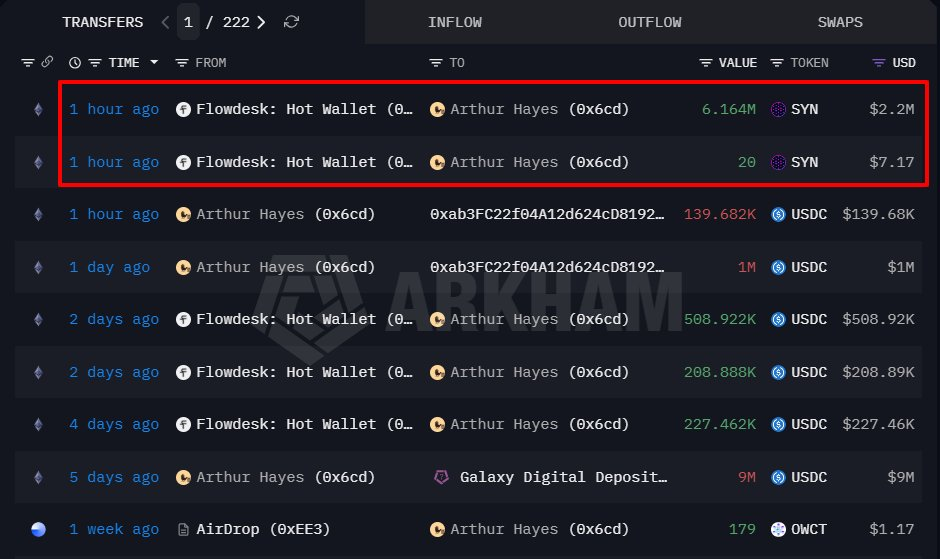
Subsequently, Arthur Hayes posted on the X platform that SYN is one of the most asymmetric investments he has seen since HYPE, explicitly stating, "Now is the time for the options DEX to formally challenge Deribit, and Hypercall is that challenger."
Currently, SYN is priced at 0.436 US dollars, with a 24-hour increase of over 40%. Since June 2026, the price of SYN has seen explosive growth, with a monthly increase of over ten times, and FDV is approximately 110 million US dollars.
Synapse: From Cross-chain Infrastructure to On-chain Options
Synapse Protocol was established in 2021, originally positioned as a universal cross-chain messaging and liquidity network. It allows developers to achieve arbitrary data transmission across different blockchains, including smart contract calls and NFTs, not limited to simple asset bridging.
Early on, Synapse secured a position in the multi-chain ecosystem with cross-chain AMM liquidity pools and low-slippage stablecoin exchanges. During the 2021-2022 bull market, its TVL once exceeded 1 billion US dollars, together with projects like Wormhole, LayerZero, and Axelar, forming the main force in the cross-chain bridge track. However, competition in the cross-chain field is fierce, combined with the impact of the bear market, which led to a significant decline in the protocol's TVL.
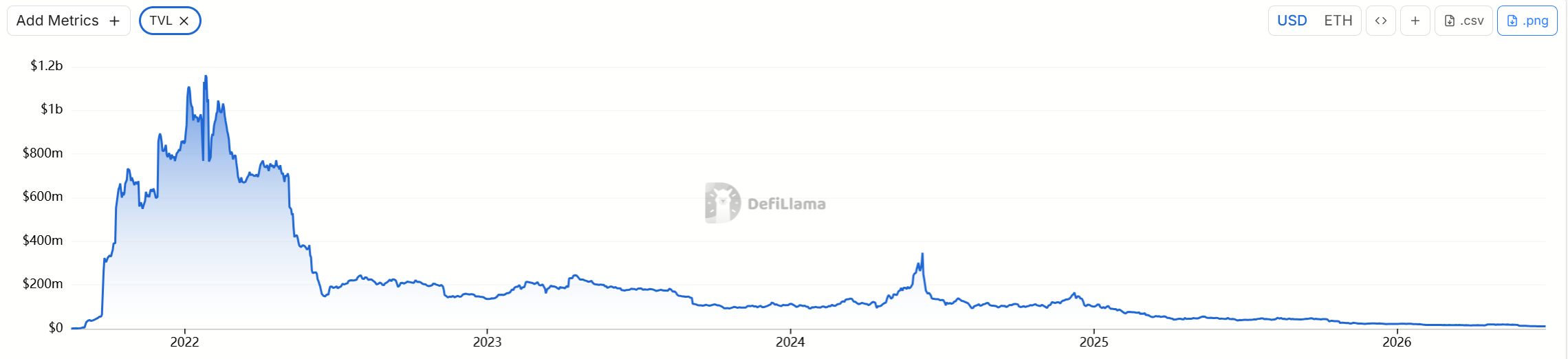
According to the latest data from DefiLlama, as of June 2026, Synapse's TVL is approximately 11.1 million US dollars, primarily concentrated on chains like Ethereum and Canto.
The SYN token, as a governance token, reached a peak of around 5 US dollars in October 2021 but has remained depressed since then.
Hypercall is an on-chain options trading protocol developed by the Synapse team, deployed on the Hyperliquid ecosystem's HyperEVM. Its core claim is to create "an options exchange that can trade any asset."
Unlike traditional centralized options platforms or early on-chain options protocols, Hypercall officially states that it supports trades of any size, with contracts that can be split into dollar or million-dollar levels; in addition, the maximum loss on options is only the premium paid, with no forced liquidation or cascading liquidation risks; it also supports 24/7 trading, among other features.
Currently, Hypercall's mainnet Alpha has gone live, allowing users to connect their wallets directly to trade SpaceX (SPCX) options, with bearish BTC, NVDA spread, and other underlying assets also emerging. The team previously claimed that the cumulative trading volume of its products has exceeded 55 billion US dollars.
Deribit: The Centralized Options Dominator
Established in 2016, Deribit has long held an absolute dominant position in the crypto options market. According to industry data, it has approximately 85% market share in BTC and ETH options, making it the preferred platform for institutional traders, market makers, and quantitative funds.
Currently, according to DeFiLlama data, its total asset value is 3.588 billion US dollars.
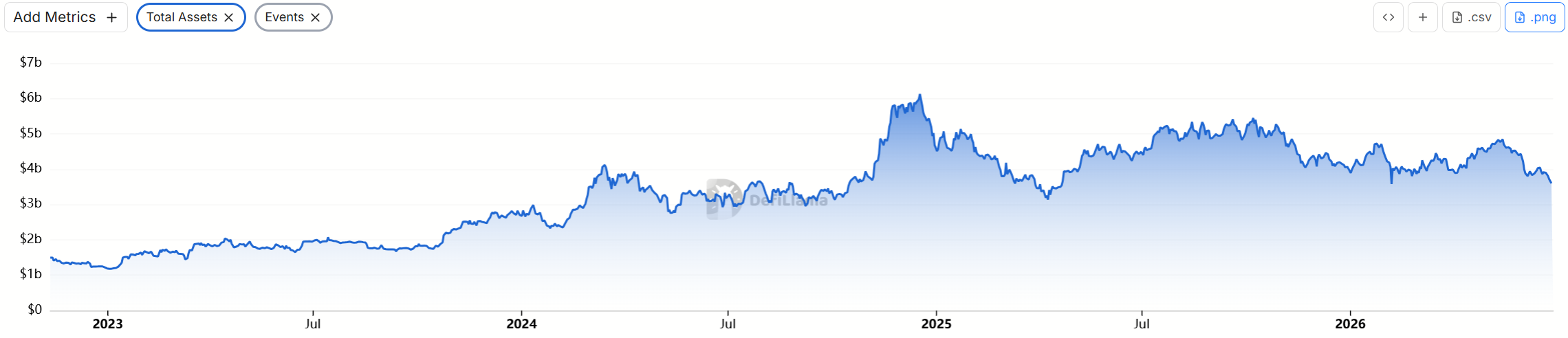
Deribit's advantages lie in its deep liquidity and professional tools: it supports portfolio margining, block trading, low-latency multicast data feeds; furthermore, it has been running steadily for a long time. However, centralization also brings inherent limitations: custody risks, KYC thresholds, regulatory uncertainty, and relative unfriendliness toward small retail users and DeFi natives. The complexity of options trading and margin mechanisms further amplifies these pain points.
Arthur Hayes's call judgments point directly at the industry's core logic— with on-chain perpetual DEXs like Hyperliquid demonstrating high performance, composability, and capital efficiency, the on-chain demand for options as "precise expressive tools for volatility and direction" is accumulating.
The potential advantages of Hypercall are: decentralization, permissionless operation, no KYC, and transparency. Additionally, with deep integration into the Hyperliquid settlement layer, the trading experience is close to centralized but retains on-chain transparency; however, the protocol is still in the early Mainnet Alpha stage, with liquidity depth far inferior to Deribit, and the underlying assets initially test with SpaceX, mainstream crypto options coverage will still take time. Historically, on-chain options protocols (such as early versions of Hegic, Opyn) have also attempted many things but often struggled to scale due to insufficient liquidity.
Deribit's network effect is unlikely to be replaced in the short term. Hypercall is more likely a "supplementary and differentiated competition," rather than a direct substitute—especially in the fields of DeFi native and emerging asset (such as RWA, AI-related underlying) options.
What Game Is the Calling King Playing?
Arthur Hayes's recent "call" records show a clear divergence.
Previously, he was very optimistic about HYPE, predicting a price target as high as 150 US dollars, but chose to completely liquidate HYPE in early June. He also liquidated previous calls of NEAR and WLD. On June 16 and 23, on-chain tracking data showed that he bought back a total of 91,000 HYPE through exchanges.
On June 24, Arthur Hayes's family office Maelstrom released a deep research report on CARDS (Collector Crypt), which also sparked considerable controversy. It set a target price of 4 US dollars by the end of summer.
Just four days later, the market capitalization of CARDS has fallen by about 22% since Maelstrom set the target price.
Currently, the price is 0.2437 US dollars, with a market capitalization of 100 million US dollars, and FDV reports 487 million US dollars.
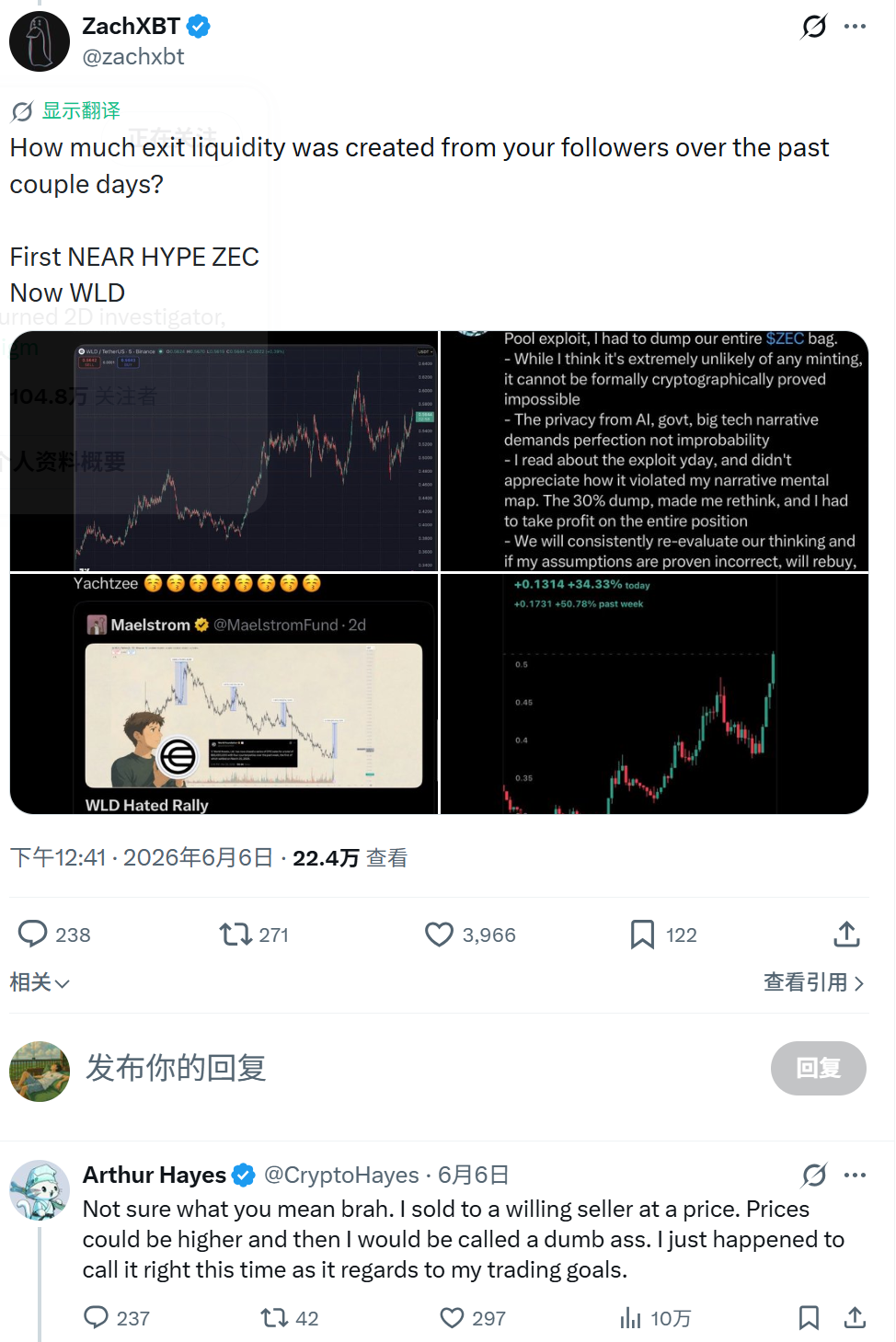
On-chain detective ZachXBT previously tweeted criticizing Arthur Hayes for publicly calling several times in the past few days, "How much exit liquidity has your fans generated because of this in the past few days?" Subsequently, Arthur Hayes responded that he was just trading normally, and the price could go up or down, and remarked, "Just happened to get this judgment right this time."
免责声明:本文章仅代表作者个人观点,不代表本平台的立场和观点。本文章仅供信息分享,不构成对任何人的任何投资建议。用户与作者之间的任何争议,与本平台无关。如网页中刊载的文章或图片涉及侵权,请提供相关的权利证明和身份证明发送邮件到support@aicoin.com,本平台相关工作人员将会进行核查。


