At the time of the sharp drop controversy, token price predictions quietly went live on Polymarket.
Written by: Maher, Foresight News
At around 4 AM on June 2, edgeX's native token EDGE experienced a drastic anomaly in volatility. The price plummeted over 77% from approximately $1.14 in a short period, hitting a low of $0.32, and has now rebounded to around $0.64, with a market cap of about $250 million.
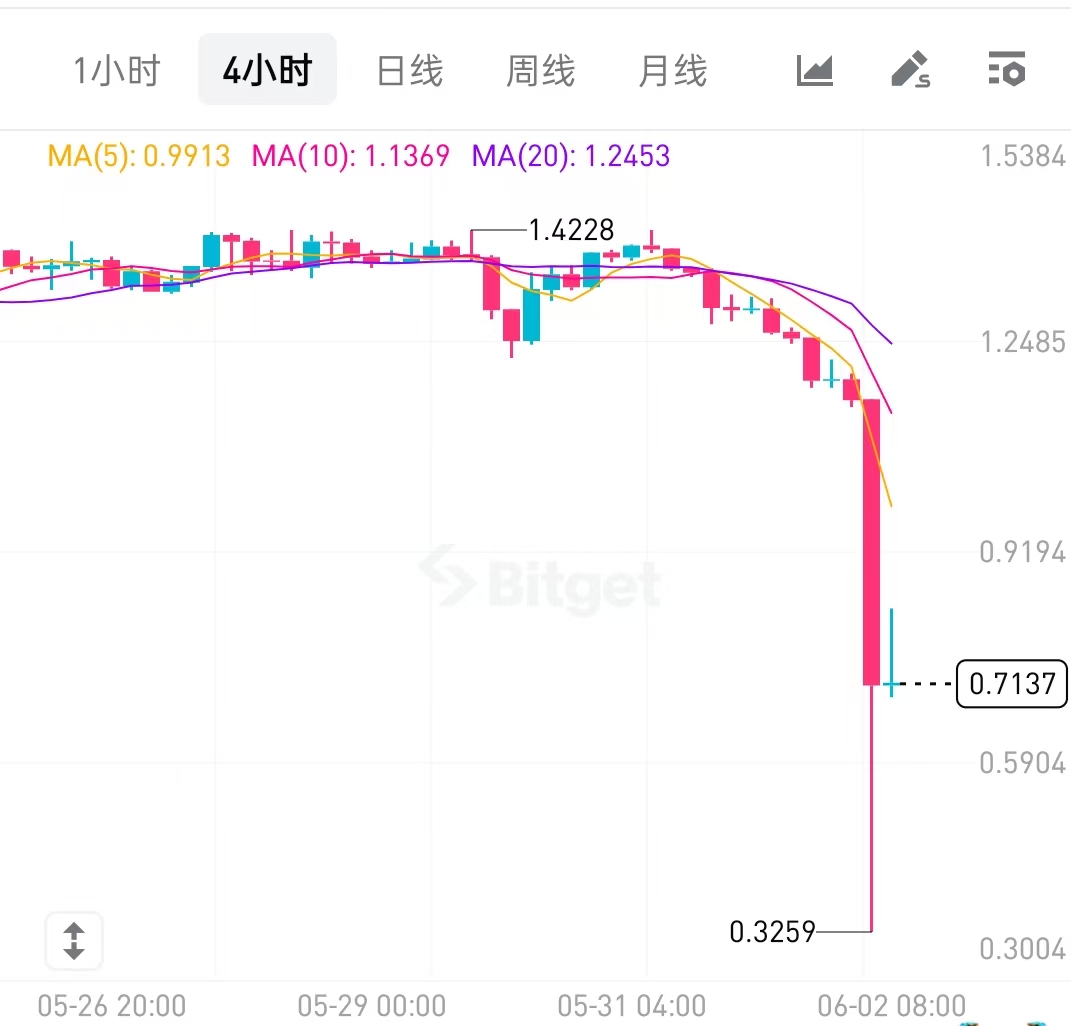
edgeX officially responded immediately, clearly ruling out hacker attacks or platform security vulnerabilities, and pointed the finger at "market manipulation conducted deliberately by specific external entities."
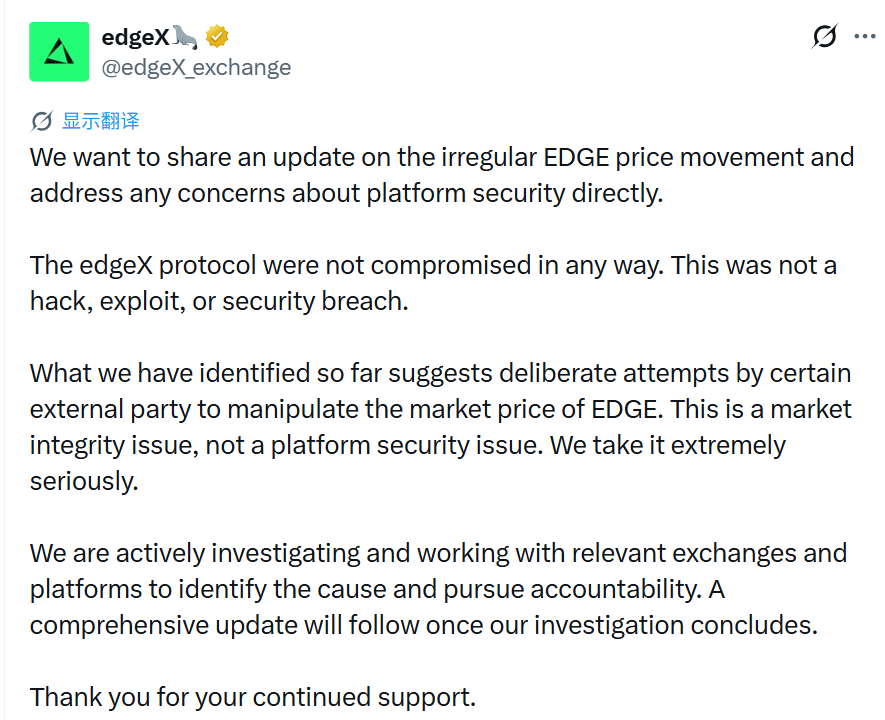
edgeX stated that its protocol was not compromised, and there were no hacker attacks or security vulnerabilities. The price fluctuation is suspected to be the result of market manipulation carried out deliberately by specific external entities, and constitutes a market issue rather than a platform security issue. The team is actively investigating and cooperating with relevant exchanges and platforms to trace the responsible parties. The complete investigation results will be published upon completion of the investigation.
edgeX emphasized that core contracts such as SpotVault are operating normally, with no suspicious activities found, further focusing on external market behavior rather than the protocol itself.
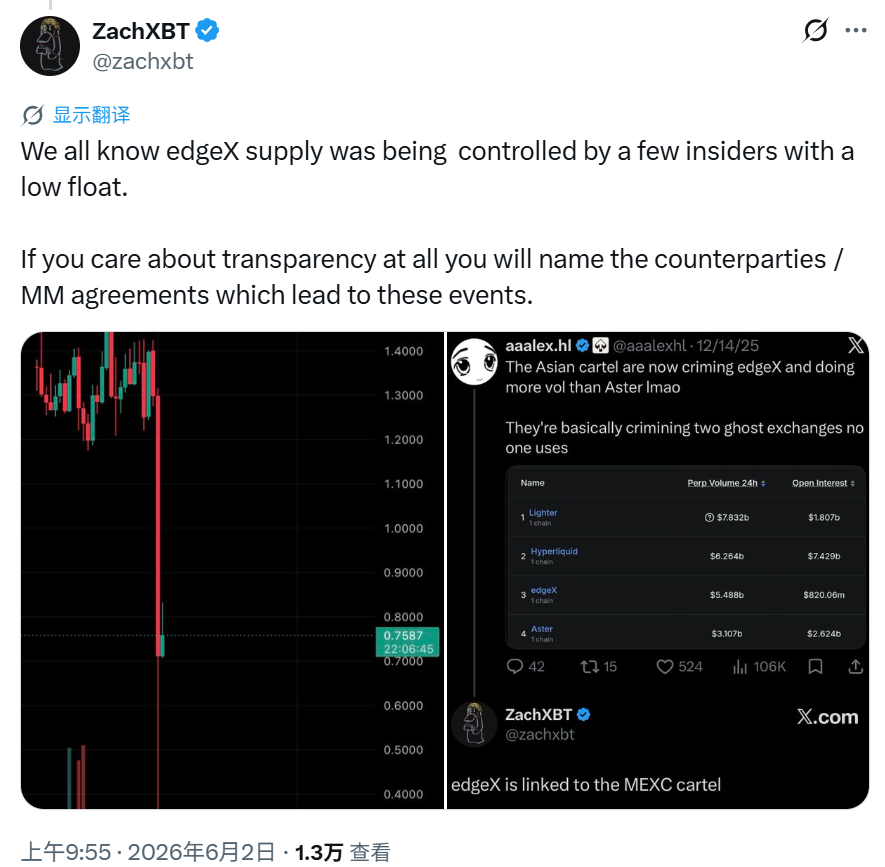
On-chain detective ZachXBT spoke out after the incident, pointing out that edgeX's supply is long controlled by a few insiders, with low circulation, and demanded the project to disclose market maker and counterparty information to enhance transparency.
After the incident escalated, many users directly associated this fluctuation with the project's past operations, expressing disappointment regarding the team's integrity. One community user bluntly stated: "No one even discusses the crash of EDGE anymore; this project's team lacks integrity, goes back on their word, and really has little desire for bottom-fishing."
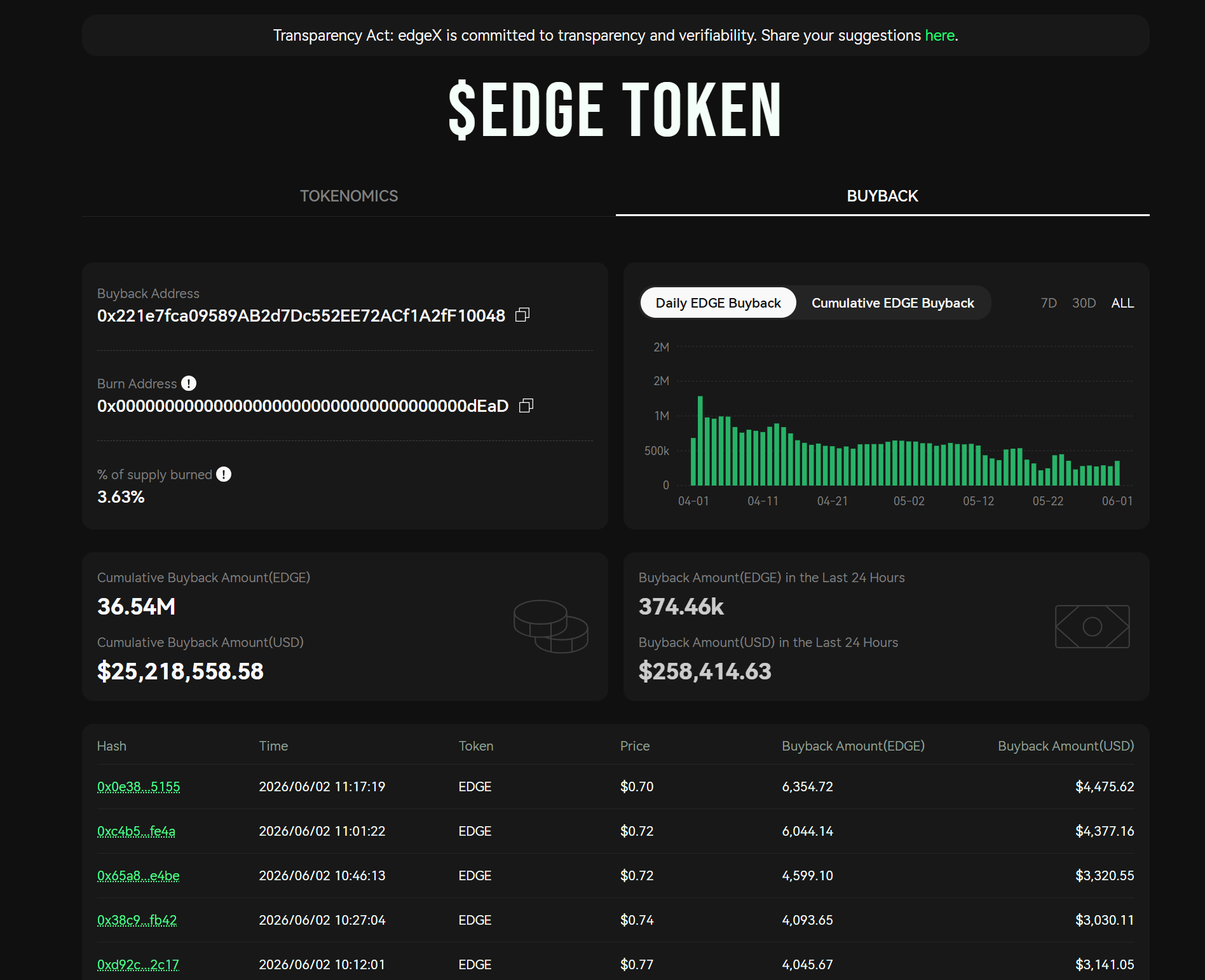
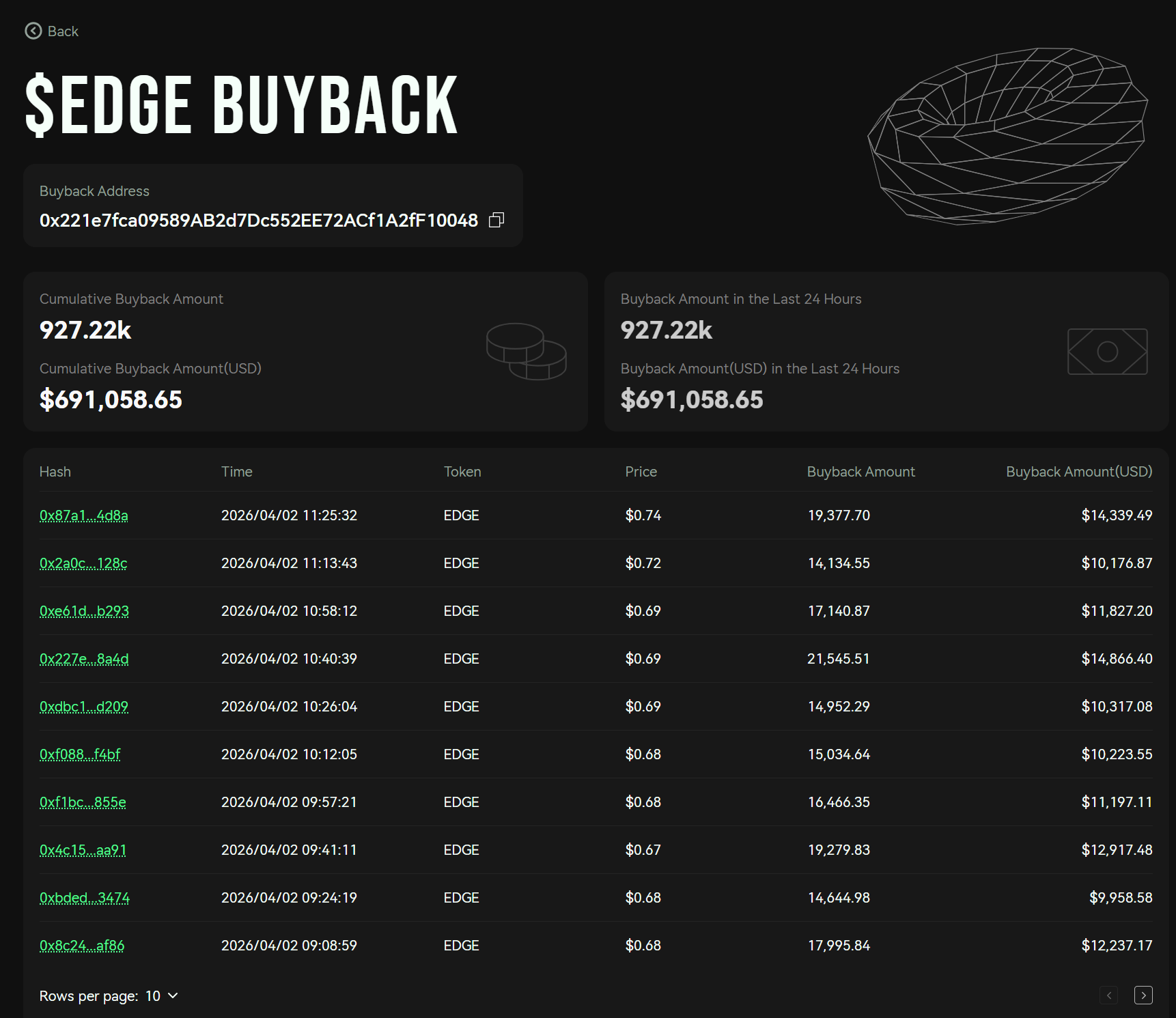
Since the TGE of its token, edgeX's price rose from $0.7 to $1.5, and subsequently, its price constantly fluctuated around $1.4. In addition, the official team specifically launched a token website to prove transparency. By the end of May this year, its protocol launched V2 and adjusted the token economics to use all profits for repurchasing EDGE. According to its official website, approximately 36.54 million tokens have been repurchased, totaling about $25 million.
Furthermore, related information shows that the protocol has previously received investments from Circle Ventures and Amber Group, though the specific amounts were not disclosed.
Previous Airdrop Controversy Laid the Foundation for Future Plummets
This incident is difficult to separate from the backdrop of edgeX's previous airdrop controversy. In April 2026, the author thoroughly detailed the entire process of community dissatisfaction triggered by TGE in the article "The EdgeX Airdrop Fiasco: A Carefully Designed Harvest?" The project had promised the community a 25% share of tokens, but the actual proportion allocated to ordinary traders was only about 4%, while approximately 14% (valued at around $94.6 million at the time) flowed to partner wallets. The Arkham token flow chart shows that at least 80 associated addresses were created in 2025, with consistent behavior patterns: first small tests followed by large deposits, then concentrated withdrawals after TGE, involving about $90 million worth of token transfers, with some funds flowing to exchanges.
The more core controversy lies in the lack of transparency in the points redemption mechanism. Users reported major differences in redemption ratios for the same trading volume. Furthermore, the estimated point value (expected by the market before TGE at $30-40 or higher FDV per point) differed from the actual received amount by over 80%. Early contributors and NFT holders also faced cases of "the lowest allocation across the network." Community members flooded the official account on Twitter to criticize, prompting the team to temporarily disable comments.
Afterwards, edgeX announced it would lock the controversial 14% share for a year and initiate a repurchase, but refused the community's request to destroy tokens on Ethereum.
These lingering issues directly set the stage for the current volatility: the concentration of chips in a few addresses or associated parties makes it easier for external entities to influence prices through large operations. Low circulation is not coincidental but rather an inevitable result of early allocation and lock-up arrangements. When abnormal selling pressure emerges in the market, the lack of sufficient depth for buffering can easily lead to a chain reaction.
Structural Risks and Transparency Challenges
edgeX secured a foothold in the sector with its trading speed, low slippage, and perpetual contracts innovation. After the project's TGE, there was a phase of price increase, and trading volume and fee income frequently ranked among the top in DeFi. According to DefiLlama's latest data, the protocol's total fee income over the past 30 days was $10.7 million, and the trading volume for the perpetual DEX over the past 30 days reached $42.765 billion.
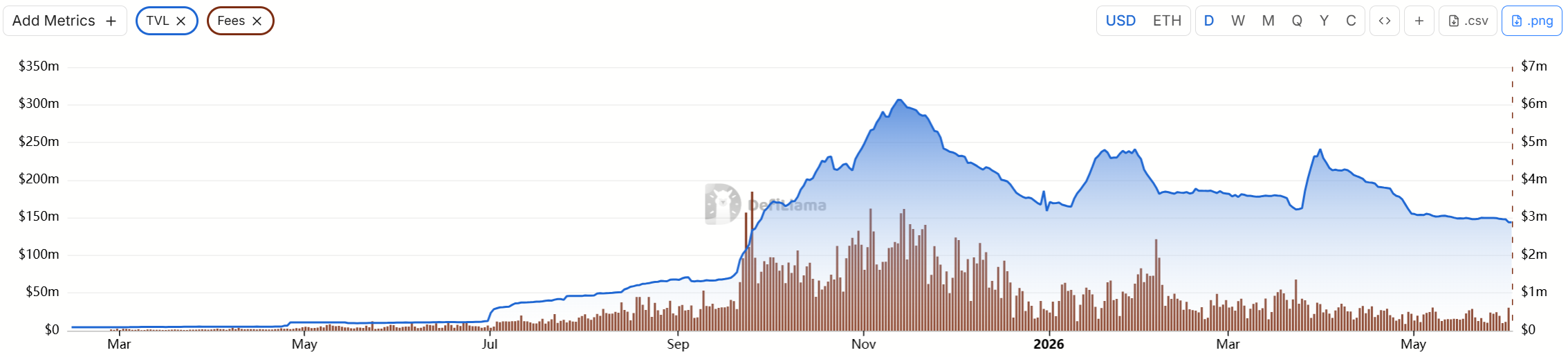
However, from the airdrop distribution controversy to the current price anomalies, this "low circulation + high control + opaque market making" model has become a recurring "continuous harvesting scheme" for new projects over the past two years. Proclaiming community supremacy while honestly funneling chips to associated parties is just a single-player game dressed in DeFi attire.
Allegations of external manipulation are difficult to confirm immediately, but the on-chain traceable abnormal inflows and outflows are enough to raise community alertness.
Ironically, just when it was facing a price collapse vortex, its EDGE token price predictions quietly went live on Polymarket.
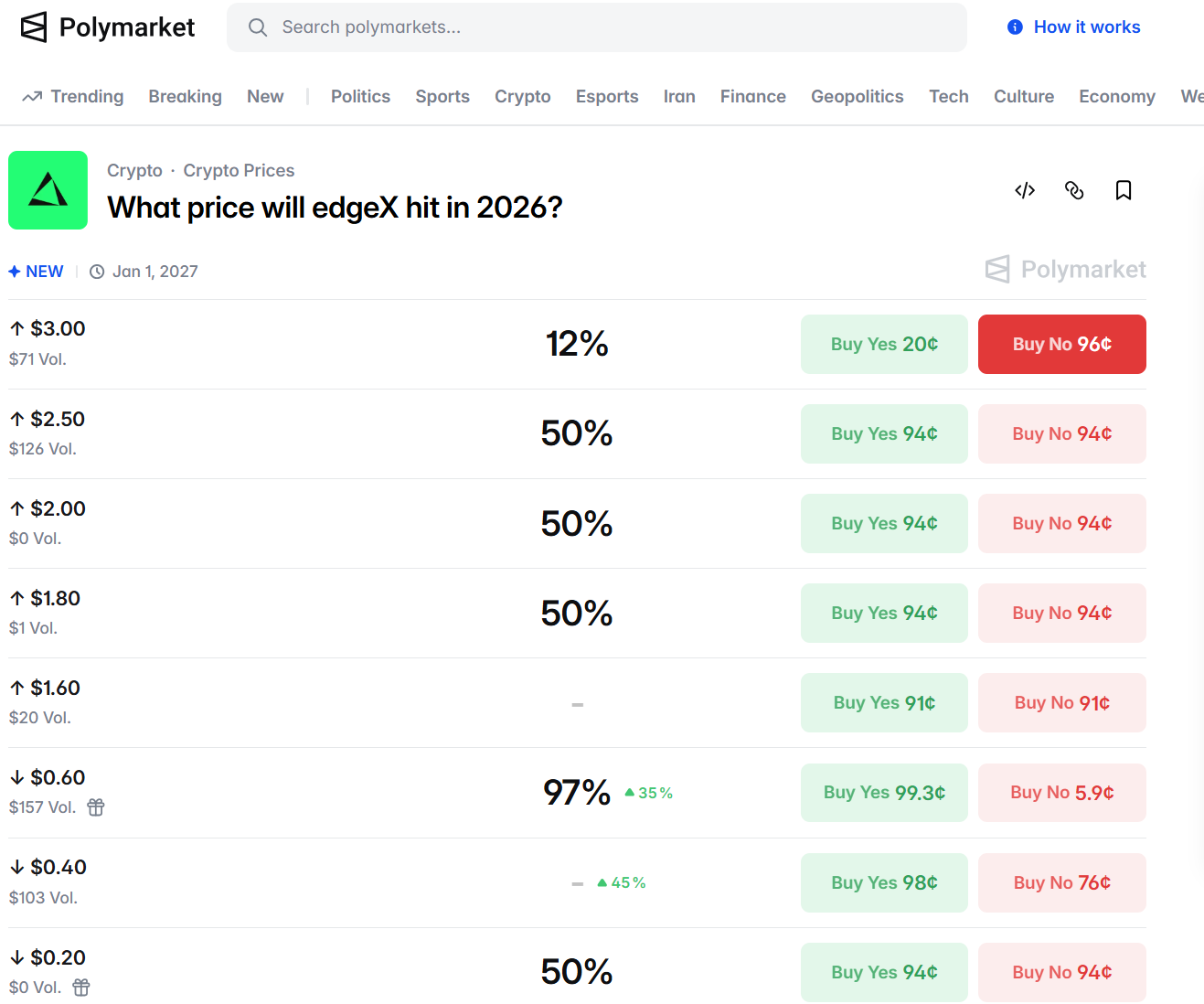
While the project is busy proving its innocence, trapped retail investors are angrily fighting for their rights. Meanwhile, on Polymarket, some players have already started betting on how much it can rise or fall this year.
免责声明:本文章仅代表作者个人观点,不代表本平台的立场和观点。本文章仅供信息分享,不构成对任何人的任何投资建议。用户与作者之间的任何争议,与本平台无关。如网页中刊载的文章或图片涉及侵权,请提供相关的权利证明和身份证明发送邮件到support@aicoin.com,本平台相关工作人员将会进行核查。


