In the Web3 field, the importance of storytelling far exceeds that of any other industry.
Written by: Noir
Translated by: Chopper, Foresight News
The failure of Web3 has never been due to a lack of creativity. In fact, its problem lies in the difficulty of resonating with people.
The current Web3 narrative is mostly filled with abstract concepts: public chains, infrastructure, protocols, layers… These terms are not wrong in themselves! However, they lack any "human touch," making it impossible for ordinary people to feel a connection.
This is precisely where the value of storytelling lies. In the Web3 field, the importance of storytelling far exceeds that of any other industry.
Web3 is built on logic but lacks emotional resonance
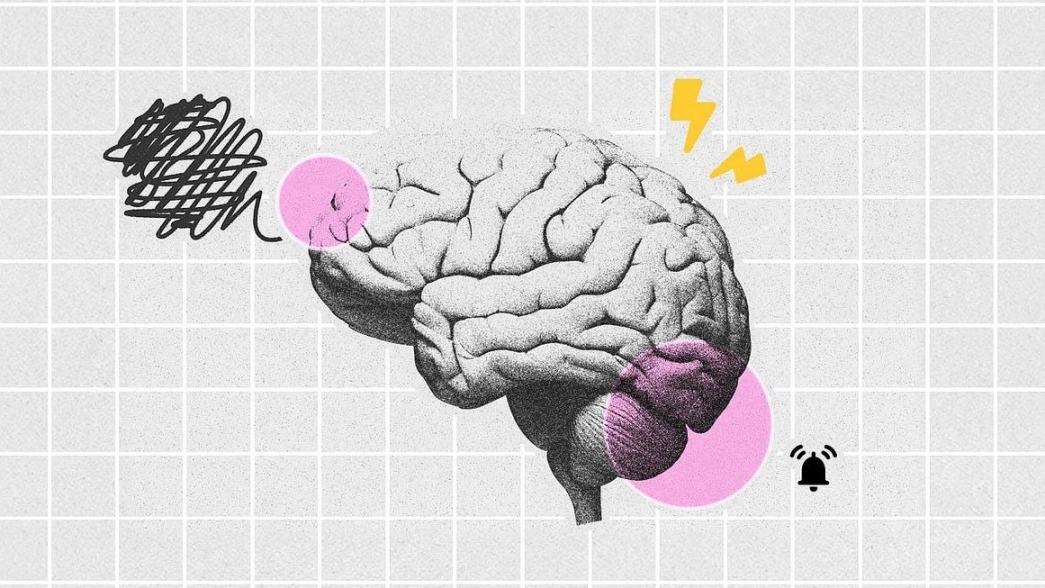
In other fields, people already come with a cognitive context. A few examples: talking about food can stimulate your appetite; discussing fitness can help you visualize progress; mentioning travel can instantly conjure up images of a destination's scenery.
But Web3 fails to do this. Creators and project teams often find themselves painstakingly explaining how impressive the unseen systems and intangible processes are.
Without a story to lay the groundwork, all of this seems distant and cold.
In short: utterly boring. Clearly, no one is going to pay for something boring.
Stories are the gateway for ordinary people to enter Web3
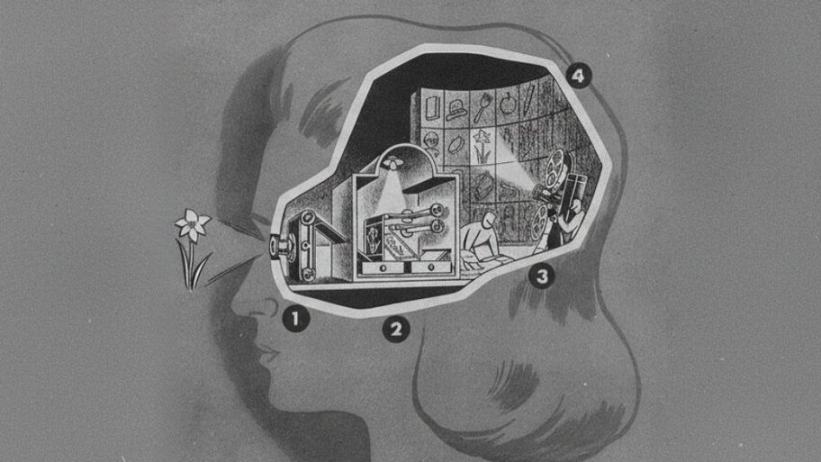
Most creators and project teams rush to explain how something works right from the start. But they forget that a good story always begins by describing the feelings that come with it.
Confusion, laughter, relief, vulnerability… these emotions are completely absent from Web3 narratives.
Friends, if this trend continues, the outcome is obvious. Even if people don't understand the technology, these emotions are universal. The key is that when someone recognizes their familiar feelings in a story, they will subconsciously follow you to hear your subsequent professional interpretations.
Stop listing functions, and talk more about user experience moments

Comparing the two expressions, the difference is clear.
Function-first version: This feature enhances system scalability by optimizing throughput.
This statement is correct, but it's easily forgotten after hearing it, and… what does it even mean? 😂
Story-first version: I kept refreshing the page, mentally preparing myself to wait again… only to find that the transaction had already been completed.
The same core message, but the latter has warmth and is easy to understand.
Telling stories does not aim to downplay technology but to prepare the audience's brain to receive complex information in advance.
Got it? I hope you understand, let's continue…
Complex concepts need relatable scenarios to land
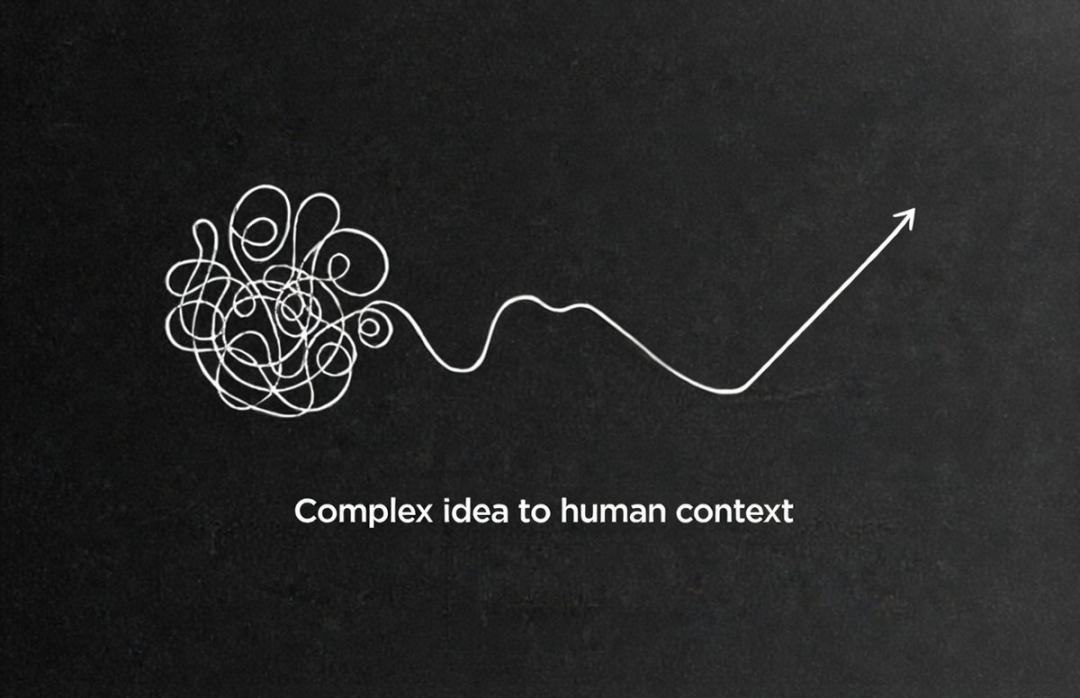
When faced with complex problems, people often wonder, "What does this have to do with me?"
And stories can subtly provide the answer. A simple, relatable scenario is all it takes to establish a connection.
You don't need to explain every detail comprehensively. You just need to showcase a key moment: a frustrating bottleneck, a moment of pressure release, a small victory.
That's enough to make a complex concept feel real and tangible.
Practical validation: This methodology really works
The core of my work is to create story-driven video content for Web3 bounty events and sponsors.
Over time, I've noticed a pattern: the videos that win awards are never the ones with the most hardcore technical explanations, but those that start with moments filled with human warmth.
I don't start by listing functions or explaining principles; instead, I focus on these visuals: the clumsiness of using a product for the first time; the struggles before understanding a certain feature; the clarity that comes when finally connecting.
This narrative style always keeps the audience watching longer and understanding faster. This is also why my videos stand out in bounty competitions.
Not because I talk about more technology, but because I make complex concepts feel human and emotionally resonant.
免责声明:本文章仅代表作者个人观点,不代表本平台的立场和观点。本文章仅供信息分享,不构成对任何人的任何投资建议。用户与作者之间的任何争议,与本平台无关。如网页中刊载的文章或图片涉及侵权,请提供相关的权利证明和身份证明发送邮件到support@aicoin.com,本平台相关工作人员将会进行核查。


