Source: Decrypt
Translation: BitpushNews
The involvement of celebrities in cryptocurrency is no longer a novelty. As early as 2013, former child star Brock Pierce co-founded Blockchain Capital, paving the way for celebrities to "dive" into the crypto space. From former U.S. President Trump to star Lindsay Lohan, various celebrities have rushed in, trying to cash in on the cryptocurrency wave.
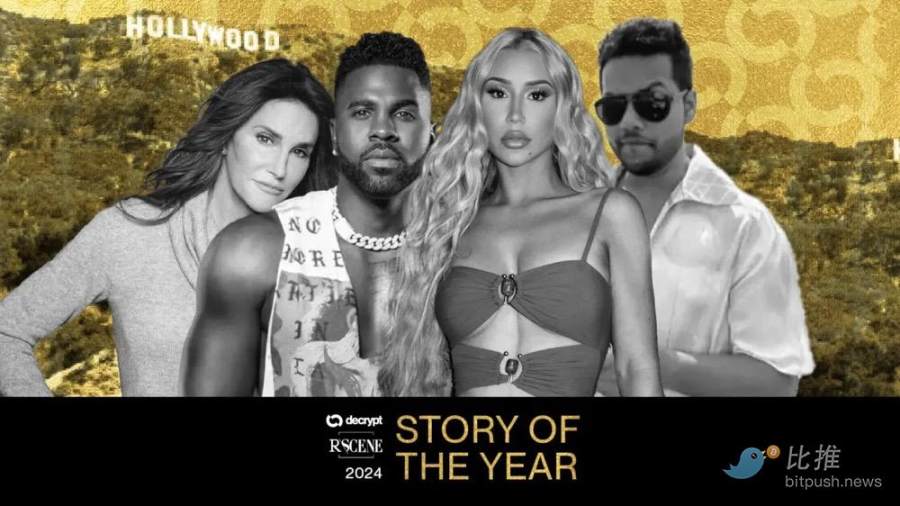
However, the celebrity effect is not always a panacea. Some individuals leverage their influence to promote crypto projects, but the results often fall short. Over the past decade, the U.S. Securities and Exchange Commission (SEC) has taken action against more than a dozen incidents of celebrity violations in promoting cryptocurrencies, with figures like Kim Kardashian and boxing champion Floyd Mayweather facing penalties. Even more lamentable is that many celebrities found themselves embroiled in the FTX exchange collapse scandal, a storm that nearly destroyed the entire crypto industry.
If celebrity participation in cryptocurrency is considered "old news," then the rise of "celebrity meme coins" in 2024 can be seen as a "new trend." As meme coins replaced NFTs as the new favorites of speculators, a large number of celebrities followed suit, personally launching their own meme coins and even attempting to build business models around these tokens.
In just the past year, nearly a dozen major stars from Europe and America have launched their own meme coins. Community feedback has been mixed, with more negative impacts reported.
Traditional investors often believe that Bitcoin investors have a higher risk tolerance, but the fanatics of meme coins are the true risk-takers—like being in the Wild West, where the price of tokens can skyrocket or plummet in an instant.
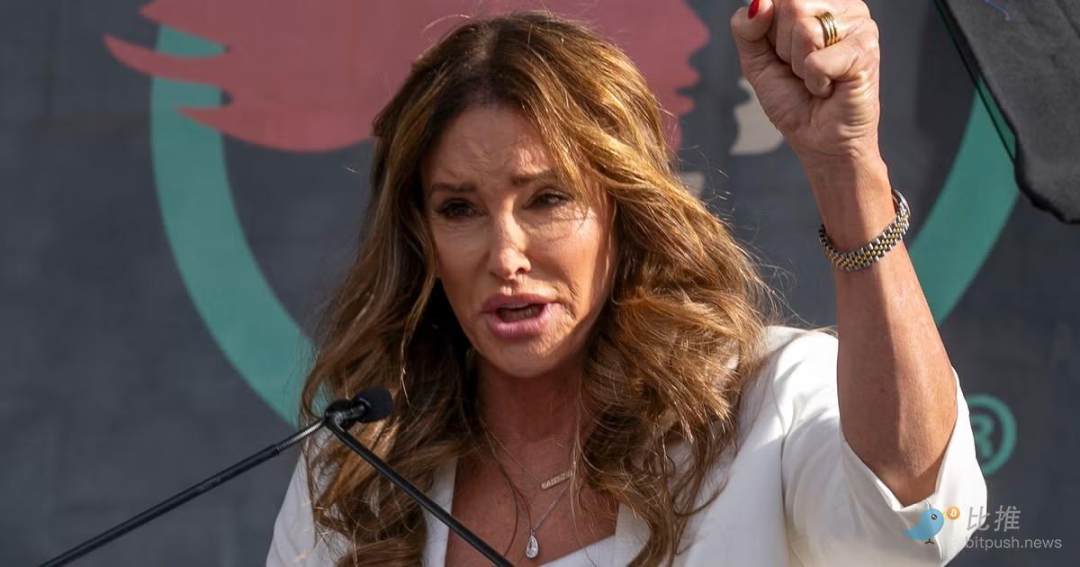
On the meme coin issuance platform Pump.fun, this madness is vividly displayed. Olympic decathlon champion Caitlyn Jenner launched her own meme coin on the platform, kicking off the celebrity meme coin craze.
Many "mind-blowing" stories have occurred on Pump.fun. There was a user who threatened that if his meme coin was not purchased, he would end the life of a small goldfish; another person claimed he would sit on the toilet until his token's market value reached $50 million (he actually shaved off an eyebrow when the market cap hit $10 million). Some individuals took even more extreme actions, such as one young man who even "self-fen" (a slang term).
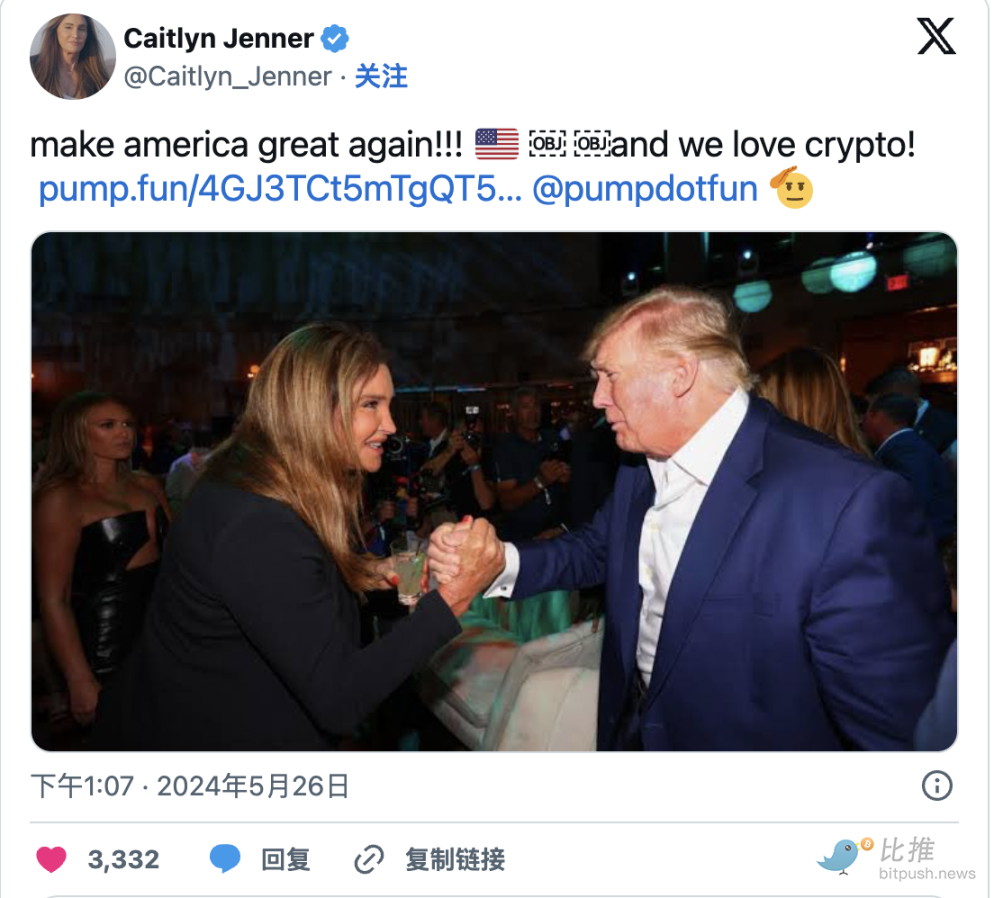
As Pump.fun was heating up, in May 2024, Jenner teamed up with Trump, who was actively preparing for his campaign, to launch her own token with great fanfare.
This move sparked huge controversy, with many even suspecting that Jenner's social media account had been hacked or that it was an AI deepfake scam. Even the founder of Pump.fun was taken aback.
Alon (a pseudonym), co-founder of Pump.fun, told Decrypt in an interview, "I was almost dumbfounded." He described it as one of the craziest moments in the company's brief but spectacular history: "We tweeted that she launched a coin, and we were stunned, 'Did she really launch a coin?' I couldn't understand what was happening; it was too crazy."
It turned out that the driving force behind Jenner's "stunt" was crypto promoter Sahil Arora. He signed a contract with Jenner, promising to issue her token and agreeing to pay a $50,000 advance, along with an 80% revenue share.
However, this collaboration quickly devolved into a farce. Jenner accused Arora of breaching the contract and publicly lashed out on Twitter: "F…k Sahil Arora! He scammed us!"
In a May interview with Decrypt, Jenner stated that Sahil Arora "vanished" after showing a few wire transfer records and still owed her "a large sum of money." Arora did not respond to Decrypt's request for comment at the time.
But this was just the beginning.
After collaborating with R&B singer Jason Derulo to issue a token, Derulo also publicly accused Arora of deceiving him. Arora responded that it was all "part of the script." Subsequently, Arora issued tokens for rappers Rich the Kid and Lil Pump, who also complained about similar experiences.
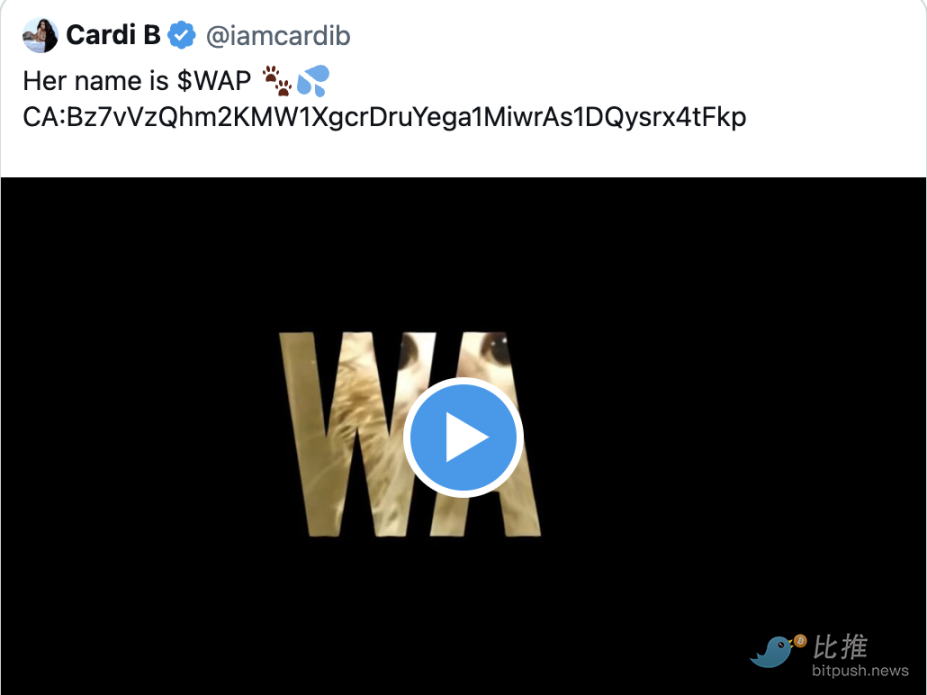
Later, celebrities like Cardi B, Waka Flocka Flame, and Sean Kingston issued their own tokens but did not publicly collaborate with Arora.
Data visualization company Bubbleworks published a lengthy post on social platform X, "attacking" Arora, claiming he earned $30 million this year by acting as an agent for celebrities issuing meme coins.
Nick Vaiman, co-founder and CEO of Bubblemaps, told Decrypt, "Many tokens had obvious warning signs from the start, such as high control, malicious manipulation, and clear 'rug pull' strategies."
Of course, not all celebrity meme coin launches ended in farce. Australian musician Iggy Azalea is an exception. Although her token MOTHER was questioned by Bubblemaps for being "sniped" 20% of its supply at launch, she claimed to be completely unaware of it.
Bubblemaps' on-chain detectives pointed out that such a situation could only occur if the token contract address was leaked to insiders in advance.
However, after Iggy Azalea participated in a Twitter Spaces event, showcasing her understanding of crypto and publicly criticizing Arora, public opinion shifted.
Alon, founder of Pump.fun, stated, "When we found out she really understood the field, we were very optimistic about her. It felt amazing."
Months later, more and more celebrities issued tokens, only to become worthless coins. Jenner even launched an Ethereum token, causing the price of her initially issued Solana token to plummet.
So, what is the current status of these celebrity meme coins?
As of the time of writing, Jenner's meme coin on Solana has a market cap of only $357,000, while her Ethereum token's market cap is just $139,000, far below the previous peaks of $42 million and $7.5 million, respectively.
Jason Derulo's JASON token has dropped 97.8% from its peak, with a market cap of $783,000;
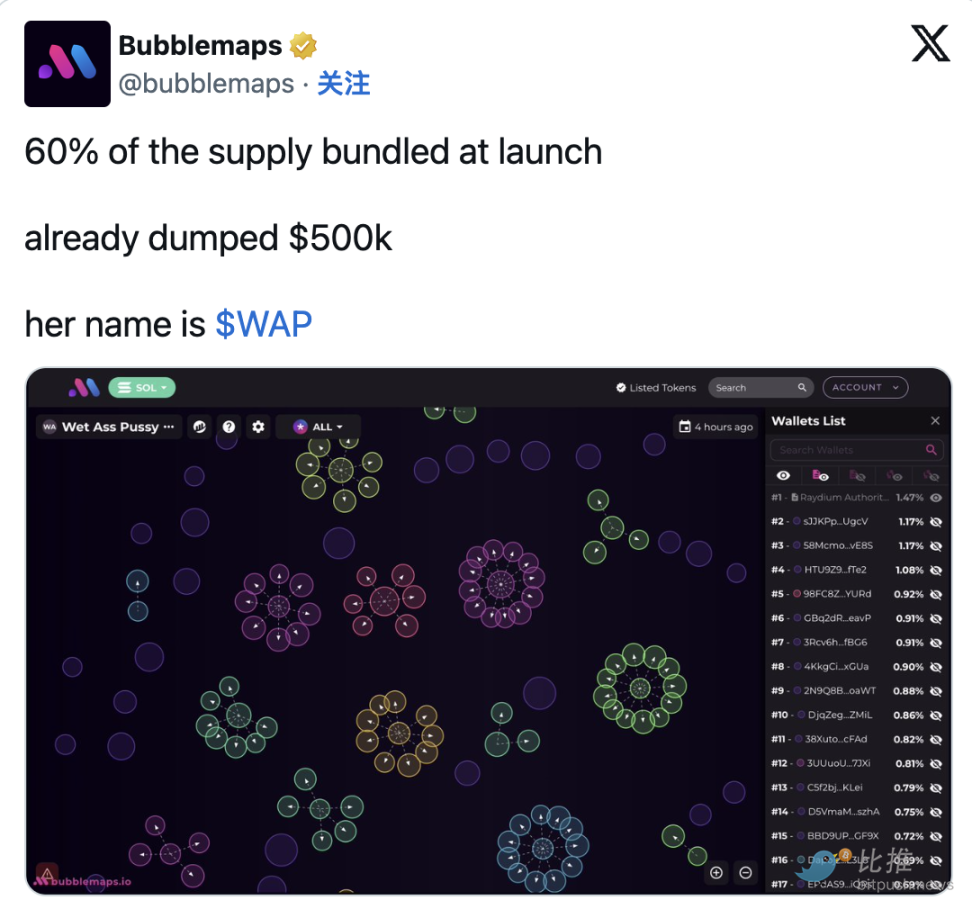
Waka Flocka Flame's FLOCKA token has fallen 99%, with a market cap of only $238,000; the bundled token WAP has plummeted 99.65%, with a market cap of less than $138,000.
Iggy Azalea told Decrypt in an interview, "Most celebrities involved in this have the worst intentions. I don't think any of them genuinely want to create a crypto token; they just want to cash out quickly and then walk away."
With the collapse of these tokens and the exit of celebrities, the first lawsuits followed. In November 2024, a group of investors filed a class-action lawsuit against Jenner and her agent, accusing her of falsely representing her Solana meme coin and failing to register it as a security.
Jenner's team did not respond to Decrypt's request for comment.
Some cryptocurrency legal experts suggest that more civil lawsuits of this kind may emerge in the future. "We will see an increase in lawsuits involving celebrity endorsements of meme coins," internet lawyer Andrew Rosso told Decrypt. "Celebrities will increasingly need to be held accountable for their promotional activities and may even face broader legal liability as 'sellers' of these digital assets."
Digital asset lawyer Carlo DeAngelo stated, "The lawsuit against Jenner serves as a clear warning to any celebrity who thinks they can exploit their fame to overpromise and underdeliver on meme coins just to cash in quickly."
Some crypto advocates believe that celebrity meme coins help attract young people to the crypto space. For instance, Arora once told Decrypt that he initiated the celebrity meme coin craze to make cryptocurrency more mainstream than ever.
Nick Vaiman, founder of Bubblemaps, summarized, "For a narrative to succeed, it needs universality, hope, and role models. It needs to be able to attract the public and create real success stories to maintain hope and inspire others. However, celebrity crypto projects have failed to establish such a virtuous cycle, instead devolving into a predatory mechanism that extracts liquidity from retail investors, leaving everyone with nothing."
免责声明:本文章仅代表作者个人观点,不代表本平台的立场和观点。本文章仅供信息分享,不构成对任何人的任何投资建议。用户与作者之间的任何争议,与本平台无关。如网页中刊载的文章或图片涉及侵权,请提供相关的权利证明和身份证明发送邮件到support@aicoin.com,本平台相关工作人员将会进行核查。


