Bitrace conducts an in-depth analysis and detailed breakdown of the fraud methods that cryptocurrency users may encounter at different stages of growth, supplemented by real cases, aiming to provide investors with practical anti-fraud skills.
Written by: Bitrace
In the wave of the digital age, cryptocurrencies and blockchain technology have become increasingly important in the global financial system due to their unique charm and potential. However, this innovative and opportunity-filled field also harbors various frauds and security threats. To help users better identify and avoid these potential risks, the Bitrace team has carefully crafted this "Web3 Anti-Fraud Manual," which provides an in-depth analysis and detailed breakdown of the fraud methods that cryptocurrency users may encounter at different growth stages, supplemented by real cases, aiming to equip investors with practical anti-fraud skills.
As a professional regulatory technology company, Bitrace pays close attention to current asset security incidents, in addition to theoretical research and risk data monitoring. In the past year, we have received nearly a thousand cases from various channels, assisting victims in tracking and recovering funds. Through in-depth communication with numerous victims, Bitrace has accumulated valuable frontline experience, gaining a deeper understanding of victim psychology, the common tactics of criminals, and the prevalent types of scams in the cryptocurrency field, which has provided a solid practical foundation and case support for the writing of the "Web3 Anti-Fraud Manual."
The "Web3 Anti-Fraud Manual" is available in both Chinese and English versions and will delve into six major themes—from identifying information sources to pitfalls in asset management, from financial traps during the trading process to phishing, and finally to Crypto Drainers at the end of the fraud chain and potential OTC trading scams encountered during withdrawals. We will reveal them one by one.
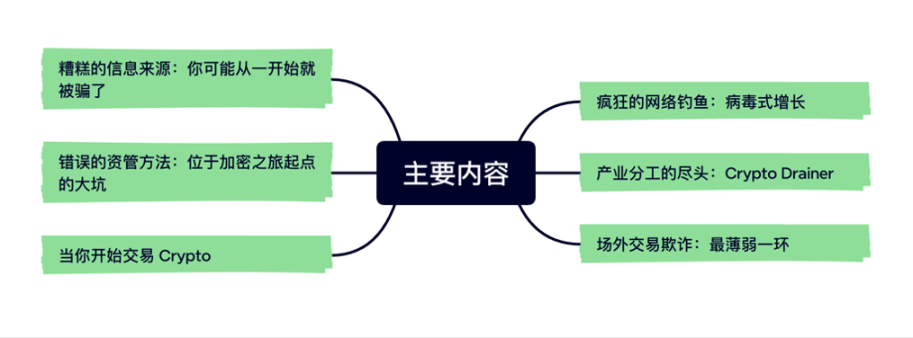
Poor Information Sources: You May Have Been Scammed from the Start
Many investors first encounter crypto-related concepts in social media, self-media platforms, and online communities, where the environment is often mixed. Even seasoned investors need to sift through a lot of noise and rumors to find genuinely effective information, making it difficult for inexperienced investors to avoid being misled by fraudulent information. For this reason, many criminals exploit the existing information barriers to defraud users who lack relevant knowledge, employing tactics such as distorting or fabricating facts, stealing account keys, and deceiving users into granting account permissions.
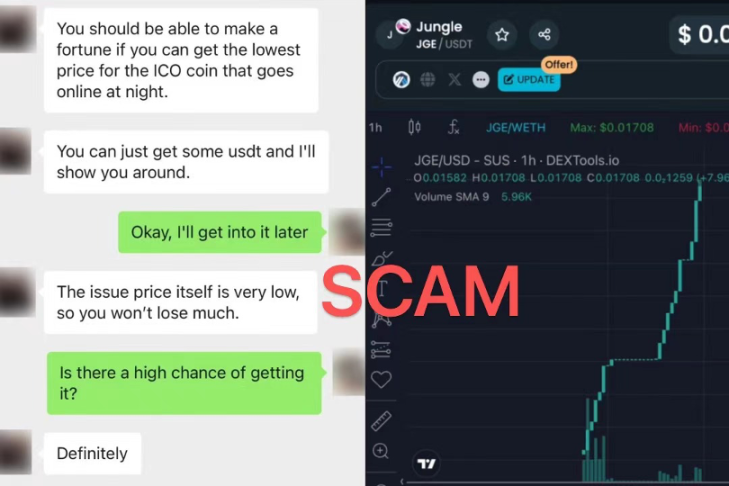
Scam!
Seemingly harmless yet deadly short video QR codes, social media, and emotional scams often exploit people's curiosity, trust, and emotional needs to lure investors into traps. The "Web3 Anti-Fraud Manual" will teach you how to identify these fraudulent behaviors and avoid being deceived from the very beginning.
Incorrect Asset Management Methods: The Big Pit at the Start of Your Crypto Journey
Unlike the centralized account login and verification systems of traditional Web2 platforms, Web3 infrastructures like cryptocurrency wallets do not retain user identity information or account permissions, nor do they have common settings like account cancellation, re-binding, or identity recovery found in traditional internet software platforms. This means that Web3 users must manage their address keys themselves; once lost, they will permanently lose control over their on-chain identity, or their on-chain assets may be stolen due to leaks.
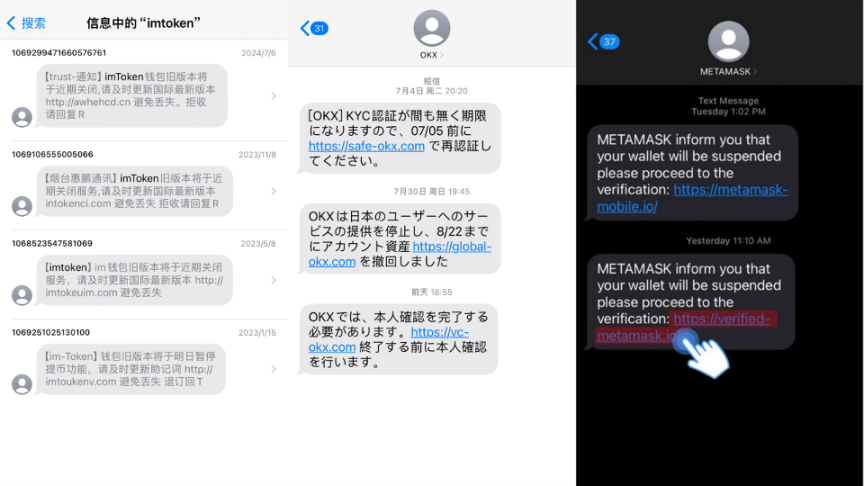
Scam Text Messages
Some thieves take advantage of certain investors' lack of understanding of blockchain wallets to deceive them into revealing their mnemonic phrases, private keys, or wallet operation permissions, thereby stealing their assets. The "Web3 Anti-Fraud Manual" will expose common scams such as fake wallet app theft, multi-signature payment scams, authorization scams, fake Telegram scams, and hardware wallet manual fraud.
When You Start Trading Crypto
Do you believe that there are sustainable financial projects in the crypto market that offer annualized returns exceeding 50%? Do you think that by "staking" idle stablecoins in a certain "mining pool," you can earn money steadily? Do you think that purchasing a certain token to participate in the "official exchange" staking activities will allow you to make easy profits? If your answers are all "yes," then you may be in danger.
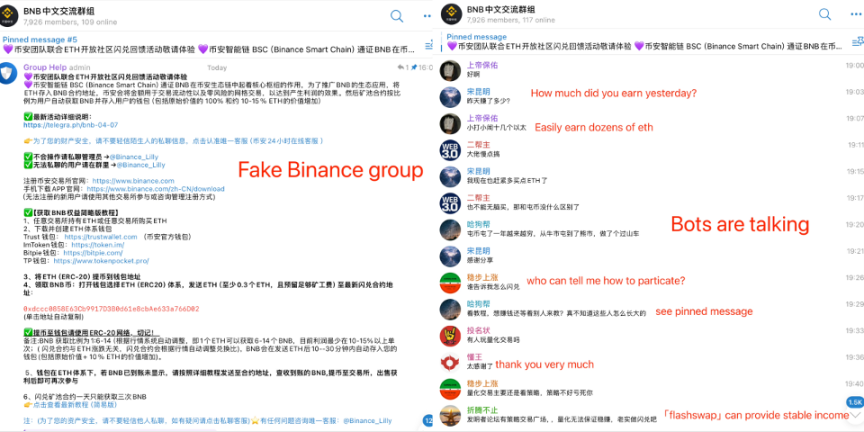
Fake Binance Group Chat Logs
We will explain specific cases and the truths behind high-yield exchange financial scams, PiXiu coin fraud, fake Binance mining pool scams, fake OKX public chain USDT to OKT scams, liquidity exit scams, and more.
Crazy Phishing: Viral Growth
Phishing is an attack method that aims to lure users into revealing sensitive information or performing malicious actions by sending deceptive emails, text messages, phone calls, or websites. In the traditional internet era, such phishing activities were usually aimed at obtaining victims' cash or virtual assets. However, in recent years, with the development of the crypto economy, more and more fraudsters have begun to target crypto.
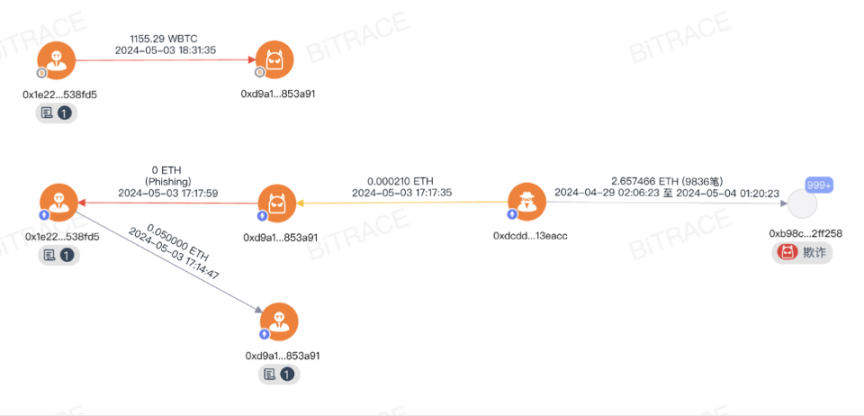
Analysis of the Address Poisoning Case
Address poisoning, advertising tokens, and refund text messages are three common types of online fraud targeting unspecified individuals' crypto assets. The "Web3 Anti-Fraud Manual" will discuss these in detail.
The End of Industrial Division of Labor: Crypto Drainer
A Drainer is a type of malware specifically designed to illegally empty or "drain" cryptocurrency wallets. This software is rented out by its developers, meaning anyone can pay to use this malicious tool.
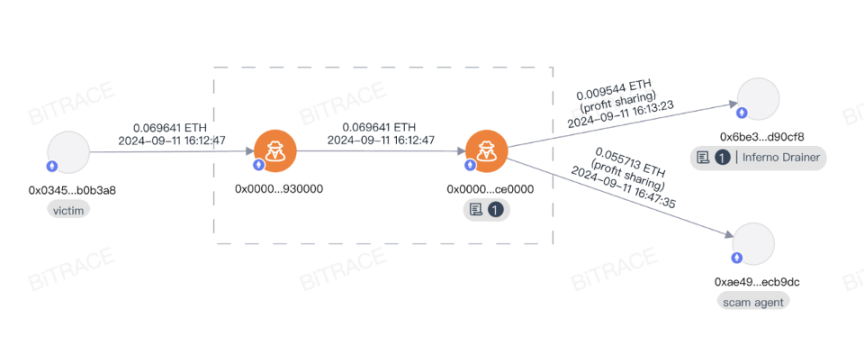
Drainer’s Sharing Model
Crypto Drainers conduct reverse analysis on mainstream cryptocurrency wallet software and modify specific code to obtain target mnemonic phrases. To help agents manage large numbers of mnemonic phrases, they also develop dedicated management backends, allowing agents to transfer victims' funds or multi-signature victims' addresses with one click. Phishing fraud methods such as address poisoning, impersonating official social accounts, and arbitrage scams that deceive victims into granting token permissions are also supported by professional Crypto Drainers providing technical and even operational support.
OTC Trading Fraud: The Weakest Link
In some countries or regions, over-the-counter (OTC) trading is the most commonly used method for cryptocurrency investors to convert fiat currency to crypto. Such OTC activities can occur in centralized platforms, online groups, offline, and various other scenarios. However, regardless of the scenario, OTC activities carry the risk of fraud, including but not limited to being scammed out of fiat currency, crypto funds, or even threats to personal safety.
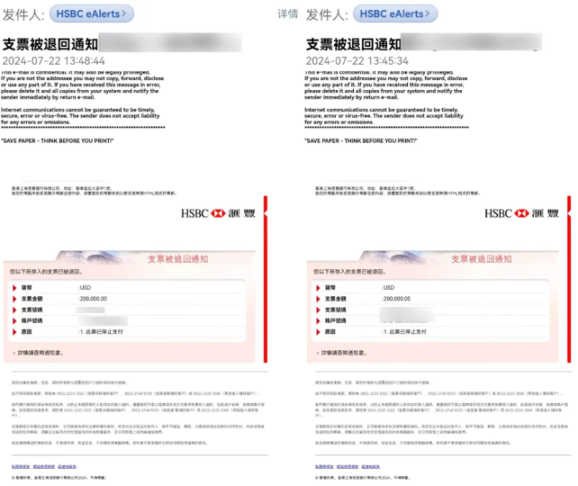
Bad Check Fraud
The "Web3 Anti-Fraud Manual" lists some common fraud methods: exchange coin merchant fraud, offline trading fraud, and offline multi-signature fraud.
In Conclusion
Compared to other fields, the Web3 industry has a higher threshold, which includes understanding technical principles, the cost of using infrastructure, and the barrier to obtaining accurate information. Newcomers who blindly ignore these barriers often fall into traps. At the end of the "Web3 Anti-Fraud Manual," we provide some safety tips and guidance on what victims should do after encountering fraud.
Before you embark on this learning journey, we want to emphasize that anti-fraud is an ongoing process. Fraud methods are constantly evolving, so staying vigilant and continuously learning is key to protecting yourself from fraud. We encourage you to use this manual as a starting point to explore and update your knowledge base, while Bitrace will continue to share and analyze the latest security incidents and interpret the fraud methods involved.
If you need the PDF version of the "Web3 Anti-Fraud Manual," please visit https://bitrace.io/en/blog to download.
免责声明:本文章仅代表作者个人观点,不代表本平台的立场和观点。本文章仅供信息分享,不构成对任何人的任何投资建议。用户与作者之间的任何争议,与本平台无关。如网页中刊载的文章或图片涉及侵权,请提供相关的权利证明和身份证明发送邮件到support@aicoin.com,本平台相关工作人员将会进行核查。


