Nowadays, the term "secondary over-the-counter (OTC) trading market" mainly refers to the trading of locked tokens.
Author: Min Jung
Translation: DeepTechFlow
Abstract
The secondary OTC trading market is a domain where people can buy and sell various assets, including locked tokens, equities, or SAFT (Simple Agreement for Future Tokens, as noted by DeepTechFlow: a legal agreement commonly used for financing blockchain and cryptocurrency projects. It allows investors to provide funds to project teams during the development stage in exchange for future tokens), which are difficult to trade on public exchanges. Nowadays, the term "secondary over-the-counter (OTC) trading market" mainly refers to the trading of locked tokens.
The main sellers in the secondary OTC trading market include venture capital firms, cryptocurrency project teams, and foundations, who are usually driven by the motivation to ensure early profits or manage selling pressure. Buyers can be divided into two categories: "hodlers," who believe in the long-term potential of the tokens and are interested in discounts, and hedgers, who seek to profit from price differentials through strategic financial operations.
As market sentiment becomes increasingly bearish, the secondary OTC trading market is gaining more attention, with tokens often being sold at a significant discount due to limited buyer interest. Nevertheless, this market plays a crucial role in managing liquidity and reducing immediate selling pressure on public exchanges, thereby contributing to the formation of a more stable and resilient cryptocurrency ecosystem.
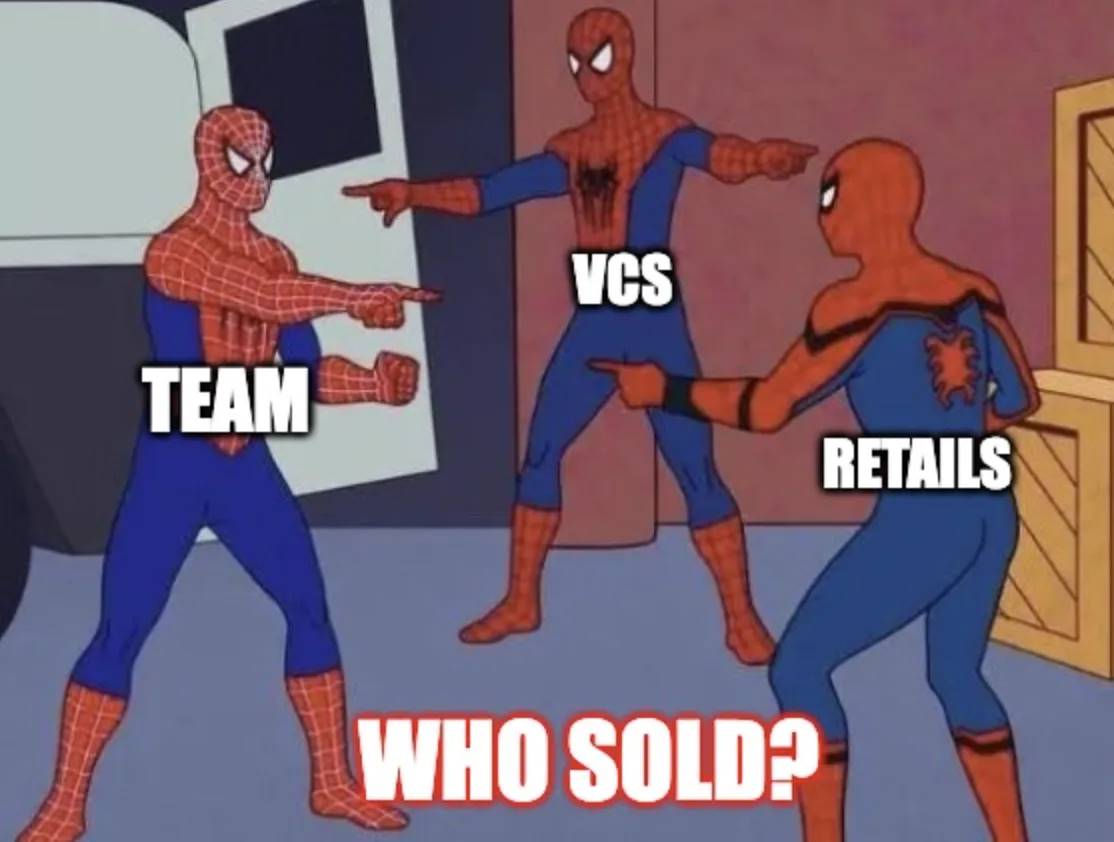
Figure 1: Current market status, Source: imgflip
Introduction
Although the secondary OTC trading market is largely inaccessible to most retail cryptocurrency investors, it is rapidly gaining importance among industry insiders such as venture capital firms, cryptocurrency project teams, and foundations. As the dynamics of the cryptocurrency market evolve, the secondary OTC trading market is becoming an important area for managing liquidity and ensuring profits, especially in environments with high valuations and limited liquidity. Therefore, this report will discuss: 1) what the secondary OTC trading market is, 2) who the participants are and their motivations, 3) perspectives on the current market status, and 4) insights from Taran, the founder of STIX, a platform for private cryptocurrency trading in the OTC market.
What is the Secondary OTC Trading Market?
The secondary over-the-counter (OTC) trading market is a private trading space where buyers and sellers negotiate and trade directly, involving assets such as tokens, equities, or investment contracts, such as SAFT (Simple Agreement for Future Tokens). These trades take place outside of public exchanges. Most of the assets listed in the secondary OTC trading market cannot be traded on regular exchanges such as Binance or OKX for various reasons. As many tokens of cryptocurrency projects are locked, the secondary OTC trading market provides a way for investors and teams to sell these assets before they become tradable (unlocked). Nowadays, the term "secondary over-the-counter (OTC) trading market" mainly refers to the trading of locked tokens, especially focusing on Token Generation Event (TGE) projects or even pre-TGE projects, and this article will mainly discuss the trading of locked tokens in TGE projects.
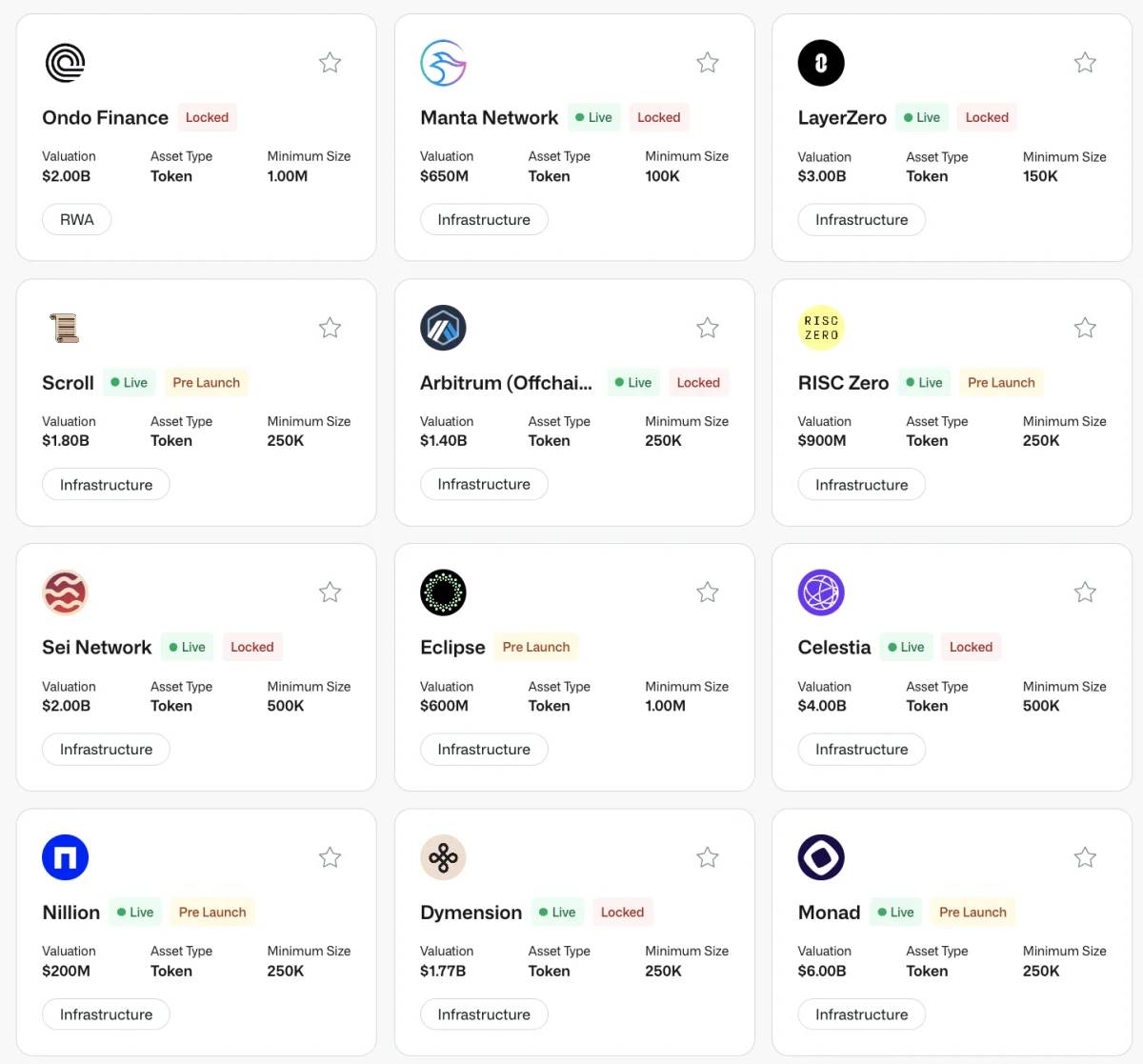
Figure 2: Current state of the secondary OTC trading market, Source: STIX
Why is it becoming an active market?
The primary driver of the thriving secondary OTC trading market is the strong motivation of stakeholders to sell their held assets. Currently, the trading prices of many tokens in the top 20 are traded at almost a 50% discount, with a one-year lock-up period, while tokens from projects outside the top 100 are traded at discounts of up to 70%. For example, a token priced at $1 on exchanges like Binance may only be sold for $0.30 on platforms like STIX, with a one-year lock-up period and additional monthly unlocks for two years.
This trend is consistent with the recent market environment, characterized by high Fully Diluted Valuation (FDV) and low liquidity, as well as negative sentiment towards tokens from venture capital firms. As discussed in the article "FDV is a MEME," a large number of new projects have emerged in the market, but there are not enough corresponding participants or liquidity to support such a large supply. Therefore, as more tokens become unlocked, token prices naturally decline. Additionally, many tokens contribute limited actual value to the market, often being overvalued compared to their actual user base and utility. Recognizing this, the teams and venture capital firms that initially invested in these projects choose to sell now to lock in profits, rather than risk selling at a lower price in the future.
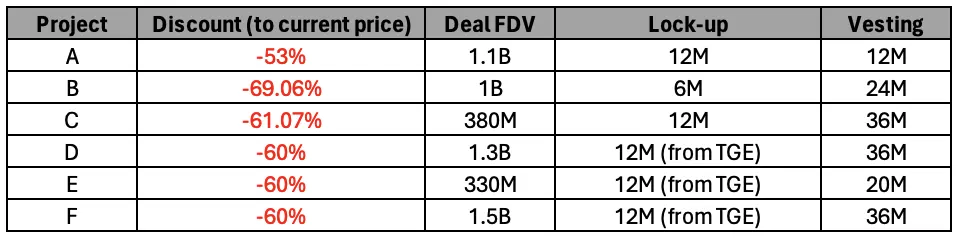
Figure 3: Trades in the current market, Source: Presto Research
Who are the buyers and sellers, and what are their motivations?
Sellers and their motivations
Teams
Even with discounts of 50-70%, project teams can often still remain profitable. Many of these teams consist of small teams (usually 20-30 people) who have built the project in just 2-3 years. Despite the relatively short development cycle and limited initial investment, the FDV of these projects is often evaluated at $3 billion or more. In the Web2 world, it is almost unheard of to create a company valued at $1.5 billion in such a short time with such a small team. In this situation, many projects are tempted to sell their tokens at a discount, realizing the opportunity to secure profits now rather than risk selling at a lower value in the future.
Venture Capital Firms
Venture capital firms face similar situations. Recent market conditions have led to rapid and significant increases in valuations, with seed round financing often taking place within just six months of the previous seed round, at three times the valuation. In some cases, venture capital firms even conduct multiple rounds of financing simultaneously, providing different valuations for investments at the same time. Therefore, many venture capital firms find themselves in a significantly profitable state even considering the 50% discount in the secondary market, unless they invested in the latest stage before the TGE. This environment prompts venture capital firms to sell to lock in their profits. Furthermore, in the current market environment, limited partners (LPs) of venture capital funds are paying more attention to the Distributed to Paid-In (DPI) metric, further motivating venture capital firms to achieve returns and reinforcing the trend of selling in the secondary OTC trading market.
Foundations
The motivations of foundations participating in the secondary OTC trading market may be slightly different. While some foundations may realize the overvaluation of their tokens and seek to sell quickly, others may take a more strategic approach. A common strategy is to sell unlocked tokens to investors at a discount, with a one-year lock-up period. This approach reduces immediate selling pressure in the public market while still allowing the foundation to raise necessary funds for operations. In many cases, this type of transaction can be seen as a more proactive or "bullish" use on the secondary OTC trading market, as it balances the need for operational funds with the goal of maintaining market stability.
Buyers and their motivations
Hodlers
In the secondary OTC trading market, the first type of buyers are those who see the long-term potential of the tokens. These individuals are often referred to as "hodlers," dedicated to the success of the project and willing to purchase tokens at a 50% discount, intending to hold them for several years. For these buyers, the opportunity to purchase tokens at a significant discount is highly attractive, as they plan to maintain their investment in the project for the long term, expecting the value of the tokens to rise as the project develops. The high discount rate provides them with a good entry opportunity, allowing them to accumulate more tokens at a lower cost.
Hedgers
Buyers and their motivations
Hedgers
The second type of buyers are those seeking to profit from this. These buyers are referred to as "hedgers," who use perpetual swaps and other financial instruments to lock in profits from discounted tokens. By purchasing tokens at a 50% discount and shorting, they can lock in returns equivalent to the discount. Additionally, if the funding rate is positive, they can also earn funding fees, further boosting their returns. This approach allows hedgers to take advantage of the price differential between the secondary OTC trading market and the public market, making it a profitable strategy for those skilled in managing financial risks.
Why can't sellers become hedgers?
While it may make sense for sellers (such as venture capital firms and project teams) to hedge their positions like buyers instead of selling at a significant discount, there are several factors that make this approach impractical, such as regulatory barriers and liquidity constraints.
In terms of regulatory challenges, venture capital firms are often subject to strict rules that limit their participation in certain financial activities, such as shorting tokens – an important part of an effective hedging strategy. In addition to these regulatory limitations, hedging itself requires a significant amount of capital to avoid liquidation risk. Sellers need to provide a large amount of collateral, often exceeding the value of the tokens they are trying to hedge, because while the downside risk of token prices is limited, the upside potential is unlimited. This creates a financially demanding situation for hedging, especially considering that the wealth of most venture capital firms and project teams is locked in tokens rather than in liquid cash. Furthermore, hedging is not as simple as it seems. Many complex factors need to be considered, such as counterparty risk – for example, the potential risk of platform failure or bankruptcy (as seen with FTX) – and the risks associated with funding fees, which can suddenly turn negative, further complicating the strategy and potentially leading to unexpected losses.
Some thoughts
What does the current market situation imply?
Currently, the secondary OTC trading market exhibits a more bearish sentiment than public exchanges, with buyers being scarce even when tokens are sold at discounts of up to 70%. This contrasts sharply with public exchanges, where investors typically receive compensation for shorting tokens through positive funding rates. While understanding the intentions of secondary market participants is crucial, this trend may reflect a cautious attitude among insiders in response to current conditions.
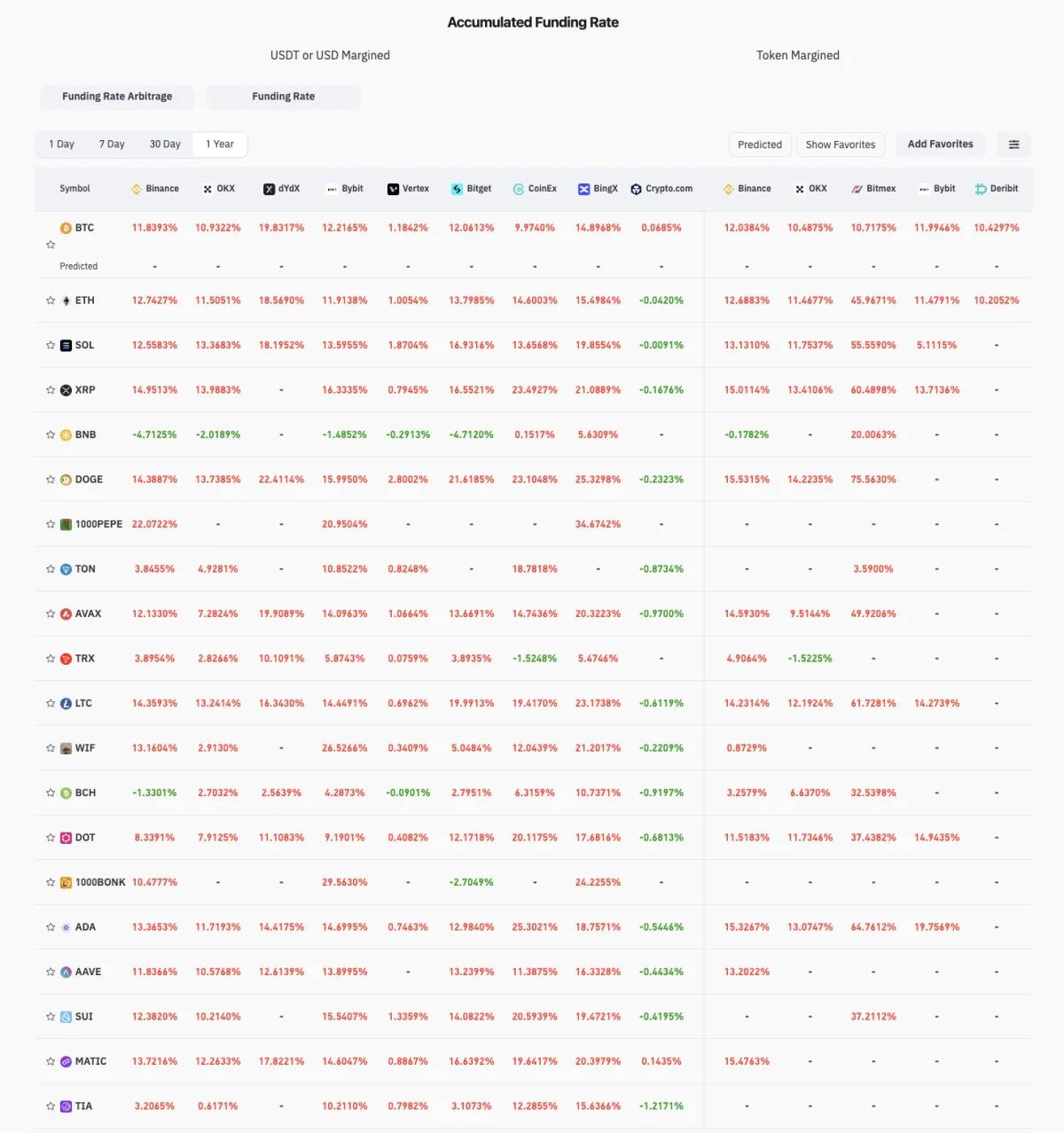
Figure 4: Cumulative funding rates for most tokens are positive over one year, Source: Coinglass
The role of the secondary OTC trading market
Despite the bearish market sentiment, it is important to recognize that the activities in the secondary market are not entirely negative. In fact, an active secondary market is crucial for the overall health of the cryptocurrency ecosystem. By facilitating the transfer of tokens between sellers and buyers, the secondary market allows for profit-taking outside of traditional trading venues. This process helps mitigate the impact of large token unlocks, historically seen as bearish events, as they often bring greater selling pressure to the market. By facilitating these transactions off-exchange, the secondary market reduces immediate selling pressure on retail investors during token unlocks. This change helps to form a more stable and resilient market, where token unlocks no longer inevitably lead to sharp price declines, but instead support a healthier, more balanced market environment.
Q&A with Taran, Founder of STIX
Who are you, and what is STIX?
I am Taran, the founder of STIX, a platform for private cryptocurrency trading in the OTC market. It was established in early 2023 with the aim of providing structured solutions for those looking to engage in secondary trading in the cryptocurrency space. Our main sellers include team members, early investors, and treasuries looking to sell concentrated locked token positions. The main buyers include whales, family offices, and hedge funds.
How do you view the development of the secondary OTC trading market in the broader cryptocurrency ecosystem?
The recent pullback of emerging tokens indicates that these protocols experienced a surge in prices in early 2024, mainly due to their low circulation (demand exceeding supply). However, once the market shifted to risk aversion in the second quarter, these tokens suffered a significant blow, with many tokens dropping by over 75%. Many of these tokens experienced large-scale continuous unlocks, which were almost immediately sold in the market, further impacting prices. Examples include Arbitrum, Starknet, Worldcoin, Wormhole, and others.
In the first and second quarters, the same assets were traded in bulk in the OTC market, mainly by early investors, to reduce risk and shift to more liquid assets (such as BTC, ETH, etc.), at discounts ranging from 70-80%. Data shows that most tokens were overvalued by at least 5x, and further declined after introducing new circulating supply.
Our push for OTC price transparency in 2024 (see here) has drawn attention to the importance of the OTC market. Buyers have multiple opportunities to purchase distressed positions, and sellers can also engage in off-exchange trading without causing market impact.
These transactions also involve a third party: project teams. Teams may decide to block OTC trading for various reasons (see here).
The importance of the secondary market lies in:
Removing motivated sellers from your capital table, preventing them from selling on the order book
Introducing new, motivated holders with a higher cost basis
Increasing the average cost basis of private holders
Future supply control (introducing new vesting periods, etc.)
Ensuring no dark pool trading and complete visibility into OTC trades
What are the main trends or topics in the current secondary OTC trading market?
Two main trends:
For protocols with no excessive fundraising, treasuries now seek to build cash reserves. We support structured off-exchange financing for multiple protocol treasuries, where buyers purchase at favorable prices (with staged unlocks over a certain period), while treasuries increase their cash reserves. This allows treasuries to achieve diversification, reduce risk, and ensure that teams have enough time to respond to competition.
Smart trading firms have clear arbitrage opportunities: purchasing at favorable prices off-exchange and managing hedges on exchanges, often involving funding fees. This funding fee/off-exchange arbitrage is prevalent across hundreds of tokens and is a very favorable market-neutral strategy for mature trading firms.
Do you think the trend of a buyer's market will continue? What are your short-term and long-term views?
I don't think the funding fee/off-exchange arbitrage for most tokens will end soon, as their unlocking periods still have 2-3 years to go, and most tokens have positive funding fees.
The secondary market has clear cyclicality: in 2023, the vast majority of off-exchange trading volume was for assets not yet listed, mainly because protocols that received a large amount of venture capital had not yet gone live. Now most of these protocols have gone live, and the market has shifted to trading locked token blocks, which are generally less risky, as spot/perpetual markets are mostly established and there is a wealth of data for analysis.
With continuous unlocks every month, sellers also have the opportunity to continue risk management on exchanges and are not necessarily forced to engage in off-exchange trading. However, assets still on the unlocking cliff (such as Ethena, Layerzero, IO.net, Aethir, etc.) continue to provide opportunities for buyers to find the best trades.
If tokens rise in September and October, many sellers will contact STIX to exit, as they have realized that reducing risk is always wise. Many sellers who did not want to engage in off-exchange trading in the first quarter now hope to exit at better prices than in the second/third quarter. However, I do not think buyers are optimistic about these premiums, which is why I believe the buyer's market will continue into 2025.
免责声明:本文章仅代表作者个人观点,不代表本平台的立场和观点。本文章仅供信息分享,不构成对任何人的任何投资建议。用户与作者之间的任何争议,与本平台无关。如网页中刊载的文章或图片涉及侵权,请提供相关的权利证明和身份证明发送邮件到support@aicoin.com,本平台相关工作人员将会进行核查。


