Author: HAMSTER
In the previous BTC L2 article, we took stock of four solutions: BEVM, Merlin, B² Network, and BounceBit. With the landing of the Bitcoin halving, the landscape of BTC L2 has also undergone new changes. The Merlin token was launched and the staking was initiated, while Bouncebit also launched the Binance Megadrop. However, contrary to expectations, the performance of MERL was not satisfactory, sparking controversy in the market about the necessity of BTC L2 track.
This article selects Mezo, BOB (Build on Bitcoin), and Spiderchain (Botanix), three L2 projects with a more Western background, to further explore the advantages and disadvantages of second-layer solutions and their impact on the BTC ecosystem.
Key Excerpts
Mezo, as a BTC L2 network, greatly expands the infrastructure of Bitcoin through its innovative concept of "Bitcoin Economic Layer." This layer achieves faster and more economical transactions and introduces neutral smart contract infrastructure, enabling Bitcoin to be used for a wider range of practical applications and promoting the prosperity of the economic cycle system.
BOB is an innovative hybrid L2 network that combines the features of Bitcoin and Ethereum, aiming to bridge the innovation gap in the Bitcoin ecosystem. By introducing Rollup technology and trustless bridging, BOB enhances transaction processing capacity and scalability while maintaining the security of Bitcoin. It supports EVM compatibility, allowing developers to deploy Ethereum dApps on Bitcoin.
Spiderchain is a fully decentralized EVM-equivalent BTC L2 solution that enhances the programmability and scalability of Bitcoin through a series of distributed multi-signature wallets. The system directly supports smart contracts and decentralized applications on Bitcoin without changing the core consensus mechanism, leveraging Bitcoin's security while achieving EVM compatibility.
Detailed Introduction
Mezo: The First "Bitcoin Economic Layer"
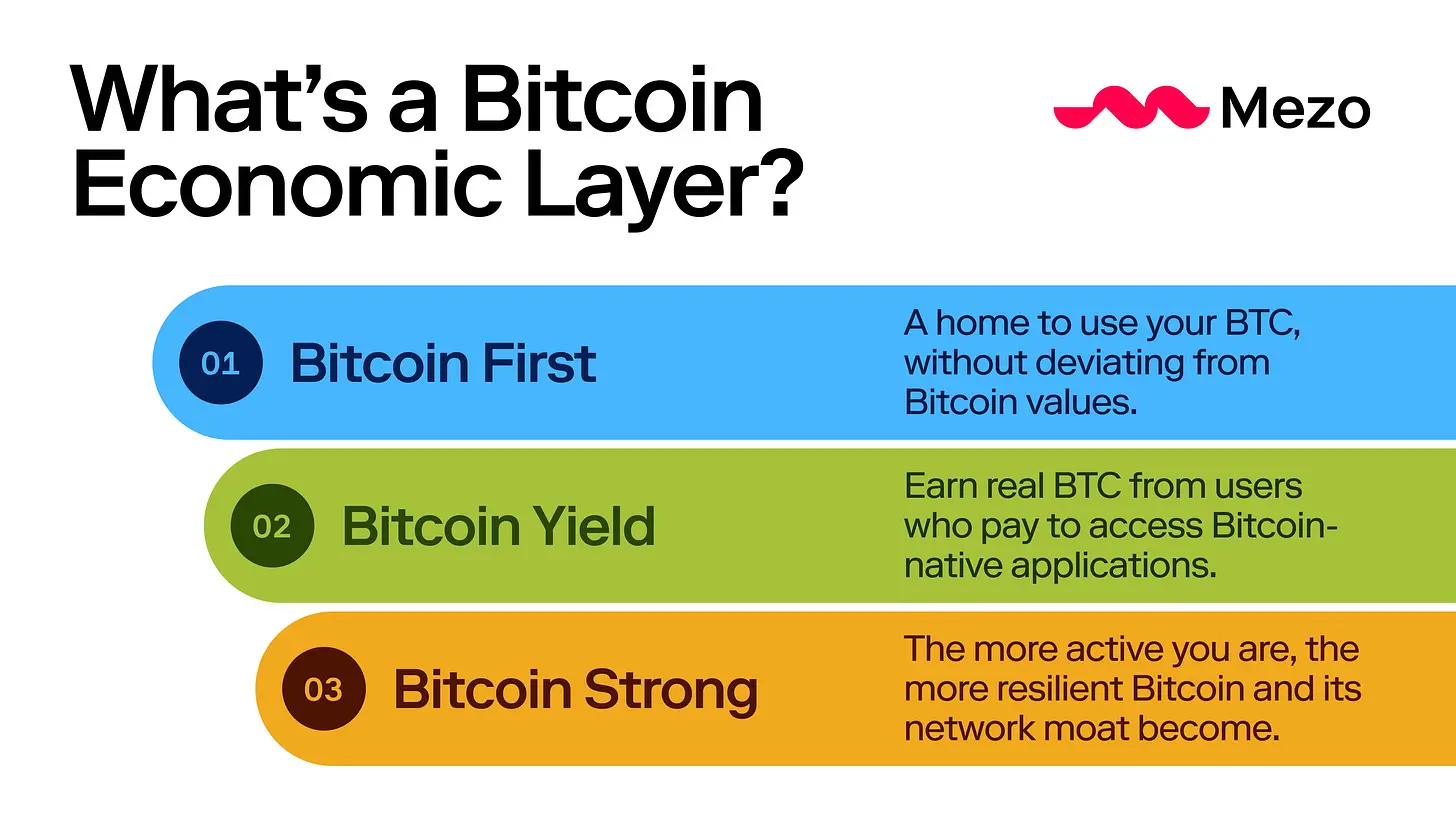
Mezo is a BTC L2 network built on the trust-minimized Bitcoin cross-chain bridge tBTC. Launched by the studio Thesis behind tBTC, it aims to expand Bitcoin's infrastructure to support faster and more economical transactions while remaining faithful to the core principles of the Bitcoin network. This layer is called the "Bitcoin Economic Layer," allowing users to access various real applications using Bitcoin through the use of neutral smart contract infrastructure, thereby promoting a prosperous economic cycle system.
In Mezo, network participants are incentivized by distributing Bitcoin rewards, designed to serve a broad user base rather than just miners, to stimulate more user participation and activity. All gas fees in the network are paid in BTC, ensuring that all values in the network are denominated in Bitcoin, thereby supporting the network's security. Users can earn actual Bitcoin rewards by staking Bitcoin, aiming to enhance the security and resilience of the Bitcoin network by increasing user activity without diluting the value of Bitcoin.
Additionally, Mezo adopts the "Proof of HODL" consensus mechanism, allowing Bitcoin holders to lock BTC and MEZO tokens to protect the network and verify transactions through the CometBFT consensus algorithm. On the Mezo platform, users can generate HODL points based on the deposit time, scale, and duration after locking their BTC. Furthermore, Mezo operates on an invitation basis, where invitees can earn a certain percentage of points from the invitees, which will be converted into earnings when the Mezo mainnet goes live.
Mezo has completed a $21 million Series A financing round with support from multiple investors, including Pantera Capital, Multicoin, Hack VC, and Draper Associates, following its $4.1 million seed round. The purpose of this round is to support Mezo's further development and expansion.
In summary, Mezo's design aims to expand the core functionality of Bitcoin by establishing a Bitcoin economic layer, ensuring transaction speed and economy while ensuring the ownership of value and fees in Bitcoin itself. This design not only enhances the functionality of the Bitcoin network but also increases the scarcity of Bitcoin, providing more security for future Bitcoin mining and security.
BOB: Innovative Solution for Cross-Chain Interaction by Combining Bitcoin and Ethereum
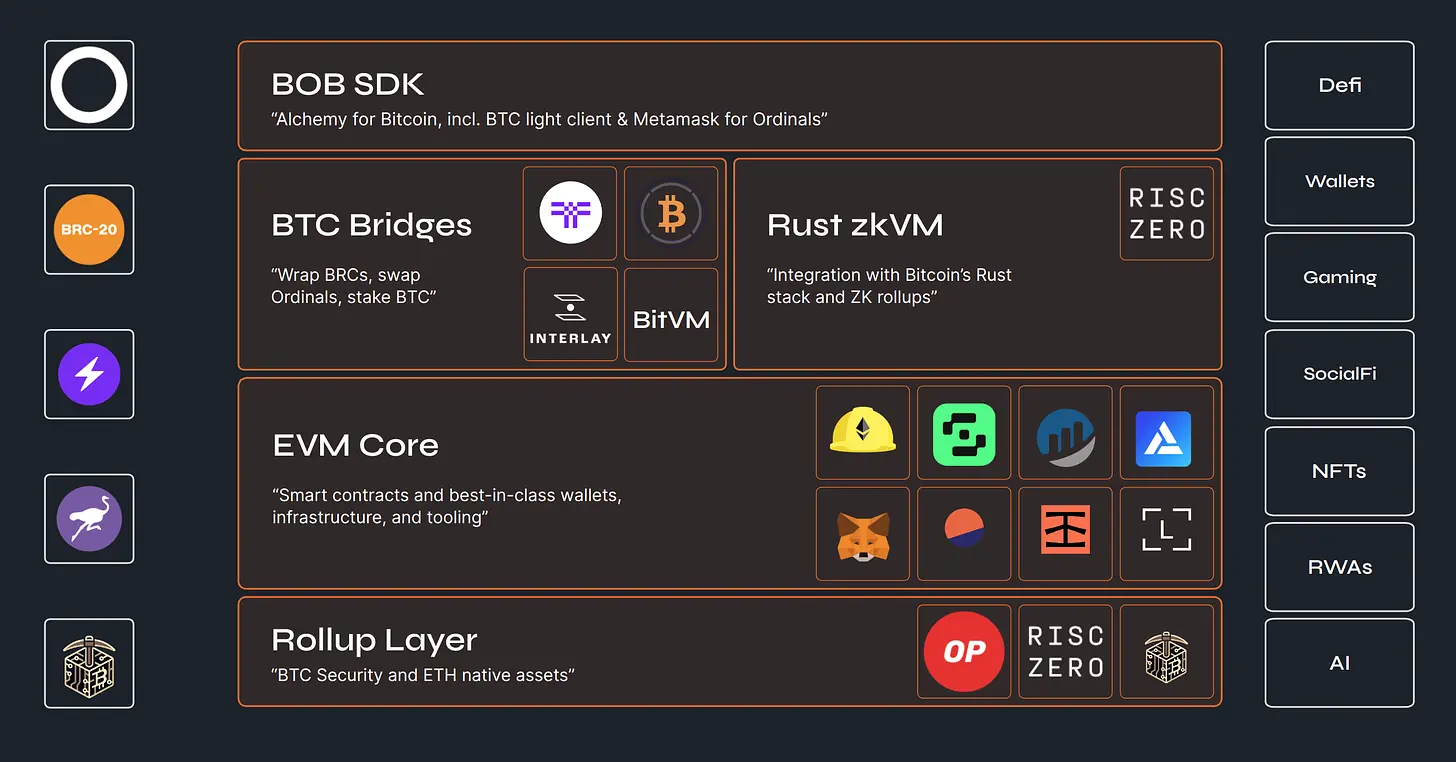
BOB (Build on Bitcoin) is an innovative hybrid L2 network that aims to bridge the innovation gap in the Bitcoin ecosystem by combining the functionalities of Bitcoin and Ethereum. BOB utilizes Ethereum's smart contracts and advanced features of EVM, adopting a rollup technology framework to enhance transaction processing capacity and scalability while maintaining the strong security features of Bitcoin.
The core architecture of BOB includes:
Rollup Solution: BOB's Rollup technology development is divided into three stages. In the initial stage, Optimistic Rollup is used on Ethereum to achieve final settlement of transactions on Ethereum L1. In the mid-term, it reduces reliance on sequencers by combining Bitcoin's PoW and merge-mining technology. In the final stage, it integrates Bitcoin's Optimistic Rollup with Ethereum's ZK/Optimistic Rollup, using BitVM technology to handle fraud proofs and settlements on the Bitcoin chain.
Protected by BTC PoW: As the final transaction confirmation occurs on the Bitcoin blockchain, it benefits from the same level of security provided by BTC's PoW consensus mechanism.
Trustless Bridging Technology: BOB achieves seamless asset transfer and interaction between the Bitcoin and Ethereum blockchains, allowing users to use Ethereum dApps, stablecoins, and other DeFi applications within the Bitcoin framework, introducing the rich innovations of the Ethereum ecosystem to Bitcoin users without compromising the security and stability provided by Bitcoin.
EVM Compatibility: This means that BOB can support the construction of decentralized applications using the Ethereum programming model, attracting developers and users from both ecosystems. This dual-chain functionality not only expands the range of possible applications on Bitcoin but also enhances user participation by leveraging the established user base and developer community of Ethereum.
BOB has completed a $10 million seed round financing, attracting participation from several well-known investors, including Castle Island Ventures and Mechanism Ventures. Additionally, BOB has further strengthened its platform development and expansion through a strategic partnership with Marathon Digital's Anduro.
In summary, BOB represents an important advancement, combining the security and liquidity of Bitcoin with the innovation and flexibility of Ethereum, providing a powerful platform for future blockchain development and user participation.
Spiderchain: A Fully Decentralized EVM Equivalent BTC L2
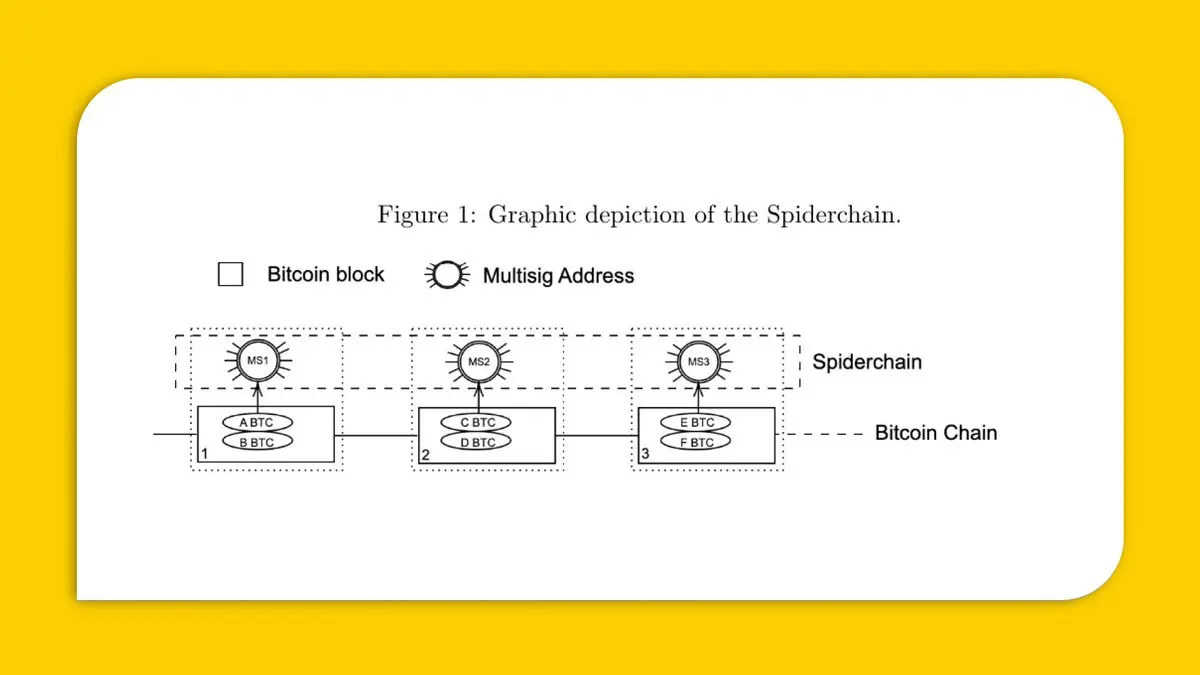
Spiderchain, developed by Botanix Labs, is a fully decentralized EVM-equivalent BTC L2, a bidirectional pegged sidechain solution. It enhances the programmability and scalability of Bitcoin through a series of distributed multi-signature wallets. These multi-signature wallets form the core architecture called the "Spiderchain," where each "spider leg" symbolizes a unique participant (Orchestrators). Each participant not only runs a Bitcoin node but also runs a Spiderchain node, responsible for managing peg-in and peg-out requests on the chain and ensuring the integrity of network transactions.
Unique to Spiderchain, a new block is generated every 12 seconds, anchored to the Bitcoin chain, ensuring the finality of transactions. This design not only retains Bitcoin's original UTXO model but also supports an account-based operation mode, increasing the system's flexibility and scalability. In this way, Spiderchain aims to combine the security of Bitcoin with the flexibility of EVM, providing a platform for developers to run smart contracts and decentralized applications directly on Bitcoin.
Additionally, Spiderchain's multi-signature wallets are sequentially connected and involve continuously changing participant combinations. This continuously updated mechanism requires consensus among participants, greatly enhancing the system's ability to resist external attacks. Attackers need to gain sufficient control in the ever-changing participant structure, significantly increasing the difficulty of attacks. This design allows for the deployment of EVM-compatible smart contracts without changing the Bitcoin core protocol, not only ensuring security but also greatly expanding Bitcoin's use cases.
Furthermore, Spiderchain's "forward security" design ensures that even if attackers gain control, they cannot access Bitcoin locked by old multi-signature wallets, significantly increasing fund security.
In Spiderchain's design, by adding a PoS-based system on top of Bitcoin's existing protocol, developers can deploy their dApps directly into the Bitcoin ecosystem without changing Bitcoin's core consensus mechanism. This design not only improves the network's capital efficiency but also strengthens security and decentralization by optimizing the size and coordination mechanism of multi-signature wallets. Additionally, this design allows Spiderchain to leverage Bitcoin's security while supporting EVM-compatible smart contracts and decentralized applications, greatly expanding Bitcoin's functionality.
Botanix Labs, the company behind Spiderchain, has raised a total of $2.95 million. Investors include Curiosity Cap, Metamatic Group, Primitive Ventures, Syndicate One, and Web3.com Ventures.
In conclusion, Spiderchain provides a new second-layer solution for Bitcoin, supporting complex smart contracts and decentralized applications while maintaining Bitcoin's decentralization and security. These features may make Spiderchain an important bridge connecting Bitcoin and a wide range of decentralized financial applications.
Conclusion
The designs and implementations of Mezo, BOB, and Spiderchain demonstrate ongoing innovation in the scalability, security, and interoperability of the Bitcoin ecosystem. Mezo enhances the economic activity of the Bitcoin network through trust-minimized bridging and incentive mechanisms; BOB provides an innovative solution for cross-chain interaction by combining Bitcoin and Ethereum; and Spiderchain supports complex smart contracts and decentralized applications through its unique bidirectional pegged sidechain solution, significantly expanding the functionality of Bitcoin. These platforms not only showcase technological progress but also open up new possibilities for the diversification of future blockchain applications.
As for whether the BTC ecosystem really needs L2, I believe that market demand and technological development will provide the best answer.
免责声明:本文章仅代表作者个人观点,不代表本平台的立场和观点。本文章仅供信息分享,不构成对任何人的任何投资建议。用户与作者之间的任何争议,与本平台无关。如网页中刊载的文章或图片涉及侵权,请提供相关的权利证明和身份证明发送邮件到support@aicoin.com,本平台相关工作人员将会进行核查。


