Market makers are almost always buying and selling, making the market more liquid and easier to interact with while making a profit.
Mystery
In the world of cryptocurrency, the term "market maker" has a mysterious and sometimes ominous meaning. In this article, we will share a simple explanation of the true meaning of market makers.
Market makers and liquidity providers are the core infrastructure of all financial industries. We will debunk some common misconceptions about market makers and simplify some confusing jargon.
1) Three Types of Market Makers
Voluntary Market Makers: Market makers have a strategy to make small profits on every unit of trade.
This may involve arbitrage (benefiting from price differences by making a "runner" travel back and forth between a large record store in the city center), or by leading others to discover market trends (a market maker's employee notices a large group of Nirvana fans coming to the market, so he raises all prices before they arrive and releases rare versions).
Voluntary market makers use their ability to predict short-term price changes to profit for themselves and, as a byproduct, create liquidity in the market.
Designated Market Makers (DMM): Even if market makers incur losses in certain trades, incentivized market makers will continue trading as long as the market benefits.
Market or token owners incentivize market makers with fees, rebates, or other benefits per trade to provide liquidity for their market.
This type of market maker focuses on making the market more liquid and efficient, enabling other participants to trade.
AMM (Automated Market Makers) in DeFi: This new type of market making deserves its own place. Here we will only say that it is completely different from traditional market making!
2) Maker and Taker
In exchanges, every order has a maker and a taker.
If we liken the market to a store, the store is always the maker, and the customer is always the taker. The store provides goods and sets prices, and the customer can choose whether to transact and pay the listed price.
The taker is an active participant in the market. The taker selects and "takes" a quote from the market, completing the transaction.
Selecting a quote (either to buy or sell) outside the exchange's order book is considered accepting a market order.
The maker is a passive participant in the market—they provide quotes that other participants can choose from. But the maker can never complete a transaction. The maker is the counterpart to the taker in the trade.
Makers propose buying or selling, patiently sitting in the order book until someone picks them from the market. Once selected, the exchange executes the trade and transfers the goods.
Market makers are often makers
As asset prices fluctuate, market makers automatically adjust the prices of all orders (quotes) using algorithms.
Typically, many quotes from market makers are created by market makers. Exchanges usually offer lower fees for market maker trades to incentivize complete order books, making the market more liquid and attractive to traders.
Market makers are crucial in the market to ensure liquidity and attractiveness for users and institutions to trade. They ensure the following:
- Both buyers and sellers have orders, increasing market depth.
- The spread between mid-market prices is optimized: the distance between the best bid and the best ask (bid/ask spread) is optimized. Without market makers, the spread (and the attractiveness of trading) depends on organic buying vs. selling pressure.
- There is enough capital on the books so that if someone wants to trade a significant amount of assets, they can.
Tokens give camels water to drink, and market makers ensure there is enough fresh water.
3) Analogy of Nirvana Fans in the Record Market
The best way to explain market making is through an analogy.
A Nirvana fan wants to set up a booth at a record fair so that other fans can buy and sell Nirvana records. He puts up a sign that says, "Trade Nirvana records here."
As a Nirvana fan, he only has a few spare records in his collection to sell, and he does not want to buy any records because he already has almost all the Nirvana records he wants, including rare versions.
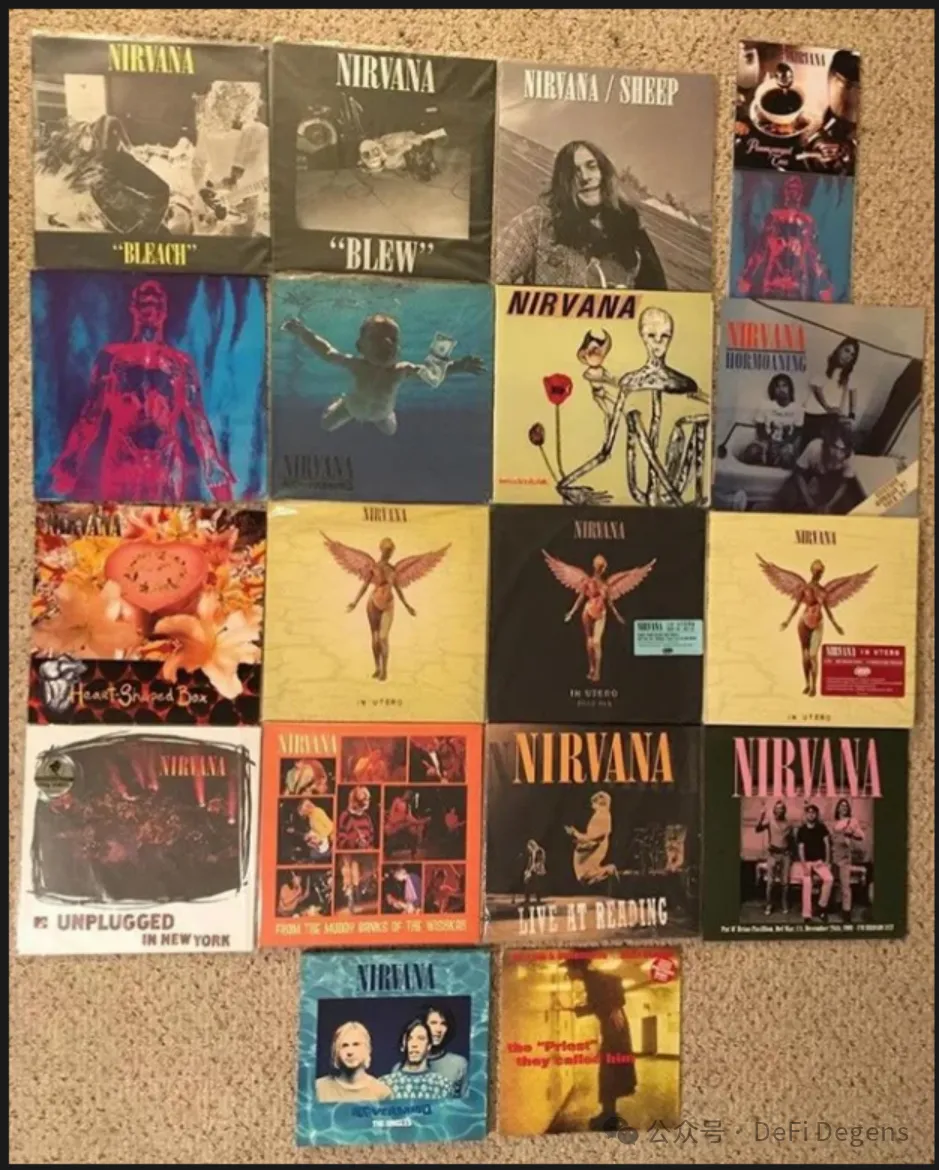
Source: Reddit
This market would be disappointing: once he sells his few records, the booth will be empty. Later, if you really want to buy or sell a Nirvana record, you would need to wander around the booth all day, waiting for the right person to show up, but even then, rare sellers might try to raise prices because you as a buyer might seem desperate.
Solution: The Nirvana fan hired a "record market maker".
This record market maker has a large number of Nirvana records and a lot of cash, and he is always willing to buy and sell Nirvana records at fair prices. He is also willing to turn around and sell the records he just bought to make a little money.
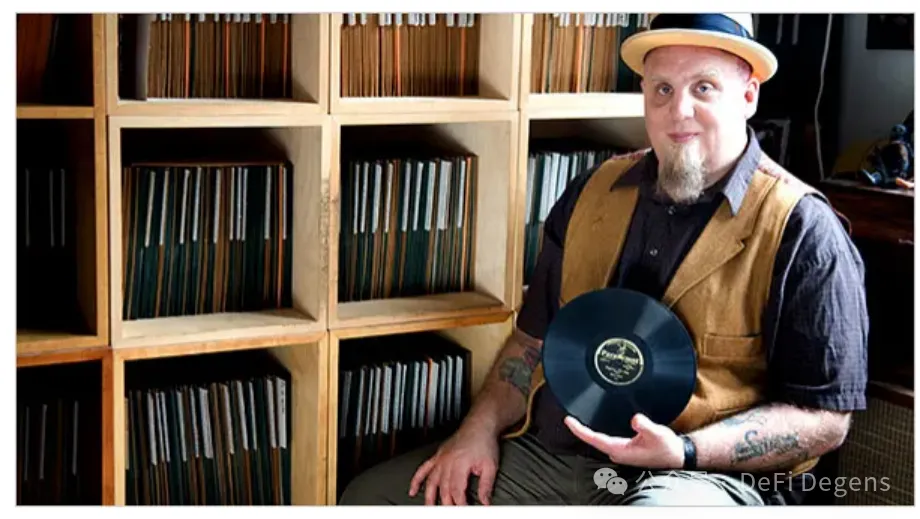
Source: The New York Times
If a new Nirvana fan shows up with a lot of money, he can reach into his record box and sell any Nirvana records the new fan wants.
If an old fan wants to get rid of his entire record collection, he is willing to buy them at a reasonable discount and happily return all these records to the market.
The record market maker effectively creates or makes a market.
Without market makers, record-breaking trades would be slow, unstable, unfairly priced, in other words, inefficient or illiquid.
Capital market market makers operate in a very similar way, providing the same function in trading in any market in the world. The Nirvana record fair is an extreme example, but it also illustrates the point. Market makers are almost always buying and selling, making the market more liquid and easier to interact with.
免责声明:本文章仅代表作者个人观点,不代表本平台的立场和观点。本文章仅供信息分享,不构成对任何人的任何投资建议。用户与作者之间的任何争议,与本平台无关。如网页中刊载的文章或图片涉及侵权,请提供相关的权利证明和身份证明发送邮件到support@aicoin.com,本平台相关工作人员将会进行核查。


