Written by: Eli Tan
Compiled by: Luffy, Foresight News
On a recent Tuesday night, the second floor of a newly opened internet cafe in Quezon City, 10 miles from Manila, was packed with about 20 people. They sat in front of computers equipped with 34-inch curved monitors, playing video games like "Heroes of Mavia" and "Nifty Island," with music from Taylor Swift and Maroon 5 playing through the speakers.
Playing these games can be a full-time job, and some of Bon's customers have settled in, eating pizza to replenish their energy. These games reward players with cryptocurrency tokens for completing daily challenges. Typically, players exchange their tokens for the local currency, the peso, earning about twice the minimum daily wage in the Philippines.

A man walks past a building with a small sign reading "NFT X STREET," the name of an internet cafe.
For 40-year-old Bon, who had dreamed of a thriving business of his own after the cryptocurrency market crash two years ago, the hope for the development of the gaming community was shattered.
"There's one thing I have to say, 'I believe in this.' I have to hold on to hope," said Bon, a former IT worker. "We survived."
Bon's new internet cafe marks a resurgence of cryptocurrency in the Philippines, which has long been a center of cryptocurrency activity. This month, Bitcoin hit a historic high, rebounding from the 2022 market crash and driving up other cryptocurrencies like Ethereum.
New billboards for cryptocurrency companies are now appearing across Manila. People have started reaping virtual crops from a cryptocurrency game called Pixels as a new source of income. Overseas Filipino workers, known as OFWs, are also returning to the country to earn cryptocurrency, now identified as metaverse Filipino workers, or MFW.
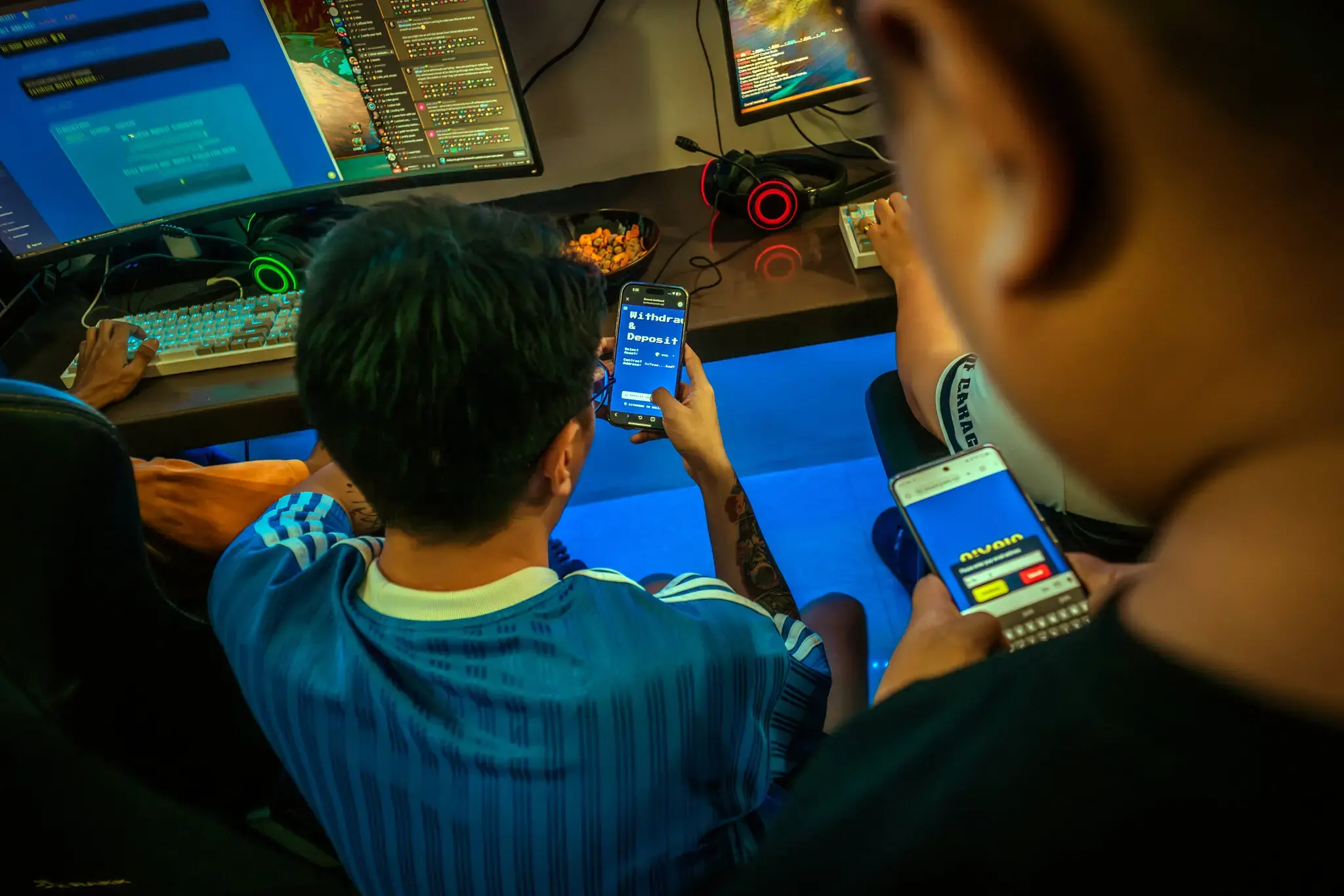
Players in the internet cafe check their cryptocurrency wallets on their phones.
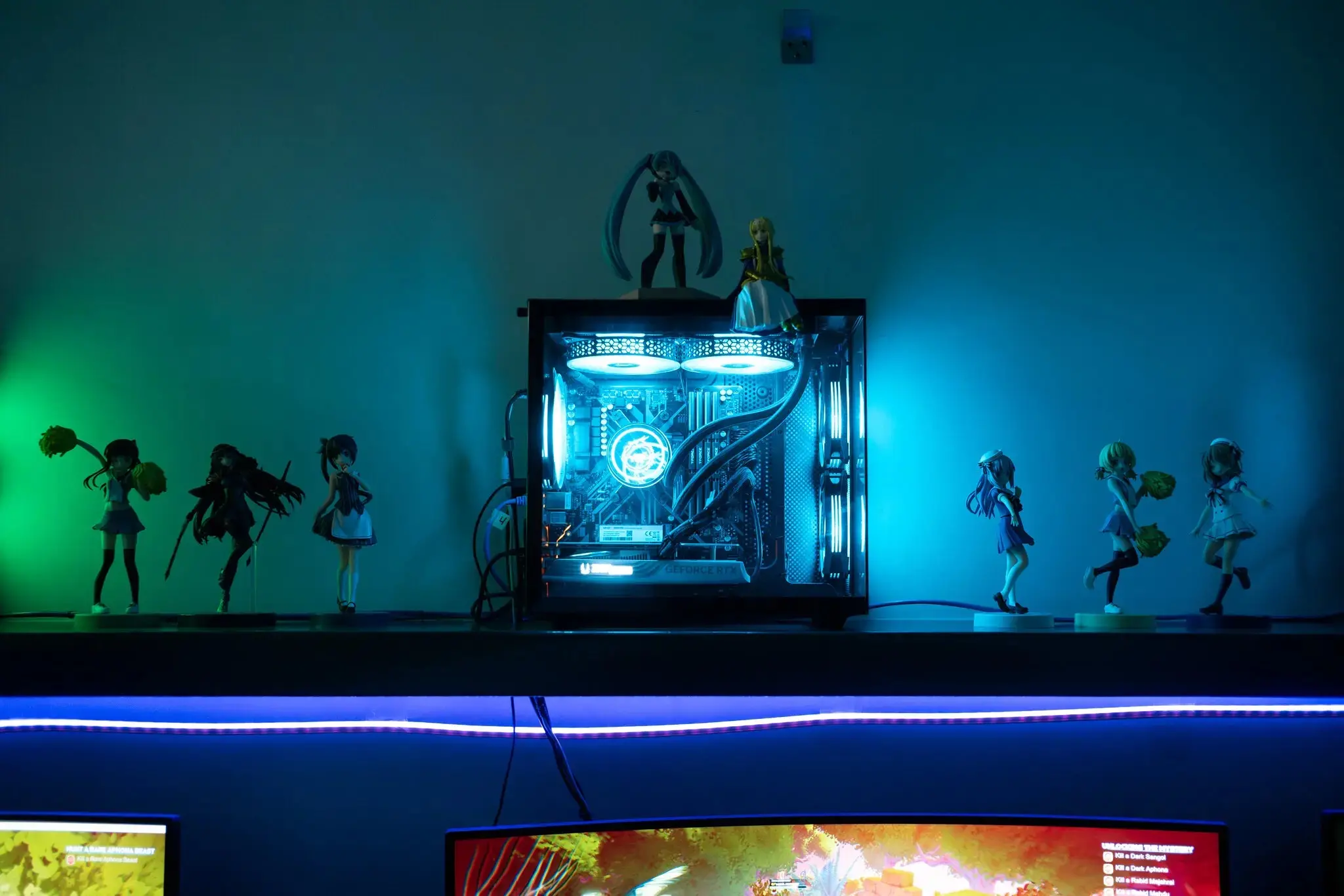
The internet cafe is decorated with anime characters.
According to data from the research firm Chainalysis, the value of cryptocurrency transactions in the Philippines grew by 70% in November and December compared to September and October, reaching $7.3 billion.
The number of Filipino players of Pixels surged from 80,000 in November last year to over 830,000 in March, according to the game's developer. They stated that approximately 30% of cryptocurrency video game players worldwide are from the Philippines.
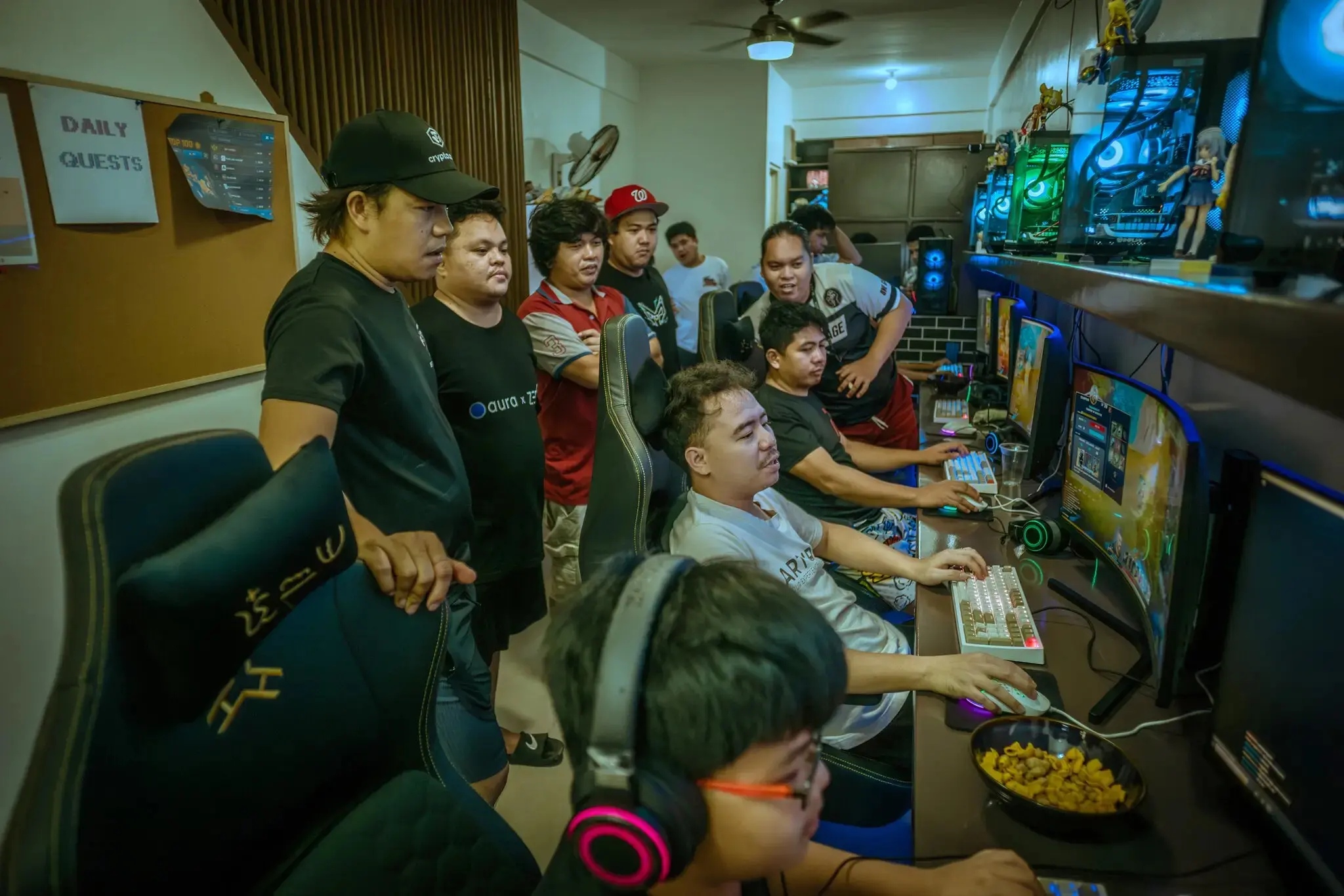
Joniel Bon and a group of people watch others play video games.
The resurgence of cryptocurrency gaming activities has left some Philippine officials hesitant. At a cryptocurrency conference held in Manila in November, Kelvin Lee, a former member of the country's Securities and Exchange Commission, expressed the government's efforts to address regulatory issues as this technology regains popularity.
Cryptocurrency has long been a center for fraud and scams. The tokens distributed by cryptocurrency games are more volatile than Bitcoin and Ethereum, which means that prosperity could once again be shattered.
"We hope to have a safe space to operate well," said Lee, acknowledging that a strong cryptocurrency industry can help the Philippines, which heavily relies on outsourcing customer service and IT work. "If the industry itself looks unruly, difficult to operate, and illegal, how can you operate well?"
Lee, who left the Securities and Exchange Commission this month, declined interview requests. Last month, the Philippine central bank announced plans to issue its own digital currency within the next two years.
Cryptocurrency has been particularly popular in the Philippines during the COVID-19 lockdown. While over 40% of the population in the country does not have bank accounts, most Filipino households have access to the internet, allowing cryptocurrency to spread to rural areas.
During the lockdown, people began playing the cryptocurrency video game Axie Infinity, created by the Vietnamese company Sky Mavis. In the game, players battle characters similar to Pokémon to earn a cryptocurrency called "Smooth Love Potion (SLP)."
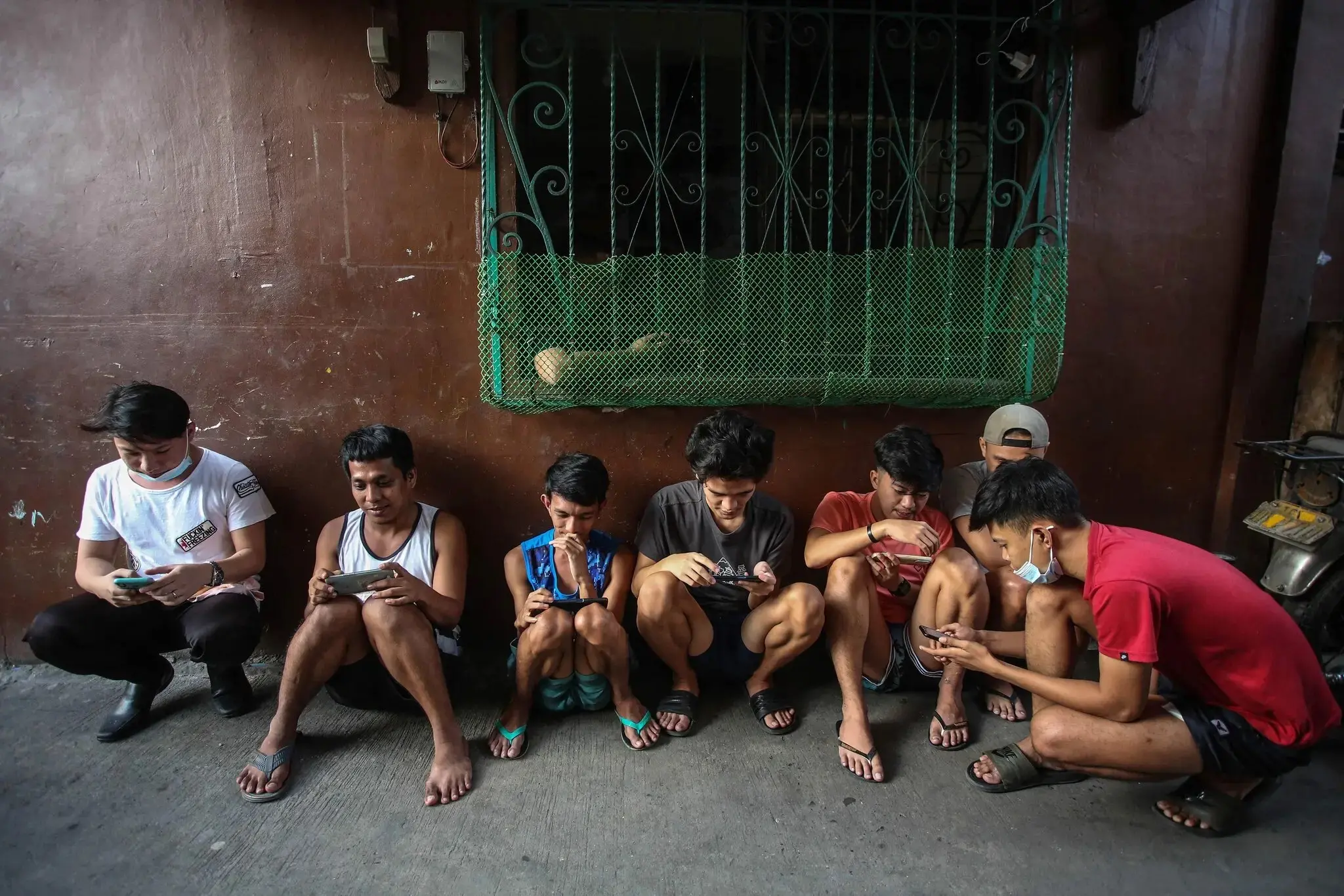
People playing Axie Infinity, a popular cryptocurrency earning video game that gained popularity in the Philippines during the lockdown.
When Axie's popularity peaked in 2021, SLP was accepted as an alternative to pesos by landlords, gas stations, and some restaurants in the Philippines.
However, a year later, when the cryptocurrency market crashed, thousands of Filipinos lost their savings held in SLP. Some players' in-game characters, which were purchased for thousands of dollars (so expensive that some Filipinos needed loans to buy them), became worthless.
"When everyone is involved, the game looks beautiful," said 30-year-old Ian Dela Cruz, a farmer from the northern province of Bambang in Manila and a former Axie player. "But when everyone tries to exit, the game is over."
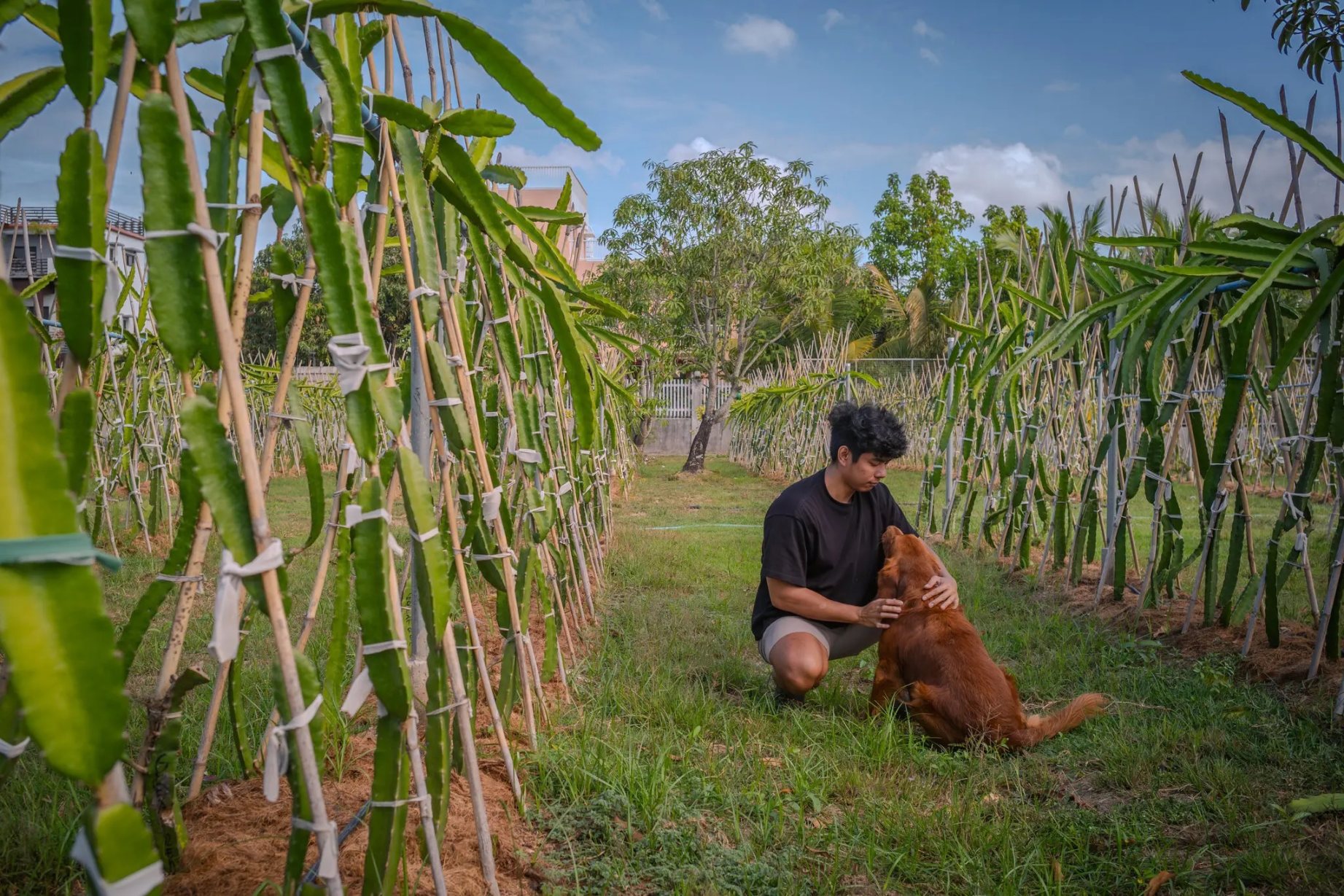
Former Axie player Ian Dela Cruz remains in the cryptocurrency industry, serving as a video game streamer on Twitch.
Some Filipinos who successfully earned money through Axie have become entrepreneurs, establishing their own companies and gaming teams called "guilds."
Teresa Pia, 27, was a former Axie player who quit her job as a preschool teacher in 2021 and now runs a cryptocurrency game guild called Real Deal, with over 54,000 members on the social media platform Discord. Pia sees her Discord channel as "a new classroom," where she teaches members, many of whom are Filipino women working overseas, about cryptocurrency trading and investment. She said that with the resurgence of cryptocurrency, many women have now earned enough money to return home and reunite with their families.
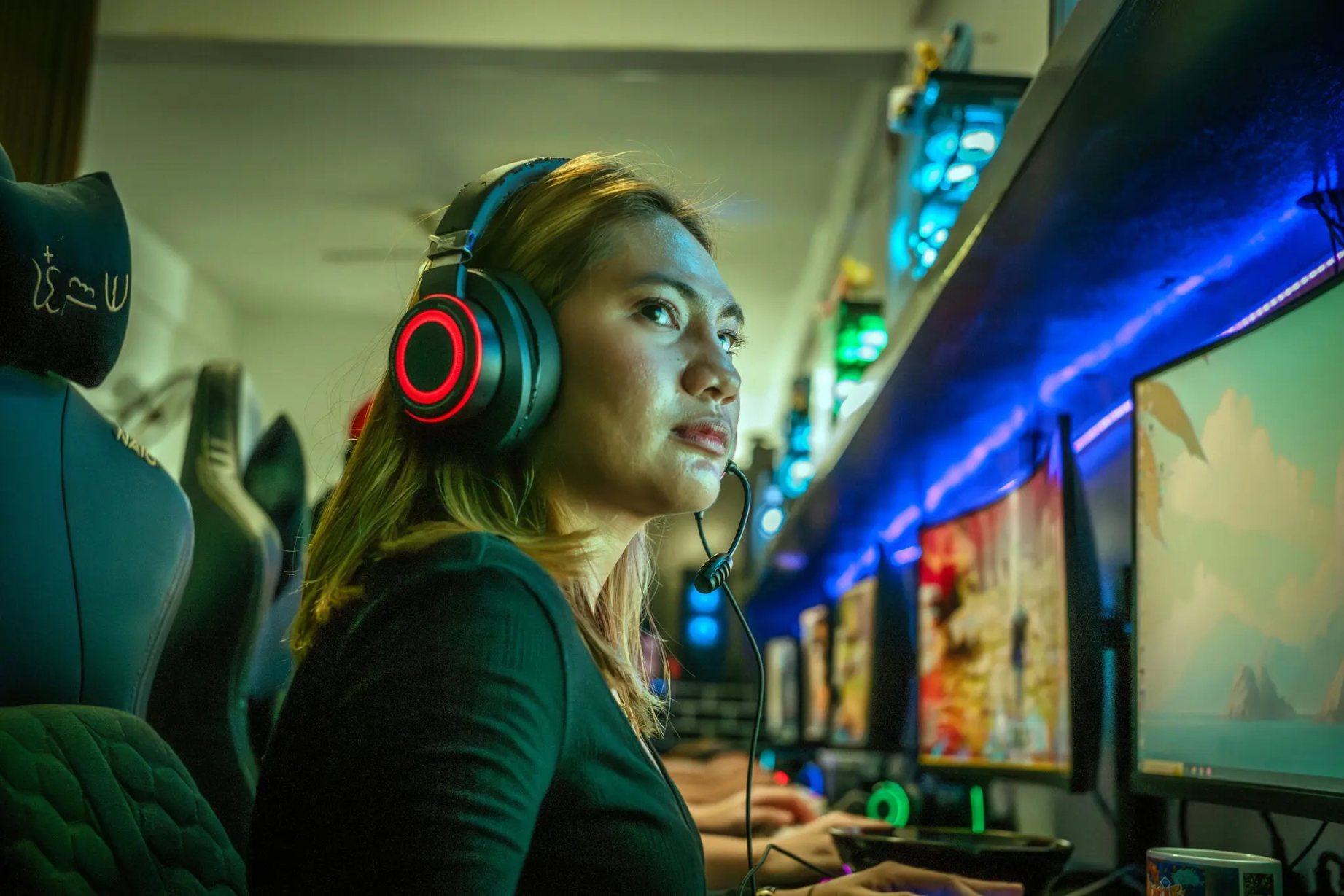
Teresa Pia, a former preschool teacher, teaches members on her Discord channel how to trade and invest in cryptocurrency.
"The money they receive may seem small, but when converted to pesos, it's a significant wealth for them," said Pia.
Dela Cruz remained in the cryptocurrency industry and now serves as a video game streamer on Twitch, a streaming platform owned by Amazon. He is now the captain of one of the largest esports teams in the Philippines. He said that in Bambang province, many farmers have started playing Pixels and reaping virtual crops to earn cryptocurrency as additional income.
The game's American founder, Luke Barwikowski, said that Filipino farmers have provided him with suggestions on how to make Pixels more realistic.
"Some users directly provide us with their crop schedules or irrigation habits," he said.
Even by cryptocurrency industry standards, the Philippines is rife with opportunists. Cryptocurrency phishing scams are rampant in cryptocurrency communities on platforms like Discord and X, with scammers targeting victims through deceptive texts and Facebook messages. Former Axie players have stated that during Axie's peak, some guild leaders exploited vulnerable players, taking half of their earnings as membership fees.
Bon said that in addition to providing computers and resources for guild members, he also sees himself as a protector.
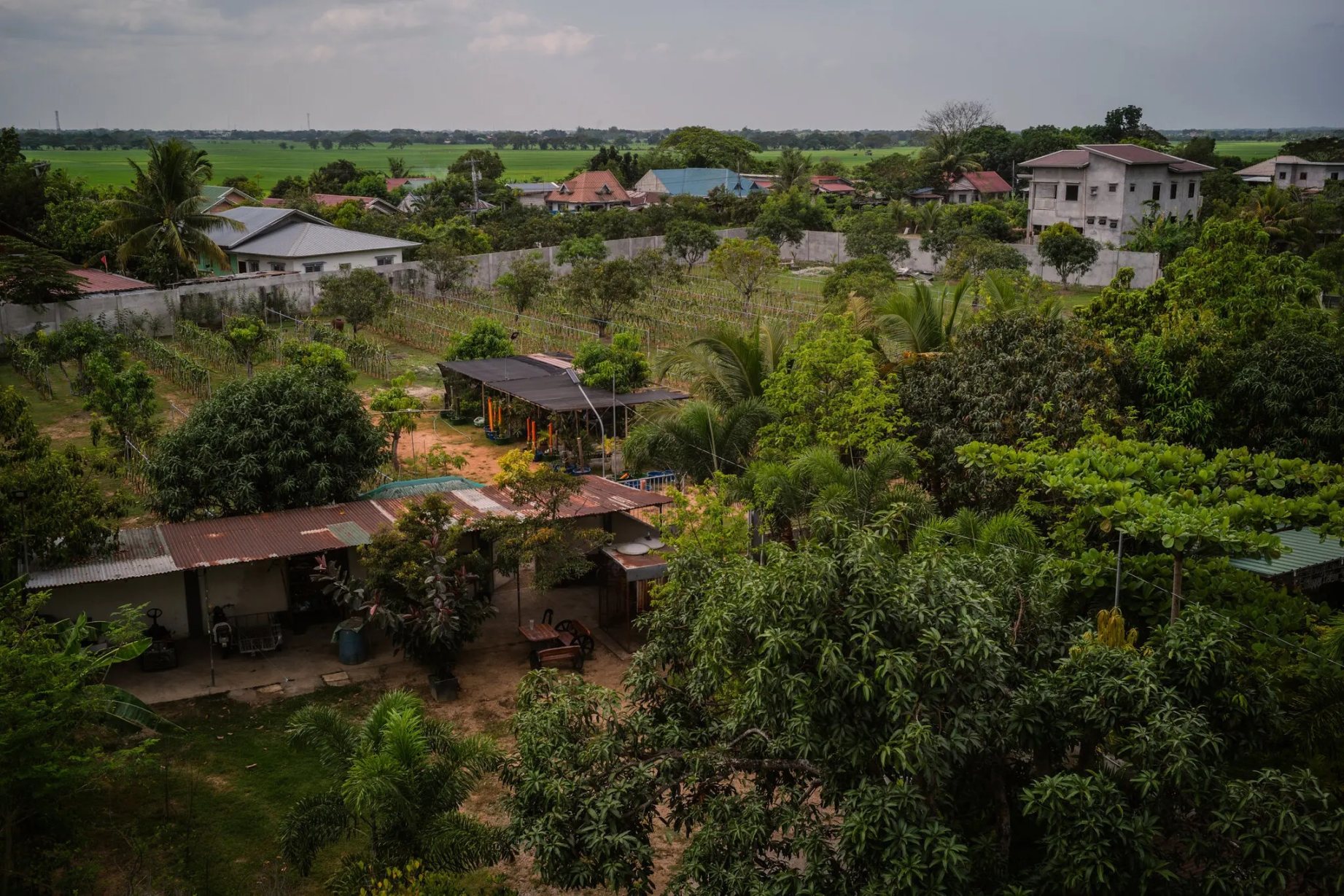
Many farmers from the Dela Cruz family farm in Bambang province have started playing the video game Pixels and reaping virtual crops to earn cryptocurrency as additional income.
While cryptocurrency has been a blessing for many Filipinos, some have expressed that if the industry were to fail again, they could turn to other industries. Dela Cruz said he dreams of managing more farms with his brothers without having to rely on cryptocurrency for income.
"Fresh air, the crowing of the roosters," he said, "you can't find that online."
免责声明:本文章仅代表作者个人观点,不代表本平台的立场和观点。本文章仅供信息分享,不构成对任何人的任何投资建议。用户与作者之间的任何争议,与本平台无关。如网页中刊载的文章或图片涉及侵权,请提供相关的权利证明和身份证明发送邮件到support@aicoin.com,本平台相关工作人员将会进行核查。


