Source: Academic Headlines

Image source: Generated by Wujie AI
In just 17 days, artificial intelligence (AI) has independently created 41 new materials, averaging over two per day.
In comparison, human scientists may need several months of trial and experimentation to create a new material.
Today, the AI laboratory named A-Lab has been featured in the prestigious scientific journal Nature.
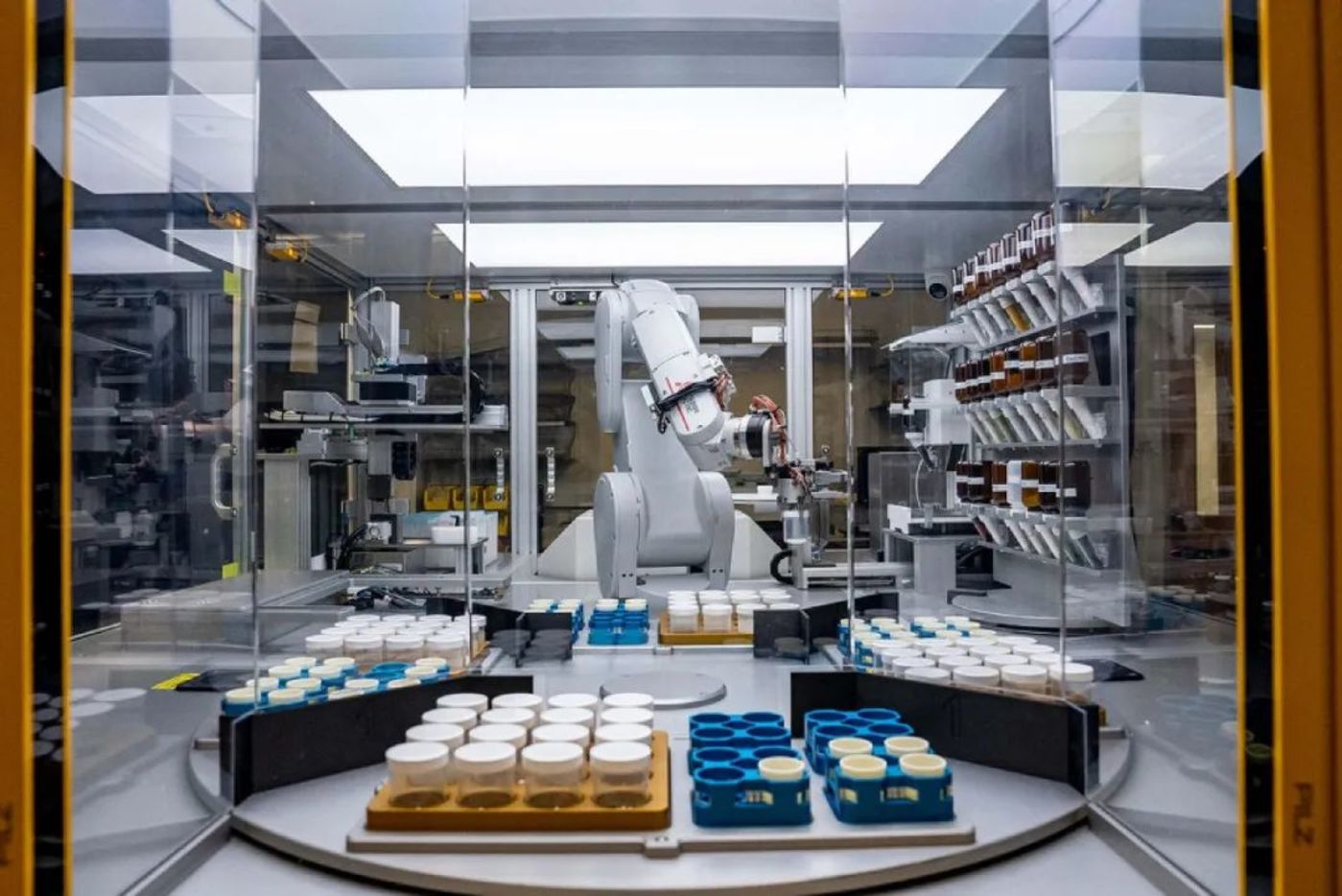
According to reports, A-Lab is a laboratory guided by AI to manufacture new materials with minimal human intervention, rapidly discovering new materials across multiple research areas, including batteries, energy storage, solar cells, fuel cells, and more.
Notably, in a test task, A-Lab successfully synthesized 41 out of 58 predicted materials, achieving a success rate of 71%.
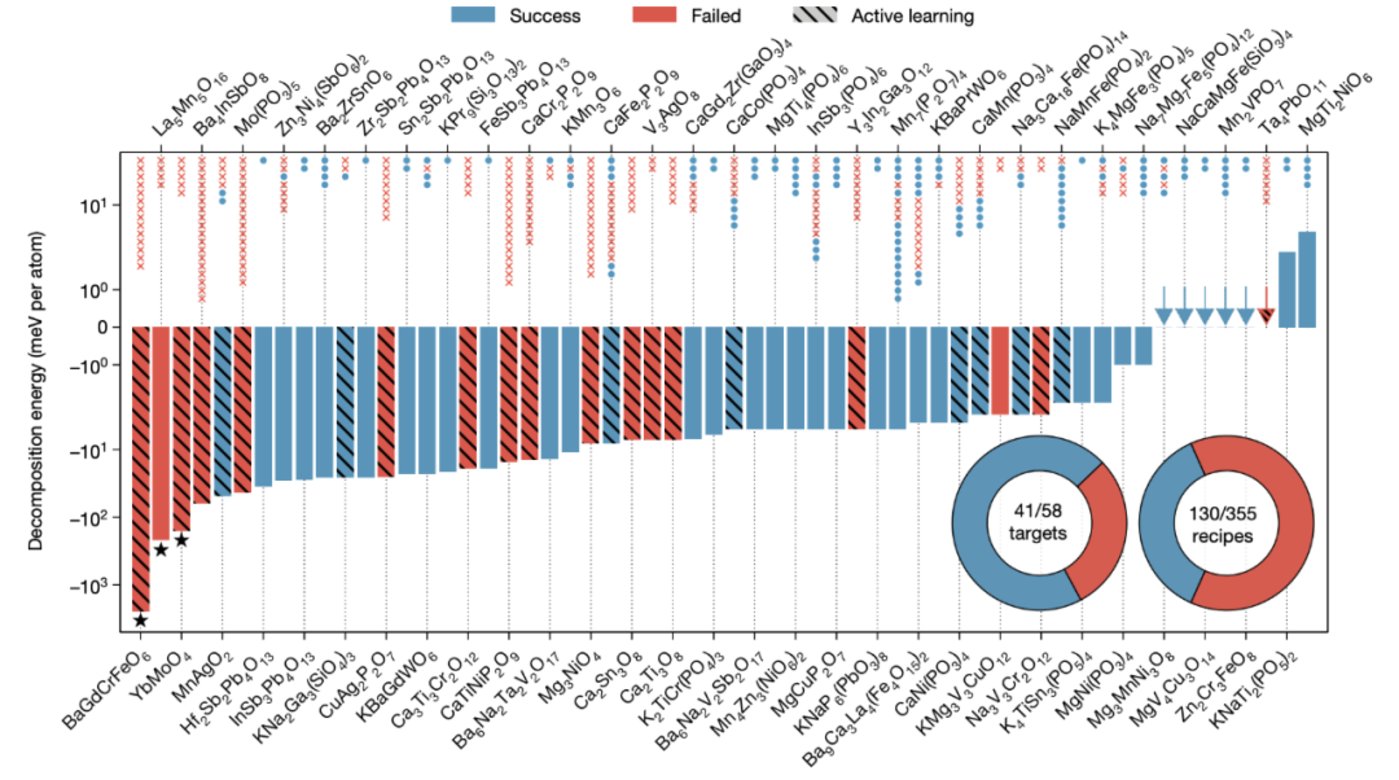
These test data come from the open-access database Materials Project at the Berkeley Laboratory and the Graph Networks for Materials Exploration (GNoME) deep learning tool developed by Google DeepMind.
Also today, Google DeepMind's GNoME has also been featured in Nature, contributing nearly 400,000 new compounds to the Materials Project, the largest single addition of structural stability data by a team since the project's inception, significantly increasing the open-access resources available to scientists for inventing new materials for future technologies.
Kristin Persson, founder and director of the Berkeley Laboratory Materials Project and professor at the University of California, Berkeley, stated, "To address global environmental and climate challenges, we must create new materials. With material innovation, we can develop recyclable plastics, utilize waste energy, manufacture better batteries, and build cheaper, longer-lasting solar panels."
With AI, manufacturing and testing new materials is faster
The development of new technologies often requires new materials. However, manufacturing a material is not an easy task.
Scientists have already predicted tens of thousands of new materials through computation, but testing whether these materials can be manufactured in reality is a slow process. It takes a long time for a material to go from computation to commercialization. It must have the right properties, be able to work in devices, be scalable, and have the right cost efficiency and performance.
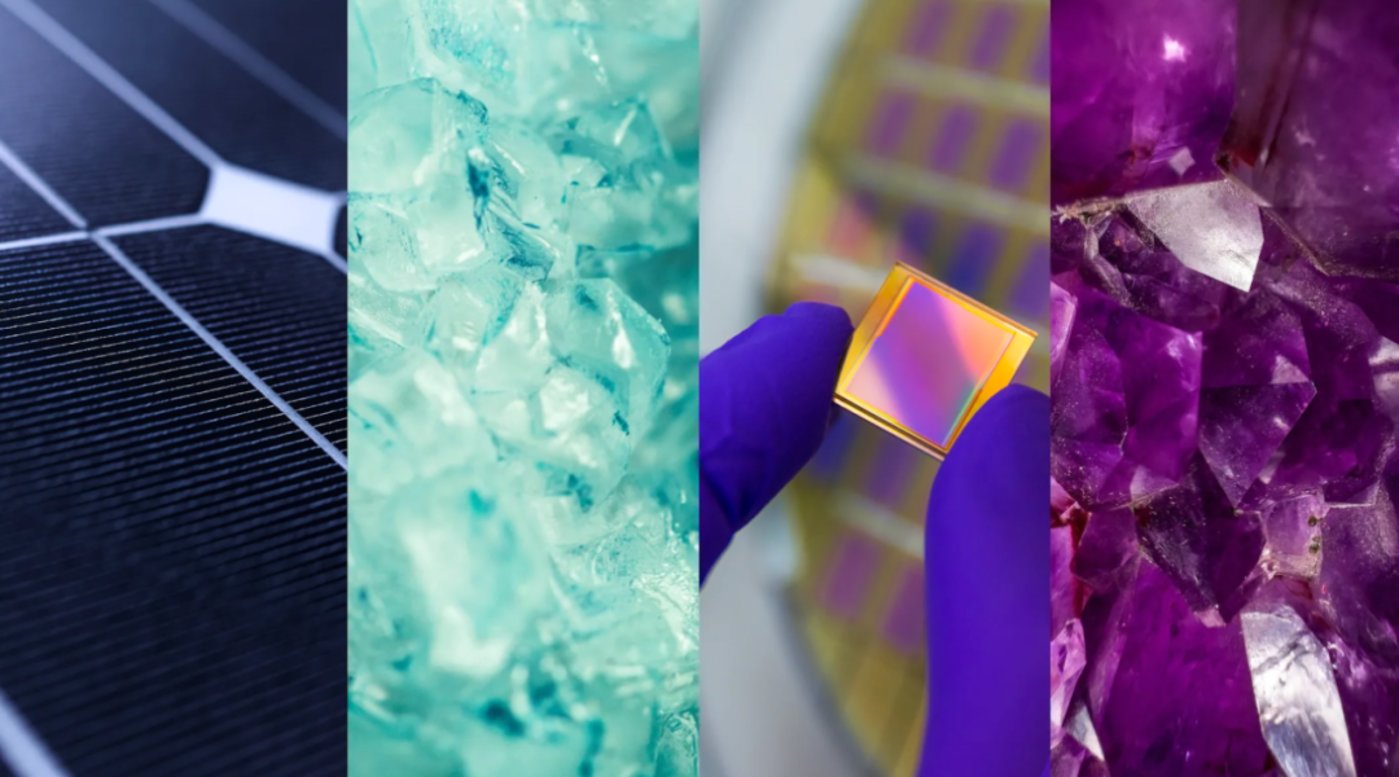
Today, researchers no longer need to rely on blind attempts to create materials from scratch, thanks to supercomputing and simulation technologies.
In this work, the Google DeepMind team trained GNoME using the workflow and data developed by the Materials Project over more than a decade, and improved the GNoME algorithm through active learning.
Ultimately, GNoME generated 2.2 million crystal structures, with 380,000 included in the Materials Project and predicted to be stable. These data include the arrangement of material atoms (crystal structure) and stability (formation energy).
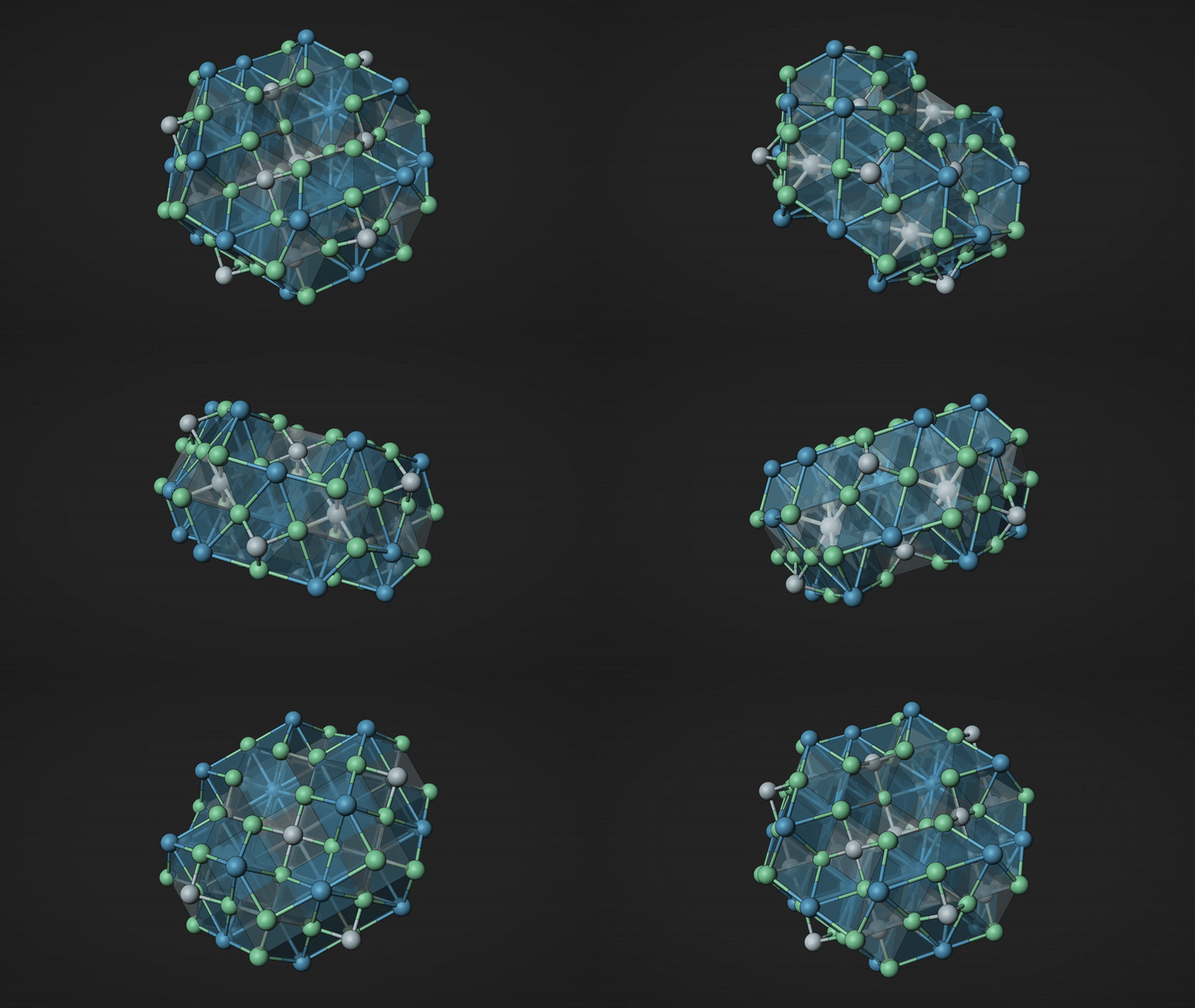
Image | Compound Ba₆Nb₇O₂₁ is one of the new materials calculated by GNoME, containing barium (blue), niobium (white), and oxygen (green).
According to the paper, GNoME has increased the accuracy of predicted stable structures to over 80% and improved the accuracy of predicting compositions to 33% for every 100 trials (compared to only 1% in previous work).
Ekin Dogus Cubuk, head of the Google DeepMind materials discovery team, said, "We hope the GNoME project can advance inorganic crystal research. External researchers have independently verified 736 new materials discovered by GNoME through physical experiments, proving that our model's discoveries can be realized in the laboratory."
However, the research team also pointed out in the paper that GNoME still has some open issues in practical applications, including phase transitions caused by competing polymorphs, dynamic stability caused by vibrational profiles and configurational entropy, and a deeper understanding of the final synthesis capability.
To manufacture the new compounds predicted by the Materials Project, A-Lab's AI adjusted by studying scientific papers and using active learning to create new formulations.
Gerd Ceder, chief researcher at A-Lab and scientist at the Berkeley Laboratory and the University of California, Berkeley, said, "Our success rate is an amazing 71%, and we have found some improvement methods. We have proven that combining theory and data with automation produces incredible results. We can manufacture and test materials faster than ever before."
According to reports, making small changes to the decision-making algorithm can increase this success rate to 74%, and with improved computational techniques, the success rate can be further increased to 78%.
Persson said, "We not only want our generated data to be free and available to accelerate global material design, but also to teach the world what computers can do for people. They can efficiently and quickly scan a wide range of new compounds and properties more effectively than individual experiments."
With the help of A-Lab and GNoME, scientists can focus on promising materials for future technologies, such as lighter alloys to improve fuel economy in cars, more efficient solar cells to enhance renewable energy, or faster transistors in the next generation of computers.
Demonstrated application potential
Currently, the Materials Project is processing more compounds from Google DeepMind and adding them to the online database. This new data will be provided free of charge to researchers and will also be input into projects collaborating with the Materials Project, such as A-Lab.
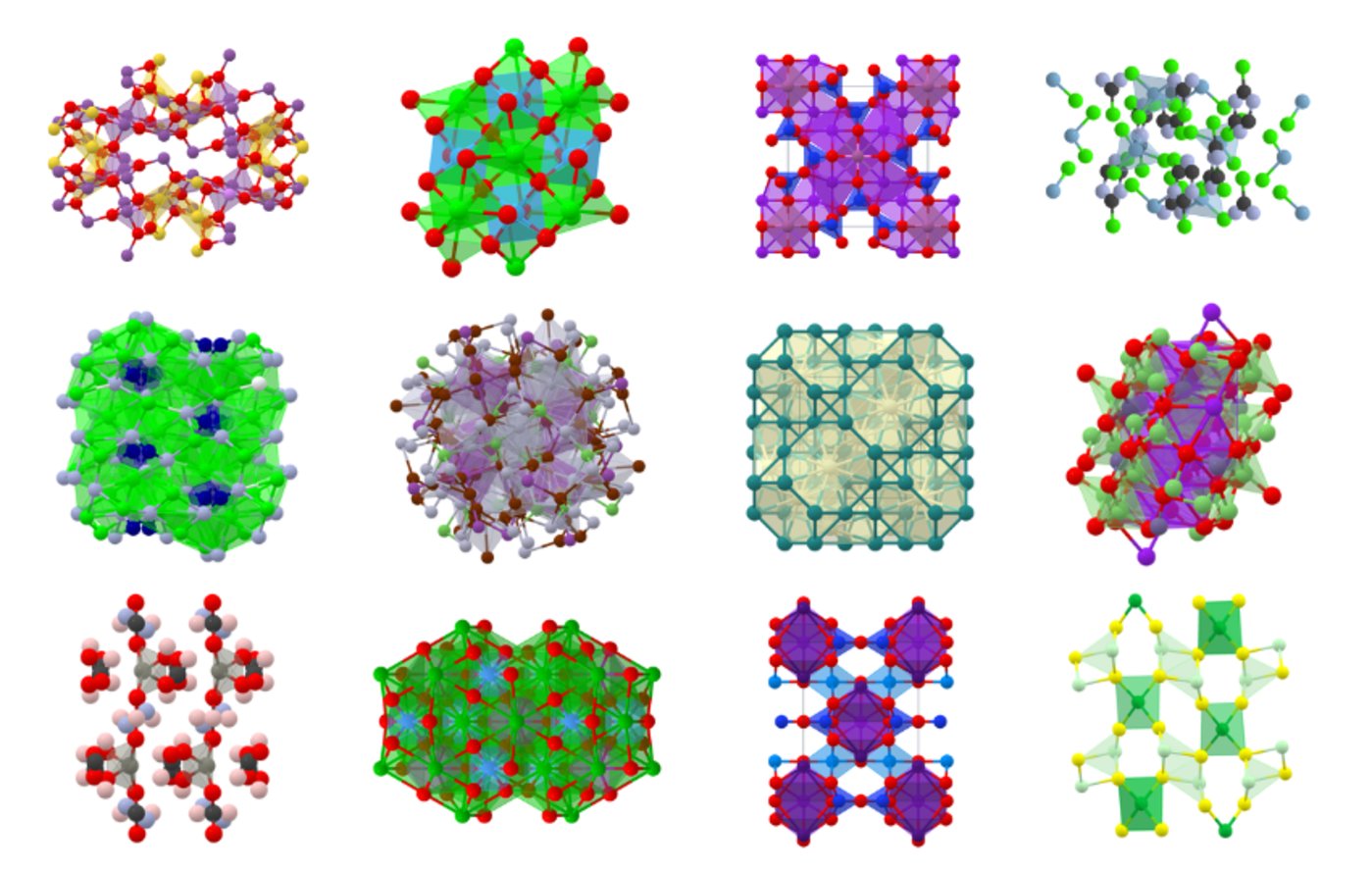
Image | Structures of 12 compounds in the Materials Project database.
In the past decade, researchers have experimentally confirmed the usefulness of new materials in multiple fields based on clues from the Materials Project data. Some of these have shown potential applications, such as:
- In carbon capture (extracting carbon dioxide from the atmosphere)
- As photocatalysts (materials that accelerate chemical reactions under light, used for decomposing pollutants or producing hydrogen)
- As thermoelectric materials (materials that help convert waste heat into electricity)
- As transparent conductors (used in solar cells, touch screens, or LEDs)
Of course, finding these potential materials is just one of many steps in addressing some of the major technological challenges facing humanity.
In addition to the above research, in recent years, AI has made many breakthroughs in the discovery and synthesis of new materials.
In 2020, a research team from multiple institutions, including the National Institute of Standards and Technology (NIST), developed an AI algorithm called CAMEO, which autonomously discovered a potential practical new material without the need for additional training by scientists.
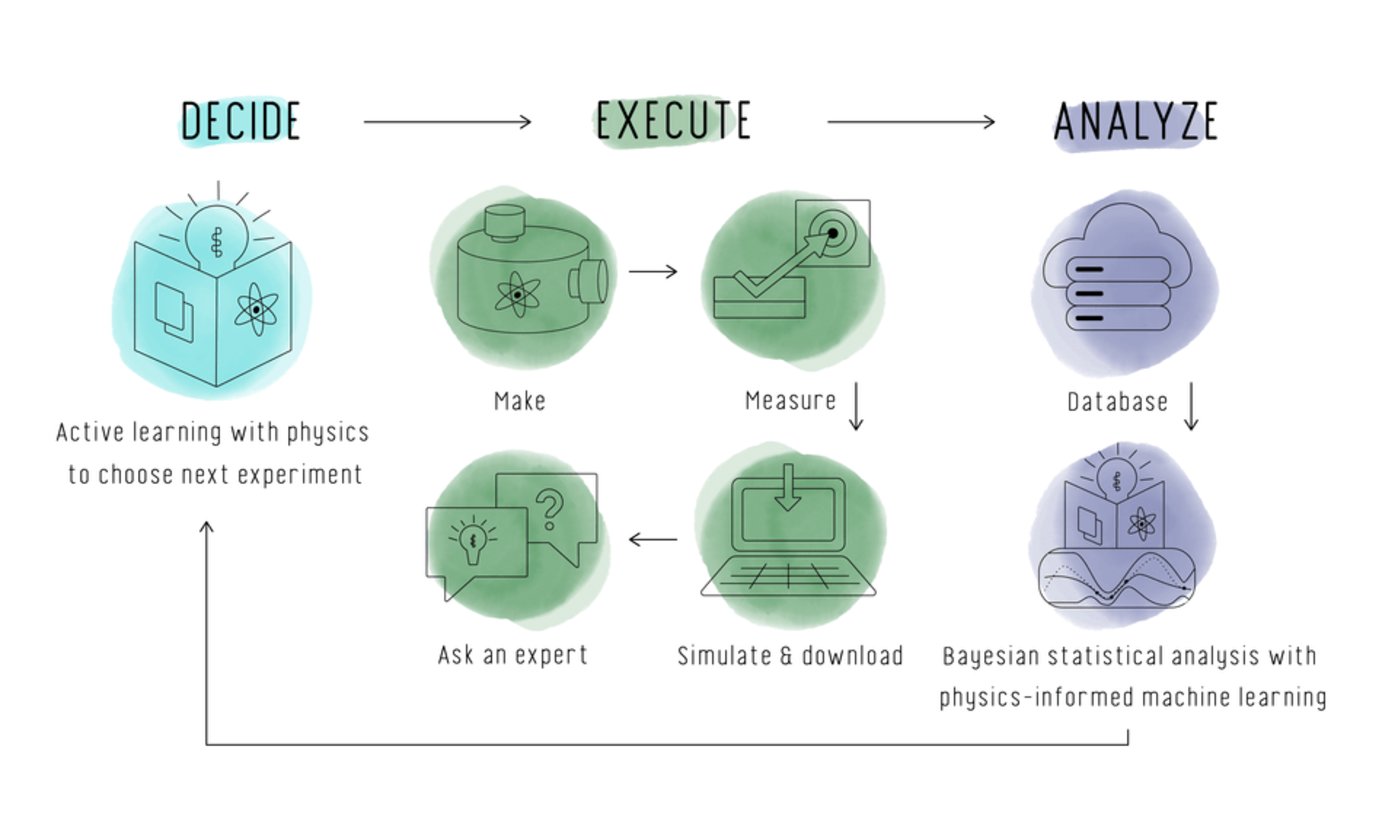
Image | The process of CAMEO searching for new materials in a closed-loop operation (Source: NIST)
In the same year, researchers from North Carolina State University and the University at Buffalo developed a technology called "Artificial Chemist," which combines AI and an automated system for executing chemical reactions to accelerate the development and production of new chemical materials needed for commercial purposes.
In 2022, nanoengineers from the University of California, San Diego, developed an AI algorithm called M3GNet, which can almost instantly predict the structure and dynamic properties of any material (existing or new). Researchers can use it to find safer, higher energy density rechargeable lithium-ion battery electrodes and electrolytes.
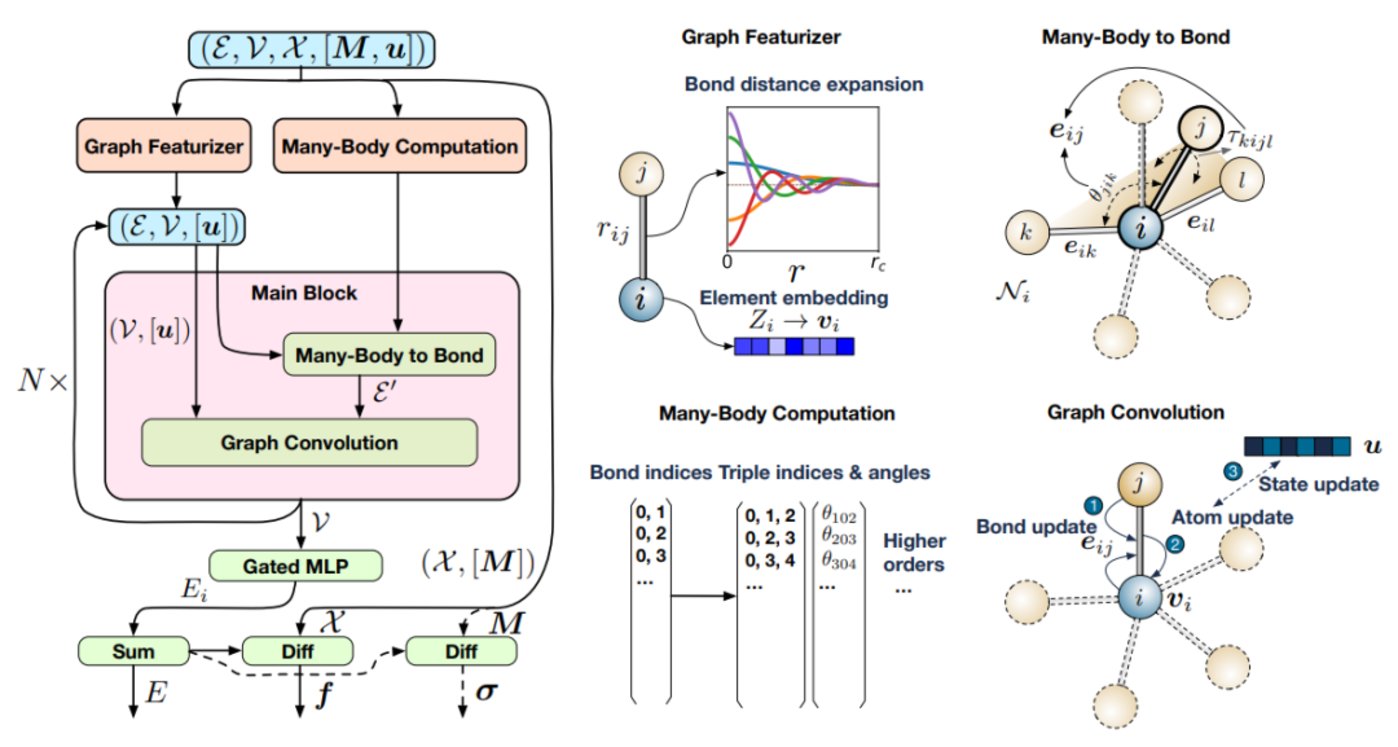
Image | Schematic diagram of the many-body potential energy and the main computational modules (Source: University of California, San Diego)
In March of this year, a study published in Nature Synthesis envisioned an accelerated future of materials science driven by the combined development of combinatorial synthesis and AI technology. To assess the applicability of synthesis techniques to specific experimental workflows, researchers established a set of ten metrics covering synthesis speed, scalability, scope, and synthesis quality, and summarized selective combinatorial synthesis techniques in the context of these metrics.
As the foundation and vanguard of high-tech, new materials have extremely broad applications, making them one of the most important and promising fields of the 21st century alongside information technology and biotechnology.
In the future, with the breakthrough development of technologies like AI, scientists can focus on more promising materials for future technologies, such as lighter alloys to improve fuel economy in cars, more efficient solar cells to promote renewable energy, and faster transistors for the next generation of computers.
Reference links:
https://www.nature.com/articles/s41586-023-06735-9
https://www.nature.com/articles/s41586-023-06734-w
免责声明:本文章仅代表作者个人观点,不代表本平台的立场和观点。本文章仅供信息分享,不构成对任何人的任何投资建议。用户与作者之间的任何争议,与本平台无关。如网页中刊载的文章或图片涉及侵权,请提供相关的权利证明和身份证明发送邮件到support@aicoin.com,本平台相关工作人员将会进行核查。

