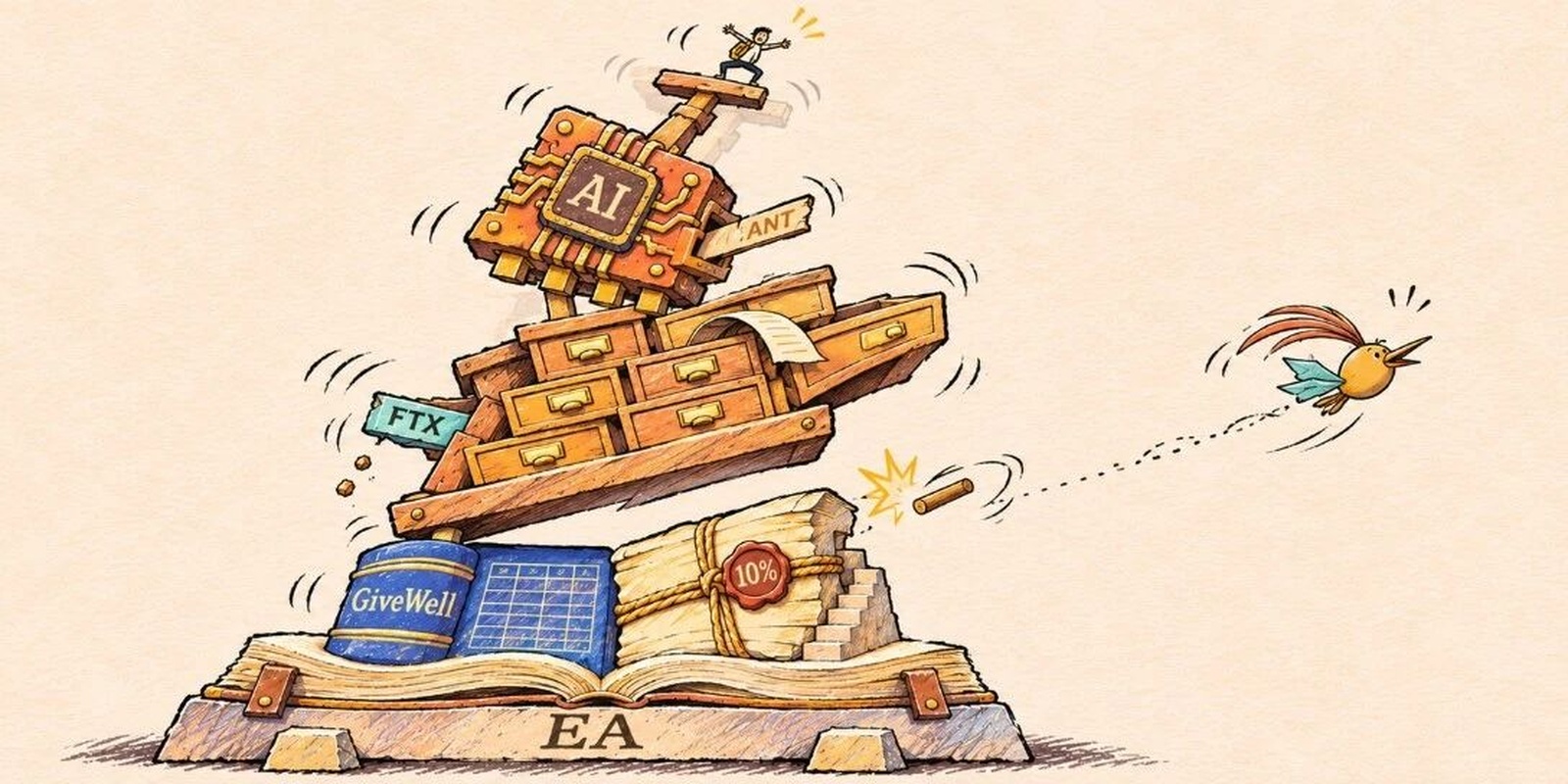
The bull market does not mean everyone can make money; it may even be the beginning of many people losing money.
Written by: Blockchain Knight
There is an interesting change in the crypto market. In the past few years, people have always been shouting that the bull market has arrived, but now, more and more people are starting to wonder when the bull market will come?
Especially in the altcoin market, this feeling is even more pronounced. Bitcoin can continually refresh its price highs, but many altcoins have yet to recover their vitality.
So what exactly are we expecting when we look forward to the bull market?
Are we looking forward to the overall rise in the market, with our assets increasing together? Are we expecting the money-making effect to reappear, where any project we buy can yield several times profit? Or are we anticipating a market filled with opportunities that allows us to seize a chance to change our wealth?
Upon careful consideration, all these expectations may ultimately point to the same thing: we are not nostalgic for the bull market itself, but for the joy of making money during the bull market.
However, the problem is that the bull market does not mean everyone can make money; it may even be the beginning of many people losing money.
When a market rally starts, early participants are the first to gain profits, and the money-making effect attracts more funds into the market. As prices continue to rise, market sentiment becomes more optimistic; projects that were previously ignored begin to receive attention. By the later stages, many people are no longer concerned about the projects themselves but are only worried about missing out on the next price surge (FOMO).
At this point, early investors start to cash in profits, while newcomers are still chasing prices higher; the more bustling the bull market, the easier it is for risks to be overlooked.
A study by BIS in 2023 found that large investors tended to sell before and after the collapse of Luna and the bankruptcy of FTX, while small investors were more inclined to buy.
This indicates that a market rise does not mean everyone can make money; the bull market offers opportunities, not guaranteed returns.
In a bear market, accounts shrink and holdings drop; projects that were once promising are ignored. Over time, people can easily doubt their judgments and even question whether this industry has a future.
Conversely, in a bull market, accounts start to profit, social platforms become lively again, past judgments seem validated, and people regain a sense of control.
However, this joy is often short-lived, as desires rise along with profits. Therefore, what the bull market brings is more of a peak experience rather than lasting happiness. Once the cycle ends, people will begin to wait for the next bull market, hoping for a similar joy.
Instead of placing hopes on the bull market, it is better to focus back on the bear market.
What is truly worth doing in a bear market is not to guess daily where the bottom is, but to re-evaluate the market: which sectors still have room for growth? Which projects still have real businesses? Which assets are worth long-term attention?
Real investment is somewhat like farming; sowing in spring and harvesting in autumn. No one can guarantee that every seed will bear fruit, but if you don't plant, you naturally won't have anything to harvest in autumn.
Patience is the treasure of the bear market, and determination is the amulet of the bull market. Patience allows you to maintain attention and judgment even when there is no profit effect, while determination enables you to execute your plans when everyone else begins to be greedy.
We can look forward to the bull market, but we should not treat it as everything. After all, bull markets will always pass; only the truly realized profits belong to us.
免责声明:本文章仅代表作者个人观点,不代表本平台的立场和观点。本文章仅供信息分享,不构成对任何人的任何投资建议。用户与作者之间的任何争议,与本平台无关。如网页中刊载的文章或图片涉及侵权,请提供相关的权利证明和身份证明发送邮件到[email protected],本平台相关工作人员将会进行核查。