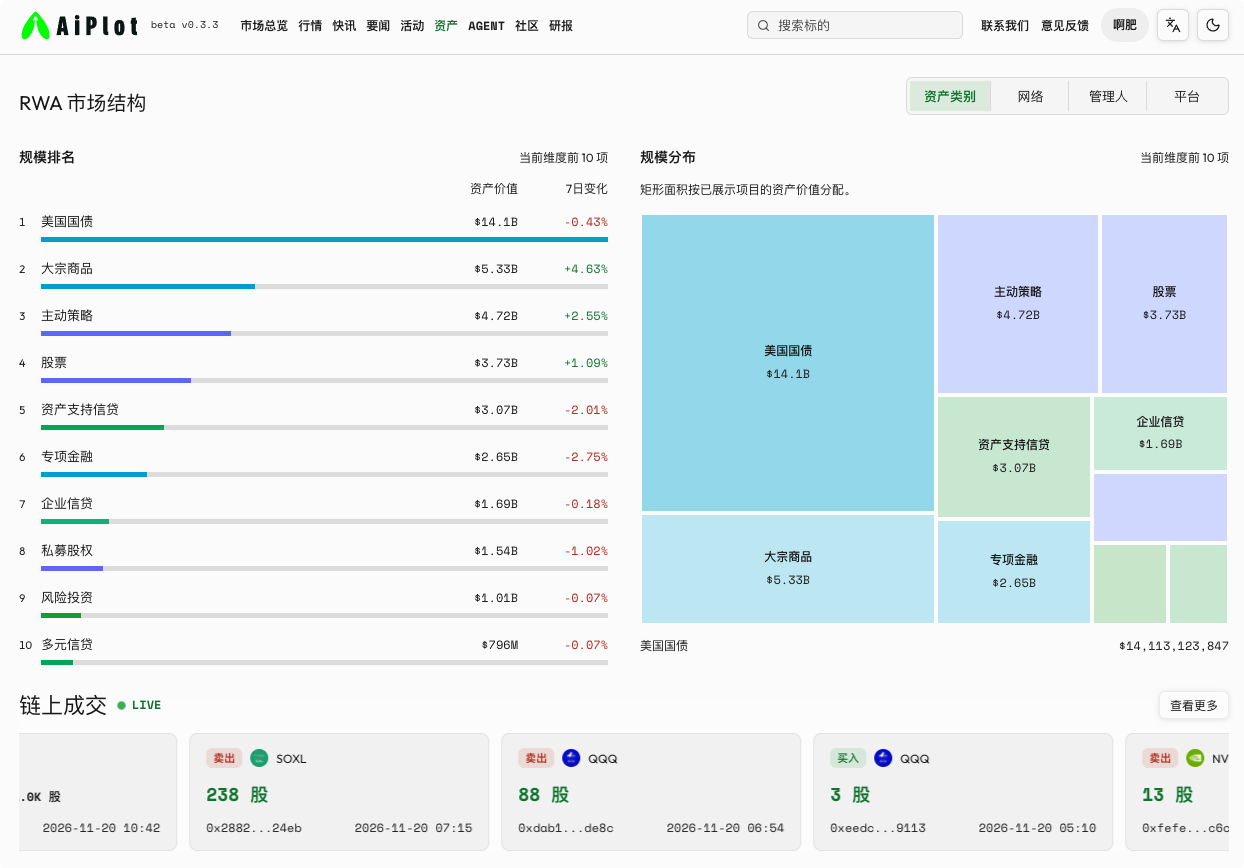
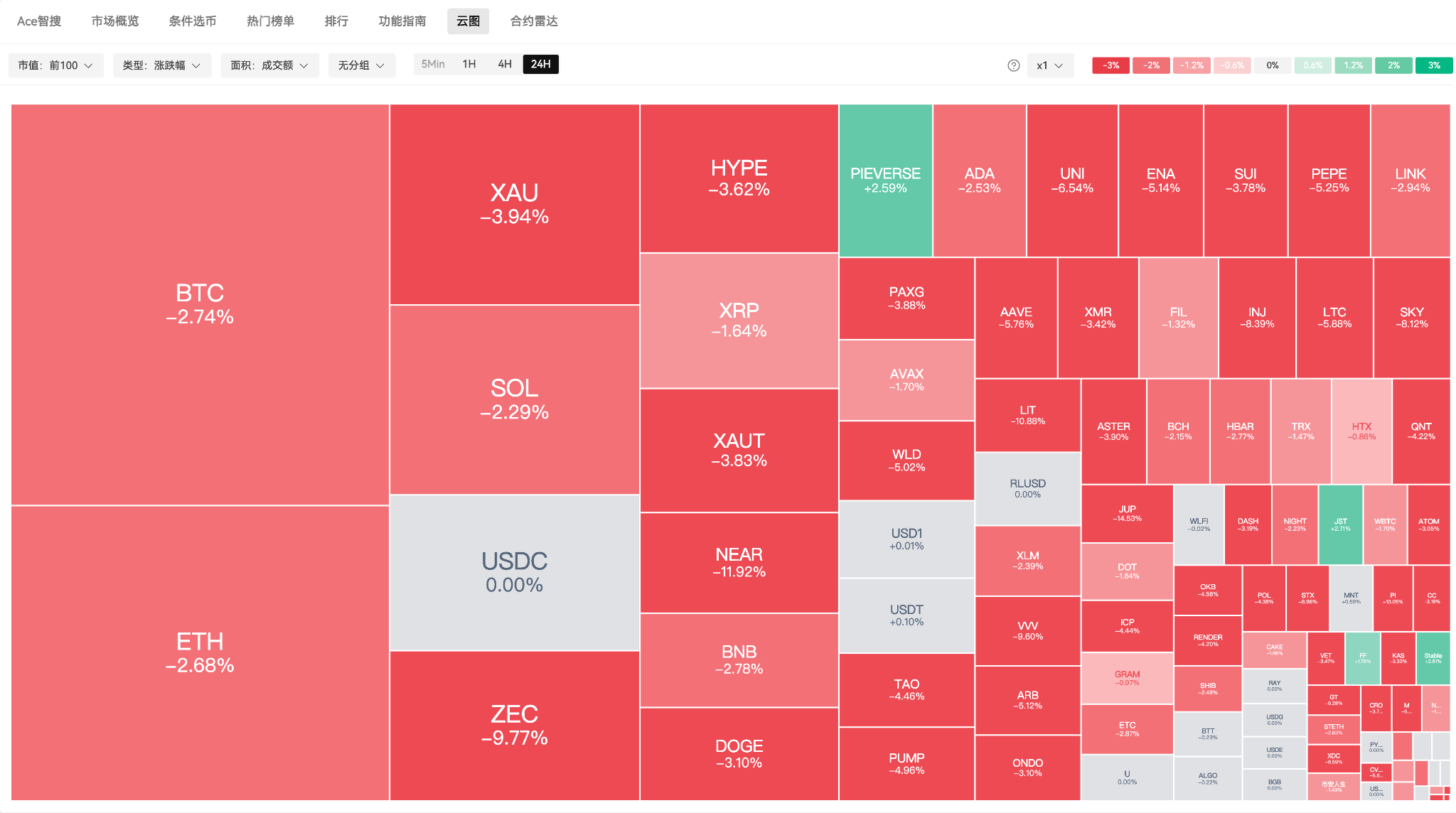
The recent market has been a bit suffocating: BTC has been falling continuously, stocks are under pressure, and even gold has not been able to stand out. Assets that were originally seen as "safe havens" have dropped together this time. The market seems to struggle to find a clear positive direction.
Many people are starting to ask: How long will this round of decline last? Have we already reached the bottom of the bear market?
Looking back to 2022, one can find many similarities with today — geopolitical conflicts, rising energy prices, persistent inflation, the Fed tightening, and risk assets facing collective pressure. But similarity does not mean a replay. What is truly worth studying is what happened in 2022, and where we stand in 2026.
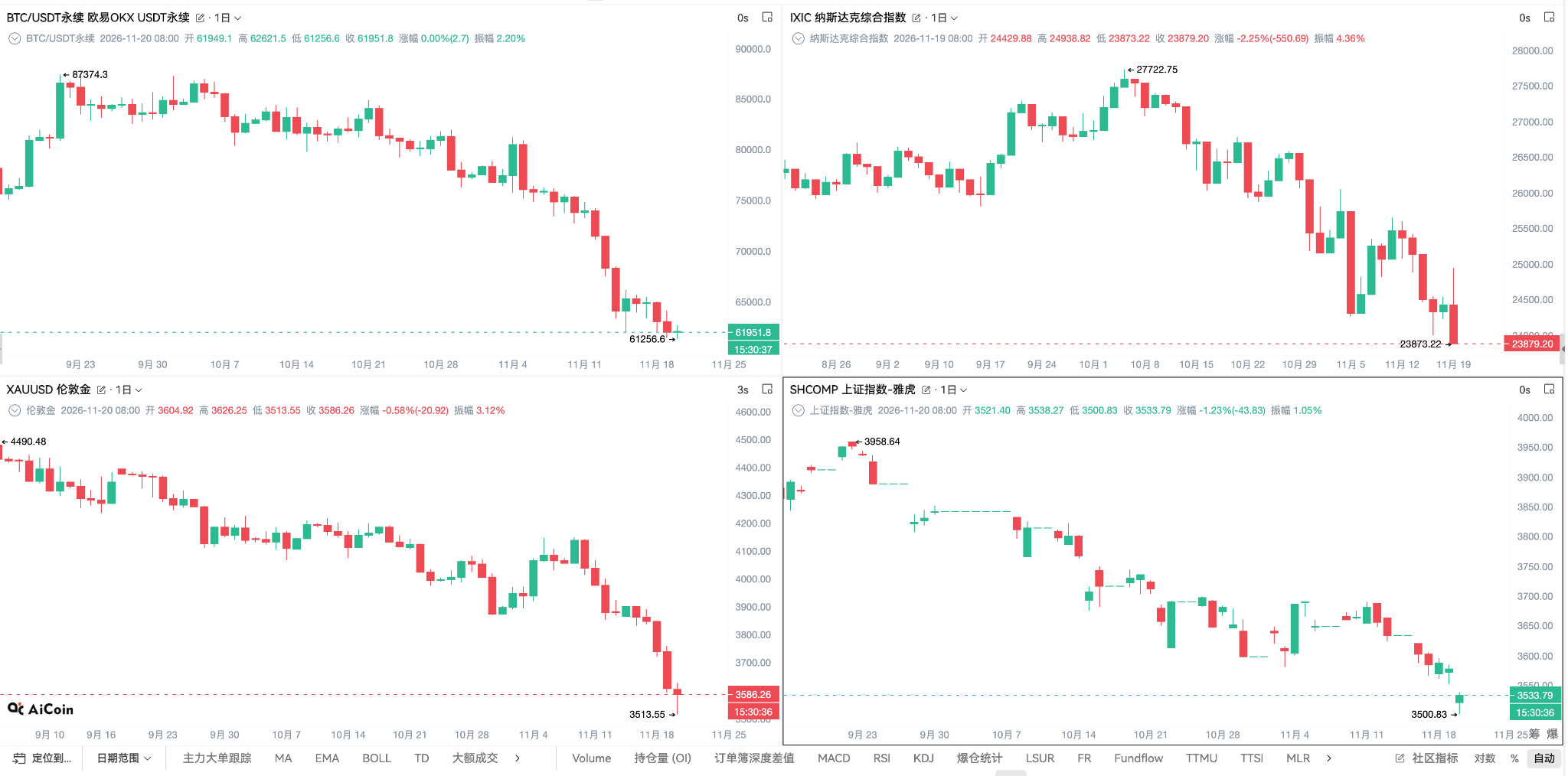
(Close to 90-day K-line chart, showing a "one-sided decline" trend)
1. 2022 vs 2026: How far has this market crisis progressed?
First, let's revisit 2022. That year was characterized by a typical macro liquidity contraction: the outbreak of the Russia-Ukraine conflict → rising energy prices → global inflation climbing → aggressive interest rate hikes by the Fed starting in March → collective pressure on Nasdaq, S&P, and BTC. It wasn't until October 2022 when US stocks hit a temporary low and inflation fell below expectations in November that the market began trading based on "a shift in monetary policy."
In comparison to 2026:
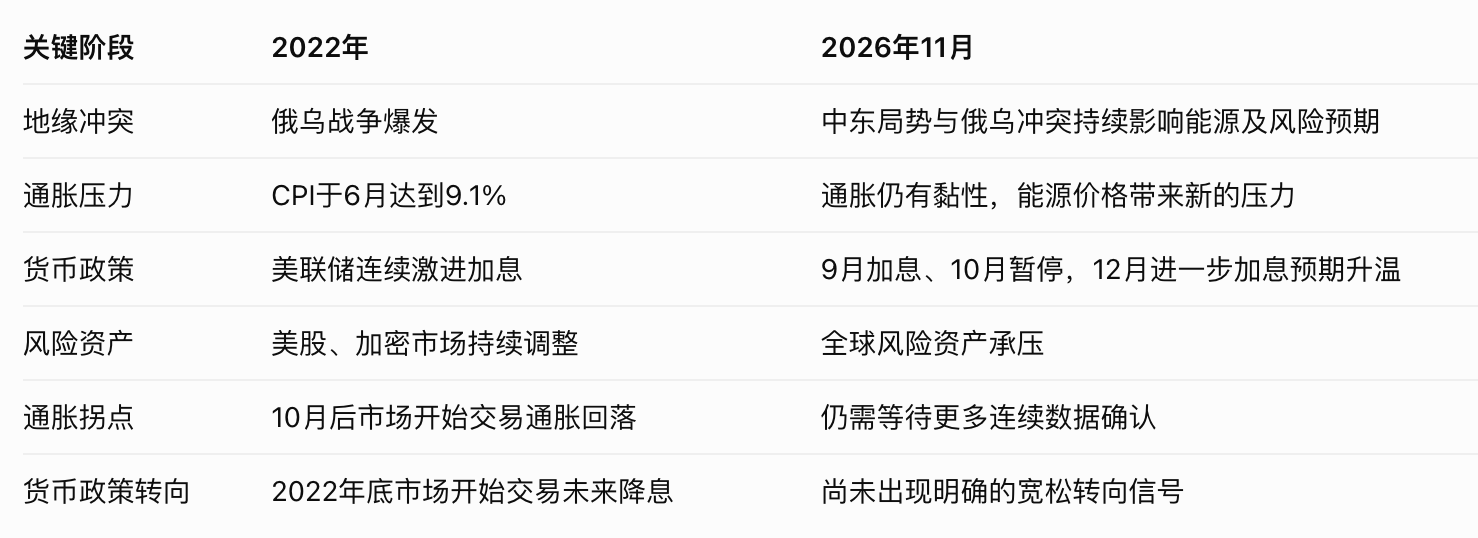
There is a key difference here: In 2022, the market primarily traded on "the aggressive rate hikes that have already occurred + future inflation decline," whereas in 2026, the market is facing concerns over "inflation re-accelerating after adjustments and tightening again." The market not only has to digest existing interest rate pressures but also reassess the cost of funds in the future.
Therefore, if one were to find a reference point from 2022, I am more inclined to see the current situation as — a phase where expectations of macro tightening are warming up again, and risk assets are being repriced, rather than having confirmed a bottom reversal. This does not mean that there must be a significant drop afterward, but it signifies that there is still insufficient evidence to demonstrate that "the most difficult stage has passed."
2. Why is this adjustment more complicated than an ordinary bear market?
In addition to interest rates, there are three additional variables in 2026.
1. Geopolitical conflicts: Energy prices may once again become a driver of inflation
In 2022, the Russia-Ukraine conflict directly impacted energy supply; in 2026, the situation in the Middle East has brought energy risk back into focus — especially the Strait of Hormuz, which is a shipping route for about one-fifth of global oil consumption. If transportation continues to be disrupted, the effects will not only impact oil prices, but also transmit through transportation, manufacturing, and consumer costs. Energy inflation will in turn limit the Fed's space for easing, making it more difficult to "expect rate cuts to improve liquidity."
2. AI capital expenditure: The tech growth story is beginning to face valuation scrutiny
In 2022, there was fear of overvalued tech stocks being repriced due to interest rate hikes; in 2026, AI has become a new variable. Over the past two years, AI has attracted massive capital, with data centers, chips, and cloud computing continuously expanding production. The issue is: while the long-term value of AI may be significant, can the money invested today be transformed into sufficient profits in the future? As financing costs rise and bond yields increase, the market will reassess the returns of these companies — especially those that must continue to finance, have massive capital expenditure, and long profit realization cycles. Therefore, when looking at AI, one must consider not only technological advancements, but also cash flow, capital return rates, and valuations.
3. Bond yields: The core variable that truly affects the valuation of risk assets
Many investors are focused on BTC, Nasdaq, or gold, but easily overlook US bond yields. The 10-year US Treasury yield is the anchor for global asset pricing: when it rises, the present value of future stock earnings decreases, overvalued tech stocks come under pressure, and high-volatility assets become less attractive while corporate financing costs increase. As of November 20, the 10-year yield has surpassed 5%. Therefore, what should be emphasized now is not whether BTC can maintain a certain integer threshold, but whether global funding costs have truly peaked.
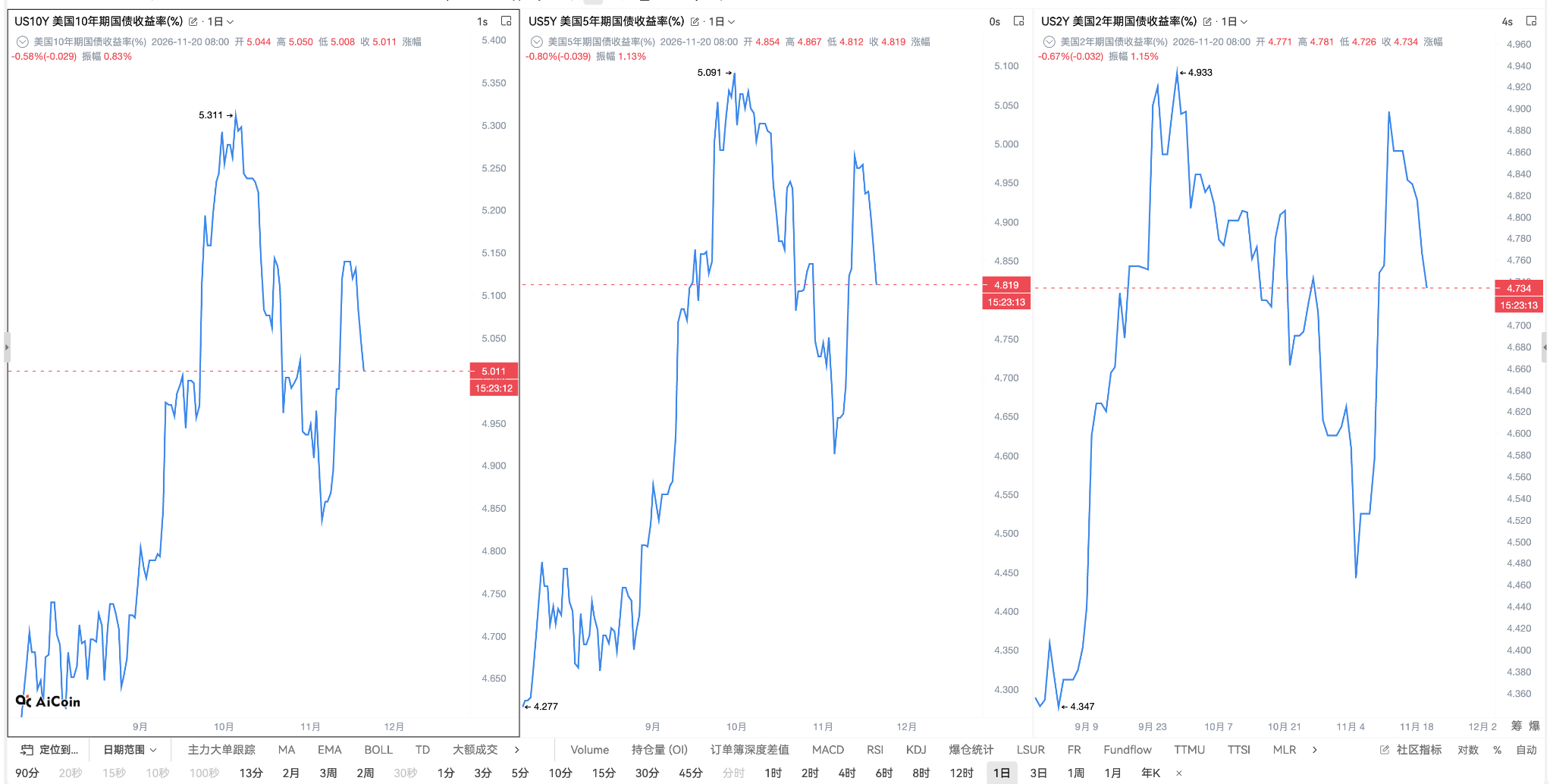
(10-year, 5-year, 2-year US Treasury yield trend chart)
3. What are the investment masters paying attention to recently?
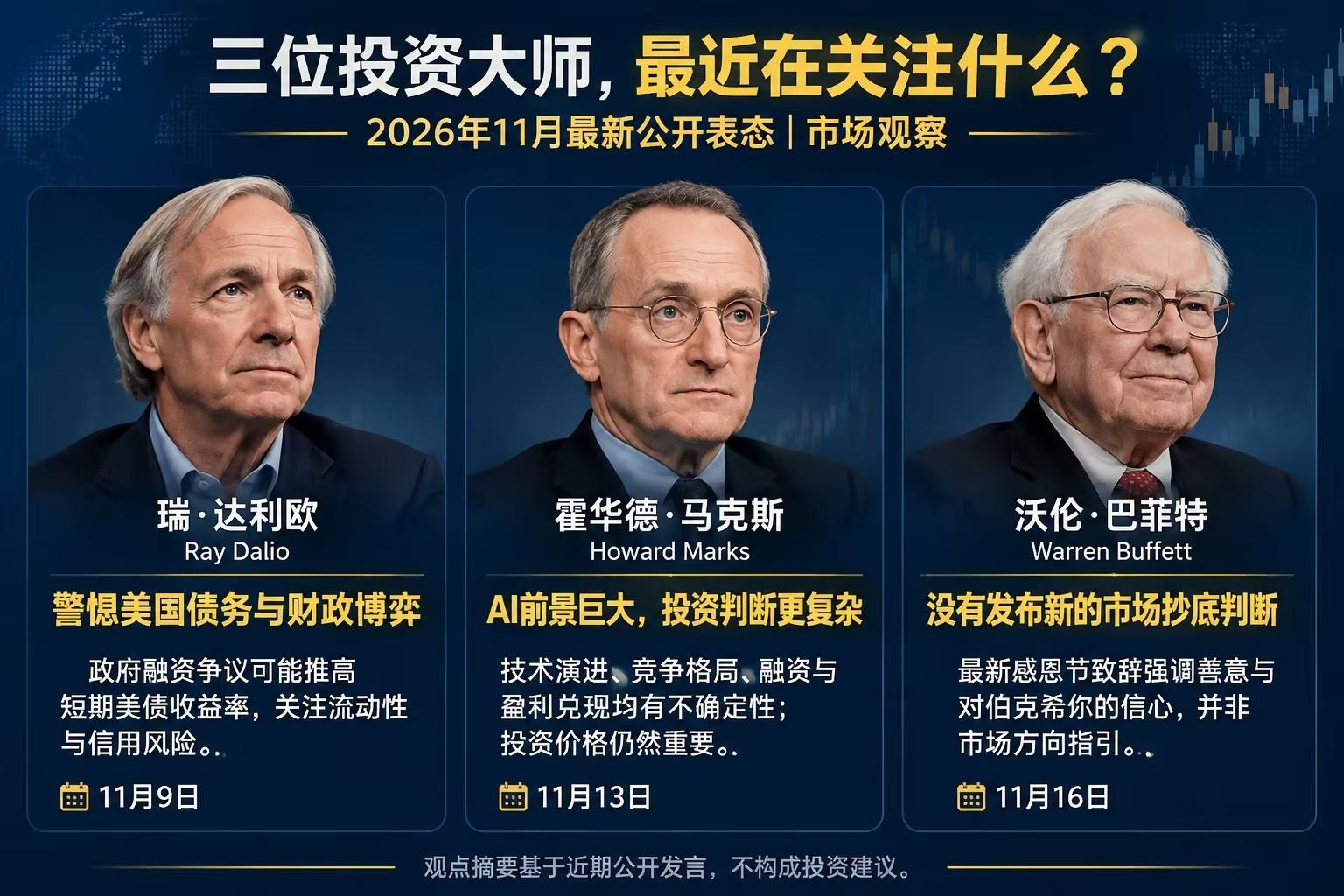
During the most chaotic times in the market, observing what long-term investors focus on is more valuable than guessing daily BTC price fluctuations. Recently, the public viewpoints of several key figures conveniently provide three perspectives.
- Ray Dalio (11/10): Focus on debt and liquidity risks. He mentioned the financial games post the US midterm elections, believing that political uncertainties surrounding government financing may push up short-term Treasury yields. The takeaway — don't just focus on whether the Fed will cut rates, but also look at government debt, Treasury supply and demand, and funding costs.
- Howard Marks (11/11): New memo "A Layman Thinks About AI." The core question: who will truly make profits in the AI industry in the future? Today's leaders may not be able to maintain their advantages for the next decade. The takeaway — being optimistic about an industry doesn't mean any price is worth buying, as technological trends and investment returns are two different things.
- Warren Buffett (11/16): Berkshire announced a donation of approximately $5.5 billion in stock, mainly discussing charity and the value of life without providing clear buy or sell judgments on the stock or crypto markets. The takeaway — don't misinterpret Buffett's value investing, patience, and cash management as him being optimistic about the current market.
When these three individuals are put together, there is a commonality: they focus not on whether short-term prices can rebound, but on capital costs, asset valuations, future cash flows, and long-term competitiveness. This is precisely the question that the current market needs to re-examine.
4. The fear index has dropped to 12, is now the time to buy the dip?
The current crypto fear and greed index is at 12 (extreme fear), and from 11/15 to 11/19, it remained in the 10–12 range for a while.
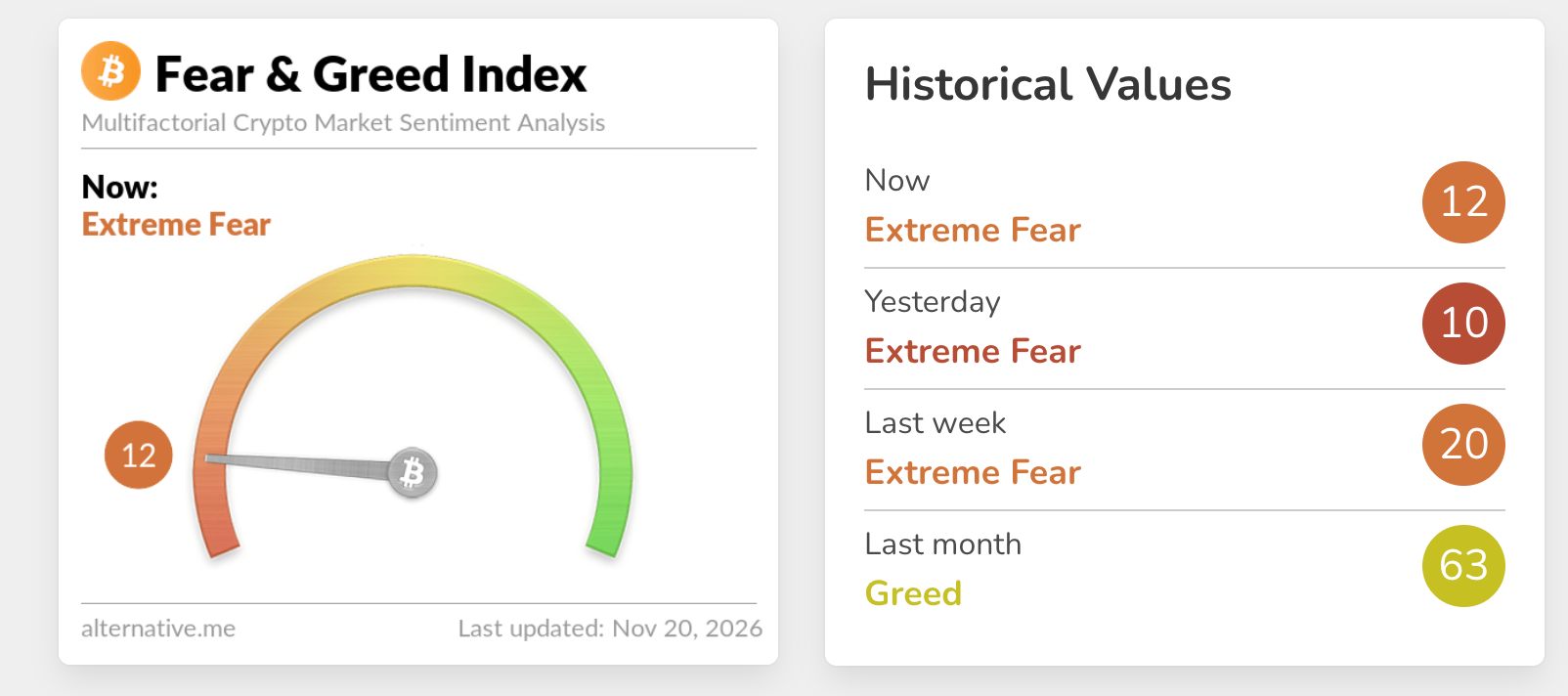
Extreme fear ≠ already at the bottom. The fear and greed index reflects emotions, not real asset valuations, and cannot determine when selling pressure will end. The trend-based recovery in 2022 did not happen just because the fear index fell to a certain value one day, but was a result of gradual changes in inflation, interest rate expectations, and risk appetite.
What is truly worth observing are three points:
1. Has inflation truly cooled down? In September, the US CPI grew by +0.6% month-on-month, which fell to +0.4% in October, but the core CPI has consistently been +0.3% month-on-month for three months, meaning a trend reversal cannot yet be confirmed.
2. Will the Fed continue to tighten? The October meeting minutes indicated that some officials favored further rate hikes, and December is an important observation point.
3. Can US Treasury yields peak and fall back? If long-term yields continue to rise, the valuation pressure on risk assets will remain.
These three questions are more important than whether BTC experiences a strong upward turn.
5. What should ordinary investors do now?
If we are still in the phase of "re-pricing expectations of macro tightening," the strategy should not be primarily about aggressively buying the dip, but should consider three layers:
First, control risk exposure and don't rush to increase positions. Contract traders should especially pay attention to leverage and liquidation risks — when volatility increases, even if the direction is correct, one might exit early due to excessive positions or insufficient margin. Reducing leverage, controlling individual risk, and maintaining enough margin are more practical than predicting short-term lows.
Second, retain liquidity and don't go all-in at once. The value of cash is not just to avoid declines but also to retain options: if the market drops again, having cash available to respond, and being able to participate in phases where trends reverse. But cash, short-term bonds, and money market funds also carry changes in yield and product risks, and are not absolutely risk-free.
Third, do not abandon research due to panic, nor blindly buy the dip due to declines. Continue to study the fundamentals, valuations, and cash flows of assets that are viewed positively in the long term; be more cautious with assets that lack profit support and are driven by emotions. The truly good opportunities usually arise, not during the market's most lively times, but when prices, valuations, and fundamentals show favorable relationships again.
6. What matters most now is not guessing the bottom, but waiting for the market to provide answers
Looking back at 2022, the real bottom often doesn't appear until everyone confirms the crisis has ended; conversely, extreme fear does not necessarily mean the bottom is in sight.
2026 has similar macro pressures as 2022, but also adds AI capital expenditure, global debt, and more complex geopolitical variables. The real questions the current market needs to address are: Can inflation continue to cool? Can interest rate expectations stabilize? Are funds willing to take on risks again?
Comparing investing to a long-distance run, what's most important now is not the sprint, but ensuring that you still have enough stamina to reach the next stage. Opportunities won't disappear just because you didn't buy the dip today, but if you take on risks you can't withstand in the wrong phase, you may not even wait for the next opportunity.
免责声明:本文章仅代表作者个人观点,不代表本平台的立场和观点。本文章仅供信息分享,不构成对任何人的任何投资建议。用户与作者之间的任何争议,与本平台无关。如网页中刊载的文章或图片涉及侵权,请提供相关的权利证明和身份证明发送邮件到[email protected],本平台相关工作人员将会进行核查。