Author: Stacy Muur, data-driven researcher and marketer
Translated by: Gu Yu, ChainCatcher
I have been helping teams with GTM for 10 years—honestly, the changes happening now require you to reconsider the methods used for growth today.
AI has not only changed the way people discover products. It has also changed how marketers test growth hypotheses, the efficiency of paid advertising, and user acceptance of influencer content.
My predictions for 2027 come from two places:
My frontline practice at GREEND0TS
My research work at Stacy's Brain
In fact, I consulted 41 reports and insights from studies to arrive at the predictions below.
So… happy reading, I am confident this article is worth your time.
1. The Revival of PR and Link Building
AI search does not directly answer the question you input.
It breaks down the question into a set of sub-questions, retrieves them one by one, and then synthesizes an answer based on the content found. Google refers to this as "query fan-out," and its vice president of search products describes the system's way of thinking as “a pile of questions, such as good restaurants, good bars, things to do with kids” (Search Engine Journal).
In other words, the system already has a semantic core around which it is constructed, and your ranking on the main query is not that significant. Among the URLs cited by AI assistants, only about 12% rank in the top 10 of Google corresponding to the original terms (Ahrefs).
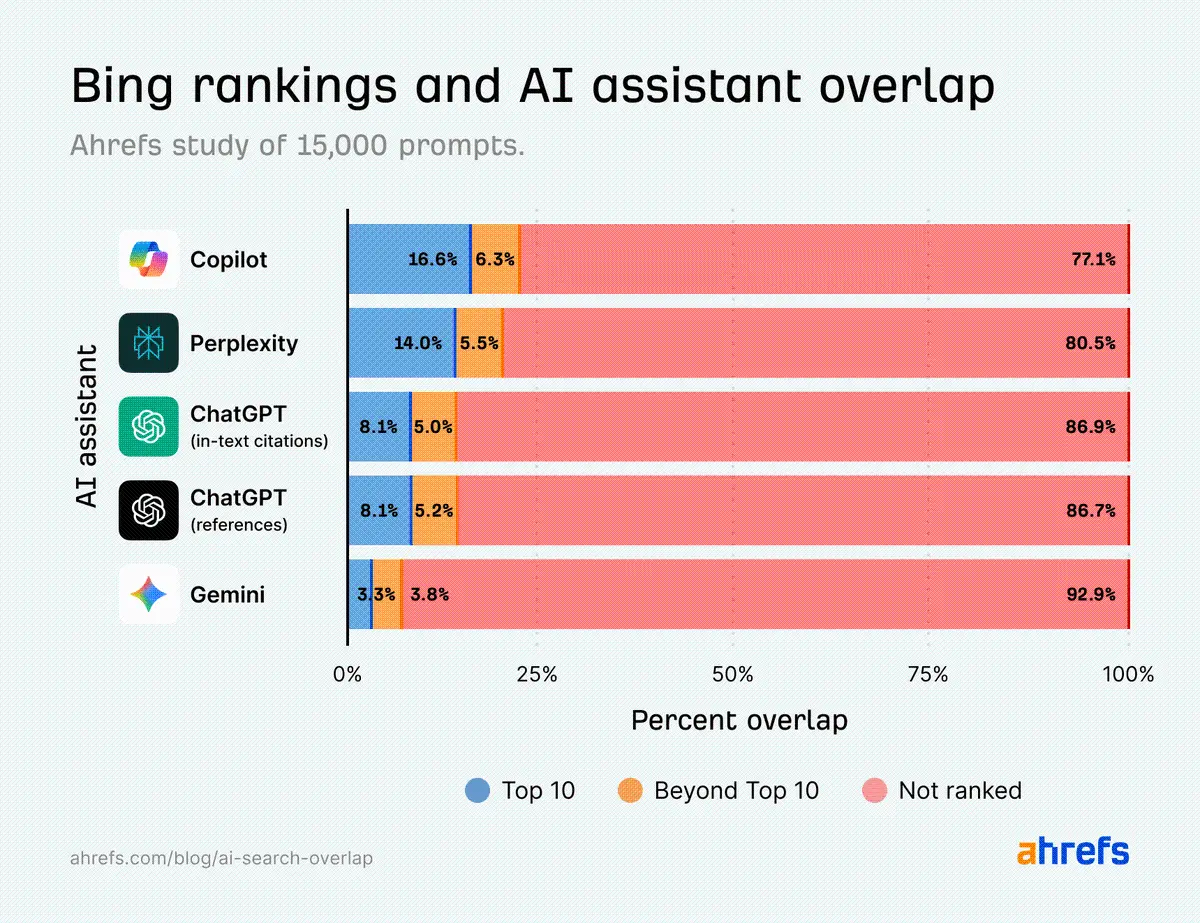
ahrefs.com/blog/ai-search-overlap
My judgment: The ones who can truly win are those mentioned in many answers to these sub-questions, bringing your brand as close to the topic as possible.
2. Banner Blindness Spreads to Creators, Influencer Bubble Begins to Shrink
People have learned to ignore banner ads, and are now learning to ignore sponsored posts.
In a survey by Gartner of 1,006 U.S. consumers, 35% said that due to the proliferation of AI-generated content, they now rely less on influencers for product information (Gartner).
I believe the influencer bubble is beginning to shrink, entering an efficiency range. The short-term return on ad spend (ROAS) is not the strongest; returns come from long-term partnerships (if you want to dive deeper, you can check out the excellent IPA analysis covering 220 influencer marketing campaigns).
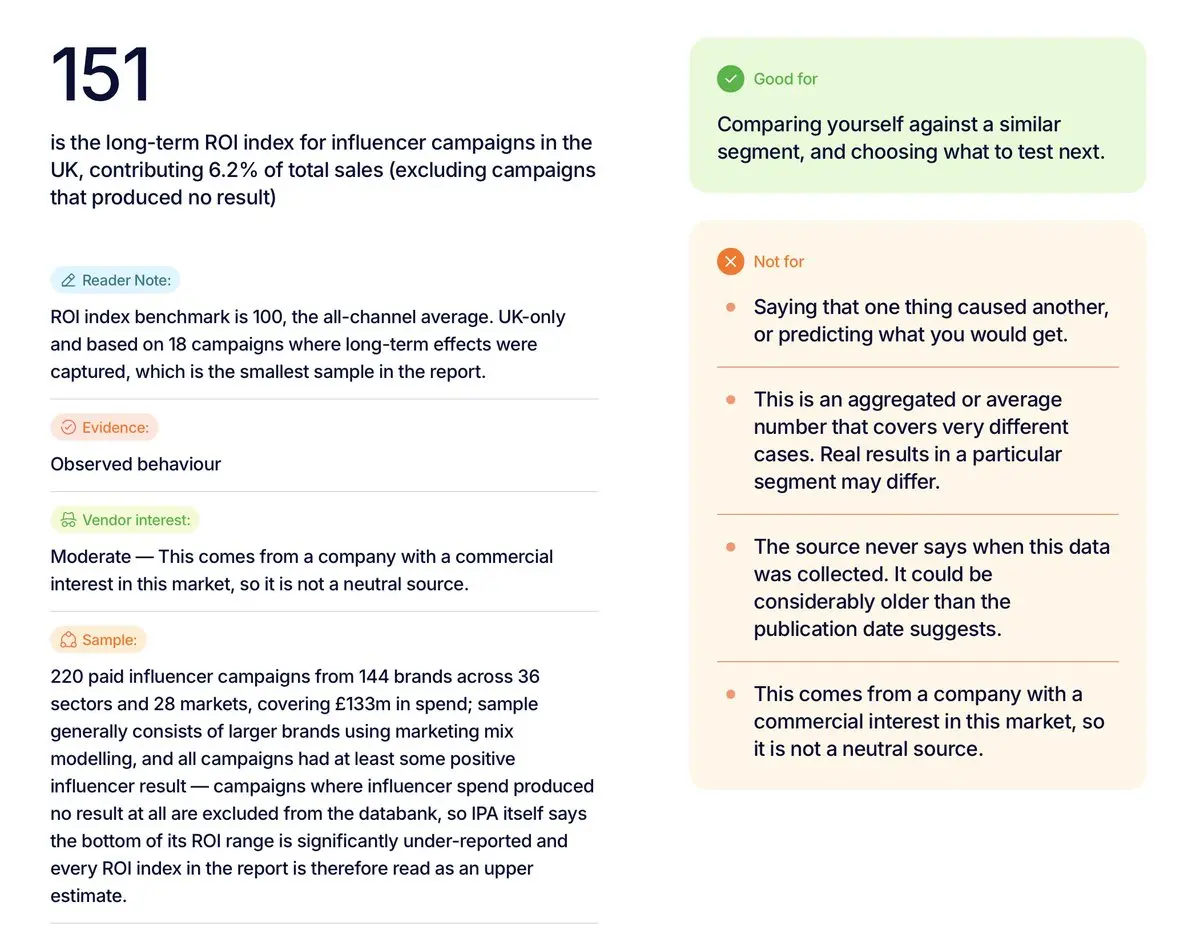
My judgment: In 2027, brands will cut back on one-time placements, shifting budgets toward fewer, longer-term creator collaborations.
3. Brands Stand Out with Handcrafted Content
Consumers are becoming more skeptical of AI-generated marketing content. The reasons are easily understood. Look at the results of these recent consumer surveys:
50% of U.S. consumers prefer brands that avoid using GenAI in consumer-facing content (Gartner)
57% of U.S. consumers say AI-generated content has decreased their trust in brand messages (Gartner)
67% of U.K. consumers find AI-generated human images in ads uncomfortable (Optimizely)
Another Emplifi survey ranks AI-generated content lowest in consumer authenticity (31%):
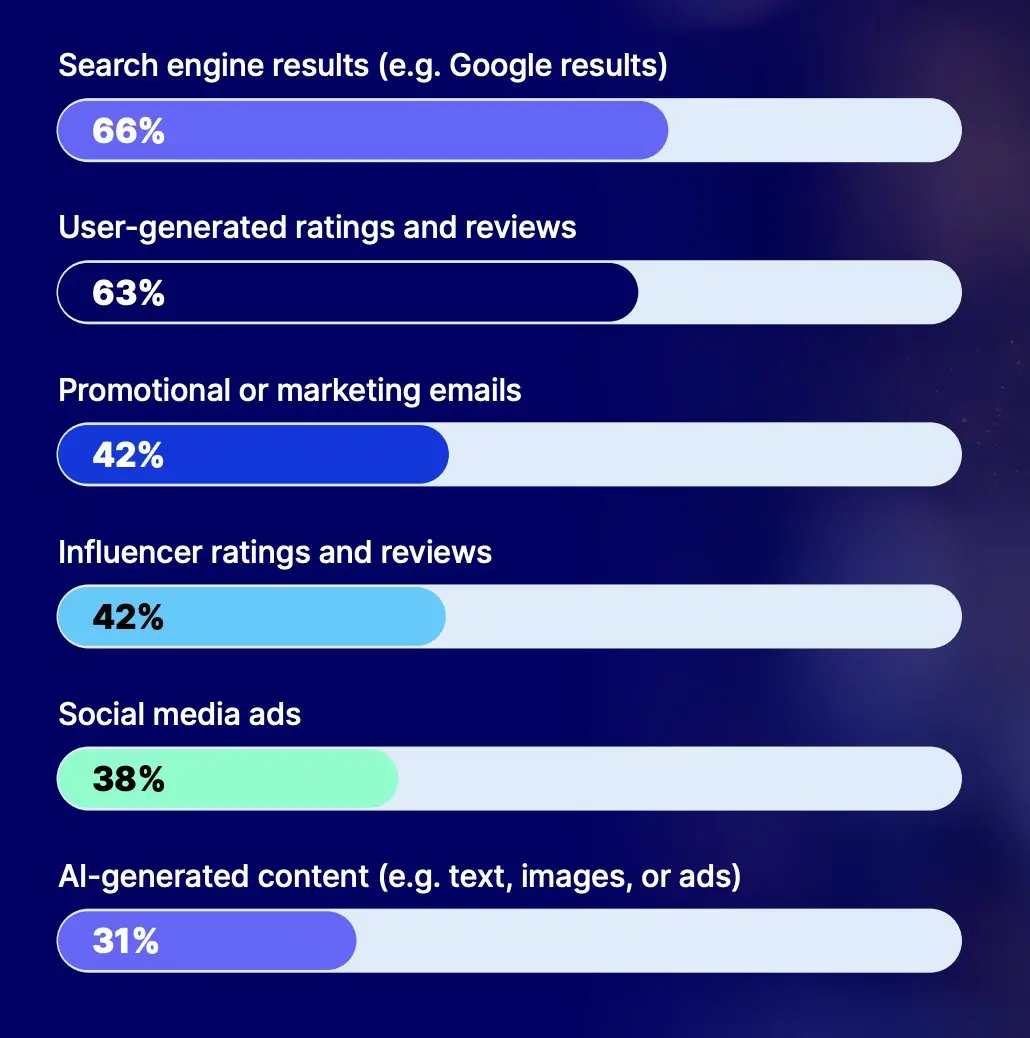
go.emplifi.io/rs/284-ENW-442/images/Digital_Authenticity_in_the_Age_of_AI.pdf
We may start to see more brands highlight original photography, have real authors stand behind the content, or explicitly label works as handcrafted.
My judgment: In 2027, brands will increasingly treat handcrafted content as a selling point.
4. Customer Development and Engagement with Core Users Become Scarce Assets
Building products has never been easier.
GitHub's 2025 report saw nearly 1 billion commits and 121 million new repositories, with commits up 25% year-over-year (GitHub Octoverse). Moreover, more of those products are being built by individuals: in the first half of 2025, independent founders launched 36.3% of new startups in the U.S., up from 23.7% in 2019 (Carta).
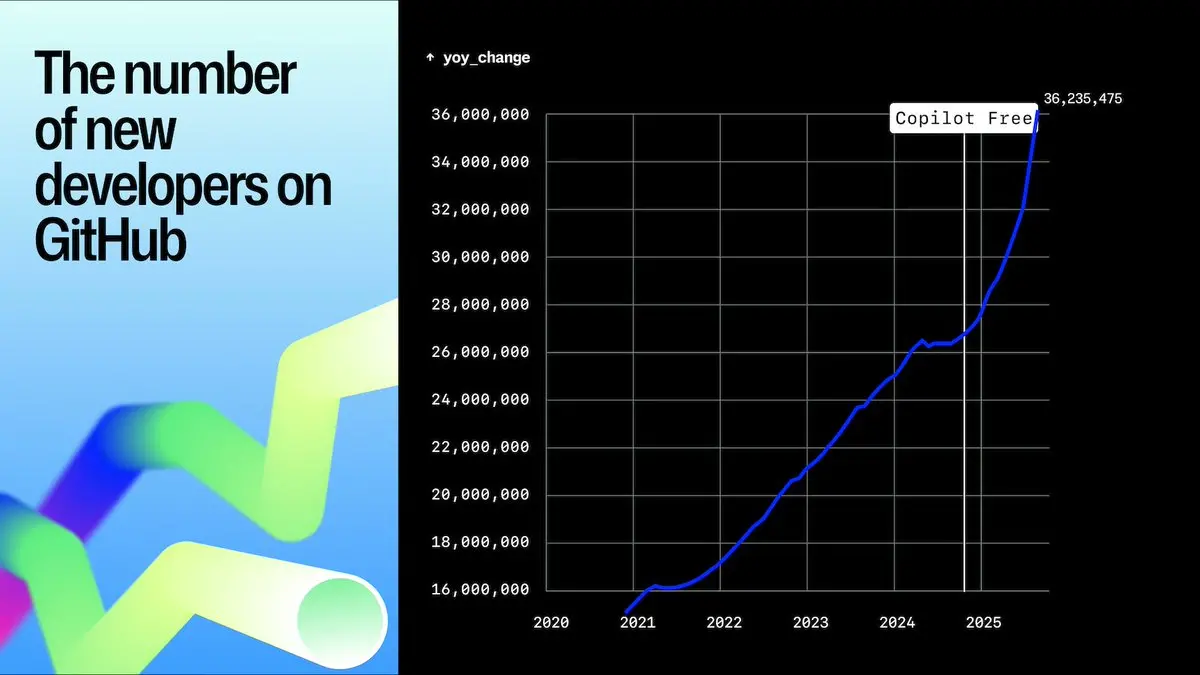
Creating products is easy; building distribution is hard.
Independent founders can tweak products in a day, but with limited budgets, they cannot afford to waste a quarter. Therefore, the cheapest way to grow is to bring in the right early users, talk to them, and rapidly iterate the product.
My judgment: In 2027, the demand for customer development and access to various core user engagement channels (communities, research panels, study networks) will significantly increase.
5. Personal Brands Drive Company Growth
Buyers want proof from people, not from brands.
In Optimizely's survey in the U.K., 72% of consumers said they were more likely to interact with content that feels human rather than automated (Optimizely). Therefore, I see company media exposure shifting towards those who do not directly sell but simply talk about the products they have built: first the founders, then the team.
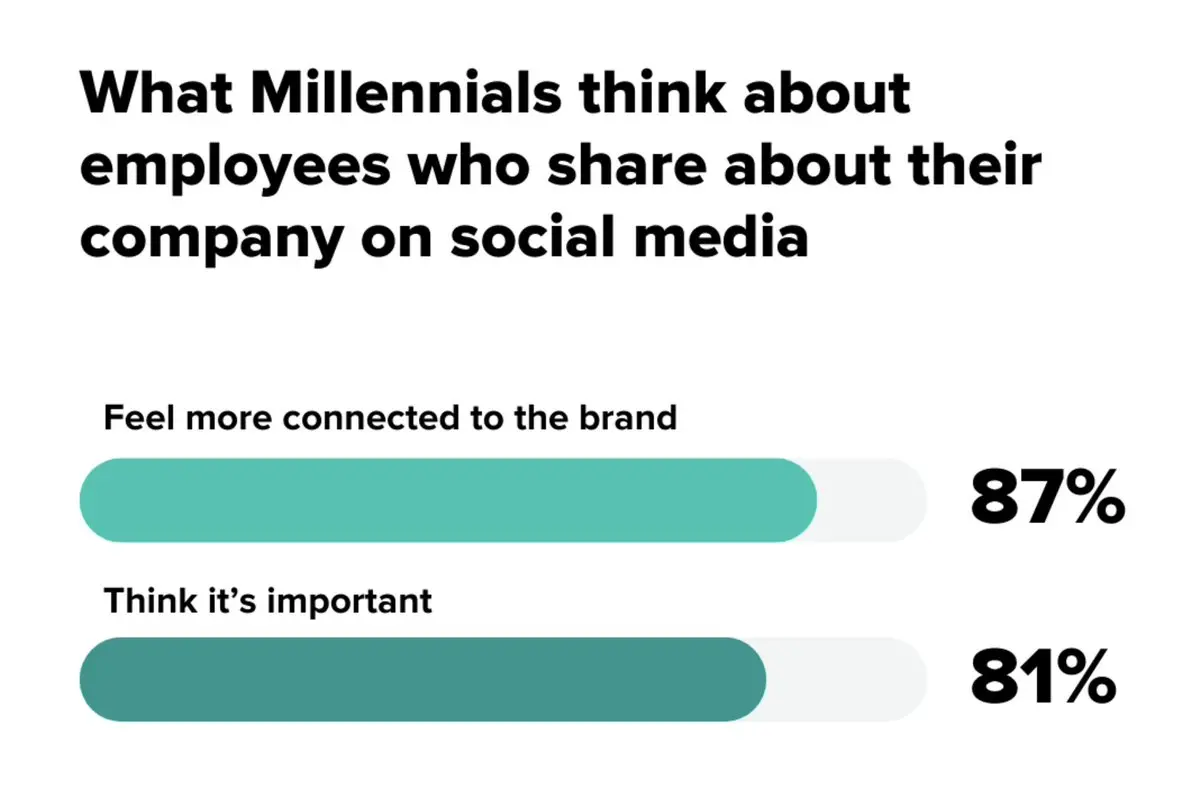
sproutsocial.com/insights/employee-advocacy-stats
This is also changing career paths.
A strong X, Instagram, or Substack account will become part of a professional's value, an asset that can increase salary and for which companies are willing to pay more.
My judgment: In 2027, personal brands will become a larger driving force for company growth, and companies will increasingly pay for this value.
Final Thoughts
In the coming year, I suggest you be more selective with your marketing budget.
Test emerging AI ad formats with clearly set performance goals while investing more consistently in:
PR
Creator relations
Personal brands
Distribution partnerships
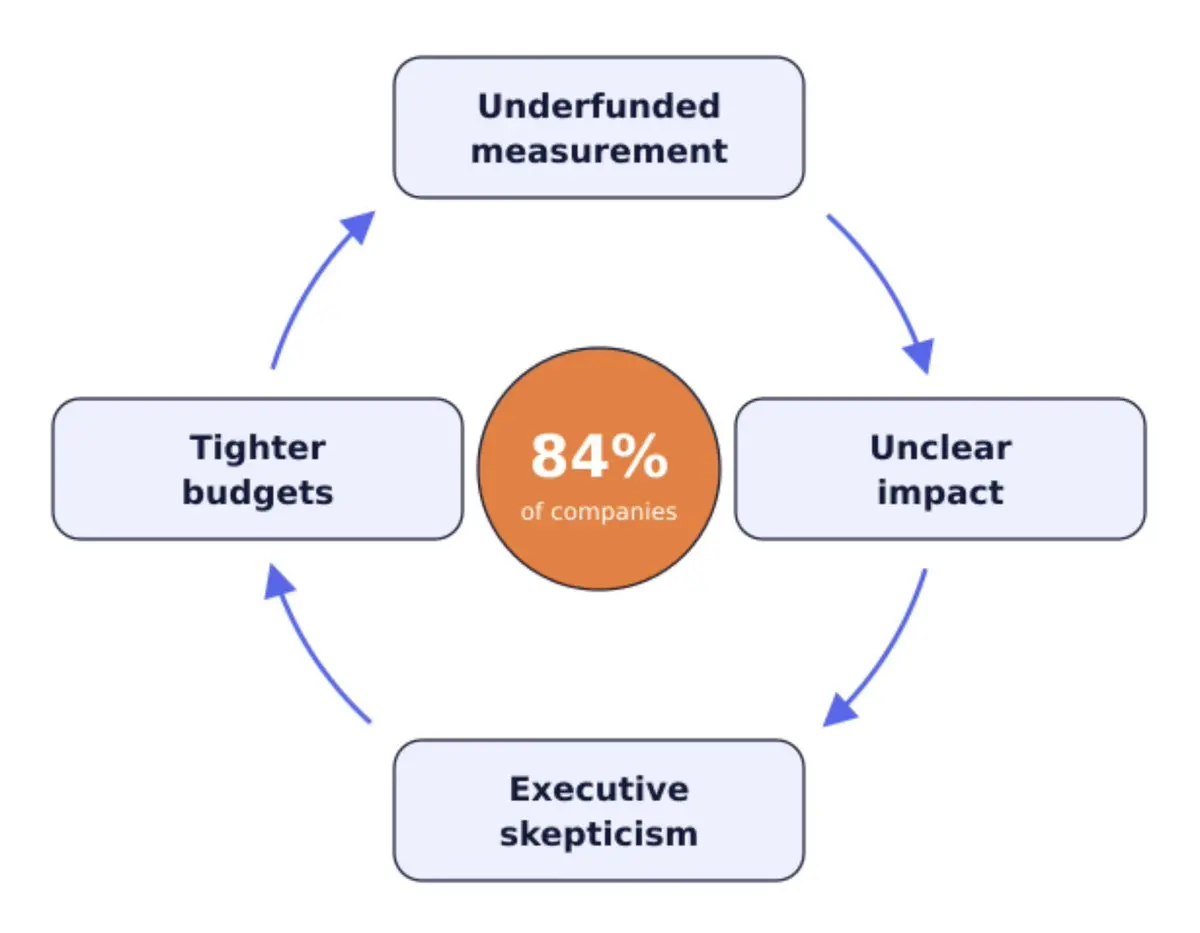
I would start building these relationships early, as they take a lot of time to cultivate.
Customer acquisition will become more competitive, so don't compromise your opportunities by waiting.
免责声明:本文章仅代表作者个人观点,不代表本平台的立场和观点。本文章仅供信息分享,不构成对任何人的任何投资建议。用户与作者之间的任何争议,与本平台无关。如网页中刊载的文章或图片涉及侵权,请提供相关的权利证明和身份证明发送邮件到[email protected],本平台相关工作人员将会进行核查。


