Dream Morning from Affective Temple Quantum Bit | Public Account QbitAI
As soon as Old Huang left, Nvidia faced a new crisis of employee loss.
On Wednesday, Nvidia held its first all-hands meeting after Jensen Huang stepped down.
The interim CEO, Colette Kress, who had been in office for only six days, revealed the trump card in front of nearly 50,000 employees just minutes into her opening remarks:
> This December, all employees will receive a salary increase and additional stock, several months earlier than previously planned.
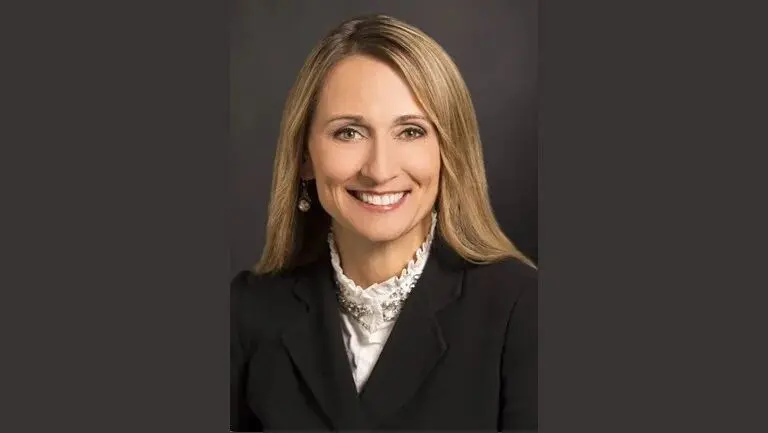
In the past, Jensen Huang's internal quarterly all-hands meetings were one of the most tightly sealed events in Silicon Valley, rarely leaking to the outside. Now, just after the meeting concluded, the internal speech was laid out on the media table.
Behind this 50-minute crisis management meeting, Silicon Valley's largest computing power empire is experiencing unprecedented tremors:
Market value evaporated by over $1 trillion, with "salary cut" ranking first among 700 employee questions before the meeting;
200,000 people signed a petition for Old Huang's return, and the board of directors has split into two factions;
The selection of a new CEO has stalled, with ARM's head hesitant to take up the position for fear of public backlash.
When that man in a leather jacket stepped down from the pedestal, Nvidia had to quickly switch from being "faith-driven" back to the most primal "money-driven."
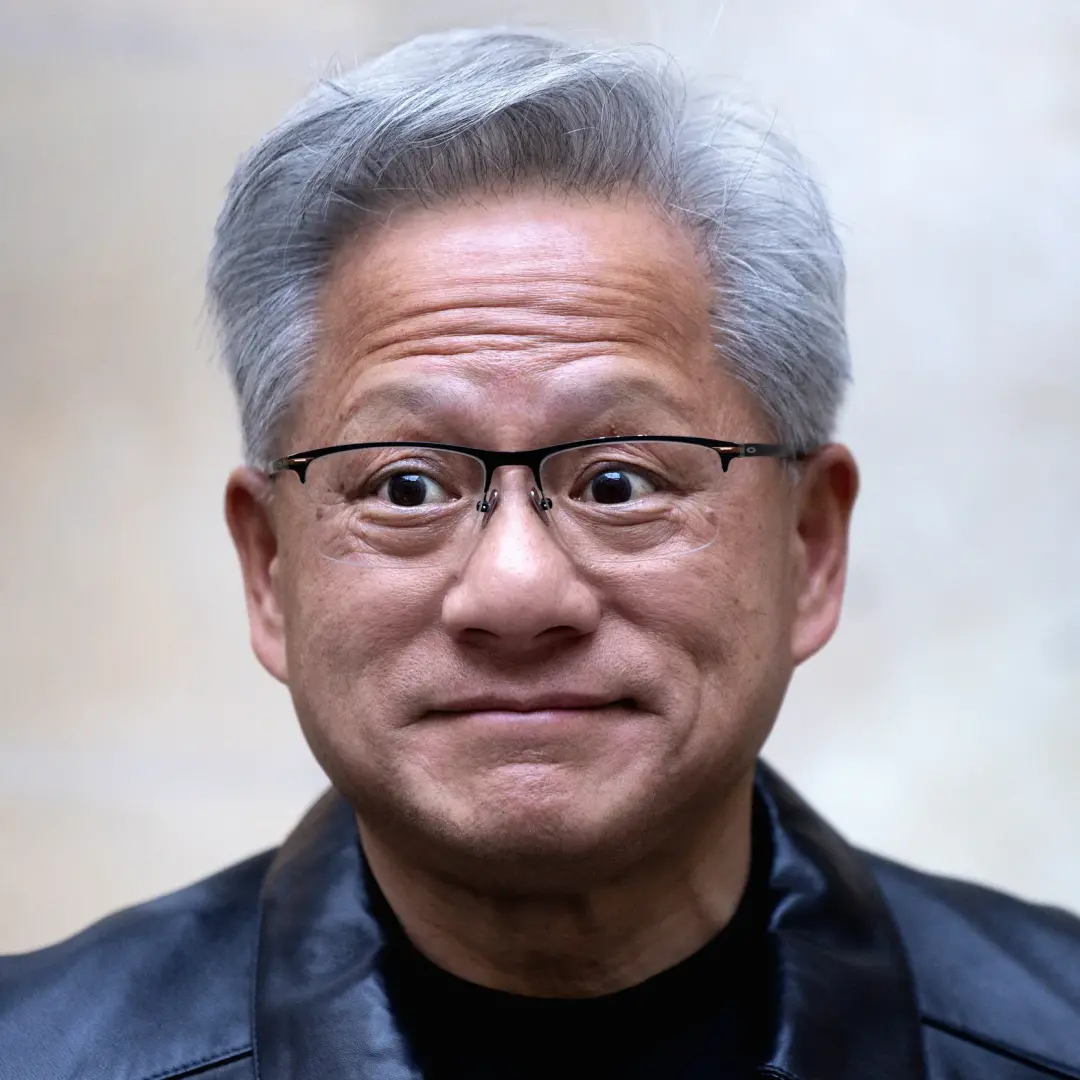
700 questions pressed for answers, salary became the only antidote
What we want to do most is take good care of every employee here and ensure that you do not have to worry about your salary issues.
Interim CEO Kress revealed her "cash capabilities" right at the start of the all-hands meeting because employees' wallets had already taken a heavy hit.
From the incident brewing in late October to Jensen Huang's official resignation on November 12, Nvidia's market value plummeted by more than $1 trillion in less than a month from its peak of $5.2 trillion.

For Nvidia engineers, whose salaries are deeply tied to company stock, Old Huang's personal crisis directly transformed into a shrinkage of assets in everyone's accounts.
Among the 700 employee questions collected before Wednesday's all-hands meeting, "how is salary calculated" became the most frequently asked question, even ranking ahead of "demanding the board to disclose the truth."
This panic has already spread to Wall Street.
During the third-quarter earnings call on Tuesday, a Bank of America analyst directly challenged Kress: In the face of such severe turmoil, how will Nvidia prevent top talent from leaving?
This concern directly targets Nvidia's soft underbelly. Over the past 33 years, Nvidia has maintained a rare flat organizational structure in Silicon Valley, with no traditional Chief Operating Officer (COO); dozens of executives reported directly to Jensen Huang, and even executive vice presidents did not have direct budget control.
Countless top engineers stayed here purely because of Huang's personal technical vision.
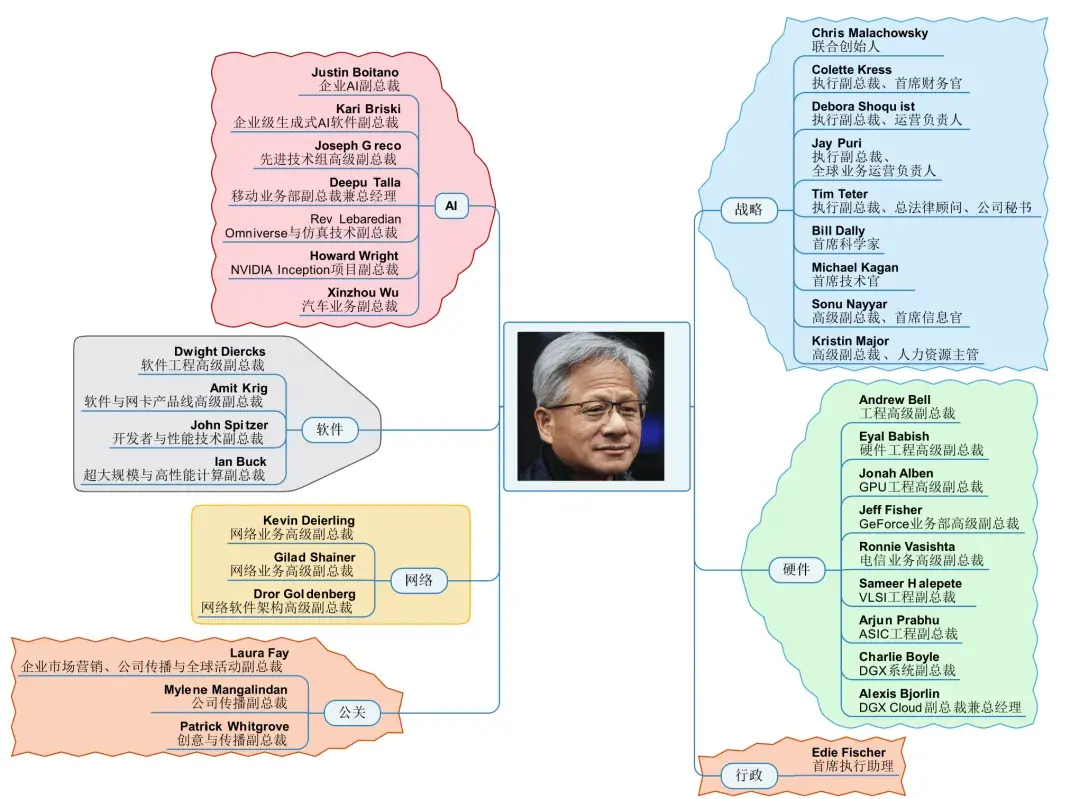
To stabilize the morale, co-founder Chris Malachowsky also made an appearance at the all-hands meeting. He reminisced about the time when he and Old Huang started the company, feeling that putting corporate culture on a poster was purely "nonsense," with the real culture rooted in the way of working, "we will be fine."
But feelings evidently are no longer enough. Kress, with a background in finance, who was recruited by Old Huang in 2013, knows very well that in a moment of shaken faith, only cash and equity that arrive in advance can lock in the resumes of the engineers who are eager to move.
$115.8 billion astonishing earnings report, possibly Old Huang’s final dividend
If it weren't for this storm, Nvidia should have been celebrating with champagne this week.
Just a day before the all-hands meeting, Nvidia submitted a remarkably dominant third-quarter earnings report (for the period ending October 25):
Quarterly revenue of $115.8 billion, far exceeding Wall Street's expectations of $109 billion, nearly doubling year-on-year;
Data center revenue of $107.6 billion, skyrocketing by 110% year-on-year;
Leading AI model training chip market share of approximately 90%, with nearly $30 billion in Intel stock and about $21 billion in SpaceX stock still on hand.
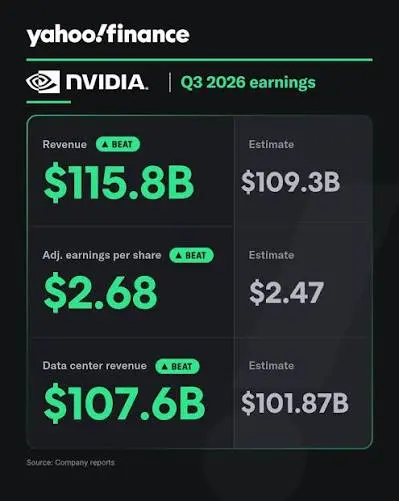
Even without Old Huang's endorsement, under the explosive demand for Agentic AI, Nvidia is still a roaring money printing machine. After the earnings report was released, the company's stock price rebounded by about 5% on Wednesday.
However, the strength of the fundamentals just highlights the predicament of Huang's ousting.
During the Wednesday all-hands meeting, the new board chairman, former Synopsys CEO Harvey Jones, used an unusually severe tone: The board accepted Huang's resignation due to his personal misconduct and "lack of candor."
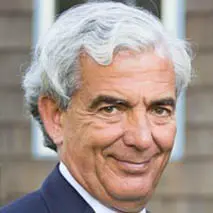
200,000 people petition to “bring back the boss,” but the board is in turmoil
Among the 700 questions collected at the all-hands meeting, the top concern was salary issues, and the second demand was for the "board to increase transparency."
Many employees initially thought the board would wait for the independent investigation to finish before making a decision, but unexpectedly, as soon as the investigation began, the 63-year-old founder was swiftly cut off.
This unexpected turn of events ignited a massive "Save Huang Movement" both inside and outside Nvidia.
In the company’s internal "suggestion box," a senior engineer's post asking the board to consider employee wishes instantly gathered over 1,600 comments, the vast majority of which demanded Huang's return:
If you still believe in the company’s mission, please bring back the real boss (THE boss)!
Even more employees directly sent a mass email to the board challenging them: "If America betrays this man who helped build its future, then this world is not worthy of Jensen Huang."
Outside the company, a public petition named "Bring Jensen Back" has collected about 200,000 supporters' signatures. Silicon Valley moguls like Elon Musk and Y Combinator President Garry Tan have expressed their support on X.
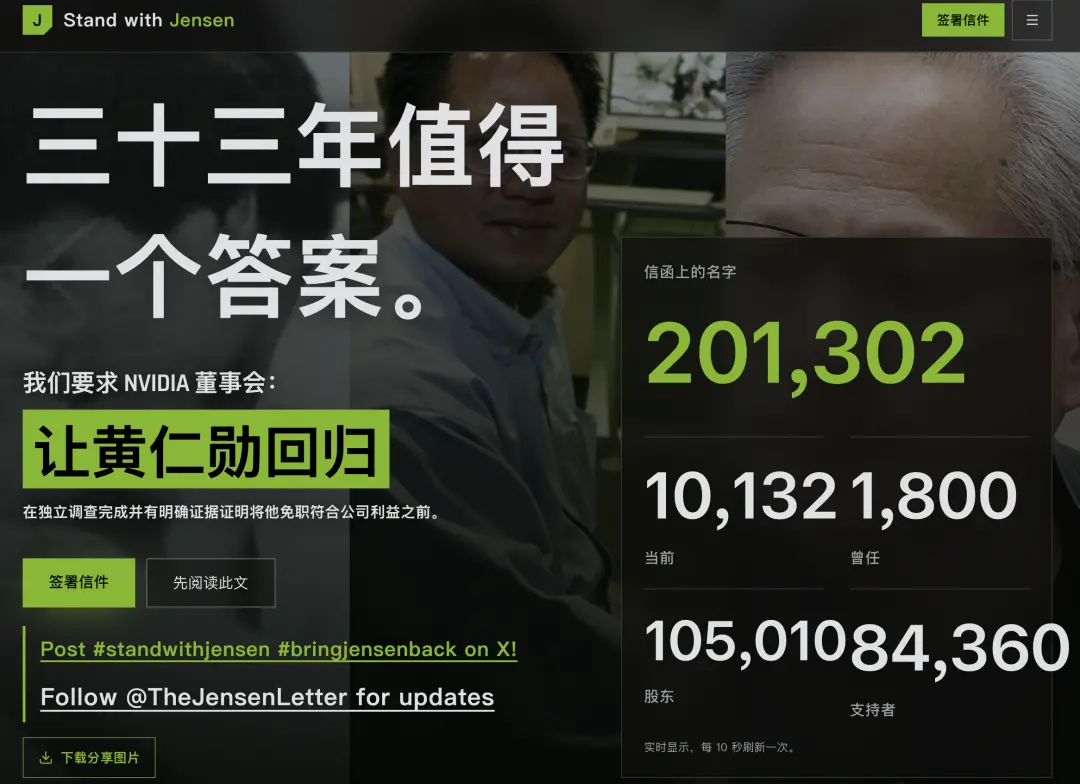
Seeing the overwhelming support from both inside and outside, Jensen Huang himself issued his first public statement after his resignation on Tuesday.
He acknowledged that he "failed to meet Nvidia's standards for everyone," while subtly extending an olive branch:
If the board believes my return is in the best interests of the shareholders, employees, the company, and America, I would be honored to respond to these calls and return to the CEO position.
In response to Huang's "open call," Board Chairman Jones firmly closed the door just hours later during the earnings call: The board unanimously accepted the resignation and does not plan to restore Huang’s CEO position.
However, insiders revealed that the board was actually in heated conflict.
Behind Jones' announcement of "never recalling" Huang, a small faction of three board members is actively pushing for Huang's return to the company. Before releasing his Tuesday public statement, Huang had already met with several tech executives and privately discussed the possibility of returning with at least one board member.
No one dares to take the CEO position
On one side are the calls for the return of the founder and the 200,000 petitioners, and on the other side is the board's majority faction's firm rejection.
This has turned the search for Nvidia's new CEO into a hot potato that no one dares to take on easily.
Chairman Jones clearly stated at the Wednesday all-hands meeting: Nvidia will not look for a "clone of Jensen Huang," nor will it lower its standards for the sake of expediency; instead, they welcome employee recommendations for CEO candidates.
Currently, the board's search list has been narrowed down, but whether looking internally or externally, there are awkward sticking points:
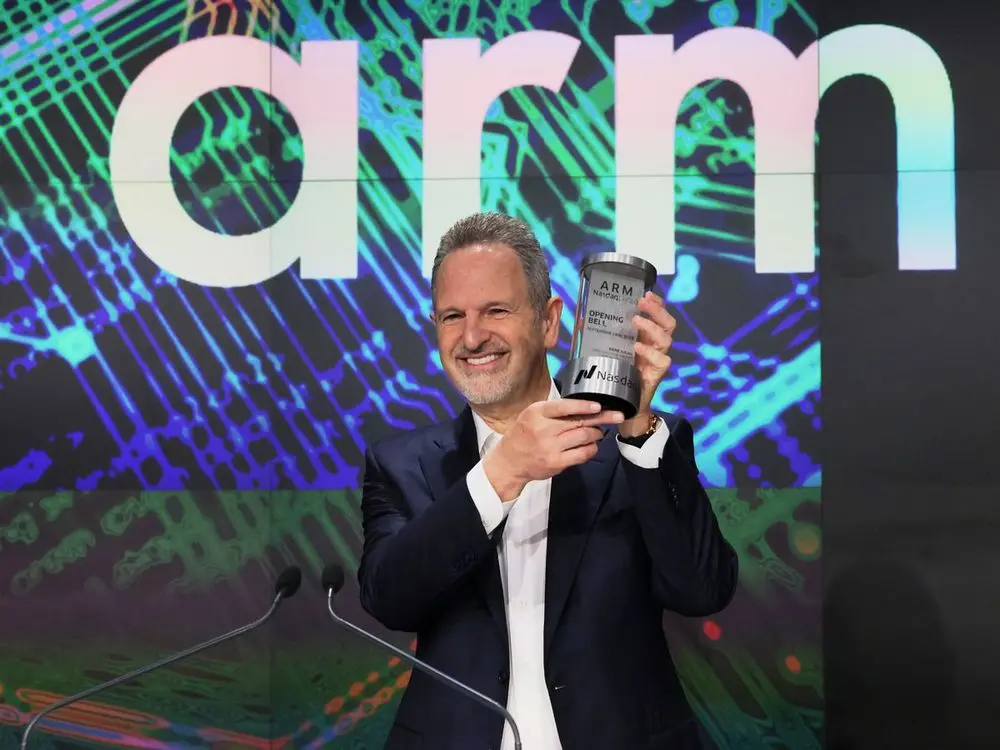
ARM CEO Rene Haas.
He has already had discussions with some Nvidia board members. However, insiders revealed that Haas is very concerned and feels that at a time when everyone is calling for "bring Old Huang back," he parachuting to seize the position would have very poor optics.
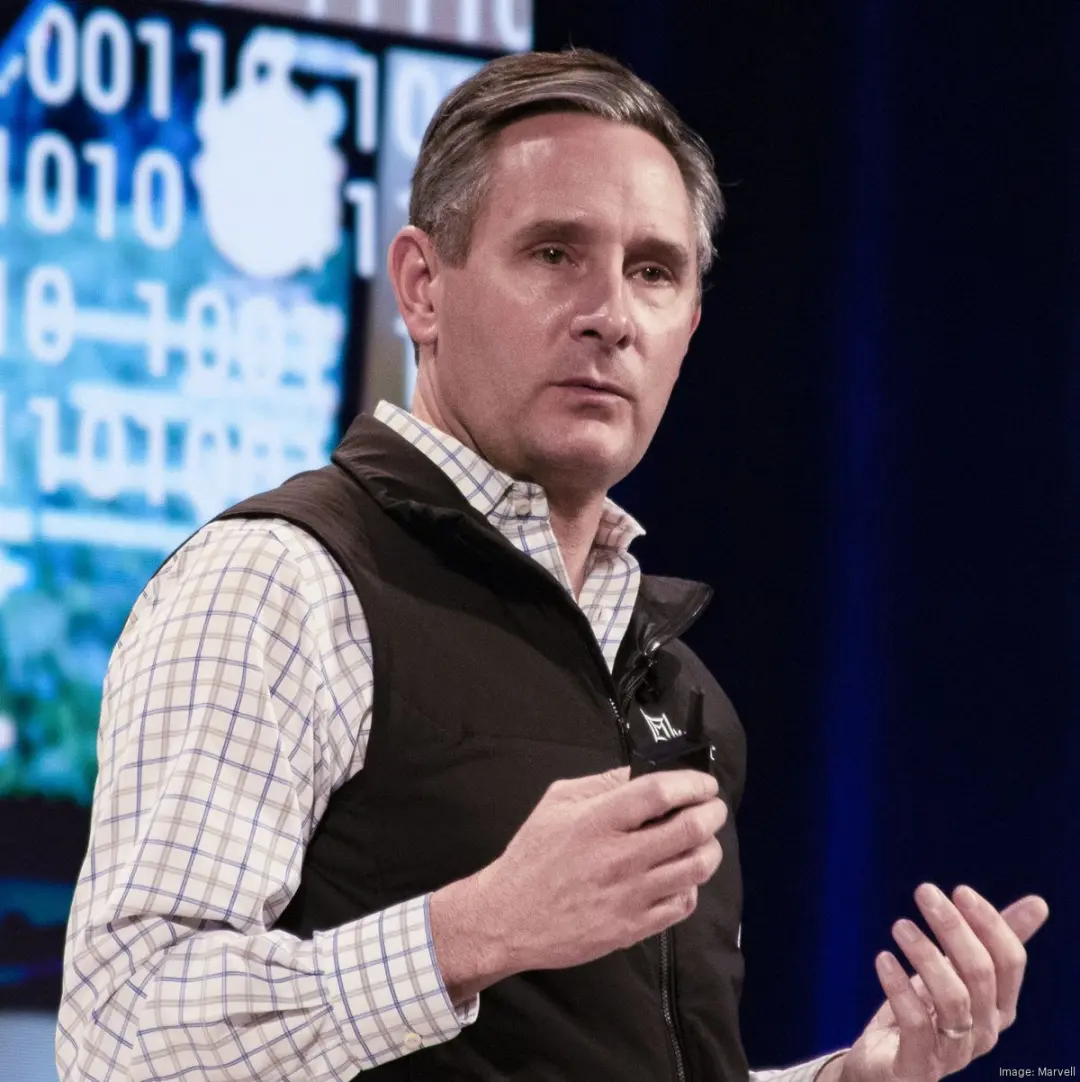
Marvell CEO Matt Murphy.
Also within the board's consideration range. But Marvell is currently busy with a giant merger case with competitor Lumentum, making Murphy unable to spare time.
Internal old guard.
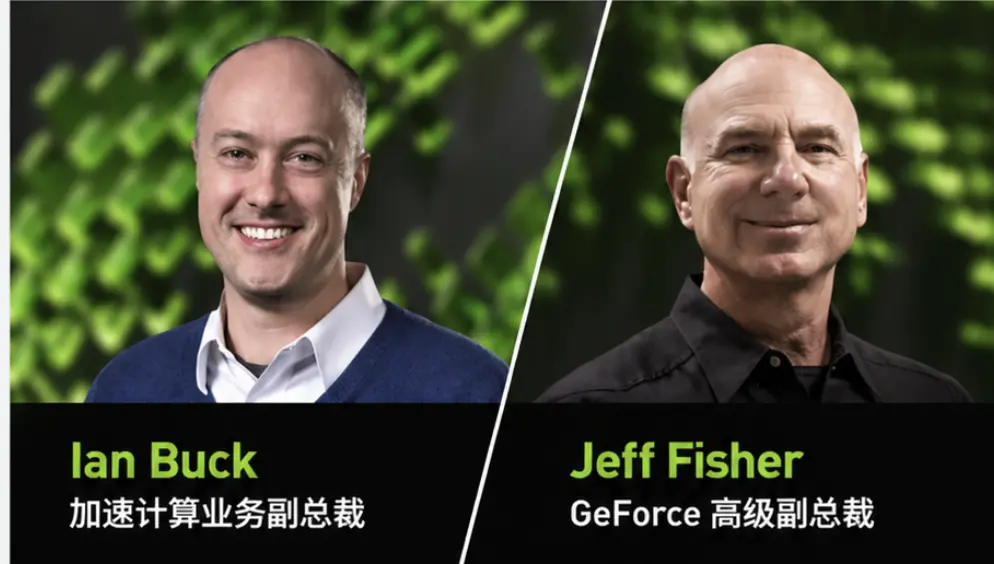
Whether it's the acting CEO Kress, or Ian Buck, a 20-year veteran who created the CUDA moat, or Jeff Fisher, a GeForce contributor who joined in 1994, all are capable in their fields, but none can simultaneously possess Huang's engineering charisma and Wall Street appeal.
At the end of the 50-minute all-hands meeting on Wednesday, to boost the somewhat dull atmosphere, interim CEO Kress told a somewhat abrupt metaphor.
She compared the current Nvidia employees to "90,000 spectators packed in the hottest, sweatiest Florida university football stadium;" at the start of the third quarter of the game, the entire audience would sing the same song in unison.
"We will hear that song, guys. Nvidia, we will make it," Kress said on stage.
However, for nearly 50,000 Nvidia employees who had just experienced a market value crash and a faith collapse, everyone knows very well.
While cash and stocks issued in advance might help them weather this winter, the one who could lead everyone to sing together is no longer on the field.
Reference links: [1]https://x.com/seemacnbc/status/2123154671007359343 [2]https://x.com/rogoswami/status/2122874943897731310
免责声明:本文章仅代表作者个人观点,不代表本平台的立场和观点。本文章仅供信息分享,不构成对任何人的任何投资建议。用户与作者之间的任何争议,与本平台无关。如网页中刊载的文章或图片涉及侵权,请提供相关的权利证明和身份证明发送邮件到[email protected],本平台相关工作人员将会进行核查。


