Authors: Drake Bennett, Ian King, Bloomberg
Translated by: Shenchao TechFlow
Editorial Introduction: After weeks of battling extramarital and leak allegations, Jensen Huang, who has led Nvidia for over thirty years, resigned unconditionally late Wednesday night. The technology giant's founder, who single-handedly shaped the global AI boom, appeared exhausted and worn out under the multiple pressures from the board and investigations.
Initially accused of improper associations with suspected espionage, and later implicated in an extramarital affair with a senior executive within the company, the scandal quickly led to Huang's fall from grace. With interim CEO Colette Kress stepping in, Nvidia not only faces a power restructuring but will also undergo stringent inquiries from Congress.
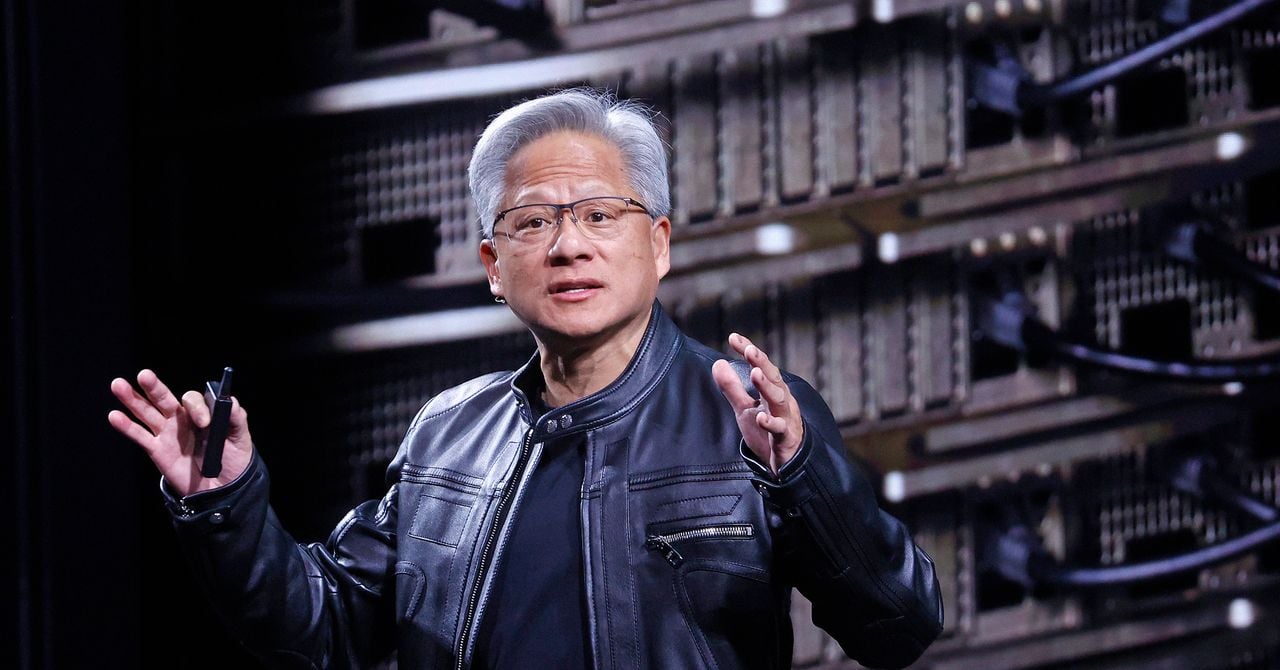
In the final moments, Huang appeared drained and mentally shattered, his once legendary vitality completely spent. After weeks of denying infidelity allegations and struggling to retain his position as CEO of Nvidia, he chose to unconditionally step down late Wednesday night.
According to a source familiar with the situation, Huang’s previous commanding demeanor has completely vanished, and he even began frequently uttering phrases like “whatever” and “I don’t care.”
During the decades spent building Nvidia into a trillion-dollar AI chip giant, Huang was known for his extreme attention to detail, from foundational chip architectures to the compensation plans of the company's lowest-level employees; he was involved in almost everything. However, those present at the time felt he had completely given up the fight.
Recent conversations with individuals who spoke with Huang revealed that he had fallen into deep regret, even harshly criticizing himself as “just an asshole.”
For this billionaire and tech mogul, the fall came remarkably swift. Just two weeks prior, he was a globally renowned emblem of AI. With his straightforward style and vigorous energy, he gained praise from former President Donald Trump, played an active role in shaping global tech policies, and garnered fervent support during his global tours akin to a papal pilgrimage.
It is hard to imagine whether the current AI boom would have occurred without Huang, Nvidia, and its chips; equally, it is difficult to foresee what the entire AI industry's landscape will be like in his absence.
As Nvidia Board Chairman Harvey Jones wrote in a post-departure email to employees: “Jensen Huang's contributions to Nvidia are profound and outstanding. Nvidia is also one of the most influential technology companies in the world today.”
As of now, it has not been possible to reach Huang for comment.
The AI Future Without Jensen Huang
In late October, when news first broke about Huang's close association with a woman suspected of espionage, the outside world initially believed he could weather the storm. The board members mostly comprised Huang's long-time investors, business partners, and friends, who were unwilling to take action regarding media reports, even rejecting public comments.
At that time, most news reports described the CEO's relationship with the suspect, Alice Huang, with great caution. Huang firmly denied any infidelity to his friends and colleagues. In fact, he had been denying this since being questioned internally at the company in late 2025.
In his last few interviews as CEO with Bloomberg, Huang still insisted that his interactions with Alice Huang were merely typical business relations with Chinese clients and executives. He stated, “Everything is completely normal, there’s nothing unusual.”
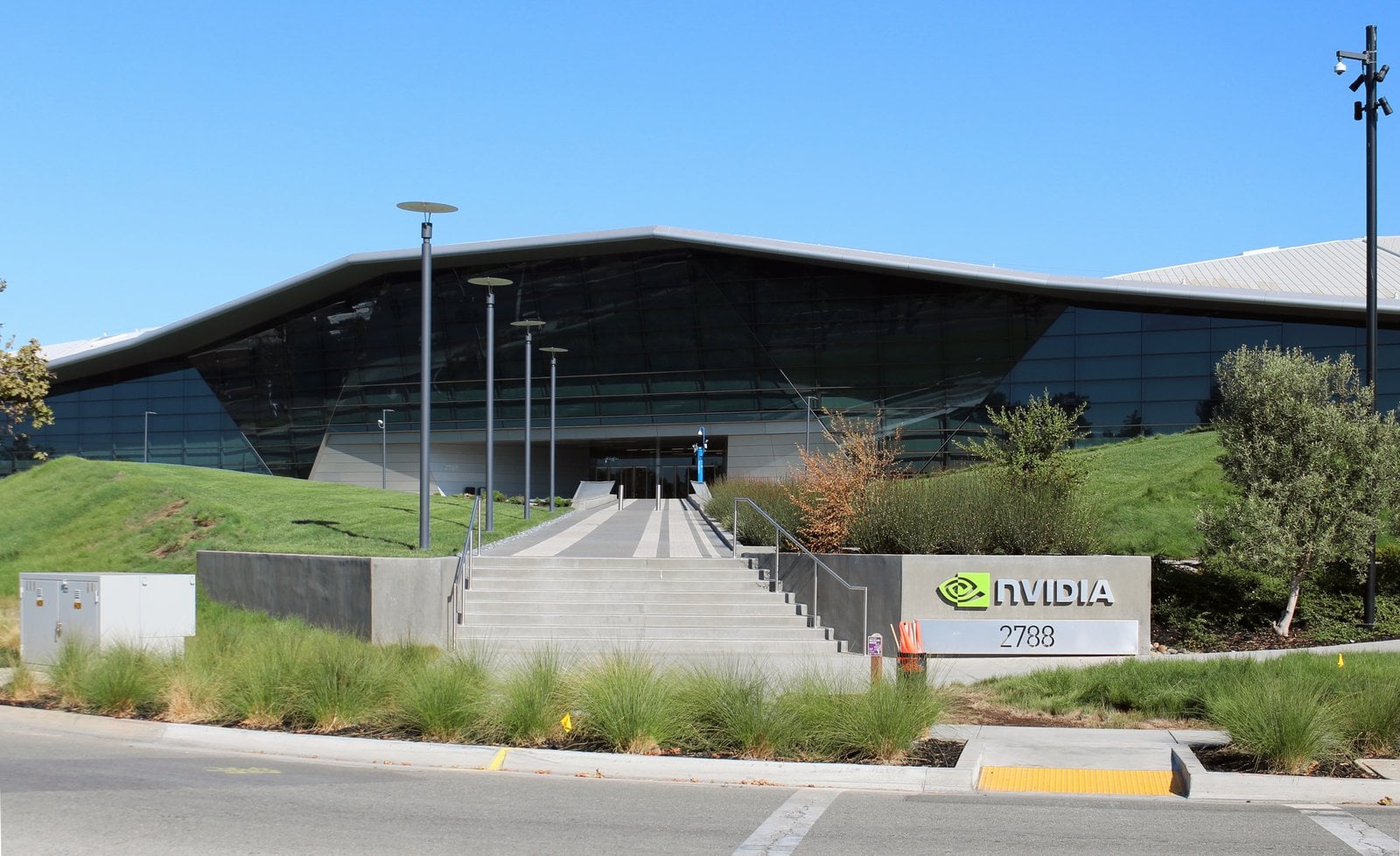
Image: Nvidia headquarters in Santa Clara, California
A turning point came last Friday (November 6). The Financial Times reported, citing U.S. officials, that the two were actually extramarital lovers. Shortly after the report was published, Nvidia's General Counsel Tim Teter confronted Huang at his home, and Huang subsequently admitted to the facts.
Even at that stage, most board members were still reluctant to publicly state their positions, but Teter, serving as board secretary, said they had to take action. The board then announced it would conduct an investigation into the allegations and hired the well-known law firm Wachtell, Lipton, Rosen & Katz to lead the investigation.
On Sunday, Huang sent an internal email to the entire company, publicly admitting to the extramarital affair, apologizing to his family, and pledging to “fully cooperate” with the board's investigation.
What Huang's Exit Means for Nvidia
As the scandal continued to unfold, various signs indicated that Huang's attention was inevitably dispersed, making it difficult for him to focus on handling the company’s complex daily management responsibilities.
Under Nvidia’s unique organizational structure, about 60 executives report directly to Huang, which is almost equivalent to a small army by conventional management standards. All employees are required to regularly submit their top 5 priority items via email, which Huang uses to ensure everyone is driving what he believes is the most essential work forward.
In the past, Huang would almost instantaneously reply to these emails day and night. However, in recent days, his response delays have become noticeably longer.
By Wednesday, The New York Times reported another bombshell, stating that Huang was also involved in an extramarital affair with Kimberly Powell, vice president in charge of Nvidia's healthcare business. This time, the board's response was exceedingly swift.
The board members held an emergency remote meeting on Wednesday that lasted late into the night. In the end, Huang had no choice but to resign, completely losing all formal roles in the company he co-founded.
The next morning, the board officially announced that Chief Financial Officer Colette Kress would assume the role of interim CEO. Kress quickly began to reassure the anxious internal staff.
Internal emails reviewed by Bloomberg showed that Kress wrote in her message: “I have great confidence in this company and its future. Most importantly, I believe in each of you, in our customers and partners, and even more so in the key role we play in the global economy every day.”
Kress added in the email: “The board, the entire management team, and I fully understand this is an incredibly tough time, and I sincerely appreciate the resilience, professionalism, and unwavering dedication you have exhibited.”
Kress pledged to hold an all-hands meeting on November 18. The day prior, Nvidia is set to announce its latest earnings report, with Wall Street analysts broadly predicting a near doubling of quarterly sales year-over-year.
Currently, the board must confront the daunting challenge of finding a successor to Huang. External expectations suggest potential candidates might include Lisa Su, CEO of Advanced Micro Devices (AMD), as well as Rene Haas, CEO of Arm Holdings, among others.
However, in reality, it is hard to envision anyone fully filling the roles Huang left behind: he was not only a technology expert but also a chief manager, top salesperson, policy lobbyist, and Nvidia's spiritual totem. Furthermore, Nvidia has never seriously formulated a traditional succession plan. Regardless of the outcome, Nvidia is set to begin transitioning into a conventional company and operate in a more standard manner.
As for Huang personally, even if he wishes to retreat, he is destined not to fade easily from the public eye. In the coming weeks, he is expected to testify before Congress, where lawmakers will rigorously question him about the depth of his relationship with Alice Huang and whether this entanglement jeopardizes the core secrets of Nvidia's top chips.
Individuals who have recently spoken with Huang indicated that he claimed to not care about his personal outcome anymore. He expressed that his primary concern now is for his wife and that he is trying to avoid “destroying the lives of several women,” who are now thrust into the limelight of public scrutiny.
免责声明:本文章仅代表作者个人观点,不代表本平台的立场和观点。本文章仅供信息分享,不构成对任何人的任何投资建议。用户与作者之间的任何争议,与本平台无关。如网页中刊载的文章或图片涉及侵权,请提供相关的权利证明和身份证明发送邮件到[email protected],本平台相关工作人员将会进行核查。


