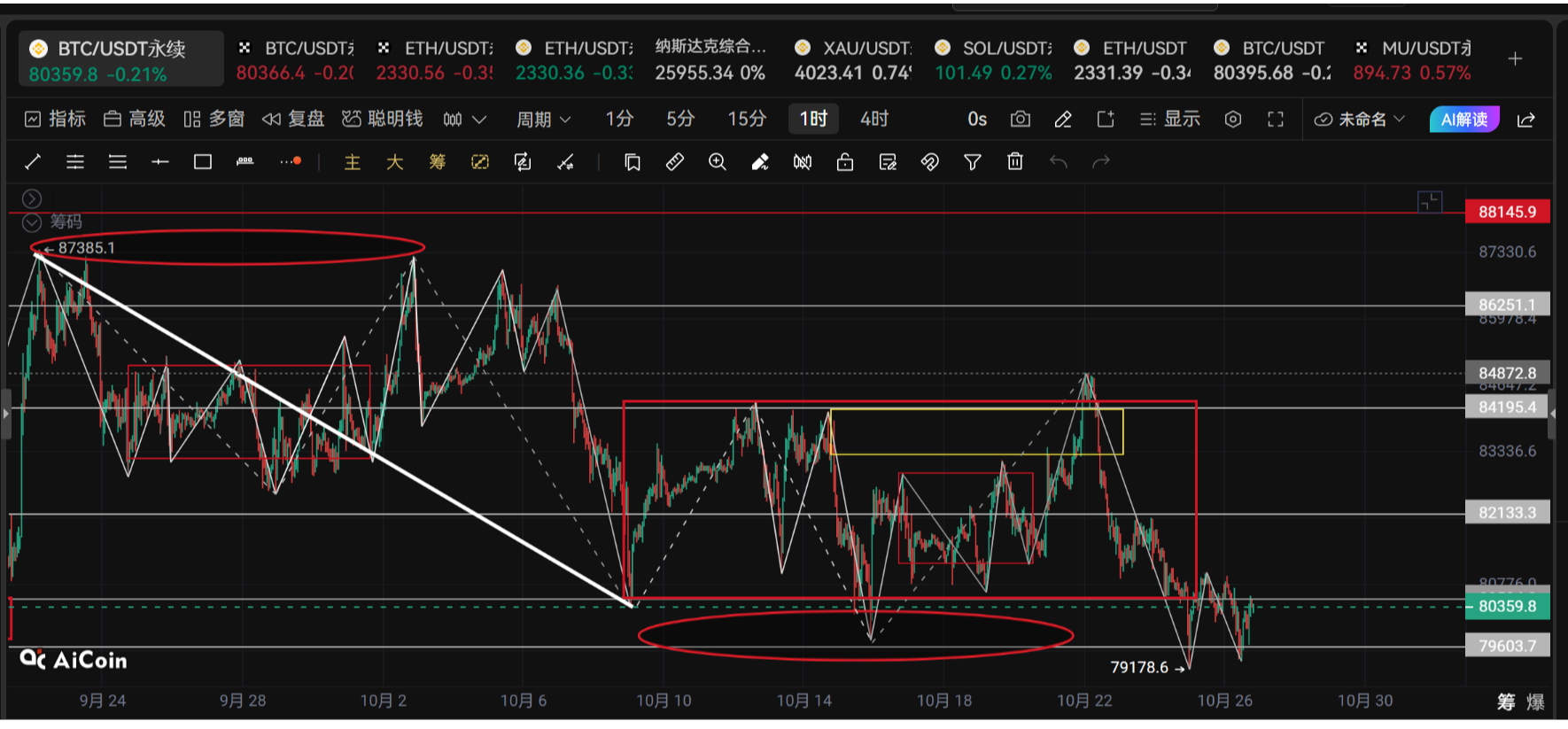
1. There is a joke about Ethereum that says, in the last five years, you could buy $2000 worth of Ethereum every year.
There have been too many jokes like this in history.
From 2001 to 2007, you could buy Nvidia for under $0.8 every year;
From 2000 to 2007, you could buy Apple for under $5 every year;
From 2000 to 2007, you could buy Amazon for under $4 every year;
……
The facts cited in these jokes are not wrong, but how to view these facts and what perspective to adopt is the key distinction for investors.
If an investor can see the potential and value of an asset in the future, they will treasure the market undervaluation period as a valuable opportunity to accumulate chips.
If an investor does not believe in the future of an asset, they will find this period to be a boring time.
2. Does this mean that as long as the created wallet address has never been traded or operated, only accepted assets, this address cannot be backtracked to reveal the private key? Is that the meaning?
That is the meaning.
However, this statement is a bit loose. Wallets that have accepted assets are also considered "traded." But as long as this wallet has not initiated any signatures or outgoing transactions, its complete public key has not been publicly exposed on the blockchain, and people cannot backtrack the private key through the public key information on the blockchain.
3. What wallets are safer?
This question has been widely discussed online recently, and I think one suggestion is quite good: use an Apple phone as a "cold" wallet. Install only the operating system, necessary system software, and wallet; avoid installing other software if possible.
Then, turn it on and connect to the internet only when signing or conducting transfer transactions, and keep it powered off at other times.
Although some people critique that such a "cold wallet" still poses security risks, I think for the average person, achieving this level of security is already sufficient, and there is no need to worry excessively.
4. What do you think about what XX said a few days ago regarding the threat of quantum computers to Bitcoin?
This topic has been very hot recently.
This topic can be further divided into two categories:
One is the concern that quantum computing will be used to crack Bitcoin's encryption system; the other is the worry that quantum computing will be used to steal long-stagnated Bitcoin, thereby collapsing the price of Bitcoin.
The first issue is a common discussion; whether quantum computing or AI poses a threat to the current encryption system is a fact, but as I have analyzed multiple times earlier, this issue can be resolved, so I am not too worried.
The second issue might be a bit tricky, because many of the wallets containing Bitcoin that have been locked for a long time already have their public keys fully exposed on the blockchain.
This means that whether through quantum computing or AI, there will come a day when these public keys’ private keys can be cracked to obtain these long-stagnated Bitcoins. Once these Bitcoins flood the public market, the price of Bitcoin could crash.
The second issue also has technical solutions, but using technical methods will involve debates about whether Bitcoin is still "decentralized."
If hackers are allowed to steal and dump, the price of Bitcoin will crash; if these coins are rendered worthless, it will raise suspicions of manipulation.
Therefore, any method of solution will cause significant controversy within the community.
I am not sure how this issue will develop in the future, but I believe that even if Bitcoin has to go through this disaster, it may not necessarily be a bad thing; perhaps it can lead to a complete rebirth, truly becoming a fully liquid decentralized asset.
免责声明:本文章仅代表作者个人观点,不代表本平台的立场和观点。本文章仅供信息分享,不构成对任何人的任何投资建议。用户与作者之间的任何争议,与本平台无关。如网页中刊载的文章或图片涉及侵权,请提供相关的权利证明和身份证明发送邮件到[email protected],本平台相关工作人员将会进行核查。