
Following the launch of tokenized stocks by institutions like Ondo, Binance, Bitget, and Coinbase, individual stocks have become conventional assets on-chain: each one is backed by real stocks held in regulated custody, traded around the clock, and verifiable on-chain. However, what investors typically need is not a single stock but a well-formed portfolio, a layer that has long been absent on-chain. City Protocol fills this gap: the components, weights, and rules of the portfolio are all public, and purchasing is as simple as buying a single stock. Holders make a single payment, and each stock in the portfolio enters an account controlled solely by them, open 24/7, with no need to open an account with a local broker; when the rules are triggered, the portfolio is rebalanced, and selling when needing to exit is just as convenient as buying. This is a structured product market that trades the entire investment portfolio as a single product, with the first three portfolios going live today.
September 15, 2026
The structured product market City Protocol today launched the on-chain token portfolio (OTP). Previously, City Protocol was mainly known for its curator vault. Through OTP, holders can buy a basket of tokenized stocks as a portfolio at once and directly hold each stock in it.
The first products are three index-based OTPs: the Magnificent Seven Index OTP (equally weighted among the seven giants of U.S. stocks) deployed on BNB Chain, and the Fantastic Four Index OTP and Elon Musk Index OTP deployed on Base. All three products allow a single transaction to exchange stablecoins for a basket of tokenized stocks, with the stocks directly held in the holder's own address; there are no funds, custodians, or net asset values involved.
1. $23 trillion in assets, open for trading just one-fifth of the year
ETFs and index funds hold about $23 trillion in global assets, making them the largest product category in the financial industry. Compared to holding individual assets one by one, investors prefer to buy a well-formed portfolio.
However, the underlying mechanisms that support these products have become outdated. The trading hours for U.S. stocks are approximately 1,638 hours per year, less than one-fifth of the total year; products can only open intermittently, with pricing done once per day.
There is also a distance between investors and stocks. Subscriptions and redemptions are only open to authorized participants (AP), and participation depends on the countries and brokers involved; there are middlemen such as brokers, funds, custodians, and transfer agents between investors and listed companies. With each additional layer of intermediaries, funds must linger longer on someone else's balance sheet.

Figure 1. The distance between investors and stocks. Via the fund pathway, there are four layers of intermediaries between investors and listed companies; in OTP, stocks are directly held within the investor's own account.
2. Assets have been on-chain, but the portfolio layer has not kept pace
As of 2026, tokenized U.S. stocks have been trading 24/7 on BNB Chain and Base, each backed by real stocks in regulated custody and verifiable on the block explorer; treasury bonds, credits, and trading strategies have also been packaged into priceable vaults.
The only absent layer has been the portfolio encapsulation. The only previous encapsulation form on-chain was a vault, and the logic of a vault is "aggregation": accepting deposits, issuing shares, pricing shares, and rationing exits. This logic applies to strategies that operate under a single ledger but does not apply to portfolios—where the assets should ideally be held by the holders themselves.
City Protocol addresses this gap: enabling a set of portfolio compilation methods to operate within the holder's own account.
.png?table=block&id=8590d37b-2b5f-400f-be69-e662e21e578c&spaceId=4c9f9edb-06f6-817e-88c4-000385ad6d15&width=1410&userId=&cache=v2&imgBuildSrc=requestProxiedImageUrl)
Figure 2. Two tiers. The asset layer has been filled first: tokenized stocks and priceable vaults are in place; the portfolio layer has only been filled with the emergence of OTP.
3. Strategy vaults and OTP: Two architectures on the same layer
Strategy vaults aggregate deposits under a named manager and operate within a set of audited, code-enforced authorizations: depositors hold a tokenized receipt, the vault prices by share, returns come from strategies, and exit methods are through redemptions, either redeemable at any time or at periodic openings.
OTP is the second architecture on the same layer, with the operational logic being exactly the opposite: there is no fund pool, but rather component assets are directly purchased into the holder's own account and adjusted according to publicly released compilation methods. Holders own the stocks, prices are formed separately by the market for each stock, and returns come from the component assets, where exiting means selling stocks that already belong to them.
Both architectures have products suited for various types. Strategies that operate under a single ledger—such as lending or market-neutral trading—suit vaults; portfolios composed of named assets suit OTP. OTP can hold a vault position as a component asset, whereas vaults cannot hold a portfolio.
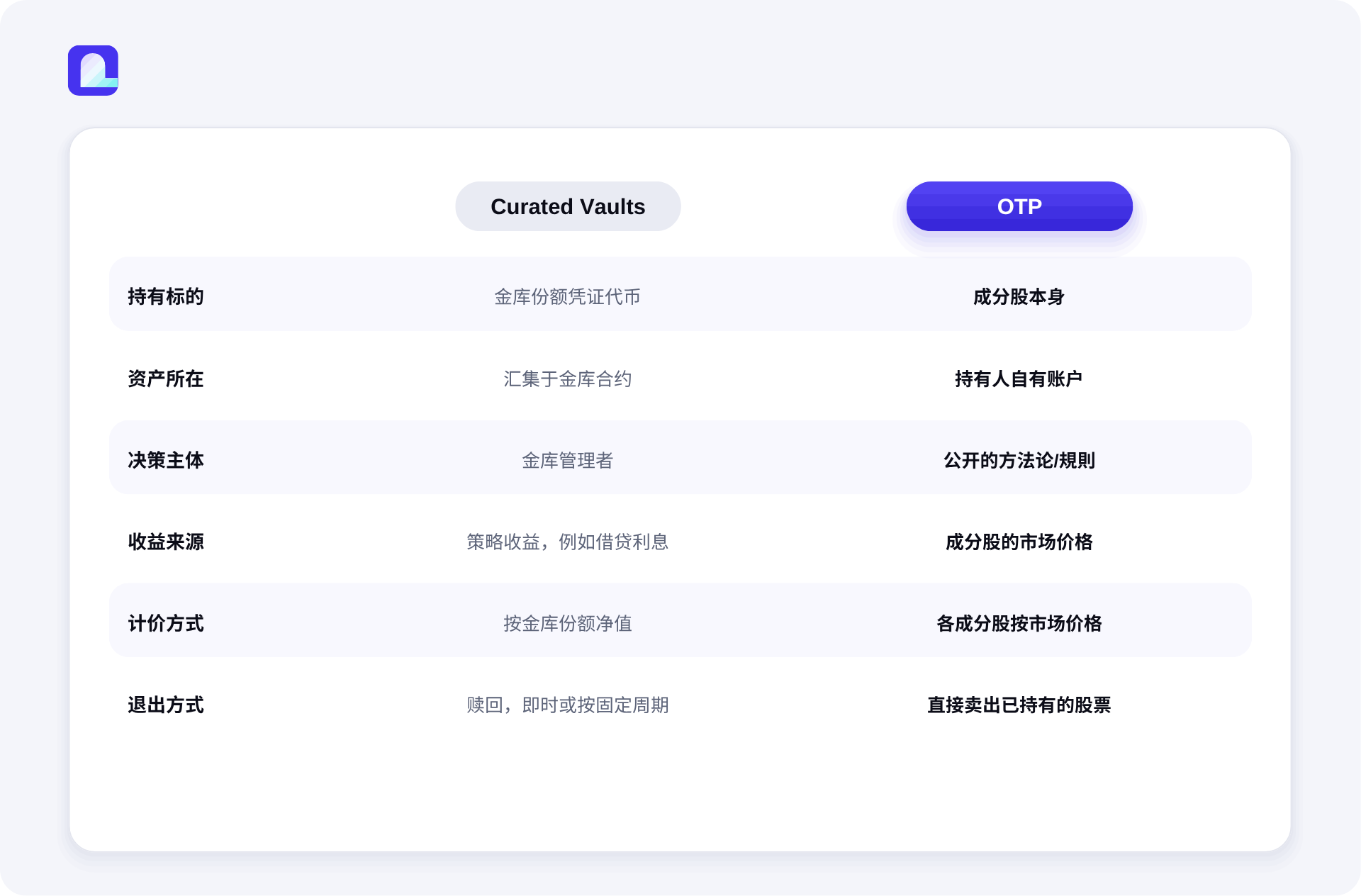
Figure 3. Comparison of strategy vaults and OTP across six dimensions.
4. How OTP operates
OTP is a portfolio: defined by a publicly released, versioned compilation method and stored in each holder's own on-chain account. The compilation method specifies the component assets, weights at purchase, and rebalancing rules, and is published prior to the product opening; execution strictly follows the published version.
This results in four core characteristics.
4.1 One transaction completes the purchase of the entire portfolio
Holders only need to sign once, the stablecoins are exchanged for all component assets according to the published weights, and the stocks directly enter the smart account owned by the holder. For example, with the Magnificent Seven Index OTP, a single signature buys seven tokenized stocks, each accounting for one-seventh.
.png?table=block&id=dbbbf68f-558b-41b2-9cd1-4d4e6592d5b9&spaceId=4c9f9edb-06f6-817e-88c4-000385ad6d15&width=1410&userId=&cache=v2&imgBuildSrc=requestProxiedImageUrl)
Figure 4. Completion of entry with one signature. Stablecoins are exchanged for component assets according to the published weights, all entering the holder's own account; in the case of the seven giants, these are seven tokenized stocks, each accounting for one-seventh.
4.2 Each component asset is directly held by the holder
Each holder has an independent account, so the stocks are not aggregated; the holdings themselves are those balances, priced by the market and visible on the block explorer. Each balance corresponds to one tokenized stock, which the holder can sell, transfer, or continue holding separately.
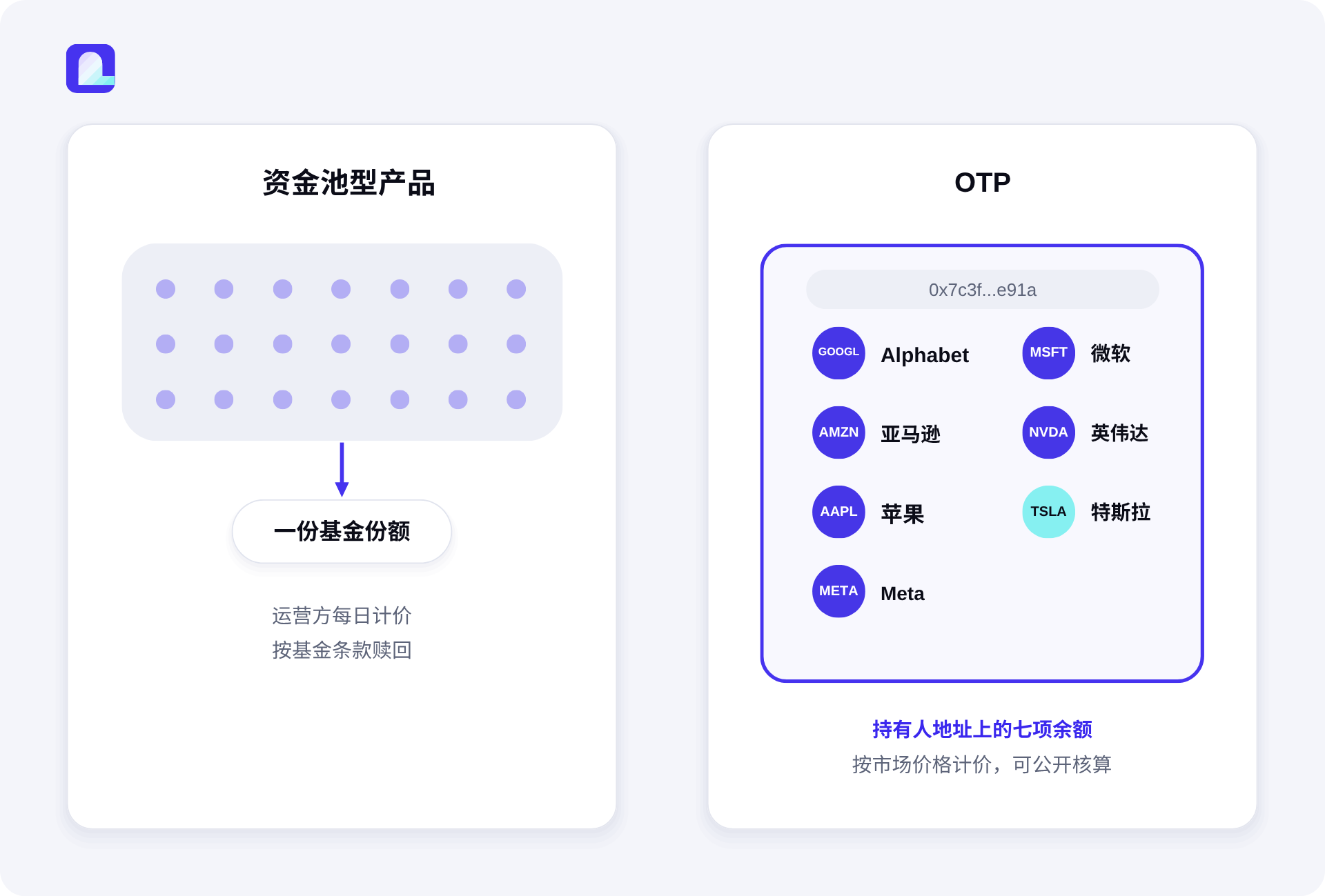
Figure 5. Aggregated products provide holders with shares in a container, along with a price calculated by the operator; OTP provides holders with the balance of component assets on their address, and the value can be computed by anyone independently.
4.3 Only rebalanced when preset rules are triggered
The portfolio configuration will only be adjusted when the preset rules in the compilation method are triggered, and all rules are linked to public information. For master-type OTPs, the trigger condition is a new regulatory document or a disclosed transaction, with the adjustment content entirely consistent with the disclosure; for index-type OTPs, the trigger condition is a change in index rules; for thematic OTPs, it is when a certain underlying asset is included or excluded according to the rules.
Between two rebalancing events, the weights float naturally with the market. The products do not set target weights or allow deviations: in a year when a component stock performs strongly, its proportion in the portfolio increases naturally. By design, the rebalancing frequency is inherently very low.
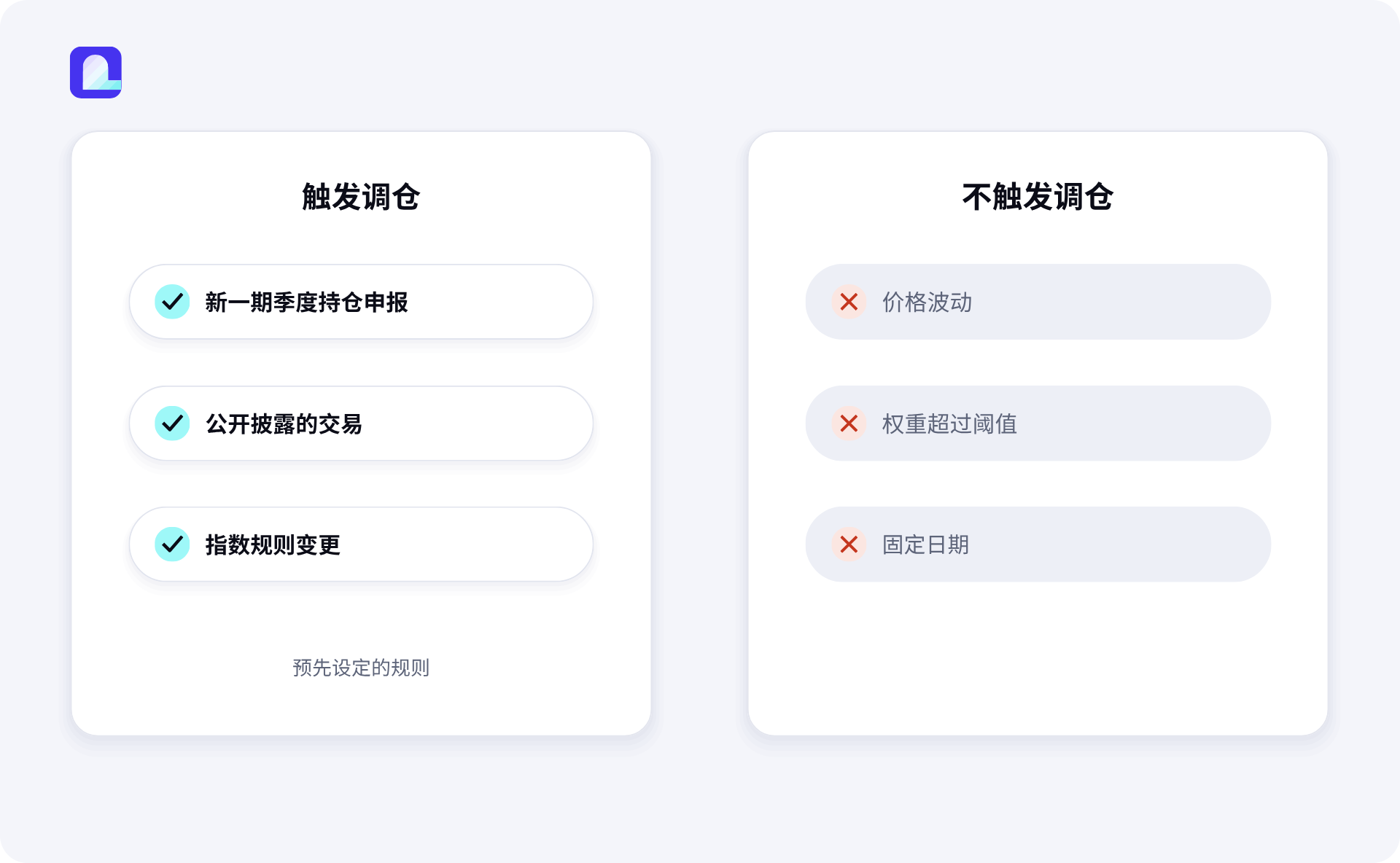
Figure 6. Scenarios of triggered versus non-triggered rebalancing. A regulatory document, a disclosed transaction, or a change in index rules would trigger adjustments; price fluctuations, weights crossing a certain threshold, or specific calendar dates would not.
4.4 Direct exit: Sell the whole basket or individual components
Holders can sell the entire basket of assets back to stablecoins in a single transaction, or sell just one component, keeping the rest, or transfer an individual component to another address. The products have no lock-up periods and no settlement windows—because there is no fund pool that needs rationing.
Even if City Protocol ceases operations, each holder still holds all component assets in their account.
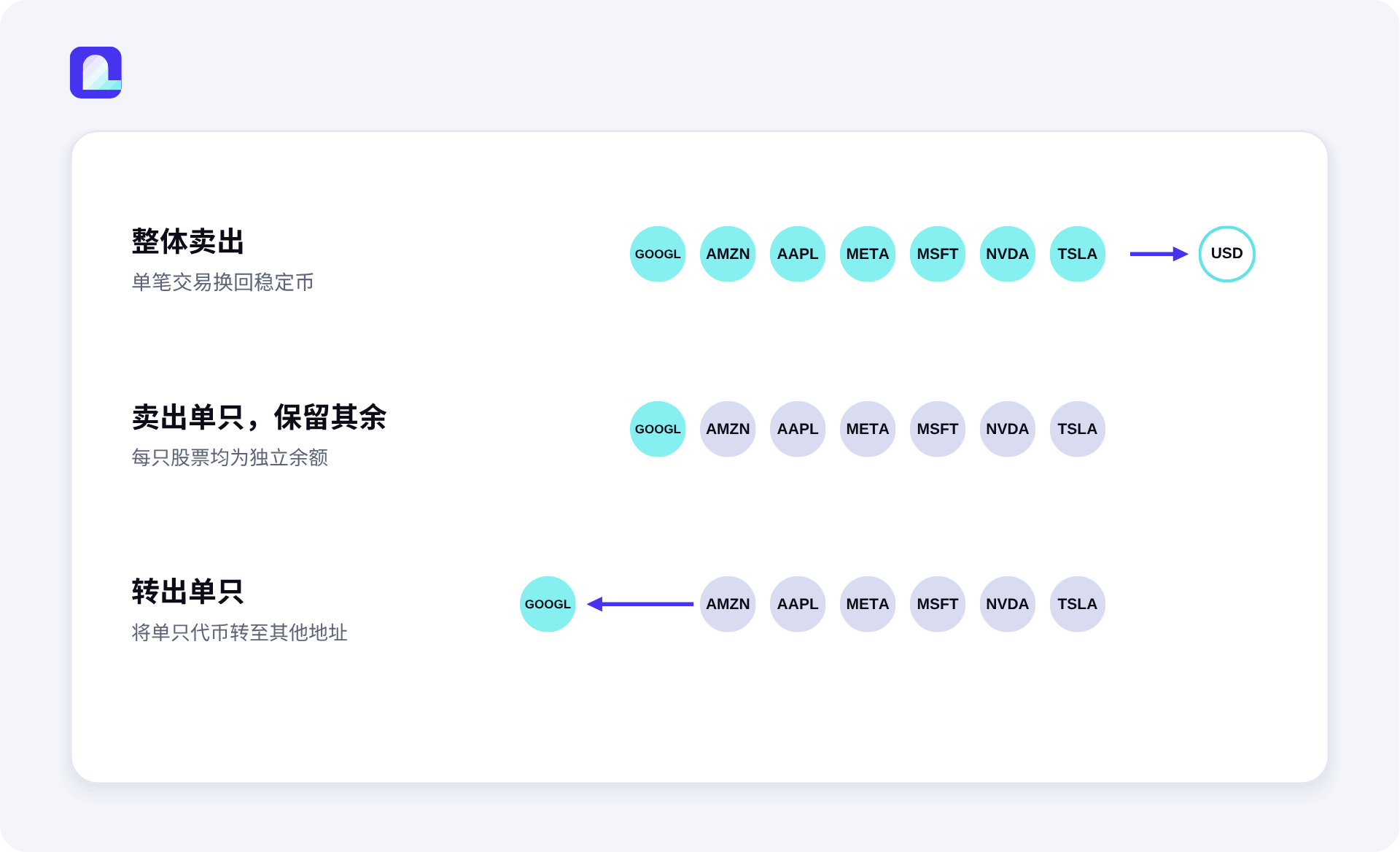
Figure 7. Three exit paths, all without needing to wait for any party.
5. Composition of an OTP
The above characteristics are supported by three components: custodians responsible for holding stocks, rebalancing mechanisms responsible for adjusting configurations, and the issuance and operation layer responsible for product operation.
5.1 Custody
When users log in, the system generates an embedded wallet through Privy, which is a real on-chain private key that only the holder controls, requiring no mnemonic phrase or browser plugin. When buying a portfolio, the system deploys a smart account owned by that wallet, where all component assets are stored.
The private key is split into two parts and encrypted for safekeeping: one part must be decrypted by Privy, while the other is released only when the holder logs in, thus the complete private key only exists at the moment of signing. Neither Privy nor City Protocol holds the complete private key.

Figure 8. Custody structure. The holder's embedded wallet has a smart account that holds stocks, with corresponding private keys stored in two encrypted shares, only synthesized at the moment of signing. City Protocol does not appear in any link of this ownership chain.
5.2 Rebalancing
Once rules are triggered, the issuance and operation layer will announce the new configuration along with corresponding regulatory documents or rule changes on the product page before any execution action, allowing holders to choose to exit early.
In the next stage, a Rebalancing Executor will execute the rebalancing within each authorized account. This executor is a signer constrained by the strategy, only allowed to exchange and authorize between component assets, without other permissions; holders can remove it at any time, with all component assets still remaining in the account. A Basket Execution Router will settle these transactions as an atomic batch, with each leg subject to price verification and a maximum slippage limit; each rebalancing is recorded on the Rebalances tab.
The currently live index-type OTP maintains fixed components before its index rules change, so it has not yet been rebalanced.
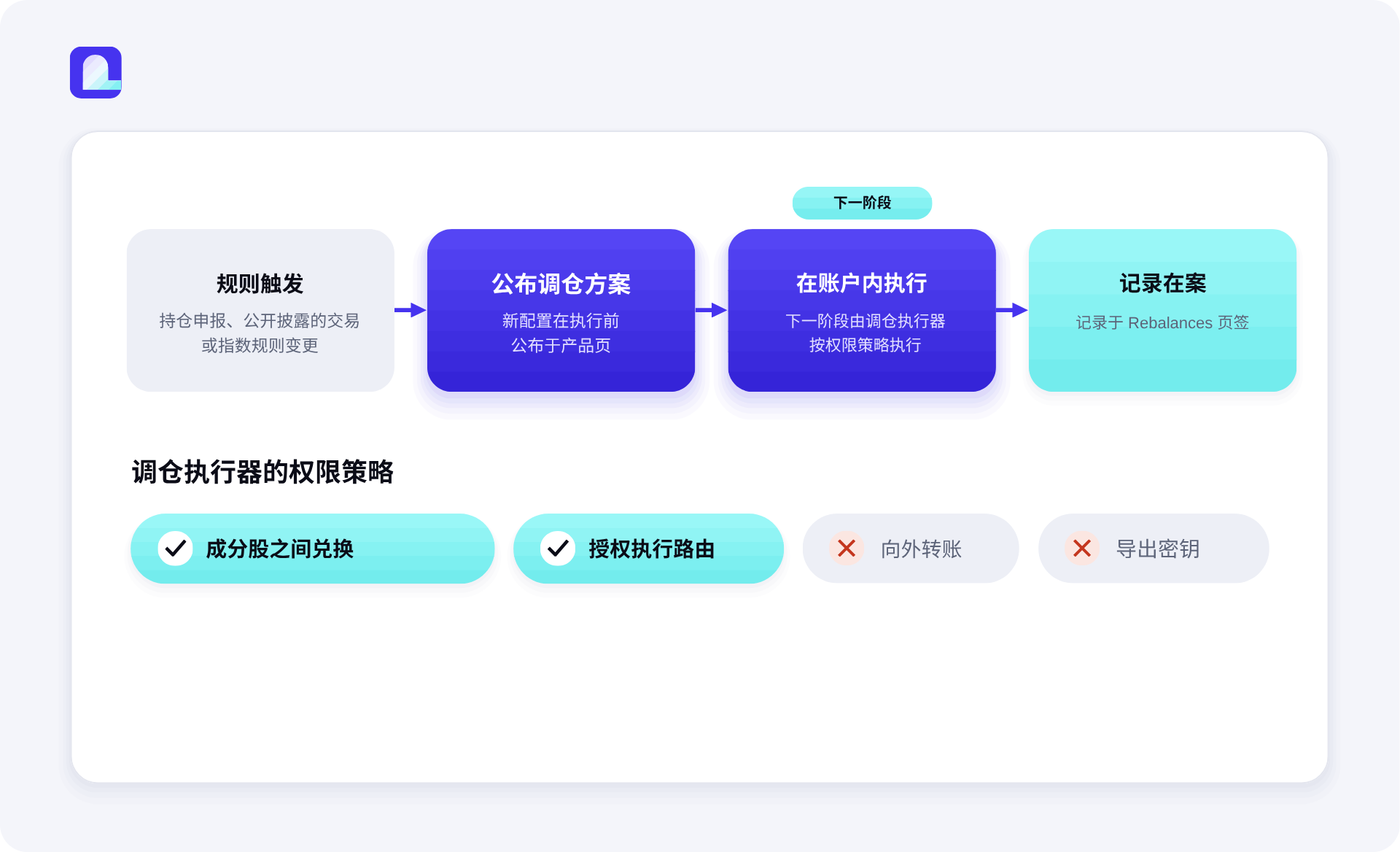
Figure 9. From triggering to record-keeping. Rebalancing is announced first, then executed in each account under a strategy where only exchange and authorization are permitted, and finally recorded. The executor and router belong to the next stage of work.
5.3 Issuance and operation layer
The issuance and operation layer is the same layer that operates City Protocol's strategy vaults. For OTP, this layer verifies the compilation methods before launch, issues products, announces them before each rebalancing, and discloses results on the product page. This layer is responsible for product operations, with the assets owned by the holders.
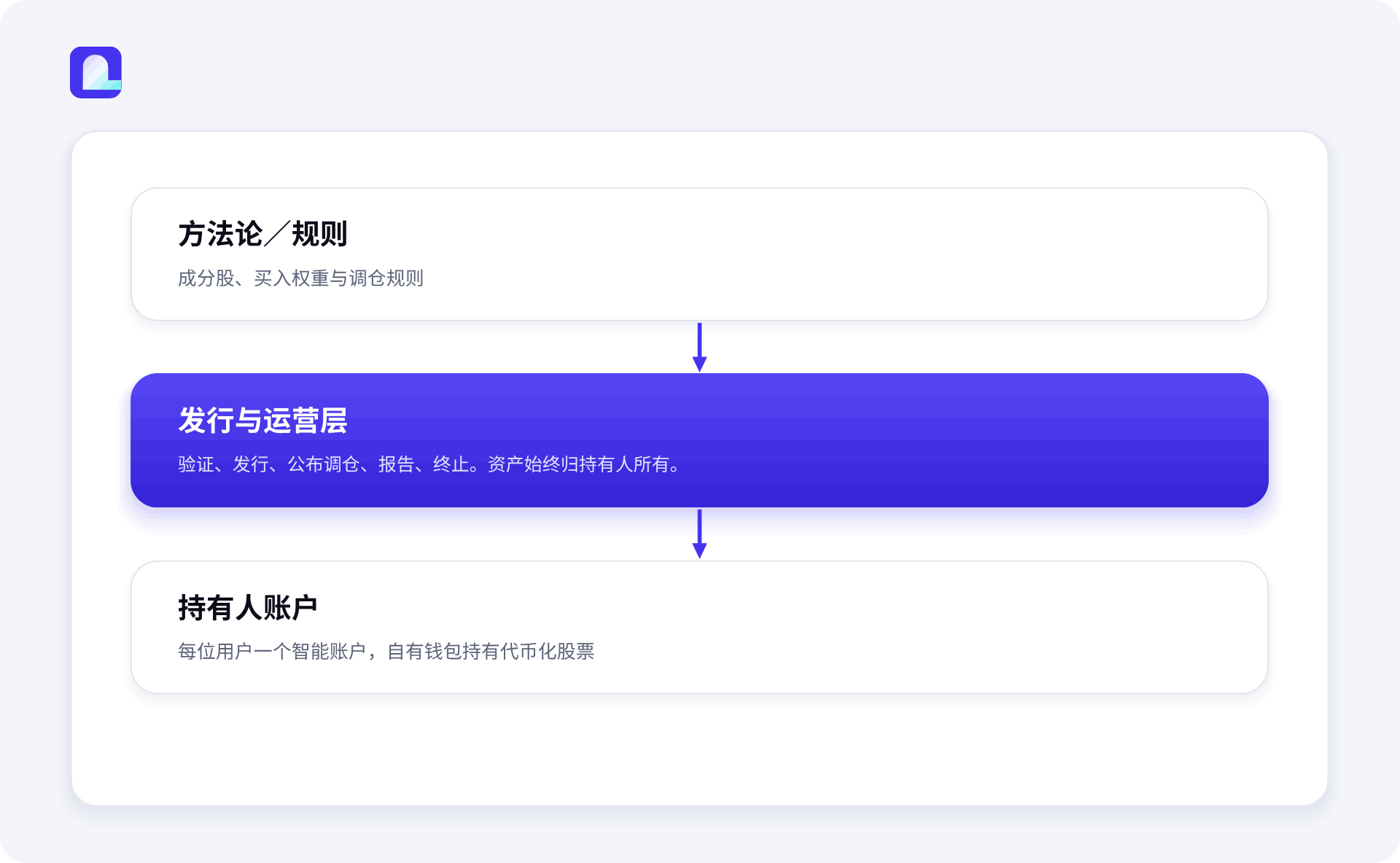
Figure 10. Three levels. The compilation methods are published once, and the issuance and operation layer is responsible for verifying and announcing each rebalancing, with results going into every holder's smart account.
6. Now live on BNB Chain and Base
Currently, three products are running on this platform. The Magnificent Seven Index OTP on BNB Chain holds Alphabet, Amazon, Apple, Meta, Microsoft, Nvidia, and Tesla, each accounting for one-seventh; these are backed 1:1 by the custodian stocks and accompanied by publicly available custody evidence.
On Base, the Fantastic Four Index OTP holds Alphabet, Apple, Meta, and Nvidia, each accounting for one-fourth; the Elon Musk Index OTP holds Tesla and SpaceX, each accounting for one-half. All three products are index-type OTPs, only open to qualified participants outside the U.S.
Since 2023, the market increase in the U.S. has been mainly contributed by these seven companies, while most global investors have never directly held their stocks. Index-type OTP allows holders to fully own these seven companies in their controlled accounts.
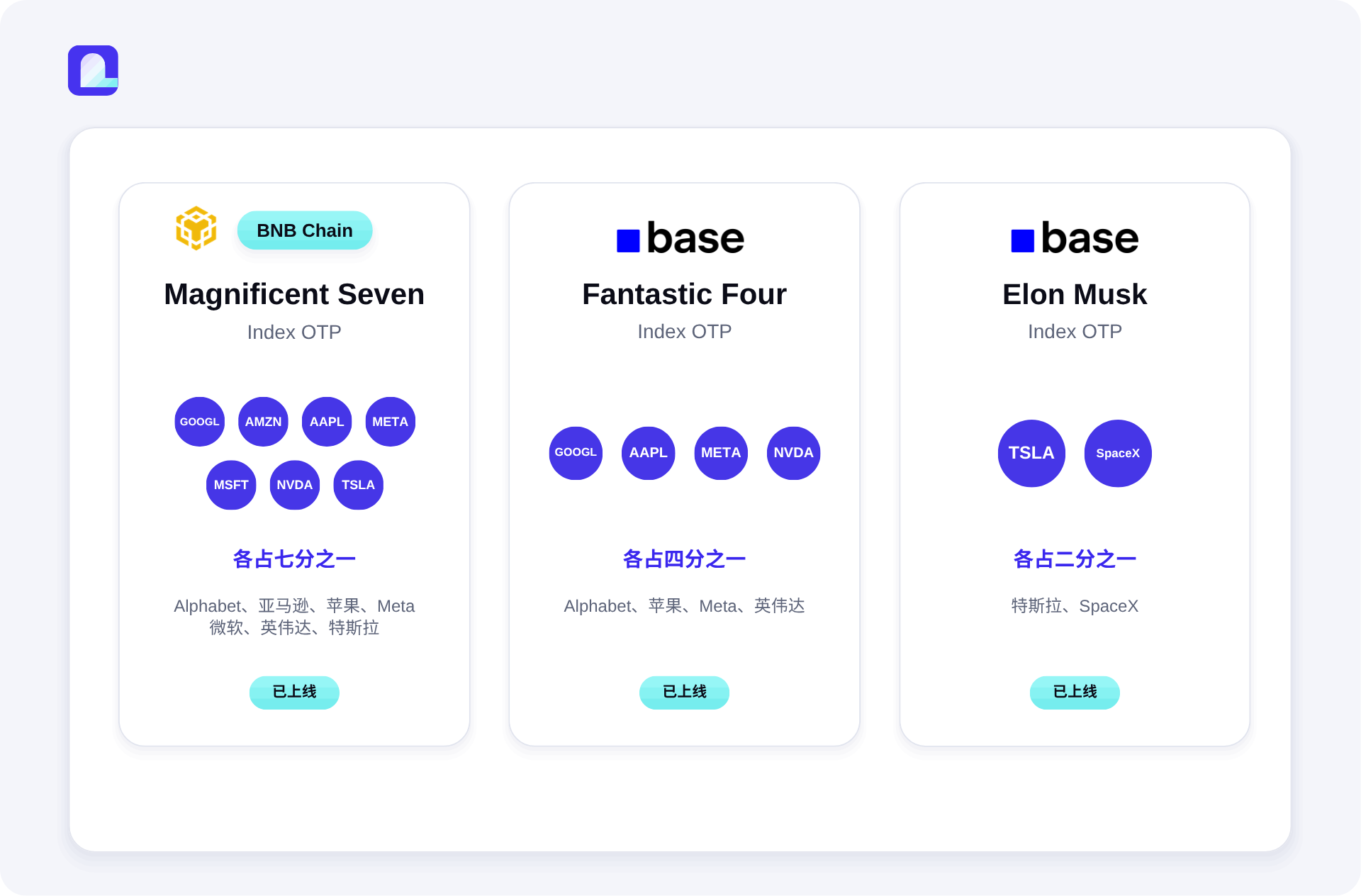
Figure 11. The three launched index-type OTPs, their component assets, and the blockchain they are on.
7. One platform, three types of products
The same platform defines three types of products. The index-type OTP is now live; the master-type OTP (Guru OTP) holds the publicly disclosed positions of a well-known manager, with rebalancing occurring only upon publication of new regulatory documents or disclosed transactions; the thematic OTP (Thematic OTP) holds all underlying assets that comply with public rules. The latter two types will be launched in the next phase.
This platform accepts any component asset with an on-chain price, and the compilation method is independent of the public chain: the same rules can operate in any environment where component assets are traded.
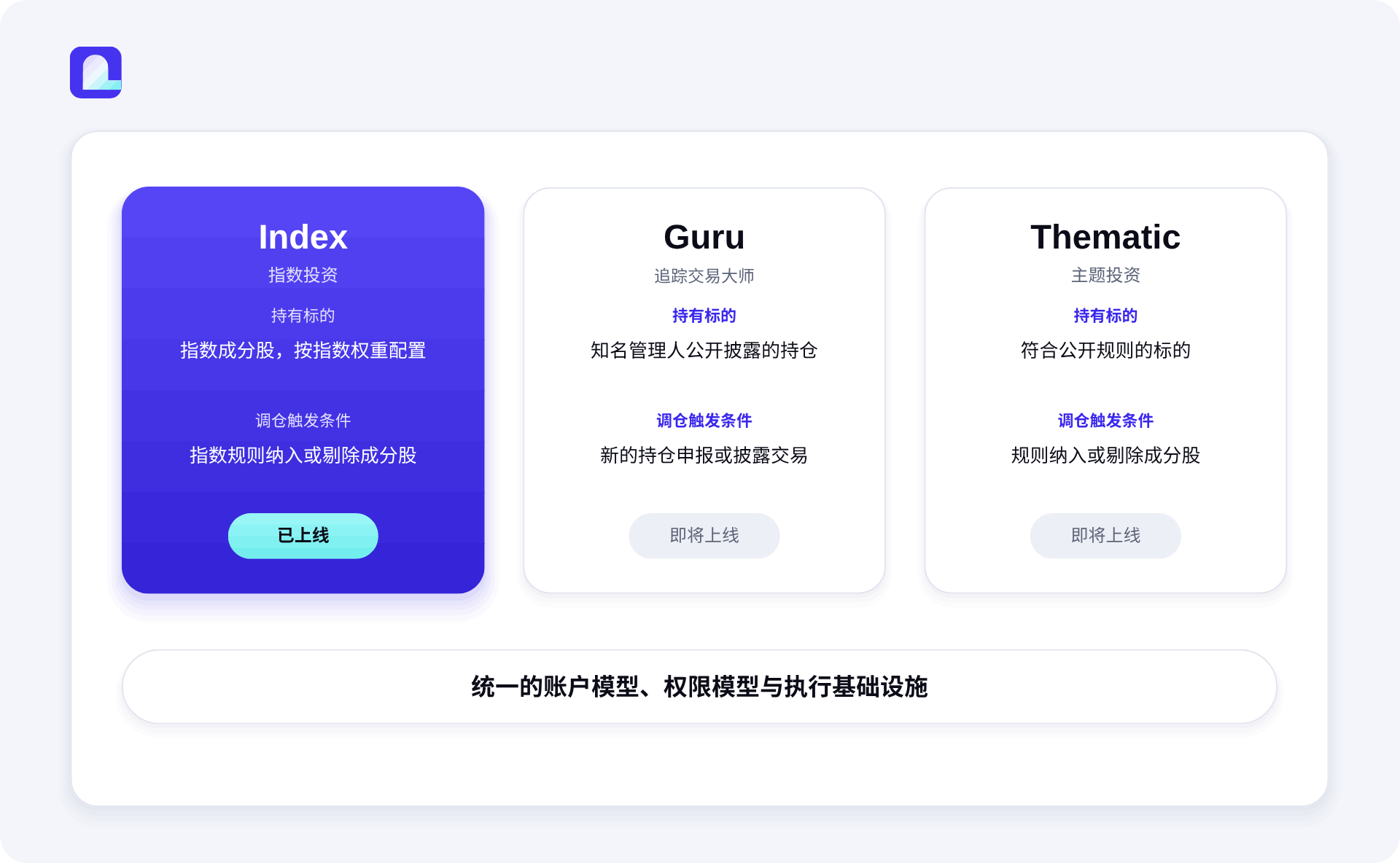
Figure 12. Index-type, master-type, and thematic OTPs share the same account, authority model, and execution platform, differing only in the triggers for rebalancing.
8. Next phase: Issue a portfolio without first establishing a fund
The same change will also be transmitted to issuers. In the past, launching a portfolio meant needing to set up a vehicle, with custodians, administrative managers, and market makers in place, and complete the exchange listing—making the portfolio itself the smallest part of the workload.
In the next phase, City Protocol will open this path to third-party issuers: issuers will publish a set of compilation methods, with this layer responsible for verification and operation, touching no participants' assets throughout the process—issuing an index without needing to first establish a fund. This capability is not yet open; the currently live OTPs are all issued by City Protocol itself.

Figure 13. Comparison between the fund pathway and the announcement pathway: several months cycle and five steps correspond to a set of compilation methods and one verification.
The next phase will introduce automated rebalancing and master-type and thematic products, and open to issuers who do not need to establish a fund and can issue products simply by publishing compilation methods.
About City Protocol
City Protocol is an on-chain infrastructure for structured products, providing tokenization and issuance layers. Its flagship product platform Venzo now offers curated strategy vaults and on-chain token portfolios (OTP)—a basket of assets configured according to public rules, providing holders with exposure to tokenized stocks.
Venzo website: http://app.venzofinance.com
City Protocol website: cityprotocol.co
免责声明:本文章仅代表作者个人观点,不代表本平台的立场和观点。本文章仅供信息分享,不构成对任何人的任何投资建议。用户与作者之间的任何争议,与本平台无关。如网页中刊载的文章或图片涉及侵权,请提供相关的权利证明和身份证明发送邮件到support@aicoin.com,本平台相关工作人员将会进行核查。


