Author: Nancy, PANews
Famous trader Bonk Guy has achieved a turnaround in asset performance during this round of on-chain market activity and has regained market attention. As his influence continues to expand, some low market cap tokens have seen rapid rises following his entry or public endorsements. Many traders have begun to constantly track his wallet addresses and even directly copy his trades as if they were "doing homework."
However, skepticism has also emerged. Recently, Bonk Guy has been questioned by several community members for publicly favoring multiple low market cap tokens, with accusations that he may be amplifying trading profits using his influence, which has even sparked speculation about conflicts of interest and insider trading.
Using influence to pump prices? Bonk Guy faces community controversy
By successfully predicting tokens like PONS, MarsCoin, USELESS, MEME, and EMBER, Bonk Guy quickly accumulated substantial unrealized profits in this round of on-chain market activity, and his trading movements have gradually become a focus for market followers.
However, as his influence has grown, Bonk Guy's public endorsements have been speculated to amount to disguised "advertising," with questions arising about whether his trades involve insider information, especially concerning low market cap tokens.
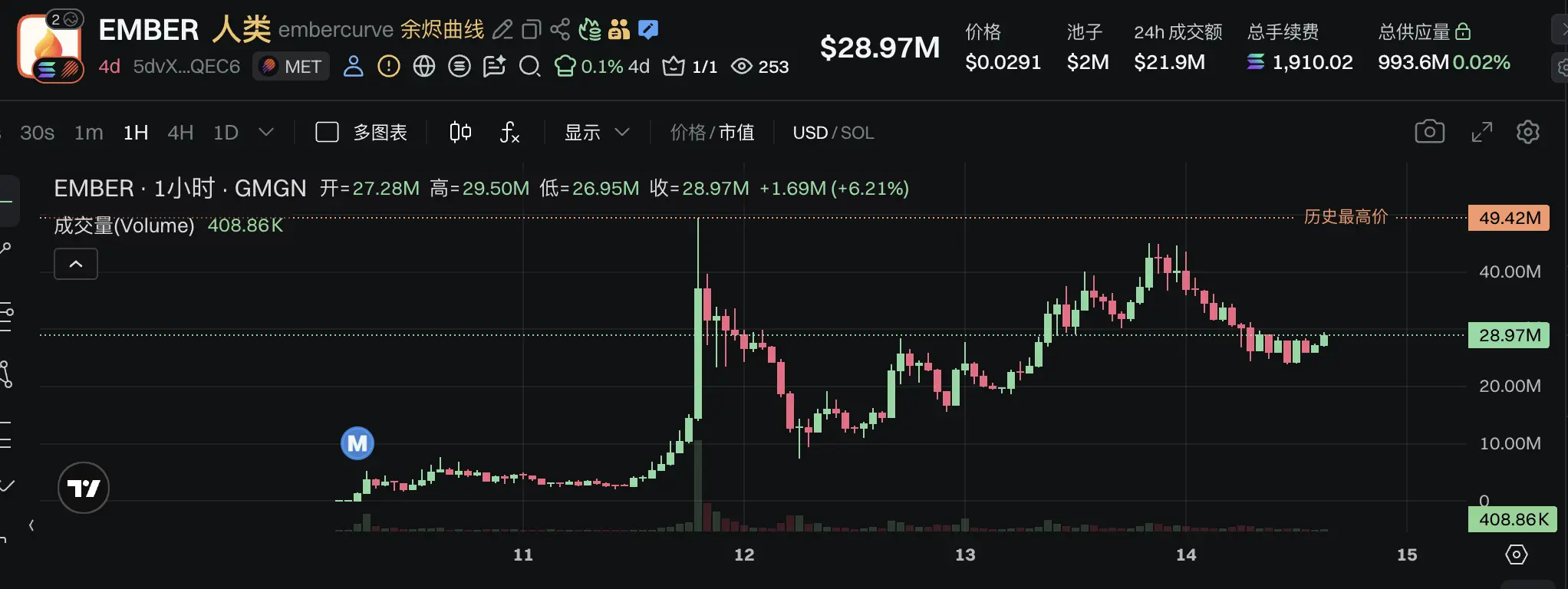
Last week, Bonk Guy publicly expressed optimism about the Solana ecosystem token EMBER, indicating that he had been monitoring it when its market cap was around $3 million, before later buying in at a higher valuation, believing it has further growth potential given its backing from Meteora, and predicting that its market cap could surpass $100 million. Subsequently, EMBER's market cap soared to several tens of millions of dollars.
However, the community quickly pointed out that at the time, STONK had a higher market focus and valuation due to its integration with Raydium LaunchLab, the narrative of stock token pairings, and the platform's fee buyback and burn mechanism. In this context, Bonk Guy's decision to buy the low market cap competitor EMBER was interpreted as an intention to open a second table in the same arena, competing for market liquidity using his personal influence, thereby exacerbating on-chain PVP.
In response to the doubts, Bonk Guy stated that the community's reaction was "very exaggerated." He pointed out that the second largest holder of STONK had previously bought EMBER during its low market cap and held it for several days without facing similar scrutiny; however, he was viewed as the "villain" for buying EMBER at approximately six times the previous valuation, suggesting a double standard. He emphasized that he has long focused on trading low market cap projects because he believes the risk-reward ratio of such assets is higher, rather than attempting to target a specific project. He rarely participates in large market cap tokens, and even if he is optimistic about their future performance, he generally does not change this trading preference. In his view, the logic that "there can be only one winner in a field" actually contradicts the essence of the crypto industry.
Meanwhile, the EMBER address cluster map released by Bubblemaps intensified market skepticism, as more than 50% of the EMBER supply was interpreted by some users to be associated with the same address cluster. Some users suggested that this address cluster might be linked to Bonk Guy and questioned the motives behind his purchase of EMBER.
Bonk Guy denied this claim, asserting that the association of addresses primarily stems from EMBER's use of externally owned accounts (EOA) for token distribution, where the distribution wallets and all wallets receiving tokens are categorized under the same related network. He stated that the addresses receiving tokens shown in the map belong to normal participants rather than insiders. Bubblemaps subsequently suggested that the project team replace the EOA with a smart contract.
Bonk Guy's public betting on the Arc chain has once again sparked controversy. On September 14, Bonk Guy expressed optimism for the Launchpad on the Arc chain and purchased LONG and other tokens on Long.supply. He believes that the Fomo APP is gradually becoming an important crypto trading application for retail investors this cycle, and its upcoming integration with Arc might present traders with significant short-term opportunities. He also hinted that Arc is emulating Robinhood's early strategy of generating on-chain traffic through active trading and cautioned relevant participants that this is a high-risk short-term speculative attempt. Consequently, LONG's market cap briefly surged by dozens of times.
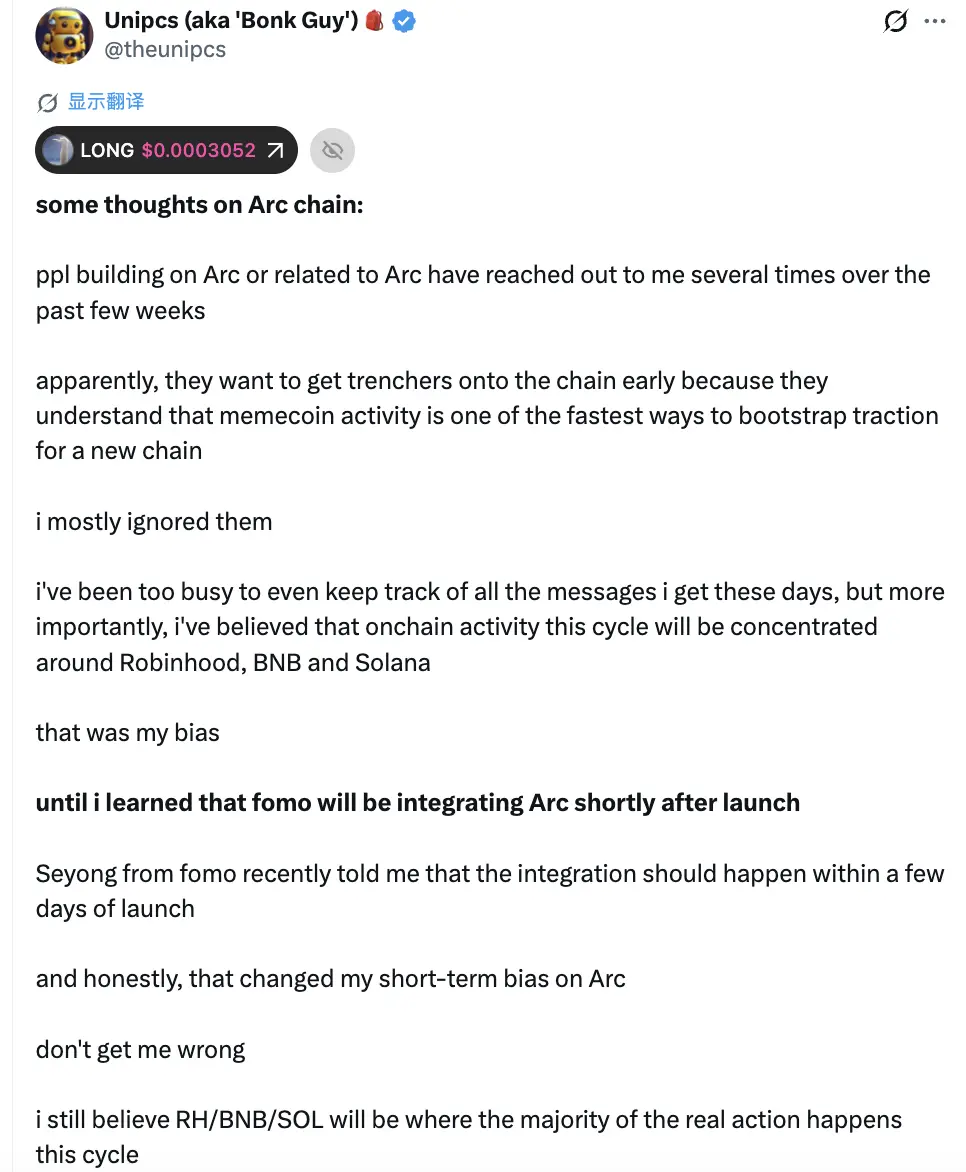
Subsequently, Long.supply faced community scrutiny over the authenticity of its assets and the security risks of its cross-chain bridge. Crypto KOL 0xShawn pointed out that the Long.supply platform poses the risk of having rug pull permissions at any time and the issuance of fake USDT. According to him, the platform uses a self-built cross-chain bridge to map stock tokens from the Robinhood Chain to Arc, but the related stock tokens on the Arc chain are not officially issued but rather self-issued by the platform; at the same time, the underlying protocol of its cross-chain bridge is not a mature solution like Wormhole or LayerZero. This means the project team could shut down the cross-chain bridge at any time and withdraw the locked funds from the Robinhood chain. Users are essentially exchanging their real assets on the Arc chain for fake assets. Therefore, the community feels that Bonk Guy should not publicly endorse related tokens before they go live on the mainnet, as a prominent trader's public endorsement may lead to an influx of funds from those lacking independent judgment.
In response to community criticism, Bonk Guy later apologized, acknowledging that his research on the relevant projects was insufficient, and indicated that he believed the platform had high visibility in the market at the time, stating he had not received any promotional fees. Long.supply explained that stock tokens issued on Arc are 1:1 held by real stocks stored on Robinhood, verified on-chain through cross-chain treasury, and can be exchanged 1:1 with the Robinhood Chain. Moreover, the low stock price on Arc is attributed to approximately twice the premium of the on-chain native USDC, and it claimed that premium would normalize once cross-chain with USDC opened on September 16. However, the platform did not address other concerns regarding the risks of its cross-chain bridge's underlying protocol.
Of course, some believe that Bonk Guy's judgment regarding Arc is not unfounded. DeFi researcher CM indicated that the integration of Fomo can bring traffic, and cases from Solana and the Robinhood Chain prove that Meme could indeed become an important tool for the cold start of new chains.
Single-week account decline exceeding $6 million, high concentration positions amplify withdrawal risks
Despite achieving sizable gains with his diamond hands strategy, frequently topping Fomo's trading leaderboard and even creating the first account on the platform to reach eight-digit gains, this star trader is not exempt from asset withdrawal given the changing market.
Fomo data shows that over the past 30 days, Bonk Guy's portfolio size briefly surpassed $27 million, then fell back to about $15 million, with more than $6.35 million withdrawing in the past 7 days alone.
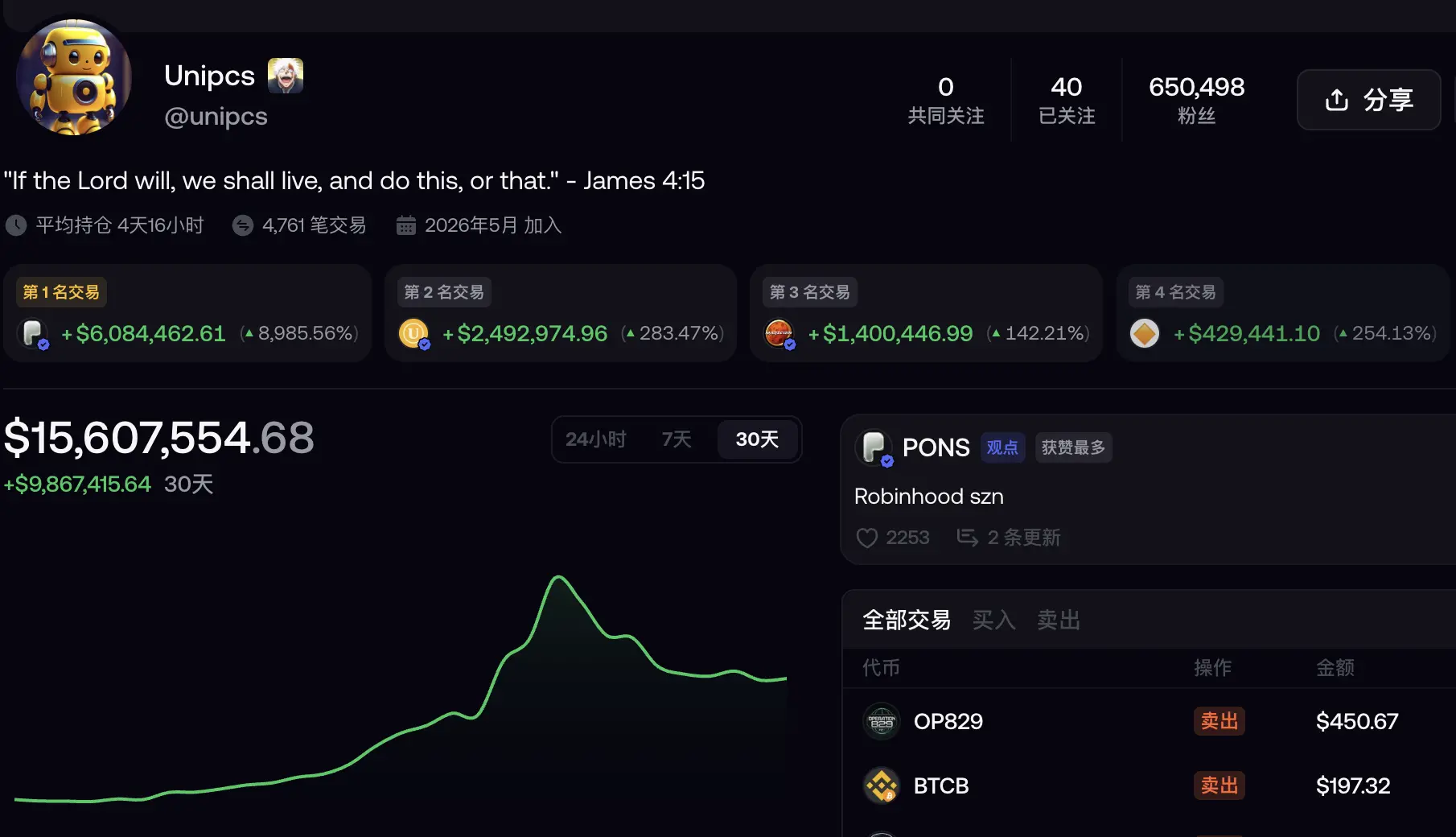
As the portfolio continues to shrink, Bonk Guy's ranking on Fomo has been surpassed by multiple on-chain traders. For instance, in the past 7 days, Point Farm Capital has topped the Fomo profit leaderboard, with its account currently holding about $10 million, of which approximately $7.1 million is concentrated in STONK, yielding a return of 677.4%; TheS◎lstice ranks second, with about $5 million in its account, primarily betting on STONK, yielding a remarkable return of 2760.5% with a current holding value of approximately $4.4 million; DumbCrayonEater ranks third, with major profits coming from AI tokens, returning 4397.6%, and current holdings exceeding $7.38 million.
The rapid changes in the leaderboard reflect that the Meme market is essentially a battleground for attention and liquidity. In this arena, attention is naturally scarce and timely; once a hot topic enters a fatigue period, funds can swiftly shift to the next imaginative new narrative. Hence, true long-term winners are rare in the Meme market; more often than not, the one who can catch the next round of hot topics early may briefly occupy the top spot.
However, when looking at a longer time frame, Bonk Guy's profit scale still leads. According to Fomo's historical trading records, his portfolio size remains at the top of the platform.
Nonetheless, high returns come with higher position risks for Bonk Guy. Currently, his holdings are concentrated in three tokens: PONS, USELESS, and MarsCoin, with their combined position value accounting for 75.3% of his portfolio. Such highly concentrated holdings can significantly amplify returns during favorable market conditions, but if any core position experiences significant withdrawal, the entire account's net worth will also be directly impacted. This has been a major reason for the large withdrawal scale in his account recently.
More importantly, these assets themselves are subject to high volatility and relatively limited liquidity as Meme coins. The unrealized profits shown in on-chain accounts do not necessarily mean these gains can easily be realized. For traders, buying an upward trending Meme coin may not be difficult; the real challenge arises when the holding scale becomes sufficient for an exit. A large-scale reduction in holdings can create substantial market selling pressure, further driving down token prices; if that price drops, it will further erode apparent profits. This risk will be exacerbated against the backdrop of recent overall pullbacks in the on-chain ecosystem.
In fact, the challenges faced by Bonk Guy are not solely his own. When each purchase by a trader becomes a signal of market attention, their personal positions, public opinions, and trading pace may also become part of the liquidity play. Influence can help one gain more liquidity but it also means heightened market scrutiny, larger position exposure, and greater exit pressure.
For Bonk Guy, the true test may not be whether he can withstand the most brutal fluctuations in the on-chain market, but whether he can convert apparent profits into realizable gains before significant withdrawals occur. For example, in the last Meme cycle, the version god Murad, based on his "Super Meme Cycle" theory and previously impressive trading track record, became one of the most influential on-chain traders, but his diamond hands strategy also prevented this former crypto leader from escaping the trials of the Meme cycle. For ordinary investors, the easiest things to replicate from top traders are the position lists, while the most difficult are the capital scale, risk tolerance, and exit strategies.
免责声明:本文章仅代表作者个人观点,不代表本平台的立场和观点。本文章仅供信息分享,不构成对任何人的任何投资建议。用户与作者之间的任何争议,与本平台无关。如网页中刊载的文章或图片涉及侵权,请提供相关的权利证明和身份证明发送邮件到support@aicoin.com,本平台相关工作人员将会进行核查。


