Author: a16z crypto
Translation: Deep Tide TechFlow
Deep Tide Guide: From Marco Polo's family trade to the Dutch East India Company, the essence of every commercial revolution has been "how to get strangers to cooperate." This article from a16z outlines the 500-year evolution of organizational forms and highlights the legal dilemmas facing DAOs—not a technical issue, but a legislative vacuum. For practitioners thinking about how Web3 projects can operate within a compliance framework, this is a background article worth reading thoroughly.
For centuries, the core challenge of commerce has remained constant: how to enable people with different roles, asymmetric information, and varying interests to collaborate towards a common goal? The answer has almost always involved some form of organizational innovation—a new structure that allocates risks, rewards, and responsibilities in ways previous generations could not achieve. The history of commerce is also the history of collaboration.
The corporate system represents the most recent great leap in organization, born of the industrial age, specifically addressing (and exploiting) the collaboration issues of that time. However, software and internet-native protocols are cutting down on the once-inevitable costs of traditional enterprises—multi-layered centralized management, bureaucratic bloat, and intermediary functions.
The existing legal structures were not designed for this new world. Currently, the only strong contender emerging as the next significant organizational leap is DUNA—a relatively new entity and the only legally recognized entity explicitly acknowledged in the one-in-a-generation market structure legislation currently advancing in the United States Congress. It can be said to be the only structure truly built for internet-native organizations.
To understand why new organizational forms are emerging today, it is necessary to recall what problems the corporate system actually addressed—and where we are headed.
How Merchants Manage Risk
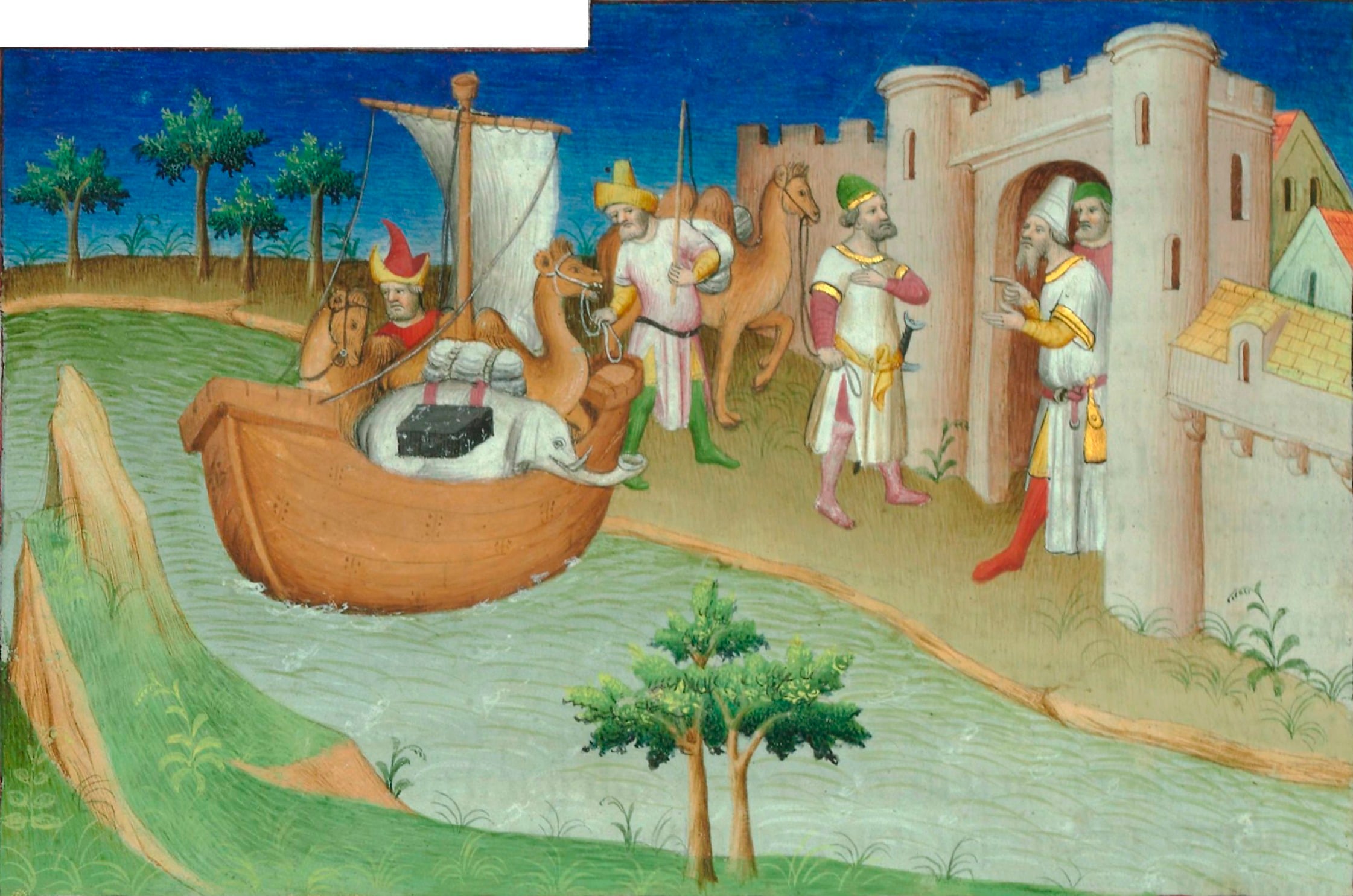
Before the advent of corporations, trade was a private matter: imagine Marco Polo participating in long-distance commerce with his father and uncle. In such family businesses, their lives were truly at stake. If a contract went wrong, personal wealth could be completely wiped out—even risking one's life.
Merchants’ ventures primarily relied on two forms of protection, neither of which were guaranteed. The first was geopolitical: the relative peace brought by the "Pax Mongolica" of the Mongol Empire. If you offended someone the Mongols favored, you were in trouble. The second was social: if you deceived someone, defaulted, or violated "Merchant Law" (Lex Mercatoria, a self-enforcing code of honor among merchants, around 1100-1600 AD), your reputation would be ruined, and you would be blacklisted in trade circles from Quanzhou to Timbuktu.
In the absence of strong institutions, a merchant's word was truly worth more than gold. The Polo family was relatively comfortable because they relied on blood ties. Many other business partnerships were not so smooth.
In the absence of strong institutions, a merchant's word was truly worth more than gold.
A major long-standing challenge in commerce is the tension between principals and agents; here, it pertains to the relationship between investors and merchants. The medieval commenda was an innovation that provided limited liability protection: investors were only liable for losses up to their capital contributions, and theoretically, so were merchants. Partners split profits based on their initial contributions. The commenda was spontaneously formed, predating any formal regulations. However, any business could capsize with just a little turbulence. This model also could not be scaled: a commenda dissolved at the end of a voyage, bankruptcy, or death.
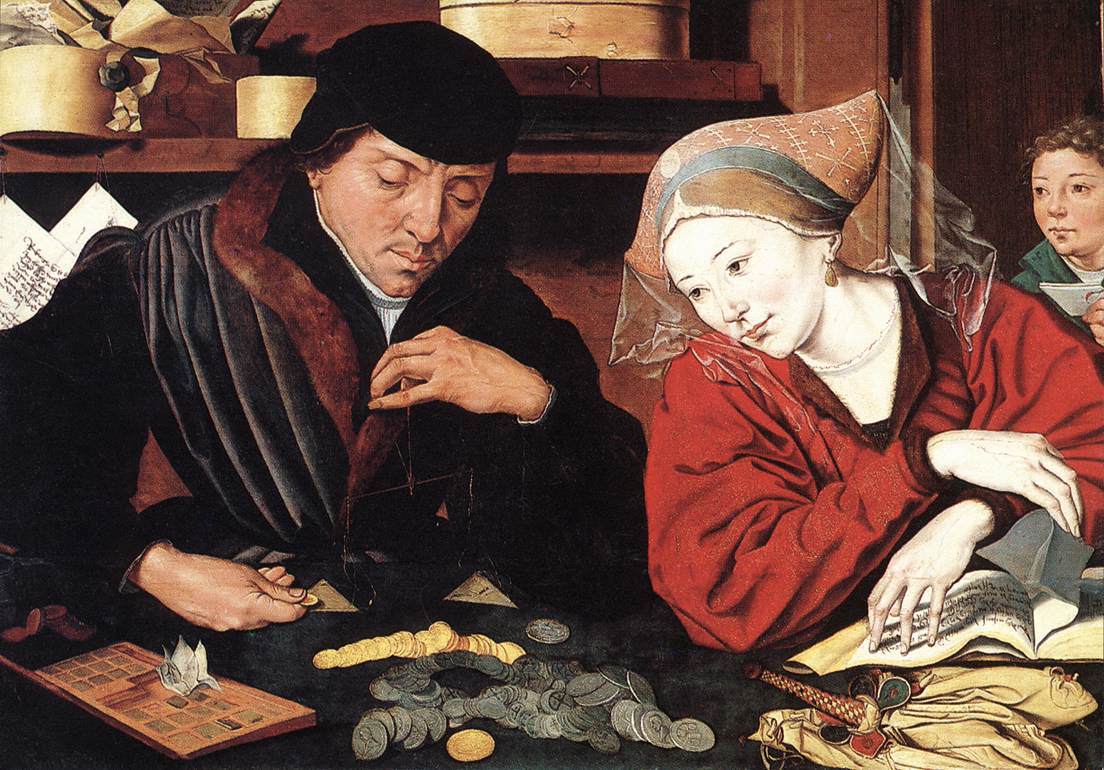
A further innovation was the "compagnia" from Florence—think of the Medici Bank. This form was a more durable, operationally complex legal entity compared to the commenda. A compagnia could maintain long-term business relationships among multiple parties, yet it was still built on the personal liability of all partners. This was the most advanced pre-corporate tool of medieval partnership—a peak of medieval partnership structures—but still exposed partners to risks. The Church and universities had long enjoyed legal personality originating from the Roman concept of "universitas" (treating collectives as a single legal entity), yet business enterprises lacked a fully independent legal identity.
These flaws were not addressed until the 17th century when early modern Europe invented something new. This innovation and its legal protections made it easier for companies to raise capital, allocate ownership through stock issuance, and shield owners from liability—this is the corporation. The powers of these corporations were famously conferred upon the Dutch East India Company (VOC: Vereenigde Oostindische Compagnie), which became rapidly popularized across Europe after people realized how great an idea corporations were. (Though the British East India Company was established a few years earlier than the VOC, its system was far less mature, fundraising only for specific voyages and lacking a public offering mechanism.)
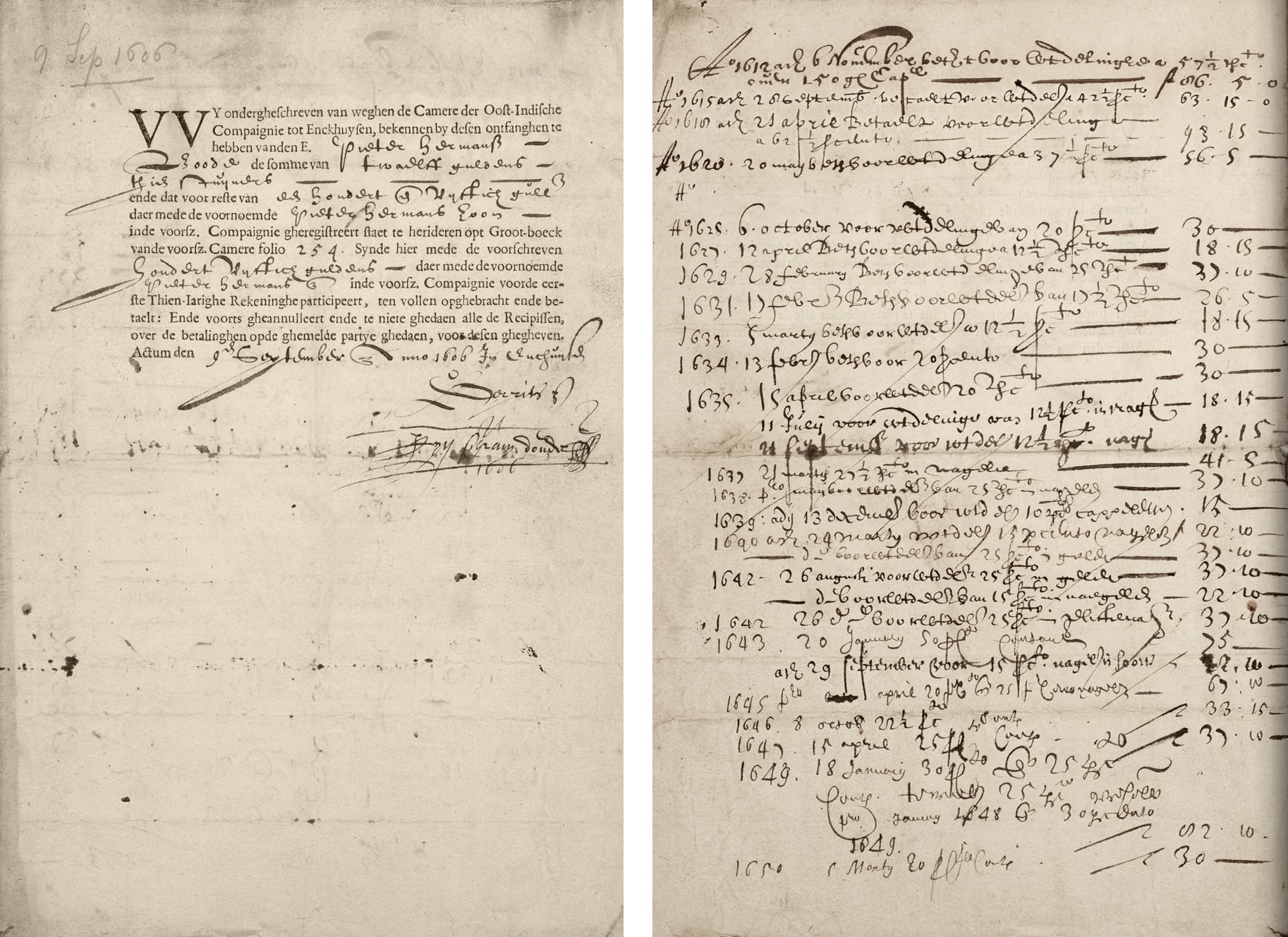
By lowering operating risks and reducing coordination costs, the corporate system made large-scale, capital-intensive enterprises possible—essentially creating a significant part of the modern world.
The Cost of Scale
While corporations solved a series of real problems, they also introduced new ones. Its first achievement was to make participants start caring about each other's outcomes: by binding shareholders, directors, and captains to the same legal entity and profit line, corporations forced parties to internalize costs that would otherwise be recklessly passed onto others. However, shared interests do not equate to completely aligned incentives.
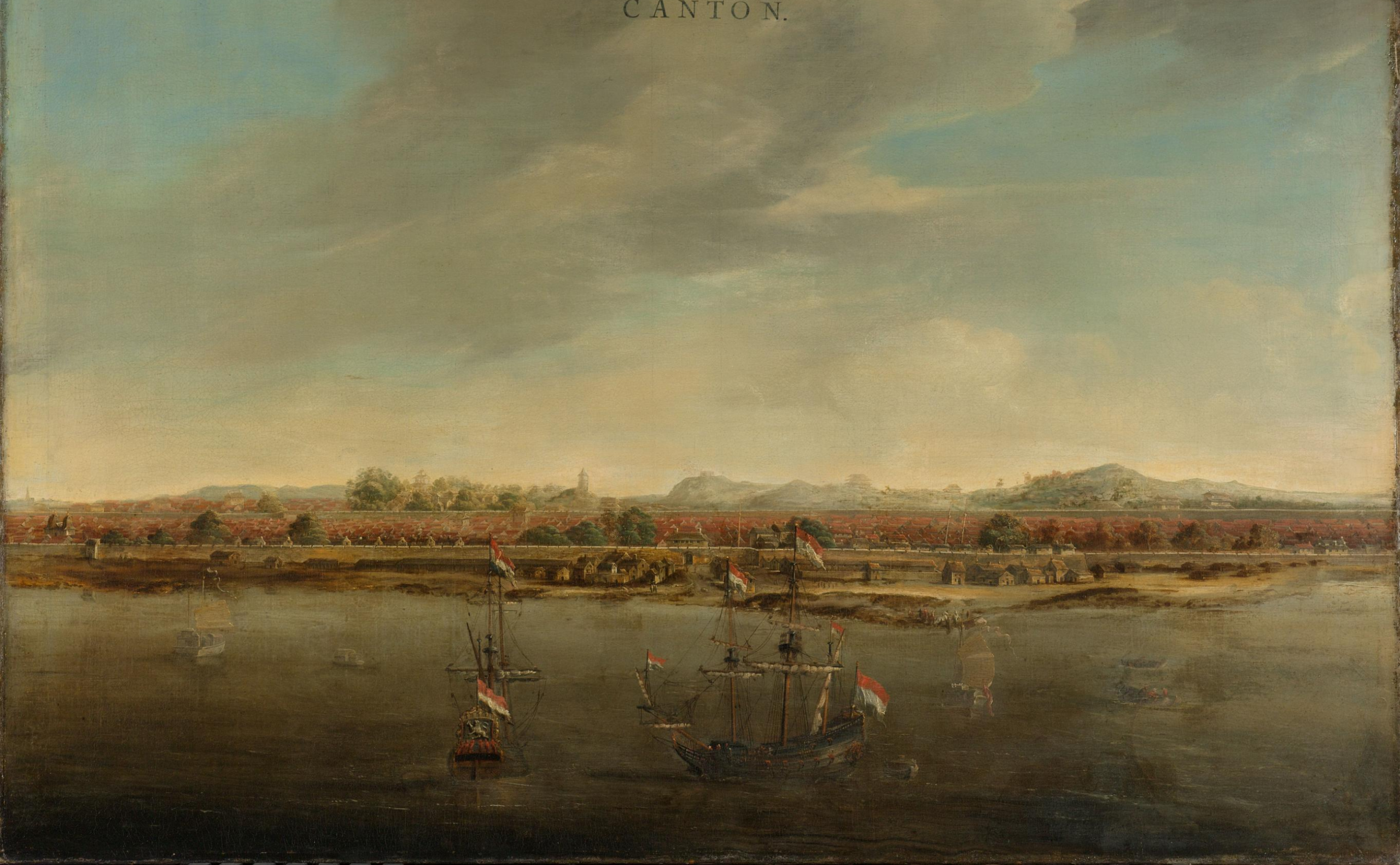
Take the VOC as an example, its legal form is familiar but complex: shareholders included many Dutch citizens eager for investment returns, but they were too busy with their own lives to attend to the day-to-day operation or macro strategy of the VOC. The board of "Seventeen Gentlemen" (Heeren XVII) was responsible for planning how to profit for everyone. Captains and merchants on the frontline in Southeast Asia needed to make the best decisions for the company with limited information and resources.
Theoretically, that's how it works. In reality, the interests of these three parties do not completely align; one party could sacrifice the interests of others to gain more for themselves.
Shared interests do not equate to completely aligned incentives.
How can we ensure that captains, far from the oversight and control of the Seventeen Gentlemen, do not raid other ships or abscond with funds? How to prevent merchants from accepting bribes or making larger private deals for themselves? How to ensure the board makes the right decisions? What if you are a group of shareholders who adhere to Protestant values and become discontented with the predatory actions of the VOC? These challenges inspired various innovations in incentive design—options, dividends, audits, supervision, and even so-called efficiency wages—along with new legal protective mechanisms by the state to ensure fair competition. Of course, it also spawned countless abuses of power.
However! The evolving corporate system over time remains our best tool for coordinating incentives, reducing collaboration costs, generating profits, and protecting all participants.
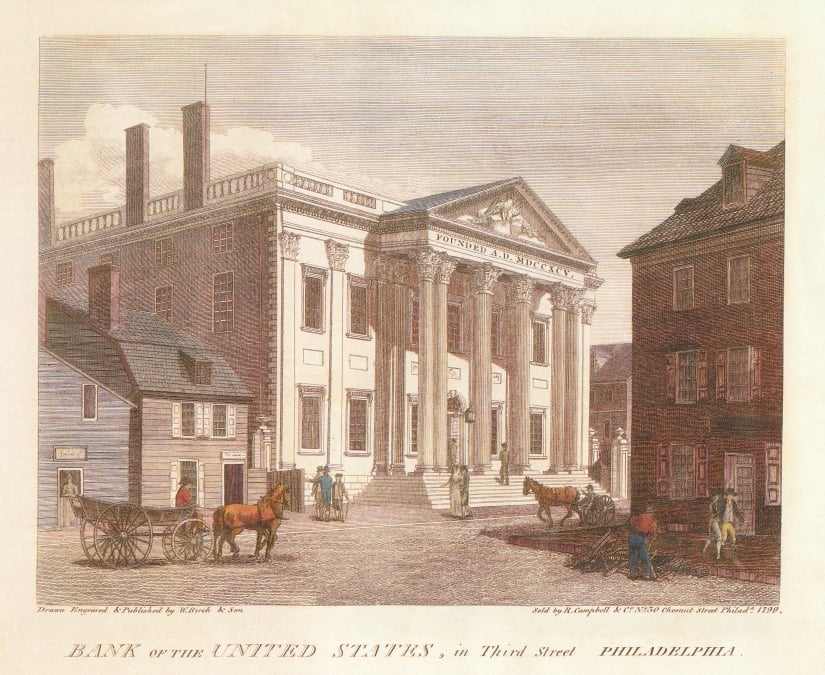
Shortly after the founding of the United States, special legislation was enacted to recognize the corporate form, though it was extremely rare at first. The First Bank of the United States, chartered by Congress in 1791, is among the earliest and most famous examples. New York introduced the first general corporation law in 1811. By the mid-19th century, more states allowed incorporation without special acts, and the concept of "limited liability" gradually standardized across states. Subsequently, during the industrialization wave of the late 19th century, the number of corporations skyrocketed, culminating in the Delaware General Corporation Law of 1899 as a landmark achievement.
Cooperatives emerged as another option in the 19th century. They explored an alternative coordination scheme: member ownership and democratic governance. Farmers, consumers, workers, and credit unions utilized cooperatives to bind participant interests more directly to the organization's own. Cooperatives achieved success in certain areas, such as agriculture (for example, Land O'Lakes), but overall remained specialized. Meanwhile, the corporate form became increasingly popular.
Another alternative is the limited liability company, or LLC. Although LLCs have earlier counterparts such as German GmbH or British Ltd., they did not emerge until quite late: Wyoming did not incorporate them into law until 1977. Before that, corporations offered limited liability but with rigid structures and faced double taxation, while partnerships, although flexible, exposed participants to personal risk. LLCs combine the advantages of both—limited liability combined with pass-through taxation—making them more suitable for various small businesses. Today, they have become the default form for many startups, small businesses, and investment vehicles.
Since then, a series of small variants have emerged: Limited Liability Partnership (LLP, 1991), Low-Profit Limited Liability Company (L3C, 2008), Benefit Corporation (2010), etc. These are undoubtedly useful and refine the corporate form for specific uses. However, from time to time, technology reshapes the boundaries of possibility, thus giving rise to comparatively revolutionary new forms.
DAO and Its Dilemmas
Decentralization is such a revolutionary concept: large groups can coordinate without centralized management or trusted intermediaries.
Before it emerged in the crypto space—especially before Satoshi Nakamoto invented blockchain—this possibility mostly remained at the philosophical level, rather than practical reality. One of the early great innovations in the crypto space was the DAO, or Decentralized Autonomous Organization. A DAO is an organization governed by software-encoded rules, managed collectively by participants rather than by a centralized authority. There is no centralized management team or board of directors, no Seventeen Gentlemen.
However, decentralized governance is challenging. Enabling token holders to vote on important issues has proven harder than getting individual shareholders to vote for board members—which, in itself, has a dismally low turnout, comparable to U.S. municipal elections. Ensuring that power is not concentrated among a few token holders is equally challenging.
In recent years, the legal environment has further amplified these challenges. Unfortunately, the previous U.S. administration's Securities and Exchange Commission (SEC) refused to provide clear rules for crypto projects while weaponizing this ambiguity through aggressive enforcement actions against the industry. Entrepreneurial spirit struggles to thrive amid uncertainty; even when rules are clear, operating remains difficult.
Entrepreneurial spirit struggles to thrive amid uncertainty; even when rules are clear, operating remains difficult.
The core of the legitimacy issue lies in one of the three criteria of the so-called "Howey Test"—used by the SEC to determine whether an instrument qualifies as a security: (1) investment of money; (2) a common enterprise; (3) profits derived exclusively from the efforts of others. For publicly-listed companies, "the efforts of others" include the management of the company's operations. For crypto projects and their DAOs, the SEC believes that continued development of protocols—even by a group of potentially disconnected individuals who may or may not hold tokens—also subjects the relevant tokens to securities law, making broad participation and on-chain transactions practically impossible.
Equally important, because DAOs are not formally recognized by the state, project owners cannot obtain any of the aforementioned protections, such as limited liability. In other words, DAO members may face unlimited personal liability, which legally brings crypto governance to almost a medieval level.
Thus, crypto projects operate on lawyers' advice. They establish foundations overseas as independent entities to oversee the ongoing development of protocols, thereby severing ties between that work and their U.S. operations. Alternatively, they set up operational entities directly outside the U.S. Both "solutions" undermine American innovation, as well as jobs and tax revenues.
Overseas crypto foundations, to put it mildly, are detours. These attorney-crafted workarounds transfer power and ongoing development responsibilities to an "independent" entity, hoping to circumvent securities regulation. This strategy may be understandable in a hostile regulatory environment, but it also reveals deep flaws: the incentive alignment mechanisms of foundations are weak, their capacity to drive growth limited, and they inevitably tend to reinforce centralized control.
But when projects are stuck between "being sued by the SEC" and "creating a bizarre organizational structure that will cause misaligned incentives," what choice do they have?
This is why DUNA—Decentralized Unincorporated Nonprofit Association—is so important. It draws from the long history of business structures and governance design, pursuing a common goal shared by all enterprises: efficient coordination of crowds around a common purpose. Yet it achieves this without relying on centralized management control, thus reducing common agency problems and information asymmetries often found in traditional companies. Consequently, DUNA departs from one core assumption of the Howey test: participants do not rely on the management efforts of others to create value.³
The Crowd Gains Its Legal Form
Before the emergence of DUNA, organizing and governing around crypto projects had only three options: DAOs lacked legal recognition, members faced potentially devastating liability risks; traditional corporate entities forced projects into ill-fitting hierarchical structures while facing regulatory actions from the SEC; offshore foundations were both legally and operationally cumbersome, pushing much of the industry overseas.
Until recently, there was no clear way for a group of users to govern a decentralized network while enjoying partial protections of a corporation—this organizational form only became possible thanks to blockchain technology. Now it has arrived.
Simply put, DUNA turns a group of people into a legal entity. Currently, three states—Alabama, West Virginia, and Wyoming—have authorized this new business structure through legislation. It combines the legal advantages of existing organizational forms with the power of decentralized control, standing in stark contrast to traditional corporations, and achieving something no prior entity has truly accomplished.
Simply put, DUNA turns a group of people into a legal entity.
What protections does DUNA specifically offer? Its powers include legal personality, limited liability, perpetual existence, and state recognition—these are also the core elements that allow modern corporations to operate. Acknowledging the group's "legal personality" enables the entity to enter contracts on behalf of participants; limited liability ensures that members do not bear personal responsibility for the organization's obligations. Together, these characteristics allow a large, loosely connected crowd to collaborate—raising capital, holding assets, hiring management, paying taxes, and making transactions—without unduly risking members or exposing them to devastating liabilities.
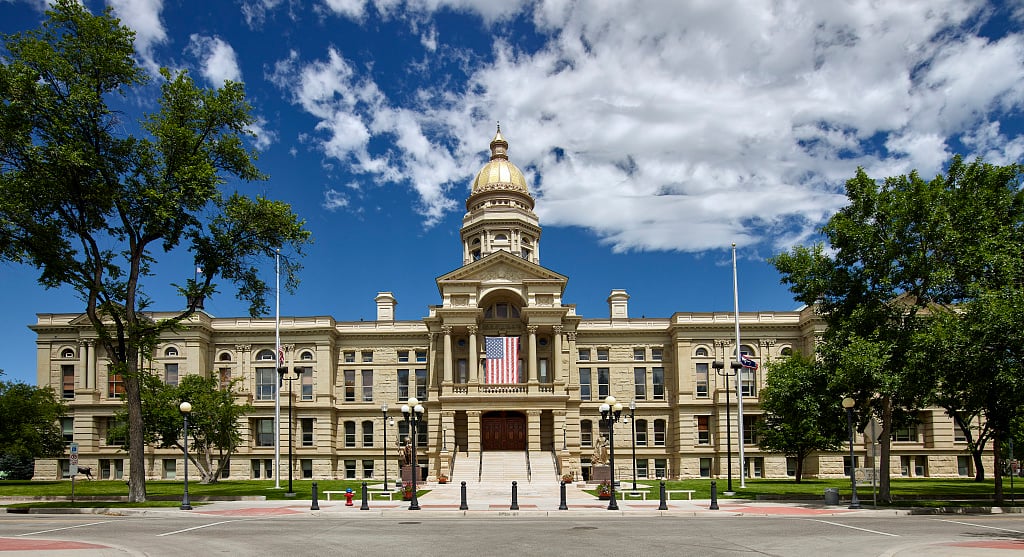
Organizational forms do not take root overnight; they gradually propagate through competition among states, greater familiarity among lawyers, and growing trust from entrepreneurs. Before Delaware became the preferred state for corporate registration, New Jersey was the leader;⁴ today, Texas and Nevada are rapidly catching up. LLCs were first approved in Wyoming, and after the tax treatment was clarified, by 1997 they proliferated across all fifty states. As for DUNA, Wyoming again acted as a pioneer, enacting its legislation in March 2024. Crypto protocols and communities, including Uniswap Governance and Nouns DAO, have already begun to adopt it.
Just as the corporate system granted large-scale enterprises their first native form, DUNA is providing open, internet-scale decentralized networks with their own legal form.
A New Era of Organizational Design
Think of DUNA as a legal shell that enables the governance mechanisms of decentralized networks to operate without introducing traditional centralized management. It is built upon the foundation of Unincorporated Nonprofit Associations (UNA)—a set of legal frameworks adopted by 17 states and Washington D.C., assisting groups such as homeowner associations, civic associations, recreational sports leagues, religious congregations, and interest clubs in organizing legally. UNA offers lightweight governance without necessitating the hefty structure of corporations or LLCs, allowing these groups to hold property, enter contracts, and initiate lawsuits (or be sued) in their own name.
Just as the corporate system did not replace all partnerships, DUNA will not replace everything that has come before.
Similar to this, DUNA allows a group of token holders or contributors to govern through on-chain rules or token-based voting without relying on a board of directors or management team. Members benefit from limited liability protection, separating entity obligations from personal assets; organizations can also be understood and interacted with by courts, regulators, and counterparties.
Yet DUNA does not solve all problems. It cannot eliminate governance challenges, it cannot guarantee decentralization (although to qualify as DUNA, a DAO must have at least 100 active members), nor can it magically circumvent securities laws. What it truly accomplishes is filling a specific gap: making decentralized organizations legally recognized.
From informal merchant networks to partnerships, corporations, LLCs, and now DAOs, each new organizational technology has emerged to meet the need for new coordination models. DUNA might signify the beginning of a new era in the evolution of organizational design. But just as the corporate system did not replace all partnerships, DUNA will not replace everything that has come before. It merely expands the options available. Moreover, for the first time, it allows decentralized networks to be represented by fully identifiable legal entities.
For much of human history, scaled organizations—even small-scale ones—meant bearing great personal risk. Bold entrepreneurs like the Polo family relied on family ties, reputation, and fragile customs to hold everything together, always at risk of being wiped out by a single shipwreck.⁶ The corporate system altered this equation, separating the fate of entrepreneurship from those behind it. DUNA extends this separation into a new domain: the community governance of blockchain-based decentralized networks.
Now, even a group of strangers loosely organized on the internet can act as a single entity—entering agreements, holding assets, and assuming risks—without any individual participant wagering their livelihood. In this sense, it offers a new answer to one of the oldest questions in commercial history.
Acknowledgments: Thanks to Aiden Slavin, Alejandro Flores, Miles Jennings, Scott Duke Kominers, Sonal Chokshi, and Steph Zinn for their valuable suggestions and revisions. Any errors in the text are solely the responsibility of the author.
Cooperatives seem to resonate well with internet-native organizations like DAOs in spirit, but cooperatives presuppose a relatively stable and identifiable member group and hierarchical leadership structure, which many decentralized networks lack.
Interestingly, another major U.S. contribution—the Bankruptcy Act—was not widely adopted globally for quite some time. This law embeds the idea that "a person can take risks, fail, reorganize, and try again" into the code, serving as an engine of American vitality.
Wyoming once attempted to address this in 2021 by allowing DAOs to organize as LLCs. However, LLCs still assume a clear member list, K-1 tax forms, and profit motives. While it fits certain small investment clubs, it feels quite awkward for a network driven by nonprofit missions, needing no permission, and members being anonymous, offering little help in addressing the Howey question of whether member interests themselves constitute securities.
In other words, it wasn’t until then-New Jersey Governor Woodrow Wilson suppressed the state's business-friendly registration laws that he inadvertently helped Delaware significantly.
Trusts appear to be a natural vehicle for decentralized groups on the surface, but in reality, they are not well suited. Trusts are designed around the relationship between identifiable trustees and beneficiaries, making them a clumsy choice for those actively seeking decentralized governance.
Incidentally, Marco Polo commanded a Venetian warship between opposing trading powers during a conflict and was later captured and imprisoned in Genoa; it was in prison that he dictated his famous travelogue.
免责声明:本文章仅代表作者个人观点,不代表本平台的立场和观点。本文章仅供信息分享,不构成对任何人的任何投资建议。用户与作者之间的任何争议,与本平台无关。如网页中刊载的文章或图片涉及侵权,请提供相关的权利证明和身份证明发送邮件到support@aicoin.com,本平台相关工作人员将会进行核查。


