Author: Zen, PANews
Before July 15, Walden Robotics was not known to the public.
On that day, the robotics company, spun off from Toyota Research Institute, suddenly made its official debut and disclosed a $300 million seed round funding and an $1.1 billion valuation.
This funding was co-led by Toyota and Deviation Capital, with industry capitals such as NVIDIA, Boeing, Samsung Ventures, Prologis Ventures, and CoreWeave Ventures participating.
Walden took just six months to go from inception to becoming a unicorn. It already has many conditions that robotic startups dream of—an experienced research team, ample capital, Toyota's open production system, and potential collaboration channels from investors in manufacturing, aviation, electronics, and logistics industries.
A New Unicorn Emerging from Toyota Research Institute
Before the funding announcement, Walden Robotics had been in stealth mode.
In January of this year, Walden was established as a spin-off from the Toyota Research Institute (referred to as “TRI” hereafter). The company's name is inspired by American writer Henry David Thoreau's book "Walden," which elaborates on the importance of living consciously and with purpose. This corresponds to the issue the company hopes to explore: how robots can help people find more meaning in their work and lives.
According to Walden's co-founder and CEO Russ Tedrake, physics AI-driven general-purpose robots are undoubtedly a disruptive technology and are reaching a critical turning point. However, for commercial success, robotics companies still need to validate unit economic effects and collaborate closely with customers.
After becoming an independent company, Walden can more effectively promote the commercialization of TRI's robotics technology, bringing relevant achievements from the lab into production environments. By collaborating with large global manufacturing and logistics companies, Walden aims to continuously validate product capabilities in real-world scenarios, ensuring that products can adapt to actual production processes, delivering clear cost savings and efficiency improvements.
Russ Tedrake is a professor at MIT and previously led the robotics and machine learning team at TRI for nearly a decade. His team made many foundational research contributions including Diffusion Policy, Universal Manipulation Interface (UMI), Large Behavior Models, OpenVLA, and the open-source simulator Drake.
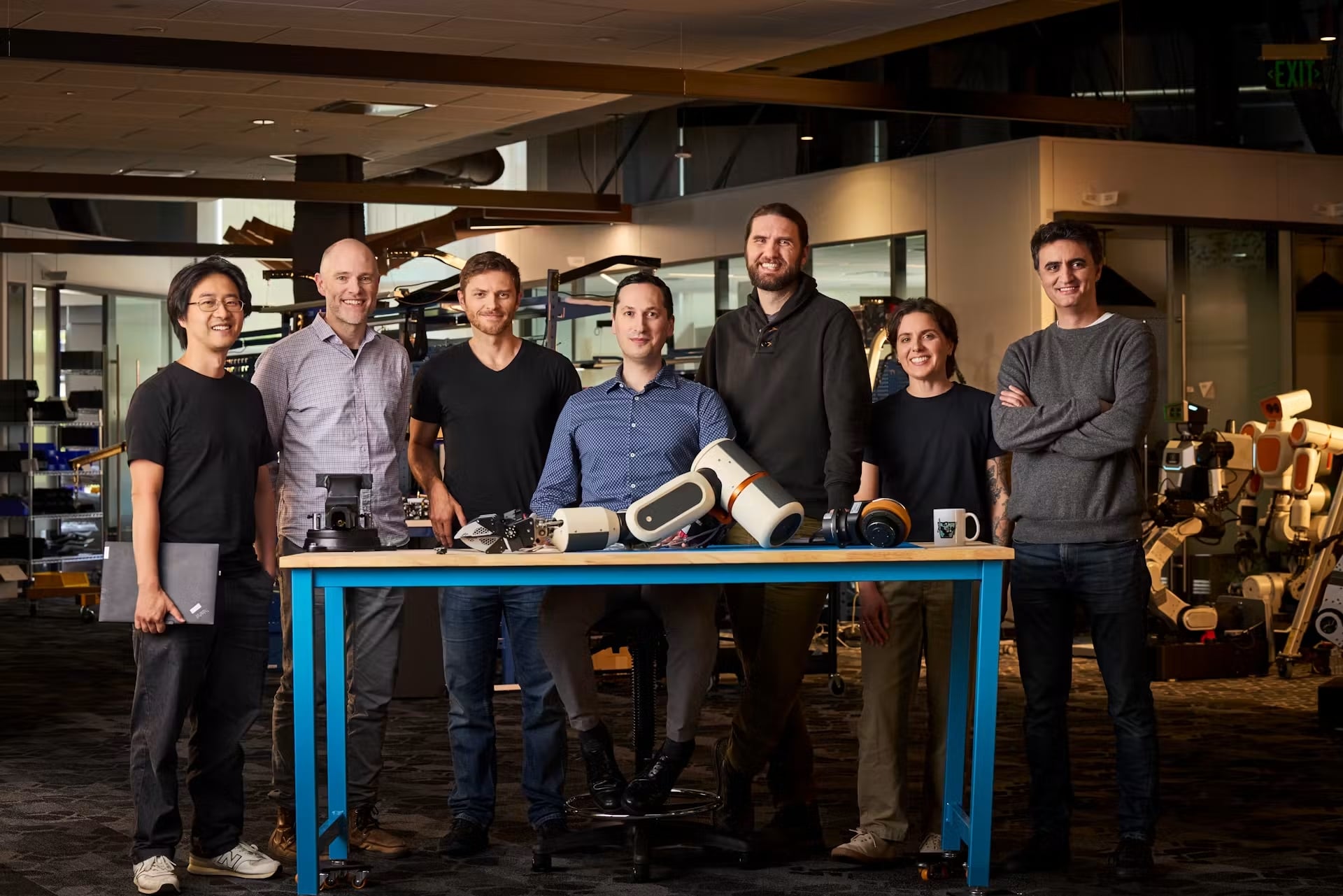
In addition to Russ Tedrake, Walden's founding team currently includes CTO Ben Burchfiel, COO Kerri Fetzer-Borelli, Chief Product Officer Dave Johnson, Chief Strategy Officer Adrien Gaidon, Chief Architect Siyuan Feng, and Head of AI Rares Ambrus. Several members are also project leads in TRI's large behavior model research, involved in model architecture, training, simulation, and evaluation systems.
It is evident that compared to ordinary startups, Walden's starting point and platform are significantly higher. On one hand, it inherits decades of research results from TRI in the field of robotics; on the other hand, Toyota is not only a core investor but also its most important early industry partner, providing the first real production scenarios.
Backed by Toyota's Manufacturing System, Walden Shortens Commercial Validation Cycle
A common challenge for embodied intelligence companies is the gap between technological development and commercial deployment.
Robots need to enter real environments to gain high-quality data, but early products often struggle with reliability and economic issues that make it hard for enterprise customers to trust them for actual work. Without deployment scenarios and data, models struggle to cover exceptions in the real world, making it difficult to continuously improve product capabilities.
However, with support from Toyota's production system from its inception, Walden has, to some extent, shortened this validation cycle. Toyota serves as both its technology incubator and core investor, as well as providing the first real deployment scenarios. Walden does not need to start from scratch to find industrial clients, nor does it need to independently establish testing simulators; it can directly engage with existing production processes, working with manufacturing teams to define tasks, adjust equipment, and evaluate inputs and outputs.
The value of this industrial background goes beyond just providing a "training" ground for robots. Whether industrial robots can create economic value depends on various factors such as task frequency, equipment utilization, and safety requirements. Many robotic tasks that perform well in laboratories may not have deployment value once they enter factories.
Moreover, Toyota's long-accumulated manufacturing and automation experience can help Walden prioritize processes that match its current technological capabilities while delivering clear commercial returns, reducing the risk of disconnection between product development and customer needs.
Additionally, Walden's roster of investors provides potential channels for expanding external scenarios. Aside from Toyota, Boeing, Samsung Ventures, and Prologis Ventures correspond to aviation manufacturing, electronics industry, and logistics infrastructure, while NVIDIA and CoreWeave connect robotic computing and AI training resources.
These companies are evidently potential collaborative resources that may provide partnership opportunities for Walden in the future. To some extent, after Toyota resolved the initial scene and data issues in the commercialization phase for Walden, what will truly determine Walden's long-term value may be whether this technical and operational system can move beyond Toyota and transform into standardized products for more manufacturing companies.
In this regard, Walden, inheriting TRI's research and technical achievements, is very confident, and this brings us to the core of the company's technical system—the Large Behavior Models (LBM).
Core Technology LBM (Large Behavior Models), Bringing General Manipulation Capabilities to Factories
Unlike large language models oriented towards text generation, LBMs need to simultaneously handle visual imagery, the robot's own state, tactile or other sensor information, and task instructions to generate continuous actions. The goal is not to write separate programs for each task, but to train a single model to learn and transfer different operation skills through multi-task data.
This approach is built on TRI's years of research in robotic learning. Among them, Diffusion Policy is a representative technological foundation.
Traditional industrial robots often rely on pre-set movement trajectories and workstation conditions, and when part positions, equipment layouts, or production processes change, engineers typically need to reprogram and debug. Diffusion Policy, on the other hand, learns action distributions through human demonstration; models extract patterns from visual, motion, and robotic state data and attempt to reproduce autonomously.
On this basis, LBM further incorporates multiple tasks into a unified pre-training framework. TRI’s prior research used nearly 1,700 hours of robotic data, conducted 1,800 real environment tests, and more than 47,000 simulation tests. Results indicated that models pre-trained on multiple tasks required significantly less data when learning some new tasks compared to single-task models trained from scratch.
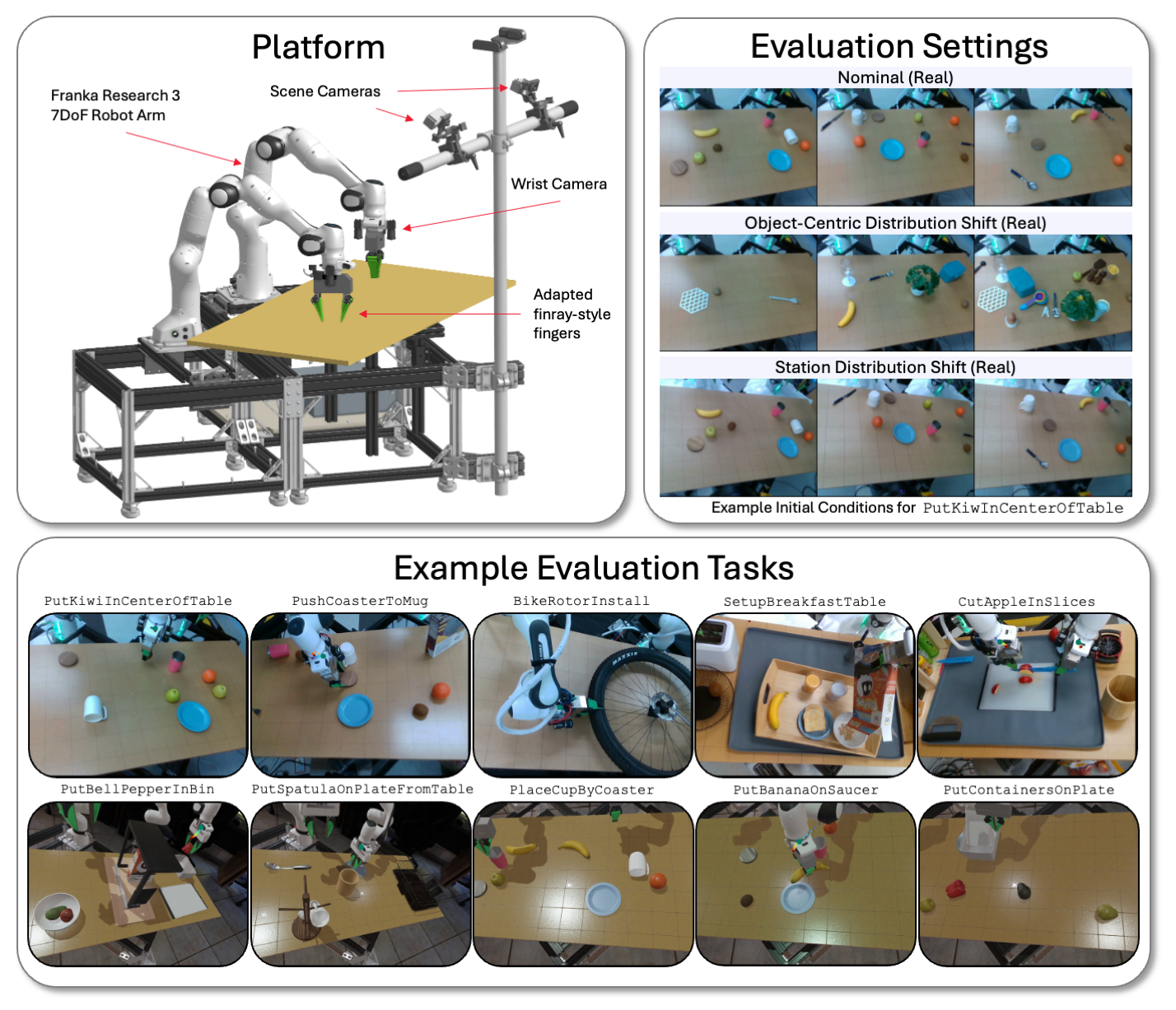
This provides the foundational logic for Walden's products: robots do not need to rely on engineering teams for programming task by task, but can adapt to new operational processes with a few demonstrations. For industrial clients, this capability primarily suits manufacturing environments with diverse product types and frequently changing production tasks. Compared to traditional automation equipment, which can only repeat fixed actions, learning-capable robots are expected to switch processes and tasks at a lower transformation cost.
Currently, Walden employs a combination of autonomous operation and remote human assistance. Robots can independently perform regular tasks they have mastered, and when faced with unexpected objects, environmental changes, or situations outside the model's capability, remote operators intervene.
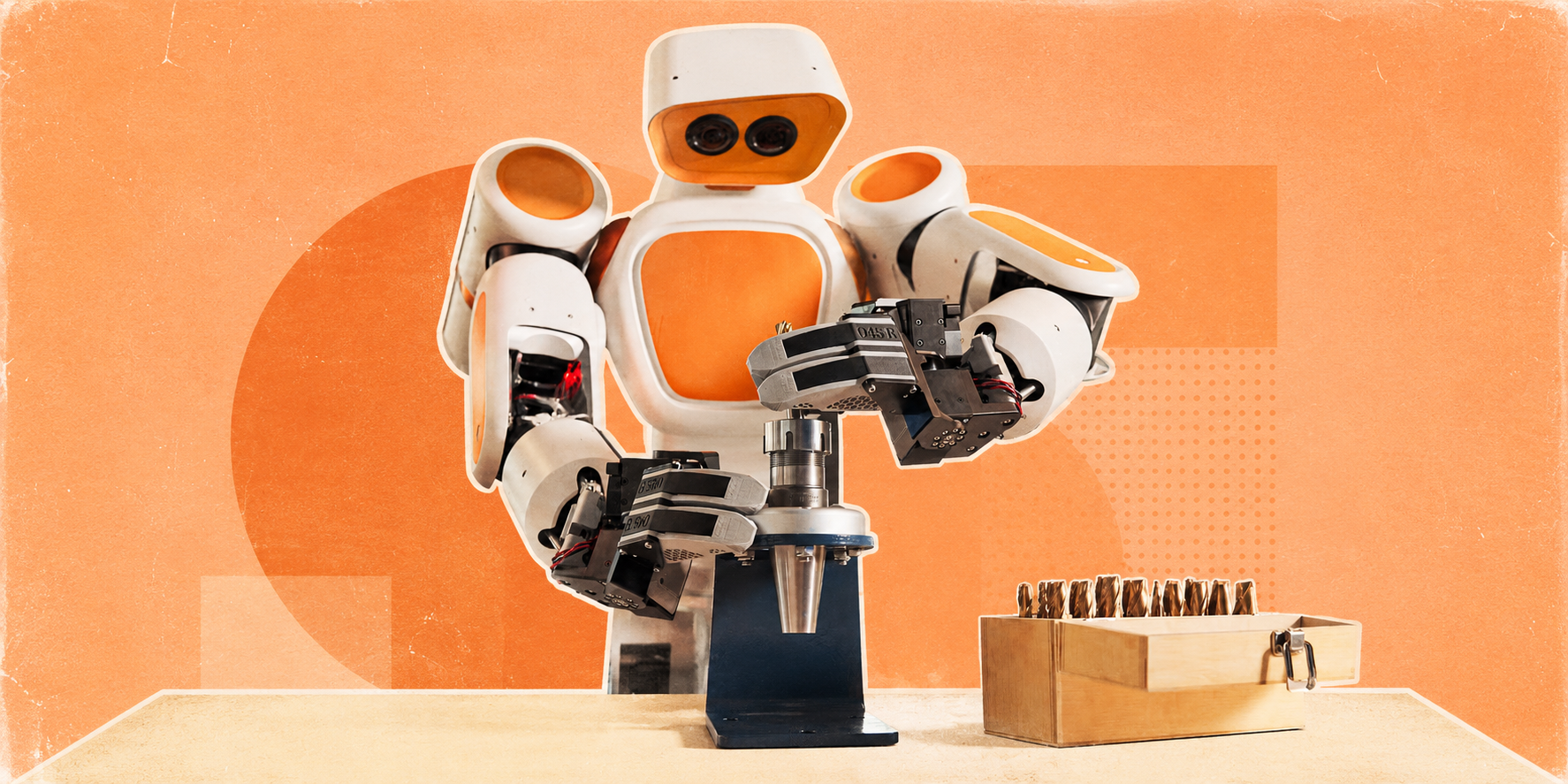
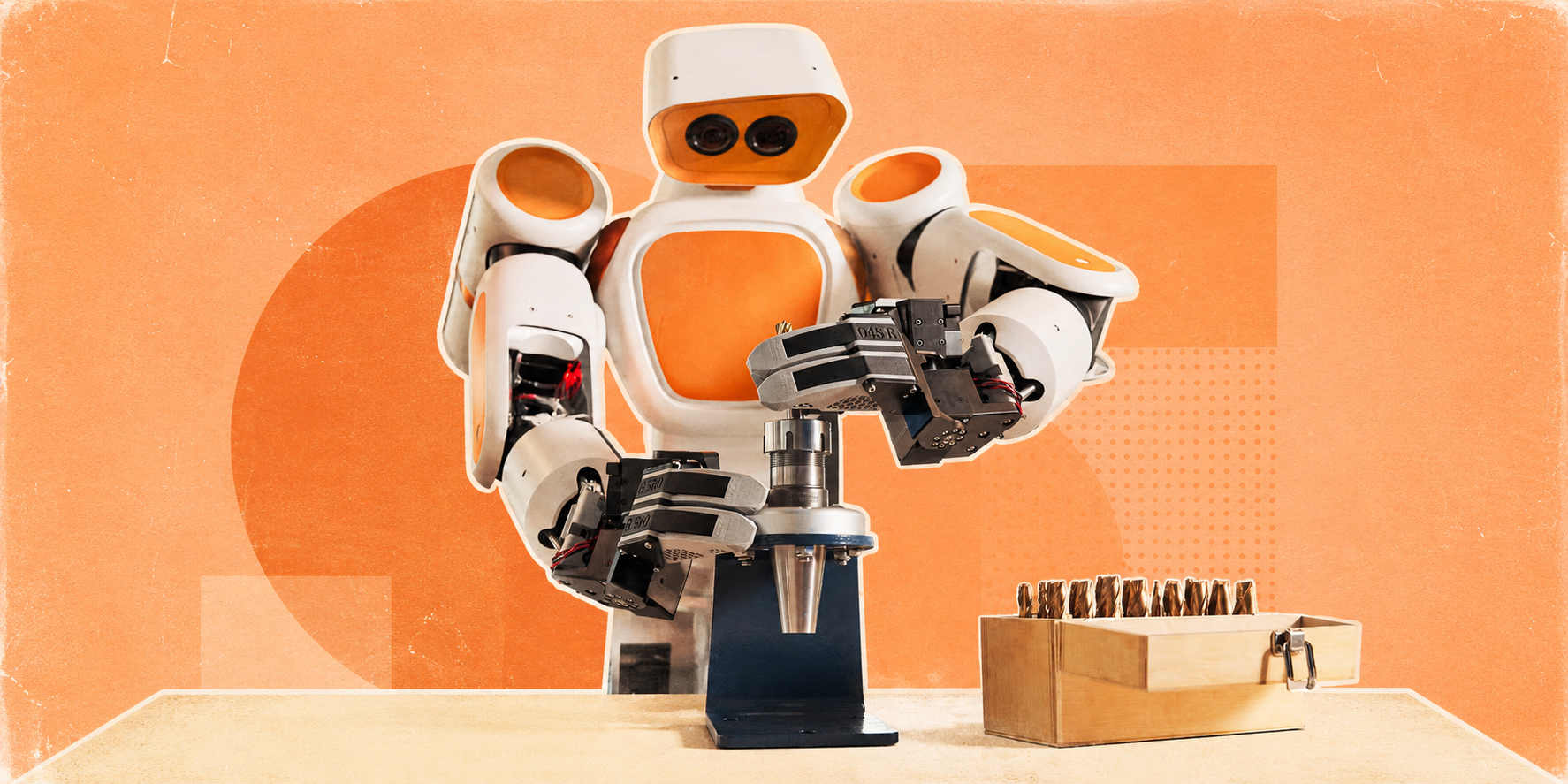
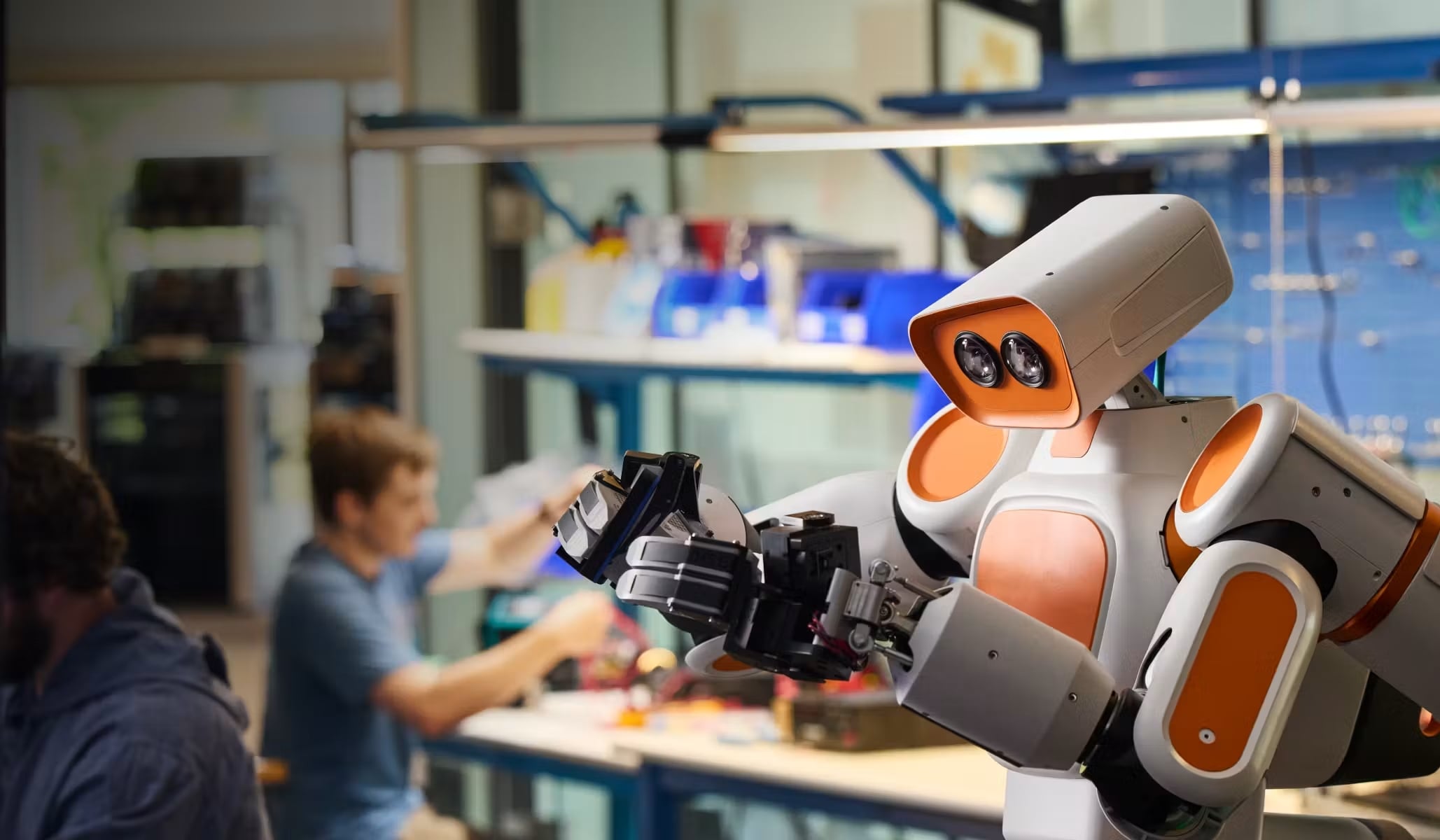
In terms of robot design, Walden adopts a humanoid upper body combined with a wheeled mobile chassis, focusing on dual-arm manipulation, task learning, and adaptability to environments.
Wheeled mobile robots are not uncommon in stable, well-defined industrial and warehousing scenarios, their main advantages being stability, load capacity, and relatively controllable system complexity. The humanoid upper body design helps robots utilize human-designed tools and workspace; their pursued "universality" largely comes from the model's learning ability for different tasks, as well as the dual-arm system's capability in operating various objects and equipment.
However, while Walden possesses excellent conditions and a certain level of advantage in the robotics field, as Russ Tedrake stated during Walden's official launch: "The team is strong enough and progress fast enough, so we do not need to exaggerate it." But for this company, which has just come out of stealth mode, as Russ Tedrake put it, "We have only just begun this journey."
免责声明:本文章仅代表作者个人观点,不代表本平台的立场和观点。本文章仅供信息分享,不构成对任何人的任何投资建议。用户与作者之间的任何争议,与本平台无关。如网页中刊载的文章或图片涉及侵权,请提供相关的权利证明和身份证明发送邮件到support@aicoin.com,本平台相关工作人员将会进行核查。


