Author: Zen, PANews
As the transitional arrangements of MiCA reach their conclusion, the European cryptocurrency industry has undergone a significant institutional screening. Once MiCA fully comes into effect, platforms that previously relied on local registrations, regulatory gaps, or transitional arrangements within individual member states to serve European users will need to be reintegrated into the EU's unified framework and obtain authorization as cryptocurrency asset service providers, known as CASP authorization, to continue operating in compliance.
According to the Financial Times, as of July 1, only about 12% of cryptocurrency companies in the EU were authorized to continue operations under the new regulations, with 244 entities granted authorization. More platforms that failed to complete the authorization process in time had to cease relevant cryptocurrency asset services and exit the primary table of the European compliance market.
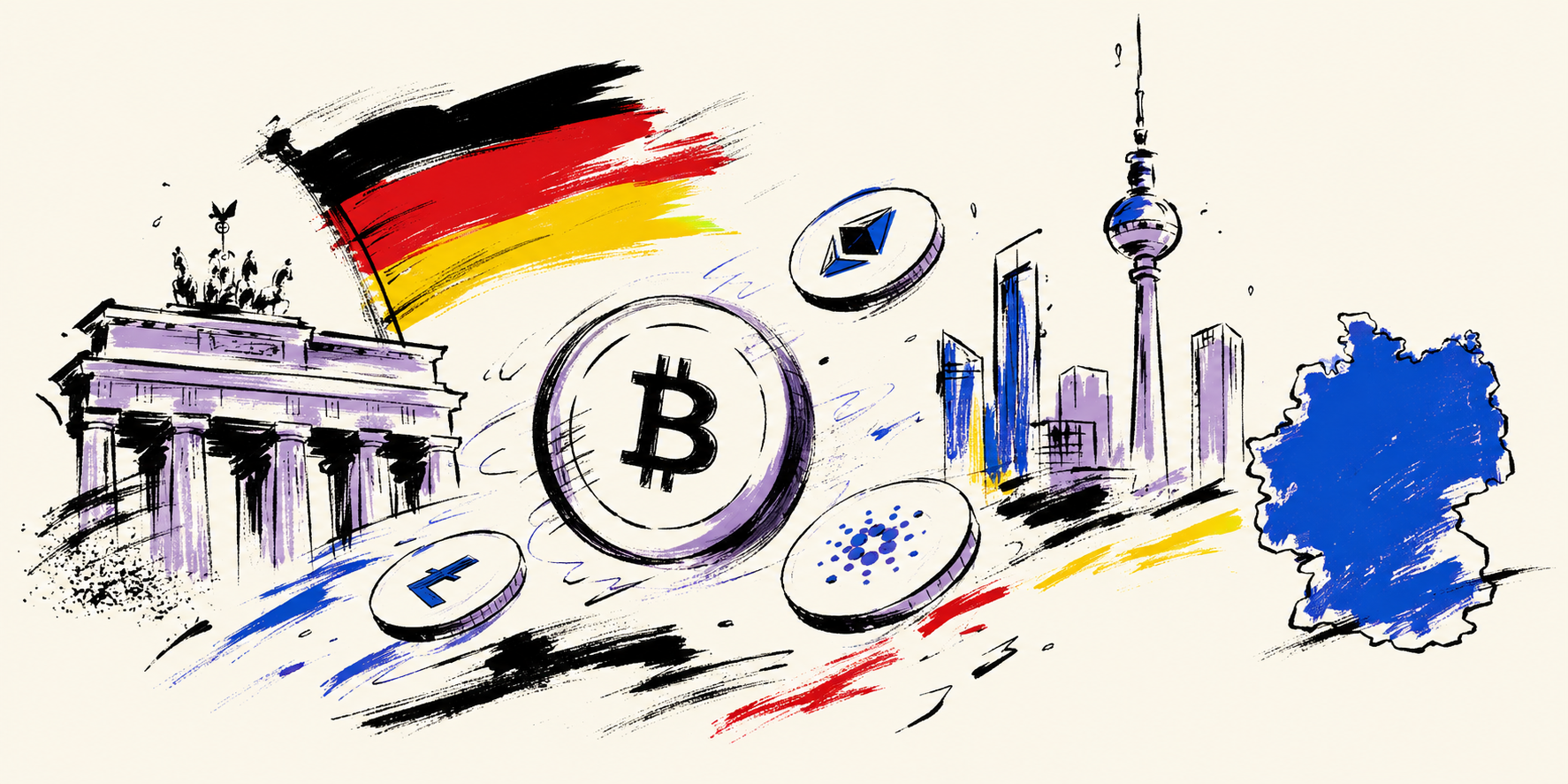
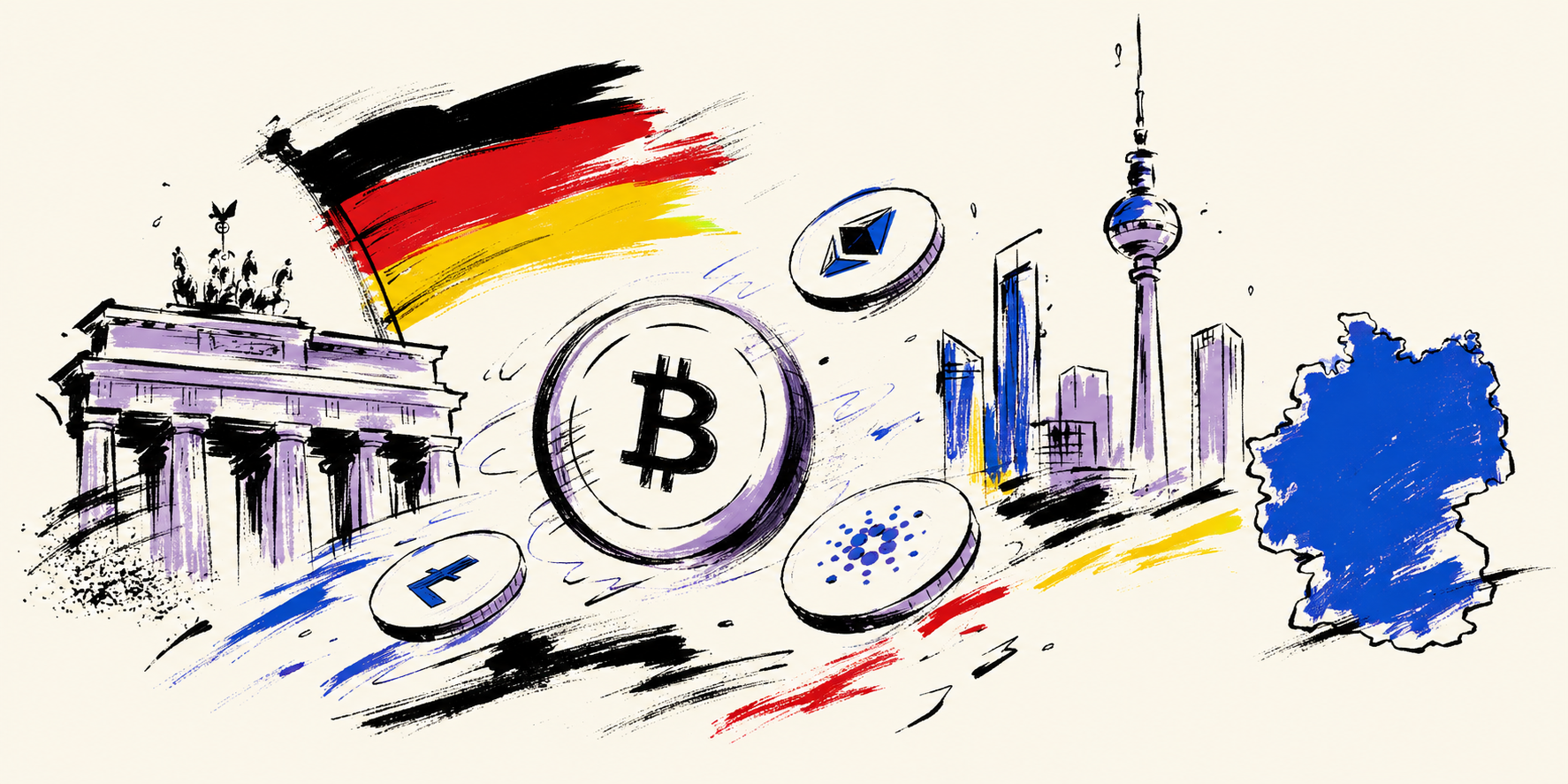
On this new table, Germany's position stands out prominently. Germany currently has 57 MiCA-authorized cryptocurrency asset service providers, accounting for about 23% of the 244 authorizations in the EU, significantly ahead of other EU member states. As MiCA allows licensed entities to provide cross-border services within the EU, this means that Germany is not only one of the countries with the most licenses but is also becoming an important compliant entry point for European cryptocurrency platforms entering the unified market.
Moreover, Germany is not just a market with a leading number of licenses; it serves as a convergence point in the re-layering of European crypto finance, moving from regulatory entry points to banking distribution entry points and participating in digital financial infrastructure.
Functional Regulation Facilitates Smooth Transition for MiCA
Before the EU's unified framework was implemented, Germany had included various aspects of cryptocurrency asset issuance, trading, brokerage, custody, and market order into its different regulatory systems, such as banking, securities, payment, and capital markets. It is precisely because of this foundation of functional regulation that Germany could quickly adopt the new rules when MiCA consolidated the scattered regulations into a unified EU framework, thereby extending local compliance paths to a European level.
Even before MiCA was officially implemented, Germany had multiple cryptocurrency trading gateways aimed at retail users and institutional clients. These early platforms did not completely exist outside regulation but were integrated into Germany's existing financial service system through licensed banks and agent structures.
For example, Bitcoin.de, an early Bitcoin trading matching platform in Germany, operated under Bitcoin Deutschland AG, which conducted related investment brokerage business through its relationship with Fidor Bank as a "bound agent." This is a structure in German financial regulation that allows agents to conduct business through a licensed bank: the agents themselves can be independent companies or individuals but can only represent a specific licensed financial institution for designated business. As a licensed bank in Germany, Fidor Bank assumes regulatory responsibilities as the responsible party in this structure.
In contrast to the "embedded" compliance path, Stuttgart Stock Exchange Group, the operator of the German stock exchange, chose to directly engage in the market, attempting to incorporate cryptocurrency asset trading into its own exchange, brokerage, and custody systems. In 2019, the group launched a crypto trading app aimed at retail users: BISON, offering a relatively simple entry for buying and selling. That same year, the group also launched Germany's first regulated digital asset trading platform BSDEX, using an order book and fixed trading rules aimed at more professional investors.
In addition to domestic platforms, Germany's regulatory framework can also attract participation from international platforms, with Coinbase’s launch of Coinbase Germany being a typical example. In 2021, Coinbase Germany obtained crypto custody and trading-related licenses granted by BaFin. BaFin is the Federal Financial Supervisory Authority in Germany, responsible for regulating banks, securities, insurance, and some cryptocurrency financial services. Its licenses fall under the new regulatory framework for cryptocurrencies introduced in Germany in 2020, covering crypto custody and trading.
These cases jointly indicate that before MiCA was implemented, German regulators focused on disaggregating and assessing the businesses of platforms. This involved multiple traditional financial laws in Germany, including the German Banking Act, the German Securities Trading Act, and the payment service regulatory framework. BaFin's early documents concerning token classification also reflected this idea of functional regulation. It has pointed out that whether a token constitutes a financial instrument, security, capital investment, or investment fund shares, needs to be assessed on a case-by-case basis according to its specific structure and economic function.
Therefore, while Germany's regulatory foundation may not be completely mature and perfect, it has already "trained" a batch of institutions in capabilities such as customer due diligence, organizational governance, risk control, and regulatory reporting by integrating key cryptocurrency platform businesses into the traditional financial legal system. It may not be the most lenient market, but it excels in having clearer regulatory pathways, more complete financial infrastructure, and more predictable regulatory experience. For new platforms that hope to enter the European market, this is where Germany's appeal lies.
Banks Become Direct Entry Points for Cryptocurrency Services in Germany
In the global cryptocurrency market, many countries' traditional banking systems often maintain distance from the crypto industry, sometimes even in opposition. However, in the development of Germany's cryptocurrency market, banks have not only participated in the compliance chain but have also become the entry point for users to use cryptocurrency assets.
In the early days, Fidor Bank participated in the compliance structure of local platforms through cooperation with Bitcoin.de; subsequently, as the regulatory framework gradually clarified, traditional financial institutions such as Commerzbank and DekaBank began to layout in crypto custody, trading, and institutional services.
It can be said that the trend of banks moving from behind the scenes to the forefront had already formed. The implementation of MiCA further accelerated this shift, allowing cryptocurrency services to enter the retail channels of the banks themselves faster, becoming a new entry point directly accessible to ordinary users.
The most direct example is DZ Bank, which is the central cooperative bank in Germany and the second largest bank in Germany by asset size. In January 2026, DZ Bank announced it had obtained MiCAR authorization from BaFin to launch its cryptocurrency asset service "meinKrypto."
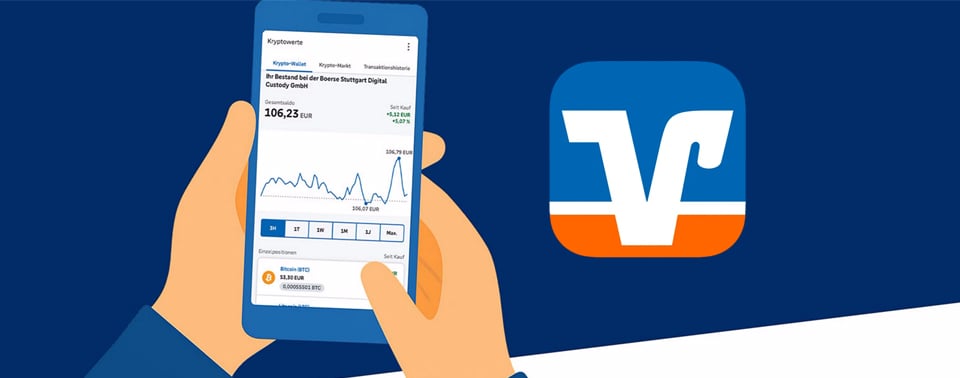
This product is designed as an integrated wallet and trading entry within the VR Banking App, targeting self-decision-making customers rather than being part of private banking investment advice. Once the cooperative bank completes its MiCAR notification and activates the relevant functions, customers will be able to invest in cryptocurrency assets through a familiar banking app.
Another path comes from the German savings bank system, Sparkassen. Sparkassen is a financial network comprising public savings banks across Germany, covering numerous local bank branches and individual customers. As an important securities service and asset management institution within this system, DekaBank is often referred to as the "securities company" or capital market service platform of the savings bank system.
According to public plans, the German savings bank system will provide cryptocurrency trading services for private clients, such as Bitcoin and Ethereum, through the DekaBank platform in its mobile banking app, aiming for a launch in the summer of 2026.
The significance of such changes lies in the alteration of how cryptocurrency services are distributed. For ordinary users, cryptocurrency assets are no longer just high-risk products on external trading platforms but are integrated into bank apps, customer accounts, and existing compliance processes.
From Trading Centers to European Digital Asset Infrastructure Hubs
If trading platform licenses resolve the question of "who can provide cryptocurrency services in compliance," then bank apps tackle the issue of "where ordinary users can access cryptocurrency assets." A deeper question is: who will issue, custody, and settle future on-chain assets, and through what types of payment and settlement tools will they enter the capital market system? Germany's cryptocurrency layout is extending from trading and retail entry points to these underlying financial infrastructures.
Deutsche Börse Group is the core exchange and market infrastructure group in Germany, with businesses covering trading, clearing, data indices, investment management solutions, and post-trade services. Clearstream, under it, is its post-trade business unit, primarily responsible for settlement, custody, and asset services after securities transactions, ensuring that trades are truly completed and assets are continuously managed.
In June 2026, Clearstream announced the launch of next-generation digital securities infrastructure, planned to be launched in phases from 2026 to 2027. According to its announcement, the platform will cover the issuance, distribution, settlement, custody, asset services, liquidity, and financing aspects of the securities lifecycle, serving both traditional and tokenized securities under the MiFID and MiCA frameworks. Clearstream also stated that the platform will support institutional clients in accessing blockchain technology, cryptocurrency assets, stablecoins, and security tokens, and explore scenarios such as on-chain settlement, mass tokenization of securities, and collateral reuse of the same asset across multiple transactions.
For market infrastructure institutions like Deutsche Börse and Clearstream, tokenized securities, stablecoins, and cryptocurrency assets are being integrated into a broader capital market infrastructure upgrade. If these infrastructures gain regulatory approval and are widely adopted by institutional clients, German institutions will occupy a more advantageous position in the European digital asset market.
In addition, the euro stablecoin also follows the same main line. The euro stablecoin project Qivalis, supported by European banks and headquartered in Amsterdam, aims to address the dominance of American companies in digital payments and prepare for future asset tokenization. Founding members of Qivalis include European banks such as DekaBank, DZ BANK, ING, BNP Paribas, BBVA, and UniCredit, planning to launch a regulated euro stablecoin in the second half of 2026 after obtaining regulatory approval.
For Germany, the significance of this project does not lie in Germany singly leading the euro stablecoin but in the fact that the German banking system has already entered into the joint construction of European digital payment and tokenized financial infrastructure. DekaBank connects the German savings bank system, and DZ Bank connects the cooperative banking system; their participation in Qivalis indicates that Germany's cryptocurrency layout has extended to the euro stablecoin, on-chain payments, and the future settlement of tokenized assets.
In the future, competition in the European cryptocurrency industry will increasingly focus on licenses, bank cooperation, custody, settlement, tax transparency, and cross-border service capabilities, and Germany happens to be at the intersection of these competencies.
免责声明:本文章仅代表作者个人观点,不代表本平台的立场和观点。本文章仅供信息分享,不构成对任何人的任何投资建议。用户与作者之间的任何争议,与本平台无关。如网页中刊载的文章或图片涉及侵权,请提供相关的权利证明和身份证明发送邮件到support@aicoin.com,本平台相关工作人员将会进行核查。


