Since TGE, approximately 15 million LIT tokens have been programmatically repurchased, costing $21.16 million.
Written by: Mah, Foresight News
On June 18, the Lighter token LIT broke through $1.90, reaching a new high since January this year. Its current market capitalization is $425 million, with an FDV of $1.7 billion, and the token price has now fallen to around $1.60.
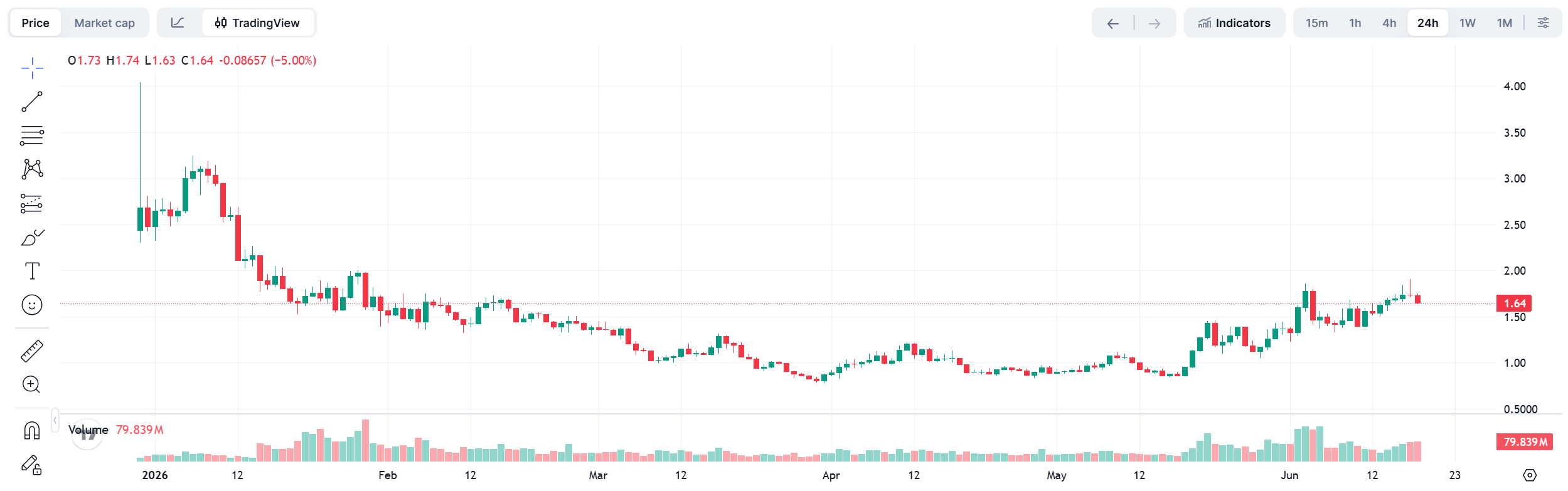
In 2026, Hyperliquid gained significant market attention through buyback flywheels and entering multiple fields, with the token price rising from $20 to a peak of $76, setting a historical record. After undergoing adjustments at the beginning of the year, the Lighter token price has recently rebounded significantly. What factors are currently driving this?
Lighter is a decentralized perpetual contract exchange. In December 2025, its native token LIT officially underwent TGE, accompanied by a large-scale airdrop. The total supply is fixed at 1 billion tokens; specifically, 25% of the ecosystem portion was automatically airdropped to early users through a points season at TGE, while the remaining 25% is reserved for future incentives, partnerships, and growth uses; the team holds 26%, and investors hold 24%. The airdrop portion was released 100% at TGE.
The team and investor portion has a 1-year cliff (unlocking begins on December 30, 2026), followed by a 3-year linear unlock.
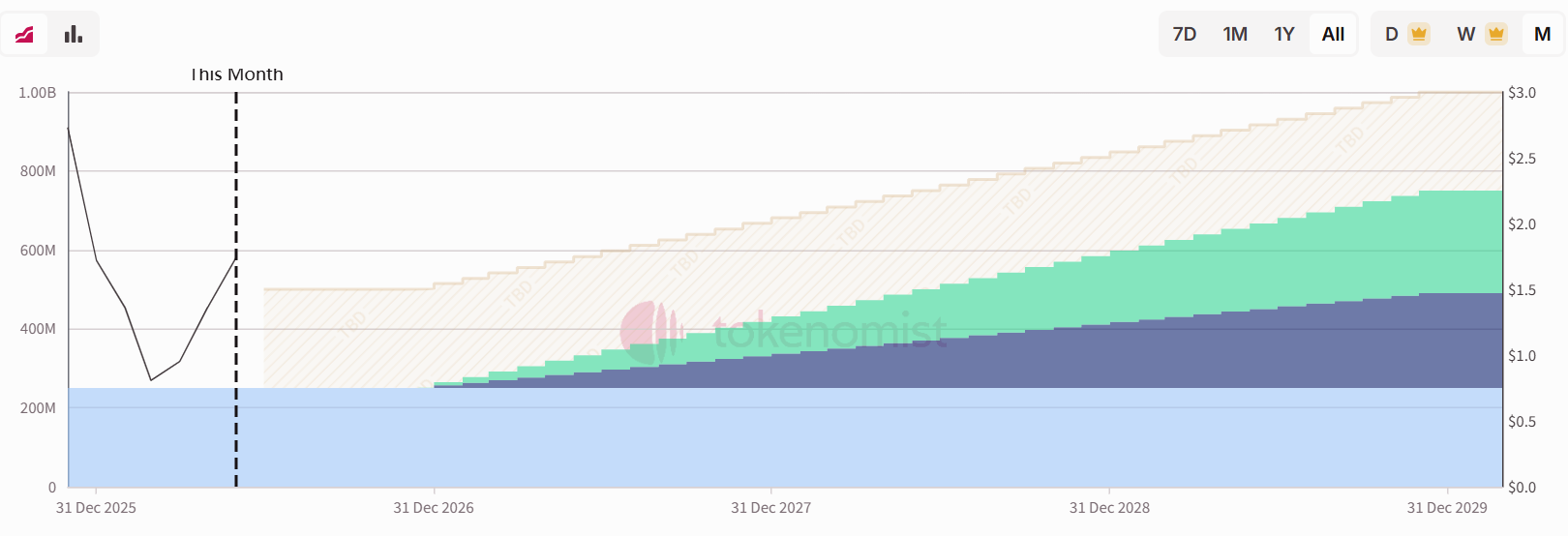
As of now, the circulating supply remains at about 250 million tokens (25% of the total supply), with the remaining 75% still locked. This means there will be no VC or team unlock selling pressure in the second half of this year.
Buybacks, LLP, and Liquidity Pools
The buyback mechanism is central to Lighter's value capture. The protocol uses all fee revenue generated from perpetual trading and other products to repurchase LIT tokens on the open market. Official disclosure shows that this buyback is fully programmatic, automatically collecting all fee revenue every hour, and placing 100 buy limit orders within a range from the current market price down to -10%.
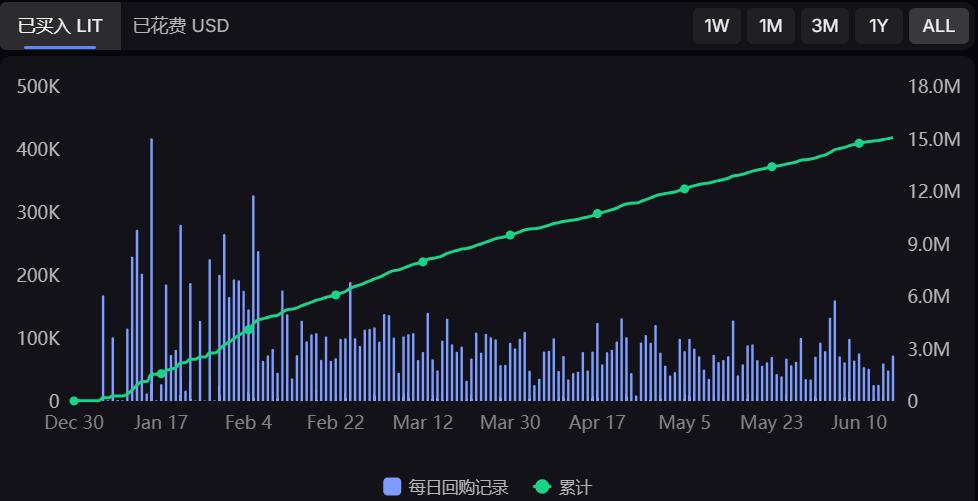
According to the latest data from Lighter, since TGE, the protocol has programmatically repurchased about 15 million LIT tokens, accounting for around 6% of the circulating supply, with a repurchase amount of about $21 million. This represents 1.51% of the total supply. These buybacks directly convert protocol revenue into ongoing on-chain buying.
So how is Lighter currently performing in the market?
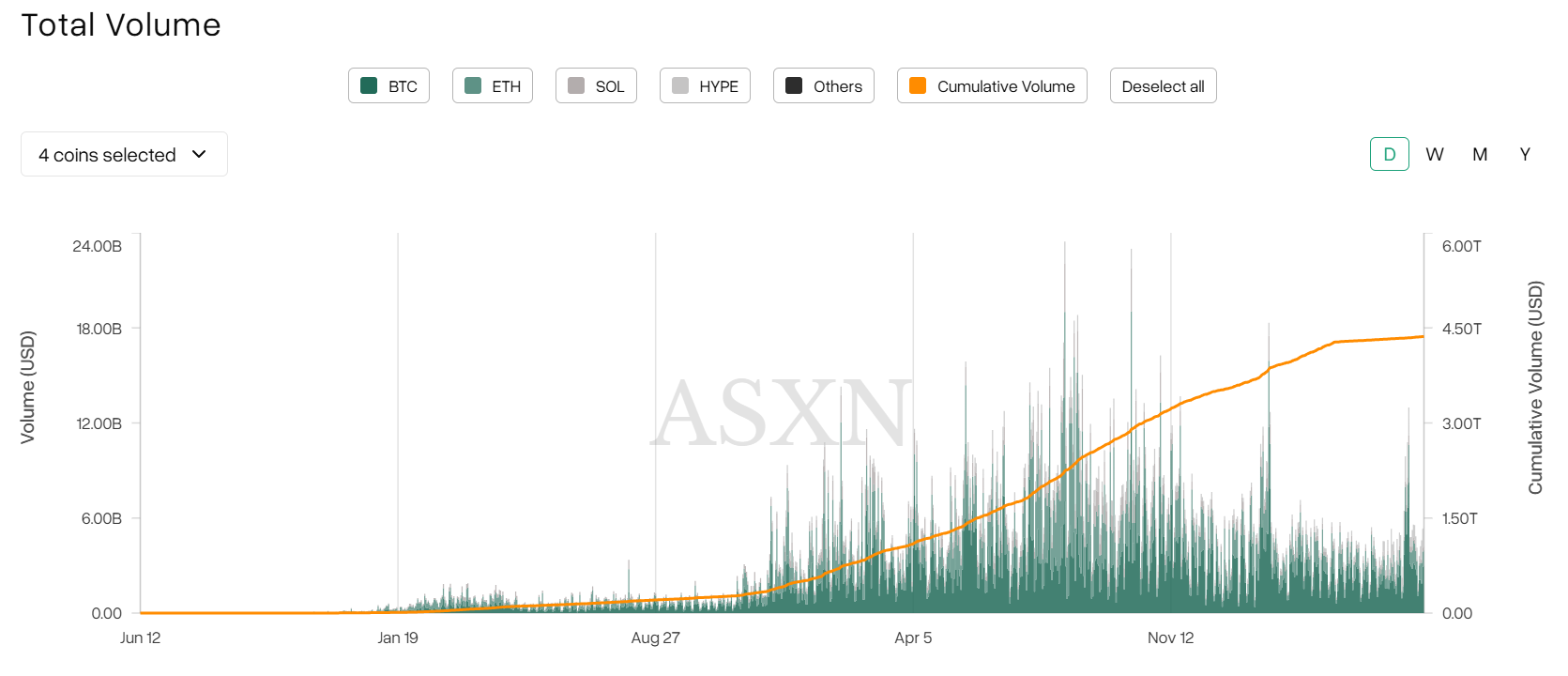
From the official website data, it can be seen that its total trading volume has exceeded $16.8 trillion this year, while its trading volume has been continuously declining due to a sluggish market.
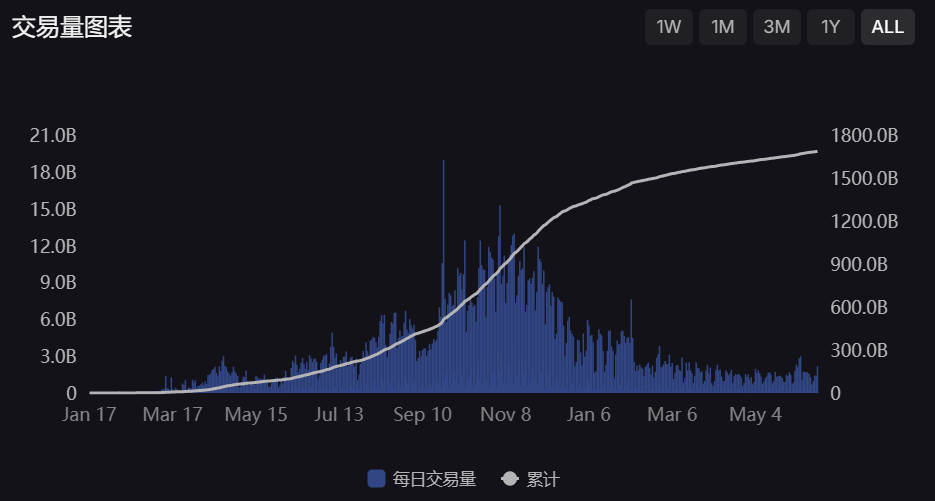
In contrast, Hyperliquid's total trading volume has surpassed $43.7 trillion, nearly three times that of Lighter, and its trading volume has remained stable since October 2025.
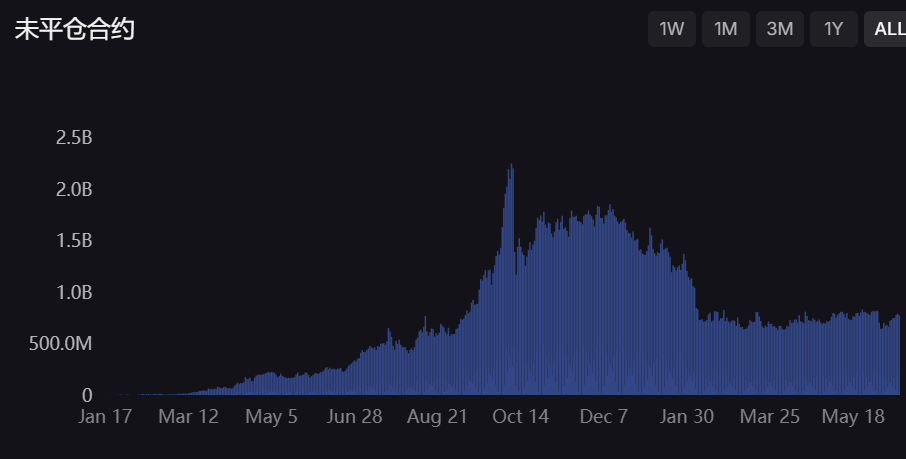
However, when we turn our focus to open contracts, the data for November 2025 shows $1.6 billion in open contracts, while the current data is $750 million, which is not very concerning. Hyperliquid reached a maximum of $9.64 billion in open contracts, and it currently maintains $5.06 billion.
Meanwhile, Lighter continues to iterate on the product side. In May, it partnered with Insilico Terminal to introduce a professional-grade execution management system to attract systematic traders and deepen order book liquidity; the platform has launched a Pre-IPO perpetual contract market and introduced LIT fee points, expanding trading scenarios and user participation. These actions complement the buyback flywheel, amplifying the protocol's revenue and buying effects under macro-driven events.
The Lighter liquidity pool is essentially the dealer fund pool of the Lighter exchange. In centralized exchanges, when users go long, the counterparty is typically market makers (institutions) or another person going short. However, in decentralized exchanges, the underlying logic changes: the "common counterparty" of all trading positions in the exchange is the LLP. In other words, when users profit from going long, they are compensated by the LLP; when users lose money, it is directly confiscated and flows into the LLP.
Based on historical big data statistics, retail traders are likely to lose money over long periods. Therefore, large players deposit their USDC into the LLP as the casino's capital, essentially "acting as the dealer," profiting from retail losses and exchange fees.

According to the latest data from the official website, its current TVL has risen to $98.42 million, with an annualized interest rate of 11.47%. According to Lighter's official rules, entering the LLP requires pledging a fund amount of 1:10 in LIT tokens, which makes many large players one of the largest spot buyers in the LIT secondary market. The more USDC they deposit, the more LIT tokens are locked in the market.
It must be noted that the LLP's liquidity pool is separate from the staking pool; the two are different pools.
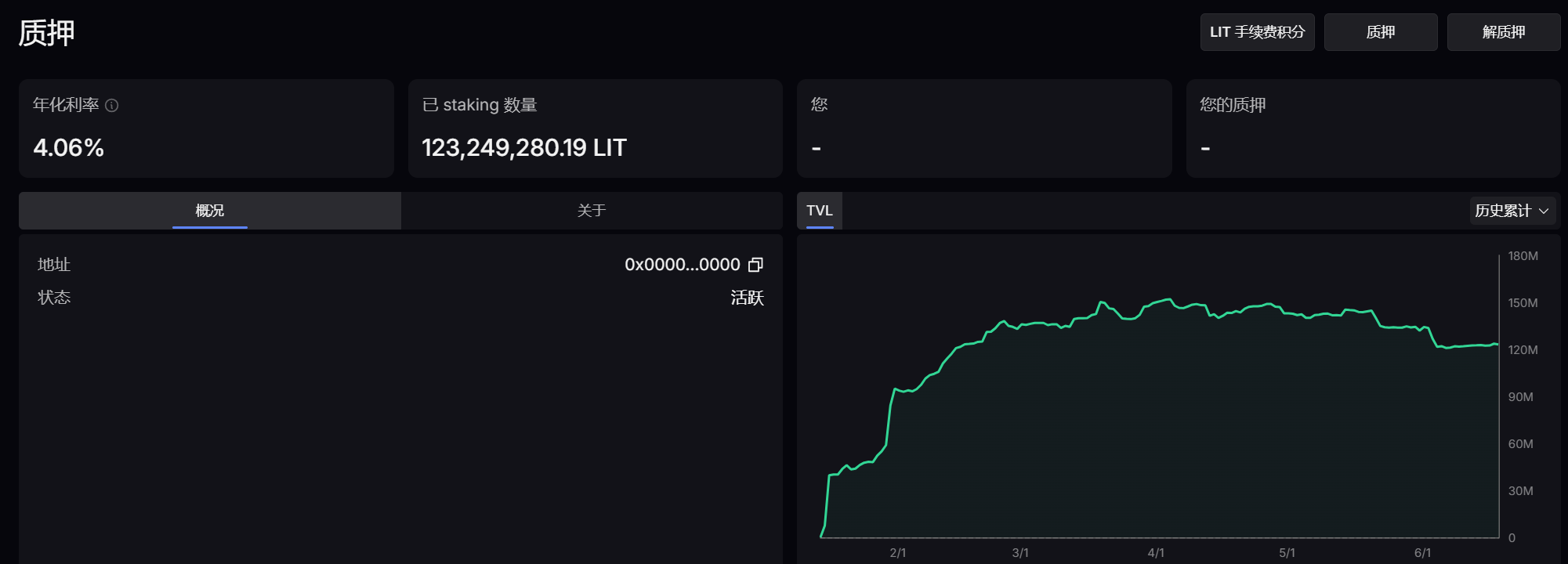
According to the latest official website data, its annual yield is 4.06%, with the staked amount of LIT being 123.23 million tokens, with a total value exceeding $204.6 million.
Concerns Compared to Hyperliquid
In the perpetual contract DEX track, Hyperliquid has become the recognized leader thanks to its first-mover advantage and scale effect, while Lighter forms a unique positioning through technological differentiation and product emphasis.
Hyperliquid also implements an aggressive income buyback strategy, which is considerable in scale, but combining staking gas fees and ecosystem incentives creates a more comprehensive token utility system. Although Lighter's buyback execution has certain advantages in transparency and predictability, Hyperliquid's buyback aligns better with the higher baseline of protocol revenue.
In addition, Hyperliquid covers a wider range: in addition to perpetual contracts, it continues to expand into RWA and a more complete DeFi ecosystem, even into prediction markets (such as Bitcoin, Ethereum price predictions). As of June 16, the World Cup-related sections in Hyperliquid's HIP-4 prediction market saw a nearly 202% week-on-week increase in trading volume. Continuous business expansion has allowed its audience and trading volume to expand, which in turn continues to enhance the buyback of the HYPE token. In contrast, Lighter is still laying out in RWA and Pre-IPO, without involving prediction markets and other fields.
Institutions are also continually buying HYPE. According to blockchain analyst Ai Yi's monitoring, since June 1, a16z-related wallets have withdrawn 1,229,524 HYPE (worth approximately $85.54 million) for staking. Influential figure Arthur Hayes even tweeted, "Looking at the current crypto market cap rankings, most of them are junk coins; he believes HYPE should at least surpass SOL before this bull market ends."
American institutions have also launched an HYPE spot ETF to provide stable support for its token price. According to SoSoValue data, the cumulative net inflow for the U.S. HYPE spot ETF is $182.56 million. In contrast, LIT remains solely supported by the secondary market and buybacks.
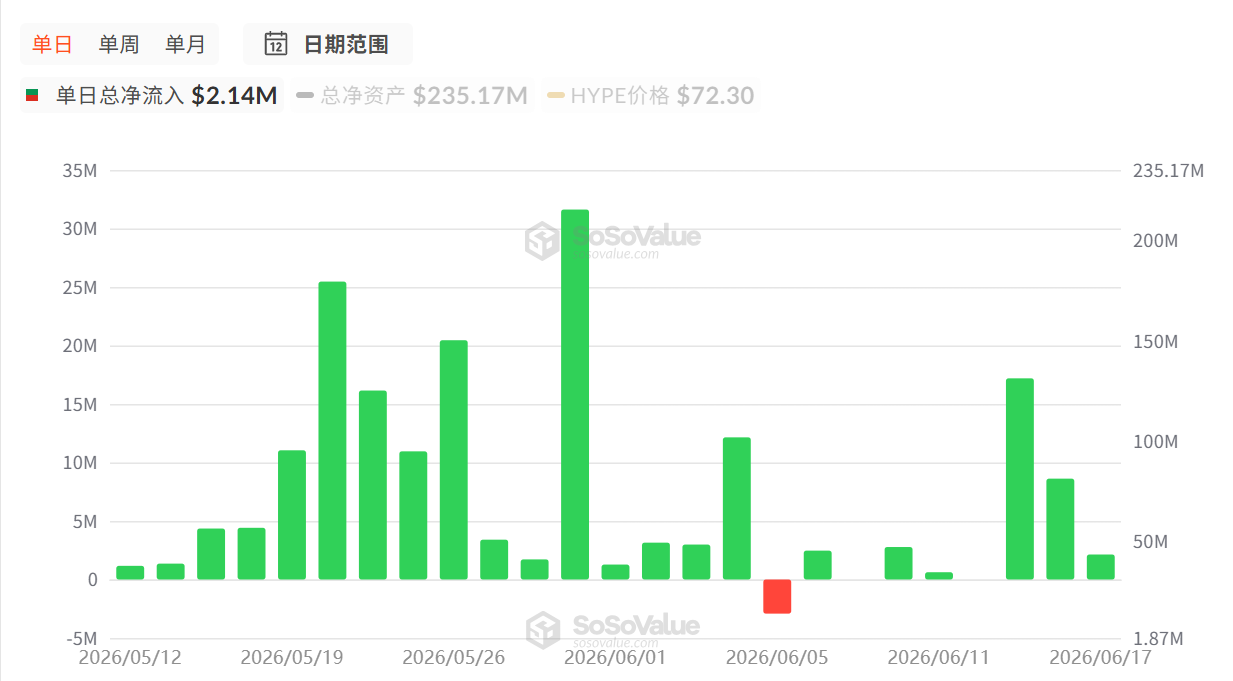
Currently, LIT lacks influential figures publicly endorsing it, and there are no large institutions continually buying in, which leaves some concerns for its token price.
Overall, Hyperliquid currently dominates in scale, liquidity, and ecological breadth, while Lighter is constructing its competitive advantage through ZK technology stacks, transparent buyback mechanisms, zero fees for retail, and differentiated tools aimed at institutions.
The relative performance of the two in the future will depend on their execution regarding trading volume growth, product iteration, and market adoption.
免责声明:本文章仅代表作者个人观点,不代表本平台的立场和观点。本文章仅供信息分享,不构成对任何人的任何投资建议。用户与作者之间的任何争议,与本平台无关。如网页中刊载的文章或图片涉及侵权,请提供相关的权利证明和身份证明发送邮件到support@aicoin.com,本平台相关工作人员将会进行核查。


