On June 1, 2026, Strategy, the world's largest corporate holder of Bitcoin (formerly MicroStrategy), disclosed a seemingly inconspicuous transaction: between May 26 and 31, the company sold 32 Bitcoins, cashing out approximately $2.5 million, at an average net price of $77,135 per coin.
This transaction accounted for only 0.0038% of the company's total holdings of 843,706 BTC as of May 31, with a total purchase cost of $63.87 billion and an average cost of $75,699 per coin. The selling price exceeded the cost basis and was also higher than the market price at that time. The proceeds were explicitly earmarked for the payment of dividends for perpetual preferred stocks such as STRC.
This marked the first public disclosure of Bitcoin sales by Strategy since December 2022 and indicated a crack in the long-held narrative of the company's founder, Michael Saylor, regarding "never selling."
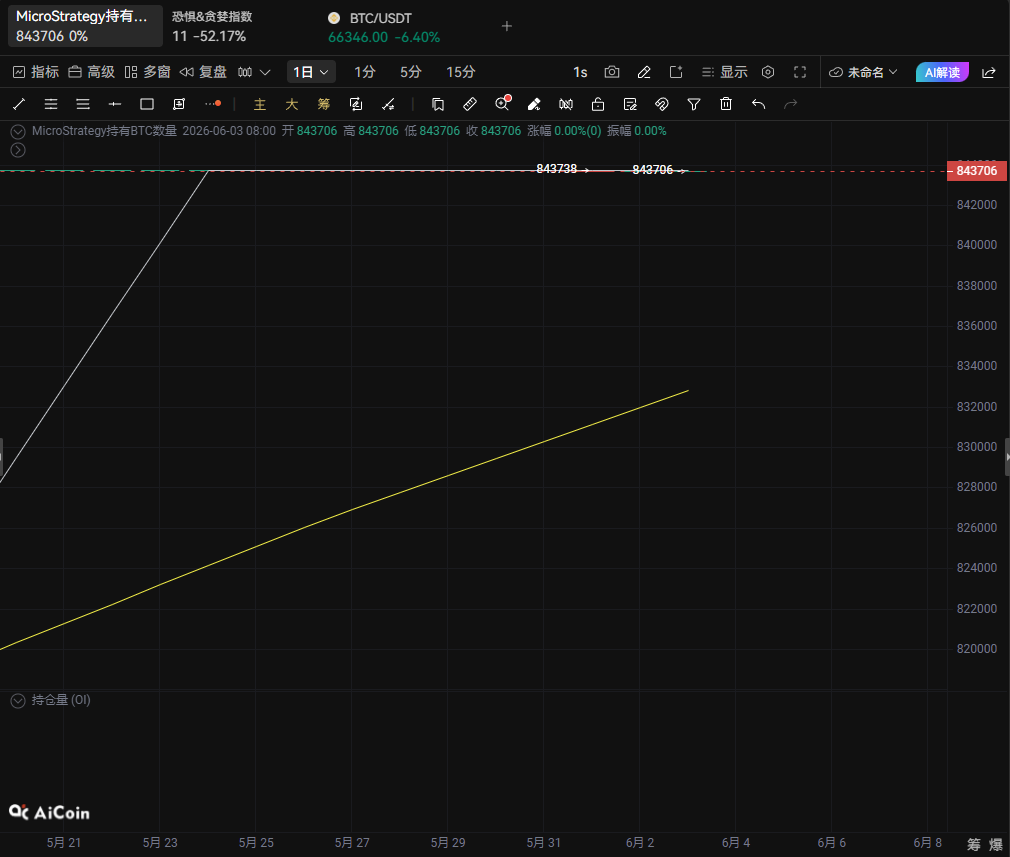
The news quickly resonated in the market. Although the sale was minor relative to Strategy's vast Bitcoin reserves, it broke a long-standing commitment that had been regarded as a benchmark for Bitcoin's "hardcore believers."
Strategy is not new to Bitcoin sales. During the bear market in December 2022, the company sold 704 BTC for tax-loss harvesting, but two days later purchased 810 coins at a lower price, resulting in a net increase. That instance was fundamentally a tax optimization and did not constitute a net reduction.
The sale of 32 Bitcoins at the end of May 2026 is the first disclosed net Bitcoin disposal and was explicitly written into an independent 8-K filing. At the same time, the company sold 801,994 shares of common stock through an at-the-market transaction (ATM), raising approximately $128.3 million, further bolstering cash reserves (increasing from $871 million to about $900 million).
From "Never Selling" to Actively Managing the Balance Sheet
Strategy's Bitcoin strategy was once a Wall Street legend. Michael Saylor has been promoting the company to use Bitcoin as a primary reserve asset since 2020, continuously increasing holdings through multiple convertible bond financings and equity issuances, making the cumulative purchase scale the largest among corporations globally. Saylor has repeatedly publicly declared "never selling," viewing Bitcoin as the ultimate hard asset against dollar depreciation and monetary policy uncertainty. This stance not only supported a long-term premium on MSTR stock but also became the core narrative for corporations’ and retail investors’ enthusiasm for Bitcoin.
However, the company has recently quietly adjusted its capital allocation framework. Regulatory filings indicate that this sale was not sudden but aligned with its new strategy: prioritizing an increase in Bitcoin per share holdings while making small sales as necessary to cover obligations such as dividends to avoid further dilution of shareholders’ Bitcoin per share interests. Previously, Saylor and company executives had hinted at the possibility of tactical Bitcoin sales under scenarios of paying dividends or tax optimization to maximize Bitcoin per share value. The disclosure on June 1 was the first public validation of this strategic shift.
Unlike the December 2022 sale for tax loss harvesting, this one clearly targeted preferred stock dividend needs. Analysts noted that this reflects Strategy's transition from "pure hoarding" to "refined balance sheet management." The company is using a minimally invasive approach to meet obligations while maintaining a massive holding, effectively "protecting maximum Bitcoin exposure at minimal cost." The concurrent common stock sale further indicates that its capital operations are still proceeding orderly and not facing liquidity crises.
Market Reaction: Emotion Over Substance
After the announcement, Bitcoin prices faced short-term pressure. According to AiCoin data, BTC fell below $67,000, setting a new low since early April, just a step away from this year's low point, while the total liquidation scale across the network widened, with mainstream cryptocurrencies also weakening. Strategy's stock price also declined. Market sentiment quickly shifted to panic, with predictions that the market could face massive disputes due to the controversy over the timing of the disclosure—contracts on Polymarket regarding "Did Strategy sell Bitcoin before May 31?" suggested a "No" resolution based on the actual sale occurring between May 26-31 but being disclosed on June 1, resulting in significant losses for some traders and platform disputes.
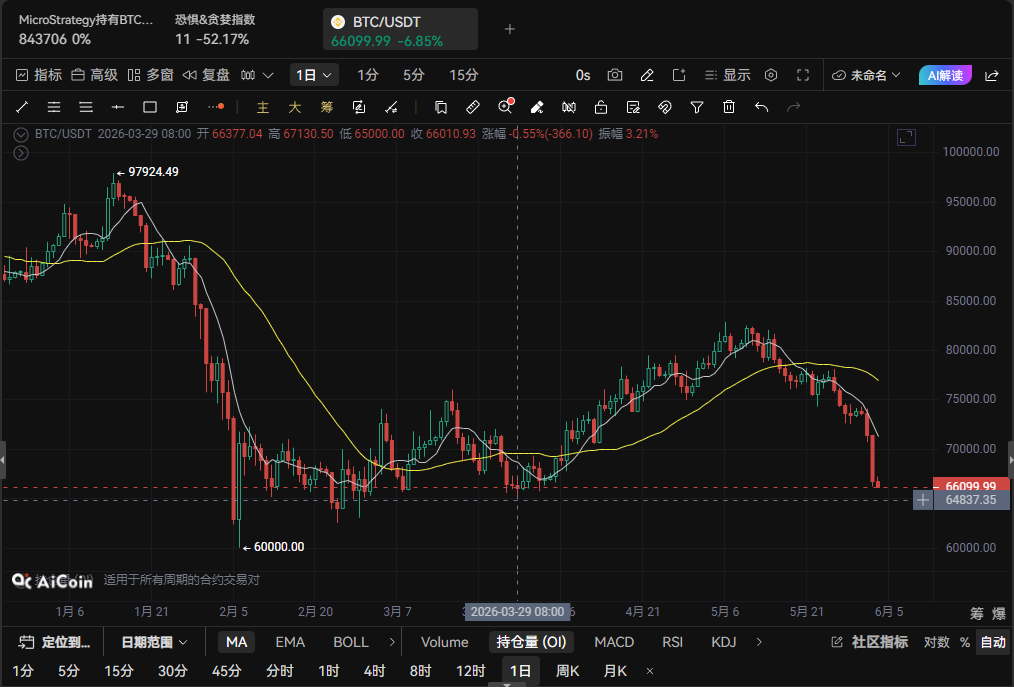
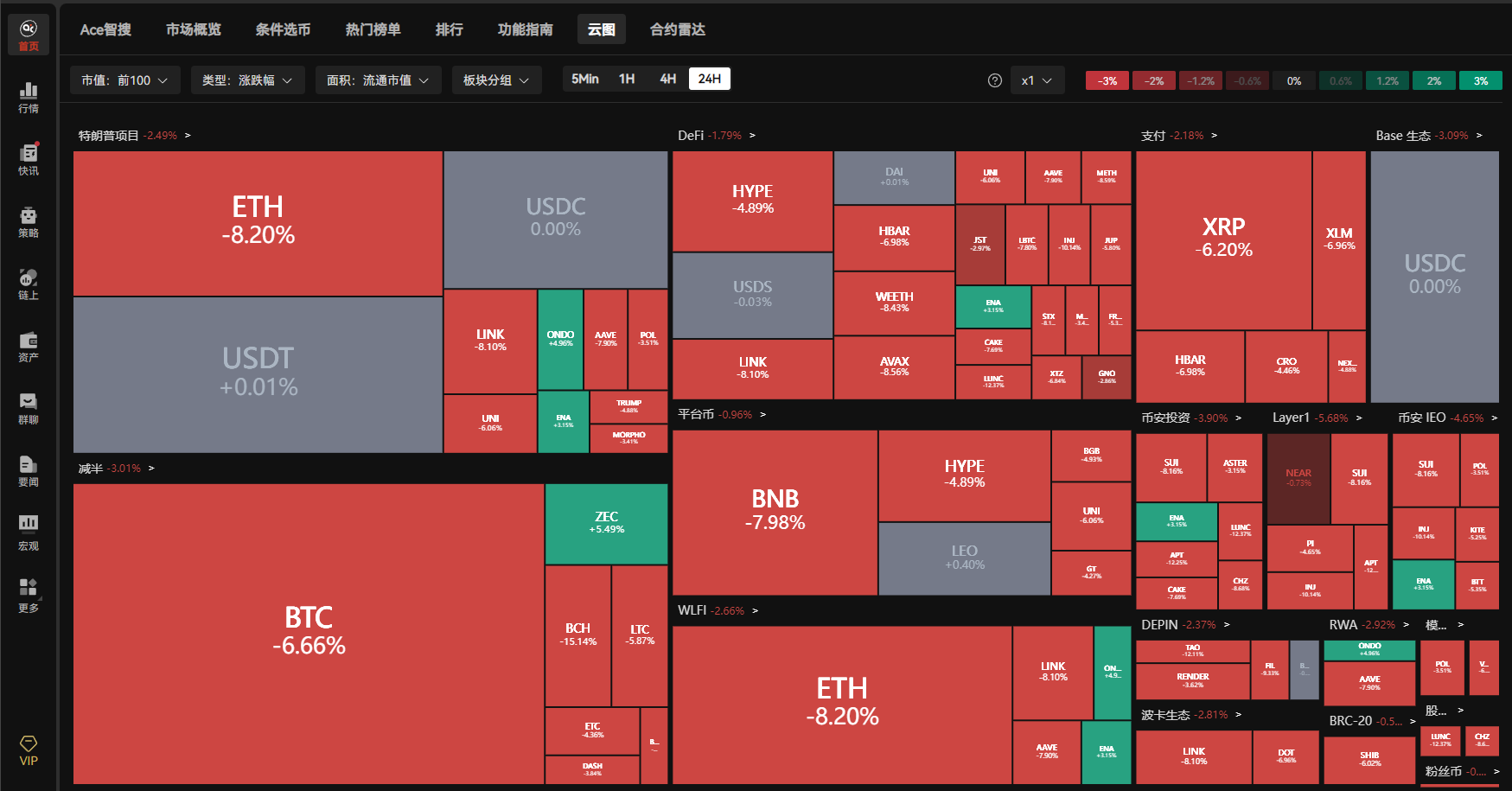
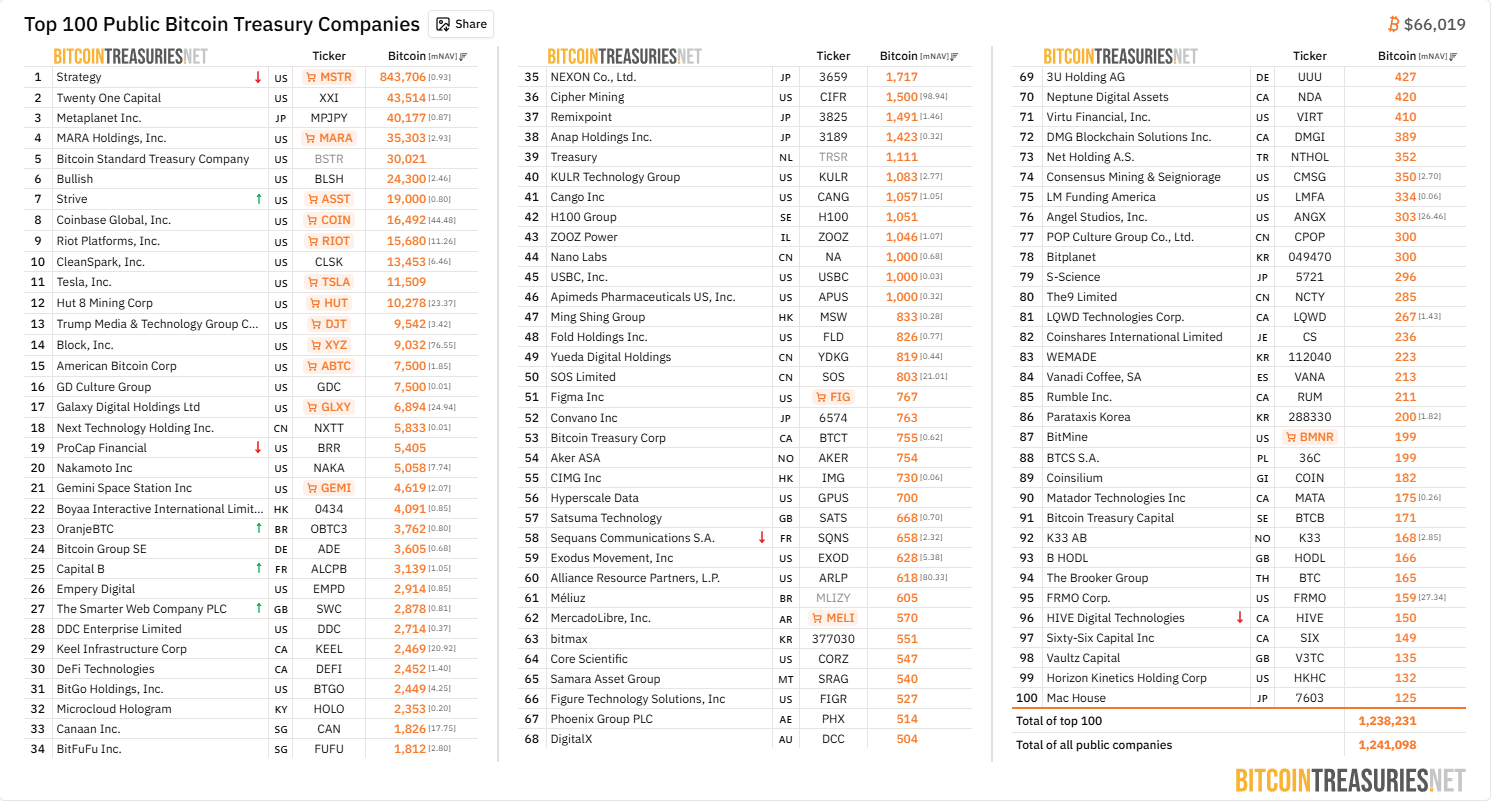
Data suggests that this sale had a negligible real impact on supply and demand. Strategy still holds over 840,000 Bitcoins, valued at over $60 billion, making it the absolute leader in corporate Bitcoin holdings globally. Its historical purchasing pace far exceeds the scale of this sale, maintaining a net increase trend in recent months. Several market observers emphasized: this is not a "selling signal," but a pre-planned operational move. Saylor himself had inoculated the market's expectations through public statements previously, aiming to minimize potential shock. In contrast, geopolitical tensions and other macro factors during this period have a more direct impact on Bitcoin prices.
In such a volatile market environment, many investors choose to leverage mature and reliable crypto trading platforms like Gate to flexibly adjust their positions and track market conditions in real-time. New users only need to complete registration and simple verification to unlock exclusive new user benefits, helping everyone respond to uncertainty more confidently and make rational decisions.
One-click registration, layout Web3:
https://jump.do/zh-Hans/xlink-proxy?id=5
Strategic Significance: The Maturation of Bitcoin as a Corporate Asset
This event reflects the evolution of Bitcoin in institutional asset allocation. The traditional view holds that companies should "only buy and never sell" Bitcoin to amplify leverage. However, Strategy's adjustment indicates that once Bitcoin reserves reach a certain scale, refined management becomes essential: via small tactical sales to cover dividends, taxes, or operational needs while avoiding dilution of shareholders' Bitcoin per share interests. This aligns with traditional corporate cash flow management logic while retaining Bitcoin's core attribute as "digital gold."
For the broader crypto market, this milestone holds dual implications. On the one hand, it reminds investors that corporate Bitcoin strategies are not static and require attention to capital structure dynamics; on the other hand, it also validates Bitcoin's resilience as a mature asset—even if the "hardcore" holders experience their first reduction, the market did not face a systemic collapse; instead, it tested the limits of liquidity and confidence in volatility. Strategy's "Bitcoin capital engine" continues to operate: achieving long-term compound growth in Bitcoin per share value through a combination of convertible bonds, equity financing, and strategic sales.
Risks and Outlook Coexist
From a professional perspective, investors need to be vigilant about potential chain reactions. If Strategy continues to make small sales in the future to optimize its balance sheet, the market's dependence on the "never selling" narrative may gradually weaken, leading to a narrowing of MSTR premiums. Conversely, this also provides a replicable template for other corporations: achieving a balance of cash flow and holdings through precise operations during high Bitcoin prices, rather than passively hoarding.
Currently, Bitcoin still faces macro uncertainties. Rising U.S. federal debt, fluctuations in the dollar's purchasing power, and ongoing geopolitical risks continue to pressure risk assets. However, Strategy's holding cost is well below the current market price, providing ample buffer space. The company's latest actions suggest that its strategic focus remains on maximizing Bitcoin exposure in the long term, rather than seeking short-term profits.
In essence, the sale of 32 Bitcoins is merely a small pawn in Strategy's vast game. It shatters the myth but also illustrates the mature pathway of Bitcoin as a corporate strategic asset: amidst the intertwining of emotional fluctuations and rational management, the market is gradually learning to view this emerging asset class with a more pragmatic perspective. In the future, whether Strategy will expand the scale of its sales or continue to prioritize purchasing remains to be tracked through its quarterly disclosures. But at least for now, this event serves as a reminder to all participants: The world of Bitcoin has never been simply about "never selling," but is an evolving capital game.
Join our community to discuss and become stronger together!
Official Telegram community:
AiCoin Chinese Twitter:
Gate benefits group:
https://aicoin.com/link/chat?cid=de0QGAe7W
免责声明:本文章仅代表作者个人观点,不代表本平台的立场和观点。本文章仅供信息分享,不构成对任何人的任何投资建议。用户与作者之间的任何争议,与本平台无关。如网页中刊载的文章或图片涉及侵权,请提供相关的权利证明和身份证明发送邮件到support@aicoin.com,本平台相关工作人员将会进行核查。


