1. Market Overview: Extreme Deleveraging Decline
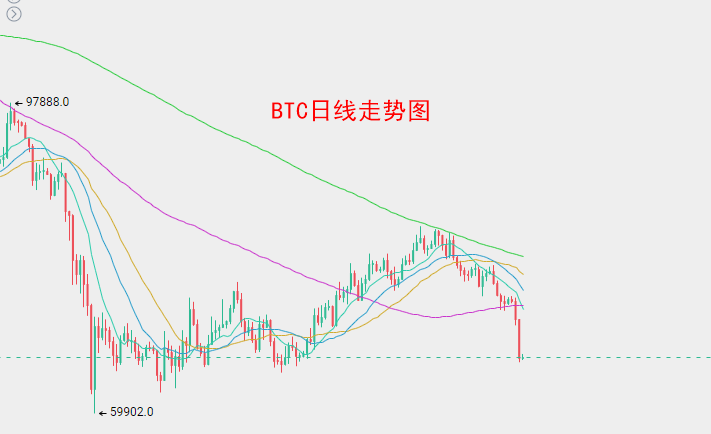
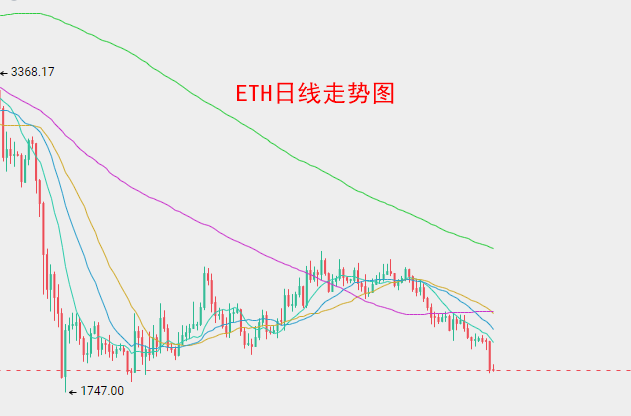
Today is June 3, 2026. Bitcoin at one point fell to $66,160 in the morning, breaking below $67,000 and hitting a new low since April 5; Ethereum dropped 6.29% to $1,867. In the last 24 hours, a total of 250,000 liquidation events occurred across the market, with a total liquidation amount of $1.613 billion, the largest single-day liquidation scale since February of this year. The total open interest in futures contracts plummeted from about $42 billion to around $25 billion, and the funding rate turned broadly negative. Currently, Bitcoin has retraced nearly 50% from its all-time high of about $126,000 last October.

2. Macroeconomic Policy Dimension: Triple Hawkish Signals Resonance
① Fed Rate Hike Expectations Shift Sharply
Cleveland Fed President Mester (2026 FOMC voting member) stated on June 2 that if inflation pressures persist, the Fed may soon restart rate hikes. This marks a 180-degree reversal from the market's earlier rate cut expectations—CME FedWatch shows a 98.6% probability of no change in June, but the probability of a rate hike in July has risen to 6.3% (previously nearly zero), with interest rate futures pricing in a rate hike as the next action.
The April JOLTS job openings surged to 7.62 million, far exceeding the expected 6.87 million, hitting a two-year high, providing hard data support for the above hawkish remarks.
② SEC Releases Long-Term Regulatory Good News, But Short-Term Sentiment Overwhelms
On June 2, the SEC released the "Draft Strategic Plan 2026-2030," officially listing digital assets as a strategic priority and clarifying a shift from enforcement-led to providing regulatory clarity. The jurisdictional division between the SEC and CFTC has also been written into the strategic framework.
Although this is a significant mid-term regulatory advantage, the head of research at CoinShares bluntly stated: the price buffer brought about by crypto regulatory legislation has been "completely offset" by geopolitical risks in Iran.
③ The CLARITY Act Faces a Critical Window
Congress reconvenes this week, with industry closely watching June as a legislative window, but Senator Lummis has warned that if missed, comprehensive legislation could be pushed to 2030. Polymarket has priced the probability of this bill passing in 2026 at about 60%.
3. Negative News Factors
Geopolitics: Iran’s Dual Shipping Channel Blockade Threat
On June 1, Iran announced the suspension of dialogues with the U.S. and threatened to blockade the Strait of Hormuz and the Strait of Malacca. If both channels are fully blocked, approximately 33% of global maritime crude oil would be hindered, potentially pushing Brent oil prices to $180 per barrel. Brent has risen to $96.00, and WTI has risen to $93.76. The transmission chain from oil prices to inflation to interest rate hike expectations is continuing to erode the valuations of risk assets.
Strategy Signal Shift: Breaking "Buy and Hold" Minimalism
Strategy disclosed on Monday that it sold about 32 Bitcoins (around $2.5 million), marking its first reduction since the end of 2022. Although the scale accounts for only a tiny percentage of its approximately $59 billion total position, it broke the long-held belief in the market at a sensitive moment. Market maker Wintermute noted that even without this news, institutional participation has already been declining.
Continued Outflow from ETF Funds
American Bitcoin spot ETFs have experienced net outflows for 11 consecutive trading days, setting a new historical record, during which investors redeemed approximately $3.5 billion. Traditionally supported demand has turned into a price drag.
4. On-Chain Data: Triple Supply Pressure Signals
CryptoQuant identified three sets of on-chain signals that emerged on the same day, collectively indicating increasing supply-side pressure:
1. Mt. Gox Wallet Activity: Approximately 10,300 BTC flowed out from related addresses, marking the largest single-day negative balance change since March 2025 and a potential distribution source closely monitored by the market;
2. Exchange Reserves Increase: Binance’s BTC reserves increased to about 655,000 BTC, Bitfinex’s reserves increased by approximately 9,000 BTC to about 415,000 BTC within two weeks. An increase in exchange reserves typically indicates an increase in available supply for sale;
3. All Three Signals Converge on the Same Day: Previously dormant supplies have moved, and the market is digesting the uncertainty represented by this complex supply environment, with prices breaking below $69,000 being a direct pricing response to this uncertainty.
5. Stablecoin Market: Scale Expansion but Macro Hedging Failure
The total market value of global stablecoins has exceeded about $320 billion, with USDT leading at about $188 billion, and USDC at around $75.8 billion, with payment scenarios continuing to materialize (Cash App, Meta creator payments).
Current Core Paradox
Stablecoins are usually seen as "on-chain dollars," serving as a barometer of market liquidity; however, during this plunge, the structural expansion of the stablecoin market did not prevent prices from sharply declining—the reason lies in the tightening expectations of dollar liquidity on a macro level (rate hikes) overwhelming the inflows of on-chain funds on a micro level, with crypto assets facing "denominator pressure" similar to traditional risk assets.
6. Summary and Outlook
The current market is under
Macroeconomic: Rate hike expectations reversal + Rising inflation + Geopolitical energy impact → Expectations for tightening dollar liquidity
Funding: Continuous ETF outflows + Strategy breaks faith + Rising exchange reserves → Shrinking demand, emerging supply pressures
Sentiment: 250,000 liquidations + Funding rates turn negative + Large-scale deleveraging in futures → Stampede-like clearing
Regulatory: Mid-term positive (SEC strategic shift) completely overshadowed by short-term macro risks
Short-Term Focus
1. Evolution of the US-Iran situation, especially the direction of the Strait of Hormuz and oil prices;
2. Whether the probability of a Fed rate hike in July will rise further;
3. Whether the Mt. Gox wallet will enter the substantial compensation distribution phase;
4. The gains and losses around the $65,000 technical support range, as well as subsequent tests of support effectiveness.
Chu Yuechen: June 3 Bitcoin and ETH Contract Trading Reference
We started shorting at around $71,300 in the morning yesterday and exited near $70,000. When the price rebounded to around $71,000, we continued to short, exiting around $69,500. In the evening, we directly opened a short at $69,300, exiting at $68,000. The three shorts basically gained over 3,000 points. Overall, it was quite good. The market changes every day, and we cannot expect to capture every move.
Since this morning, the price has mainly been fluctuating between $66,000 and $67,000, with short-term pressure above at $68,000. If this level is reached during the day, we can continue to place short orders. Below, watch two important levels: $65,000, which is the low from March 29 and also the starting point of the previous rally. Additionally, there is the support at the low of $60,000.
So, for operations, shorting near $68,000 with a stop loss at $69,000 is advisable, aiming for profit targets at $66,000 to $65,000.
For ETH, perform the same operation, with a price reference for shorting around $1,900, a stop loss at $1,950, and a profit target in the $1,850 to $1,800 range.
The market changes in real-time, and articles may delay publication. Therefore, it’s crucial to monitor and make correct adjustments as needed. Feel free to reach out for timely exchanges, and I will provide current price orders.

免责声明:本文章仅代表作者个人观点,不代表本平台的立场和观点。本文章仅供信息分享,不构成对任何人的任何投资建议。用户与作者之间的任何争议,与本平台无关。如网页中刊载的文章或图片涉及侵权,请提供相关的权利证明和身份证明发送邮件到support@aicoin.com,本平台相关工作人员将会进行核查。


