Refusing venture capital support, relying on the community ecosystem to carve out a unique development path.
Written by: Michael Zhao, Zach Pandl
Translated by: Saoirse, Foresight News
Core Points
- Hyperliquid is a benchmark breakthrough project in the contemporary digital asset industry, showcasing the infinite potential of blockchain technology.
- The platform's core is a decentralized exchange focused on perpetual contracts. A perpetual contract is a financial derivative with no expiration date. It supports round-the-clock trading, has a deep order book, fast transaction speed, and a simple user interface, while adhering to the core principles of decentralized finance: transparent trading and asset custody by users themselves.
- The platform achieves ecological expansion through permissionless innovation. With its open architecture, Hyperliquid encourages third-party developers to list new products, and now the platform covers a diverse range of trading categories, including cryptocurrency spot, traditional asset futures, and prediction markets.
- Due to unclear regulatory rules regarding perpetual contracts and decentralized exchanges, U.S. users currently cannot access the platform. However, recent regulatory statements and congressional legislative advancements are expected to change this situation and will serve as a significant driving force for the platform’s further development.
- Hyperliquid has built a highly cohesive community, thanks in part to its unique financing model: the project has not accepted any venture capital investments and has airdropped about 30% of HYPE tokens directly to platform users.
- HYPE is the platform's native functional token, with its value primarily derived from trading fees. The platform generated approximately $800 million in trading fee revenue last year. Overall, Hyperliquid's product competitiveness is outstanding, and its market potential is vast, which offers considerable upside potential in the long term.
Imagine a startup: established less than three years ago, it has emerged in a fiercely competitive industry, achieving approximately $800 million in revenue last year while holding a vast target market and operating with a streamlined, profitable model. Even though a large number of potential users in the U.S. and other major markets still cannot access it, its growth momentum remains strong, and this situation is likely to change soon. This company is Hyperliquid.
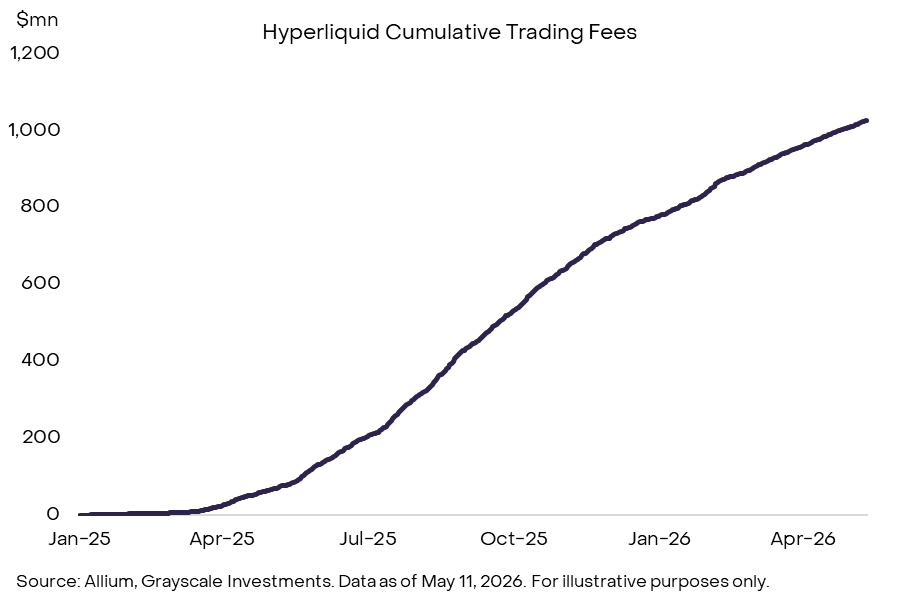
Figure 1: Hyperliquid is a groundbreaking success model in the modern digital asset industry
The core business of Hyperliquid is its decentralized exchange for perpetual contracts, which are financial derivatives without a settlement date. Cryptocurrency perpetual contracts have evolved into a massive segment: by 2025, the average daily trading volume of perpetual contracts in the entire digital asset industry is expected to reach $200 billion. Currently, this market is dominated by centralized exchanges such as Binance, OKX, and Bybit, while Hyperliquid is the first blockchain decentralized project to achieve a significant market share in terms of trading volume and open interest.
Merely capturing market share in the cryptocurrency perpetual contract space would sustain the platform's continuous and substantial growth, but Hyperliquid’s goals go far beyond this. Although perpetual contracts remain the primary source of revenue for the platform, it has now developed into a comprehensive financial services platform, covering multiple segments.
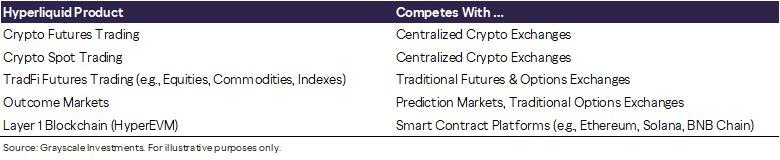
Chart 2: Hyperliquid is a diversified financial services platform
Like other blockchain protocols, Hyperliquid is not a traditional commercial company and does not issue stocks. Its native token supports network operations, with its value reliant on trading activities. Currently, HYPE has a circulating market cap of approximately $130 billion, ranking eighth globally when excluding stablecoins[2]. Compared to similar traditional publicly listed companies, HYPE’s current valuation is within a reasonable range. Considering the platform's steady user growth, vast potential market, and forthcoming regulatory benefits, we believe Hyperliquid still has tremendous growth potential ahead.
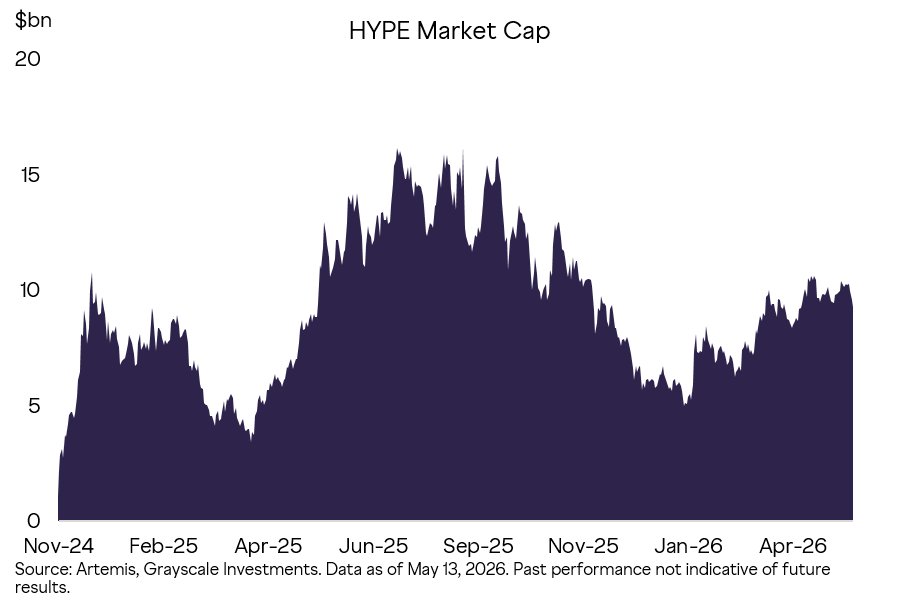
Chart 3: HYPE's market cap since inception
Basic Knowledge of Perpetual Contracts
Perpetual contracts are the core business that made Hyperliquid famous. These products originated in the cryptocurrency industry, and we believe they will eventually be deeply integrated into traditional finance (as discussed in the regulatory policy interpretation below).
Traditional futures contracts have an expiration date. For instance, in crude oil futures, contracts stipulate that crude oil must be delivered by a specified date. If a trader holds a position until the contract's expiration, they must complete the physical delivery or receipt of the underlying asset. If a trader only wishes to perform financial trades without participating in physical delivery, they must continuously roll over their positions into contracts with subsequent expiration dates.
In contrast, perpetual contracts have no expiration date and do not involve physical delivery of the underlying asset at any time. This product is designed for hedgers and speculators to engage purely in financial position trading and typically supports round-the-clock trading.
Traditional futures rely on expiration delivery mechanisms to maintain the price link with the spot price of the underlying asset. Perpetual contracts do not have an expiration aspect; their price can closely follow the spot price due to the funding rate mechanism: long and short traders periodically transfer small amounts of funds. When the price of the perpetual contract is above the spot price, long traders pay fees to short traders; conversely, when the price is below the spot price, short traders pay long traders. The greater the price difference, the higher the transferred amount. The funding rate combined with market arbitrage behavior creates a market adjustment mechanism that drives the price of perpetual contracts closer to the spot price of the underlying asset.
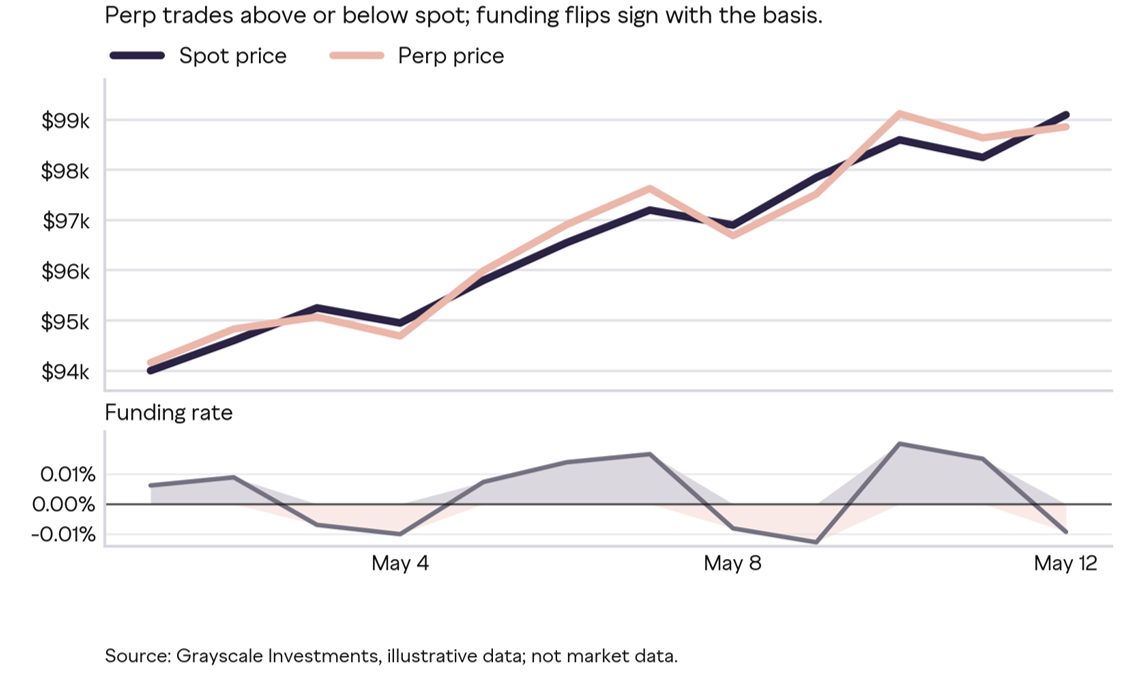
Figure 4: The funding rate mechanism anchors perpetual contracts to the underlying asset
Perpetual contracts are highly compatible with the cryptocurrency market. The cryptocurrency market operates year-round, with strong demand from individual investors and professional speculative traders, and the speed at which new assets are launched far exceeds that of traditional futures exchanges. Perpetual contracts provide traders with convenient channels to assess price trends, hedge spot position risks, and use leveraged trading; they have also become one of the core markets for price discovery of crypto assets.
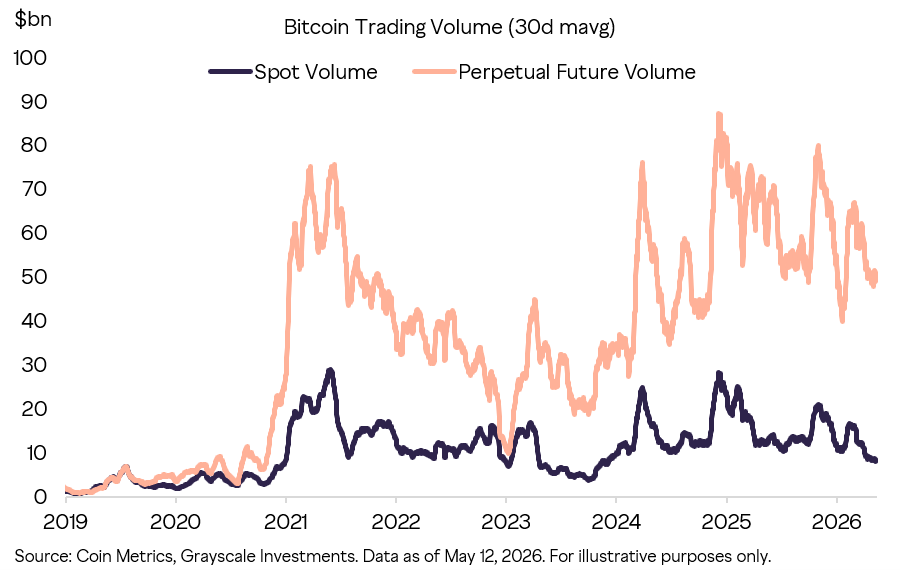
Chart 5: Global Bitcoin report on perpetual contract and spot trading volumes
Individual investors have multiple methods for leveraged trading, including traditional brokerage margin trading, fixed-date futures, options, and leveraged ETFs. Based on the actual performance of the cryptocurrency market, it appears that when given various choices, investors tend to favor perpetual contracts, with ease of operation being a primary reason. Therefore, it is inferred that once perpetual contracts become widely popular in traditional financial markets, a large number of users will be attracted.
Hyperliquid's Breakthrough Advantages
Hyperliquid has achieved a significant breakthrough: combining the high performance of centralized exchanges with the transparency and asset custody model of the blockchain system. From a trader's experience, it is hard to distinguish it from mainstream centralized exchanges—both have deep order books, rapid transaction capabilities, and mature position management features. However, all of Hyperliquid's transaction records (including forced liquidation records) are stored on-chain, and it supports users managing their own assets, which fundamentally differentiates it from centralized exchanges.
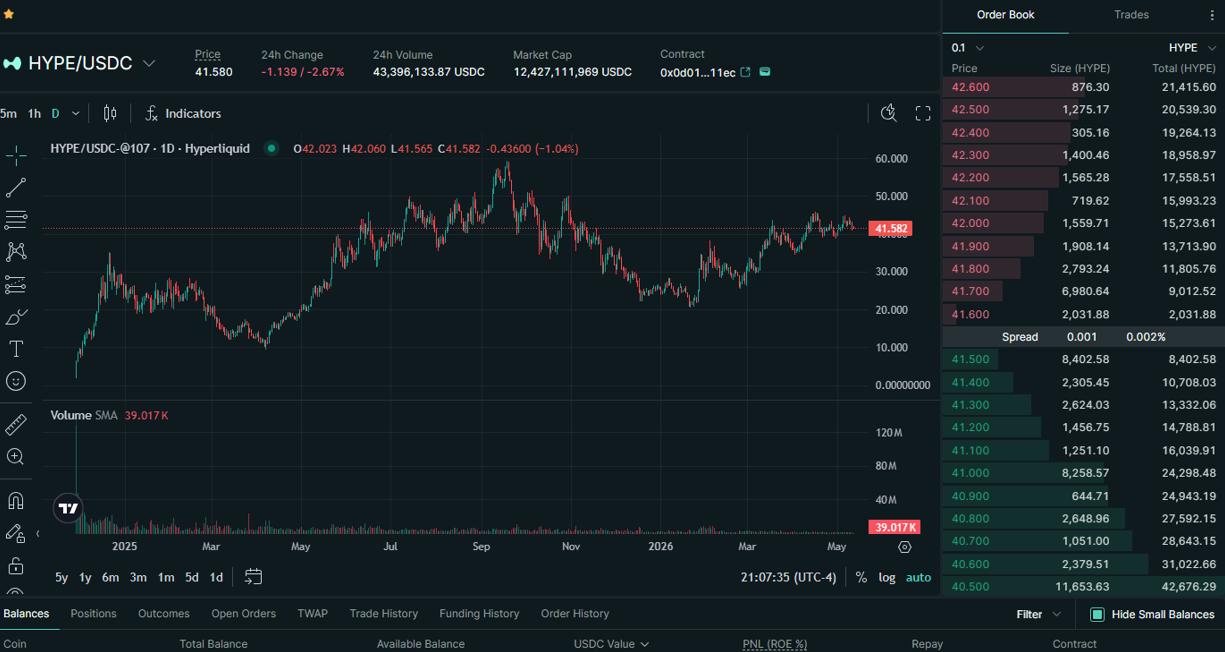
Chart 6: Hyperliquid's trading experience is similar to that of centralized exchanges
Competition in the cryptocurrency leveraged trading space is exceptionally fierce, and users have high expectations for platform experience. Hyperliquid has firmly established itself with its quality products and is now among the top cryptocurrency derivatives trading platforms. By 2025, the platform's total trading volume in perpetual contracts is expected to reach $29 trillion, with current open interest around $70 billion, positioning Hyperliquid as the third or fourth largest perpetual contract exchange globally. Even as the platform's business gradually expands from native crypto assets to more categories, its trading volume, open interest, fee revenue, and industry attention continue to grow steadily.
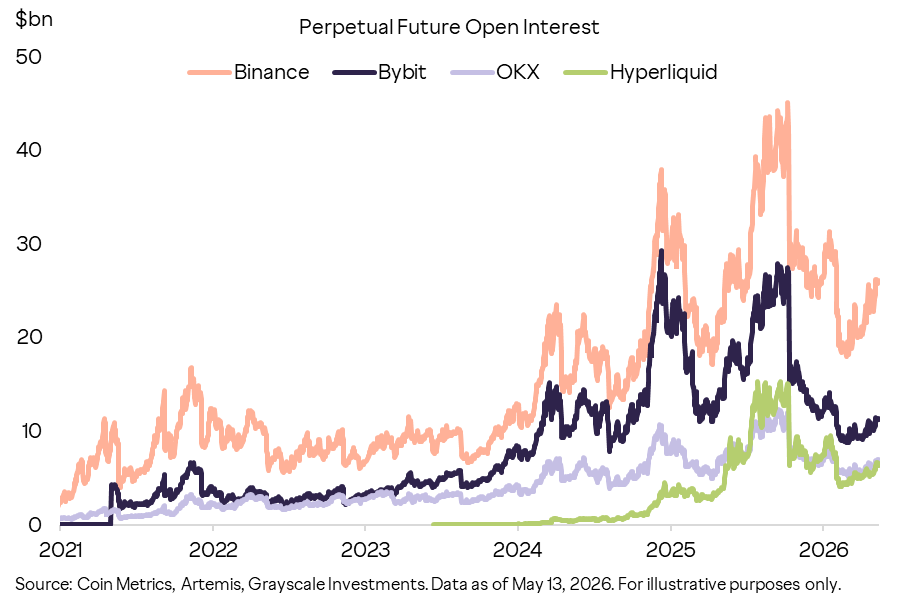
Chart 7: Hyperliquid is currently the third or fourth largest cryptocurrency perpetual contract exchange
In terms of trading costs, Hyperliquid also maintains a competitive edge over centralized exchanges. Based on trading data for Bitcoin and Ethereum in 2025, the average charges for spot trading on major centralized exchanges are a weighted average fee of 15 basis points, while futures trading is 4 basis points; whereas Hyperliquid charges only 5 basis points for spot trading and merely 2 basis points for futures trading. Note: The above data is based on basic account order placement, taker fee rate estimates, and does not account for other factors influencing overall trading costs such as fee tiering, promotional activities, or order book depth; centralized exchange data is a weighted average from multiple platforms.
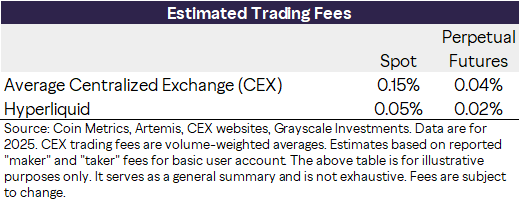
Chart 8: Volume-weighted fees
The most promising aspect of the platform's development is its reliance on an open architecture to expand its business from crypto perpetual contracts to more categories. The platform generally rolls out new features through Hyperliquid Improvement Proposals (HIPs), with various new products being deployed and launched by third-party developers rather than Hyperliquid’s native team.
HIP-3 allows developers to launch an entirely new perpetual contract trading market, covering non-crypto assets like stocks, commodities, and indices. Such markets are popular among users and are gradually becoming an important channel for price discovery of traditional financial assets after hours. Bloomberg has noted that the price movements of crude oil, gold, and silver perpetual contracts on the Hyperliquid platform can provide insights for the market trends post-opening of the traditional market. In another report, Bloomberg referred to it as a "24/7 commodity leveraged trading platform," highlighting that it is steadily becoming a 24-hour trading infrastructure for real-world assets.
Transaction volume data further confirms this value. During the significant fluctuations in silver prices in February 2026, the HIP-3 segment's silver perpetual contracts exceeded $4 billion in daily trading volume. On February 5 of the same year, this category's trading volume reached 1% of the nominal trading volume of silver contracts on the New York Mercantile Exchange. Recently, during price shocks caused by Middle East tensions, the HIP-3 crude oil perpetual contract saw its 24-hour trading volume exceed $4 billion on April 9, briefly surpassing Bitcoin perpetual contracts in trading volume. The platform has also launched officially authorized S&P 500 index contracts, allowing for regular trading even on weekends. Since its launch, HIP-3's accumulated trading volume has exceeded $230 billion, with the current number of operational trading pairs exceeding 140.
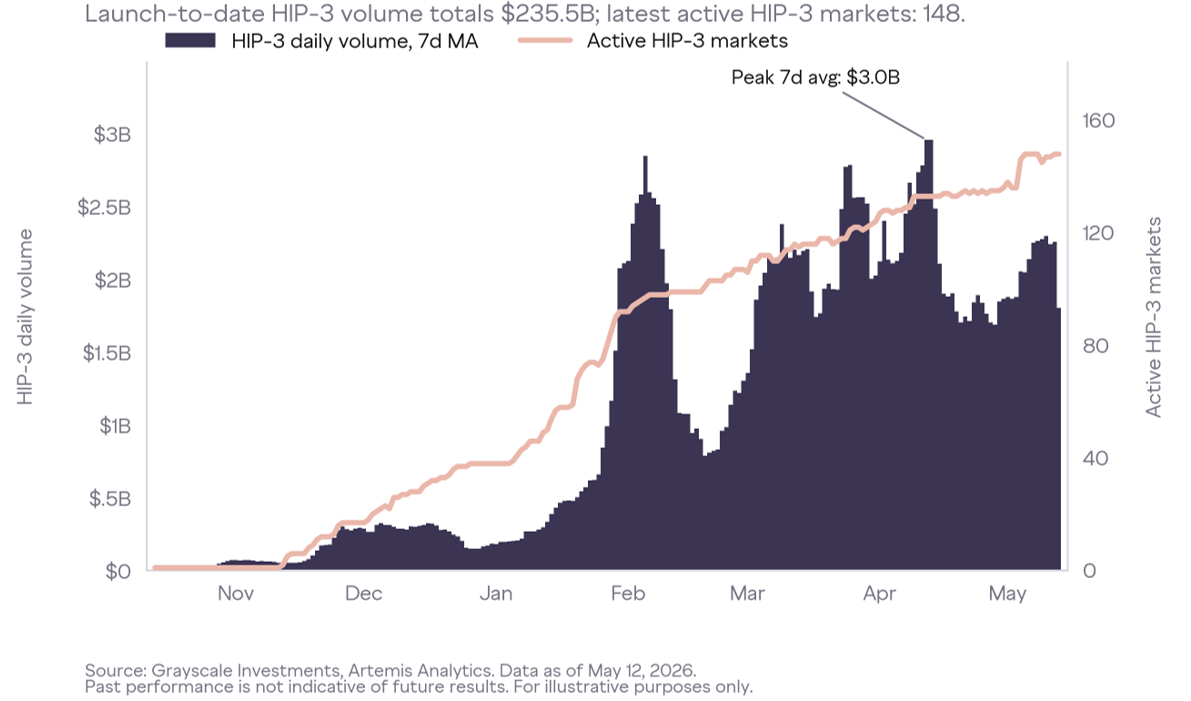
Figure 9: HIP-3 expands Hyperliquid’s business beyond crypto perpetual contracts
HIP-4 extends the business into outcome trading markets, introducing binary options products similar to prediction market contracts. These products are also deployed by third-party developers, and all trades will continue to generate fee income for Hyperliquid.
Operational Principles
The underlying architecture of Hyperliquid consists of two core components:
- HyperCore: The core trading system that integrates functions such as order books, clearing and settlement, perpetual contracts, spot trading, margin management, and forced liquidation; it is also the core module directly interacted with by traders.
- HyperEVM: A developer-oriented runtime environment that is compatible with the Ethereum Virtual Machine (EVM) and connects with the overall Hyperliquid system. Its core design philosophy is that developers can build applications based on the exchange’s existing liquidity, user base, and asset foundation, without needing to start from scratch.
Additionally, HyperBFT serves as the delegated proof-of-stake consensus layer, responsible for ensuring the security and stability of the entire system.
Compared to complex technical details, the architecture design philosophy of the project is more critical: Hyperliquid is not a standard application built on a generalized public chain but a proprietary public chain and execution architecture customized for trading performance of an exchange, aimed at matching the comprehensive experience of on-chain trading platforms with that of centralized trading infrastructure.
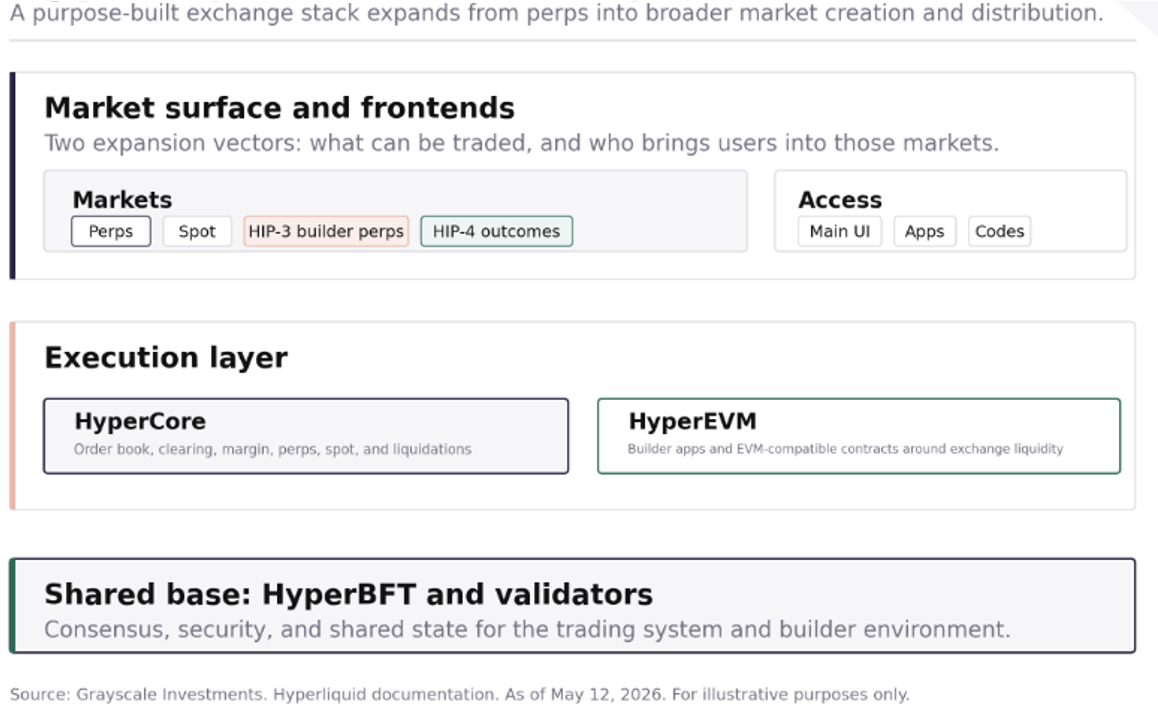
Chart 10: Hyperliquid as a market platform
Key Factors for Success
Hyperliquid officially opened to the public in August 2023, at a time when the U.S. had yet to launch Bitcoin exchange-traded products and the entire DeFi industry was in a relatively sluggish phase. Its success did not stem from a speculative market frenzy, but rather from precisely addressing industry pain points: creating a seamless on-chain trading platform for high-frequency traders.
We summarize five key success factors:
- Focused product positioning: The platform deeply refines its perpetual contract trading scenario rather than treating trading functions as one of many applications. It prioritizes meeting the core needs of high-frequency traders: fast order placement, stable execution, clear position information, and a user interface aligned with mainstream trading exchange habits.
- Precise market selection: Promptly launching trading varieties that are in high demand among cryptocurrency traders, especially niche assets and hot targets beyond Bitcoin and Ethereum, quickly garnering attention.
- Flexible and open platform: Based on the HIP-3 mechanism, third-party developers can directly launch entirely new perpetual contract markets, completely abandoning the centralized approval model for token listings and shifting to an open market creation system.
- Comprehensive traffic distribution system: The platform's developer code and frontend integration model attract various third parties to direct users to the same liquidity pool, preventing traffic dispersion. This model has already yielded substantial benefits: Phantom has reportedly earned approximately $19.7 million historically from trading fees by integrating Hyperliquid's perpetual contracts.
- Stable community foundation: Token distribution prioritizes returning benefits to platform users rather than venture capital firms or insiders. The early token holders are primarily traders, market participants, and developers, who are inherently deeply tied to the project, assuring the public that the project will not extract profits from the community before the product is mature. This is particularly important in an industry environment characterized by a scarcity of trust.
Each of the above advantages alone does not represent an absolute barrier, but when combined, they make Hyperliquid one of the few projects in the industry capable of proving its value through genuine user activity, rather than being confined to the conceptual level.
The platform generates synergies from liquidity, traffic distribution, and developer incentives, constructing competitive barriers. Increased trading activity optimizes liquidity and trading experiences, which in turn attracts more users and third-party frontends; the developer codes and HIP-3 mechanism further encourage external developers to channel traffic back to the same liquidity pool instead of diverting it to competing platforms. This leads to the formation of network effects that are difficult for new entrants to replicate: liquidity attracts traffic, traffic elevates trading volume, and trading volume further solidifies the economic foundation of the protocol.
Detailed Explanation of the HYPE Token
The HYPE token is the core driving force behind the Hyperliquid ecosystem. Unlike most current cryptocurrency projects, the platform has not accepted traditional venture capital investments and has airdropped approximately 30% of the total token supply directly to early users. This also determines the structure of token holders: early holders are mostly platform users, traders, and community members who have a deep understanding of the product.
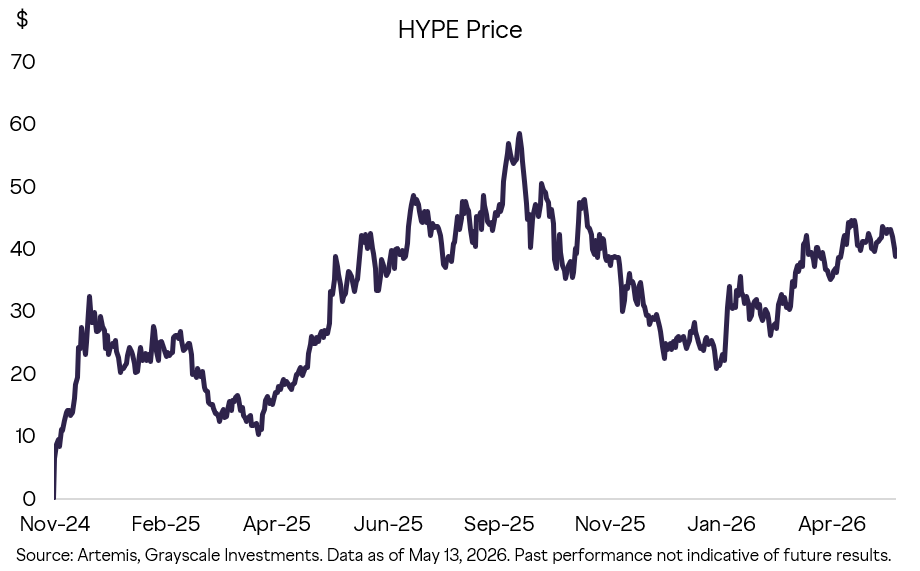
Figure 11: HYPE token price since launch
The value of HYPE comes from trading fees and actual application value within the ecosystem. Hyperliquid Labs has confirmed that 99% of the platform's trading fees will go to a relief fund, which the fund will convert into HYPE and burn, a model similar to stock buybacks in traditional markets. Due to the ongoing token burn exceeding the newly issued amount, the circulating total supply of HYPE is gradually decreasing.
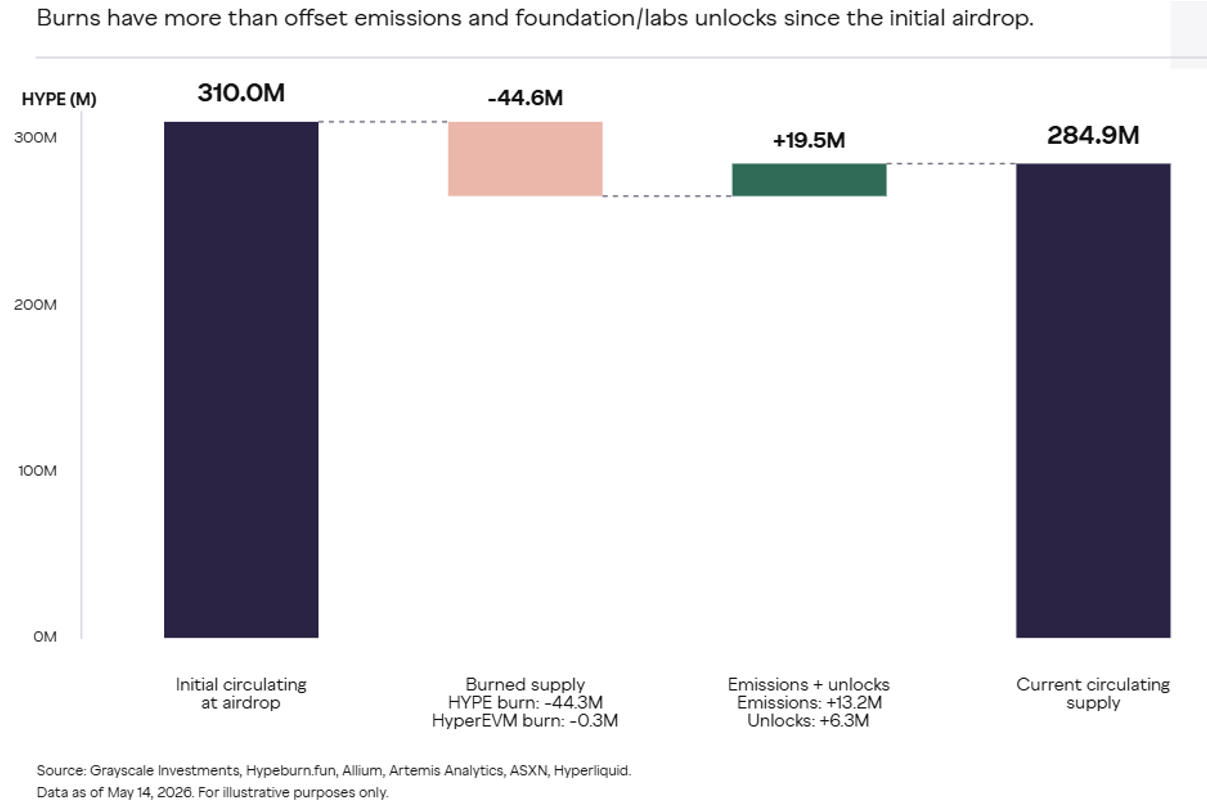
Chart 12: HYPE burn, issuance, and circulating supply
Moreover, HYPE has several practical applications within the ecosystem:
- Staking and node validation: Users stake HYPE to participate in node validation, providing security for the entire network.
- Gas fees: As the native fee token for HyperEVM, the base and priority fees of this module will be burned.
- Fee discounts: Staking HYPE grants trading fee discounts.
- Market creation collateral: Developers seeking to deploy perpetual contract markets through HIP-3 must stake 500,000 HYPE; this staked asset serves as a benefit binding certificate and also ensures market operational quality. Currently, the HIP-4 outcome trading market has been launched, and if similar staking rules are applied, HYPE's application scenarios will further expand.
HYPE realizes value growth based on a trading platform with genuine trading volume, fee income, and developer demand. The higher the platform's trading volume, the more pronounced the roles of the fee rules, staking levels, developer earnings systems, and relief fund mechanisms become. As HyperEVM, HIP-3, and HIP-4 continue to expand the platform's boundaries, the application value and growth potential of HYPE will also elevate simultaneously.
Assessment of Development Prospects
Hyperliquid has created a uniquely structured comprehensive financial services platform, making it challenging to accurately evaluate its growth potential. However, based on reasonable industry benchmarking analysis, we believe that both the platform and the token possess substantial upside potential.
Comparing the revenue data of various trading platforms reveals that Hyperliquid's projected revenue of about $800 million in 2025 is impressive but only accounts for about 2% of the total trading income from crypto perpetual contracts. If the platform's non-crypto asset-related services continue to proliferate, it is poised to capture a share of the global derivatives trading industry, which has an overall scale ranging from $35 billion to $400 billion per year.
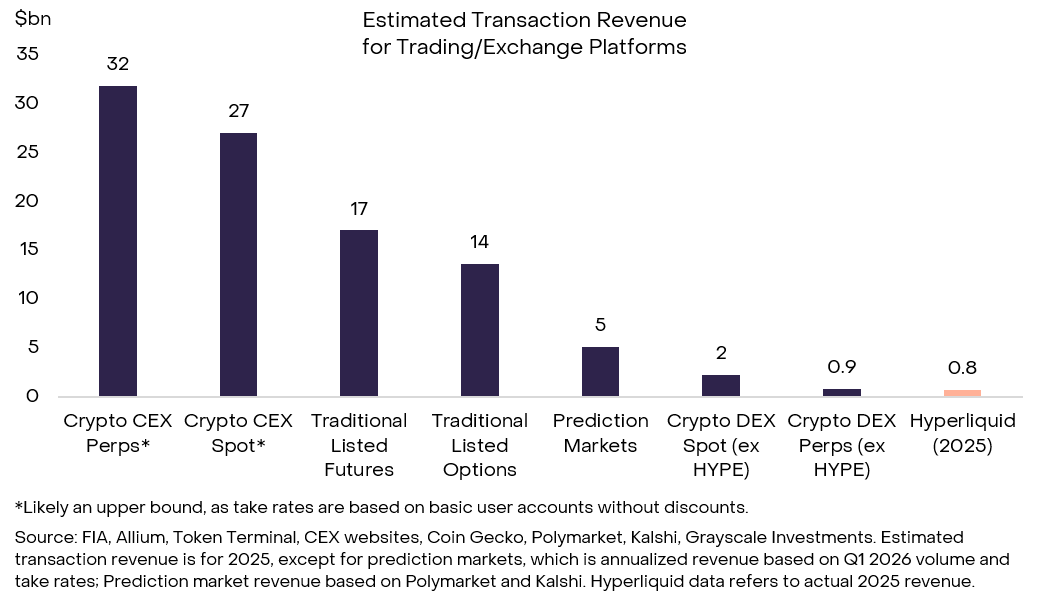
Chart 13: Hyperliquid's revenue is still at a moderate level compared to the exchange industry
While HYPE is not a traditional stock, it can be compared to public companies in the financial sector for valuation comparisons. Based on earnings from the four quarters leading up to Q1 2026, HYPE currently holds a price-to-earnings ratio of around 14 times. However, the valuation ranges of exchange and brokerage-public companies vary; high-growth companies such as Interactive Brokers and Robinhood generally have P/E ratios between 35 and 50 times.
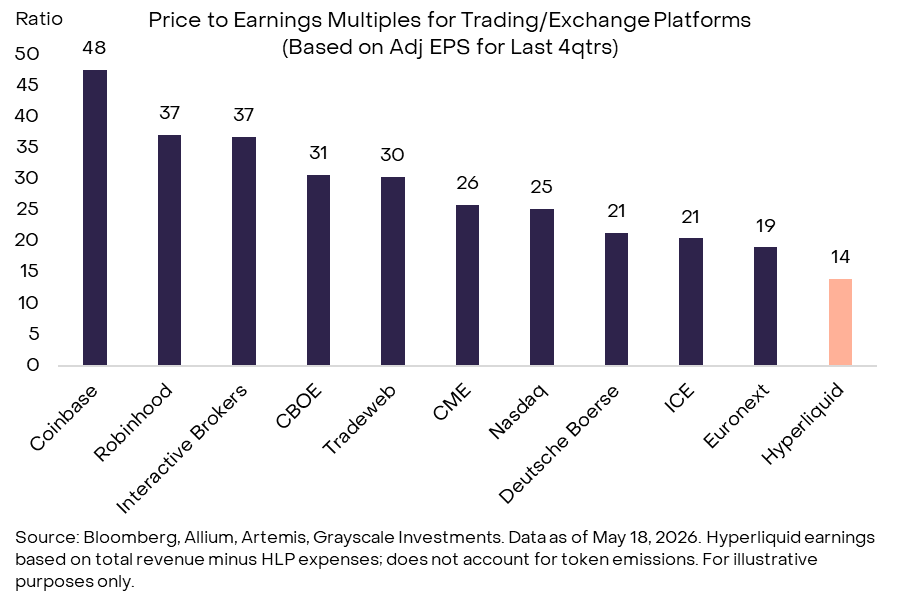
Chart 14: Hyperliquid valuation multiples are lower than those of the stock benchmarks
Prospects for Perpetual Contracts in the U.S. Market
Hyperliquid is precisely positioned at the intersection of two major regulatory gaps in the U.S.: perpetual contracts and decentralized exchanges. Currently, the regulatory frameworks surrounding these two areas are gradually becoming clearer.
For a long time, perpetual contracts have basically been unable to operate normally in the U.S. market. Relevant regulations have not explicitly prohibited them, but this product does not fully align with the Commodity Exchange Act (CEA) that regulates futures and derivatives. This act sets clear rules regarding clearing rules, margin requirements, and trade execution standards for registered trading platforms. The ambiguity in regulation has led regulatory entities to consistently crack down on centralized platforms and DeFi platforms offering various off-exchange derivatives services; this is also the core reason why Hyperliquid chose to operate overseas and block U.S. users.
However, the current regulatory environment is rapidly changing. The Commodity Futures Trading Commission (CFTC), which enforces the CEA, has been vocal recently, and companies like Coinbase, Kraken, Robinhood, and Kalshi have also taken action, indicating that regulators are actively exploring compliance paths to promote the adoption of perpetual contract products. The core point of contention lies in product classification: under the CEA, perpetual contracts should be categorized as either futures or swap products. The regulatory authority's final chosen classification method (whether through new regulations, issuing guidance, or issuing exemption resolutions) will directly determine the timing and stability of product deployment.
In the short term, regulatory benefits will preferentially flow to registered centralized trading platforms. However, in the long term, after the CFTC issues new regulations, guidance, or exemption policies, it is expected to pave the way for platforms like Hyperliquid to operate compliantly in the U.S., reducing their singular reliance on overseas markets.
At the same time, the business nature of exchanges like Hyperliquid also places them in the midst of regulatory discussions regarding decentralized financial protocols. There are currently no dedicated regulations governing decentralized exchanges in the U.S., and regulators adhere to the principle that "decentralization cannot be an excuse for regulatory exemption," using existing rules from the Securities and Exchange Commission (SEC) and CFTC to regulate DeFi platforms based on their business substance.
For decentralized exchanges primarily offering derivatives, ongoing regulatory scrutiny has tightened, and institutional capital faces many obstacles in entering the market; presently, most institutions participate via intermediary channels or overseas. New legislative proposals such as the CLARITY Act aim to establish a more comprehensive and clearly defined regulatory framework for the digital asset market, distinctly separating protocol layers, frontend operators, intermediaries, and registered trading venues. Additionally, initiatives introduced by the SEC regarding tokenized securities will also push the on-chain trading market toward normalization. However, for Hyperliquid’s perpetual contract business, the most directly relevant regulatory bodies remain the CFTC and the Commodity Exchange Act.
This regulatory distinction is crucial for Hyperliquid: as a non-custodial infrastructure, the ultimate regulatory approach for its underlying protocol may differ from that of its frontend interface and operating entity aimed at regular users. Although existing proposals have yet to establish a complete and viable regulatory system for on-chain perpetual contracts, they have already indicated a direction for development. If subsequent supporting exemption regulations are introduced and broker definitions are clarified, with dedicated rules formulated for on-chain trading (margin, funding rates, round-the-clock trading, etc.), the regulatory framework will further enhance. The overall policy direction is to "encourage innovation within a regulatory framework," and Hyperliquid’s positioning as open, global, and non-custodial aligns with the current regulatory thinking of "maintaining permissionless access while perfecting market regulation."
Potential Risks
Investing in HYPE requires recognizing the conventional risks and unique risks associated with the platform and the token: first, the annualized price volatility of HYPE tokens is about 80%, which is 40 percentage points higher than Bitcoin, indicating severe price fluctuations. Second, compared to other blockchain networks, Hyperliquid has a higher concentration of validating nodes, and the platform operates on closed-source software. Third, the platform's growth potential is highly dependent on adjustments in U.S. financial regulatory policy. If regulatory rules do not materialize for a long time, the platform may remain limited to overseas markets, and its growth potential may face a ceiling.
Conclusion
It is challenging to find a project that can be directly compared to Hyperliquid, whether in the crypto industry or the traditional financial field, as it has completely shattered established industry norms. We believe it outlines an appealing development blueprint for the future of blockchain finance.
This is an open-architecture platform that embraces permissionless innovation and adheres to the core principles of DeFi transparency and asset self-custody; at the same time, it benefits from a finely honed core trading application that has garnered dual recognition from the market and users. If the platform can continue to operate steadily and maintain and expand its community ecosystem, coupled with regulatory policy benefits leading to widespread adoption, Hyperliquid is expected to grow into a giant enterprise in the financial services sector.
References
[1] Data source: Coin Metrics, Artemis, Grayscale Investments, data as of December 31, 2025
[2] Ranking source: coinmarketcap.com, statistics date May 18, 2026, excluding stablecoins
[3] This proposal mechanism is similar to Ethereum Improvement Proposals (EIPs), Bitcoin Improvement Proposals (BIPs), and other public chain upgrade mechanisms
[4] Information source: Bloomberg "Crypto Traders Hedge Iran War Risks With 24/7 Oil, Gold Trading"
[5] Information source: Bloomberg "Oil Trades Are Booming on 24/7 Crypto Exchange Hyperliquid"
[6] Data source: Allium, February 5, 2026, daily trading volume of silver perpetual contracts approximately $4 billion
[7] Data source: Blockworks Research
[8] Data source: Coingecko
[9] Authorized source: S&P Global
[10] Data source: Allium, data as of May 11, 2026
[11] The Ethereum Virtual Machine (EVM) is the underlying software that operates decentralized applications on most public chains
[12] Data source: Flowscan
[13] Token airdrop: directly issued to users' personal wallets
[14] Revenue estimation: Grayscale Investments combined public trading volume data with multi-channel industry fee estimation
[15] Centralized exchange trading income estimation as the upper limit, calculated based on basic accounts, excluding large transaction discounts
[16] Benchmark company selection criteria: main trading business, trading infrastructure, brokerage services, with market data and network effects; valuation is only for reference for trading platform valuations, companies mentioned in the text do not constitute any investment advice
[17] Data source: Artemis, Grayscale Investments, based on 90-day actual price volatility statistics, data as of March 18, 2025
免责声明:本文章仅代表作者个人观点,不代表本平台的立场和观点。本文章仅供信息分享,不构成对任何人的任何投资建议。用户与作者之间的任何争议,与本平台无关。如网页中刊载的文章或图片涉及侵权,请提供相关的权利证明和身份证明发送邮件到support@aicoin.com,本平台相关工作人员将会进行核查。


