Original author: He Yi
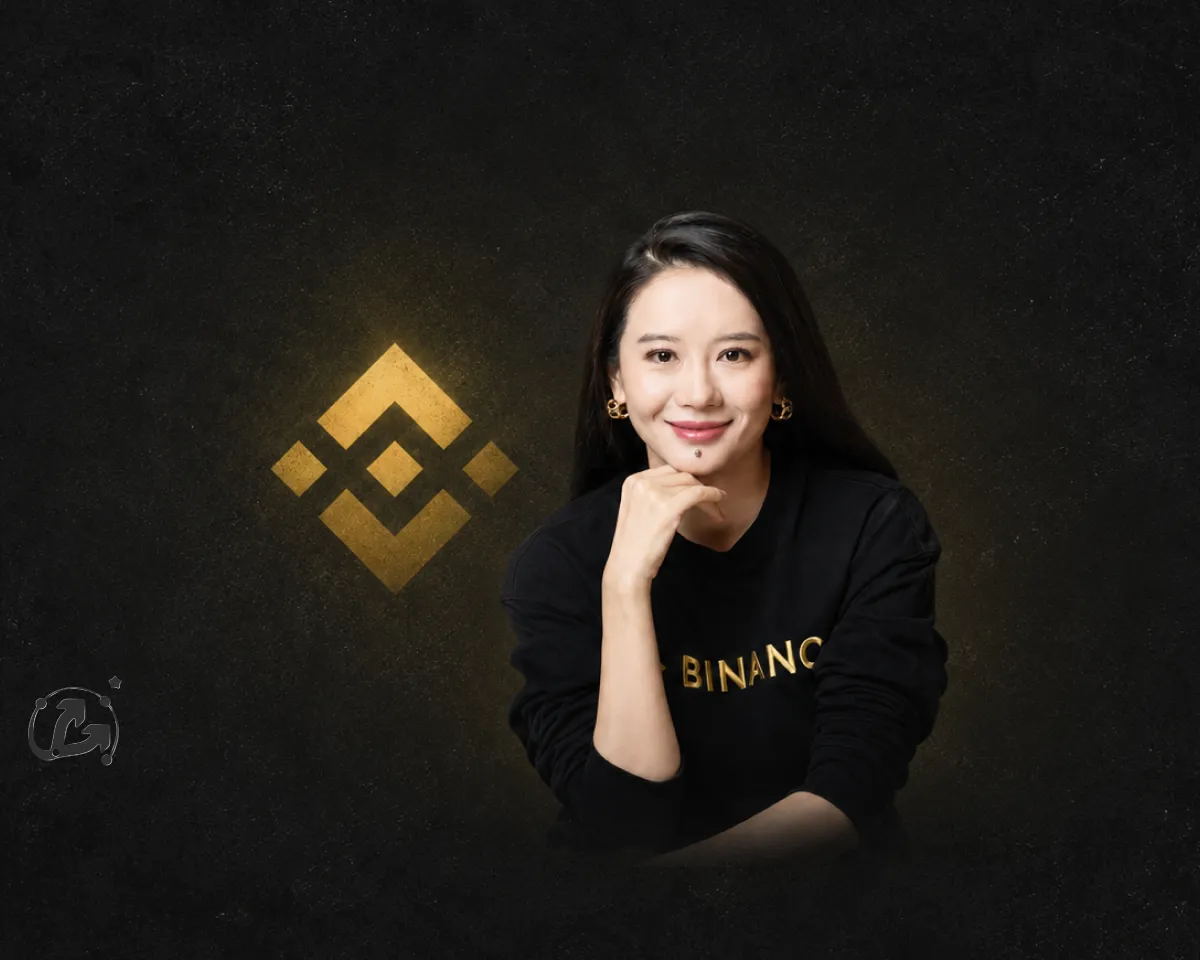
PANews editor's note: Recently, He Yi, co-founder and CMO of Binance, was selected for Fortune magazine's 2026 list of "Most Influential Women in Business," becoming the first crypto-native executive to make the list. In this lengthy article, He Yi does not delve into personal success but instead attributes this honor to the entire team, community, and the era of the crypto industry.
1. From the Margins to the Spotlight
When I first learned that I would be included in Fortune's "Most Influential Women in Business" list, my first feeling was one of humility, and my second feeling was the weight of responsibility.
This recognition bears my name, but it belongs to the Binance team, to Binance's users, and more importantly to Satoshi Nakamoto, and to every community member who has turned this industry from an idea into a global movement.
If a crypto-native entrepreneur appeared on such a list a few years ago, it would have seemed unusual; today, it feels more like the journey of our industry stepping from the periphery of finance and technology into the spotlight. This is not my "achievement"; I simply saw the wave approaching, bravely stood on the surfboard, and clumsily learned to ride the wave. But this recognition represents another step in the long journey of the blockchain industry moving from niche geek players to mainstream daily life. Yet the road is still long; we must make steady progress, step by step, to build and refine—this is what we do every day.
I often refer to myself as the "Chief Customer Service Officer," a title I enjoy. At Binance, all colleagues entering management spend their first month in front-line customer service and return to rotate every quarter—I do the same. The logic is simple: the things you cannot see from your office, users are experiencing every day.
Last year in Dubai, a young man from Kenya stopped me as the event was ending. He sends his salary home to his mother every month through Binance. He didn’t ask about blockchain architecture or token economics. He just wanted me to know how much faster his mother receives the money now and how much less money is lost on the way. He didn’t need to be "educated" on what cryptocurrency is; he needed a usable product.
He is not an isolated case. Over the past five years, more than 34 million people have completed remittances through Binance Pay, totaling over $87 billion. Calculating based on the World Bank’s global average remittance fee rate of 6.36%, we have saved users over $5 billion—this money has not disappeared into intermediaries but has returned to family dining tables, children’s tuition, and start-up capital for small businesses.
2. That Door, We Must Demolish
I was born in a small village in Sichuan, a place you can hardly find on a map. When I was young, there were occasional power outages, and I had to use a kerosene lamp to do my homework; girls in the village started working in factories before they turned 16 using other people's ID cards.
When I was nine, my father passed away. My uncle told my mother, "It’s better to save the money for your son to marry than to spend it on schooling a girl." But my mother was exceptionally determined. While working as a substitute teacher and farming, she single-handedly supported our family and sent me to a normal university.
Over the years, I've often been asked: Why do you work so hard even after achieving financial freedom? Honestly, not everyone has the opportunity to change the world, but I am creating history. Since I’m here, why not give it a try? As the ancients said: "When poor, one should simply cultivate oneself; when wealthy, one should help the world."
In India’s second and third-tier cities, there is a group of women aged 36 to 50. Their mothers never had their own bank accounts, and until a year ago, neither did they. In the past year, they’ve become one of our fastest-growing user groups. Those who have not been heard are quietly reclaiming their rights to information, decision-making, and the future of their families from outdated systems, entering a financial world that is faster, more efficient, and low-cost. They, like I did 12 years ago, are starting to think about "What is money?" This is more important than any grand narrative.
Over the years, Binance has done thousands of small things in rural areas of South Africa, Brazil, and India: scholarships, training, and basic financial literacy courses. They may seem small, but they are happening one by one. I don’t like the term "empowering women." It sounds like someone is holding a key and deciding whether to open the door for you. What I prefer to do is demolish that door so that more people can walk in. They should decide for themselves what kinds of people to become and what kind of lives to lead.
3. From 300 Million to 3 Billion
When we said that Binance would serve one billion users, people thought we were daydreaming. Today, we have over 300 million users, and one billion is no longer a distant dream. So this year, we have set our target to 3 billion.
Honestly, before I said this, I also wondered: Is this number correct? Do we deserve it? But there is one thing I am certain of: If we do not set this goal, no one will do it for these 3 billion people.
Three billion is approximately the number of adults globally who have not entered the formal financial system. This means that what we have to do i
免责声明:本文章仅代表作者个人观点,不代表本平台的立场和观点。本文章仅供信息分享,不构成对任何人的任何投资建议。用户与作者之间的任何争议,与本平台无关。如网页中刊载的文章或图片涉及侵权,请提供相关的权利证明和身份证明发送邮件到support@aicoin.com,本平台相关工作人员将会进行核查。


