Author: Gallina, CryptoPulse Labs
Tether, a giant in the crypto finance sector known for its stablecoin, is extending its reach into the Bitcoin mining field.
In late April, Tether launched the Mining Development Kit (MDK) open-source framework and upgraded its modular mining system, while also facilitating integration between its Twenty-One Capital and Bitcoin financial company Strike as well as mining enterprise Elektron.
These actions indicate that Tether is linking mining, financial services, and Bitcoin reserve management together to participate in the Bitcoin ecosystem in a more systematic way.
1.MDK and Modular Mining Machines: How Tether is Involved in Bitcoin Mining
Primarily engaged in stablecoin business, Tether provides a fiat-pegged medium for trading in the crypto market. On this basis, Tether incorporates Bitcoin mining into its business layout, mainly to manage its own Bitcoin reserves and to integrate computing power and funds.
The MDK (Mining Development Kit) is Tether's open-source, full-stack mining infrastructure framework. This framework uses a modular architecture, supports Windows, macOS, and Linux systems, and can be applied to home miners to gigawatt-level mining farms.
MDK provides mining pool management, automated workflows, and data analysis interfaces, combining a JavaScript backend SDK and a React UI component library for centralized management of mining operations and monitoring of computing power status.
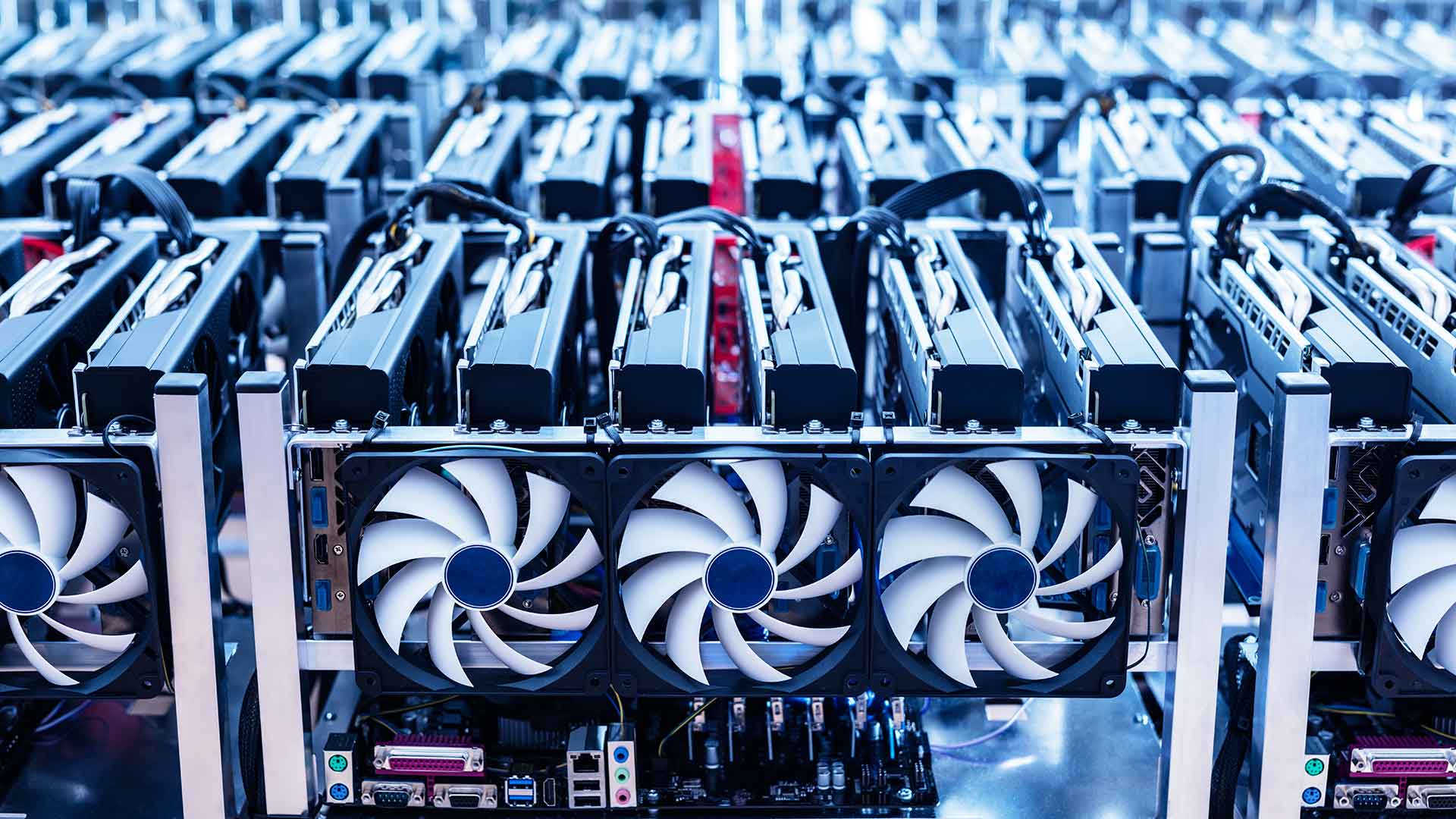
At the hardware level, Tether’s modular mining machines use detachable components and high-density computing modules, separating computation, power supply, and heat dissipation, and supporting immersion cooling.
This design allows for on-demand scaling or replacement of individual components and improves thermal management efficiency to accommodate different mining farm scales and technology demands. Previously, Tether has open-sourced Mining OS (MOS), providing operating system-level mining farm management tools.
This series of measures makes mining operations more standardized and manageable, covering various aspects from software control to hardware operation and maintenance, and to some extent supports the integration of mining farm computing power and capital management.
2.Fragmentation and High Costs: Long-term Challenges of Bitcoin Mining
The Bitcoin mining industry has long faced challenges such as operational fragmentation, high energy consumption, difficulty in cost control, and vendor lock-in. Miners often rely on multiple systems and software, lacking a unified management platform, leading to low operational efficiency.
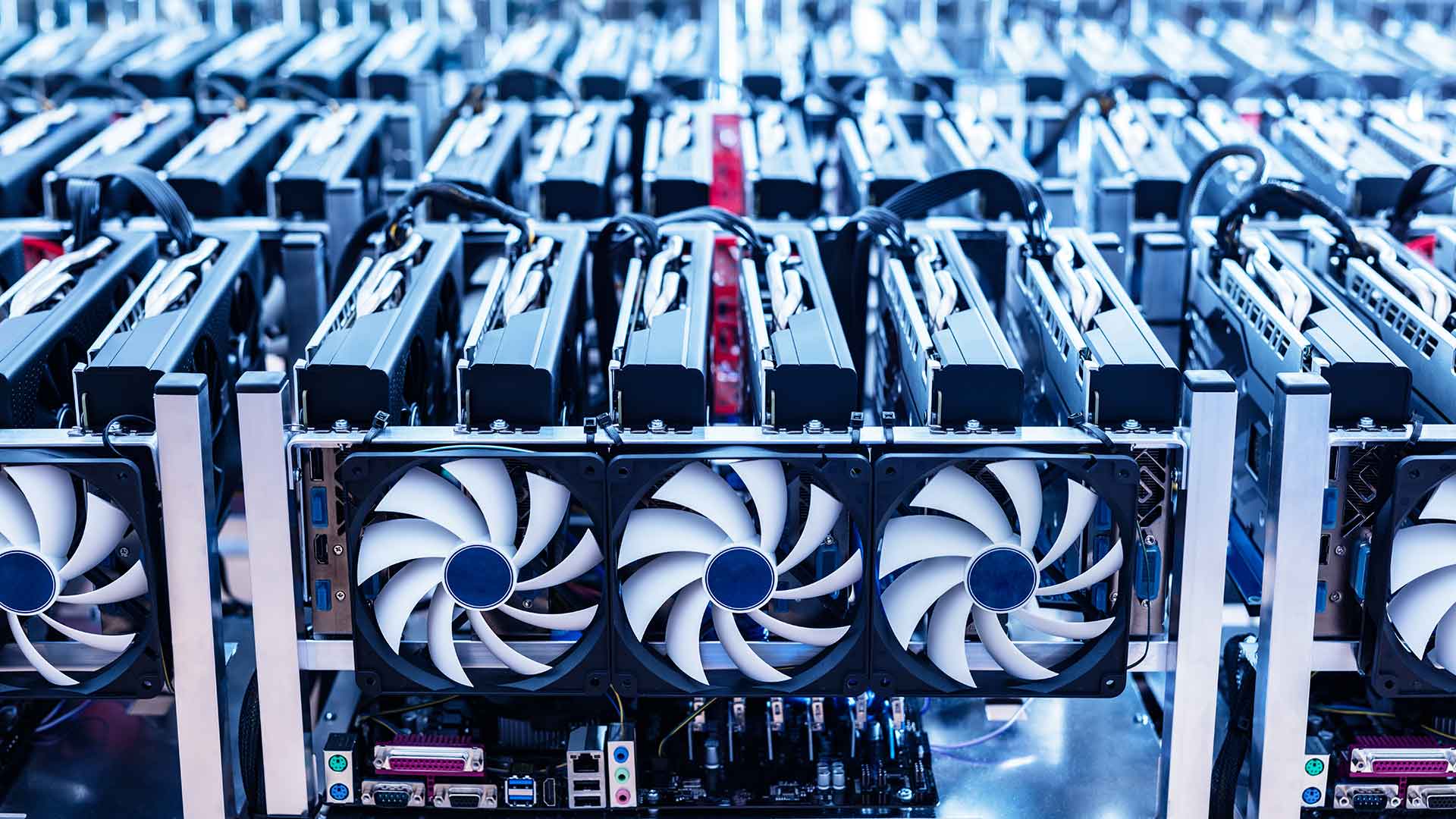
At the same time, the high degree of integration in mining machine design makes upgrades or maintenance difficult, unable to flexibly adapt to mining farm scale or technology iteration needs. Energy consumption and heat dissipation issues have long been key bottlenecks restricting the expansion and profitability of mining farms.
The MDK launched by Tether offers a unified operational interface, integrating mining pool management, automated workflows, and data analysis for easier centralized management and monitoring of computing power status.
Modular mining machines can replace components on demand, and energy efficiency is improved through optimized thermal management and immersion cooling. Moreover, the open-source MOS operating system provides miners with full-stack management capabilities from operating system to hardware.
The integration plan proposed by Tether involving Twenty-One Capital, Strike, and Elektron encompasses the combination of Bitcoin finance and mining operations, including capital flow management, compliance frameworks, and mining farm scheduling support.
This means miners can receive support in both technology and capital, alleviating issues related to funding and expansion to a certain extent. However, it is noteworthy that the effects of various measures still need to be validated through market practice.
3.Cross-Ecosystem Integration: Synergy between Bitcoin Mining and Financial Services
Tether's push to merge Twenty-One Capital with Strike and Elektron is an extension of its strategy and a significant signal for the entire industry.

This integration model centralizes Bitcoin reserves, mining computing power, and financial services onto a single platform, involving collaborative management of financial services and mining operations.
In the future, finance will be tied to computing power, allowing Tether to closely link reserve Bitcoin with mining outputs, achieving dynamic management of assets and computing power. The unified management framework and modular mining machines reduce operational costs, make mining farm expansions more flexible, and enhance operational efficiency.
Additionally, miners can gain better cost control and financial support, reducing elimination rates and improving overall computing power efficiency. The combining model of finance and mining may be referenced by other stablecoin issuers and crypto enterprises to optimize their asset management and operations.
For the industry, such integration may bring a certain demonstration effect. An efficient mining management platform helps reduce operational costs and improve computing power utilization efficiency, creating a more concentrated mining ecosystem.
In the long run, Tether's attempts to integrate mining and finance provide a case reference for observing the technological upgrades, operational efficiency, and financial service integration within Bitcoin mining, though its industry impact still needs further observation of practical applications and market reactions.
Conclusion
Tether's layout in the Bitcoin mining field, including the MDK open-source framework, modular mining machines, and financial business integration, reflects a full-chain practice from technological operation to capital management.
These measures have, to a certain extent, alleviated the long-standing issues of operational fragmentation, costs, and energy efficiency in the mining industry while forming a linkage model of software, hardware, and financial services.
With the advancement of MDK, modular mining machines, and financial integration, Tether's strategic position in the crypto market has further improved, also providing new references for the technological optimization, scaled expansion, and ecological integration of the entire Bitcoin industry.
For miners and market participants, observing the practical application of these integration measures will help understand the trends of technological upgrades in Bitcoin mining and financial convergence.
免责声明:本文章仅代表作者个人观点,不代表本平台的立场和观点。本文章仅供信息分享,不构成对任何人的任何投资建议。用户与作者之间的任何争议,与本平台无关。如网页中刊载的文章或图片涉及侵权,请提供相关的权利证明和身份证明发送邮件到support@aicoin.com,本平台相关工作人员将会进行核查。


