Editor: PANews Big Pliers
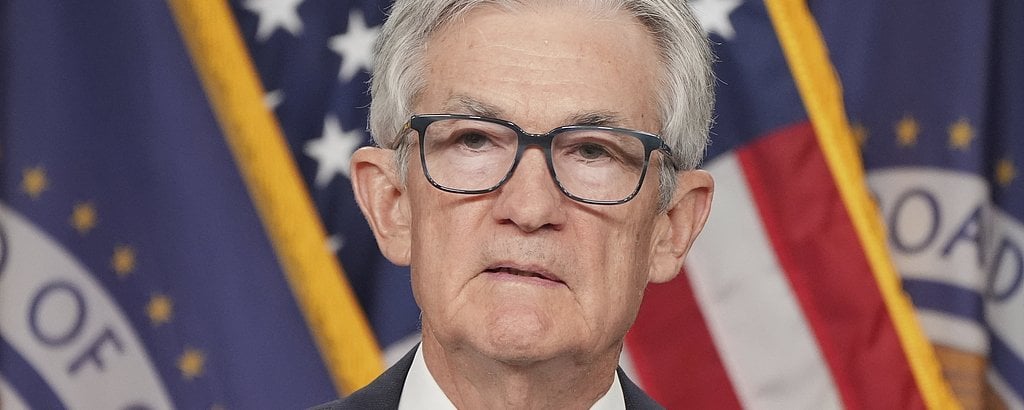
On April 29 local time, Federal Reserve Chairman Jerome Powell held a press conference following the last FOMC meeting during his tenure. Powell's term as chairman will end on May 15, but he stated that he would not leave the Federal Reserve immediately and would continue to serve on the Federal Reserve Board as a governor for some time. (Related Reading:Powell’s “Farewell Event” shows the biggest division in 34 years, promises not to be a “shadow chairman”)
1. Who is Powell?
Jerome Powell, born in 1953 in Washington, D.C., graduated from Princeton University and Georgetown University Law School. He is not a traditional academic economist but comes from a background as a lawyer, investment banker, and private equity investor, having served in the Treasury Department during the George H.W. Bush administration and worked at the Carlyle Group.
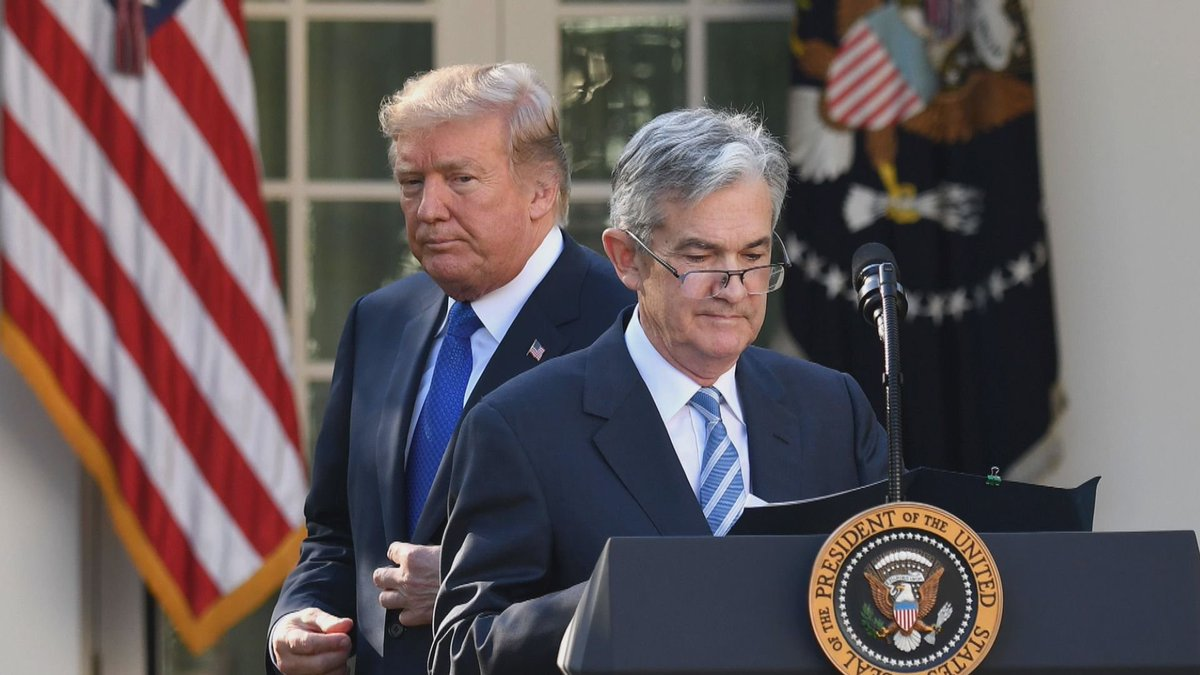
In 2012, he was nominated to the Federal Reserve Board by Obama; in 2017, Trump nominated him to replace Yellen as Federal Reserve Chair; he officially took office in February 2018. In 2022, Biden nominated him for a second term as chairman.
This made Powell a very unique Federal Reserve chairman: a Republican background, nominated by Trump, re-nominated by Biden, and ultimately ending his chairmanship during Trump's second term.
2. Important milestones during his tenure
2018: Taking over from Yellen, continuing the rate hike cycle After taking office, Powell continued to advance the normalization of monetary policy. At that time, the U.S. economy was still expanding, and the Federal Reserve sought to gradually exit the ultra-low interest rate environment post-financial crisis. However, this led to conflicts with Trump, who publicly criticized him for raising interest rates too quickly.
2019: Shifting from rate hikes to rate cuts As trade tensions and global economic slowdown pressures increased, the Federal Reserve began to cut interest rates. Powell's policy style shifted from “normalization” to “risk management.”
2020: Pandemic shock, Federal Reserve implements super stimulus Following the outbreak of COVID-19, the Federal Reserve quickly lowered interest rates to near zero and introduced large-scale asset purchases, credit support, and liquidity tools to stabilize financial markets and the credit system. Brookings summarized that the Federal Reserve took extensive actions at the time to maintain credit flow and limit the economic impact of the pandemic.
2021: Misjudging inflation, “transitory inflation” becomes a blemish After the pandemic, the rebound in demand, supply chain disruptions, and fiscal stimulus led to a rapid rise in U.S. inflation. Powell and the Federal Reserve once labeled inflation as “transitory,” which later proved to significantly underestimate the persistence of inflation. This was one of the most controversial judgments during his tenure.
2022-2023: Aggressive rate hikes to combat the worst inflation in 40 years The Federal Reserve entered its fastest rate hike cycle in decades, pushing rates up. Powell's role shifted from “market firefighter” to “inflation fighter.” During this phase, the market's evaluation of him became polarized: supporters believed he ultimately maintained inflation expectations, while critics claimed the Federal Reserve reacted too slowly, leading to the need for more aggressive rate hikes later.
2023: Regional bank crisis The outbreak of issues at regional banks like Silicon Valley Bank led the Federal Reserve to combat inflation while preventing the spread of financial system risks. Powell faced a “dilemma”: continuing to tighten may impact banks and the economy, while shifting too early may reignite inflation.
2024-2025: Awaiting rate cuts, the market repeatedly bets on a “turnaround” As inflation eased but remained above the 2% target, the market continually expected the Federal Reserve to cut rates. Powell repeatedly emphasized data dependence, avoiding premature declarations of victory.
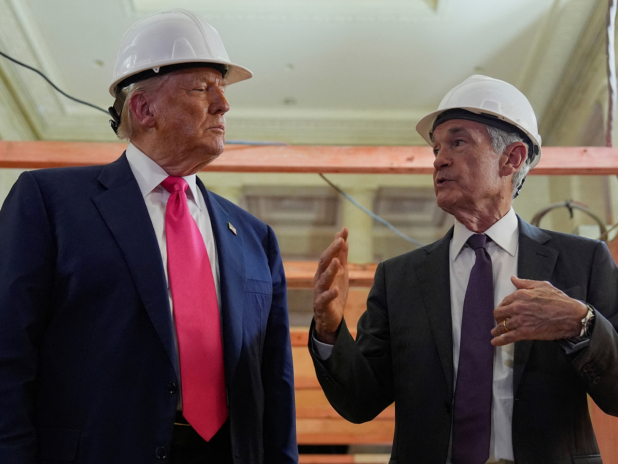
2025-2026: Escalating conflict with the Trump administration, central bank independence becomes a core issue During Trump's second term, the White House continued to pressure for rate cuts. Powell insisted on the independence of the Federal Reserve. A recent judicial investigation regarding the renovation costs of the Federal Reserve headquarters has been withdrawn by the Department of Justice, but Powell stated that the legal and political pressures were “unprecedented” and that central bank independence was facing risks.
3. Why are public reactions to his departure complex?
When Powell leaves, public sentiment is not simply “farewell” or “criticism,” but a complex mix: a sigh of relief, some nostalgia, as well as dissatisfaction and concern.
Supporters may believe that, despite mistakes, Powell ultimately avoided the worst outcome. He led the Federal Reserve through the pandemic, market collapse, soaring inflation, banking crises, and political pressure, with the U.S. economy not sinking into a deep recession, which many consider a “soft landing” achievement. The Washington Post also mentioned that Powell is seen as having fought the worst inflation in 40 years without triggering a deep recession.
Critics argue that his biggest mistake was recognizing too late that inflation was not “transitory.” If the Federal Reserve had tightened sooner, they might not have needed to raise rates so aggressively later, potentially reducing pressure on businesses, households, and the banking system.
The market also feels a sense of “familiar uncertainty replaced by new uncertainty” regarding his departure.
Powell may not please everyone, but he at least is a variable familiar to the market.
With the upcoming appointment of Kevin Warsh, the market will have to reassess the new chair's policy response function: Will he be more responsive to the White House? Will he cut rates more quickly? Will he sacrifice inflation targets to maintain growth?
4. What will Powell do after leaving?
Strictly speaking, Powell is not completely leaving the Federal Reserve.
His term as Federal Reserve Chair will end on May 15, but he stated he would continue to stay on the Federal Reserve Board as a governor, with a “term to be determined.” His governorship could theoretically extend until early 2028.
Reuters reported that he emphasized he would not become a “shadow chairman” and would not attempt to interfere with his successor, Kevin Warsh, but would strive to stay low-profile and support the new chair.
This situation is rare. This will be the first time since 1948 that a Federal Reserve chairman continues to serve as governor after their term ends.
The practical significance is that: Trump cannot immediately appoint another governor to fill this vacancy, and Powell will continue to exist as a symbol of central bank independence within the Federal Reserve.
5. Who will be the next Federal Reserve chair?
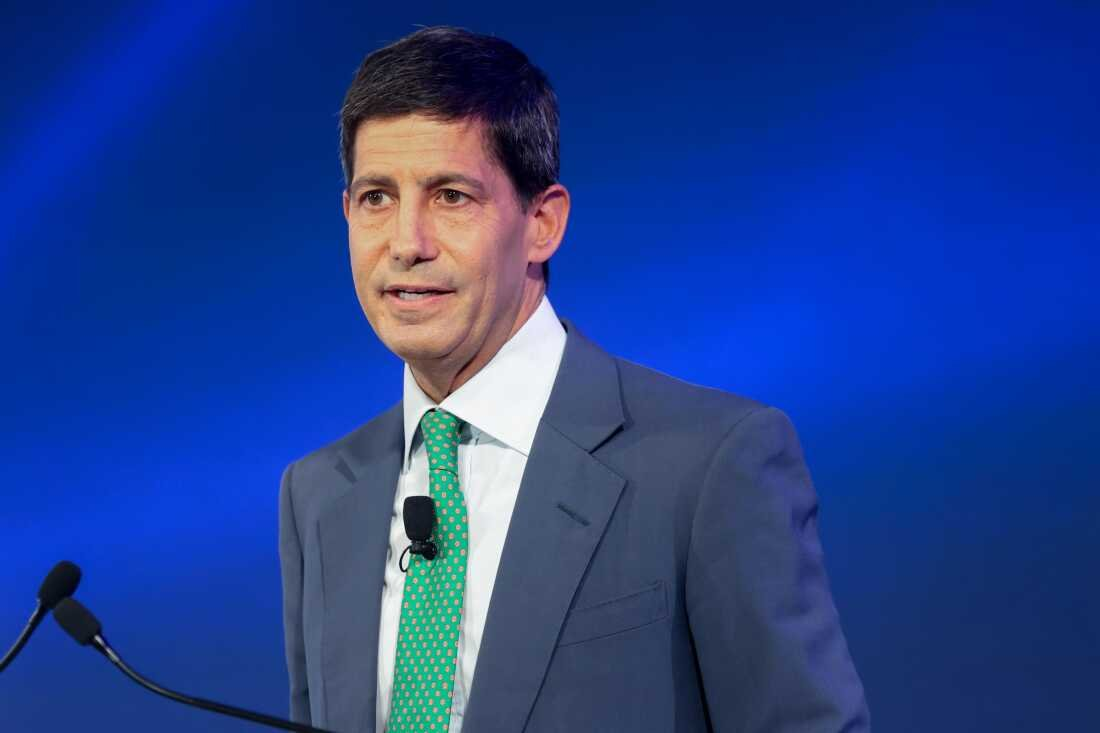
The most definite successor at this point is Kevin Warsh. Several media outlets have reported that Warsh has been approved by the Senate Banking Committee to succeed Powell as Federal Reserve Chair. Warsh previously served as a Federal Reserve governor and has Wall Street experience, regarded as a candidate closer to Trump’s policy preferences.
Market expectations for him mainly focus on two points:
First, he may be more inclined to cut rates. Trump has always hoped the Federal Reserve would cut rates more quickly to stimulate the economy and lower financing costs. Therefore, the market will watch whether Warsh will push for a more accommodative monetary policy.
Second, whether he can maintain the independence of the Federal Reserve. This is the biggest concern. The last act of the Powell era almost revolved around whether “the central bank can resist political pressure.” If Warsh is perceived by the market as being overly compliant with the White House, U.S. Treasury yields, the dollar, and risk assets may all undergo repricing.
6. What is the market most worried about?
What the market is worried about next is not the “change in leadership” itself, but three things:
First, inflation is not completely over. Currently, U.S. inflation is still above the Federal Reserve's 2% target, and if the new chair cuts rates too early, it could rekindle inflation expectations.
Second, the Federal Reserve may be more divided internally. Significant divergences have already appeared at this meeting. AP reported that multiple dissenters were present in the latest rate decision, indicating inconsistencies among committee members regarding the rate cut path.
Third, central bank independence is at risk. If the market perceives that the Federal Reserve is shifting from “data dependence” to “political dependence,” then long-term U.S. Treasury yields, the dollar’s credibility, and global asset pricing will all be affected.
Finally
For many ordinary people, the experience during the Powell era is not complex: prices have risen, mortgage costs have increased, earning money has become harder, but the economy does not seem to have truly collapsed.
So when he leaves, what people really care about is not what the next chair will be called, but whether the coming days will finally be a bit easier.
免责声明:本文章仅代表作者个人观点,不代表本平台的立场和观点。本文章仅供信息分享,不构成对任何人的任何投资建议。用户与作者之间的任何争议,与本平台无关。如网页中刊载的文章或图片涉及侵权,请提供相关的权利证明和身份证明发送邮件到support@aicoin.com,本平台相关工作人员将会进行核查。


