Author: Top Innovation Blockchain Research Institute
In early March 2026, Scott Kennedy, a senior fellow at the Center for Strategic and International Studies (CSIS) in the United States, released a significant report spanning 147 pages - "The Power of Innovation: The Strategic Value of China's High-Tech Drive."
Scott Kennedy, whose official Chinese name is Gan Sida, is a renowned political scientist and top expert on China. The CSIS, where he works, also holds significant importance: among the hundreds of think tanks scattered throughout Washington, D.C., CSIS is recognized as being at the very top of the pyramid, frequently “guiding the U.S. government on how to intervene in the world.”
Scott Kennedy's style is pragmatic and rational, and he possesses an extensive understanding of how China operates. Scholars from such think tanks often play the role of "unofficial diplomatic envoys" (track-two diplomacy).
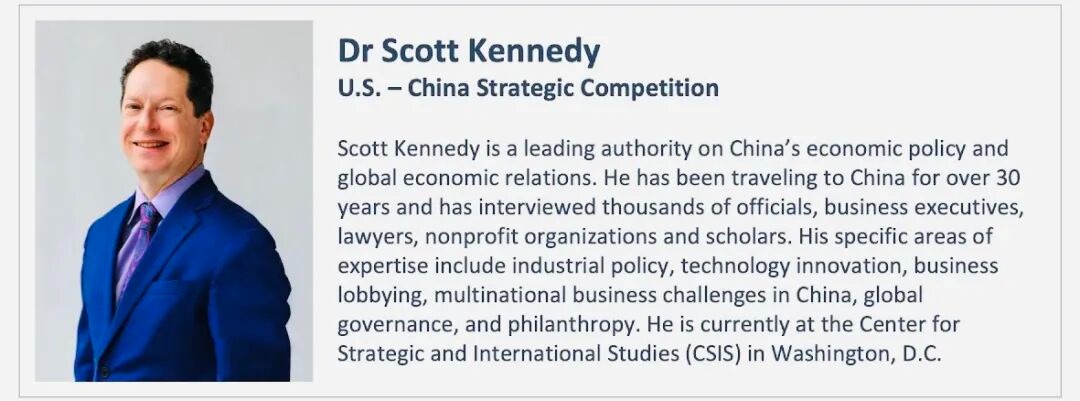
It is worth mentioning that in September 2022 (during a time of strict pandemic control in China), Scott Kennedy was the first Western think tank scholar to visit mainland China for several weeks of on-the-ground research and face-to-face communication with Chinese political and business circles since the outbreak of the pandemic, demonstrating his extensive networking and communication influence on both sides of the China-U.S. relationship.
This heavyweight report explores several questions:
How is China's technological innovation transforming into geopolitical power? Why do some industries surge forward while others struggle? As the idea of "decoupling" gradually collapses, where is the global technological competition headed?
1. The Underlying Logic of the Technological Leap Forward
In the past decade, China's technology policy has shifted from "market-for-technology" to "introduction, digestion, and absorption," and now to "indigenous innovation" and "security above all," especially since the U.S. initiated sanctions against Huawei and other companies in 2019, where the increase in external pressure has instead catalyzed China's technological self-reliance.
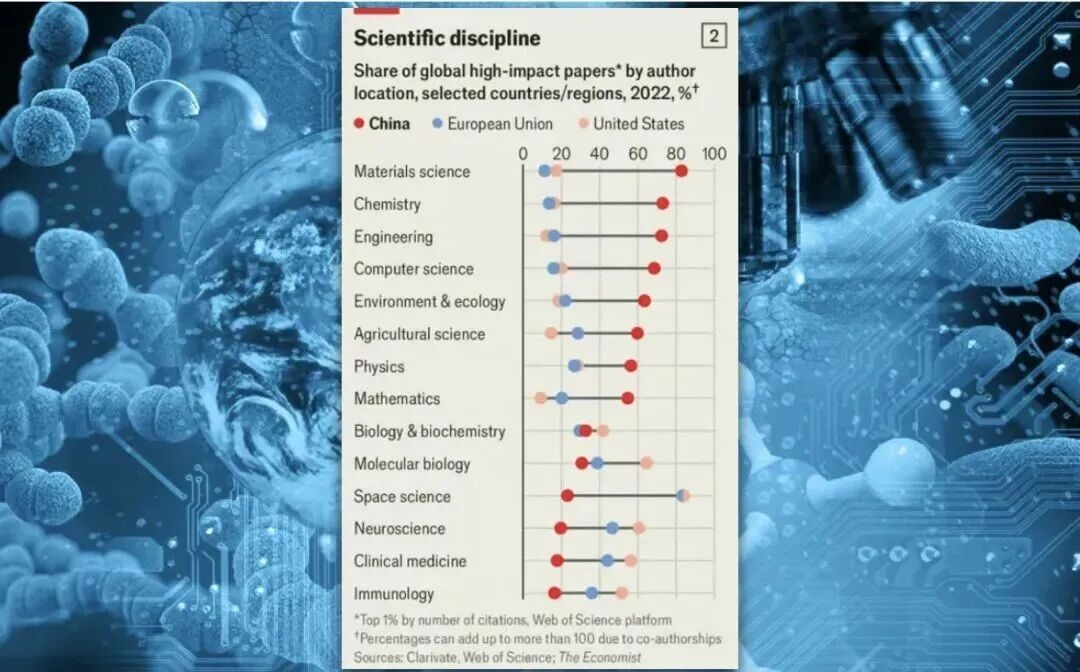
Kennedy includes a set of data in the report:
In 2023, China's R&D expenditure, calculated at purchasing power parity, reached one trillion dollars, equivalent to over 2.6% of the GDP of the world's second-largest economy being poured into this money-consuming machine. In the most subsidized years, various industrial funds and policy leanings combined exceeded 250 billion dollars annually — enough to acquire the entire General Electric with change to spare.
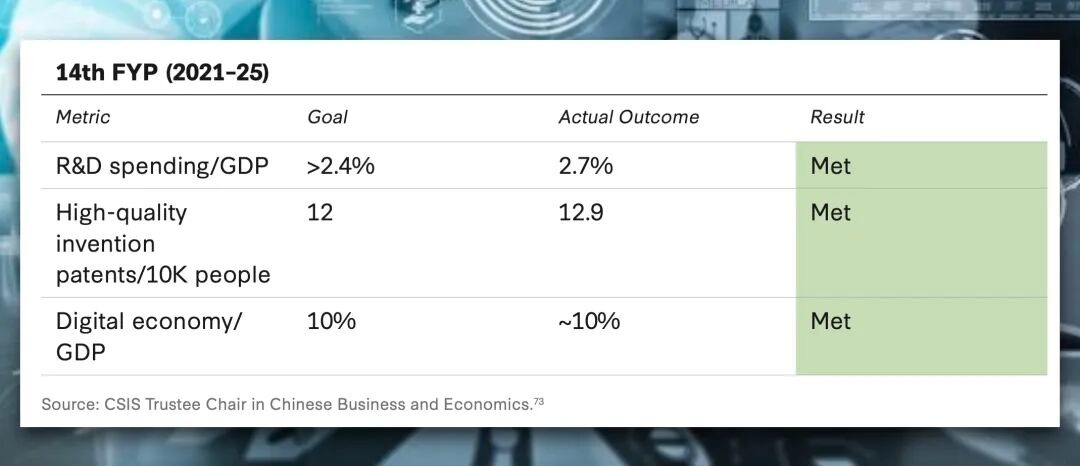
This "massive state-run system" has yielded visible results:
Firstly, the rise of innovation clusters:
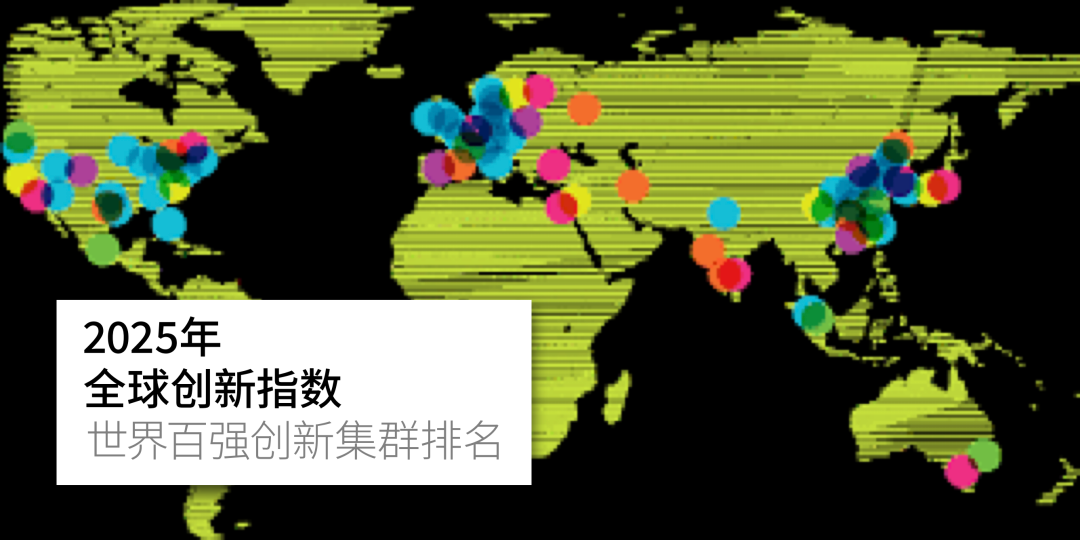
By the 2025 Global Innovation Index (GII), China had jumped to 10th place, with 24 global top 100 innovation clusters (with the Pearl River Delta at the very top worldwide).
The number of patents looks impressive: 13.3 per 10,000 people.
However, if you take a stroll through Yiwu's small commodity market, you will find that some "innovations" are merely changes in the color of a screwdriver's handle. Kennedy's team clearly noticed this, as they subtly mentioned in a footnote: "There are significant differences in patent quality."
But numbers won't tell you the whole story.
However, the sharp insight of Western think tanks is that they have not been entirely intimidated by these grand figures. The report points out that China's technological ecosystem still has significant structural shortcomings:
For example, total factor productivity (TFP) — an indicator that measures the true contribution of technological advancements — is nearly stagnant in China. In other words, despite pouring so much money in, the output efficiency has not improved correspondingly; large-scale subsidies often lead to inefficient resource allocation and serious overcapacity.
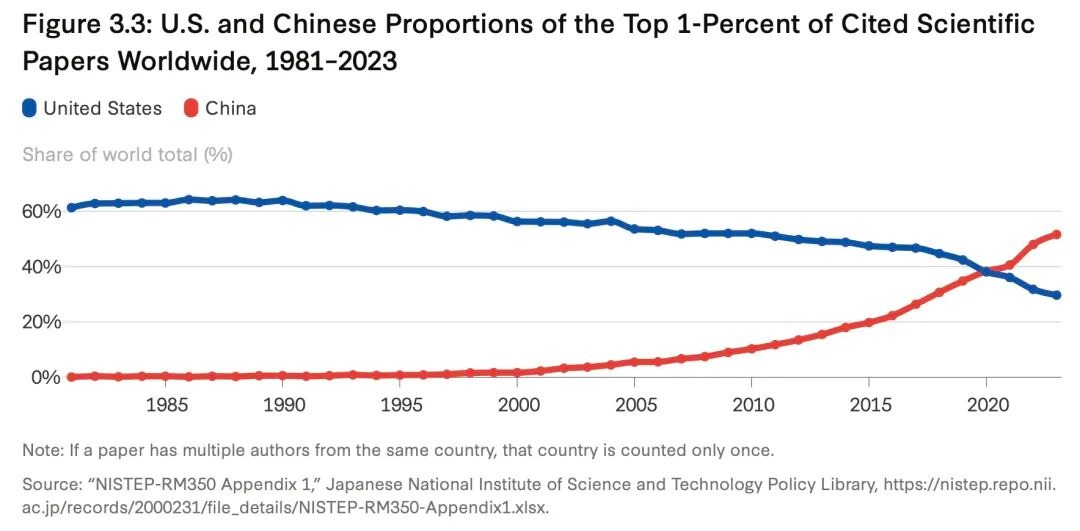
A deeper issue lies in the disconnect in talent structure. China produces 4 million graduates in science and engineering each year (the engineering dividend is massive), yet there remains a gap in frontier breakthroughs and rural education/fundamental talent development.

There is also that age-old but ever-present topic: intellectual property.
China's innovation ecosystem excels at "scalable diffusion" and "engineering iteration"—give you a sample, and I can replicate it in a fraction of the time and at a fraction of the cost, and do it even better.
But when you need to create an entirely new paradigm from scratch, requiring "extensive freedom for trial and error" and "the world's top interdisciplinary talent network," the inertia of the system becomes a shackle.
However, things are definitely improving.
2. The Four Quadrant Law
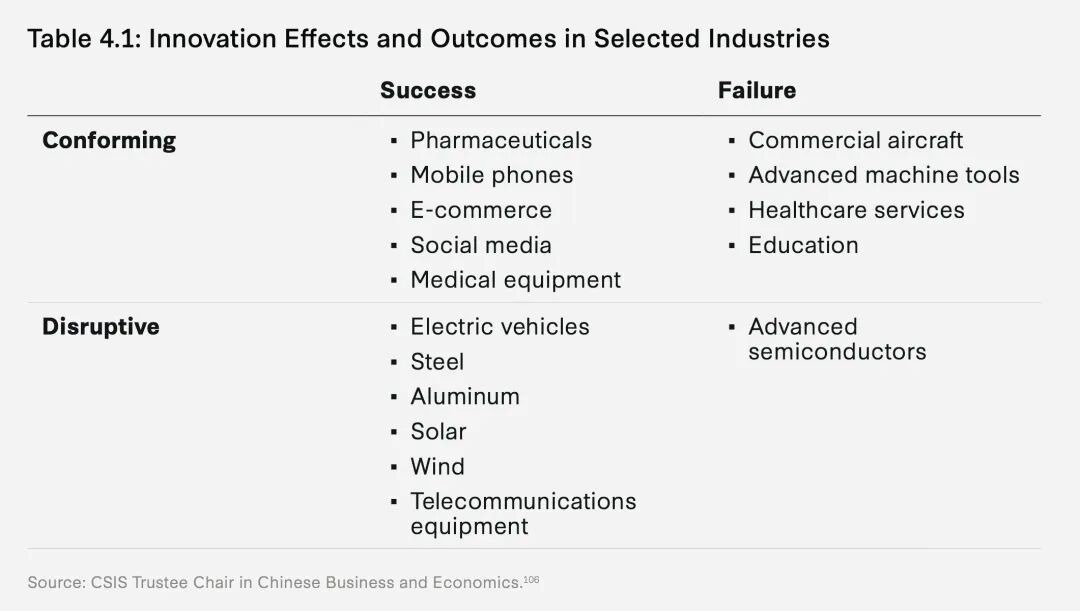
The report draws a four-quadrant diagram,
which we believe to be the smartest part of the report.
Too many people view Chinese technology as a whole — either fully rising or on the brink of collapse, but that is not the real world.
The report proposes an "industry differentiation framework," categorizing the successes and failures of Chinese technology into four quadrants, depending on the "completeness of the domestic ecosystem" and the "coupling to the global market."
Quadrant One:
Disruptive Success
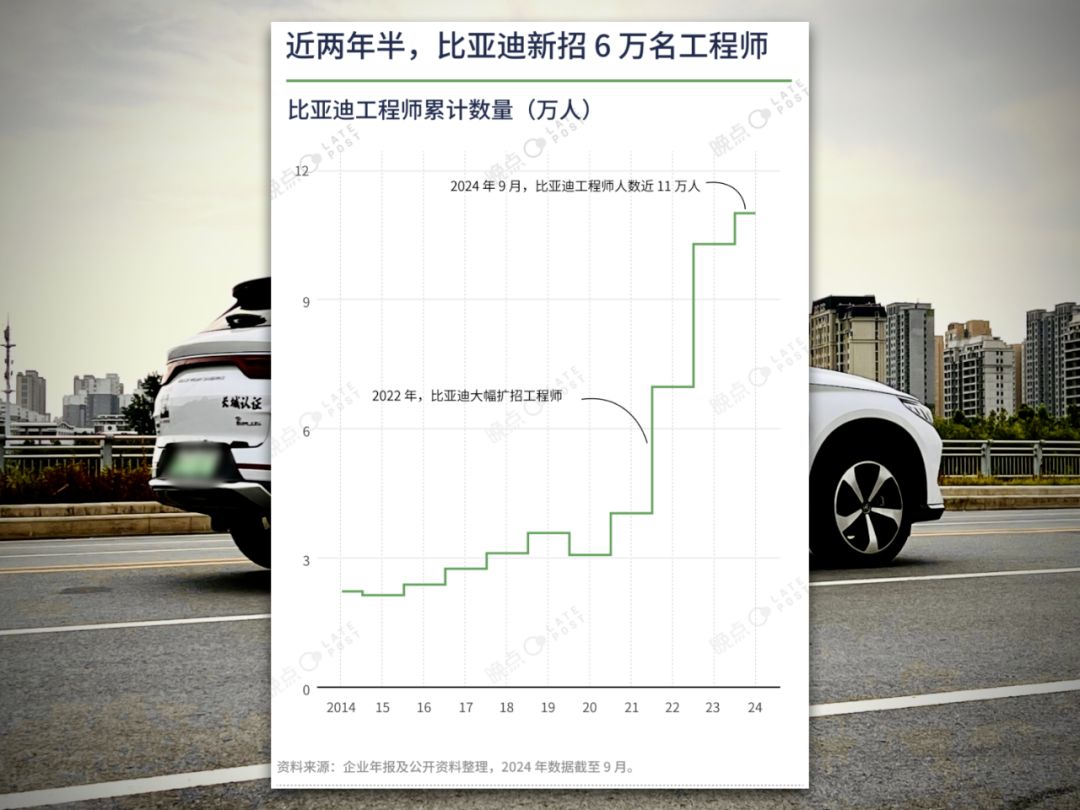
BYD invested $21.9 billion in R&D in 2024, employing 110,000 engineers, which exceeds the total number of engineers in the entire Detroit auto industry.
But money and manpower are not the whole story; what truly allows companies like BYD to excel in the global market is the "meat grinder" characteristic of the Chinese electric vehicle market.
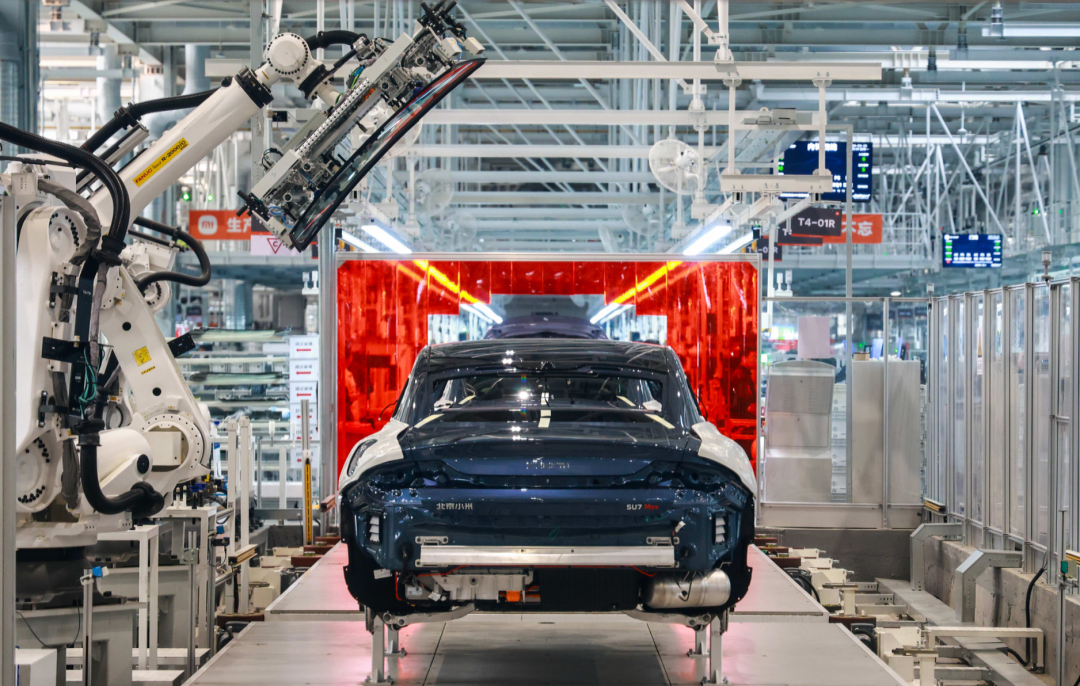
When Kennedy’s team conducted research in Shenzhen, they discovered that a new vehicle model takes an average of only 18 months from concept to mass production, whereas in Germany, this figure is 36 to 48 months—by 2024, over 100 electric vehicle brands are competing in the Chinese market, with price competition driving profits down to just a few hundred dollars per vehicle.
A similar story applies to Contemporary Amperex Technology Co., Limited (CATL).
They hold 38% of the global battery market share, not because the government imposed "quota indicators," but because they built factories next to lithium mines and set up R&D centers next to automakers through market-driven strategies, forming an almost obsessive vertical integration.
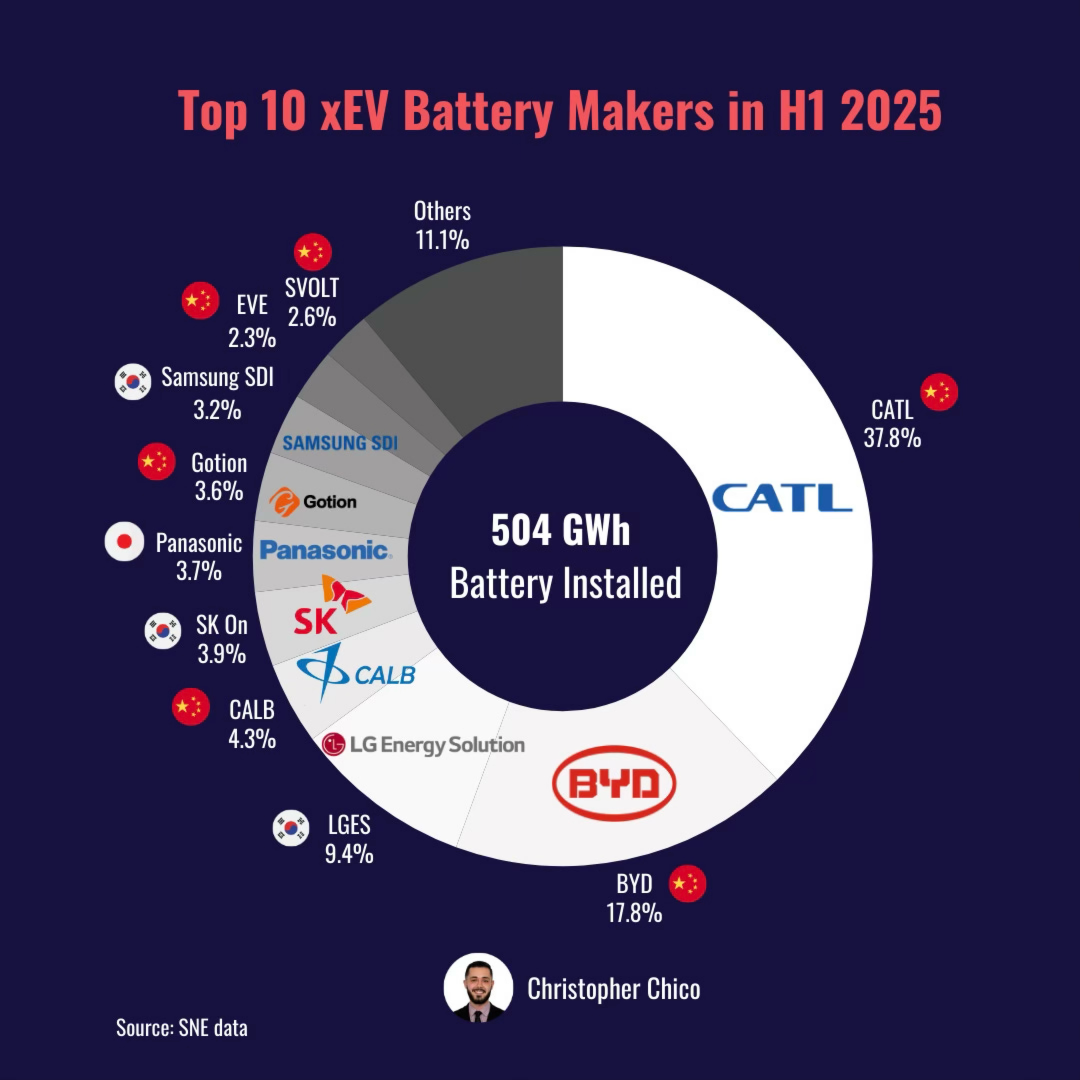
When you can turn a battery from raw materials to finished products in 24 hours, while your competitors need two weeks, the game changes.
"Those who survive are species evolved, not designed."
Quadrant Two
Conforming Success
If electric vehicles represent "taking a curve with speed," the biomedicine sector follows another path—"deeply embracing globalization."
In 2023, China accounted for 39% of global clinical trials. This is mainly because China's hospital system can recruit sufficient patients within three months, whereas in the United States, this process may take a year. Time, in the pharmaceutical industry, is money and the duration of patent periods.
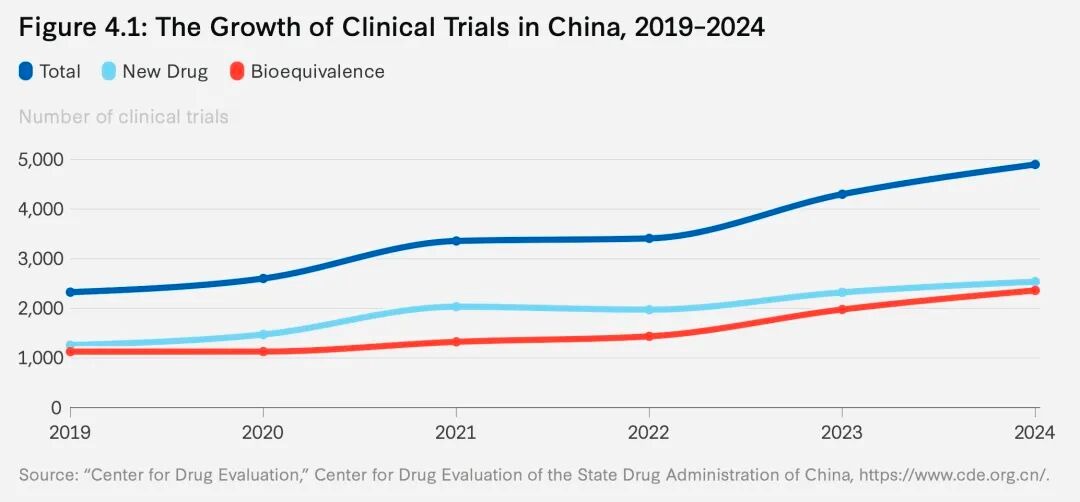
Hengrui Medicine's story is representative.
They did not attempt to invent an entirely new cancer treatment mechanism—which would require breakthroughs in basic research—but chose to bring in top talents from abroad, directly aligning themselves with FDA standards, embedding themselves within the global innovation network.
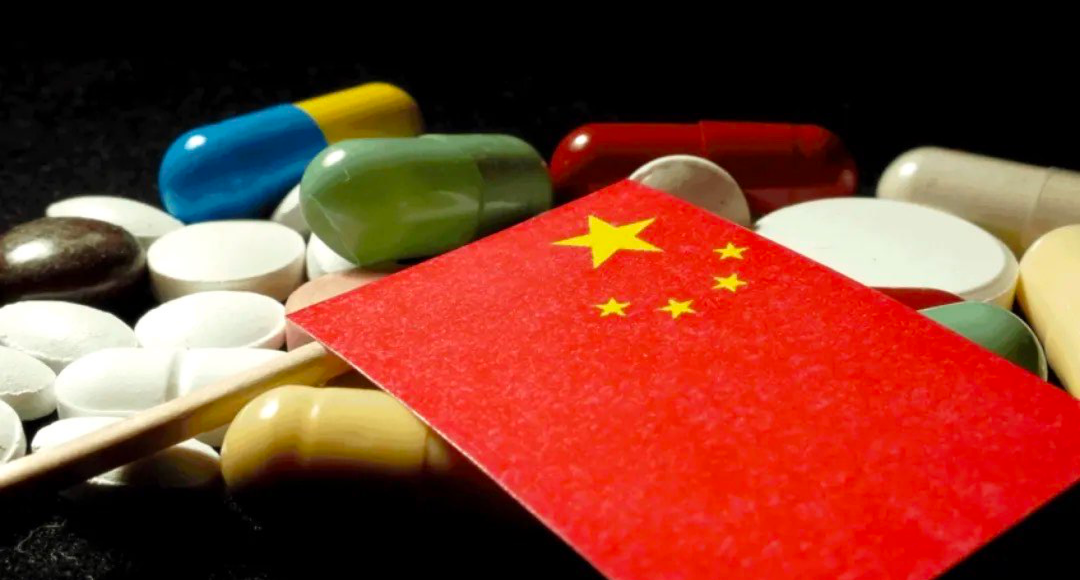
In 2024, around 1,250 new drugs emerged in China, the majority of which are not "first-in-class" but rather "me-too" or "me-better." However, commercially, this is completely valid.
Quadrant Three
Disruptive Failure
This is the most lamentable part. The National Fund invested hundreds of billions of dollars, and companies like SMIC and Yangtze Memory Technologies have received resources beyond their wildest dreams.
But the reality in 2026 is:
In mature processes (Legacy Chips, which refer to "old antiques" of 28 nanometers and above), China does occupy considerable capacity; however, in advanced processes below 7 nanometers, TSMC and Samsung still lead by a wide margin.
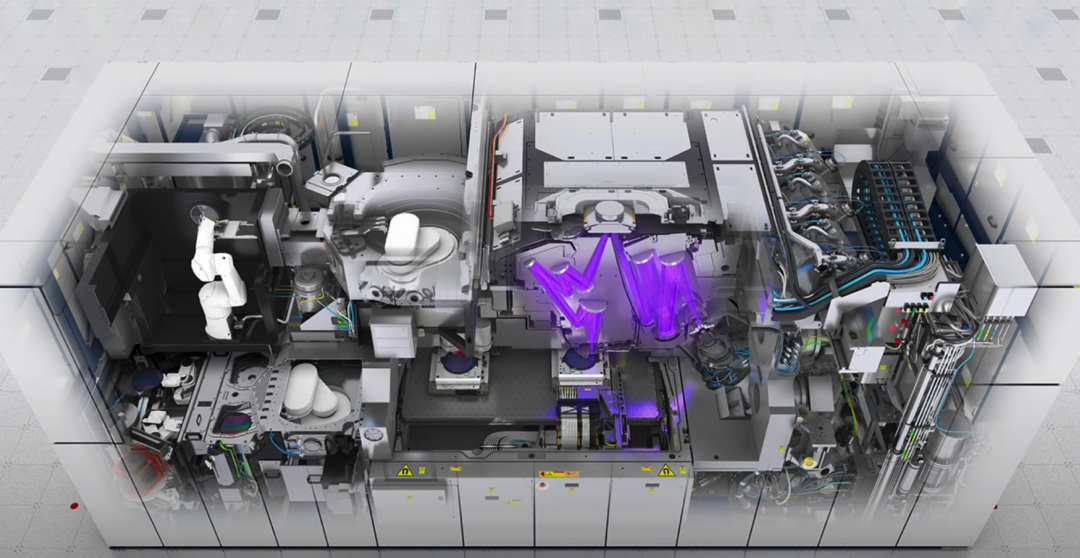
Currently, every set of approximately $200 million extreme ultraviolet lithography (EUV) machines can only be produced by ASML.
The issue is, semiconductors are not an industry that can be solved merely through capital. An EUV lithography machine has 100,000 components from over 5,000 global suppliers.
ASML can produce this machine not because the Dutch are particularly clever, but because they integrate German optical technology, American laser sources, and Japanese special materials.
This is an extremely complex system that requires the precise division of labor from hundreds of global "hidden champions."
Quadrant Four
Conforming Failure
The case in this quadrant is the C919:
In an industry monopolized by Boeing and Airbus for half a century, relying solely on protectionism and national sentiment will not produce good airplanes.
In 2024, Comac delivered only 16 C919 aircraft.
In comparison, Boeing delivered 348 units in the same period, and Airbus delivered 735 units.
Additionally, of those 16 C919s, the engines come from General Electric (CFM International), the flight control systems from Honeywell, and the avionics from Rockwell Collins—core component import dependence reaches 90%.
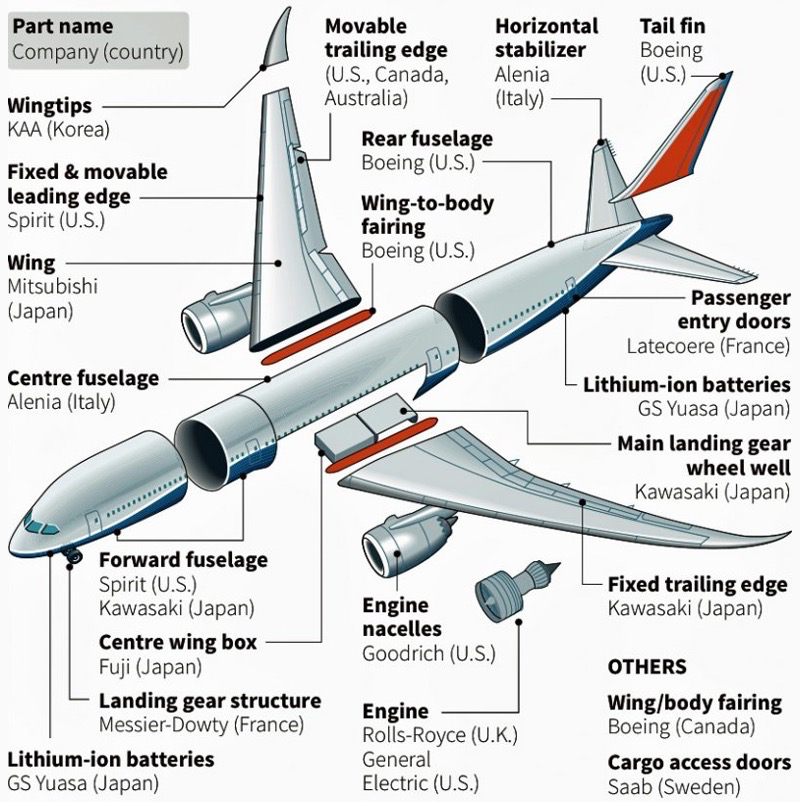 The above image shows components and systems suppliers of the Boeing 787 Dreamliner. Source: Boeing, Reuters (The chart is not scaled).
In fact, policy subsidies can only help a little; what can genuinely create a moat are either the ultra-efficient engineering practices tested through fierce competition (like EVs) or an open attitude that actively integrates into the world's most advanced innovation networks (like medicine).
Building cars behind closed doors is a significant taboo in technological innovation.
3. Innovation is Power: The Conversion of Technological Potential into Geopolitical Leverage
Technology has never been neutral—this statement may sound like a cliché, but Kennedy spent thirty pages arguing it.
In his view, the profound strategic value of China's high-tech drive lies in its potential to substantially reshape the international power structure. This spill-over of power mainly manifests in two core dimensions:
The hard power of military-civil fusion (MCF) and the soft power of international standards.

1. Military-Civil Fusion
Military-Civil Fusion
Between 2010 and 2024, China invested approximately $105.8 billion in military-civil fusion.
Where did this money go?
iFlytek's voice recognition technology has been used in military intelligence analysis, the Beidou navigation system transitioned from civilian to become the cornerstone of precision guidance, and DJI's drones—those little gadgets that sell on Amazon for wedding photography—have become standard equipment for reconnaissance and combat on modern battlefields.
The recursion of commercial technology to enhance China's military power is real.
But this recursion is "supplemental" rather than "transformative." The inherent trust barriers within the system and the interest segmentation between departments limit the seamless transition of disruptive civilian technologies to the military industry.
Thus, China has gained asymmetric tactical advantages in fields like AI and drones, but has not fundamentally overturned the U.S.'s military technology hegemony.
Why?
Because of the trust barriers within the system — but that’s a discussion for another time.

2. Standards Power
Standards Power
Without a monopolistic strong influence,
“Third-rate companies make products; first-rate companies make standards.”
This saying, widely circulated in the Chinese business community, has another layer of meaning in technology diplomacy: whoever controls the codes and protocols controls the rules of the game.
By 2025, China participated in 780 ISO (International Organization for Standardization) technical committees and led 19 working groups in 3GPP (a communication standards organization). Huawei's IP share in the 5G domain remains around 20%.
Simultaneously, China can use its vast domestic market (with an 85% domestic standard conversion rate) to support international standards (like the deployment of HarmonyOS on 36 million devices and the promotion of NearLink technology).
However, there is a subtle balance:
International standard organizations adhere to "consensus-driven" approaches.
Want to promote a standard? You can, but you must convince other member countries. The lessons from the past are vivid—the WAPI (China's wireless local area network standard) and TD-SCDMA (3G standard) ultimately became expensive ornaments due to their incompatibility with the global ecosystem.
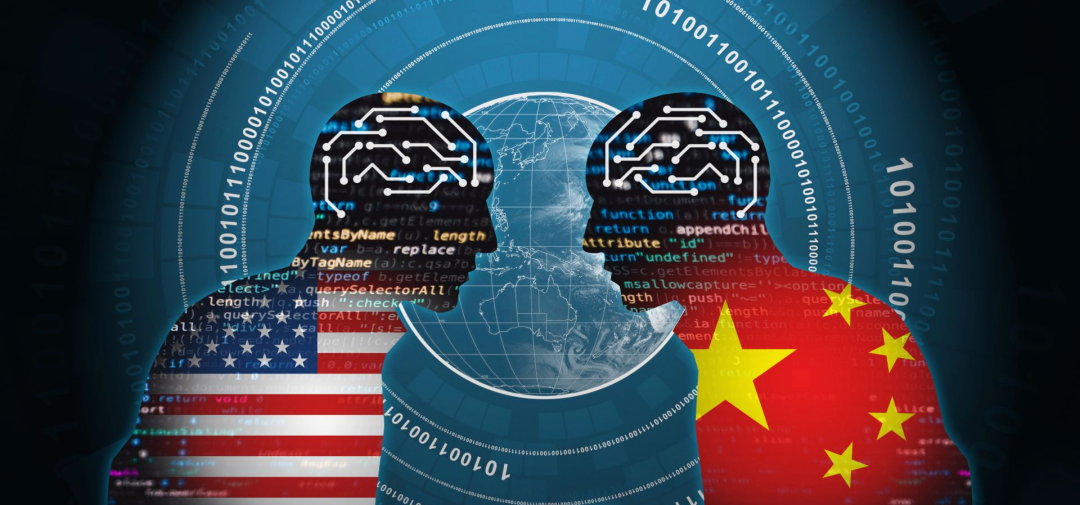
“China has enhanced its 'veto power' and 'agenda-setting power' in global technology governance,” Kennedy writes, “but it has not yet gained the ability to unilaterally set the rules of the game.”
The subtext of this statement is:
China can stop some things from happening,
but it cannot yet make certain things happen according to its will.
4. The Bankruptcy of Comprehensive Decoupling Theory
Standing at the time point of 2026, one can observe an interesting phenomenon:
International top think tanks and policymakers have diverged into several distinct camps, and the winds of change are deeply profound.
1. The Anxieties and Mishaps of Hawks / Restrictionists
Represented by certain members of Congress and early ITIF (Information Technology and Innovation Foundation) reports, they view the U.S.-China technology relationship as a zero-sum game; their logic is straightforward:
If China gets stronger, the U.S. becomes weaker, so it must be shut down.
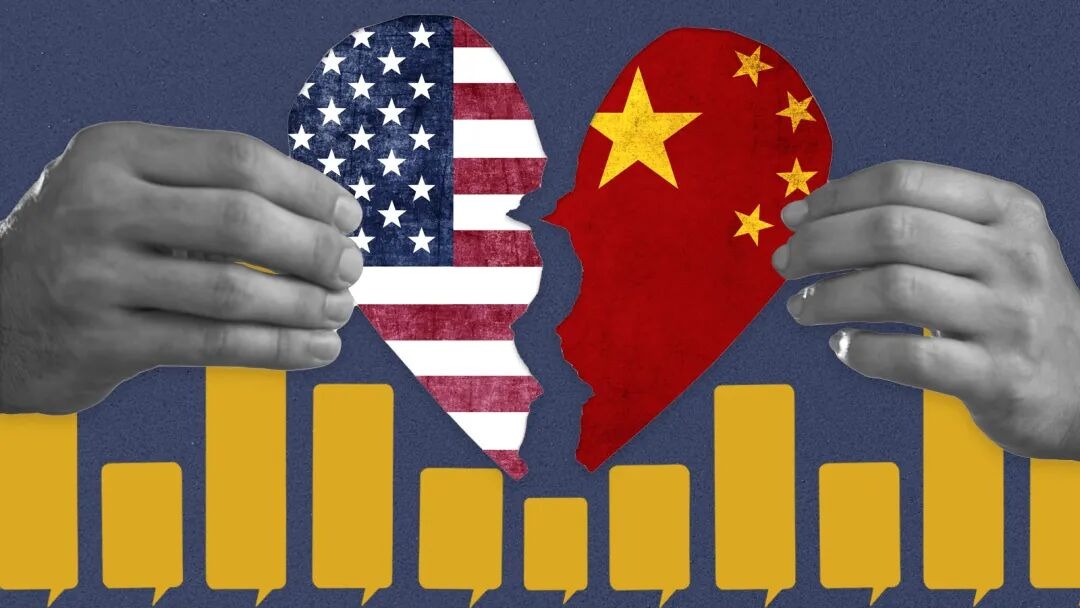
However, more and more reviews from entities like RAND (Rand Corporation) and Carnegie (Carnegie Endowment for International Peace) indicate that overly broad export controls and the generalization of “walled gardens” have had counterproductive effects—
Supply chain disruptions not only harm U.S. companies’ revenues (which could have been used for next-generation R&D), but more fatally, they have dispelled Chinese companies' illusions and forced them to rapidly establish local alternative supply chains (the return of Huawei's Mate series is a clear example).
2. The Awakening of Pragmatists: Managing Interdependence
This is the core essence of the CSIS report, and also a new consensus among mainstream think tanks like Brookings: "Comprehensive decoupling" is extremely costly and unrealistic.
What can forcibly sever the global supply chain lead to?
Severe inflation in the West—because they cannot buy affordable Chinese manufacturing;
Delays in the global transition to green energy—because China produces 80% of the world’s solar panels and 60% of wind power equipment.

Additionally, the West loses its insight into China's technological evolution—when you cease doing business with your competitor, you also lose the ability to gauge how advanced they have become.
3. The Third Voice of the Global South
The Atlantic Council report keenly points out that for broad developing countries in Africa, Asia, and Latin America, China's 5G networks, affordable electric vehicles, and AI infrastructure represent "affordable development opportunities," rather than "national security threats."
If the West only sells "security anxiety" without providing competitively priced alternatives, their narrative in the Global South will collapse entirely.

5. The Path to Breaking the Deadlock: Calibrated Coupling
If "comprehensive decoupling" is poison, and "unconditional embrace" is a fantasy, then where is the way out?
CSIS gives the answer from the U.S. perspective:
“Calibrated Coupling.”
Internally: Solidify the domestic innovation ecosystem (from an economic perspective).
America's true strength does not lie in how many Chinese companies it can suppress but in its unparalleled "lighthouse effect"—its ability to attract the world's smartest minds, its deep venture capital networks, and robust foundational scientific research.
They believe that U.S. government subsidies should be precisely directed at a select few strategic nodes like semiconductors, rather than unleashing widespread trade protectionism.

Externally: Establish "scalpel-like" barriers (from a realist perspective).
Abandon blanket bans, and instead implement stringent controls only on critical bottleneck technologies with direct military uses, while restoring and maintaining normal commercial and academic exchanges in areas like consumer electronics, mature process chips, and foundational open-source AI models.
In the realm of standards setting, Western governments should not withdraw from international standard organizations out of fear of China's influence; rather, they should more actively participate in shaping rules favorable to an open system through alliances and consensus.
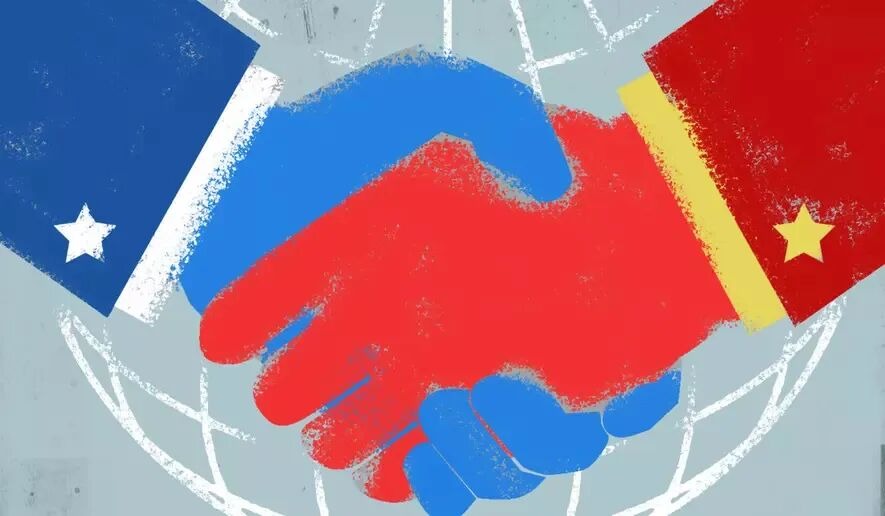
In transnational cooperation, such as in climate change, AI safety ethics, and global public health (clinical medicine), deep interdependence and collaboration can yield huge economic dividends and serve as a crucial "shock absorber" to prevent great power competition from slipping into hot wars.
6. Returning Technology to Human Welfare
CSIS's report, along with the numerous voices from major think tanks in 2026, conveys an extremely clear signal:
China's high-tech-driven strategy is multifaceted,
It has achieved the potential to reshape global industrial patterns in certain areas—electric vehicles, batteries, 5G, biomedicine—yet remains confronted with long-term, structural challenges in foundational ecosystems—advanced semiconductors, aviation engines, and top-tier basic research.

The future global technological landscape is an exceedingly complex "composite competition and cooperation,"
whoever can attract global talent with the most open mindset,
whoever can inclusively extend technology to broad developing countries,
whoever can maintain restraint and rationality amid competition, adhering to pragmatism and openness,
who will truly win the next decade.
免责声明:本文章仅代表作者个人观点,不代表本平台的立场和观点。本文章仅供信息分享,不构成对任何人的任何投资建议。用户与作者之间的任何争议,与本平台无关。如网页中刊载的文章或图片涉及侵权,请提供相关的权利证明和身份证明发送邮件到support@aicoin.com,本平台相关工作人员将会进行核查。


