As time progresses to 2026, the narrative logic of the cryptocurrency market has fundamentally reversed. If the industry's tone a few years ago was "cryptonatives trying to disrupt Wall Street," today's reality is that traditional financial giants (TradFi) have not only completely taken over the pricing power of this emerging asset class but have also achieved a textbook-like "reversal of roles" through extremely deep penetration of underlying infrastructure.
Two significant events that occurred in the past 24 hours have completely ripped apart this layer of tender sentiment: first, Morgan Stanley officially confirmed its selection of Coinbase and the two-hundred-year-old Bank of New York Mellon as co-custodians for its spot Bitcoin ETF; secondly, the Intercontinental Exchange (ICE), the parent company of the New York Stock Exchange, announced a strategic investment in the leading cryptocurrency trading platform OKX, valuing it at 25 billion dollars, securing a board seat and initiating an unprecedented deep integration in data acquisition and asset tokenization (RWA).
These two events are not isolated news; they are key pieces in the traditional financial giants' process of conforming crypto assets to regulations. As practitioners, we must penetrate the surface benefits and re-examine the profound differentiation that Bitcoin and the entire crypto market are undergoing from the perspectives of quantitative microstructure, asset custody logic, and the global power struggle in finance.
At the onset of the spot Bitcoin ETF approval, Coinbase monopolized nearly all Wall Street issuers’ custody business due to its first-mover advantage in the crypto space. However, Wall Street is inherently filled with an extreme fear of "single points of failure." By introducing Bank of New York Mellon as a co-custodian, Morgan Stanley is essentially enacting a long-planned "power grab" and risk dilution.
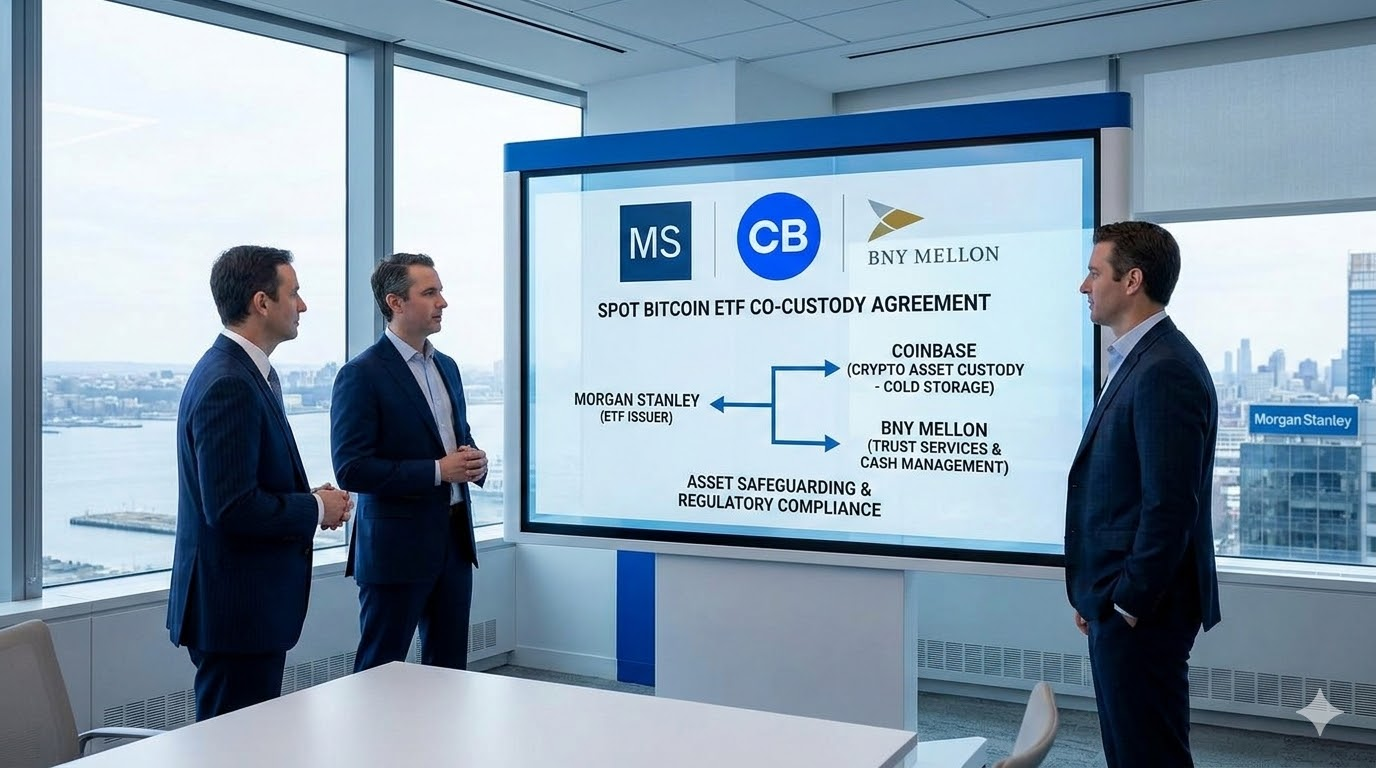
Previously, crypto-native companies sought access to traditional finance’s fiat channels, but now, Morgan Stanley, through a "mixed" custody model (crypto-native oligarch + century-old bank), has directly stripped Coinbase of its absolute voice in custody. Bank of New York Mellon, as the largest custodian bank globally, with over 40 trillion dollars in assets under custody, indicates that Bitcoin's storage standards are being forcibly drawn into the DTCC (Depository Trust & Clearing Corporation) system of traditional securities.
From a quantitative trading perspective, the decentralization of custody means the reassessment of counterparty risks. When all ETF underlying assets are concentrated in a single crypto institution, any liquidity crunch triggered by a hacker attack or internal compliance issue will transmit through the ETF's redemption mechanism to the U.S. stock market, leading to systemic disaster.
Morgan Stanley's "dual-track" system has established a firewall. In the future, market makers engaging in basis trading or ETF redemption will have their margin calculations and risk exposure management directly interfaced with Bank of New York Mellon’s API, rather than solely relying on on-chain data. This transfer of underlying credit is the first step in Wall Street's takeover of crypto infrastructure.
If Morgan Stanley is fortifying its defenses, then the Intercontinental Exchange’s (ICE) high-profile investment in OKX is a direct offensive move to subsume crypto asset liquidity. The 25 billion dollar valuation and a board seat is far more than merely a financial investment; it is a strategic acquisition concerning the reshaping of market microstructure.
A core point of the agreement is: "OKX provides real-time cryptocurrency price information to ICE." In quantitative finance, high-frequency data is pricing power itself.
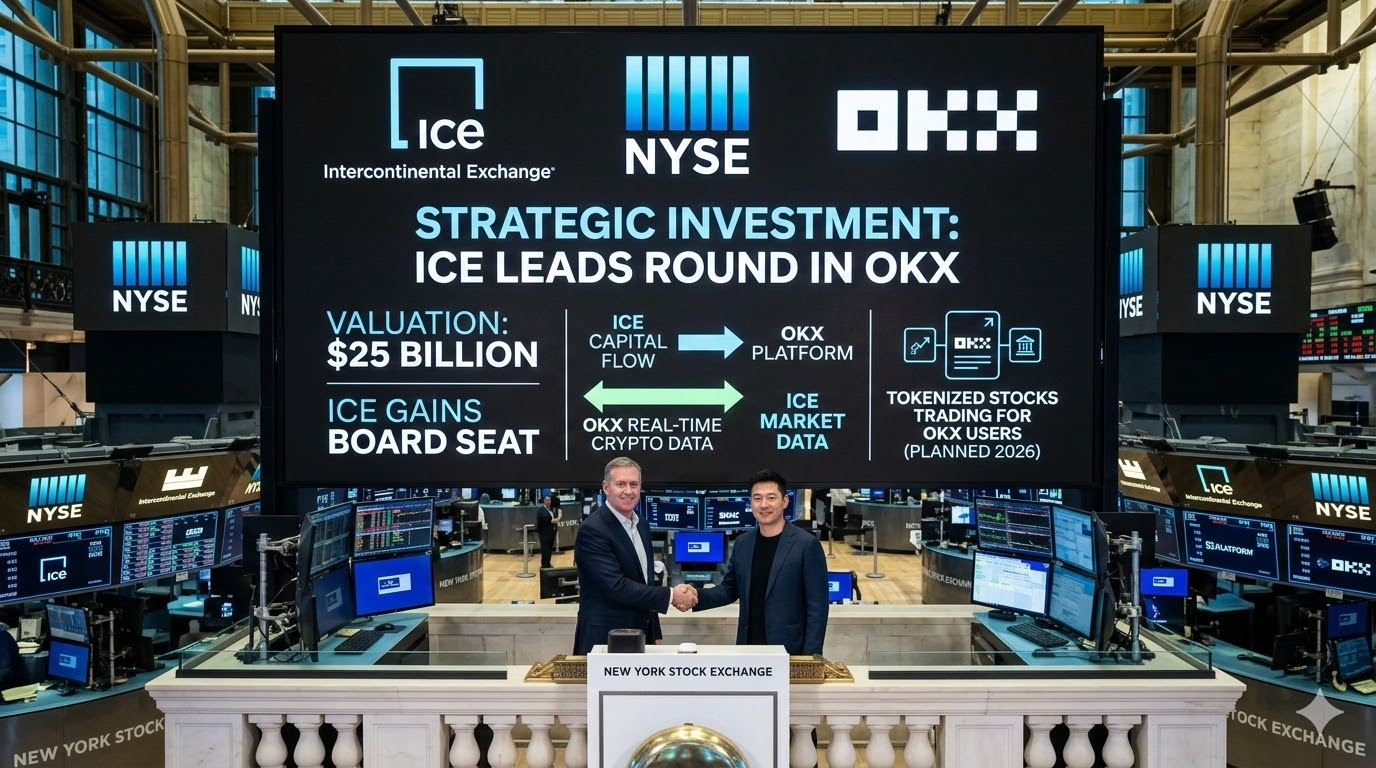
ICE, as one of the largest financial data and exchange operators globally, possesses dedicated networks and microsecond-level data distribution capabilities, which are lifelines for Wall Street's high-frequency trading firms. When OKX's order book depth and tick-by-tick trading data are directly integrated into ICE's global data source, this means Wall Street's quantitative models can seamlessly, without delay, incorporate Bitcoin as a macro factor into their cross-asset volatility arbitrage models.
Traditional capital no longer needs to detour through inefficient crypto APIs but can directly flood liquidity into the crypto market from their familiar Bloomberg terminals or ICE's proprietary networks.
The "OKX user trading NYSE tokenized stocks and derivatives" feature set to launch in the second half of 2026 is yet another clever move by ICE.
Superficially, this expands the business of crypto exchanges, allowing crypto-native users to trade derivatives like Apple, Tesla, or the S&P 500 24/7. However, substantively, this is Wall Street exploiting RWA to drain the native liquidity from the crypto market. When cryptocurrency whales and retail investors realize they can directly trade traditional securities, which have absolute liquidity and are backed by the NYSE on OKX with USDT, the existing capital in Bitcoin and altcoins will be massively siphoned off. Wall Street has not destroyed crypto exchanges; rather, it has transformed them into "digital branches" for traditional finance to sell U.S. assets into global sinking markets.
With the landing of these two events, we must face a harsh reality: the pricing power of the crypto market has undergone an irreversible shift.
In the past, the wild fluctuations in Bitcoin prices were driven by crypto whales, on-chain clearing leverage, and unregulated offshore exchanges. Now, with the proportion of spot ETF holdings occupying an increasingly higher share of circulating supply, the microstructure of the Bitcoin market has been completely remodeled by Wall Street.
When institutions like Morgan Stanley, Bank of New York Mellon, and ICE, which represent the strictest compliance standards and highest concentration of power globally, become the biggest gatekeepers, data distributors, and actual controllers of Bitcoin, we must return to that soul-stirring deep reflection: Is Bitcoin still the "anti-censorship asset"?
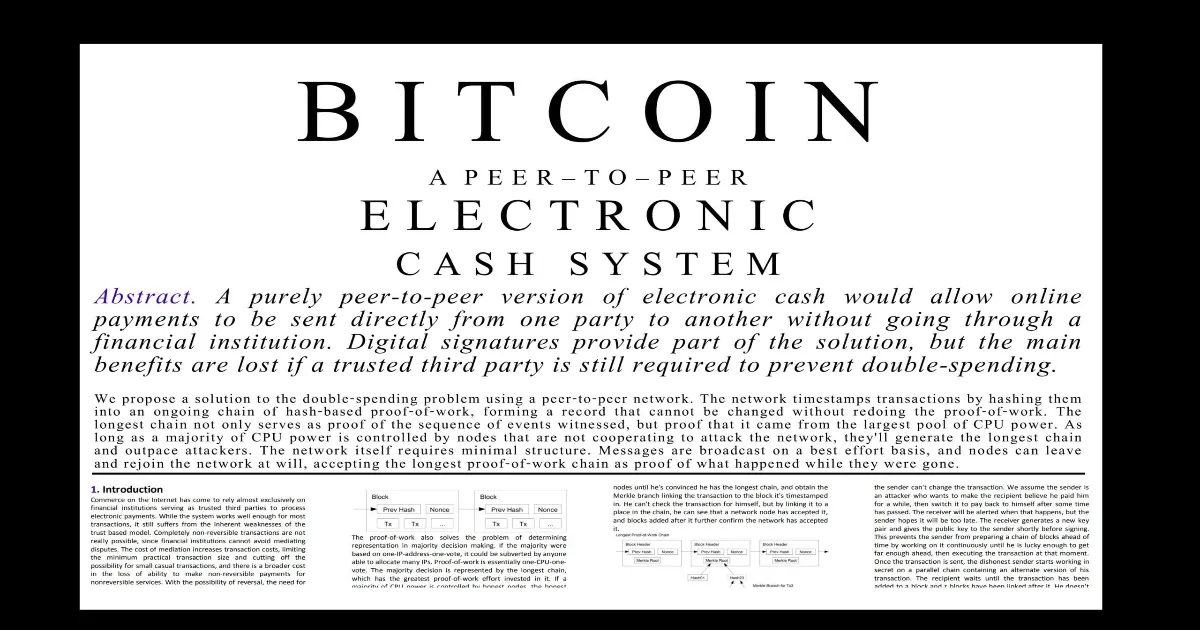
The Bitcoin conceived by Satoshi Nakamoto in the 2008 white paper is a "peer-to-peer electronic cash system" whose core philosophy is decentralization, anti-censorship, and physical isolation from the excessive inflation systems of traditional central bank fiat currencies. However, when millions of Bitcoins are today locked in rigorously regulated cold wallets at Bank of New York Mellon, and when these assets are bundled into ETF shares that are strictly audited by the U.S. SEC (Securities and Exchange Commission) and subject to DTCC clearing rules, their "anti-censorship" attributes have effectively been indefinitely suspended.
For traditional investors buying ETFs, what they possess is not a private key, but rather a string of numbers on the custodian's ledger. If an extreme regulatory event occurs in the future, the U.S. government would not need to breach Bitcoin's SHA-256 cryptographic defenses; a simple administrative order could freeze substantial assets in the custodial accounts of Bank of New York Mellon or Coinbase. In this sense, Bitcoin has been successfully "pacified," transforming from an experiment seeking to overthrow financial hegemony into an extremely successful, Wall Street- audited "securitized instrument."
Wall Street did not eliminate Bitcoin; they merely bought it, regulated it, and ultimately became its new masters. The once-proud "technological moat" of crypto-native companies has ultimately become a valuable stepping stone in the face of Wall Street's trillions in capital and a century's worth of global clearing networks.
For professional quantitative traders and financial practitioners, this is not a bad thing — it means tighter spreads, larger derivative capacities, and richer arbitrage strategies. But for those early evangelists still holding onto the "cypherpunk" ideals, this is a tragically metaphorical era.
In the spring of 2026, Bitcoin's price may continuously hit new highs, but behind that glossy candlestick chart, the reins of Satoshi Nakamoto’s horse are already in the hands of Wall Street bankers in tailored suits. Power has quietly shifted, while most people only hear the cheers of colliding gold coins.
免责声明:本文章仅代表作者个人观点,不代表本平台的立场和观点。本文章仅供信息分享,不构成对任何人的任何投资建议。用户与作者之间的任何争议,与本平台无关。如网页中刊载的文章或图片涉及侵权,请提供相关的权利证明和身份证明发送邮件到support@aicoin.com,本平台相关工作人员将会进行核查。


