Author: Winnie, CryptoPulse
In January 2026, NVIDIA announced a strategic investment of $2 billion in CoreWeave's Class A common stock. This deal appears to be a significant move in the AI computing power sector, but it is, in fact, a milestone event marking the transition of the crypto computing power industry into the AI field. CoreWeave, which has transformed from Ethereum PoW mining to an AI cloud service provider, has its "crypto background" deeply intertwined with NVIDIA's computing power ecosystem. This not only reconstructs the global flow logic of computing power but also builds a solid bridge between the AI and crypto industries.
1. The AI Leap and Industrial Extension of Crypto Computing Power
The core target of this investment is CoreWeave's Class A common stock, with a transaction price of $87.20 per share, representing a discount of about 6.2% compared to the previous trading day's closing price. NVIDIA's goal is clear: to assist CoreWeave in building an AI computing power infrastructure of over 5 billion watts (5 GW) by 2030, referred to in the industry as the "AI factory."

This scale is equivalent to nearly one-third of the current total global AI computing power capacity, sufficient to support the computing power needs of leading AI companies like OpenAI and Anthropic for the next five years. Notably, the two parties had previously signed a long-term agreement, with NVIDIA committing to purchase over $6 billion in computing power services from CoreWeave by 2032. This equity investment is a continuation of the "equity + business" dual binding, further locking in the supply and demand of computing power.
CoreWeave's "crypto background" is key to understanding all of this. It was originally a leading GPU mining company during the Ethereum PoW era, accumulating core capabilities in large-scale GPU clusters, power infrastructure, and low-cost computing power operations. After Ethereum transitioned to PoS in 2022, mining revenues plummeted, and CoreWeave quickly shifted its computing power to AI services. Its underlying business model of "GPU leasing + computing power monetization" is entirely derived from crypto mining enterprises.
For the crypto sector, the impact of this transaction goes far beyond the surface. First, it accelerates the transformation wave of global crypto mining companies. CoreWeave's success provides a clear reuse template for tens of thousands of idle GPU computing power units worldwide, which is being emulated by leading mining companies like Hut 8 and Iris Energy.
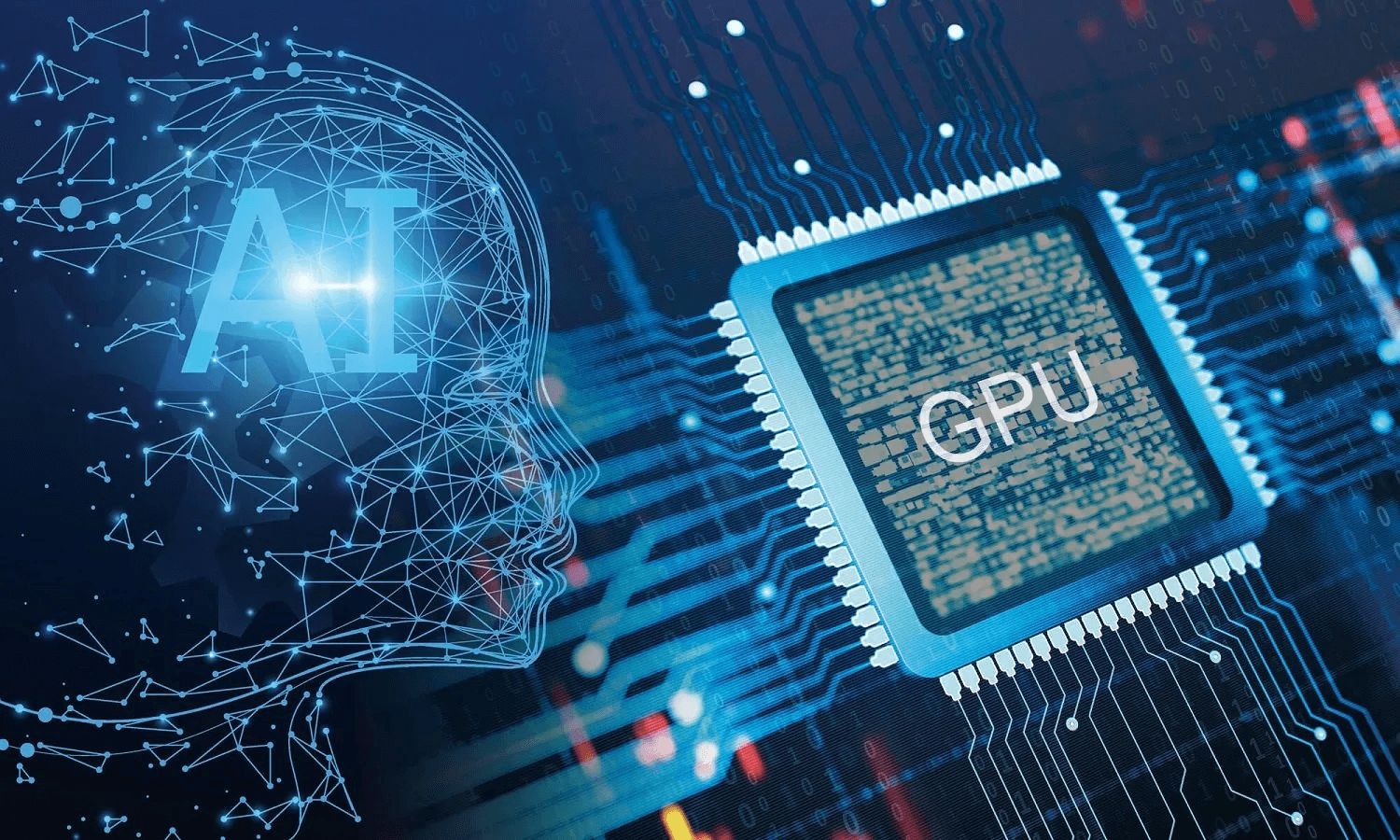
This "dual-track computing power" system allows the same GPU cluster to dynamically switch service scenarios based on market demand, reducing reliance on crypto mining and minimizing fluctuations in the crypto market, significantly enhancing computing power utilization. Secondly, computing power tokens are set to benefit in the long term, with crypto tokens reliant on GPU computing power, such as RNDR, Akash Network, and FET, directly benefiting from the global expansion of AI computing power infrastructure.
The more profound impact is that this transaction has opened up a flow channel from "crypto computing power" to "AI computing power" and then to "on-chain AI applications," giving rise to a new industrial ecosystem. CoreWeave's computing power network has already been used in scenarios such as AI-generated NFTs and on-chain AI model inference, and it will further support innovative applications like AI-driven DeFi strategies and decentralized AI services in the future.
2. Capital Linkage and Potential Risks
The capital linkage effect is also significant. CoreWeave's public listing and NVIDIA's investment have made "mining companies transforming into AI" a hot narrative in the capital market, driving up the stock prices of crypto mining companies like Hut 8 and Iris Energy, and attracting traditional institutional funds into crypto computing power assets.

This capital linkage further promotes the transformation of mining companies, accelerating the migration of crypto computing power to AI computing power, forming a positive cycle from "crypto computing power" to "AI computing power" and then to "on-chain AI applications." Meanwhile, this trend also reconstructs the value anchor of crypto computing power: in the past, the value of crypto computing power was solely determined by mining revenues; now it has a "second valuation anchor" from AI computing power, leading to valuation recovery for related stocks and token prices.
Of course, this process also comes with potential risks. In the short term, a large amount of GPU computing power shifting to AI may lead to insufficient computing power supply for niche GPU mining coins, resulting in increased mining difficulty and decreased revenues. In the long term, as a publicly listed company, CoreWeave must strictly comply with regulatory requirements from institutions like the U.S. SEC, which may compel other transforming mining companies to enhance compliance and could affect the operational flexibility of decentralized computing power networks.
Conclusion
NVIDIA's $2 billion investment in CoreWeave is not only a strategic layout in the AI computing power field but also a landmark event marking the transition of the crypto computing power industry into the AI domain. It has opened up the flow channel between crypto and AI computing power, reconstructing the value logic of crypto computing power, providing transformation opportunities for traditional mining companies, and laying the foundation for the explosion of the AI + Web3 ecosystem.
As the global computing power infrastructure accelerates its construction, we are ushering in a new era where computing power encompasses both AI and crypto, and the far-reaching impact of this industrial revolution is just beginning to emerge.
免责声明:本文章仅代表作者个人观点,不代表本平台的立场和观点。本文章仅供信息分享,不构成对任何人的任何投资建议。用户与作者之间的任何争议,与本平台无关。如网页中刊载的文章或图片涉及侵权,请提供相关的权利证明和身份证明发送邮件到support@aicoin.com,本平台相关工作人员将会进行核查。


