The U.S. February CPI data will be released this Wednesday, with market consensus expecting a slight decline in inflation.
However, even if the data meets expectations (overall CPI month-on-month +0.3%, core +0.3%), the annualized inflation rate will still be as high as 3.9%, nearly double the Federal Reserve's target, and far from an optimistic moment.
We need to see a month-on-month decline to 0.2 or lower for the market to feel secure about going long, but we must be wary of data noise (such as fluctuations in energy prices); if the actual data unfortunately exceeds expectations, the market may experience another sharp decline.

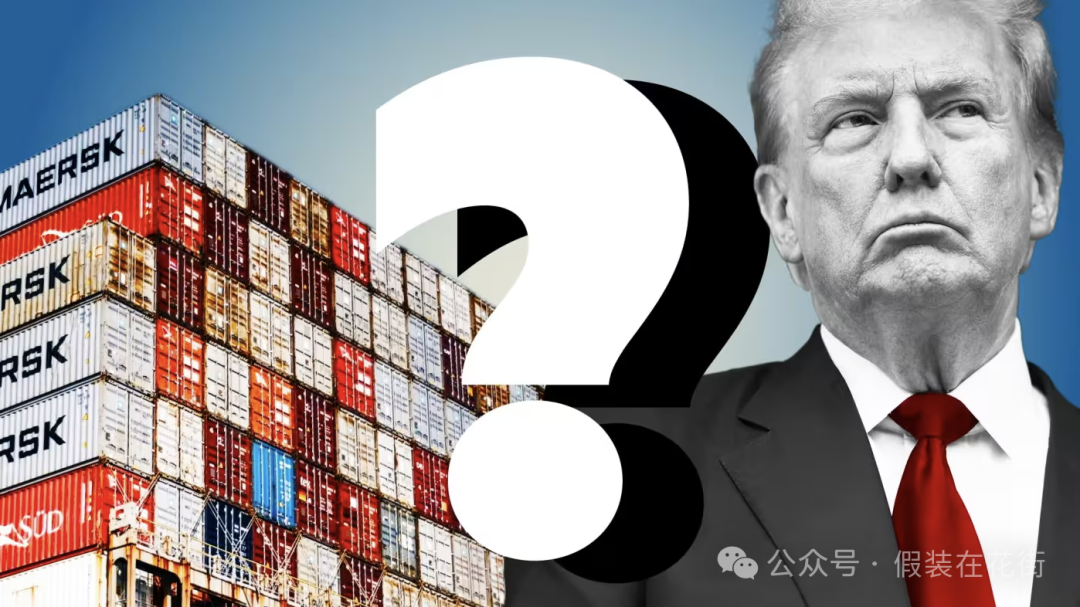
Secondly, we need to pay attention to the lagging impact of tariffs:
- At the beginning of February, the U.S. imposed a 10% tariff on imported goods from China, affecting furniture (32% of imports), clothing (26%), and electronics (21%).
- This is expected to lead to a rebound in February's core goods inflation (excluding used cars) to 0.2% (from -0.1% in January), with educational products reflecting this most clearly, showing a month-on-month increase of +2.8% (only 0.1% in January); some companies may have stockpiled in advance, causing short-term price fluctuations, but this is not sustainable.
The future risk lies in the fact that import data typically lags by 1-2 months; even if this data does not reflect the related impacts, the CPI in March-April is likely to face a second shock.
This is because the average shipping time from China to the U.S. is 25-35 days, meaning goods shipped after February 1 will only arrive at the port in early March; then it takes 1-2 weeks to complete customs clearance, with the new tariff costs starting to be included in wholesalers' costs from mid to late March; U.S. retailers are currently selling mostly inventory from the fourth quarter of 2023 (without tariff costs), and newly purchased goods subject to tariffs will only enter retail sales starting in April.
Therefore, the CPI in March-April will be the real test.
Home goods: Wholesale costs will rise in March, and retail prices may adjust in April-May (expected month-on-month +0.3%-0.5%);
Clothing: Spring clothing costs will rise by 5%-8%, and the clothing component of the CPI may turn positive month-on-month in April;
Consumer electronics: Prices for mobile phones and computer accessories will increase by 3%-5% starting in March (for example, Anker chargers have announced a price increase in April).
Historical Reference: Insights from the 2018 Tariff War
In July 2018, the U.S. imposed a 25% tariff on $34 billion worth of goods from China, and the impact of tariffs on CPI typically reaches its maximum two quarters after the policy takes effect.
- CPI rose with a lag of 3 months: Clothing CPI jumped 0.5% month-on-month in October 2018 (previous value 0.1%);
- Peak lagged by 6 months: Home goods CPI rose to 3.2% year-on-year in January 2019 (1.5% before tariffs).
Therefore, if the market only focuses on the February data and believes that "the worst is over," it may sow the seeds of misjudgment; this is mainly due to the recent rapid decline in bond yields, and the market's risk-averse behavior in the stock market has diluted inflation expectations, with rate cut expectations still hovering around two times, so it somewhat prices in the general situation of this inflation data. If this data meets expectations and the interest rate market's rate cut expectations remain unchanged, it can be considered that the market has underestimated the risk of inflation rebounding.
If the core goods inflation in March rebounds to over 0.4% (high probability), it may trigger the Federal Reserve to reassess the conclusion that "inflation is under control," and the expectation of rate cuts in 2025 may once again completely disappear.
Additionally, the previously released January non-farm payrolls showed an annual increase of +4.3% in hourly wages, and the high labor costs in the service industry may force price increases, raising the risk of a wage-inflation spiral, which is also a development to watch beyond tariffs.
High-frequency data to track:
U.S. Import Price Index (to be released on March 15): directly reflects tariff costs;
Retailer earnings call (such as Walmart, Best Buy in April): pay attention to management's statements on price increases.
免责声明:本文章仅代表作者个人观点,不代表本平台的立场和观点。本文章仅供信息分享,不构成对任何人的任何投资建议。用户与作者之间的任何争议,与本平台无关。如网页中刊载的文章或图片涉及侵权,请提供相关的权利证明和身份证明发送邮件到support@aicoin.com,本平台相关工作人员将会进行核查。


