The cryptocurrency industry is a multi-faceted beast.
Written by: The Digital Buffets
Translated by: Block unicorn
When my non-crypto acquaintances ask me about my fascination with cryptocurrencies, I often have to pause and think about how to explain it.
The cryptocurrency industry is a multi-faceted beast. It has a deep technical core, involving different fields such as cryptography, computer science, and protocol development. It also has a highly financialized appearance, with its most prominent feature being the circulation of liquidity and the associated currency value. But the aspect of cryptocurrency that fascinates me the most, and is also the most difficult to explain, is its cultural potential.
The use of the word "potential" is deliberate. Because we have not yet reached that stage. Cryptocurrency culture is still in its infancy, prone to hysteria, and susceptible to the influence of cult-like figures, charlatans, and outright criminals. Even in its mildest moments, the cultural scene here seems to be filled with nonsense and empty rhetoric.
Nevertheless, I believe that all of the above are features rather than flaws. With or without cryptocurrencies, modern life is already full of nonsense—it permeates our popular culture and even our workplaces. Where money goes, all sorts of swindlers follow. Therefore, cryptocurrency is not inherently more prone to fraud or rogue behavior. It's just that its open and permissionless nature allows our most basic and mediocre roles to operate without guilt.
The purpose of this article is to share my perspective, explaining why despite these shortcomings, I still believe that cryptocurrency has more cultural potential. I also want to do this in a non-technical but thoughtful way, so that those unfamiliar with the field can easily understand.
In this regard, I want to provide an alternative framework for thinking about cryptocurrency—it should not be seen as a place to be abhorred or opposed at all costs, but rather as an open, free forum where anyone can use the tools available to nurture more enduring and vibrant forms of digital culture.
My basic premise is this:
Cryptocurrencies provide an improved set of tools for cultural production on the internet.
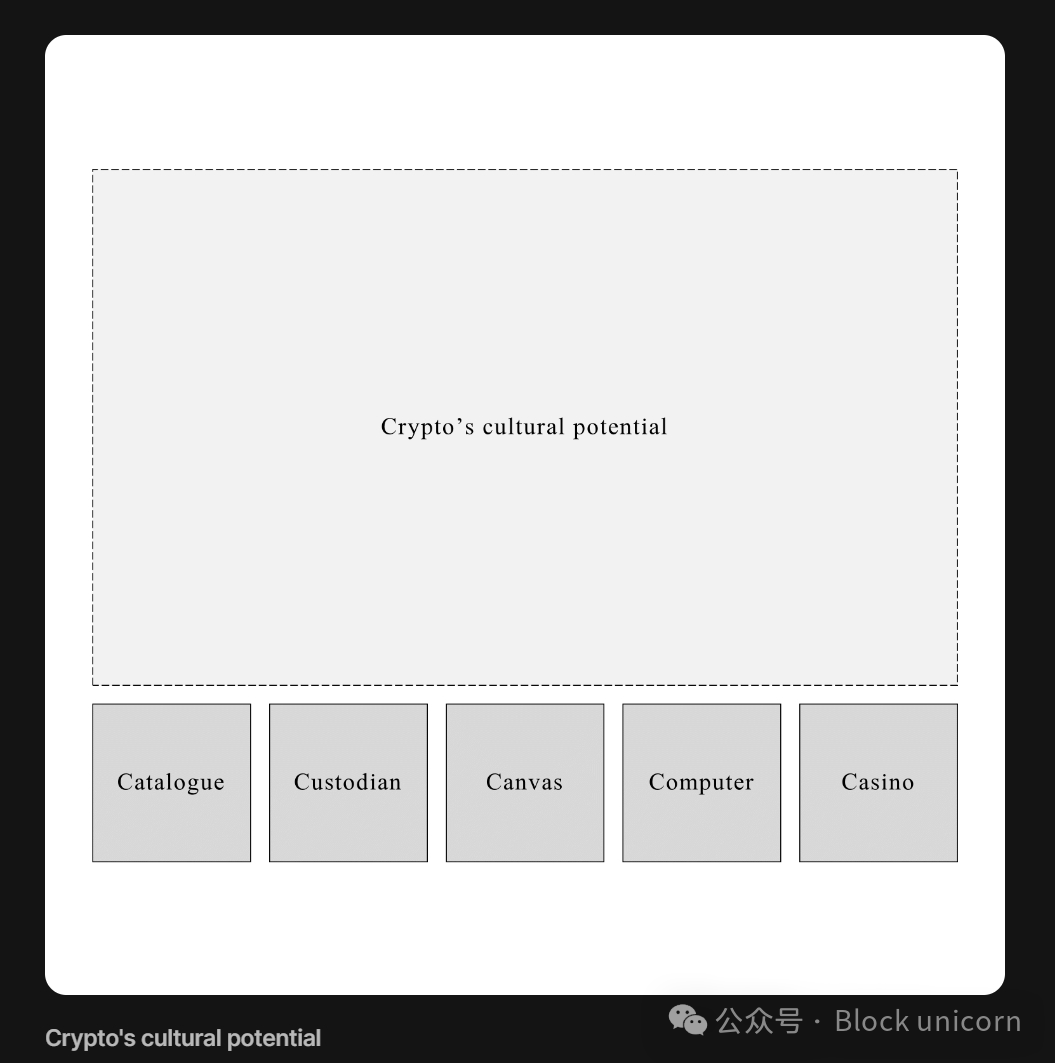
You can conceptualize these tools according to five "Cs," representing the functions of blockchain as: (i) catalogue, (ii) custodian, (iii) canvas, (iv) computer, and (v) casino.
Anyone can freely use these tools to contribute to digital culture, ultimately creating something meaningful that can be passed on to future generations.
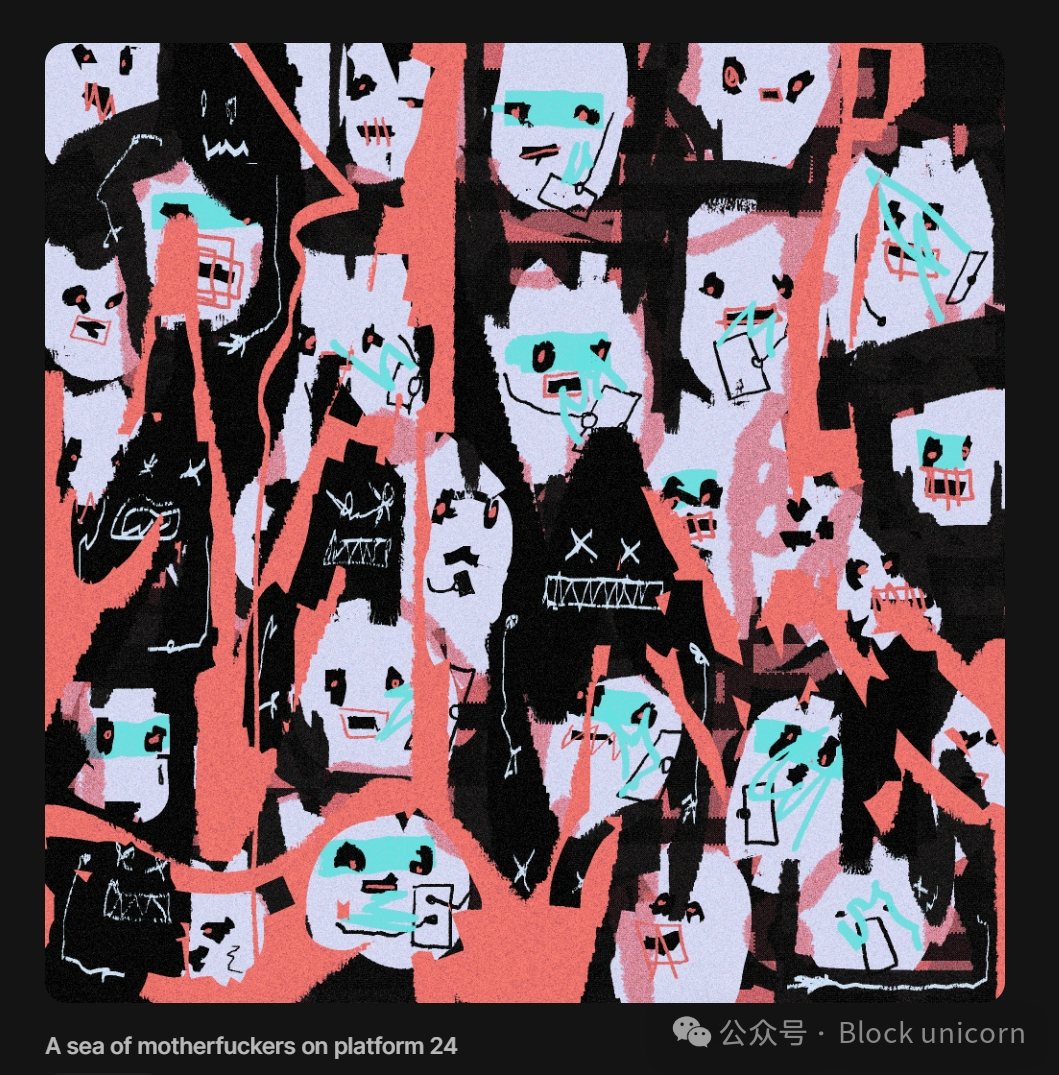
"A sea of motherfuckers on platform 24" (2019) is a work created by XCOPY, reflecting the artist's unique aesthetic of glitches—visually stunning, thematically chilling, and with a strong and sharp characteristic that unmistakably belongs to XCOPY.
This anonymous artist had been regularly posting his animated works on Tumblr for nearly a decade before his first auction in 2018, amassing a fervent fan base that laid the foundation for his explosive success in the cryptocurrency art field in recent years. Many of his works use casual and humorous titles to further enhance their effectiveness, often touching on contemporary cultural trends, especially those related to cryptocurrency themes, as seen in "All Time High in the City" (2018) and "Right-click and Save As guy" (2021).
What is culture?
Sociologist John Scott defines culture in "A Dictionary of Sociology" as "everything that is transmitted in human society, social rather than biological." I like this definition because it is concise and to the point. Culture is essentially everything we transmit to others through non-biological means, whether material or immaterial, such as stories, art, music, and other shared practices or rituals.
The development of culture takes time, usually only forming "culture" after objects, practices, or ideas have been passed down through generations. However, in the context of digital culture, this time dimension has been greatly compressed. Consumer internet has not existed for more than one person's lifetime. Due to the speed at which information flows online and the rapid changes in the infrastructure and interfaces we use to interact with the internet, digital cultural artifacts or experiences are also more fleeting.
As you mentioned, forum signatures or "sigs" are banners that users can attach to their posts on online forums, and they were very popular on online gaming forums when I was in my teens. I remember creating many of these signatures and posting them on the forums I participated in to increase interaction. There were even competitions where we could "duel" with other users to see whose submitted signature could get more votes. Unfortunately, as the years passed and I changed computers, I lost my signatures, and the ones I uploaded to image hosting websites have long disappeared. Many of these gaming forums have also closed down as other platforms attracted the attention of subsequent generations of teenagers.
Therefore, the ebb and flow of digital culture is very real. Many online items or experiences simply cannot withstand the test of time, as the internet is easily subject to decay on a scale.
The 5 Cs of Cryptocurrency
I emphasize the transience and volatility of digital culture not because I believe that cryptocurrencies can completely mitigate these structural conditions (they cannot), but because I believe they provide a set of well-balanced tools that can help improve the process of cultural production on the internet, despite these conditions.
The mindset I have towards the cryptocurrency cultural production toolbox can be summarized using five Cs, each representing an analogy for the functions of blockchain. I believe this provides a simple yet comprehensive framework for appreciating the potential of cryptocurrencies as drivers of digital culture.
(i) Blockchain as a Record
Conceptually, blockchain is not difficult to understand. I like to describe them simply as databases with some special properties. In short: the data stored on a blockchain is distributed across the network (decentralized), anyone can add data to it (permissionless), as long as they follow the rules specified in the codebase, and the data can be seen by everyone (transparent), but no one except the data owner can tamper with the data (censorship-resistant).
Open and Verifiable Records
These special properties make blockchain inherently suitable for use as a record for online cultural artifacts.
The transparency of the blockchain allows anyone to view these records, aligning with the open nature of the internet. The lists in such records are not static and automatically update as people transact with the listed items. Additionally, anyone can query the entire transaction history involving each listed item on the blockchain, contributing to a more open market around online cultural items.
The permissionless nature of the blockchain also means that anyone can contribute to the lists. The low barrier to adding to such records on the blockchain makes them less susceptible to gatekeeping, which will help make digital culture more accessible and participatory.
Given the censorship-resistant nature of the data on the blockchain, users can also have greater confidence that the lists on the blockchain are authentic. While the blockchain cannot fully ascertain the origin of off-chain digital objects, as some trust assumptions are still needed to link blockchain addresses to specific creators, they provide an almost unforgeable relationship between digital items on the blockchain and blockchain addresses. This alleviates the burden of verification for users—if we see creators have published their blockchain addresses on multiple independent sources, such as social media and digital art galleries or secondary markets, we can reasonably ascertain that items created from their blockchain addresses are authentic.
The operation of such lists on the blockchain is based on the use of common technical standards. For Ethereum and similar smart contract blockchains, this is achieved through tokenization. The ERC-721 token standard (or equivalent standards on other blockchains) allows digital information to be tokenized into non-fungible tokens (NFTs), each NFT serving as a listing in the catalog. For Bitcoin, the OPRETURN allows digital information to be etched onto individual satoshis (the smallest subdivision of Bitcoin). Each etched satoshi (also known as an OPRETURN) is similar to a listing in the catalog.
Interoperable Records
Because such lists are based on common technical standards, namely NFTs or OP_RETURN, their related records can be interoperable across multiple platforms on the same blockchain. You can browse and transact them using different applications, similar to how a jpeg file can be opened and edited by multiple image viewing or editing software.
This interoperability is a powerful feature as it allows the distribution of cultural items on the blockchain to be decentralized across multiple platforms and markets, such as OpenSea, Blur, and Magic Eden. As creators and consumers of these items, we can choose which platform or market to use based on our needs. We are not bound by the policies of a single market, nor are we catastrophically affected by platform outages.
In conclusion, as an open, verifiable, and interoperable digital item catalog, cryptocurrencies have the potential to become a comprehensive map that helps participants navigate online culture. I believe this is powerful because it gives us more autonomy to decide how we want to produce and consume this culture. This is why I think we should start consciously building the starting point of on-chain culture.
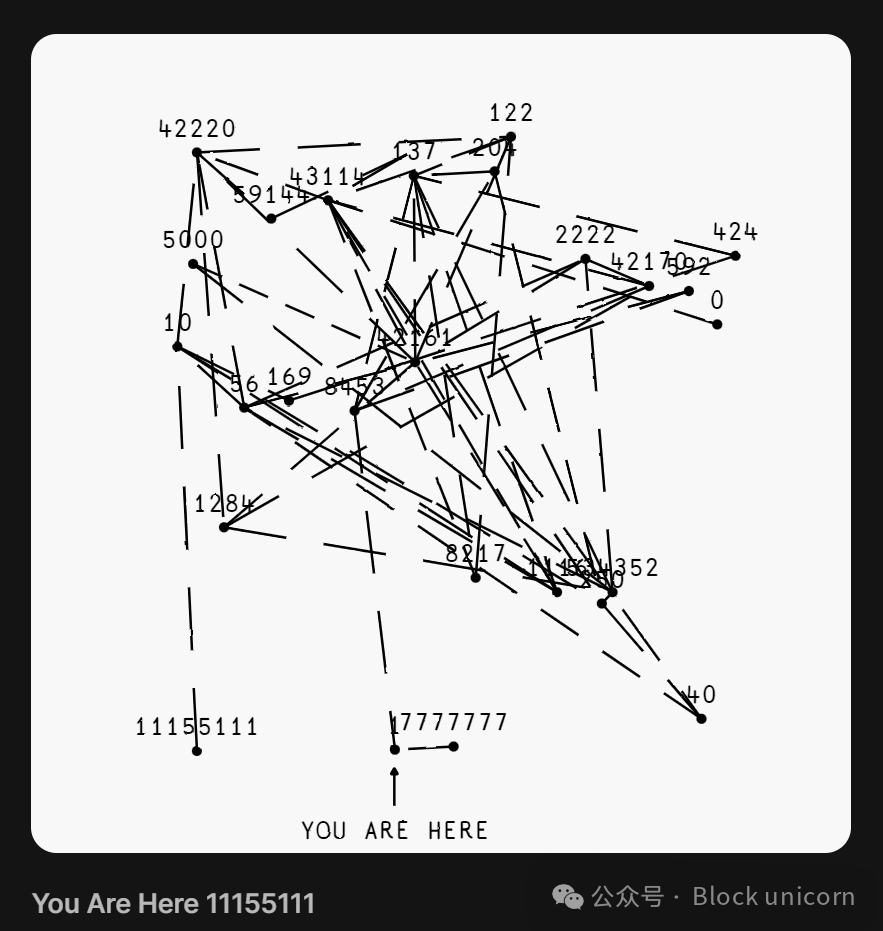
"You Are Here (2024)" is a conceptual artwork created by 0xfff, exploring the theme of interoperability across different blockchains in different ways. With the help of LayerZero (a protocol that enables applications and tokens to interoperate across blockchains), tokens in each project can be bridged across several blockchains compatible with the Ethereum Virtual Machine (EVM). Each time a token is transferred through bridging, a record is left behind, like an archive, tracing the bridges it has crossed and the boundaries it has crossed.
In the showcased artwork, "You Are Here 11155111" is owned by the artist. Among the 34 tokens in the project, it has been bridged the most times (66 times) at the time of writing this article. Its intricate pathways resemble a map that people often walk. Overall, they imply that due to the interoperability of blockchains, creators can use a vast space to design new and interesting cultural experiences.
(ii) Blockchain as a Custodian
In addition to being a catalog, the blockchain also acts as a custodian. It allows us to own digital items.
Think about this, especially how contradictory it sounds. Digital items are inherently replicable—anyone can "right-click and save" a digital file, creating an infinite number of copies on the internet. Therefore, ownership of such online digital items has always been very fragile.
Digital Items as Property
The blockchain can help separate ownership and usage rights of digital items. You can view NFTs or OPRETURN as tamper-proof ownership certificates on the blockchain. Since only the person controlling the private key of a blockchain address can transact with that address, as long as you control the private key, you absolutely own any NFTs or OPRETURN held by that blockchain address. The NFTs or OPRETURN you hold cannot be held by any other blockchain address. Therefore, digital items associated with NFTs or OPRETURN can be owned just like any other physical property.
In fact, the Singapore court has recognized NFTs as property, paving the way for legal enforceable property rights for owners over their digital assets (including financial and cultural) on the blockchain.
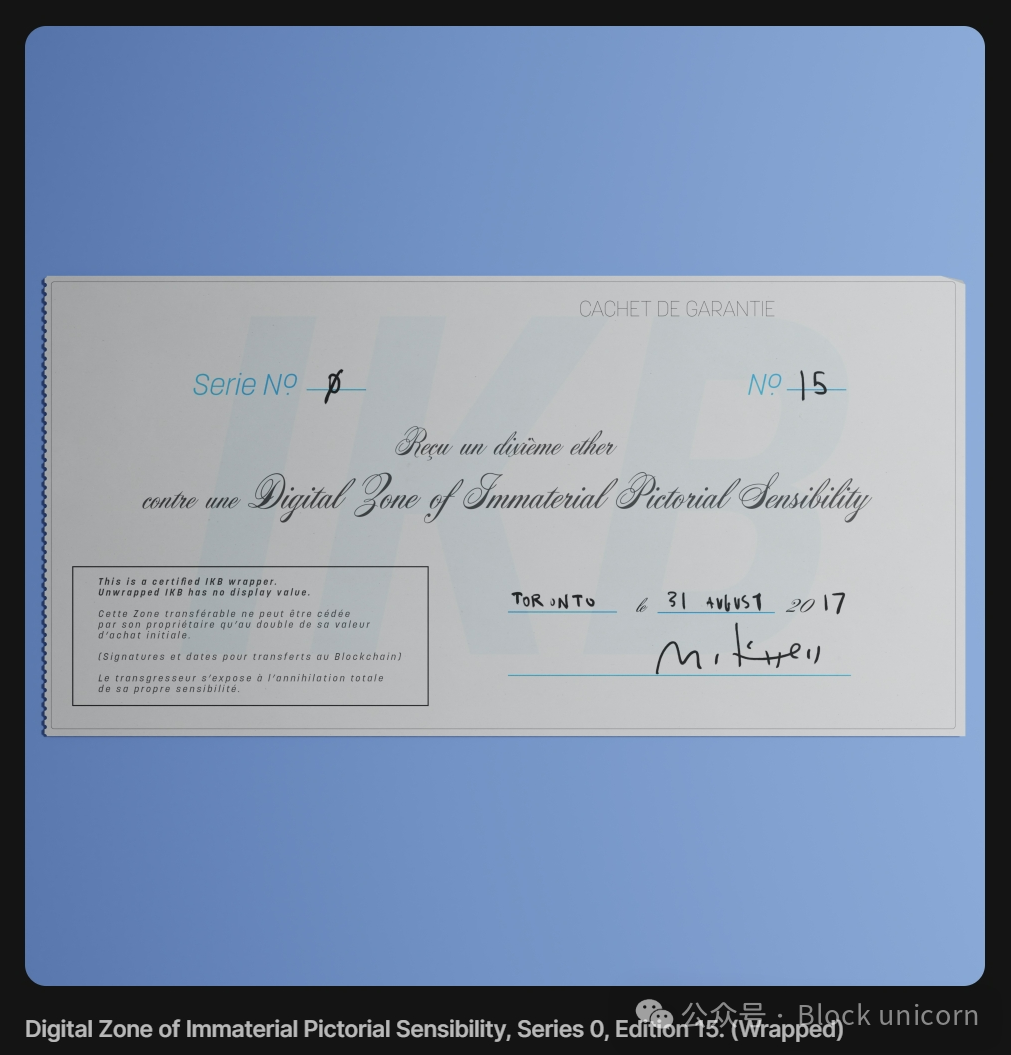
"Digital Zones of Immaterial Pictorial Sensibility (2017)" is a conceptual artwork by Mitchell F. Chan, imitating Yves Klein's "Zones of Immaterial Pictorial Sensibility (1958-1961)," which raised many questions about the nature of ownership.
Yves Klein created several "zones" composed of space that could only be purchased with pure gold. After purchase, Klein would issue a receipt to each collector, and then they had two choices: (i) keep the receipt, or (ii) participate in a ceremony on the banks of the Seine in Paris, where the collector had to burn the receipt, and Klein would throw half of the gold into the river in front of witnesses. For Klein, true ownership of the artwork meant that the work had to be fully integrated with the owner, making it essentially and absolutely theirs. This meant that the physical record of the artwork, the receipt, had to be destroyed so that the work could not be resold and exist independently of the original owner.
For "Digital Zones," Mitchell F. Chan created 101 pieces that display a pure white blank screen when viewed online. Each piece can only be purchased with ETH through the artist's smart contract on Ethereum, and in return, the collector receives a token. Similar to Klein's ceremony, collectors can choose to destroy their tokens through the ceremony function on the artist's smart contract, and Mitchell will accordingly send the ETH away.
Mitchell transformed Klein's "zones" into a digital environment, emphasizing the increasingly immaterial trend in our contemporary culture, where virtual experiences have been accepted as substitutes for physical experiences. In this context, the artwork invites us to consider the separation of the commodity form of the artwork from its experiential form (both of which are intangible in different ways) and how this affects the relationship and value of the artwork for collectors. In fact, one has to ask: what do we truly own when we purchase an intangible digital artwork's NFT? (Note: Mitchell also published a 33-page article to accompany this artwork, which is worth reading if you are interested in more details about Klein's "zones" and his work.)
Tangible Ownership, Infinite Distribution
Even though cultural items on the blockchain can now be legally or practically owned, they still retain the functionality allowed by their digital nature, i.e., their replicability and shareability. In other words, cultural items on the blockchain can be both abundant and scarce at the same time. They can be widely distributed and used, while each item can only be owned by one blockchain address at a time.
This unique combination of attributes subverts our traditional notions of the value of property. In the digital environment, tangible scarce items may not necessarily be seen as more valuable, and in fact, the more they are shared, the more valuable they may become. After all, not everything online can go viral.
Writer and cultural researcher McKenzie Wark wrote about this in the context of art collecting:
"What's interesting is to think about how the specific shareable nature of digital items can be turned into an advantage, making them also collectible. Paradoxically, items that are widely shared are rare items, because few items are widely shared. This can be used to create value for art that is not rare and unique in the traditional sense. The future of collecting may not be about having something that no one else has, but about having something that everyone has."
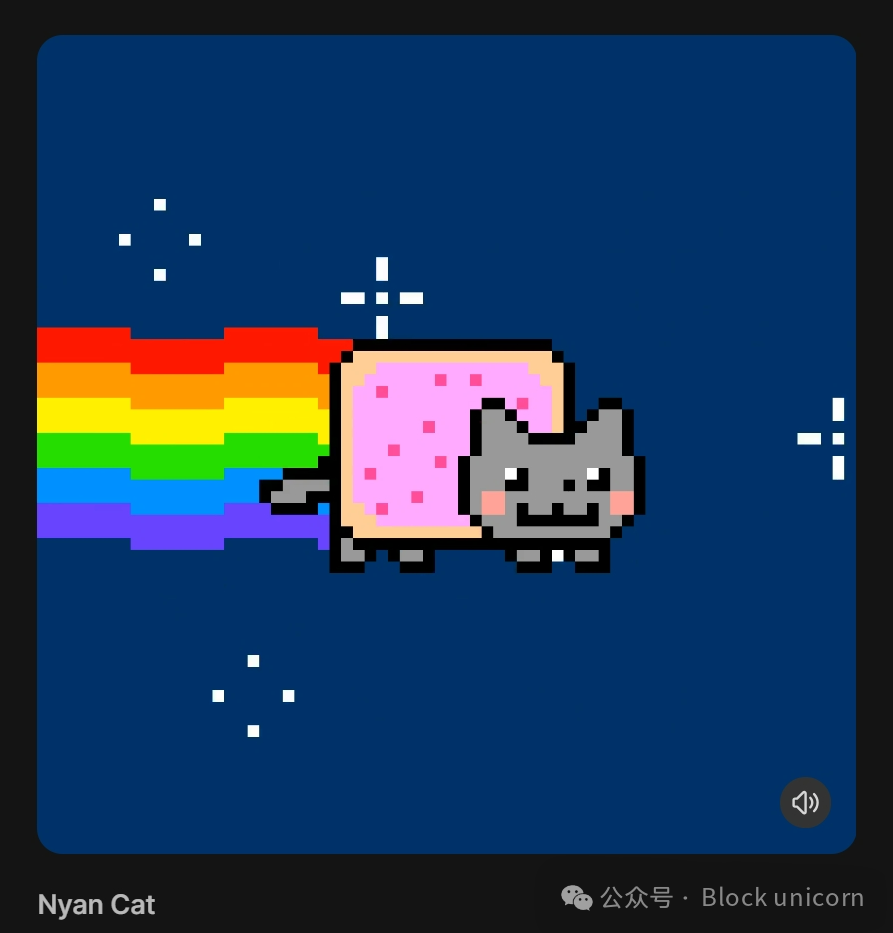
Nyan Cat is a popular internet meme, featuring an animated cat with a body resembling a cherry pie, flying through outer space with a rainbow trail. On the tenth anniversary of Nyan Cat's initial release (April 2, 2011), its creator Chris Torres recreated the animation and auctioned it as an NFT. The final winning bid was 300 ETH, indicating that popular internet memes can bring significant value.
Custodians of Ownership, Managers of Value
By acting as custodians of the necessary information to prove ownership, the blockchain not only enables digital cultural items to be easily transacted online but also makes it easier to accumulate value as native digital assets. Just as physical property in the real world supports the vast accumulation of wealth in our society, property in digital culture will also become the foundation for growing, maintaining, and distributing value on the internet.
When we can have stronger and more secure ownership of our assets through the custodial function of the blockchain, we can be assured that we will make every effort to maximize their value. As the blockchain becomes the custodian of digital culture, the owners of cultural assets (at least those with long-term thinking) will naturally be incentivized to become their managers.
It would be interesting to see if ownership on the blockchain can drive coordination between creators and consumers of cultural items and create a space for unlocking new forms of creativity and collective meaning for financial and cultural capital. If this situation can persist in the long term, I am optimistic that this coordination can have a positive impact on the development of digital culture.
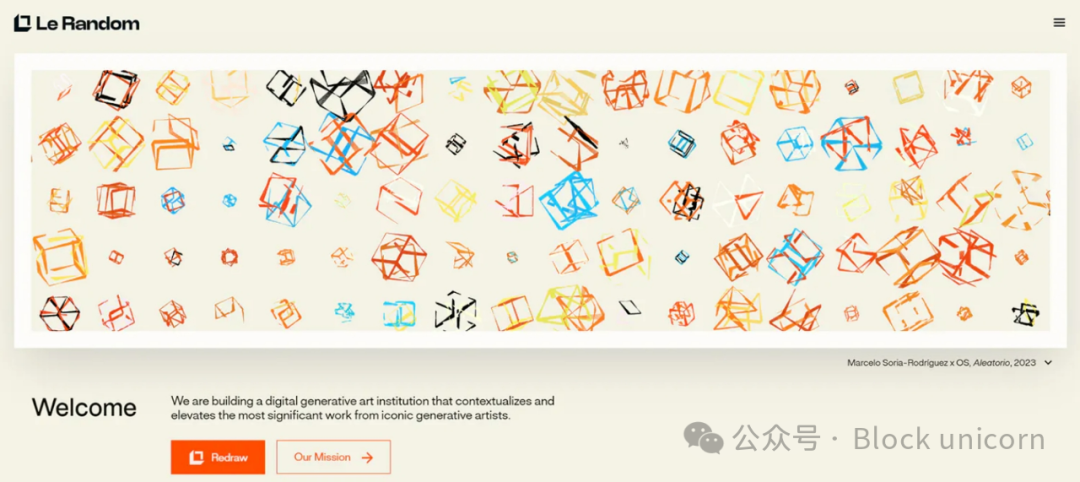 Screenshot of the Le Random website homepage
Le Random was founded by anonymous digital art collectors thefunnyguys and Zack Taylor and is positioned as the "first digital generative art institution," consisting of two parts: (i) a collection of generative art on the blockchain, conveying the depth and breadth of the generative art movement; and (ii) an editorial platform aimed at understanding the movement's place in art history and celebrating its cultural significance. The name "Le Random" pays homage to the late generative artist Vera Molnar, who once said that randomness was a key part of her practice.
Le Random's attention to collecting, contextualizing, and elevating generative art on the blockchain is remarkable. Its impressive collection is meticulously cataloged and beautifully presented on its website. The generative art timeline being developed by Le Random's editor Peter Bauman also provides an impressive gallery of generative art, from the origins of pre-modernism to the current era using the blockchain as an artistic medium. The editorial articles on the Le Random website are also in-depth and timely, including detailed commentary and profound interviews with artists. Overall, Le Random is an outstanding example of a blockchain digital art collector and a passionate manager in the field.
(iii) Blockchain as a Canvas
The blockchain is not just a platform for online transactions and ownership of cultural items; it should also be seen as an independent creative medium. It is a canvas that can link or directly etch data (the building blocks of our digital culture).
In most cases, digital items cannot be fully stored on the blockchain. Due to the cost of uploading large amounts of data within the limited storage space of the blockchain, the actual media files underlying NFTs are usually hosted off-chain, for example, on decentralized file storage platforms like InterPlanetary File System (IPFS) or Arweave. If these files on external storage platforms are damaged or completely lost, it would render such NFTs as pointing to non-existent tokens.
Despite this risk (which can be mitigated to some extent for IPFS-based NFTs through pinning), I still believe that the blockchain can serve as a fascinating canvas for digital culture.
Dynamic Digital Items
For me, the appeal of digital items on the blockchain goes beyond just viewing tokens as constructs pointing to media (such as images, videos, or songs). What is fascinating is that digital items on the blockchain can actually become dynamic in meaningful ways, even as the ownership of these items remains unchanged.
The design space for these dynamic digital items is very broad. Creators can design these items so that the cultural information they embody can transform based on the owner's input or in response to other events on the chain. This makes digital culture vivid for individual owners or consumers, giving them the ability to shape digital experiences while also connecting them to a larger shared reality.
These dynamic digital items have clear use cases in gaming, which has already played a significant role in our digital culture.
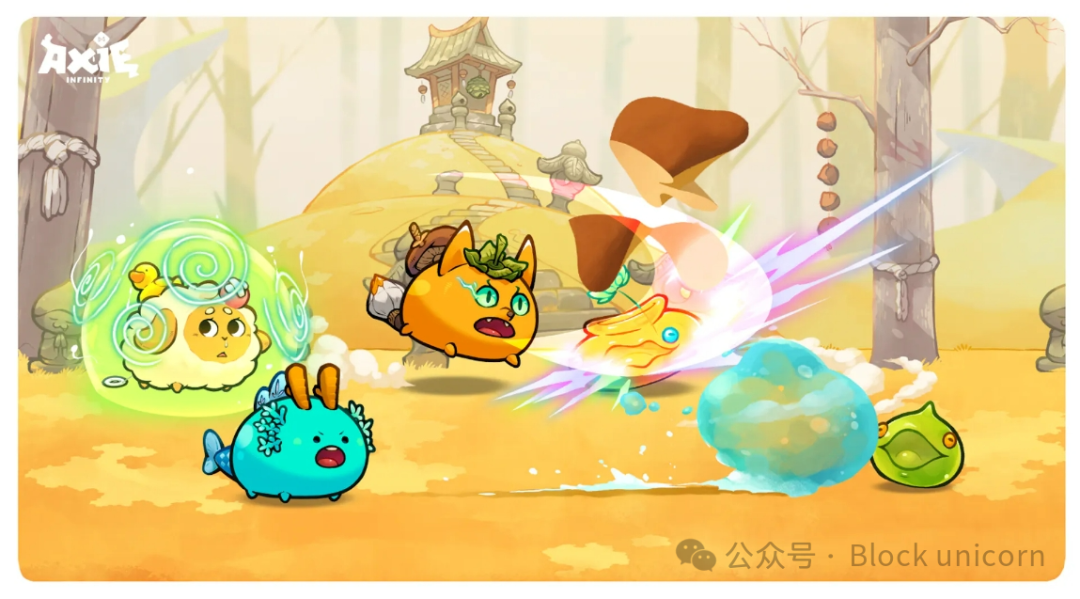 Image source: Sky Mavis' Axie Infinity media kit
"Axie Infinity" is a blockchain-based game centered around playable characters called Axies, which can earn in-game resources and collectibles through battles and breeding. Each Axie is represented by an NFT on the Ronin blockchain and can be upgraded using points called Axie Experience Points, earned through gameplay. Axies with higher levels will be able to upgrade more parts, effectively making them dynamic NFTs that can improve over time, effort, and skill.
Other use cases include collectibles that respond and interact within their digital environment; and in the art field, artists using mechanisms related to cryptocurrencies to provide commentary or viewpoints on the blockchain as a creative medium and shared cultural space.
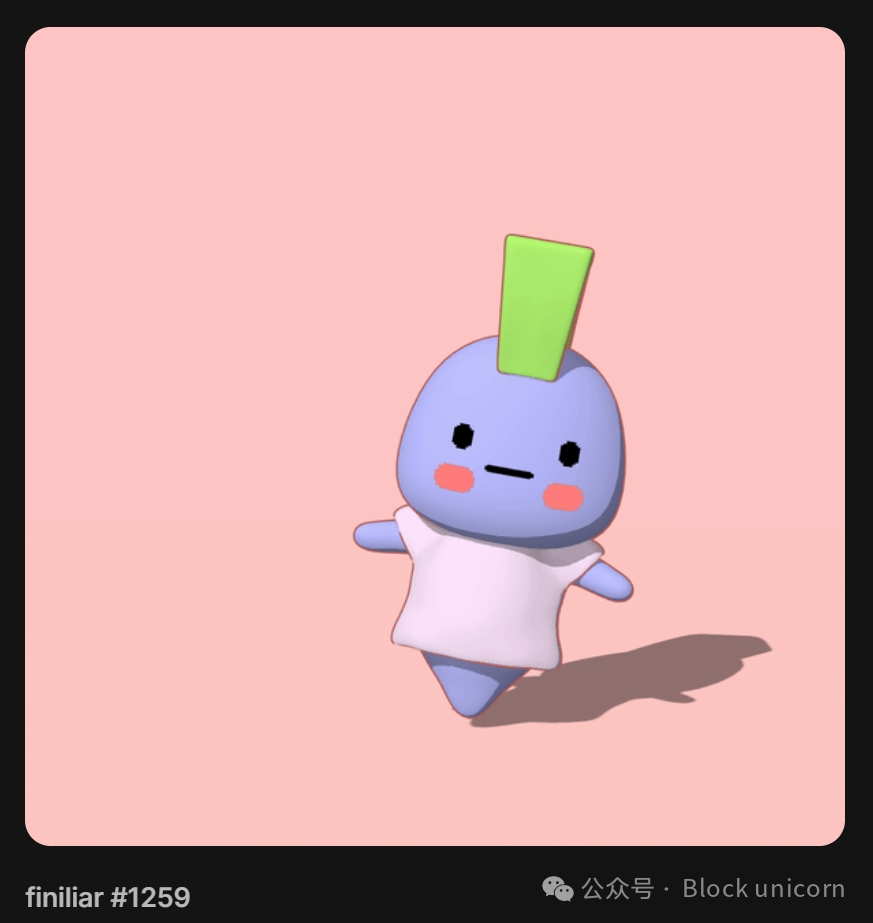
Finiliars (or Finis for short) are a group of digital characters that change their emotions and expressions based on the fluctuation of specific cryptocurrency prices. Finis was originally created and exhibited by artist Ed Fornieles in 2017 and was later updated, expanded, and released as NFTs in 2021. Overall, Finis aims to depict the abstract financial flows that make up global capital, particularly in the realm of cryptocurrencies. Their adorable appearance also prompts us to form an emotional connection with them, forcing us to reflect on the relationship between empathy and financial investment.
The Fini project team also collaborated with other crypto projects to release special editions of Finis. For example, Zapper Finis (Frazel and Dazel) is an open edition NFT released in collaboration with Zapper, a platform that helps users track the value of their cryptocurrency investment portfolios. The expressions and actions of Frazel and Dazel reference the changes in their owners' portfolio values.
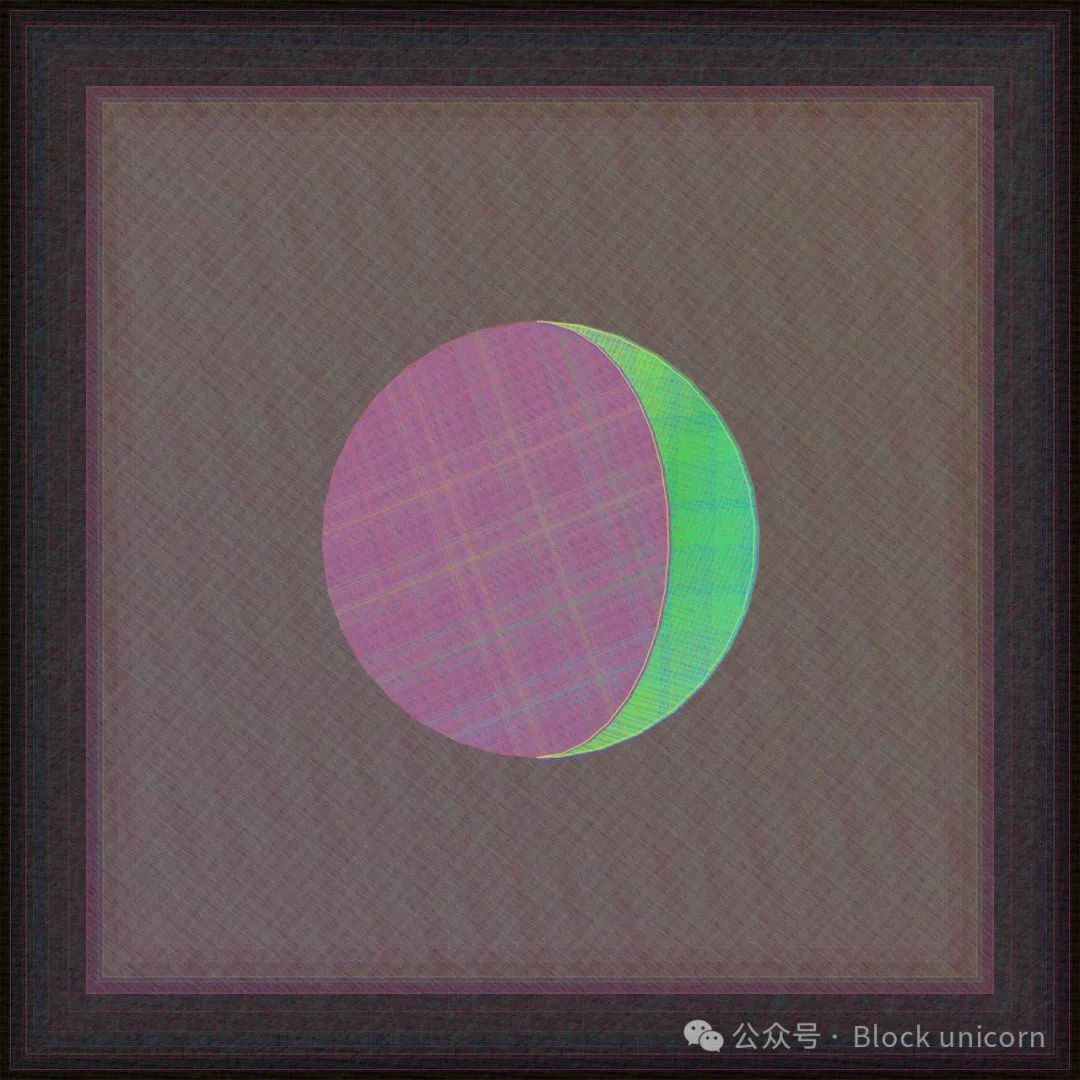
"Gazers" (2021) is a large-scale generative art project created by Matt Kane, consisting of 1,000 code-based artworks released on the Ethereum blockchain via Art Blocks. Each artwork references a lunar calendar and dynamically evolves with the changes of each day and lunar phase. "Gazers" uses the long-standing connection between humans and the moon as a marker of time, emphasizing the transience and urgency of the present moment while prompting us to look up and reflect on the future—towards our own lunar version.
Gazers #751, as shown above in its static version, was recently acquired by anonymous digital art collector Kanbas. During the solar eclipse visible in North America on April 8, 2024, Kanbas released a video showcasing Gazer #751 burning with a flickering halo (see the tweet below). This remains a stunning sight and demonstrates how digital art on the blockchain provides dynamic experiences that pleasantly connect our digital and physical realities.
Durable Digital Items
On the other hand, there is another interesting subset of digital items on the blockchain that are designed to be highly durable, making them almost eternal or immutable.
The notable feature of these durable digital items is that they will continue to exist as long as the underlying blockchain remains operational. This is because the basic data required to render these digital items is directly stored on the blockchain, so they have minimal external dependencies.
In some cases, these items may still rely on widely distributed databases or development tools, such as some generative art NFTs on Art Blocks. However, overall, the blockchain provides a comprehensive canvas for these items, within which they need to have all the necessary resources to achieve their intended expression.
For on-chain NFTs on Ethereum and similar smart contract blockchains, they do not point to off-chain or externally hosted media files but only link to on-chain data, which is typically stored in smart contracts on the same blockchain. For Bitcoin, the data behind the UTXOs is directly recorded as metadata in specific satoshi transactions. In this regard, all UTXOs are almost always immutable, unlike NFTs, which depend on the data they link to.
Nevertheless, what interests me conceptually about these on-chain digital items is the dimension of time—how they force us to consider the longevity of our digital experiences, which are often fleeting. Our most Lindy blockchain on-chain digital items, such as Bitcoin and Ethereum, are likely to outlive us by far. They may hibernate, but they will never die. Even if their owners lose the private keys, they will not disappear, just become immobile. *Block unicorn note: The Lindy effect (also known as the Lindy rule) is a theory that the longer something exists, the longer its continuation is likely.
Given this, I am indeed pondering the types of significance we will impart to on-chain digital cultural items that can outlast our individual lifetimes. What will their memory preserve as they have ownership and transactions on the blockchain? Over time, how will their on-chain persistence relate to their off-chain cultural heritage?
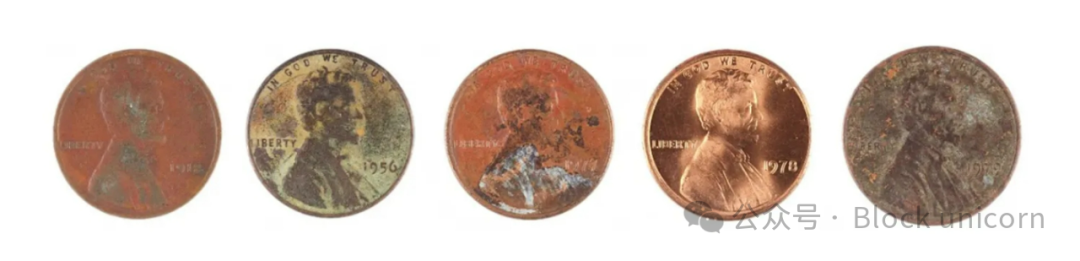
A selected five-cent piece converted to a UTXO. (Image source: sovrn.art)
Artist Rutherford Chang's "CENTS" (2024) centers around placing 10,000 US cents on 10,000 satoshis, using UTXOs as a medium to immutably link the smallest units of US dollars and Bitcoin. Inspired by the discrepancy between the metal value of copper pennies minted in 1982 and earlier (now about 2.5 cents) and their stated currency value (about 1 cent), the artist selected 10,000 out-of-circulation pennies and archived them. Their images were then immutably etched onto satoshis as UTXOs, while the actual coins were melted and cast into a solid copper block.
In addition to being a commentary on the perception of material and non-material value in different contexts, "CENTS" also reflects on the impact of time on value. Rutherford Chang himself had discussed the act of collecting pennies as early as 2017. More importantly, the historical sense conveyed by "CENTS" gives it significant weight. While each penny was homogenized at the time of manufacture, they now bear unique traces of the passage of time in the hands of successive owners. Therefore, "CENTS" can be considered a generative art piece, as collector become.eth wrote in a tweet, "shaped by the world's worn algorithms."
Furthermore, the story of each penny does not end with its transformation into a digital artifact, as it will have a new history on the blockchain, as an object of ownership and transaction in the new digital and real-world society. As an enduring digital item connecting multiple times and economic backgrounds, "CENTS" undoubtedly has the potential to become a leading art collectible on Bitcoin and be seen as a valuable store of value in the future. "CENTS" was launched in collaboration with Inscribing Atlantis and Gamma on sovrn.art.
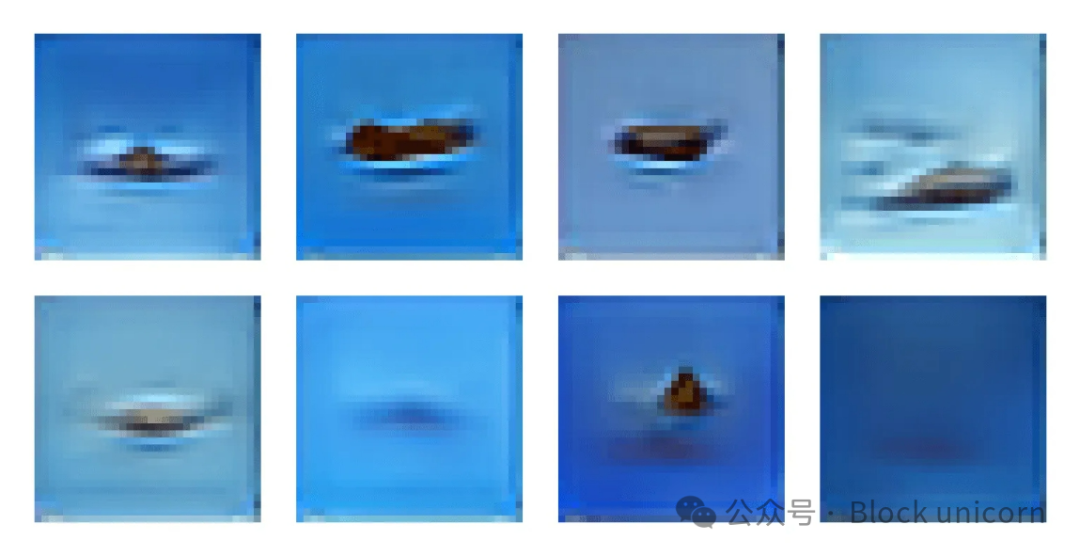 A set of 8 images created using the alignDRAW model based on the prompt "a large commercial airplane flying in the blue sky." (Image source: Fellowship)
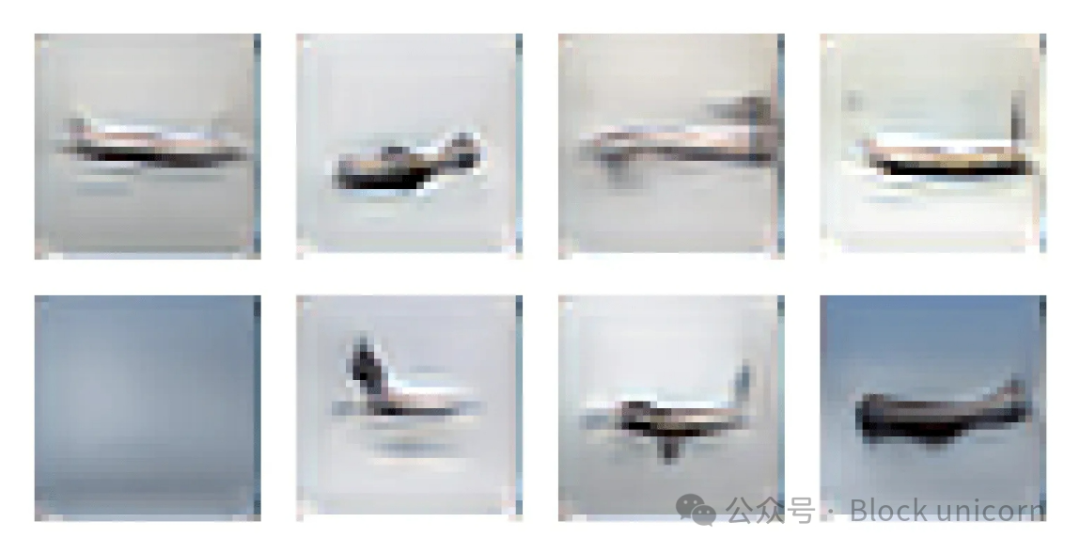 A set of 8 images created using the alignDRAW model based on the prompt "a large commercial airplane flying in the rain." (Image source: Fellowship)
alignDRAW is an AI model for text-to-image generation created by Elman Mansimov and the development team in 2015, developed after Elman completed his undergraduate studies in computer science at the University of Toronto. The model was published in a conference paper in 2016 and is widely regarded as the first text-to-image model, laying the foundation for today's various easily accessible AI tools for image and video generation.
As these generative AI tools continue to transform image creation and our visual culture, alignDRAW marks a milestone in this paradigm shift. In light of this, Fellowship collaborated with Elman Mansimov to mint all 2,709 images created from the alignDRAW model as NFTs on the Ethereum blockchain in 2023. 168 of the images were generated based on 21 unique text prompts, each set of 8 images, published in the 2016 paper. The other 2,541 images were generated based on 21 text prompts (15 of which are unique, and 6 match the prompts in the paper), uploaded to the University of Toronto website in November 2015.
Fellowship designed a technical architecture that allows each image to be stored on-chain in its original byte format without modification or enhancement. This was done progressively to take advantage of periods of lower Gas prices on Ethereum. By persistently and immutably storing alignDRAW images on the Ethereum blockchain, this approach affirms its historic role in leading the new era of human-machine collaboration in science and art.
Perceiving another interesting angle of on-chain digital items is how their creators work within the technical constraints of blockchain data storage. The artistry supporting these items lies in optimizing data to elegantly utilize every byte to realize the creator's creative vision, as described by data scientist and on-chain art artist Chainleft in an article: "On-chain art is a tribute to eternal belief, in the tiny, we capture the infinite." Indeed, from the bits and pieces of block space, we may be able to sow the seeds of more widespread and enduring forms of digital culture.
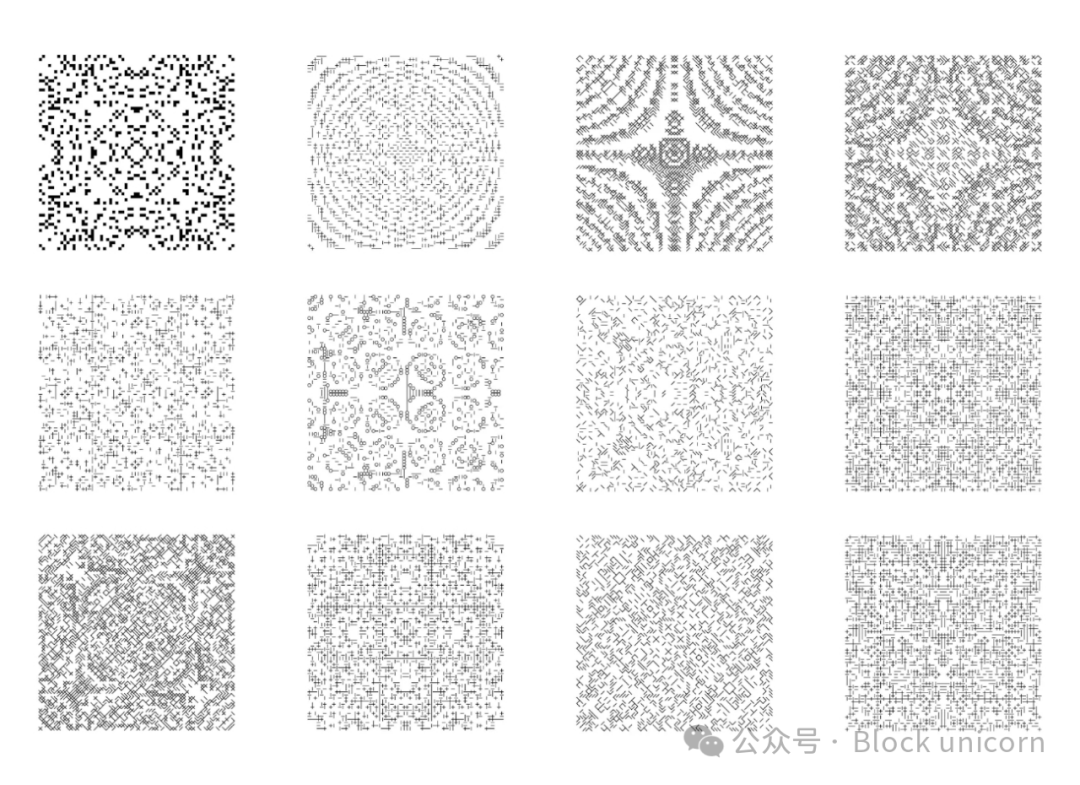
Larva Labs' Autoglyphs (2019) was initially an exploration of creating "completely independent" artworks that could operate within the strict data storage constraints of the Ethereum blockchain. The result was a highly optimized generative algorithm—entirely existing within a smart contract—that could generate ASCII-formatted text patterns. These text patterns could then be individually transformed into images based on instructions encoded in the smart contract.
This approach pays homage to early generative artists such as Michael Noll, Ken Knowlton, and Sol LeWitt, whose works provided a perspective of viewing artworks as systems rather than representative art pieces. In turn, Autoglyphs, as a native medium system, used for creating, owning, and distributing digital art on the blockchain, has inspired many generative artists to continue pushing the boundaries of blockchain as an artistic medium. It's no wonder Autoglyphs has been likened to prehistoric cave paintings on the chain.
Curated, a fund for collecting crypto art, also has a concise editorial article outlining the main features of Autoglyphs, which is a good starting point for understanding its visual output and its collectible value.
( IV ) Blockchain as a Computer
Further advancing the concept of the canvas, we can also view the blockchain as a computer.
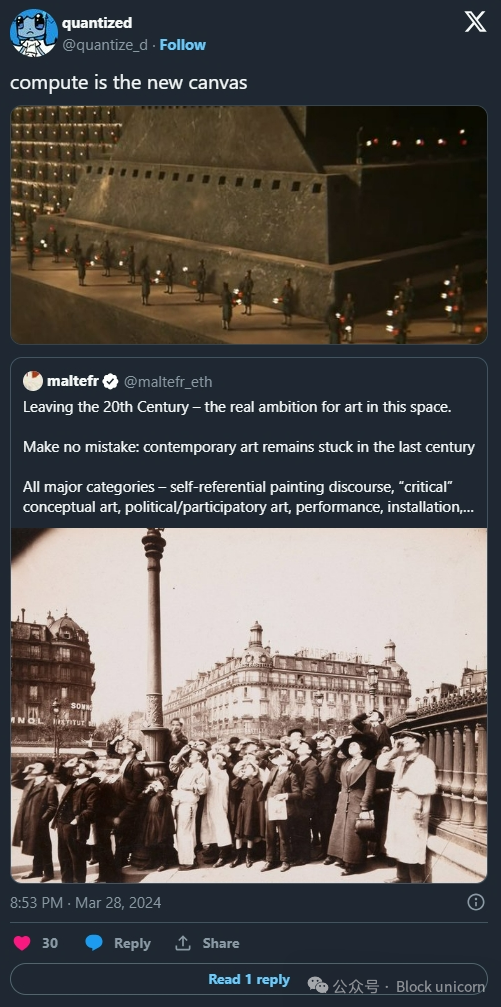
When I say computer, I don't just mean a processing device that simply executes instructions within fixed parameters, but a broader concept that can be traced back to the early personal computer vision proposed by computer scientist J.C.R. Licklider in the early 1960s at the Advanced Research Projects Agency (ARPA). In the early 1960s:
"Computers are destined to become interactive intellectual amplifiers for everyone worldwide."
There are two key concepts worth emphasizing here:
First, computers are not just information processors but also intellectual amplifiers—a platform that enables a more dynamic, simulation-based thinking approach, which is exactly what computing can achieve.
Second, computers are communication devices, empowering us to coordinate with others in a larger network.
Let's delve into how blockchain's computational possibilities shape digital culture in the context of exploring them.
Composable Digital Items as Cultural Amplifiers
Ethereum has been described as the "world computer" from early on. In this sense, Ethereum and other similar blockchains can be understood as distributed computing platforms on which applications can be built and run globally. This is achieved through the ability to deploy smart contracts on these blockchains, which can execute complex functions beyond just transferring tokens between accounts.
By running smart contracts on the Ethereum Virtual Machine (EVM) (or equivalent on other blockchains), which provides a general-purpose computing engine, the digital items created and controlled by smart contracts can be designed to be composable. In other words, they can be combined or constructed in different ways to unlock new use cases, much like how developers use application programming interfaces (APIs) to build more powerful software products.
Therefore, digital items on the blockchain not only represent dynamic software but can also dynamically connect to other items or applications on-chain. This composability makes digital items on the blockchain greater than the sum of their individual parts—as building blocks that can generate broader, more attractive, and possibly unprecedented digital experiences.
After all, components of digital culture rarely exist in isolation, even outside of cryptocurrency. The persistence of a particular cultural item or concept in the digital space is often because it easily integrates with other elements or is remixed to create derivative works, further drawing attention to the original item or concept. In fact, TikTok's rise as an entertainment platform is attributed to how its tools help simplify the process of video remixing, effectively transforming videos into composable media, fostering a network effect of creativity.
Returning to cryptocurrency, I believe composable digital items on the blockchain can serve as cultural amplifiers for digital culture. This is similar to how Licklider once envisioned computers as "intellectual amplifiers" by enabling new modes of thinking, such as "dynamic simulation," as described by computer scientist Alan Kay. In this regard, on-chain composability can enhance the blending process of creators and consumers, catalyzing new ways of creating digital culture.
On one hand, the blockchain allows for more robust tracking of connections between digital items on-chain, which helps facilitate ownership and other permission arrangements (e.g., Story Protocol and Overpass). This will also support the monetization of derivative works, ensuring that original creators and remixers receive appropriate compensation.
Beyond these practical benefits, on-chain composability can also open up new perspectives for artworks or cultural experiences. While we have only seen the initial results of these efforts, I hope this feature of the blockchain can become a catalyst for creativity in digital culture.
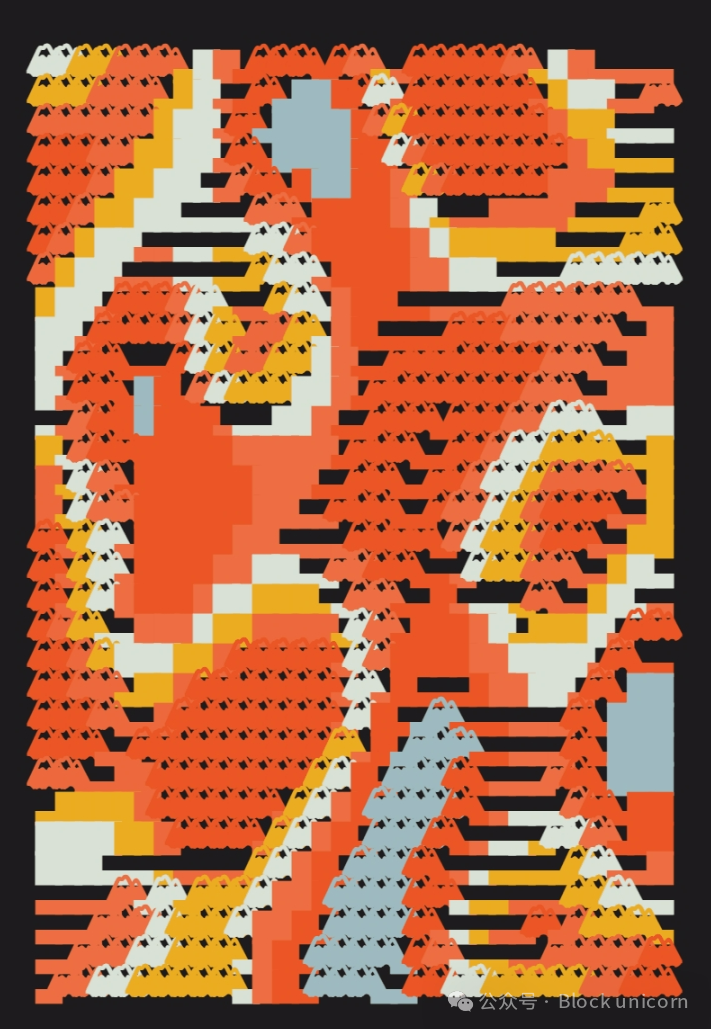
Terraforms (2021) is a blockchain art project by Mathcastles aimed at utilizing the unique computational advantages of the blockchain to create artworks that cannot be achieved elsewhere.
On the surface, Terraforms consists of nearly 10,000 on-chain animated land plots on the Ethereum blockchain, collectively forming a 3D world called "Hypercastle." However, its core artistic concept—using distributed computing as an art form—is expressed through its underlying technical infrastructure. As software engineer Michael Yuan excellently articulated in an article about Terraforms, it consists of a set of smart contracts used to store the original data of the land plots, define the structural parameters of Hypercastle, generate noise to add naturalistic rendering effects, and generate land plots at runtime.
This technical infrastructure supports composability on multiple levels. The original data contract can support other on-chain applications. The rendering contract allows for the generation of multiple independent versions of Hypercastle (multiverse!), while NFTs provide a canonical version of the superstructure for owners and the broader community to build tools around. The antenna mode introduced during the recent v2 upgrade will also allow land plots to receive "broadcasts" from other smart contracts (yet to be released), providing another way for interested parties to continuously reshape the terrain of Hypercastle.
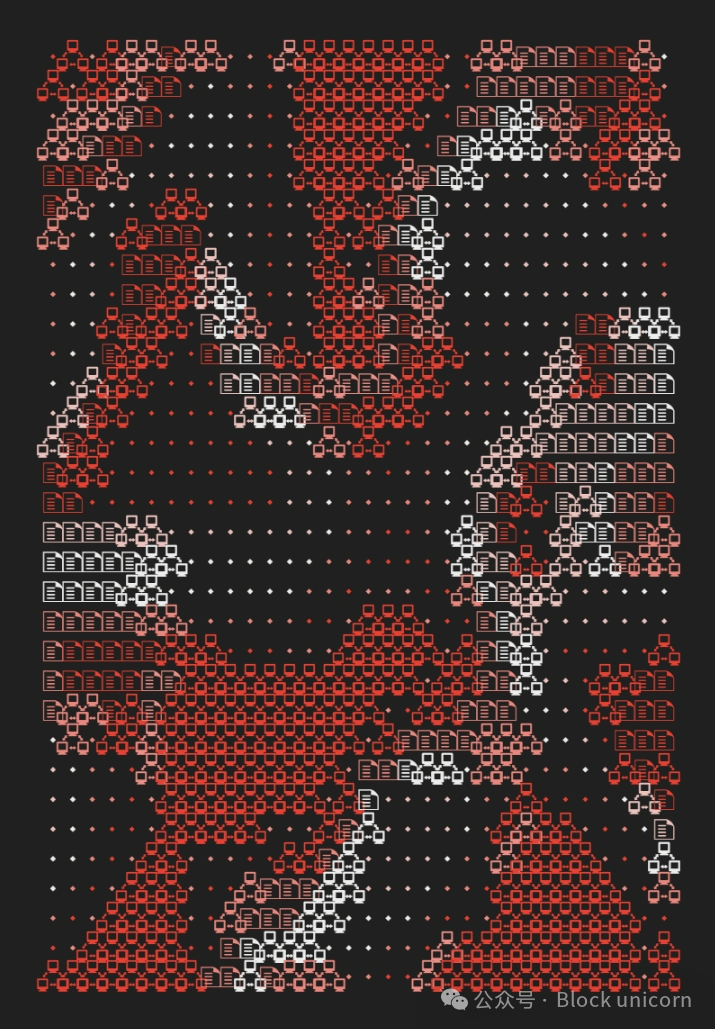
To fully showcase Terraforms as a complex and multidimensional artwork, it may be necessary to write a separate article (see Malte Rauch's excellent commentary on Terraforms at glitch Gallery). But here, I emphasize it as an example demonstrating how on-chain artworks fully utilize composability through their technical infrastructure, proposing an ambitious and open aesthetic vision. As Terraforms gradually becomes a classic in on-chain art, it is likely to become a gathering point for other artists and cultural stakeholders to explore new and imaginative possibilities using distributed computing as a medium for thought and creative expression.
Networked Digital Items as Coordinating Centers
Just as the broader internet expands, blockchains also require network effects to grow and thrive. They are essentially network communication devices with a common economic foundation. So, aside from technical capabilities, the more people use the blockchain, the greater the attention and liquidity it has, thus nurturing more creativity in culture.
As a distributed computer, the blockchain can not only achieve on-chain composability but also on-chain network effects. Digital cultural items on the blockchain should fully utilize both to maximize their potential as cultural amplifiers. Large networks provide vast possibilities for composability to work its magic.
Furthermore, value will primarily accumulate at the network level rather than at the item level, as using generative AI to create digital content, linking them on Layer 2 blockchains, and distributing them to audiences across multiple digital environments through decentralized social media becomes cheaper. This is the premise of Chris F's "Token Constellation Theory" and part of his Starholder world-building project. The theory suggests that we may increasingly view digital items on the blockchain as constellations of digital tokens, not individual tokens, but as an overall experience.
These composable and networked digital items will generate a demand for coordination to attract and guide the flow of value throughout the collective. In such a "complex adaptive media system," network participants will inevitably attempt to self-organize and exert their agency within it. This adds a new dimension to digital cultural items on the blockchain. They are no longer just seen as distributed, ownable objects or used to transmit or trade their cultural value, but as networked entities with their own emerging behaviors and cultural influence—they are agents in an unwritten, open multiplayer game on a distributed computer.
The idea of networked digital items as coordinating centers for digital culture has been most extensively experimented with and promoted by Decentralized Autonomous Organizations (DAOs). However, whether this structure is an effective coordination platform that can bring value to networked digital item collections or a broader space remains to be seen.
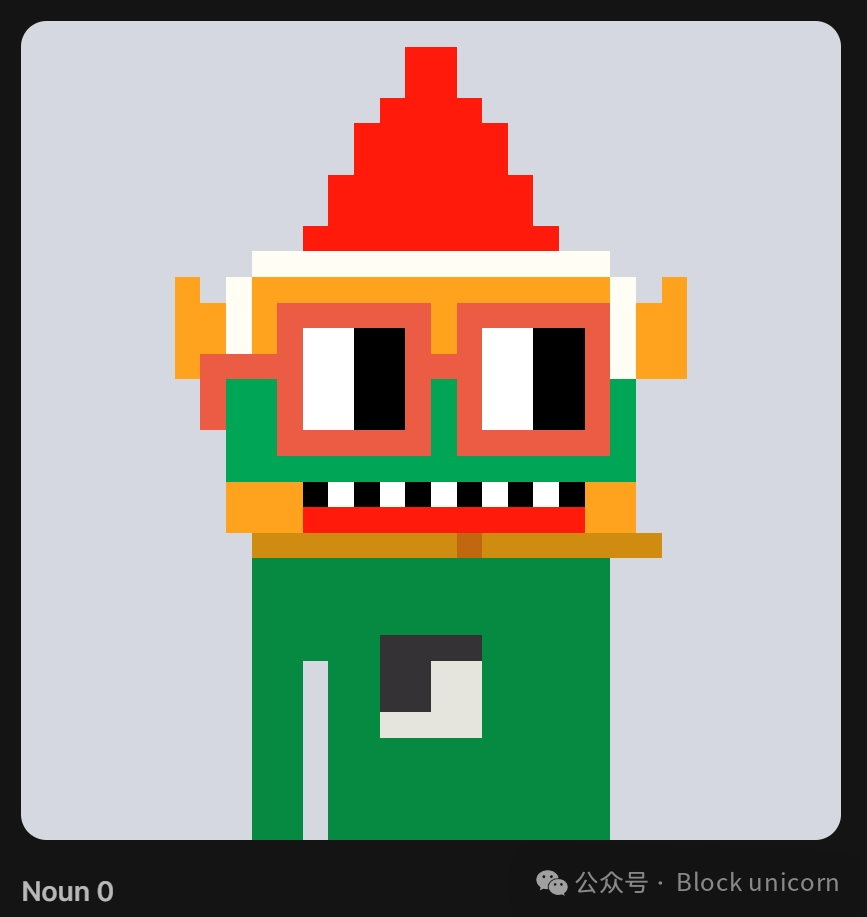
Nouns pioneered a unique fundraising and distribution mechanism where a new on-chain digital avatar (called Noun) is generated and auctioned off once a day. The proceeds from the winning bids go into the Nouns DAO treasury, which is composed of the owners of each Noun, who can propose and vote on how to use the treasury funds. So far, the DAO has primarily funded initiatives to promote the Nouns brand, such as producing a Nouns-themed movie, and charitable causes, such as funding and distributing glasses to children in need.
However, the decentralized governance process within Nouns DAO has not been without controversy, with some arguing that the DAO has wasted funds on extravagant initiatives. In September 2023, some Noun owners voted to withdraw their Nouns from the DAO and create a "fork" DAO based on the proportionally distributed shares they held in the original DAO treasury. The owners of the forked DAO could then exit and claim their underlying assets. During this fork, the Nouns DAO lost over $50 million in funds. It is said that many of the Nouns leaving the original DAO were owned by arbitrageurs who bought them at prices below their "book value" and used the fork to redeem them at higher prices. Subsequently, there were two more forks of the Nouns DAO in October and November 2023, indicating significant difficulties in reaching consensus on the use of digital item collections.
Artists also leverage the networking potential of the blockchain as part of their artworks. They may intentionally incorporate coordination mechanisms into their artworks or allow collectors to participate in their own ways, demonstrating the permissionless nature of this space.
Nevertheless, intentional or spontaneous coordination behaviors surrounding these artworks do place them within the broader artistic traditions of performance art and participatory art, allowing artists to engage in the social reality of cultural activities on the blockchain in a direct and medium-specific manner.
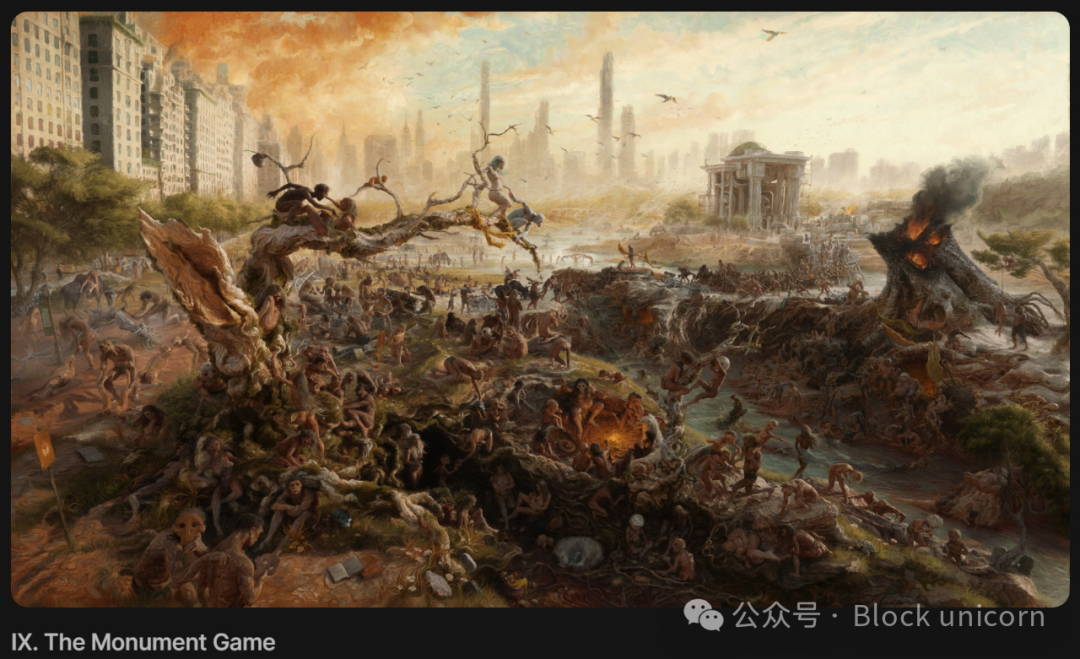
In August 2023, digital artist Sam Spratt released "The Monument Game" on Nifty Gateway, centered around an epic 1/1 digital painting, where 256 "players" who hold another limited edition artwork by the artist were invited to record their observations at specific locations in the painting. This artwork builds on the artist's deep knowledge base established in digital painting, but also gives "players" enough space to add the final layer of color to the artwork and the world it represents—or, in Sam Spratt's own words, "add a little bit of themselves to the artwork and the world it represents."
The Luci Committee—a backbone team composed of art collectors and their supporters who hold the artwork and tokens of "Luci's Skull"—voted for three winning observations. The three winning players then had the opportunity to sacrifice their limited edition artwork to obtain "Luci's Skull" and join the committee.
The aesthetic appeal of the entire artwork comes not only from the evocative painting itself but also from its multiple connections to the broader universe created by Sam Spratt. These observations link each player to their collected versions, which are permanently engraved on the canvas. "Luci's Skull" is a derivative artwork initially awarded to the sole bidder of the artist's early artwork, and its participation further connects this artwork to the past, allowing history to inform the present and influence the future. Overall, "The Monument Game" is a complex system where storytelling, community, and gameplay are intricately woven on the blockchain.
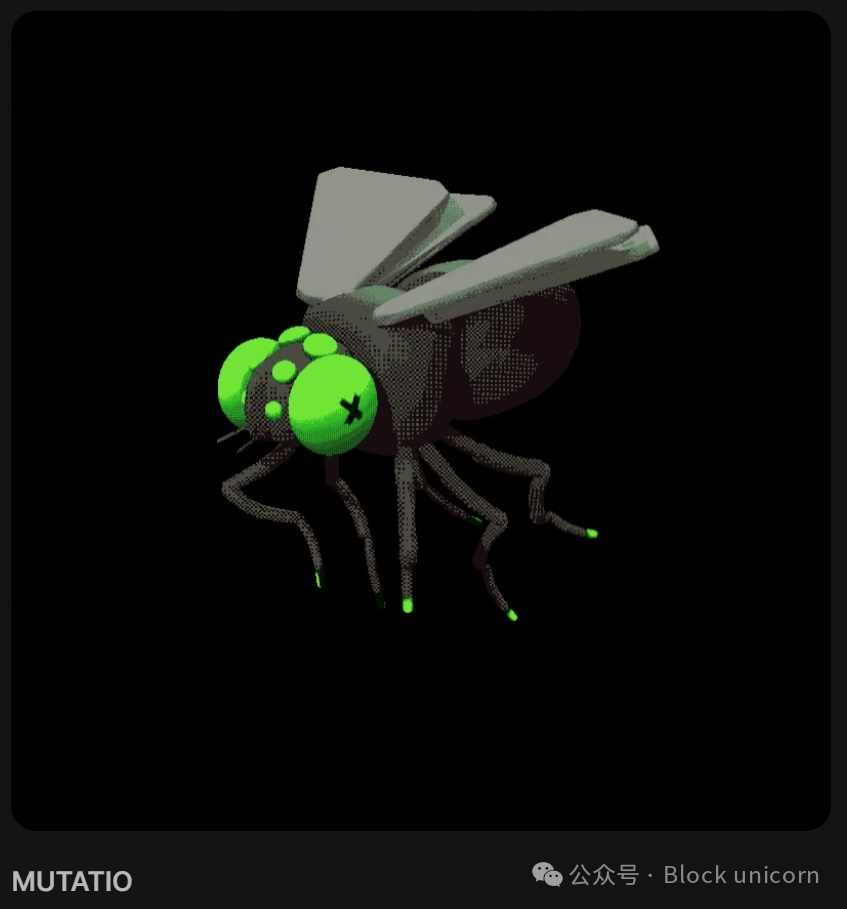
MUTATIO is a collaborative work by anonymous artists XCOPY and NeonGlitch86, released as an open edition on Base L2 in March 2024, with each edition priced at a few dollars' worth of ETH. Within 24 hours, over a million versions were minted from over 30,000 unique blockchain addresses.
Many are speculating that the artists may introduce more uses for each version, perhaps burning them to unlock new artworks or experiences. Nevertheless, the combination of low minting prices and a large number of versions may provide fertile ground for experimenting with new blockchain mechanisms. Some have already created a fungible token ($FLIES) supported by MUTATIO versions, allowing the artwork to be explored and traded more easily through DeFi infrastructure. To me, MUTATIO brings the idea of networked digital items as coordinating centers to life and foreshadows a future where artists will be "magicians of the collective"—managing network items, tokens, text, memes, ideas, capital, and more.
(5) Blockchain as a "Casino"
Finally, we cannot escape the fact that the most popular use case for blockchain so far has been as a "casino."
Financialization of Culture
As a constantly online and accessible computer, anyone can create on the blockchain, making it an ideal place to attract speculative capital. Here, there are almost no barriers to the flow of funds—pursuing new heights, chasing profits, and sowing the hope of immeasurable wealth. With relatively low barriers to creating any token, the supply side is also satisfied. Anyone can relatively easily create new tokens or digital items and then attract a massive influx of liquidity.
During the NFT market frenzy of 2021-2022, we witnessed almost all digital content being aggressively financialized through NFTs, covering a range from fine art to various digital collectibles and paraphernalia, such as old tweets, selfies, and even recordings of one's own flatulence.
Although the demand for these NFTs plummeted almost as quickly as their growth, it is evident that cryptocurrency has made culture and finance more closely intertwined than ever before. In the brief history of the internet, we can now create digital items and provide an open and unstoppable market for these assets for the first time.
If you don't like gambling, then this hyper-financialization of digital culture is repugnant because it creates many distortions in how valuation is determined. For example, speculative influencers may artificially inflate the prices of their target NFTs or tokens and then exit to profit, harming the interests of existing collectors.
However, we should also recognize that culture has always been financialized, as evident in gold farming in online games or the operational methods of the contemporary art world. Cryptocurrency simply makes the potential relationship between culture and money more apparent and, in a sense, more honest. For those looking to make a quick buck, there's no need to pretend. They also can't do things on the sly because all their on-chain transactions can be publicly traced.
By obtaining information on past transactions on the blockchain, we can form our own independent conclusions on how specific cultural assets should be priced. It's like playing games in a casino, where past data for each game, such as win rates, is available to all players. At least when trading digital cultural items on the blockchain, we can take necessary precautions or simply keep our eyes wide open. For me, this is a better way to navigate the digital art and culture market, even if I have to contend with gamblers and charlatans along the way.
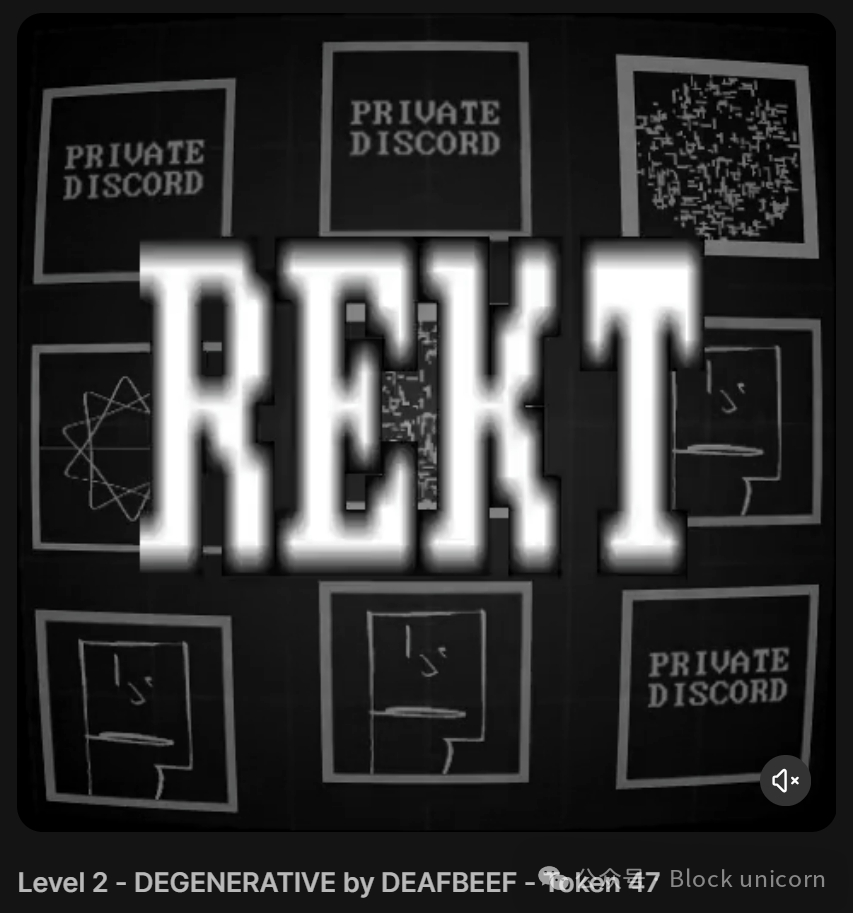
"Degenerative" (2021) by 0xDEAFBEEF is a slot machine game implemented on the Ethereum blockchain. The series started with a set of pre-minted level 0 machines as NFTs, and their owners could gamble and try to win big by submitting transactions on the related smart contract. Doing so would grant them a minting pass to mint an additional slot machine at the next incremental level. The higher the level of the slot machine, the lower the probability of winning the jackpot, and the lower the supply cap. As of the writing of this article, the level 2 slot machine (token 47) shown above has won the most jackpots in the entire series (6 times). This was achieved through 40 rolls, with a winning rate of 15%, significantly higher than the designated 3.5% jackpot probability for that level.
The artwork was created at the peak of the market in 2021, amidst the collision of generative art and crypto-economics. At that time, many speculators used the guise of appreciating art to profit from generative artworks as if they were playing poker. In the artist's own words, "Degenerative" attempts to pose a real question to creators and collectors, asking about their motivations for participating in the generative art field at that particular time: "What does that moment represent: a revolutionary paradigm sponsored by digital art? A one-time opportunity to vie for scarce resources? A meaningless, crazy expenditure of time and energy? Is this a rational decision in unstable times?"
From "Casino" to Integrated Resort
In Singapore, our casinos are part of large integrated developments known as "integrated resorts." The idea of these resorts, which integrate leisure, entertainment, and commercial functions, is that the casino component subsidizes other parts such as hotels, retail, meeting spaces, theaters, etc., to help make the entire development financially viable.
This is not a novel concept. Casino developments in other parts of the world have also taken a similar approach to expand their appeal beyond gambling to attract more people. The evolution of Las Vegas itself proves this—its casinos, once operated by the mafia, have evolved into professionally managed and family-friendly large resorts, now known for their diverse entertainment options and high-quality amenities.
I believe that the cryptocurrency space is undergoing a parallel evolution. There are now many ways to participate in crypto culture, not just as a gambler joining discussions about making money. Today, people can create, curate, and collect high-quality digital art on the blockchain; interact with others through decentralized social media protocols like Farcaster; and use consumer applications tailored for various blockchain-related purposes, such as ticketing, memberships, and loyalty programs. Many applications supporting such functionalities have also benefited from the wealth effect generated by crypto casinos—directly or indirectly receiving financial support.
In fact, as observed by Bradley Freeman, Product Marketing Manager at Stack, "on-chain resorts are being built on top of on-chain casinos" in consumer cryptocurrency. He also points out that casinos and resorts have a symbiotic relationship, evident in the ecosystem being created by meme coins.
For example, the meme coin ($DEGEN) based on Base L2 can be seen as connecting two different worlds of cryptocurrencies—betting on successful cryptocurrencies on Base L2 and/or the Farcaster protocol, as well as serving as an incentive, both within and above the two ecosystems. $DEGEN has a unique distribution mechanism centered around eligible users tipping other users on Farcaster. While there are certainly users trying to game the distribution mechanism to receive more $DEGEN tips, it is heartening to see this meme coin being used for positive and game-like purposes, such as supporting artists, writers, and anyone making meaningful contributions to the field. It is also used to power other applications, such as $DEGEN becoming the native token of its own blockchain, Degen Chain, used to incentivize content creation on Drakula, which aims to be a blockchain-based alternative to TikTok.
$DEGEN was only launched in January 2024 and is still in its early stages. However, its success so far suggests the potential to build a sustainable consumer crypto ecosystem alongside crypto casinos. As the foundation for today's on-chain integrated resorts is being laid, we can look forward to bringing or nurturing popular culture on the blockchain.
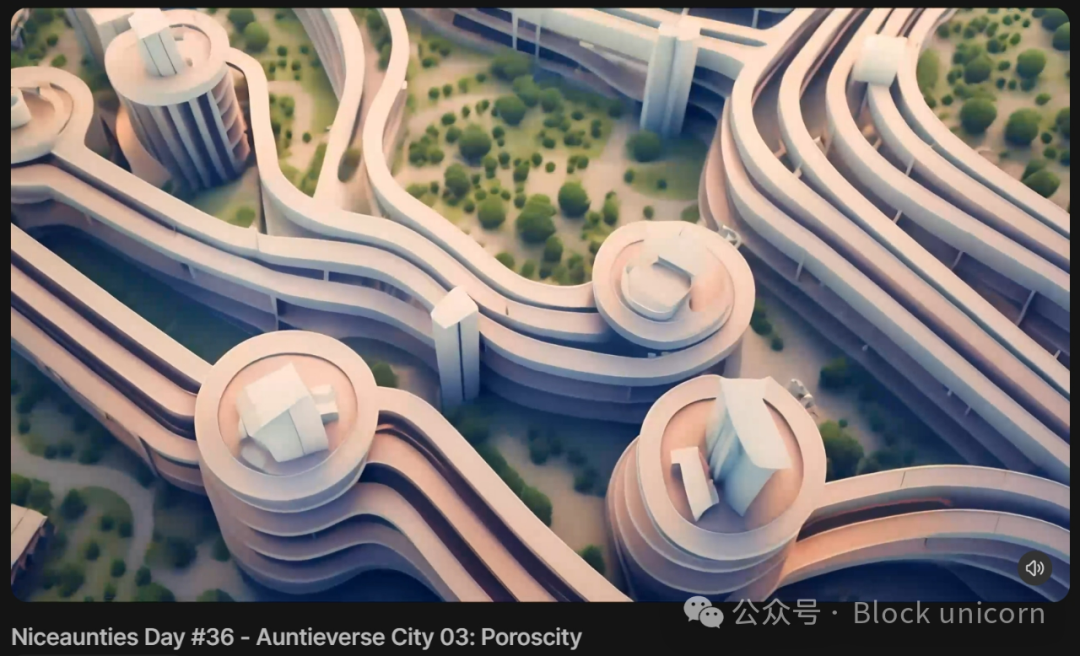
"Poroscity" (2023) is a video artwork created by Niceaunties using AI tools, part of a four-part series launched during the artist's daily show on Fellowship's daily.xyz platform on November 30, 2023. The video showcases "Auntiverse City," a dreamlike, surreal city environment characterized by its vibrant, organic architecture and colorful residents, including aunts living their best lives.
"Auntiverse City" reflects the artist's vision of a material city: colorful, fun, and vibrant. Similarly, our on-chain integrated resorts and cities should be places where we can freely enjoy with friends and do fun and meaningful things together.
Digital Culture Workshop
I have taken some time to elaborate on my mental model of the five "Cs" to demonstrate that blockchain has provided a fairly powerful toolkit for the production and consumption of digital culture.
Returning to the content I wrote at the beginning, we can view crypto as an open and free workshop. Here, we can use a variety of tools to cultivate more enduring and vibrant forms of digital culture, even in its inherent transience and volatility.
The main types of tools in the crypto workshop are summarized as follows:
Records: These historical records are open, verifiable, and interoperable, helping us map and navigate the constantly evolving and expanding realm of digital culture.
Custodians: Custodians enable us to own digital items, encouraging us to become stewards of these objects and the broader digital culture.
Canvas: We can create dynamic and enduring digital items on the canvas, providing interactive, engaging, and memorable new digital experiences.
Computers: Computers provide a more efficient medium for combining and networking digital items, opening up new areas of digital cultural development and unlocking new possibilities for shared participation.
"Casino": By providing a channel for speculation to turn into investment, thus financializing and funding digital culture, these investments will be used to build a broader and sustainable cultural ecosystem on the chain.
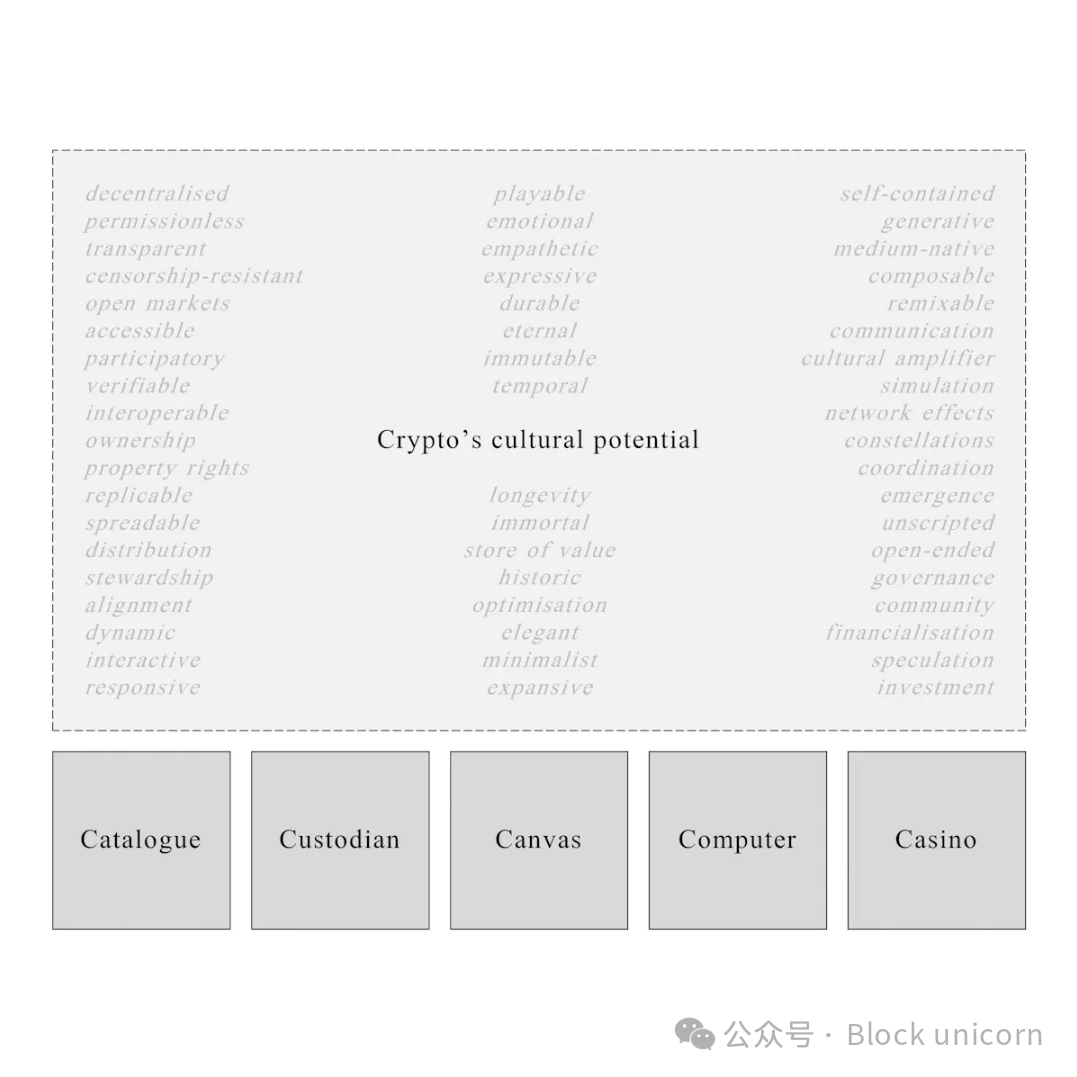
To conclude this article, I have updated my concept map, including some key words. If you are interested in the framework of the five "Cs" in this article, you can mint the original concept map for free on Zora.
Crypto Culture is Dead, Long Live Crypto Culture
Of course, how we use these tools is a personal privilege. Blockchain itself cannot force us to act in a specific way. Instead, the decision on how to utilize the unique convenience provided by blockchain depends on us.
Therefore, in this article, I did not attempt to describe what I think is good culture and what is bad culture. Being a cultural purist is meaningless because the thorough openness of the internet and public blockchain naturally brings chaos. This is our human nature—full of contradictions and tensions, but also full of possibilities and potential. When we have the freedom to create, we can create endless rubbish, but we can also create eternal grails. We like to destroy things, but we also like to build things. We crave conflict, but we also crave community. We think from the perspective of singularities, while containing a multitude of content.
Being on-chain does not change the nature of off-chain. Therefore, when cryptocurrency provides an open and free workshop and showcases many shiny tools, we will do what we have always been doing. We rush in to play on intuition. In the process, we mess up these tools. We loudly demand that others use these tools in our way. We also plot and manipulate so that these tools serve our own interests rather than others'.
But in the midst of the noise, we also realize that the tools in the crypto workshop can be used to create beauty, no different from other tools we are already familiar with. Therefore, some of us will notice the same primitive but perhaps more subtle call—to try to create cultural artifacts using these tools that make us feel. In this process, we try to organize and motivate those around us with a vision and values around this new toolkit. Faced with the finite nature of life, we continue to use all these available tools to touch the infinite. In the end, we all fail and die, but in this effort, we strive to create something that can transcend our lives.
The sum of all these activities is what I understand as culture—using tools to create something that can be passed on. In the context of the internet, cryptocurrency provides us with a novel and unprecedented toolkit to do just that.
With the 5 Cs, we now have the ability to build a platform for superstructures, which, in the words of Jacob Horne, co-founder of Zora, can "run free and forever, without maintenance, interruption, or intermediaries." On these superstructures, we can freely grasp and trade superobjects, and through these superobjects, we can combine the necessary raw materials to create meaning, which is expected to persist in the hyperreality of the digital age we inhabit.
At the same time, we must also be realistic. Whether we view the internet as a homogenized, algorithm-driven "filter world" or a terrifying, silencing "dark forest," most of what we create will never see the light, even if created on the blockchain. But at least the blockchain allows us to set a milestone so that like-minded people may catch a glimpse of it one day—like a faint echo heard in a forest where someone lived many generations ago.
In this sense, digital culture on the blockchain is forever active. May it survive and never fade away.
免责声明:本文章仅代表作者个人观点,不代表本平台的立场和观点。本文章仅供信息分享,不构成对任何人的任何投资建议。用户与作者之间的任何争议,与本平台无关。如网页中刊载的文章或图片涉及侵权,请提供相关的权利证明和身份证明发送邮件到support@aicoin.com,本平台相关工作人员将会进行核查。


