In the exciting world of Web3 startups, having the right tools is crucial for creating and growing your business.
Written by: Harshita Katiyar
Translated by: Deep Tide TechFlow
Do you want to launch and expand your enterprise in the exciting Web3 startup world of NFTs, DeFi, DApps, and DAOs? This article will explore 100 user-friendly tools to help you easily create and develop your Web3 startup enterprise. Whether you are a beginner or an experienced entrepreneur, these tools will provide the necessary resources to help you navigate the decentralized environment, connect with your target audience, and take your business to new heights.
Tools Required for Web3 Startups
For the development of any Web3 startup enterprise, the following tools are needed:
Development Tools: These tools are used to build the infrastructure of your Web3 startup enterprise, such as smart contracts, dApps, and DAOs.
Recruitment Tools: These tools are used to recruit the best talent to create an excellent team for your product or service.
Management Tools: These tools are used to manage your team by providing task lists for better output.
Design Tools: These tools are used to create the user interface and user experience for your Web3 startup enterprise.
Marketing Tools: These tools are used to promote your Web3 startup enterprise and attract the target audience.
Security Tools: These tools are used to protect your Web3 startup enterprise from network attacks.
Legal Tools: These tools are used to ensure that your Web3 startup enterprise complies with all applicable laws and regulations.
Financial Tools: These tools are used to manage the finances of your Web3 startup enterprise.
Community Tools: These tools are used to build and manage the community around your Web3 startup enterprise.
1. Development Tools
Web3 development tools are crucial for building and deploying decentralized applications (dApps). These tools can help developers create smart contracts, test and deploy dApps, interact with blockchain networks, and create NFTs.

Some of the most popular Web3 development tools include:
Truffle Suite: This is a comprehensive development environment for Ethereum dApps. Truffle Suite includes various tools for writing, testing, and deploying smart contracts.
Hardhat: This is a development framework for Ethereum dApps. Hardhat is known for its flexibility and modularity, and it supports many development tools.
Remix: This is a web-based IDE for writing and debugging Solidity smart contracts. Remix is a popular choice for beginners because it is easy to use and has a built-in debugger.
Solidity Compiler: This is the compiler for the Solidity programming language. The Solidity compiler converts Solidity code into bytecode that can be deployed to blockchain networks.
OpenZeppelin: This is an open-source smart contract library for building secure and reliable dApps. OpenZeppelin provides various smart contracts for standard dApp functionalities such as token wallets, token exchanges, and voting systems.
Adobe Photoshop and Illustrator: These tools will help you create NFTs from scratch.
2. Recruitment Tools
Recruiting the right talent is crucial for any startup enterprise, but it can be particularly challenging for Web3 startup enterprises looking for professionals with specialized skills.

Some of the most popular recruitment tools include:
Ethlance: This is a decentralized job posting platform that allows employers to post positions and search for candidates. Ethlance is a good choice for Web3 startup enterprises looking for candidates familiar with blockchain technology and decentralized applications (dApps).
Web3 Career: This is a job posting platform designed specifically for Web3 startup enterprises. Web3 Career allows employers to post positions and search for candidates with experience in various Web3 roles, including development, marketing, and sales.
LinkedIn: This is a popular social media platform that can be used to connect with potential candidates. LinkedIn allows employers to post positions, search for candidates, and view candidates' profiles.
Upwork: This is a freelance platform that can be used to hire freelancers for various tasks, including development, marketing, and design. Upwork is a good choice for Web3 startup enterprises looking for temporary or contract work.
Remote3: This is a job posting platform specifically for remote work. Remote3 allows employers to post positions and search for candidates willing to work remotely. Remote3 is a good choice for Web3 startup enterprises looking for candidates worldwide.
In addition to these tools, other resources can be utilized to find and recruit talent for Web3 startup enterprises, such as joining Web3 communities, attending meetups and conferences, and participating in Web3 hackathons.
3. Management Tools
Managing a team for a Web3 startup enterprise can be challenging, but there are many tools that can help address this issue.
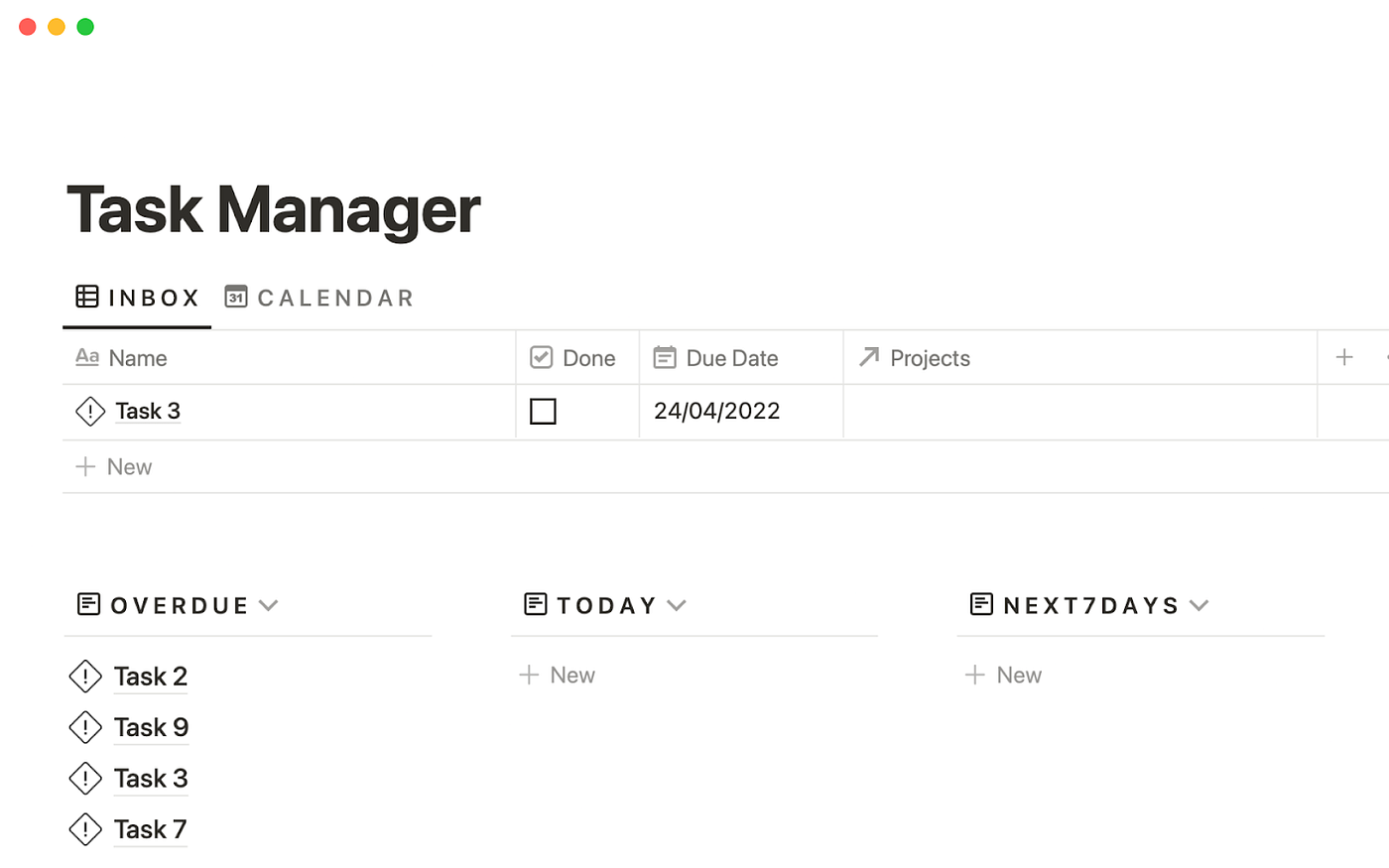
Some of the most popular team management tools include:
Trello: This is a kanban-style project management tool that helps teams visualize work and track progress. It is a popular tool for managing teams in the Web3 space because it is easy to use and can be customized to the specific needs of the team.
Slack: This is a team communication tool that allows teams to chat, share files, and collaborate on projects. It is a popular tool for managing teams in the Web3 space because it is secure and can be used to communicate with global team members.
Notion: This is a collaborative workspace that can be used to store documents, manage tasks, and organize projects. It is a popular tool for managing teams in the Web3 space because it is flexible and can be used to manage a variety of projects.
These are just a few of the many tools available for managing teams in Web3 startup enterprises. The choice of tools will depend on the needs of your team and project.
4. Design Tools
Web3 design tools are crucial for creating user-friendly and engaging interfaces for decentralized applications (dApps). These tools can help designers create wireframes, models, prototypes, and final designs for dApps that can be implemented in code.

Some of the most popular Web3 design tools include:
Figma: This is a web-based design tool that is popular for its collaborative features and the ability to create responsive designs. Figma is a good choice for designers to work together on the same design file.
Sketch: This is a desktop design tool that is popular for its vector graphics capabilities and the ability to create high-fidelity designs. Sketch is a good choice for designers who want to create detailed designs for creating high-quality dApps.
Adobe XD: This is a vector graphic design tool in the Adobe Creative Cloud suite. Adobe XD is a good choice for designers who are already familiar with Adobe products and want to use tools that integrate with other Adobe products.
InVision: This is a cloud-based design collaboration platform that allows designers to create and share prototypes of dApps. InVision is a good choice for design teams looking to get feedback on designs from users and other stakeholders.
- Security Tools
Security is crucial for any Web3 startup enterprise, as hackers often target blockchain-based applications.

Some of the most popular security tools include:
MetaMask: A popular crypto wallet that allows users to store and manage their cryptocurrencies and non-fungible tokens (NFTs). MetaMask also provides a web browser extension that allows users to interact with decentralized applications (dApps) directly from the browser.
Ledger Nano X: A hardware wallet that stores users' cryptocurrency private keys offline, making it more difficult for hackers to steal funds.
Trezor: Another popular hardware wallet that stores users' cryptocurrency private keys offline.
Etherscan: A blockchain explorer that allows users to view and analyze Ethereum blockchain data. Etherscan can be used to track transactions, view smart contract code, and identify potential security vulnerabilities.
PeckShield: A blockchain security company that provides various security services, including smart contract audits, security research, and incident response.
In addition to these tools, Web3 startups can also follow some other security best practices to protect themselves, such as:
Using strong passwords and two-factor authentication.
Keeping software updated.
Being cautious of phishing links and opening files.
Interacting only with trusted sources.
Regularly backing up data.
Many Web3 startups offer additional security for your Web3 products, such as Infura, Certik, and Saber Security. By following these security best practices, Web3 startups can help protect themselves from network attacks and ensure the security of users' funds.
6. Community Tools
Community tools are crucial for building and growing successful Web3 startup enterprises. These tools can help you connect with users, build relationships, and foster community awareness.

Some of the most popular Web3 community tools include:
Twitter: Twitter is a great way to connect with potential users and investors. You can use Twitter to share news and updates about your project, as well as engage in discussions with the community.
Threads: Threads is a Twitter clone recently launched by Meta. You can also use it to engage in community discussions with Web3 enthusiasts.
Discord: Discord is a chat platform designed for gamers, but it is also a great tool for building and growing Web3 communities. Discord allows you to create channels for different topics and can be used for voice and video calls.
Telegram: Telegram is another commonly used chat platform for cryptocurrency communities. Similar to Discord, Telegram offers some additional features such as creating polls and surveys.
Reddit: Reddit is a social news aggregation website with many communities dedicated to cryptocurrency and Web3. You can use Reddit to share news and updates about your project and answer users' questions.
Medium: Medium is a popular blogging platform in the cryptocurrency community. It is a good way to share long-form content about your project and connect with other industry thought leaders.
These are just some of the many community tools available for Web3 startup enterprises. By using the right tools, you can build and grow a successful community for your project.
7. Marketing Tools
Web3 marketing tools are crucial for attracting a wider audience and increasing awareness of Web3 startup enterprises.

Some of the most popular marketing tools include:
Social Media: Social media platforms like Twitter, Discord, Telegram, and Reddit are great ways to connect with potential customers and investors.
Content Marketing: Content marketing is a great way to establish yourself as an industry expert and attract new customers. You can create blog posts and other content to provide value to your target audience.
Influencer Marketing: Influencer marketing is a great way to reach a wider audience and create buzz for your project. You can collaborate with influencers who have a large following in your target market to promote your project to their audience.
Ad Services: These platforms specialize in providing advertising services for Web3 applications and products. These platforms help startups easily reach their target audience.
These are just some of the many marketing tools available for Web3 startup enterprises. The choice of tools that best suit your needs will depend on your specific project and budget.
In the exciting world of Web3 startup companies, having the right tools is crucial for creating and developing your business. Whether you are interested in NFTs, DeFi, DApps, or DAOs, there are countless tools available to support you. In this article, we have introduced 100 essential tools to meet various needs, such as web3 development, hiring the right talent, effectively managing teams, and building thriving web3 communities.
免责声明:本文章仅代表作者个人观点,不代表本平台的立场和观点。本文章仅供信息分享,不构成对任何人的任何投资建议。用户与作者之间的任何争议,与本平台无关。如网页中刊载的文章或图片涉及侵权,请提供相关的权利证明和身份证明发送邮件到support@aicoin.com,本平台相关工作人员将会进行核查。


