Author: Chamath Palihapitiya
Translation: Deep Tide TechFlow
Deep Tide Introduction: AI capital expenditure has surpassed oil and gas for the first time, but the price of computing power is volatile, and the market has almost no hedging tools. The Chicago Mercantile Exchange (CME) plans to launch computing power futures, which is a key experiment in determining whether computing power can become the next trillion-dollar asset class. This article points out that for computing power futures to run effectively, the problems of concentration and interchangeability must be resolved first, which are risk variables that all investors laying out AI infrastructure must understand.
“I actually believe a new asset class will emerge, which is purchasing computing power futures. Right now, we just don’t have enough computing power.” — Larry Fink, CEO of BlackRock
This week, he was proven right.
The CME Group, a global leader in the derivatives market, has announced in collaboration with Silicon Data, an industry leader in GPU market intelligence and benchmarking, its plans to launch computing power futures contracts on October 5, 2026, pending regulatory review.
Why does computing power need a financial market?
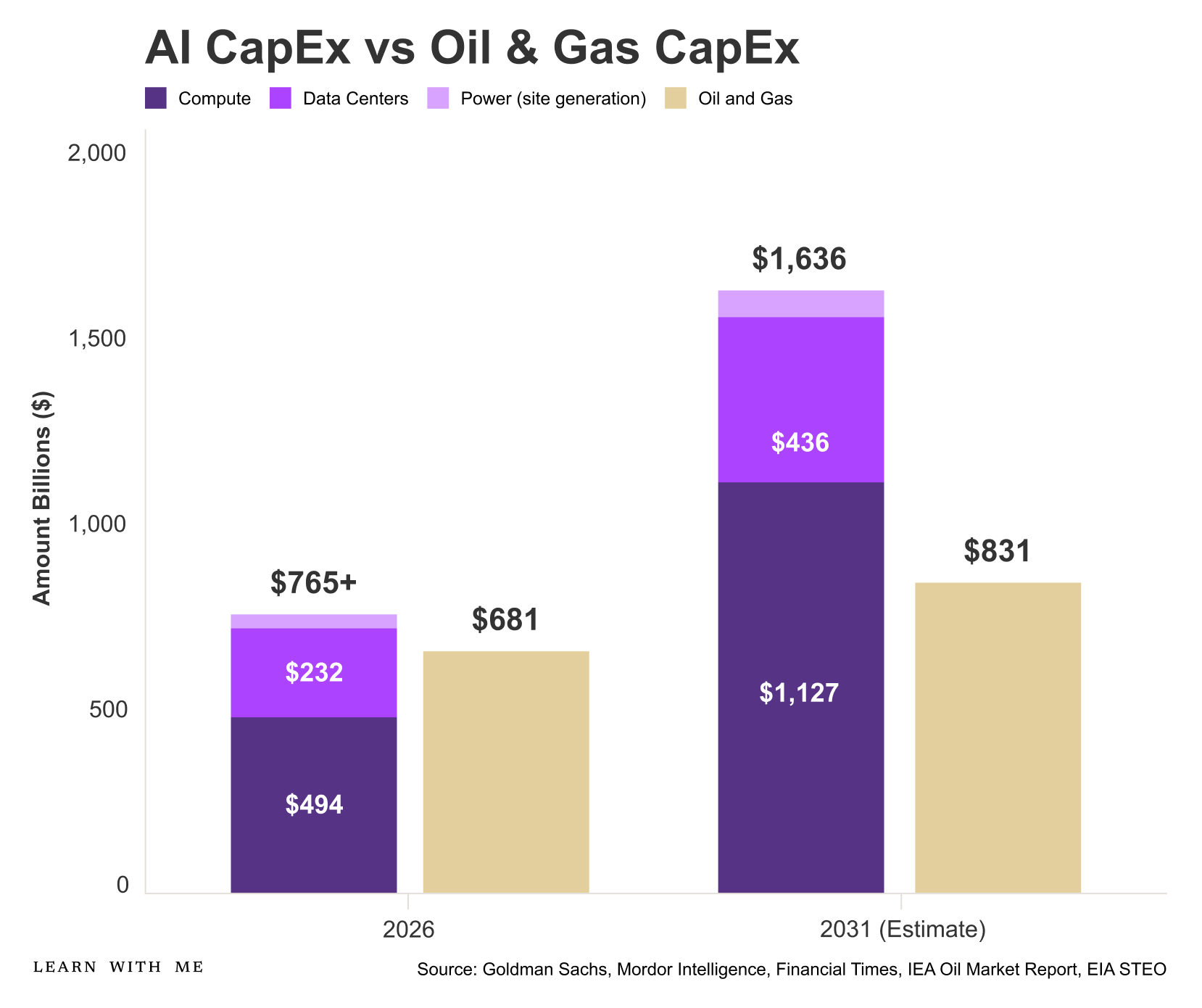
In 2026, AI capital expenditure is projected to reach $765 billion, surpassing oil and gas at $681 billion for the first time. By 2031, it is expected to almost double. Morgan Stanley predicts that the spread of AI in the global economy will create $40 trillion in opportunities. And this opportunity relies on one crucial resource: computing power.
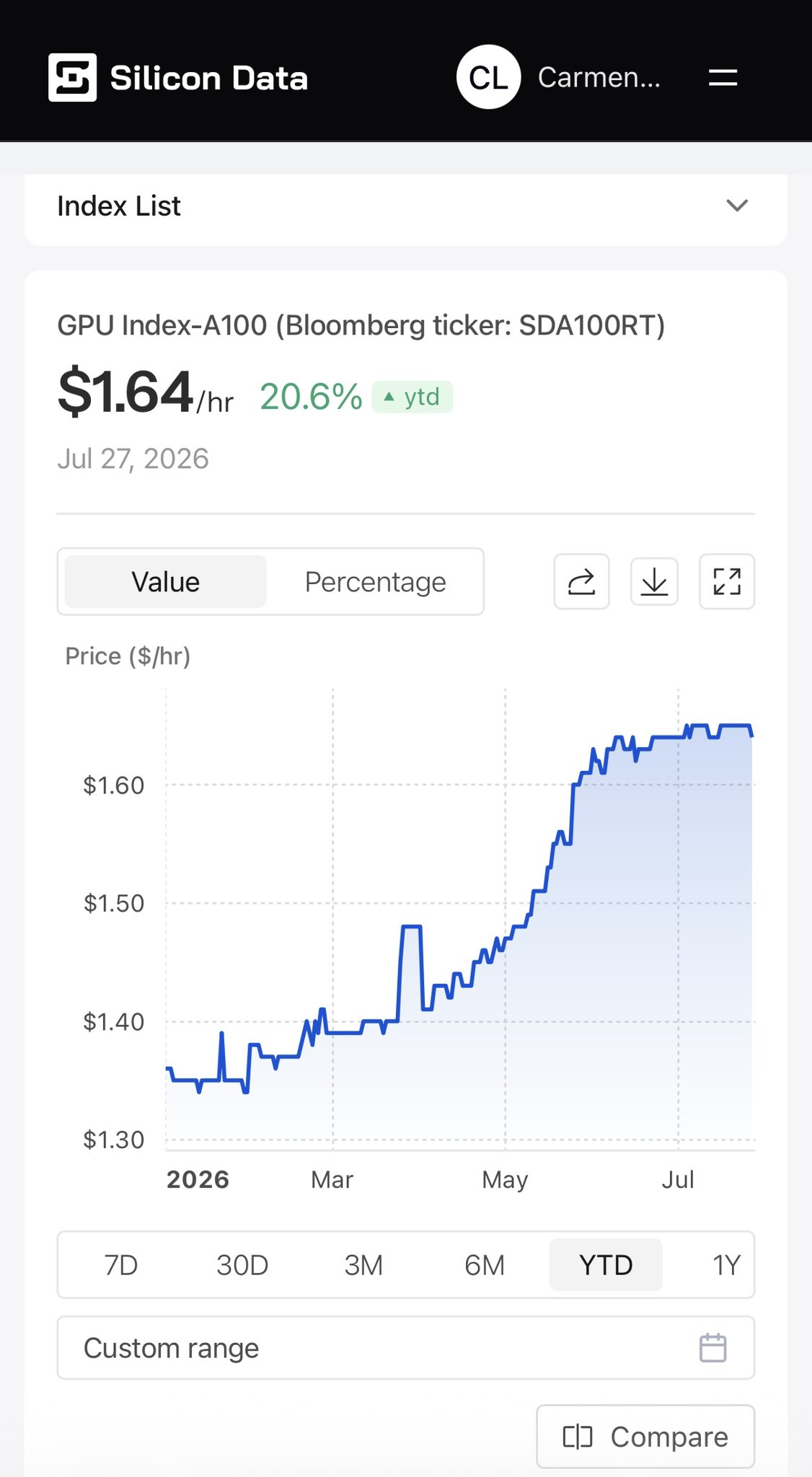
Silicon Data's index shows that since the beginning of this year, the demand for computing power has surged, even for older generations of GPUs:
When so much capital flows into an industry, those spending money need a way to protect themselves from adverse price fluctuations.
Today, oil-producing companies can buy futures contracts to lock in prices before delivery. If spot prices drop, the contracts help stabilize revenue. Buyers on the other side use the same market to hedge against fuel costs. Both parties remove price volatility from their businesses.
Computing power does not yet have such tools, exposing anyone building or purchasing AI infrastructure to three types of risk:
The price of GPU rentals is highly volatile, skyrocketing during surges in demand, or plummeting when supply is abundant or new chips are released, making it difficult for AI companies to budget accurately for their largest expense.
Whenever Nvidia releases faster chips, the rental value of the previous generation chips declines, and the collateral behind hardware loans shrinks accordingly.
A data center takes two to three years to build, but developers have very limited means to lock in their computing power costs or revenues. Each such decision is a bet worth billions of dollars.
These risk exposures create the demand for computing power futures. However, before this market can scale, it must confront the same two issues that have previously limited other futures markets: concentration and interchangeability.
Attempts to establish futures markets around onions, uranium, DRAM memory chips, and bandwidth have encountered one or both of these issues.
For computing power, the concentration problem is more complex. Buyers are becoming decentralized as demand for inference is spread across thousands of companies operating production workloads. The seller camp is broad and still growing, with new cloud vendor revenues expected to surpass $25 billion by 2025, covering over 60 providers. Yet at its core, it remains highly concentrated, with Nvidia supplying most AI chips.
The second issue is interchangeability.
Currently, computing power prices are quoted on a GPU hourly basis, i.e., the cost of renting a single GPU for an hour. However, two GPUs of the same model may provide different computing power within an hour.
Silicon Data, in collaboration with academic partners, ran the same workloads on 3,500 GPUs from 11 cloud providers. Even within the same chip models, they found significant differences. In one test, the performance variation of the H100 reached up to 34.5%, with the largest gap across the entire study reaching 38%.
The first batch of sustainable contracts may require defining several tiers, similar to how energy markets use different fuels, locations, and delivery periods.
But the bigger question is what happens if computing power futures work. Can computing power become the next asset class with nominal trading volumes in the trillions, accelerating the AI economy?
免责声明:本文章仅代表作者个人观点,不代表本平台的立场和观点。本文章仅供信息分享,不构成对任何人的任何投资建议。用户与作者之间的任何争议,与本平台无关。如网页中刊载的文章或图片涉及侵权,请提供相关的权利证明和身份证明发送邮件到support@aicoin.com,本平台相关工作人员将会进行核查。


